Power Skills: Essential Skills to Develop for Workplace Success

Sorry, there were no results found for “”
Before you are a leader, success is all about growing yourself. When you become a leader, success is all about growing others
Imagine a workplace where every team member communicates seamlessly, adapts to challenges effortlessly, and finds innovative solutions to complex problems. This isn’t a distant ideal; it’s what organizations achieve by focusing on power skills.
As workplaces shift toward hybrid models and the essential ingredients for success evolve, the need for qualities like emotional intelligence, creativity, and collaboration only grows. These skills aren’t just about surviving change—they’re about thriving in it.
Power skills are essential workplace abilities that enhance communication, collaboration, and leadership. Unlike technical abilities, power skills emphasize interpersonal skills, emotional intelligence, and critical thinking—elements that directly influence team dynamics and overall success.
For instance, a team leader proficient in problem-solving and adaptability can navigate unexpected challenges during a project, ensuring the team stays productive and aligned with goals.
These skills are indispensable for:
| Power skills | Soft skills |
| Focus on measurable outcomes like decision-making and leadership | Emphasize personal traits like empathy and cooperation |
| Used actively to address real-world challenges in professional settings | Often enhances workplace harmony without direct performance results |
| Example: Resolving a conflict in a hybrid work environment by facilitating dialogue | Example: Remaining approachable and fostering a friendly work atmosphere |
The shift to hybrid and remote work environments has increased the need for power skills, which help employees navigate the challenges of virtual collaboration. Key areas where they shine include:
Power skills ensure remote teams remain cohesive and productive despite physical separation, creating a culture of trust and innovation.
👀Did You Know? In the 1980s, NASA developed virtual teams to manage their growing global projects—long before remote work became mainstream. These early experiments showed that success wasn’t just about technology, rather, it was about fostering trust, adaptability, and communication among team members
When employees master power skills, the impact extends across all levels of an organization:
These skills form the foundation of a modern workforce, enabling both employees and organizations to thrive in an ever-changing business landscape.
Power skills are the game-changers that set exceptional teams and leaders apart. These abilities drive collaboration, innovation, and adaptability, ensuring employees can meet the demands of a fast-changing workplace.
By focusing on the development of these skills, you’re responding to the needs of today as well as preparing for the challenges of tomorrow.
Emotional intelligence is the ability to recognize, understand, and manage your emotions while influencing those around you. It’s essential for building trust, resolving conflicts, and creating a positive work environment.
🏆 Example: A team leader detects rising tension in a meeting and proactively diffuses it by acknowledging differing viewpoints and steering the discussion toward solutions.
Creativity fuels fresh ideas, while critical thinking evaluates those ideas for real-world effectiveness. Together, they are the cornerstone of innovation and effective problem-solving.
🏆 Example: A marketing strategist merges data-driven insights with innovative, non-traditional campaign ideas to increase brand visibility by 30% in three months.
Conflict management turns disagreements into opportunities for growth, while negotiation ensures balanced outcomes that benefit all parties.
🏆 Example: A manager mediates a resource-sharing dispute between two departments by drawing up a common priority list, aligning everyone on shared goals, while ensuring equitable access to tools.
Social intelligence enables you to navigate complex interpersonal dynamics, while empathy helps you genuinely understand and relate to others’ emotions and experiences.
🏆 Example: A team lead observes subtle signs of disengagement from a remote employee and schedules a one-on-one to address their concerns, improving morale.
Collaboration involves working with others to achieve common goals, while teamwork ensures individual strengths are leveraged effectively to benefit the group.
🏆 Example: A product launch team successfully integrates input from marketing, design, and other members of the company, resulting in a seamless and well-received rollout, with fewer user compliants.
Problem-solving addresses immediate challenges, while innovation creates forward-thinking solutions that drive growth.
🏆 Example: A supply chain manager streamlines operations by introducing AI-driven tools, cutting costs, and reducing lead times by 25%.
Adaptability allows you to thrive in changing circumstances, while resilience ensures you can recover quickly from setbacks. Together, these skills are vital for navigating workplace uncertainty.
🏆 Example: A team member adapts to a sudden change in project requirements by quickly learning a new tool, keeping the project on schedule and within scope.
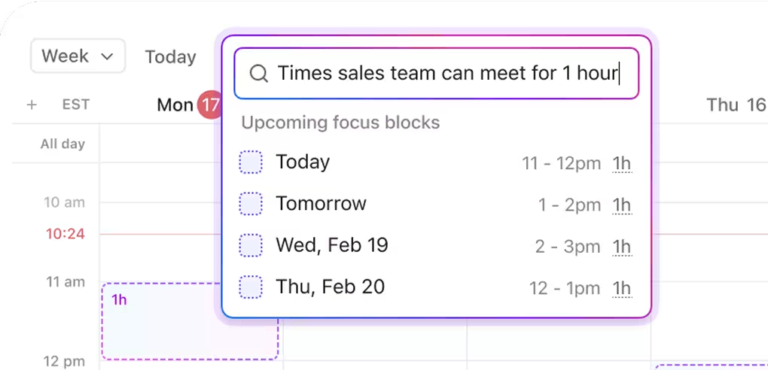
Time management ensures efficient use of your hours, while prioritization helps focus on the tasks that have the highest impact. These skills are essential for maintaining productivity in demanding roles.
🏆 Example: A project manager organizes their day using strict task prioritization, ensuring critical deliverables are completed ahead of deadlines without compromising quality.
Developing these power skills is not just an investment in individual growth—it’s a commitment to building a culture of collaboration, resilience, and innovation. As your team masters these abilities, they’ll tackle challenges with confidence, unlock creative solutions, and propel your organization to sustained success.
Creating a workforce equipped with power skills requires strategic programs, practical application, and a culture of continuous feedback. Here’s how you can implement these skills effectively.
Interactive training programs tailored to specific skills help employees translate theory into practice. Workshops focusing on problem-solving or emotional intelligence provide real-world scenarios where employees can refine their abilities.
For instance, a leadership development session might include simulations for managing difficult team dynamics or handling negotiations.
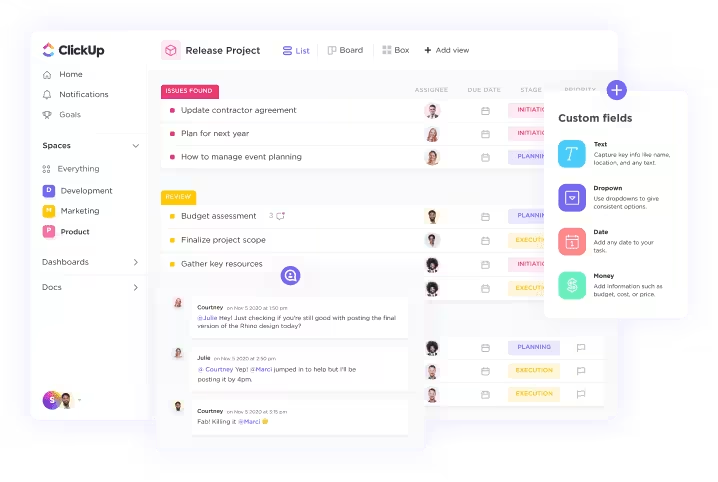
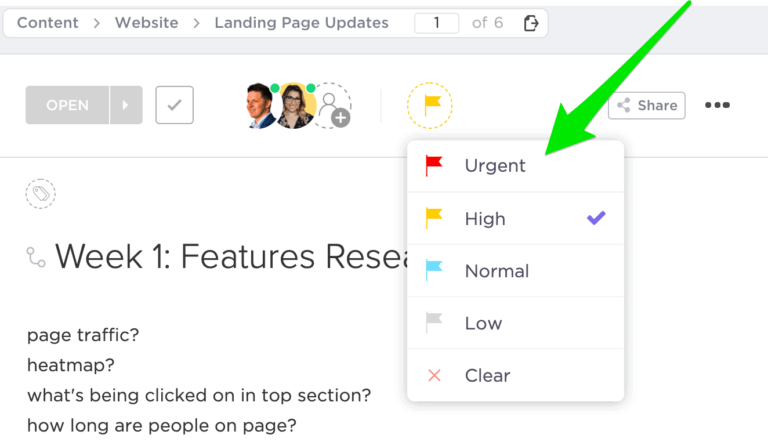
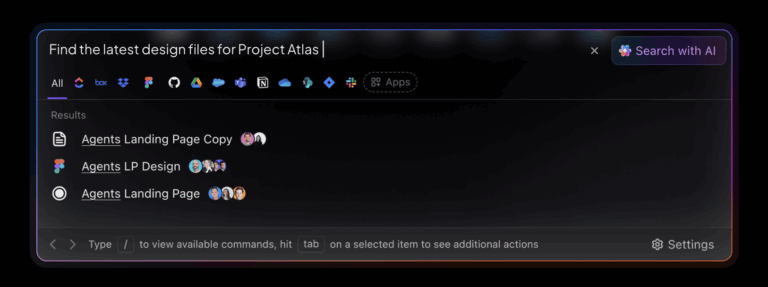
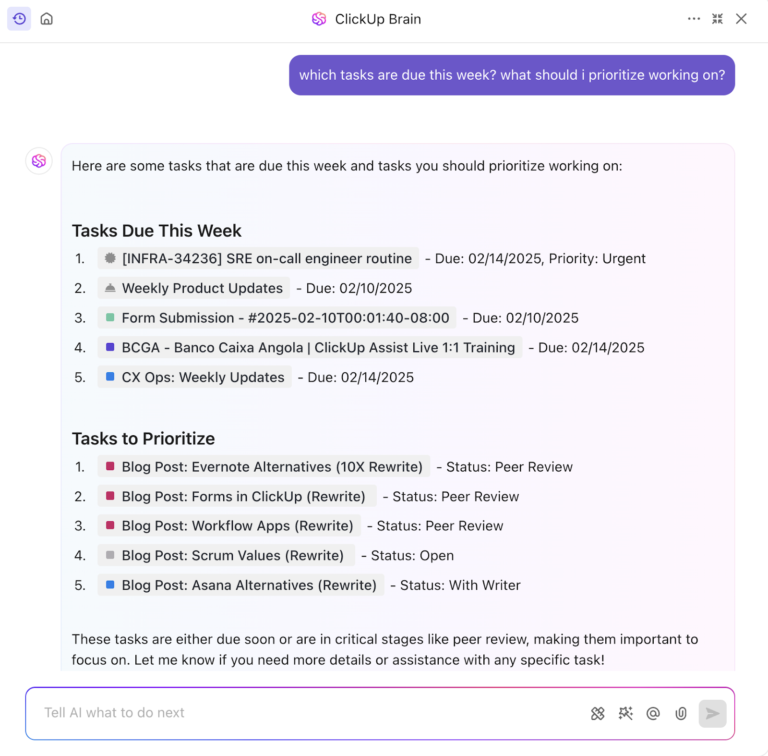
💡 Implementation insight: Use ClickUp Tasks to assign training modules, attach resources, and set priorities. Track participation and productivity with ClickUp Time Tracking to ensure employees remain focused on their skill-building efforts.

Mentorship offers employees personalized guidance while retraining ensures skills evolve with workplace demands. Mentors can model effective behaviors, such as conflict resolution or adaptability, and provide real-time feedback.
A mentor-mentee relationship, for example, might focus on helping a team lead balance priorities during a high-stakes project.
💡 Implementation insight: Identify skill gaps using the ClickUp Skills Gap Analysis Template and map competencies with the ClickUp Technical Skills Matrix Template. These tools help create a personalized growth plan that aligns with individual and organizational goals.
Power skills develop best when practiced in daily workflows. Collaborative projects provide opportunities to apply skills like teamwork, creativity, and leadership.
For instance, during a product development cycle, documenting brainstorming outcomes ensures clarity and alignment among team members.
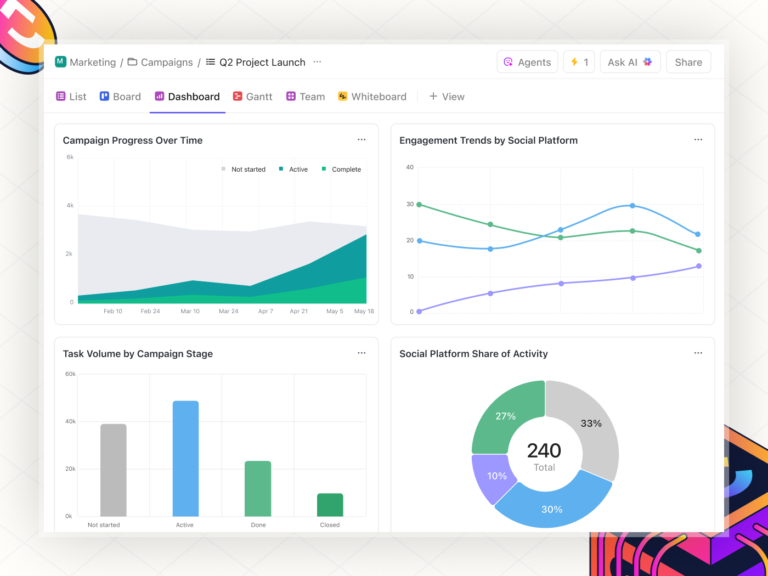
💡 Implementation insight: Use ClickUp Dashboards to visualize team progress and ClickUp Chat to facilitate instant communication, fostering seamless collaboration.

Regular feedback is essential for refining power skills and improving training programs. Gathering employee input highlights what works and what needs adjustment. For example, an employee may suggest incorporating hands-on activities into leadership workshops to make them more engaging.
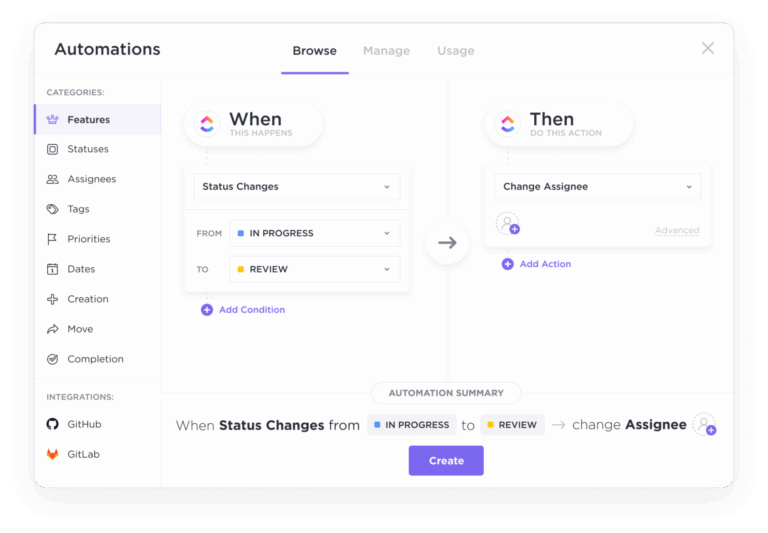
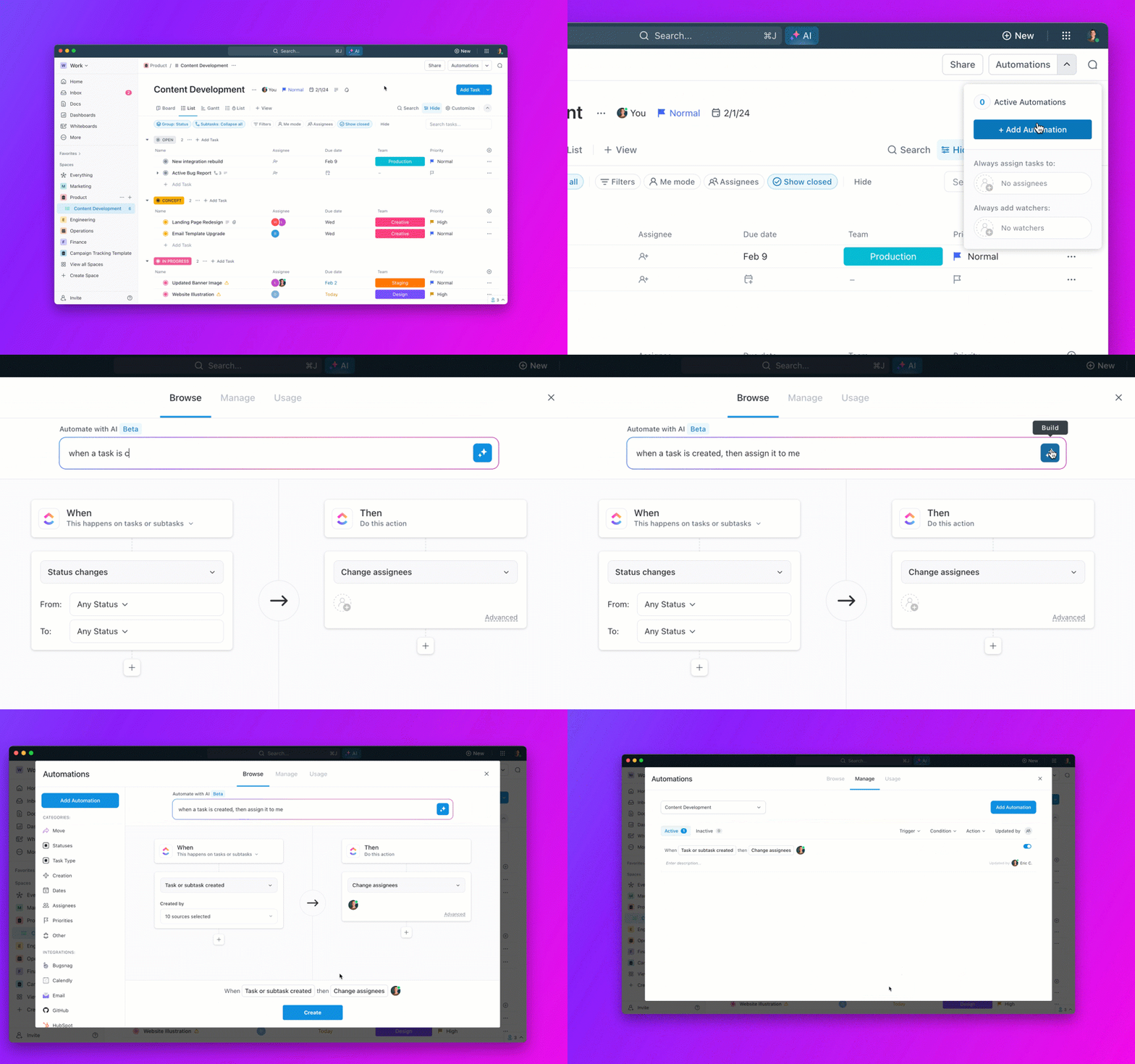
💡 Implementation insight: Use ClickUp Forms to collect feedback and ClickUp Automations to follow up efficiently. Monitor progress through ClickUp Views, which provide a comprehensive look at team-level skill applications.

Embedding power skills into workplace culture ensures they become second nature. Assigning tasks such as leading meetings or handling client negotiations allows employees to apply skills like leadership and problem-solving in real scenarios.
For example, a team member tasked with presenting project updates to stakeholders can practice adaptability and effective communication under pressure.
💡 Implementation insight: Set measurable goals for your tasks using ClickUp Goals, and track progress with ClickUp Milestones. Use ClickUp Docs to document learnings and share outcomes, reinforcing long-term development.
By embedding power skills into training programs, mentorship initiatives, and everyday workflows, organizations can foster leadership, adaptability, and creativity, ensuring employees thrive in a modern workplace defined by collaboration and innovation.
Also Read: 10 Best Skills Management Software
Power skills are the backbone of how teams collaborate, adapt, and lead in the modern workplace. These human-centered skills complement hard skills, enabling your employees to tackle complex problems, boost productivity, and spark innovation—all while confidently handling challenges with social and emotional intelligence.
When organizations prioritize employees’ power skills, they create a culture centered on creativity, resilience, and teamwork skills. Such human skills not only empower individuals but also strengthen leadership skills and address the in-demand skills employees need to keep your organization ahead of the curve in an ever-changing world.
Ready to transform your team’s potential? Sign up for ClickUp today!
© 2025 ClickUp