

Sorry, there were no results found for “”
Sorry, there were no results found for “”
Sorry, there were no results found for “”
Managing client projects pulls you into constant context switching.
One tool for task tracking. Another for file sharing. Timelines in a spreadsheet. Updates over email. Every project lives in fragments, and client communication becomes a job of its own. You’re managing work and managing expectations at the same time, with no single source of truth.
Enter: project management tools with client portals.
Feedback sits next to the work. Project progress is visible in real time. Your internal teams and external stakeholders stay on the same page without manual follow-ups.
Ahead, we show you the best client portal in project management tools, along with key features, limitations, and pricing, and help you make an informed decision.
The right choice of client portal depends on how involved others are in your projects, how much insight you want them to have along the way, and which customer management strategies align with your delivery model.
The key factors to evaluate when you are looking for a client portal software with project management include:
Short on time? Here’s a quick snapshot of the best project management software with secure client portal features:
| Tool | Key features | Best for | Pricing* |
| ClickUp | AI-powered tasks, contextual AI, chat, dashboards, Super Agents, automations | All-in-one AI-powered team management with customizable workflows | Free Forever; Customizations available for enterprises |
| monday.com | Custom boards, no-code automations, dashboards, multiple views, forms | Building custom team workflows with permissioned client access | Free (2 seats); Paid plans from $14/month per user |
| Asana | Multiple project views, task ownership, Multi-Homing, Work Graph, 200+ integrations | Multi-team coordination with parallel internal and client workflows | Free; Paid plans from $10.99/month per user |
| Teamwork.com | Client-level tagging, file-level activity streams, branded forms, automations | Agencies managing many multiple client projects on retainer | Free; Paid plans from $13.99/month per user |
| Wrike | Integrated client portals, live Gantt & dashboards, granular roles, AI agents | Enterprise client delivery at scale | Free; Paid plans from $10/month per user |
| OneDesk | Ticket-to-task continuity, client-visible stages, built-in messaging, branded portals | Support-heavy or ticket-driven client work | Paid plans from $26.99/month per user |
| Celoxis | Budget vs actual dashboards, profitability tracking, KPI-based intake, capacity charts | Budget-sensitive, high-stakes client projects | Paid plans from $10/month per user |
| Notion | Linked tasks & projects, client hubs, lightweight automations, AI search | Building a single client-facing command center | Free; Paid plans from $12/month per user |
| Trello | Visual Kanban boards, Power-Ups, board-level sharing, embeds | Simple, low-friction client visibility | Free; Paid plans from $5/month per user |
| Bonsai | Client portals, task lists, contracts, invoices, branding | Freelancers and small service teams | Paid plans from $15/month per user |
| Dock | White-labeled portals, embeds, engagement analytics, guided tasks | Branded onboarding and client portals | Free; Paid plans from $350/month per user |
| FuseBase | Deal rooms, document publishing, AI agents, activity tracking | Document-heavy, deal-room-style engagements | Paid plans from $39/month per user |
| Smartsheet | Spreadsheet-style sheets, client dashboards, controlled permissions, AI summaries | Spreadsheet-native client reporting | Paid plans from $12/month per user |
Our editorial team follows a transparent, research-backed, and vendor-neutral process, so you can trust that our recommendations are based on real product value.
Here’s a detailed rundown of how we review software at ClickUp.
And now, let’s get into the tools that make client-facing project management easier, especially when you are managing multiple projects and clients simultaneously.
Most client portals show progress but don’t participate in the work itself.
ClickUp, the world’s first converged AI workspace, treats client access as a built-in extension of your delivery system, not a separate viewport.
Rather than exporting dashboards or copy-pasting updates, ClickUp lets clients engage with the work where it actually happens, with permissions that control what they see and do, without exposing internal complexity.
Here’s how ClickUp supports client workflows in a way that feels natural for both internal teams and external stakeholders.
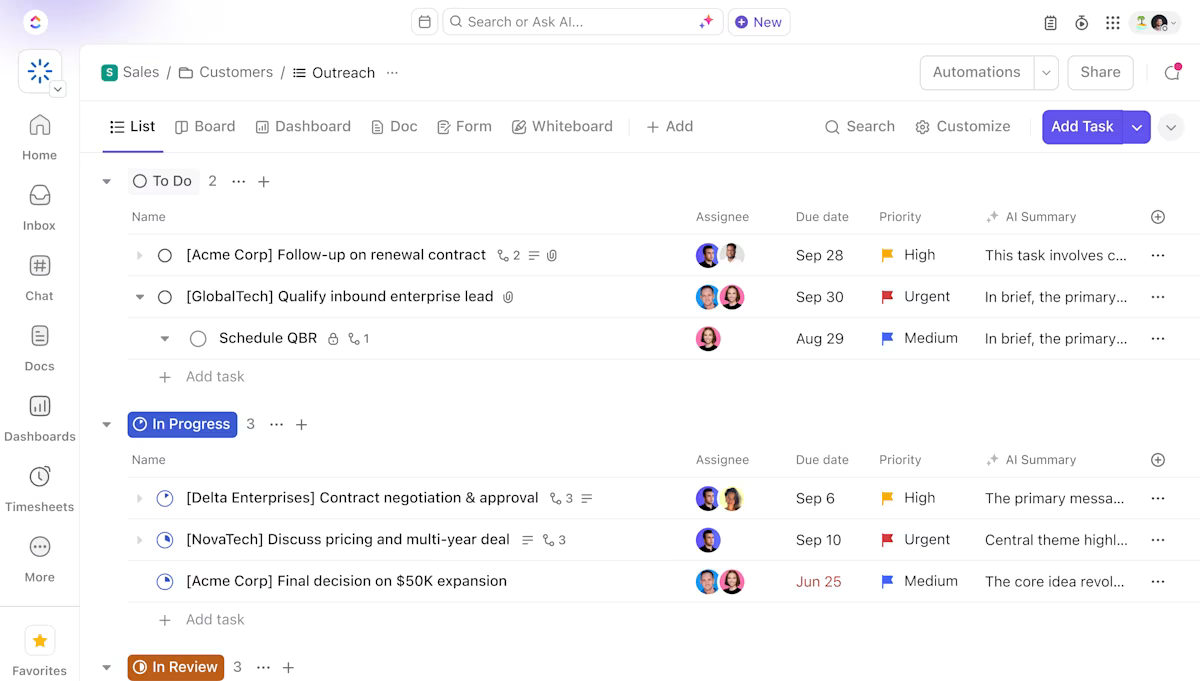
ClickUp allows you to invite clients as Guests with granular, role-based permissions. You can control visibility down to the Space, Folder, List, or even individual task level. Internal notes, financial data, and parallel planning remain private, while deliverables, milestones, and approvals stay visible.
Teams often create dedicated client-facing Spaces or Folders that include:
Instead of sending clients to static dashboards or exported PDFs, you give them controlled access to the real source of truth.
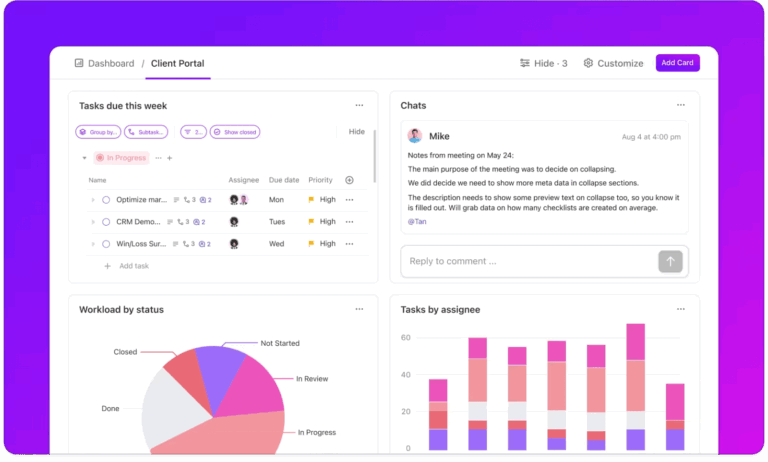
ClickUp Dashboards provide visual, real-time oversight of client projects at every level. This includes individual deliverables, multi-project portfolios, or account-wide performance.
Because dashboards reflect live execution data, there’s no need to manually rebuild status decks each week. Clients see progress as it evolves, and internal teams spend less time translating work into presentations.
With AI Cards layered into dashboards, you can also generate narrative summaries that explain trends, risks, and blockers in plain language, grounded in real project data.
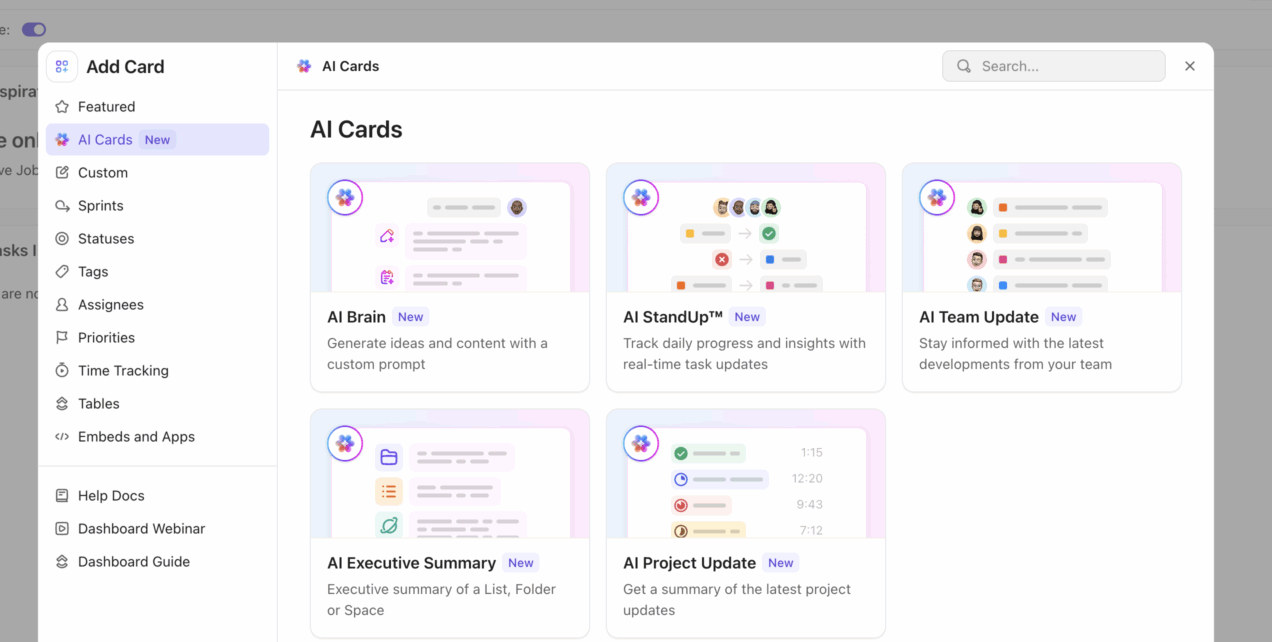
ClickUp’s built-in contextual AI is designed to operate inside your client workflows.
ClickUp Brain understands the full structure of your workspace, including tasks, Docs, comments, timelines, deliverables, owners, dependencies, etc. Every summary, update, or recommendation is grounded in client work.
Instead of manually stitching together updates from tasks, emails, and dashboards, ask the AI practical, delivery-focused questions and get instant answers. For example:
ClickUp Brain will then pull signals from across the workspace to generate client-ready summaries, surface risks early, and highlight priorities based on how the project is actually progressing.
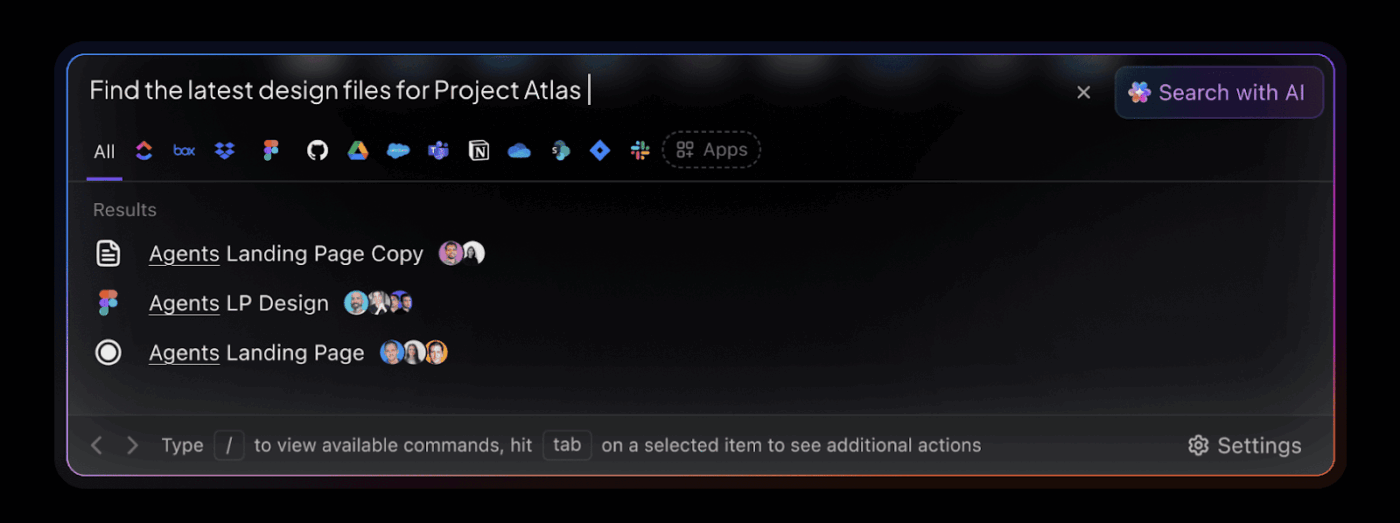
Further, ClickUp’s Enterprise Search is built for teams that work across many tools every day. No need to jump between apps to find files, messages, or updates. Search everything from one single search bar inside ClickUp.
Enter a keyword, and ClickUp Enterprise Search pulls the most relevant results from ClickUp Tasks, subtasks, comments, Docs, attachments, and connected apps like Google Drive, GitHub, Jira, etc.
The search is context-aware, so it shows the most relevant files, tickets, or links based on what you’re working on.
This is where ClickUp’s approach diverges from other portals. ClickUp Super Agents can be configured to support client workflows without human babysitting.
For example, A Client Reporting Agent can monitor specific projects or client Spaces and automatically produce:
Because Agents work inside the same workspace where tasks live, they never lose context. They respect permissions, understand your statuses, and can reference milestones, Custom Fields, and timelines without manual integration. So you don’t just send clients a static view of your work, the system prepares and delivers a real-time update for you.
To know more about Super Agents for project management, watch this video 👇
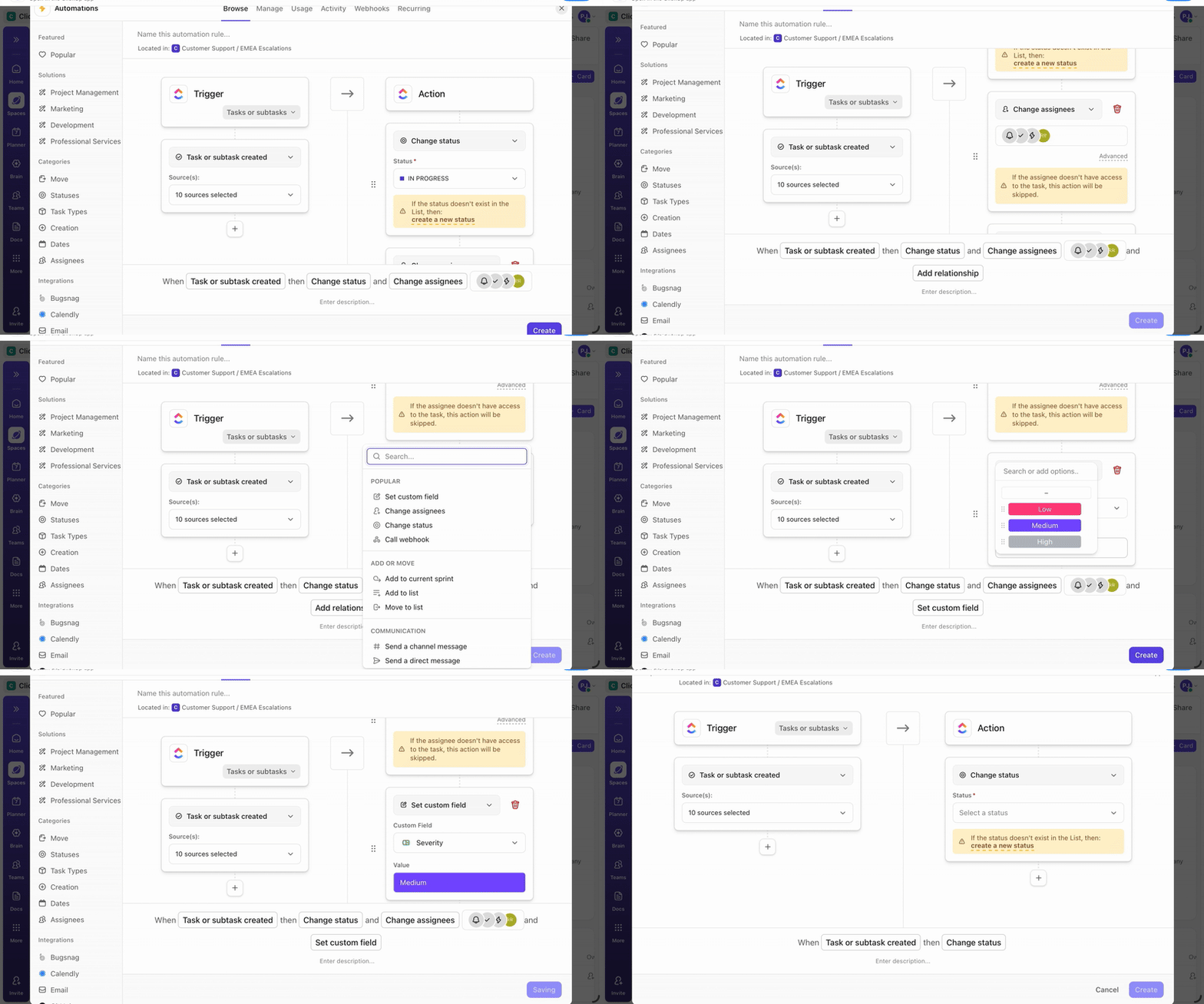
ClickUp Automations reduce the need to manually push client work forward. You don’t need to manually assign tasks, update statuses, or chase approvals and follow-up. All you need to do is define simple rules that keep delivery moving automatically.
Trigger actions based on real-time changes like task status, priority, assignee, due date, or client approvals inside your portal.
ClickUp Chat keeps client conversations and internal discussions right where the work happens.
It is not scattered in email threads, messaging apps, or siloed third-party tools. Conversations, decisions, and decisions-to-action pathways stay unified. That means:
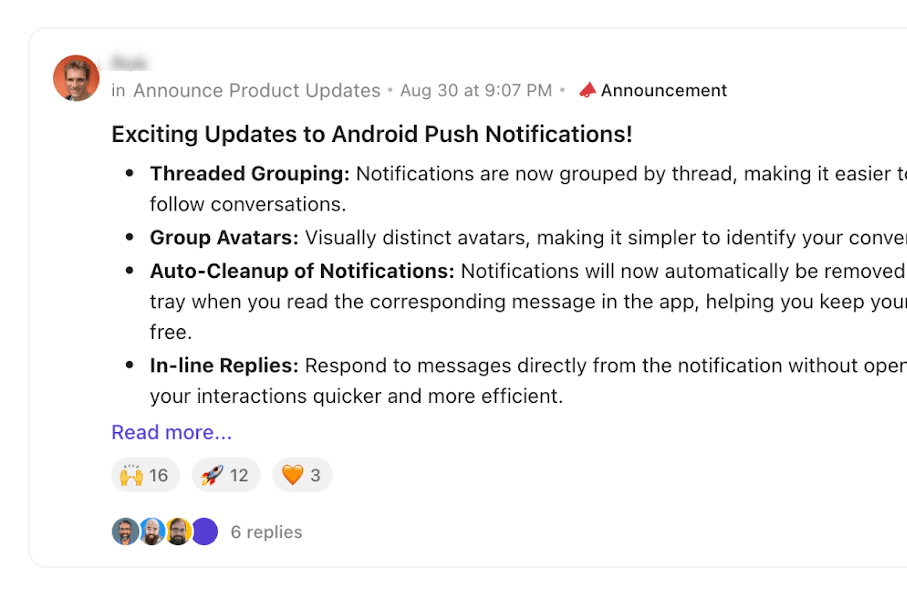
ClickUp Chat also supports rich media—GIFs, file uploads, embeds, threaded replies, and reactions, making cross-departmental or client-vendor collaboration seamless.
A G2 user says:
ClickUp brings all our tasks, documents, goals, and time tracking into one unified workspace. We’ve been using it since 2018, and it’s incredibly flexible for managing both internal workflows and client projects. The customizable views (List, Board, Calendar, etc.) and detailed automation options save us hours each week. Plus, their frequent feature updates show they’re serious about improving the platform.
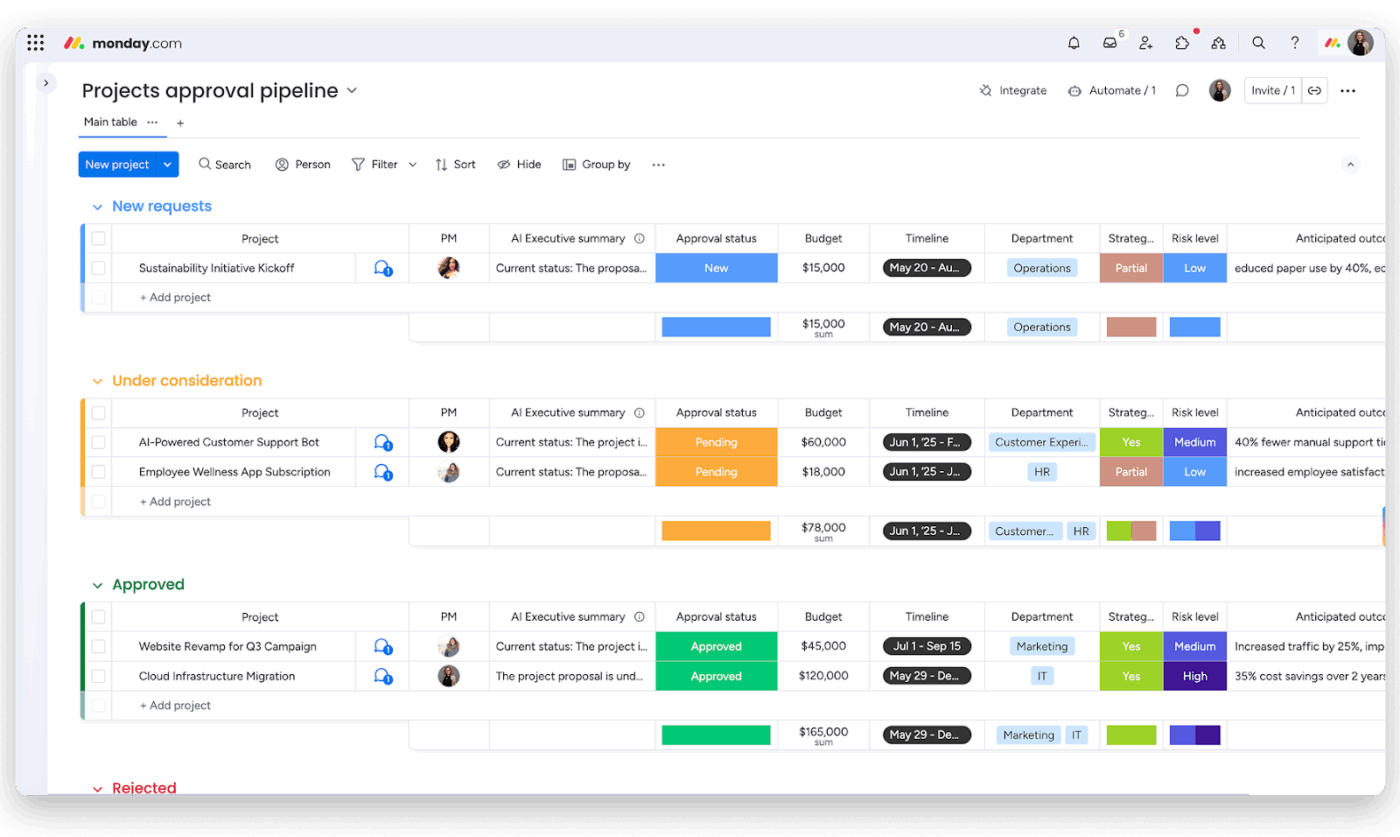
monday.com is a customizable, cloud-based project management platform that lets you design workflows, track tasks, and build simple apps without code.
You can invite clients as “Guests” to specific boards, so they only see what’s relevant to them. Your internal planning, private notes, and other projects stay completely hidden. This setup serves as a lightweight client portal example, providing clients with controlled visibility into deliverables while internal workflows remain protected.
Unlike Read-Only views, guest users can also be granted permission to comment on tasks, upload files, and change statuses (such as Approved or Feedback Needed).
In addition, you can analyze client feedback for sentiment to help flag dissatisfaction early or surface projects that may be at risk based on historical team velocity using monday.com’s AI Blocks. Turn each board into an embedded early-warning system.
A G2 user says:
As a fractional HR manager and business owner, I’ve been using monday.com for over 5 years, and it has been a game-changer in how I manage my business and support my clients. Whether you’re looking to streamline your recruiting process, manage client relationships, or keep your team on the same page, monday.com does it all—and then some!
📮 ClickUp Insight: More than half of our survey respondents type into three or more tools daily, battling “app sprawl” and scattered workflows.
While it may feel productive and busy, your context is simply getting lost across apps, not to mention the energy drain from typing. Brain MAX brings it all together: speak once, and your updates, tasks, and notes land exactly where they belong in ClickUp.
No more toggling, no more chaos—just seamless, centralized productivity. See how. 👇🏼
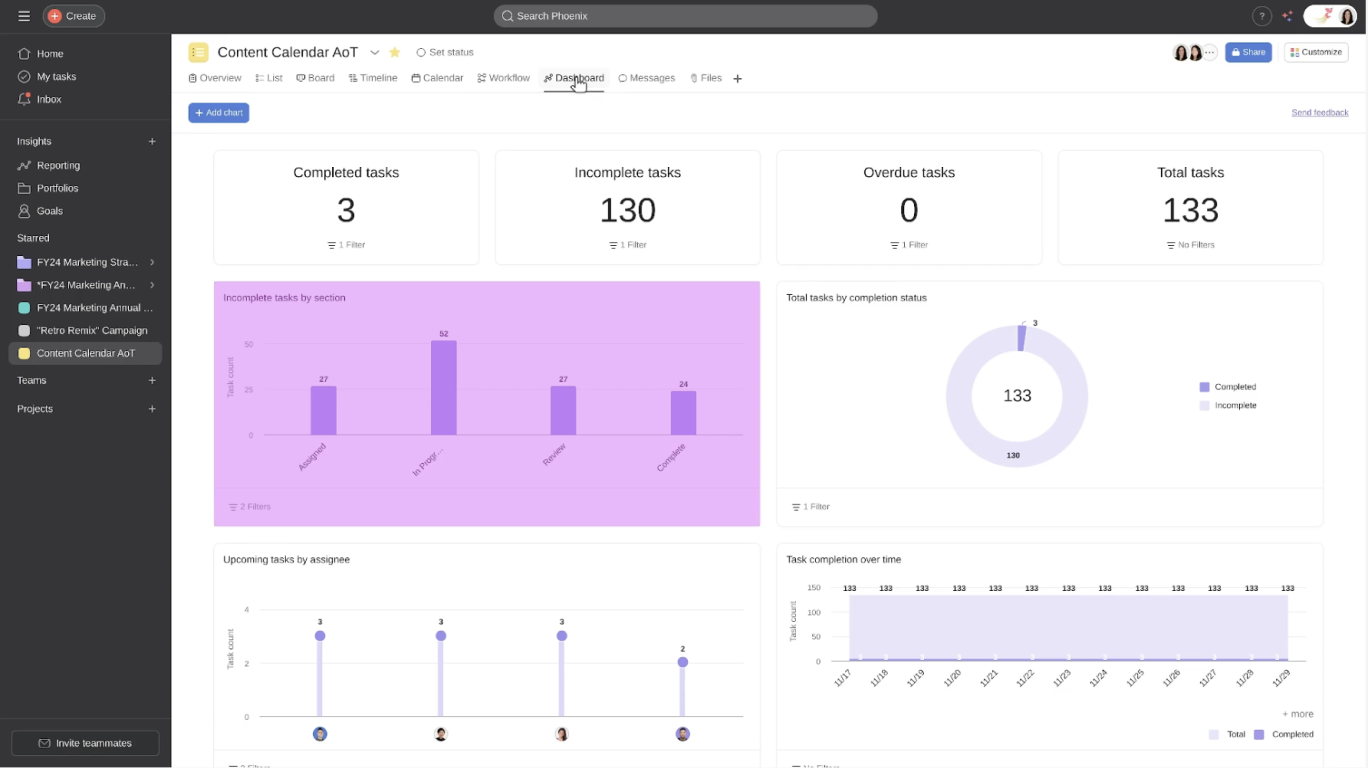
If you need a tool to organize tasks, manage projects and portfolios, track progress, and align everything with goals and OKRs while keeping clients in the loop, Asana is worth a look.
Its biggest advantage lies in Multi-Homing, which allows the same task to run across multiple projects simultaneously. This means you can keep an internal project for your team’s rough work and a separate, polished client-facing project, placing only selected deliverables into the client view.
To reduce friction further, Asana’s AI Studio helps you capture, sort, and route incoming client requests. It can summarize feedback, extract action items, and automatically assign work, ensuring client input flows back into your delivery pipeline without manual triage.
A G2 user says:
I like using Asana’s digital features and resources because they allow me to manage my projects and workflows efficiently and professionally, facilitating collaboration and professional input from all members of my business to organize my tasks.
👀 Did You Know? In 2001, the Agile Manifesto was published, shifting project management from rigid waterfall planning to adaptive, iterative delivery. This marked a cultural transformation from a more documentation-heavy bureaucracy to greater collaboration, flexibility, and continuous delivery.
📚 Also Read: Best Asana Alternatives and Competitors
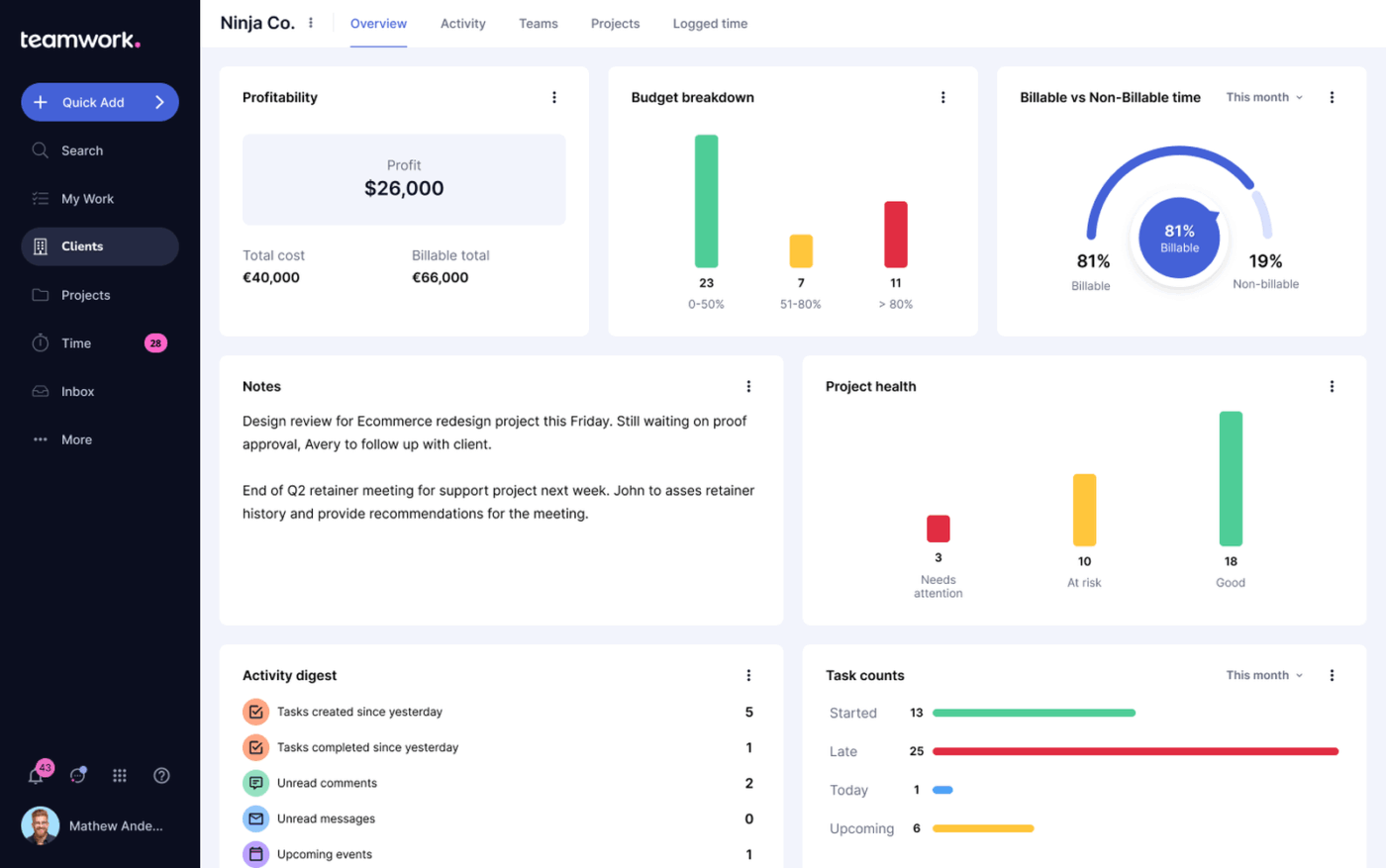
Teamwork.com is a project and resource management platform. It enables you to customize columns to highlight the information that matters most for each client, whether that’s status, priority, billing stage, or owner.
Keep your client list clean and current by editing records, filtering by specific client groups, and assigning clear owners for accountability. Client-level tags add helpful context at a glance, making it easier for your team to understand who’s who and what’s in motion.
Plus, with TeamworkAI, you can analyze historical project data to forecast upcoming resource needs and know in advance when a retainer client is likely to exceed allocated hours.
A G2 user says:
We run our entire digital marketing agency (25+ team members) with Teamwork since switching from Asana nearly 2 years ago, and haven’t looked back. Our monthly retainer clients are entered as projects with monthly budgets that are directly linked to estimated task times and the logged and billable time entered by our team.
⭐ Bonus: Here’s how to create a winning client presentation that lands you dream customers.
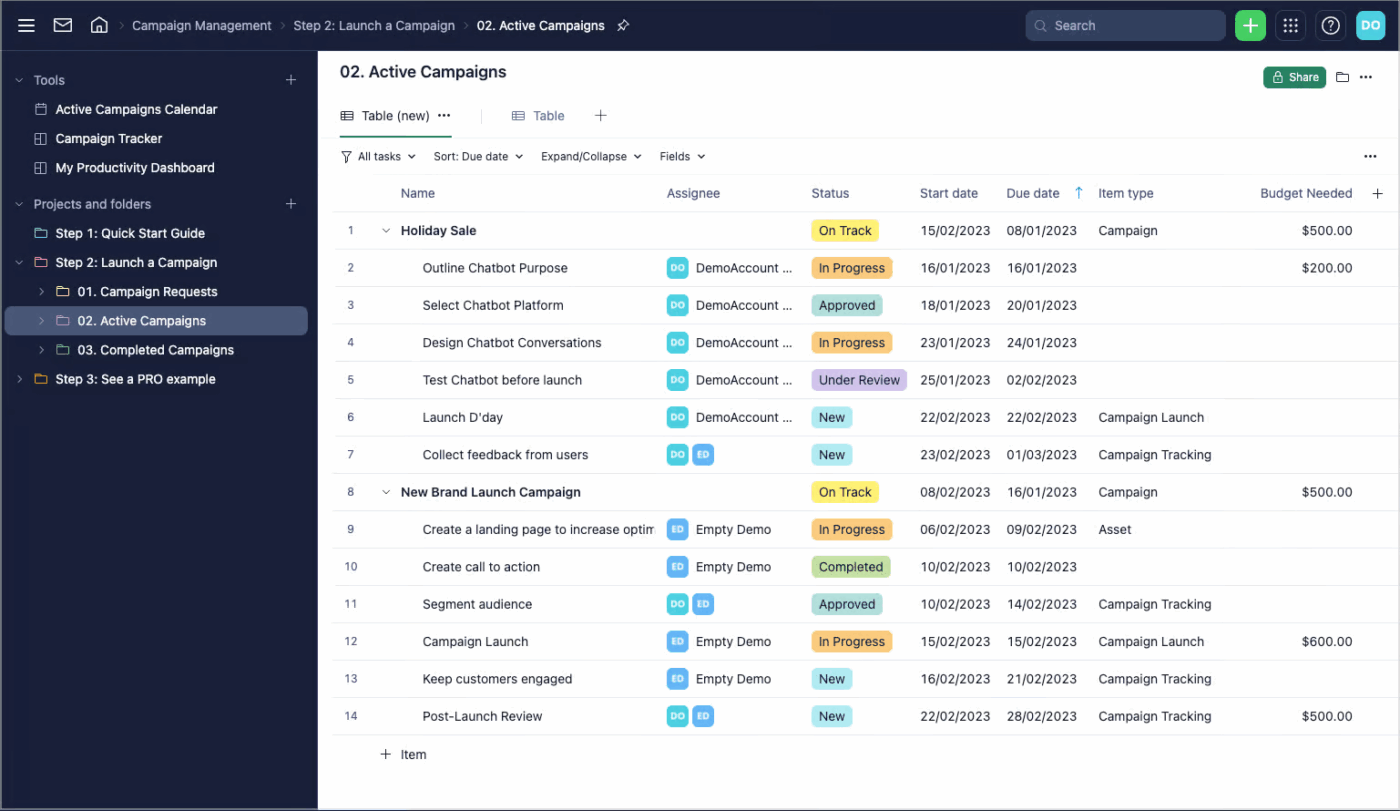
Struggling to control enterprise-scale client delivery with scattered requests, shifting scopes, and slow handoffs? Wrike, an AI-powered work management platform, can help.
You can standardize client intake, scoping, and approvals in a single workflow. Instead of waiting for email threads or meetings, stakeholders can approve work directly in Wrike. That approval can automatically trigger project creation, timelines, and task assignments.
And if you want to optimize delivery based on anticipated capacity, fetch anticipated demand via Wrike CRM pipeline integrations, and continuously assess demand against available capacity through dashboards and analytics.
You can also create simple, no-code AI agents to further prioritize personal work queues based on urgency and dependencies, generate subtasks, and alert managers with timely notifications.
A G2 user says:
Wrike centralizes client work, approvals, and task ownership so our 5-person team isn’t chasing threads across email and chat. Dashboards and workload views give me a real-time picture of project health, and automations remove repetitive follow-ups so we move faster without growing headcount.
🚀 ClickUp Advantage: With ClickUp Clips, you can record short screen or camera videos to explain deliverables, walk clients through changes, and keep clients aligned asynchronously. Clients can watch, comment, and respond directly on the Clip—without meetings, long threads, or misinterpretation.
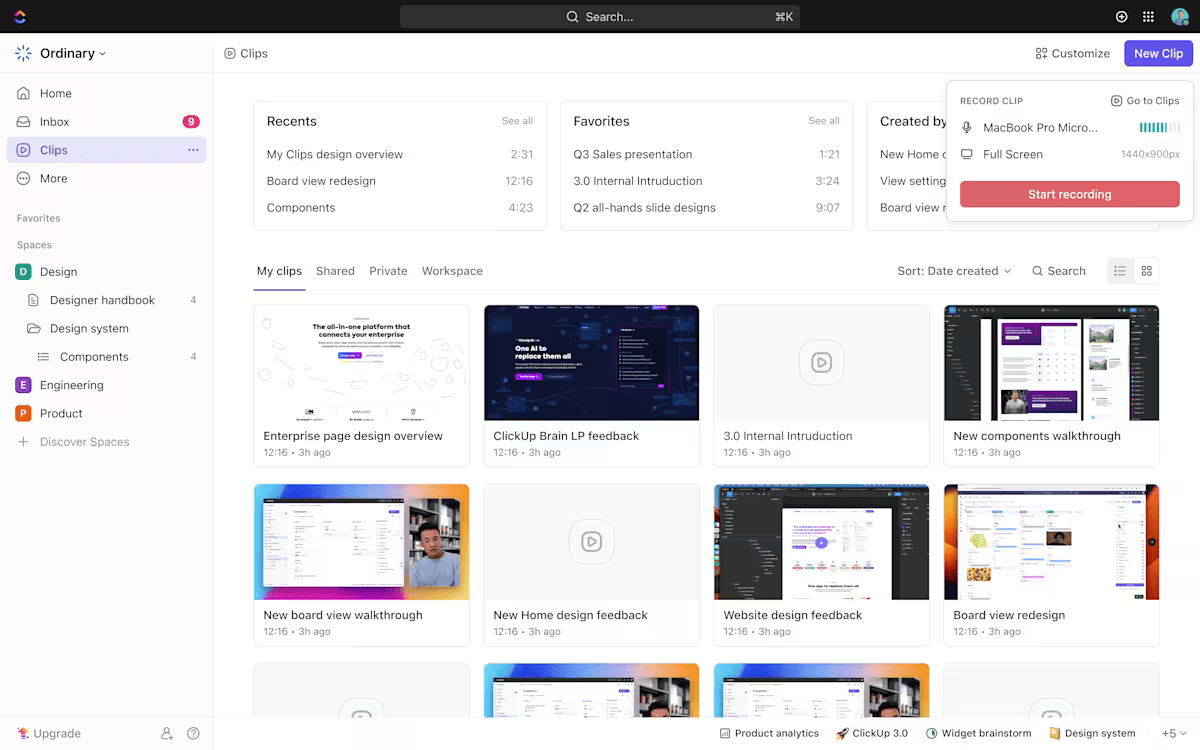
This is especially useful at scale, where quick visual context often replaces multiple approval cycles and keeps client delivery moving without slowing teams down.
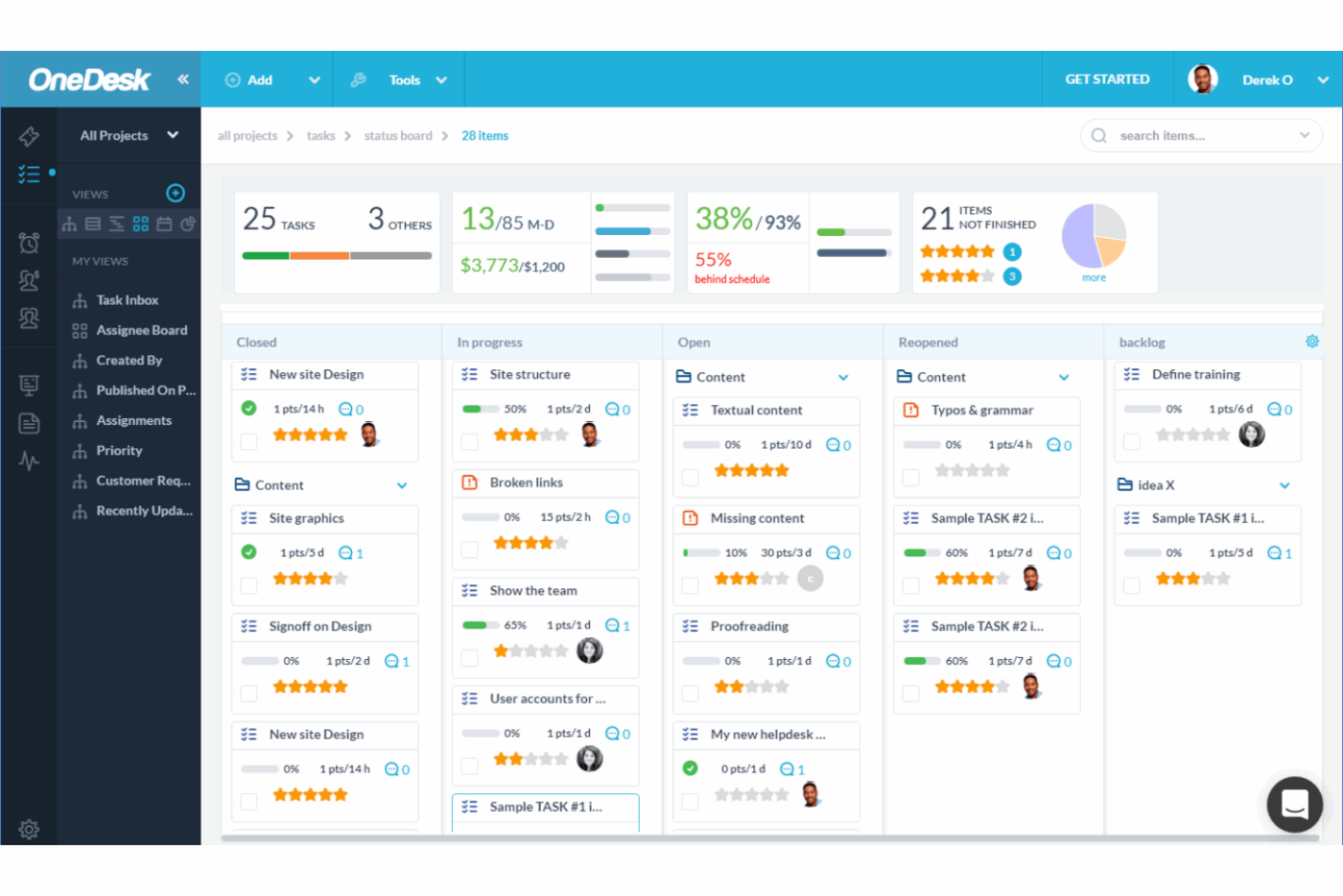
OneDesk is a help desk, project management, and professional services automation software.
It lets you show clients the exact lifecycle stage of their requests. Instead of a vague “In Progress,” they can see precisely where work stands, whether it’s In Queue, Developing, or in Quality Assurance, directly within the platform.
The key advantage of OneDesk is continuity: the client continues to see it as a ticket in their portal, while your team works on it as a task in Gantt charts and project views.
A G2 user says:
The best thing about OneDesk is that we get multiple features in one place, including customer management tools, a helpdesk, project management tools, and workflow automation. It allows us to use one software for multiple purposes.
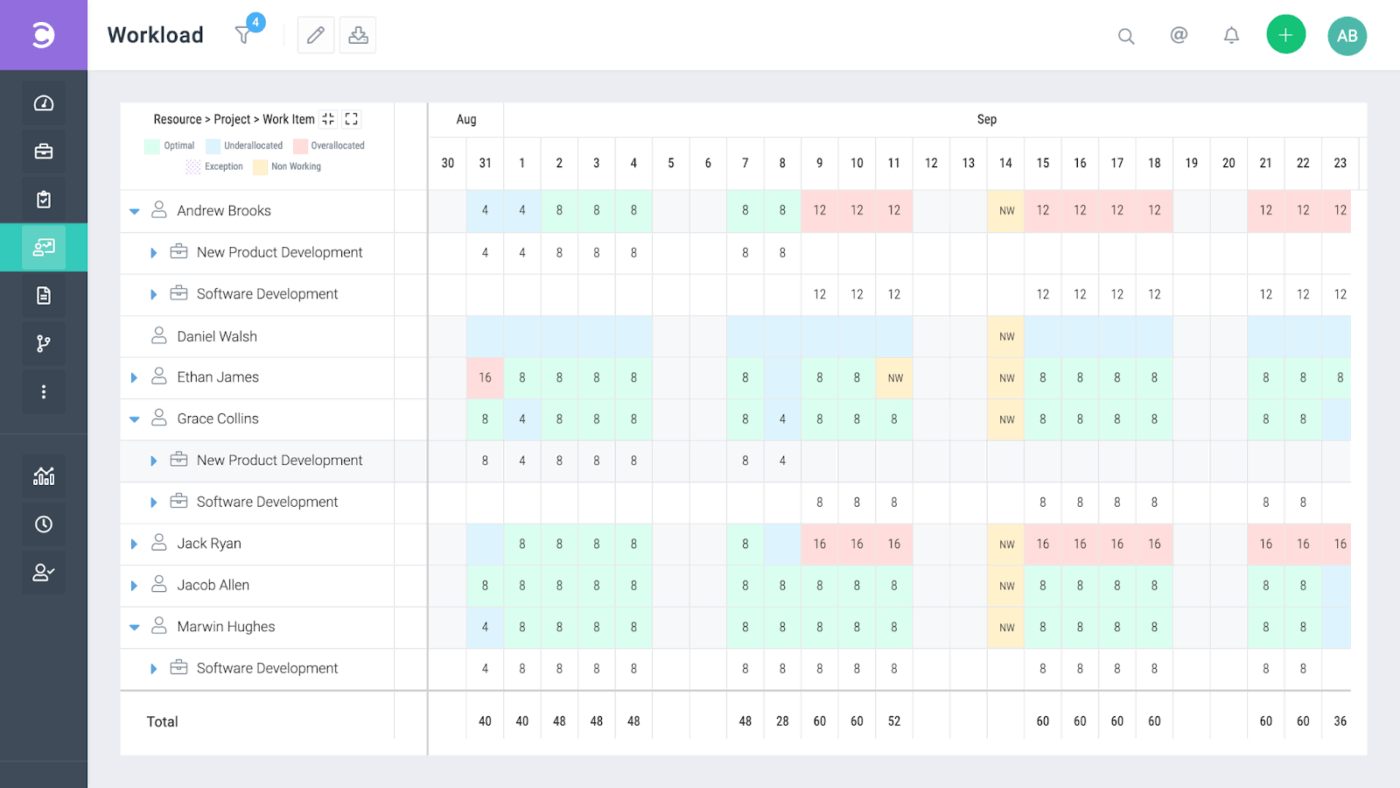
If you work on high-stakes projects where the client needs to see the financial health (budgets, costs, and profits) just as much as the project timeline, then give Celoxis a try.
You can provide clients with a dashboard view of Planned vs. Actual spend. If a project is 50% through its timeline but has used 80% of its budget, they see that in real-time, facilitating early (and less painful) conversations about scope.
For your internal team, Celoxis rolls up all project data to show you which clients are profitable. Most tools require a separate spreadsheet for this; in Celoxis, it’s native.
A G2 user says:
What I like best about Celoxis is how clearly it shows project schedules, workloads, and dependencies all in one place. It gives a real view of what is happening across every project, so nothing slips through the cracks. The dashboard makes it easy to see risks early, keep teams aligned, and make better decisions without digging through spreadsheets.
📚 Also Read: Best Strategies to Handle Client Project Management
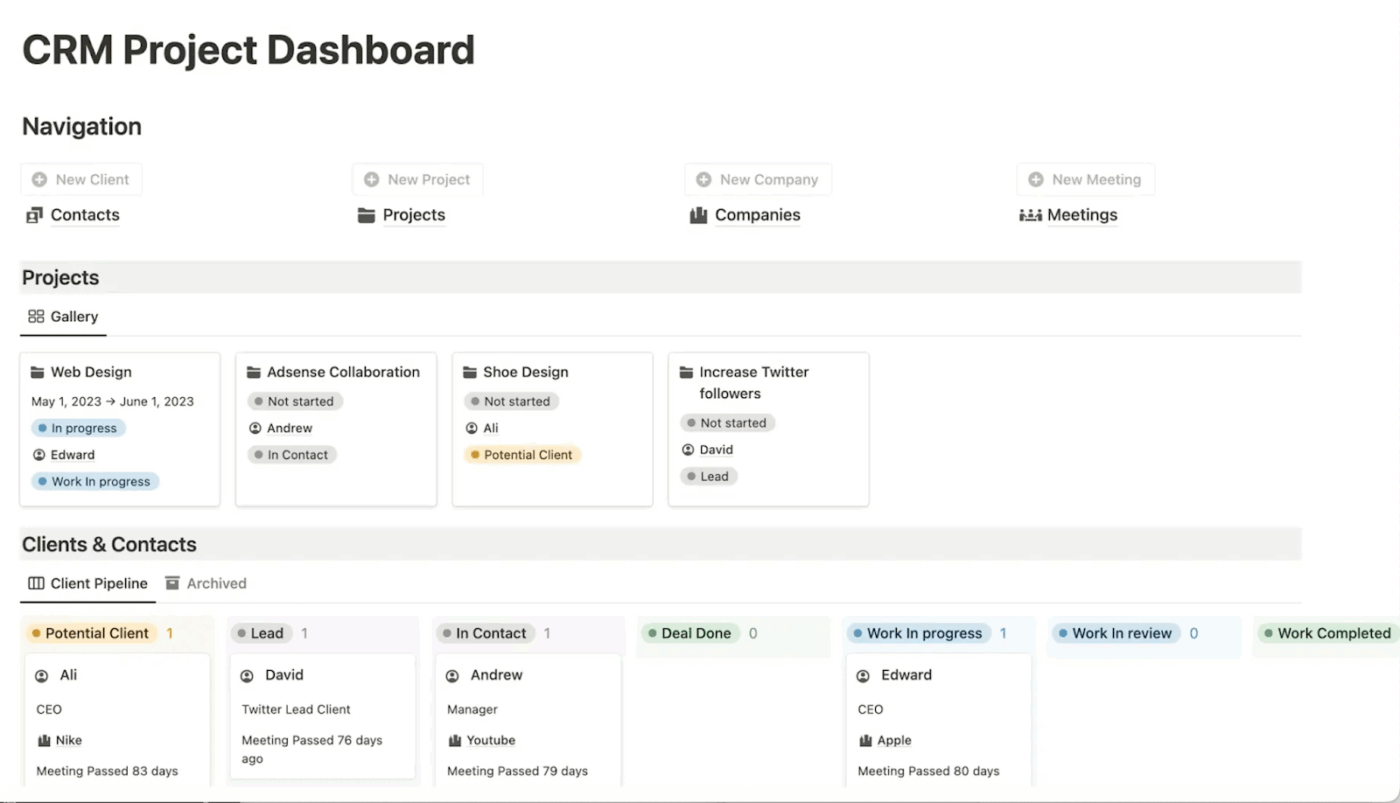
Notion is an all-in-one digital workspace that you can use to brainstorm ideas, plan project roadmaps, and track work end-to-end.
At its core, you can link tasks to projects and highlight a live progress bar on your client dashboard that automatically calculates completion based on sub-tasks. This gives all stakeholders a clear, always-up-to-date view of how work is progressing.
Notion also supports lightweight automations to streamline repetitive admin tasks. For example, you can automatically assign a Quality Lead when a task moves to In Review, or notify a specific Slack channel the moment a project is marked Blocked.
All of this can be presented as a single, client-facing hub using reusable client portal templates. You can embed the project timeline, a Google Drive folder, a Loom welcome video, and even current invoices on one page.
With Notion AI, you can search across thousands of pages to summarize a specific client’s history or automatically populate database fields from a project brief. This keeps documentation and delivery tightly aligned without manual synthesis.
A G2 user says:
Notion is by far the best tool I’ve used for bringing my projects, ideas, and tasks all into a usable space without overwhelm or clutter. The databases are incredibly robust, and using the views to get actionable insights or quickly create a personal dashboard has been invaluable. I’ve also recently started trying the AI Agents, but so far they’ve been both helpful and genuinely exciting to use.
🚀 ClickUp Advantage: While Notion helps you build a client-facing command center, ClickUp goes a step further by keeping collaboration live and actionable inside the workflow itself.
With ClickUp SyncUps, teams and clients can jump into real-time, contextual conversations tied directly to tasks, docs, or timelines. There’s no need to send clients to a static dashboard or wait for async updates to be read.
The result? Faster decisions, fewer status meetings, and less manual follow-up—because discussions, updates, and next steps happen in the same place where work is actually getting done.
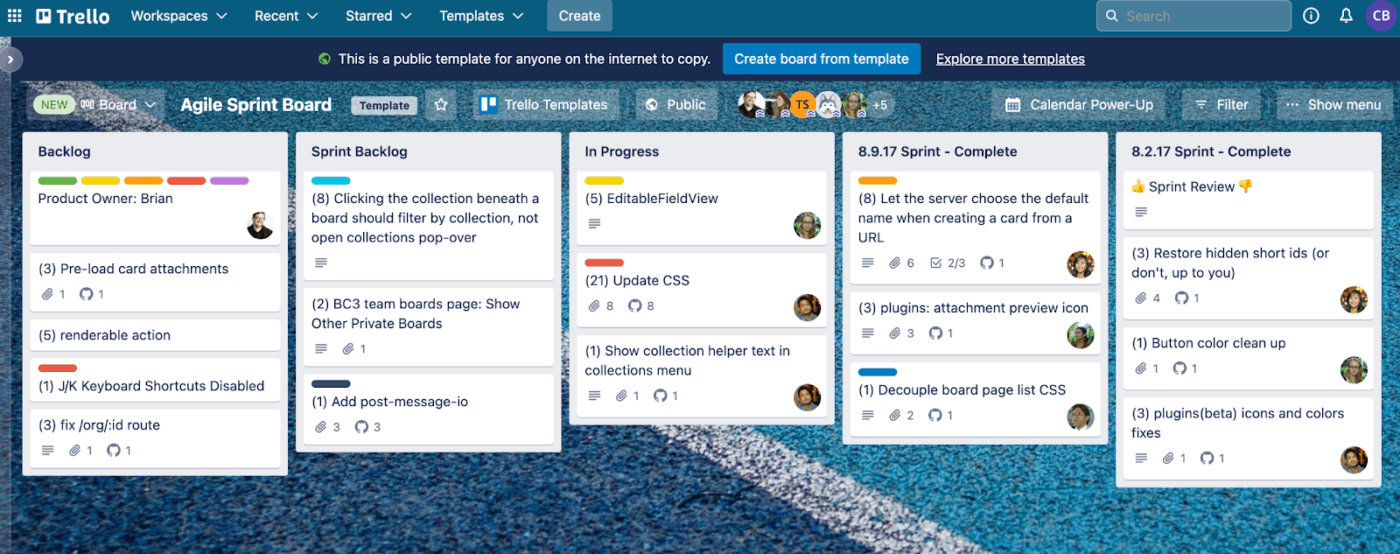
Looking to organize your to-do lists, track deadlines, and collaborate with teams in simple Kanban boards? Trello, a visual work management tool, is helpful here.
You can create boards for projects, lists for stages (like To Do, Doing, and Done), and cards for individual tasks, which can be moved across lists as you progress. The entire system is designed to be immediately legible, even for non-technical users.
Trello doesn’t offer a dedicated client portal out of the box. However, you can use Power-Ups, Trello’s add-ons and integrations, to introduce automation, permissions, and visibility controls.
This lets you expose only selected cards or columns to clients within a board, creating a lightweight, low-friction client view without overwhelming them.
A G2 user says:
I like using Trello for project and task management because it helps me handle multiple tasks at once and makes it easy to review. I enjoy the workspaces and time tracking features. We manage multiple projects simultaneously by creating separate workspaces for each client. For various tasks, we create boards to easily manage everything.
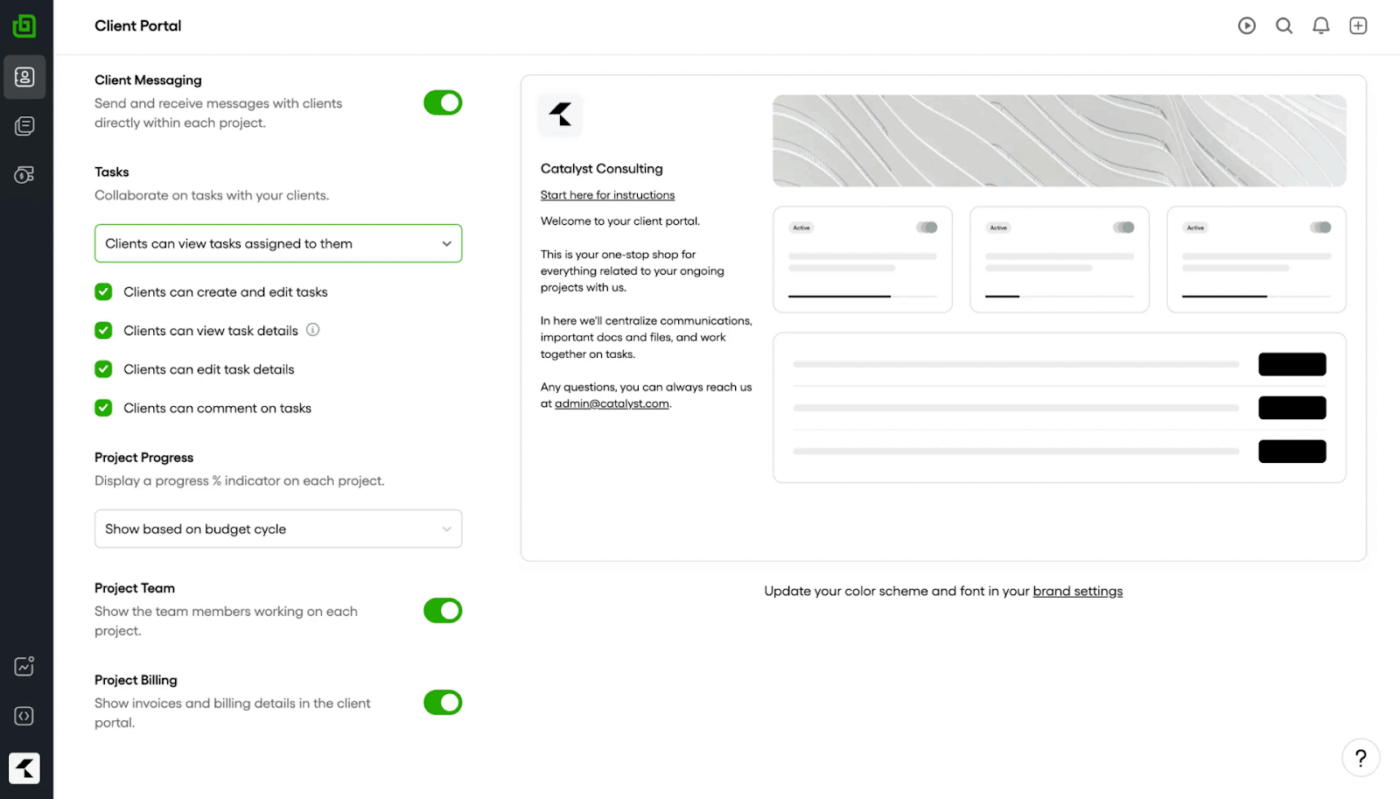
Bonsai is a business management platform that gives you a centralized hub for organizing client projects, documents, contracts, and invoices.
You can create task lists, apply client management templates, set due dates, and receive email reminders, keeping delivery lightweight and predictable.
On the client side, you can fully brand the portal with your logo, colors, and visual identity, so every interaction feels professional and cohesive. Share secure links that allow clients to access their portal without creating an account.
A G2 user says:
It’s incredible to send contracts, proposals, invoices, and forms to clients all in the same platform. I love that Bonsai is a one-stop shop for freelancers and small businesses. I use Bonsai almost every day for my business. Their support team is very helpful and quick to respond to any issues I may have encountered.
📚 Read More: The 8-Step Client Onboarding Process with Templates
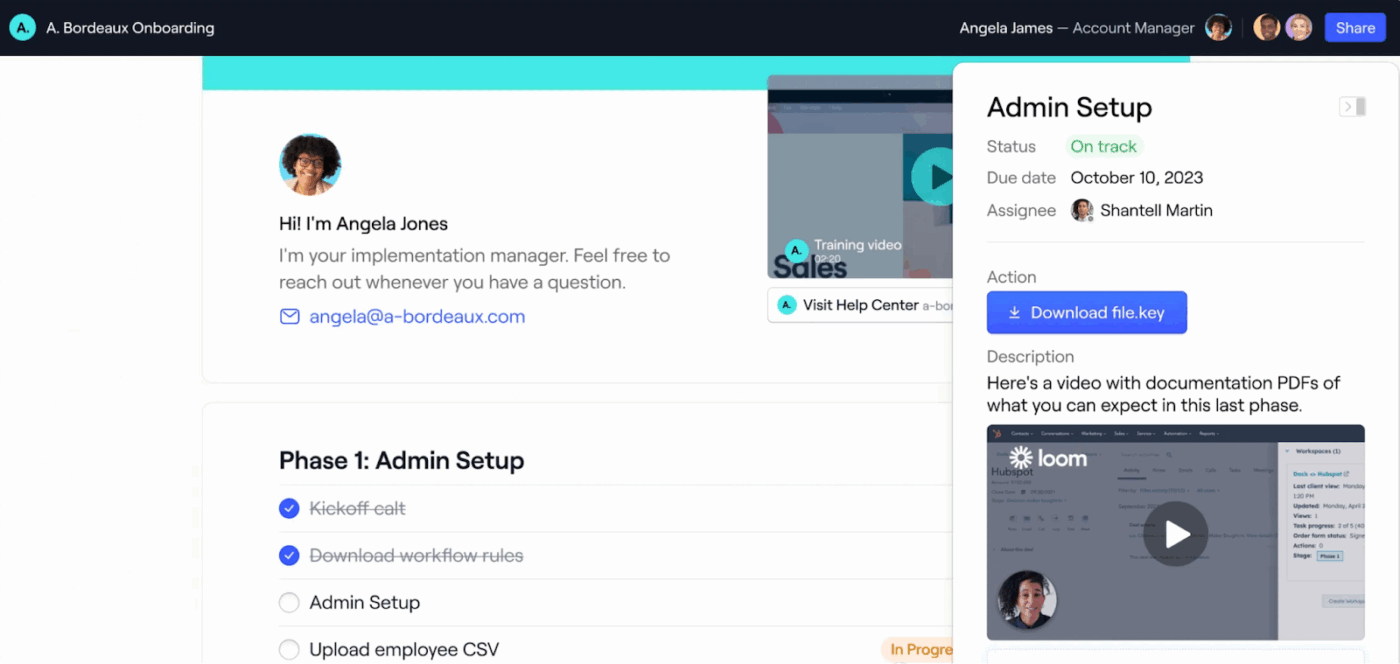
Are your project plans starting to feel tedious for clients to access? Dock might be helpful. Its drag-and-drop editor lets you customize portal sections, pages, and embeds to match how you actually work with clients.
Use its built-in forms, or embed any survey tool, to collect inputs directly within the workflow. With Dock AI, you can also create context-rich tasks by attaching clear calls to action to links, files, and videos, converting static assets into guided next steps.
Loom videos, Google Slides, Typeforms, and Figma files can be dropped directly into the portal as interactive widgets inside each section or task. Dock integrates with popular client project management tools like Asana, ClickUp, and Jira.
A G2 user says:
Dock is easy to use and intuitive for both our internal team and clients. The built-in chat support is a standout, and it’s accessible, responsive, and genuinely helpful whenever questions come up. Most importantly, Dock brought structure and clarity to our onboarding process that we did not have with our previous email-driven approach.
⭐ Bonus: Here’s a quick snapshot of the best client portal software with project management features 👇
👀 Did You Know? Modern project management traces back to Frederick Winslow Taylor, who introduced scientific management in the early 20th century. His work focused on optimizing workflows, task efficiency, and labor productivity. These principles later shaped structured project planning.
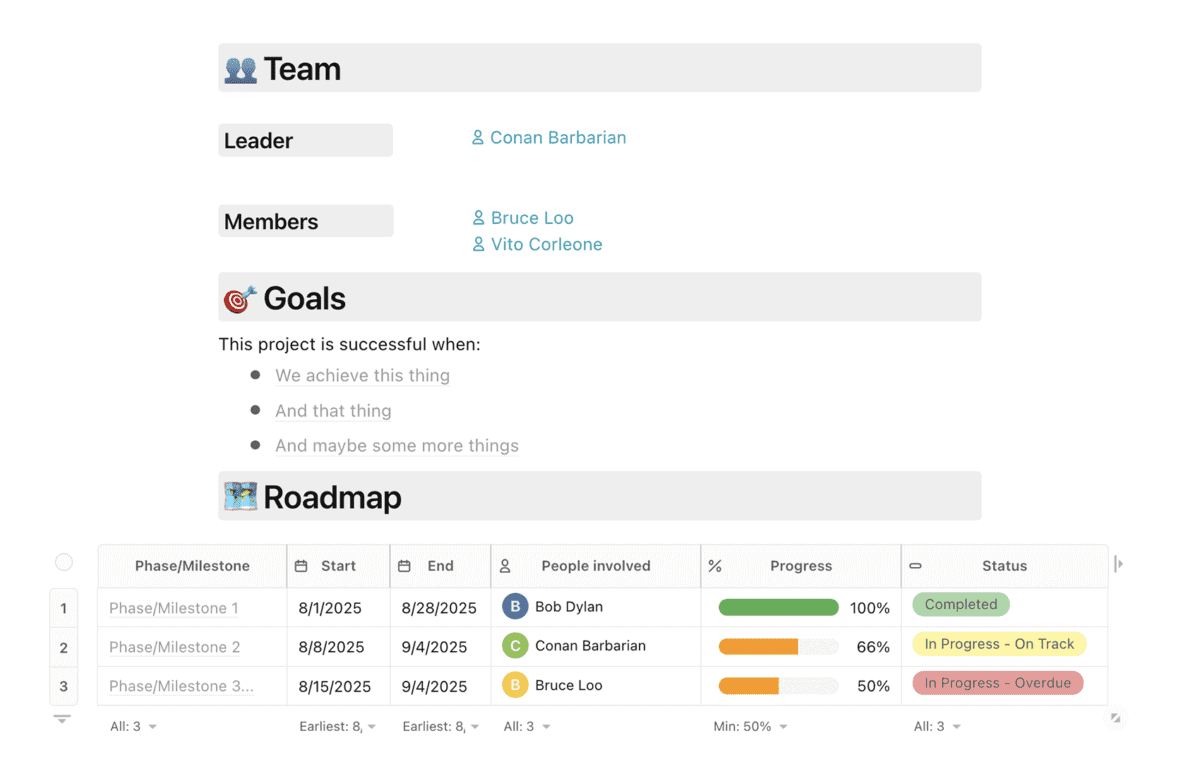
FuseBase is an all-in-one collaboration platform that acts as a bridge between your internal workspace and your client’s experience.
On the one hand, you can draft and refine documents privately with your team, add comments, track billable time, and brainstorm freely. On the other hand, when ready, you can publish the same page to the client portal so that they can see only the professional version.
Each portal can include its own AI agent, trained exclusively on that client’s shared content. These agents act as a 24/7 concierge, answering questions like “When is the next milestone?” or “What was the feedback on the last design?” using the portal’s own data.
FuseBase also addresses a specific PM challenge: context switching. A single page on the platform can hold a project timeline (Gantt/Kanban), an embedded Google Sheet, a video walkthrough, and a file upload area. It acts as a single source of truth for the project, replacing scattered links and status emails.
A G2 user says:
What I find most useful is the sleek style and use of the client portals. It is web-based and operates almost like a personalized website with a login. That is just the client-facing portal. It also has an admin and user backend with granular user rights. The backend is a workspace for admins/users and teams. This is where you store uploaded files, add tasks, and even embeds. Then you can choose to link these, or show these on the customer-facing portal.
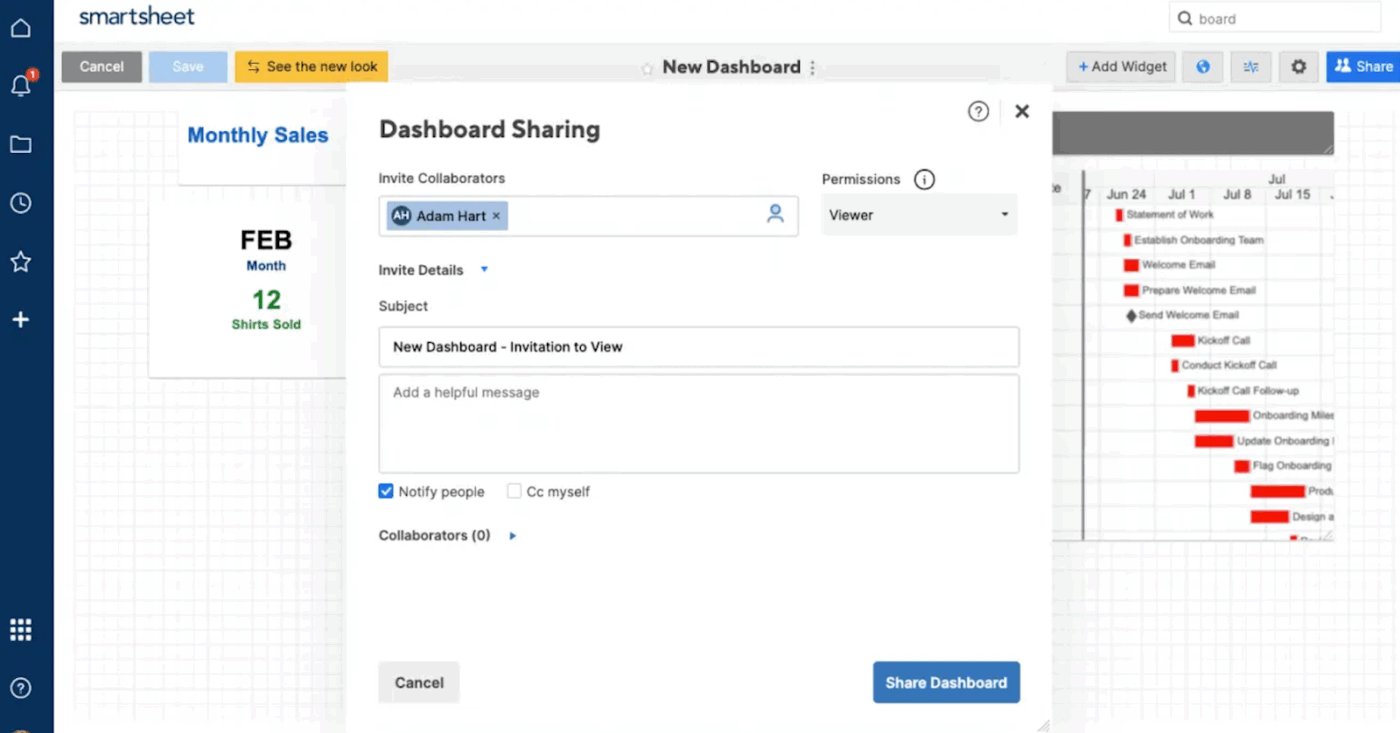
Smartsheet is a work management platform. Widely recognized for its spreadsheet-like interface, it allows you to not only organize work, monitor key deliverables, and build custom reports but also share live data with clients without exposing sensitive internal fields.
You can control exactly what clients can edit. For example, they might be able to update a Client Approval status or upload files, but remain completely blocked from changing Budget Spent or Due Date columns.
To make progress easy to understand, you can create client-facing dashboards with real-time charts and summaries. Smartsheet’s AI tools can help generate visualizations, summarize task status, and translate or rewrite content, so clients get clarity without manual reporting.
Smartsheet adapts to your team’s workflow, whether you follow Agile, Waterfall, or a hybrid methodology.
A G2 user says:
Smartsheet offers a wide range of tools to work efficiently. There are a lot of features I haven’t fully discovered yet, but everything feels easy and straightforward to use. The best way to describe it is Excel on steroids.
Client work often turns into an endless loop of updates, explanations, and context rebuilding.
Time shifts away from delivery and into status emails, shared drives, and follow-ups. A modern project management system with a secure client portal moves those interactions into the workflow itself.
ClickUp combines client portals with contextual AI, automations, dashboards, secure file sharing, and structured workflows inside one connected workspace.
Ready to get started? Sign up on ClickUp for free ✅

Arya P Dinesh
Max 27min read

Manasi Nair
Max 27min read
Manasi Nair
Max 32min read

© 2026 ClickUp




