






Still downloading templates?
There’s an easier way. Try a free AI Agent in ClickUp that actually does the work for you—set up in minutes, save hours every week.
Sorry, there were no results found for “”
Sorry, there were no results found for “”
Sorry, there were no results found for “”
Are you looking to switch up your productivity game this year? While Motion has been a go-to for many, the task and calendar management world has evolved dramatically over the last decade.
The latest Motion alternatives offer better customization, more intelligent AI, and more intuitive interfaces. Whether you’re frustrated with Motion’s limitations or curious about what else is out there, this roundup has you covered.
From powerful all-in-one productivity suites to specialized focus tools, these 13 Motion alternatives represent what’s available right now.
Ready to discover options that might transform your workflow this year? Let’s dive in! 👀
Motion is an AI-powered productivity app that helps with scheduling, task management, and project planning.
It automatically organizes tasks, prioritizes them based on deadlines, and adjusts schedules as needed. The app also integrates calendars, collaboration tools, and task scheduling apps, creating a centralized space for your work.
Motion’s AI-driven approach aims to reduce manual planning and keep workflows on track.
🧠 Fun Fact: The word ‘calendar’ comes from the Latin calendae, which referred to the first day of the month in the Roman calendar. It was also the day when debts and interest payments were due!
We looked at Motion reviews to see what users love and where they face challenges. While many appreciate its AI-powered scheduling, some find it doesn’t always fit their workflow.
As more teams adopt AI-powered productivity tools, many run into AI sprawl, where multiple AI features operate in isolation, each making decisions without shared context. Instead of reducing complexity, this often creates conflicting schedules, broken priorities, and more manual correction than expected.
Here are a few reasons you might be considering a Motion alternative:
📮 ClickUp Insight: Productivity isn’t consistent throughout the week, and everyone has their own struggle points. For 35% of people, Monday is the hardest day to get things done. Another 11% say Tuesday is the most challenging, while 7% feel their productivity dips the most on Wednesday.
ClickUp makes it easier to manage these fluctuations with a more flexible approach. While Motion relies on AI to schedule your day, ClickUp gives you full control with customizable task views, time tracking, automation, and to-do list templates. You can plan, adjust as needed, and work in a way that suits your energy levels.
Here’s a table briefly comparing each Motion alternative. 👇
| Tool | Use case | Best for | Pricing |
| ClickUp | Project and task planning | Managing work, calendar events, and AI notes | Free forever plan available, Customizable paid plans for enterprises |
| Akiflow | Cross-platform task syncing | Organizing scattered to-dos into one schedule | 7-day free trial; Paid plans start at $34/month |
| Reclaim | Focus time protection | Blocking time for deep work automatically | Free plan available, Paid plans start at $10/month per user |
| Sunsama | Daily and weekly planning rituals | Staying consistent with mindful task review | 14-day free trial; Monthly subscription starts at $20/month |
| Asana | Structured team workflows | Tracking goals and tasks across teams | Free plan available; Paid plans start at $13.49/month per user |
| Notion | Workspace customization | Building docs, databases, and schedules | Free plan available; Paid plans start at $12/month per user |
| Calendly | External meeting scheduling | Letting others book time based on your rules | Free plan available; Starts at $12/month per user |
| Wrike | Department-wide visibility | Managing high-level projects and workloads | Free 14-day trial; Paid plans start at $10/month per user |
| Todoist | Lightweight personal task tracking | Creating quick to-do lists across devices | Free plan available; Free plans start at $2.50/month per user |
| Trello | Visual project management | Using boards to manage team pipelines | Free plan available, Paid plans start at $5/month per user |
| TickTick | Personal task and habit tracking | Combining lists, habits, and calendar views | Annual plan: $35.99/year |
| Routine | Calendar-first productivity | Planning tasks through minimal UI and flow | Free plan available; Paid plans start at $12/month per user |
| nTask | Simple task and issue tracking | Handling lightweight team projects affordably | 7-day free trial; Paid plans start at $4/month per user |
If Motion’s way of scheduling feels more like a hurdle than a help, it might be time for a switch. Here are some top alternatives that let you stay productive, your way. 📝
ClickUp is the everything app for work that combines project management, knowledge management, and chat—all powered by AI that helps you work faster and smarter.
It brings together essential tools like calendars, task management, and scheduling features, making it a strong Motion alternative for teams and individuals looking for more flexibility.
Keeping schedules under control isn’t easy, especially when meetings, deadlines, and priorities shift throughout the day.
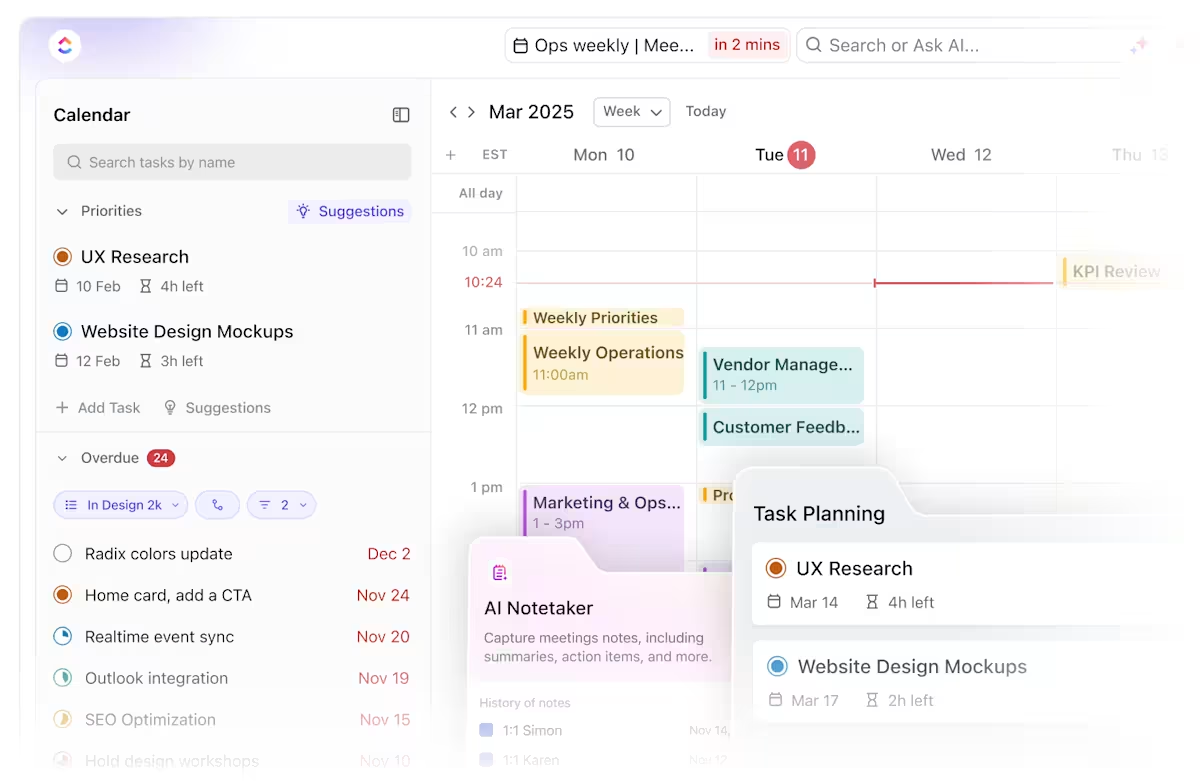
ClickUp Calendar automatically adjusts task blocks based on what’s most important.
Suppose a marketing lead plans to spend two hours refining an ad campaign, but a last-minute strategy call with leadership gets added. ClickUp moves the deep work session to a later time slot while ensuring enough focus time before the final deadline. That way, nothing gets dropped, and urgent tasks don’t take over the entire day.
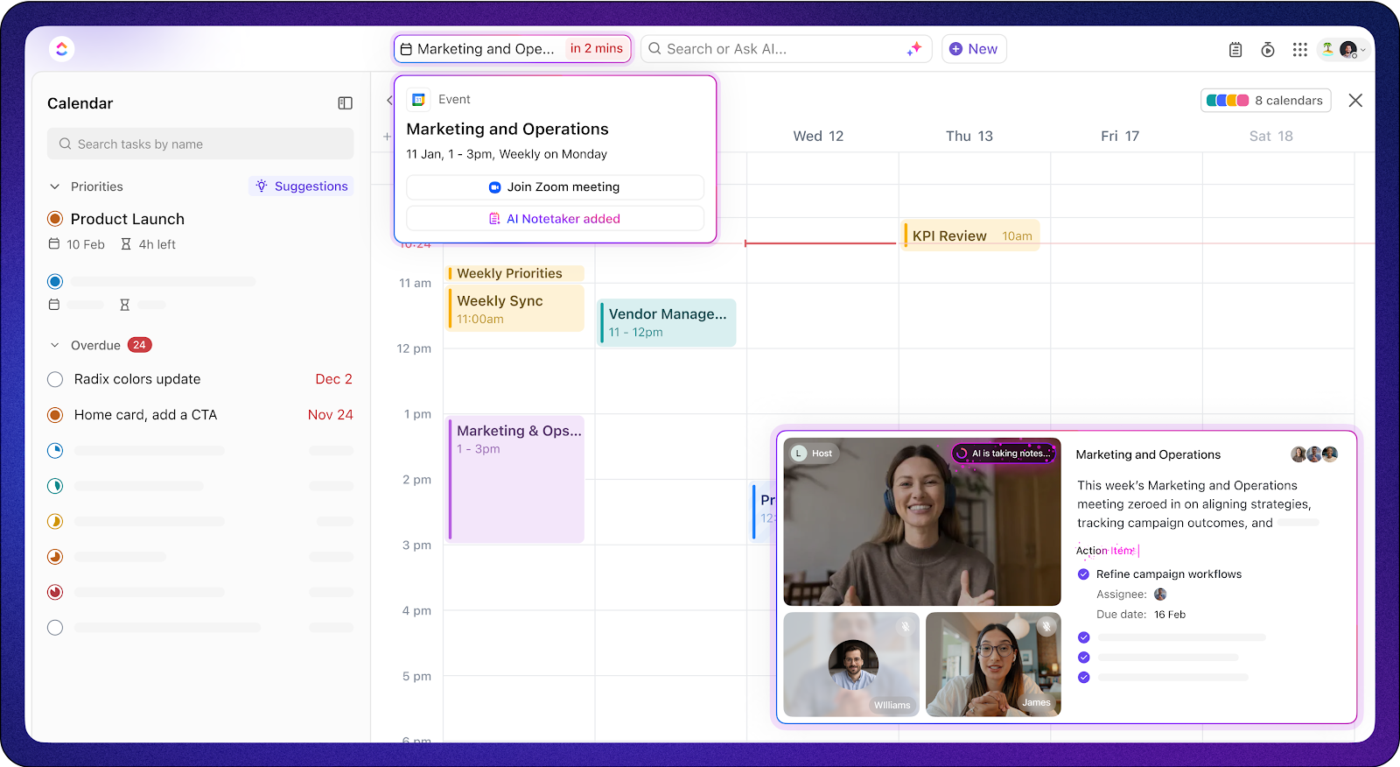
Meetings generate a ton of action items, but manually keeping track of them is a nightmare. The ClickUp AI Notetaker records calls, transcribes discussions, and automatically creates tasks based on what is said. For example, a product manager joins a sprint planning meeting where developers commit to shipping a new feature.
The meeting management software captures the discussion, summarizes key points like feature requirements and testing deadlines, and assigns follow-up tasks to engineers.
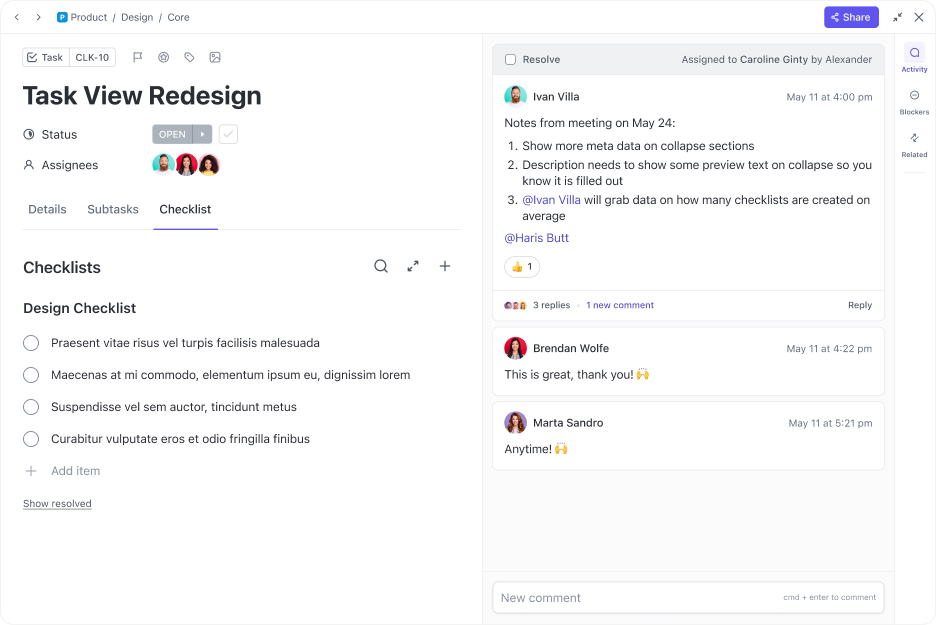
Now, managing projects across multiple teams means constantly checking statuses, following up, and updating deadlines. ClickUp Tasks streamline everything by ensuring work moves forward.
For example, a design team is finalizing UI elements for a mobile app launch. The lead designer marks the wireframes as complete, triggering an automatic update that notifies the development team to start coding. If the developers run into an issue, they log a blocker, which alerts the project manager and adjusts the timeline accordingly.
Even with a solid project plan, finding the latest updates can still be frustrating. ClickUp Brain acts as an AI-powered assistant that delivers instant answers. Suppose an operations manager preps for a leadership meeting and needs a quick rundown of department-wide progress.
AI generates a real-time summary, highlighting completed milestones, outstanding tasks, and any at-risk projects that need attention.
Everything is presented in seconds, without any manual digging.
ClickUp also offers schedule templates to help teams and individuals stay organized without setting everything up from scratch.
For instance, the ClickUp Calendar Planner Template provides a structured way to manage meetings, deadlines, and daily tasks. Customize it to plan a content calendar, keep up with client meetings, or organize a product launch timeline—all without the hassle of building a system from the ground up.
This is how one user described their experience:
Gotta say that I really like the calendar. Its interface is pretty cool and AI makes it even better. Previously, there was not much you could do w/ Brain in Calendar View. Auto-scheduling? Count me in.
🔍 Did You Know? The year 46 BCE was called the ‘Year of Confusion’ because Julius Caesar added 90 extra days to transition from the old Roman calendar to the Julian calendar. It was the longest-recorded year in history!
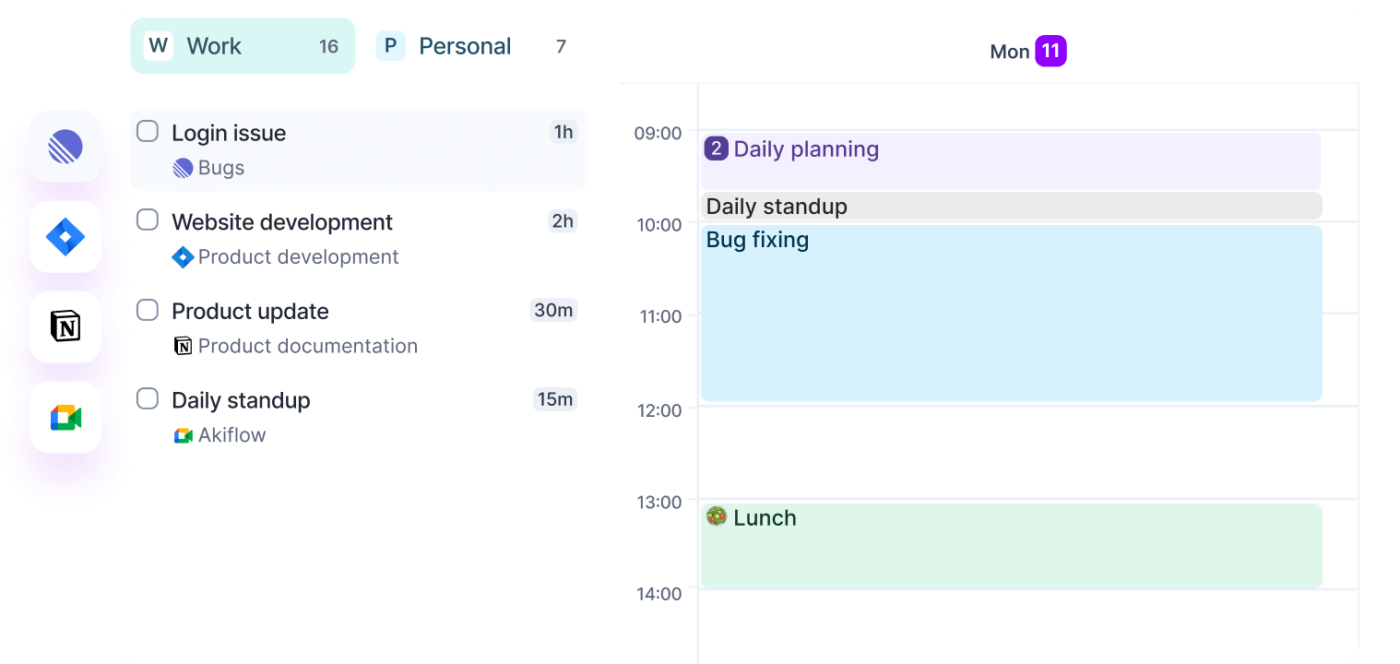
Digital chaos finds structure in Akiflow, which pulls tasks from Gmail, Slack, Notion, and dozens of other platforms into a unified workspace. The clean, minimalist interface enhances productivity, while intuitive keyboard shortcuts speed up your workflow.
Akiflow’s most valuable feature is the seamless calendar-task integration. With a simple drag, to-dos transform into concrete time blocks on your schedule, creating a visual roadmap of your day. For professionals navigating multiple communication channels, Akiflow brings a welcome simplicity.
One Reddit review puts it this way:
The Time Slots are divine, for one. I love being able to have frames of time into which I can throw multiple intended tasks, and those frames can recur. […] I also would find it pretty hard to live without the Upcoming frame, which allows you to schedule tasks and projects into future weeks or months, rather than have all of them stacked up inside folders waiting to be scheduled. […]The rituals and stats tracking are great too, and I really love being able to highlight a goal of the day or a week.
🧠 Fun Fact: The Ethiopian calendar is about seven years behind the Gregorian calendar because it follows a different calculation of Christ’s birth. Ethiopians celebrated the start of the 21st Century on September 11, 2007!
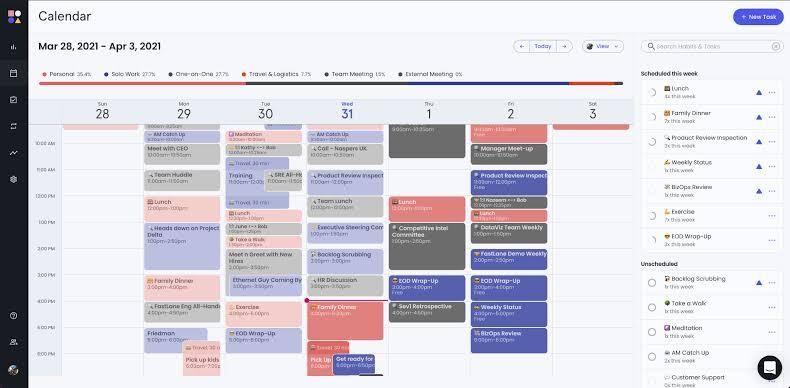
Reclaim stands out as a calendar assistant that actively defends your schedule against meeting overload. This intelligent tool analyzes your calendar patterns and automatically reserves focus blocks before your day fragments into endless discussions.
It adapts to shifting meetings, instantly rescheduling essential work rather than letting it vanish entirely. Many users praise the habit tracker feature for building consistency in personal routines like exercise or reading.
According to one G2 reviewer:
It’s super easy to use, and integrates with my calendar well. I previously used Motion, which I liked, but it just wasn’t intuitive. The habits feature has to be my favourite thing, in a few minutes I was able to add in details about all of my most mundane but regular tasks, and Reclaim literally slots them in perfectly to my schedule. It was really easy to setup. It also manages my tasks super seamlessly.
🔍 Did You Know? Some cultures once measured time using a lunisolar calendar, where months followed the moon’s cycles but were adjusted to fit the solar year. This is why many traditional holidays, like Chinese New Year, change dates yearly.
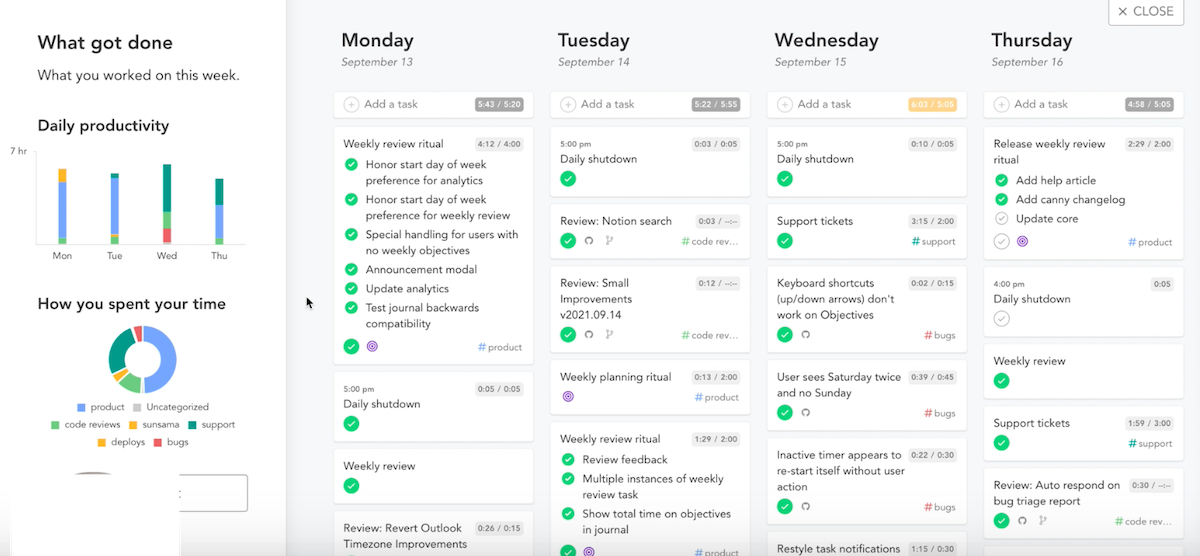
Sunsama combines task management and calendar functions while encouraging realistic planning through daily task limits.
The morning planning ritual guides you to select reasonable workloads, preventing the common mistake of overcommitting. Sunsama integrates tasks from Trello, Asana, GitHub, and more, displaying them alongside calendar events for complete visibility.
Users appreciate the clean interface, which reduces digital noise and helps them maintain focus on current priorities. Additionally, the end-of-day reflection prompts create natural work boundaries and improve planning accuracy over time.
One Reddit user puts it this way:
Sunsama has a better planning process (especially weekly objectives tied to tasks — divine) and way better integration process. Nothing compares. AI is much better too. I love their automatic duration suggestion. Downside: Sunsama is kanban-all-the-time, so you have to like that look! Sometimes it makes lists feel really long but their iOS app is better in this way.
🧠 Fun Fact: The ancient Romans originally had a 10-month calendar, which is why September, October, November, and December have names meaning 7th, 8th, 9th, and 10th, even though they are now the 9th to 12th months!
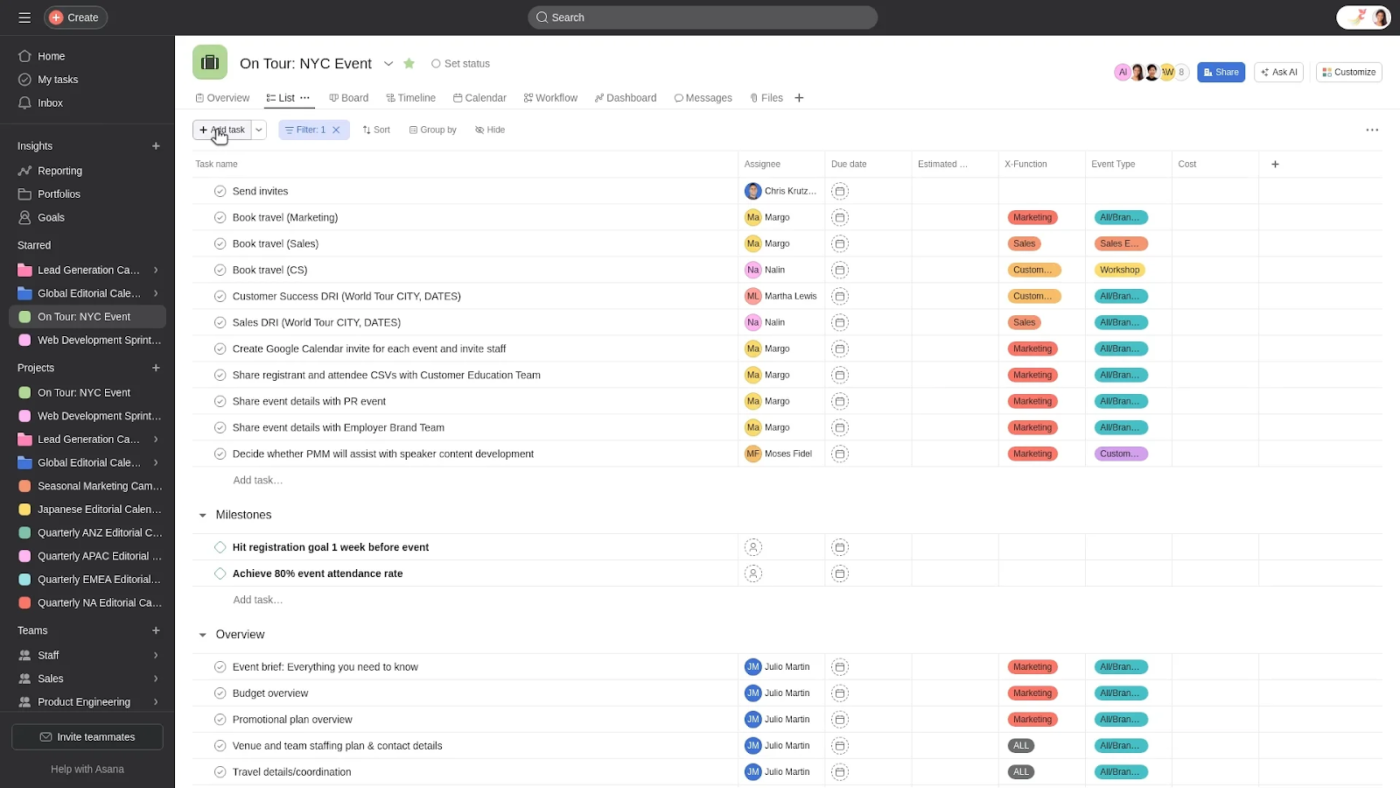
Asana makes complex team projects manageable through flexible workflows and visualization options. The platform offers multiple project views—lists, boards, timelines, calendars—allowing teams to switch perspectives based on their needs.
Task dependencies ensure proper work sequencing while automations handle routine updates and notifications. Asana particularly shines for cross-functional teams through its workload view, which prevents burnout by highlighting overcommitted team members.
See what this Reddit user had to say:
I use the free version of ASANA for both business and personal planning, it’s great for complex marketing calendars and seeing team tasks, but it doesn’t have any sort of hourly calendar for planning your days out. I do use Google calendar also for putting in events (vacations, appointments), but I don’t love it for daily planning.
🔍 Did You Know? The Soviet Union experimented with different calendars in the 20th Century, including a five-day week (1929) and a six-day week (1931) to boost productivity. The traditional seven-day week was restored in 1940.
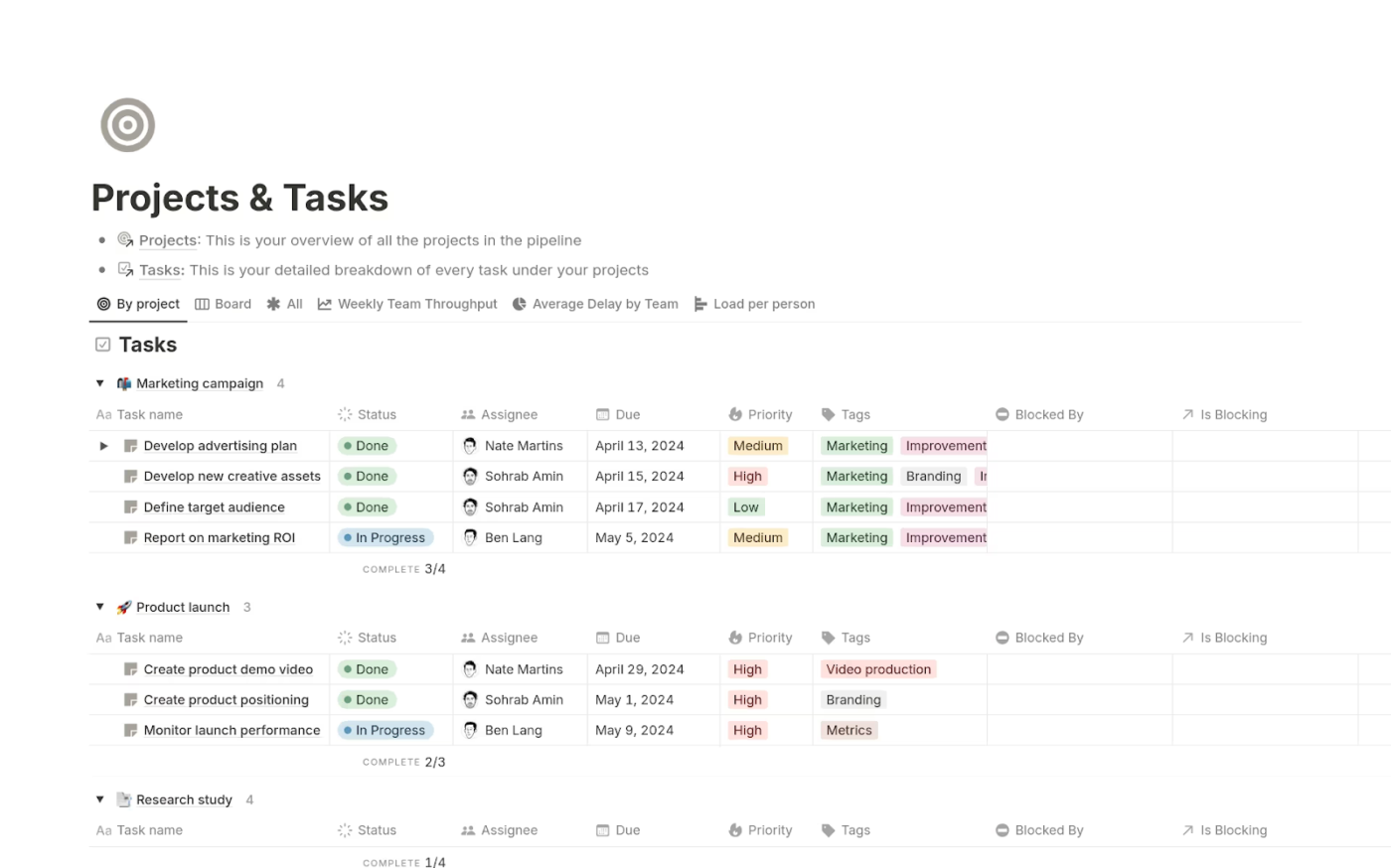
Notion breaks down traditional productivity barriers with its flexible workspace. The database functionality transforms simple lists into powerful tracking systems for projects, habits, or content calendars.
Notion’s content calendar templates speed up setup while allowing personalization for specific needs. Teams particularly value the knowledge management capabilities that create searchable company wikis.
The AI features help summarize notes, generate content ideas, and extract action items from meeting notes, adding analytical power to organization.
Straight from a Capterra review:
Overall, I love it. I use Notion just about every day for both work and personal projects and even after months of use, I still haven’t had any issues. It’s a wonderful application and one of my personal favorites.
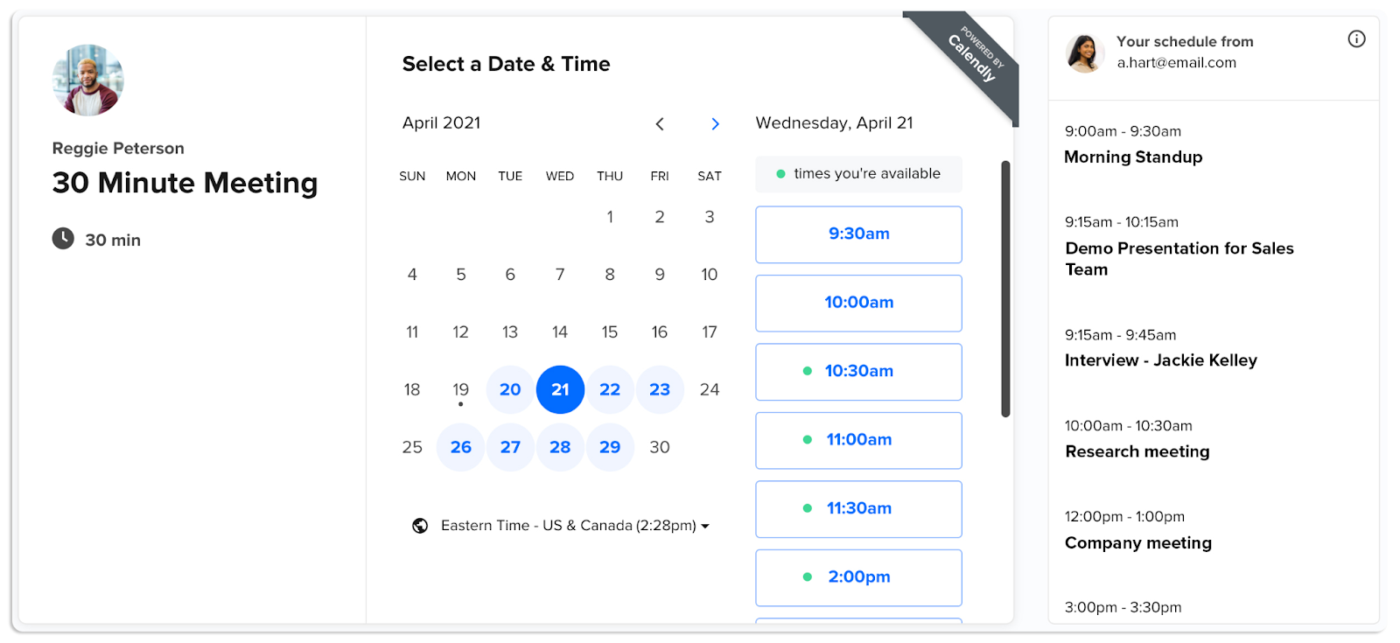
Calendly eliminates the email tennis match of scheduling meetings. This straightforward scheduling tool lets you share availability through simple links that reflect your real-time calendar status.
Recipients select convenient times without seeing your full calendar, maintaining privacy while enabling efficiency. Teams appreciate the round-robin feature that distributes meetings among team members based on availability or balanced workloads.
Furthermore, Calendly integrations automatically generate meeting links, reducing manual setup.
One reviewer offers a helpful breakdown:
Calendly has seriously streamlined our scheduling process. It’s awesome for letting users, clients, and prospects book calls with us for everything from software demos to tech support, training, and quick catch-ups. The fact that we can use the API with our CRM is a huge plus, and being able to sync it with our individual calendars is a major time-saver. Plus, the multilingual event pages are a feature we really appreciate!
🧠 Fun Fact: The French Republican Calendar, used after the French Revolution, divided the year into 12 months of 30 days each and had an extra five or six ‘complementary days’ to make up the difference. It was abandoned in 1806.
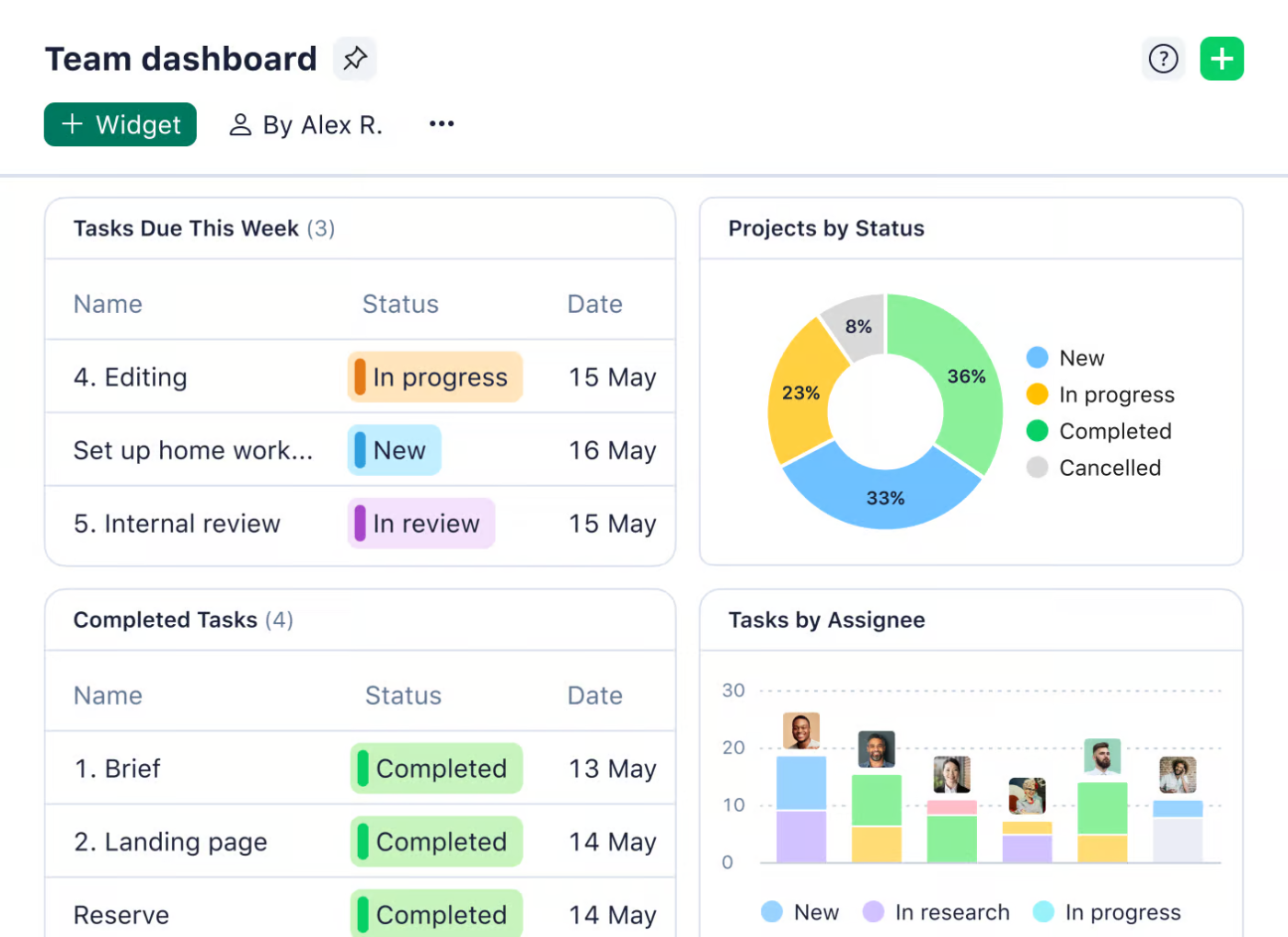
Wrike handles complex workflows across growing teams with adaptable project structures. This project management software organizes work through folders, projects, and tasks that scale from small teams to enterprise departments.
It excels in resource management through workload views that visualize team capacity and prevent bottlenecks. The proofing and approval features streamline creative workflows, allowing direct feedback on documents and images.
Many enterprise teams value the extensive reporting capabilities that track progress across multiple projects and departments.
A Capterra user had this to say:
Wrike has a unique ability to organize work in the way that many other project management systems do not. It’s a simple element of the platform, but it makes a world of a difference when you. start onboarding multiple teams across multiple departments. It also has strengths in cross-departmental collaboration, work and file sharing.
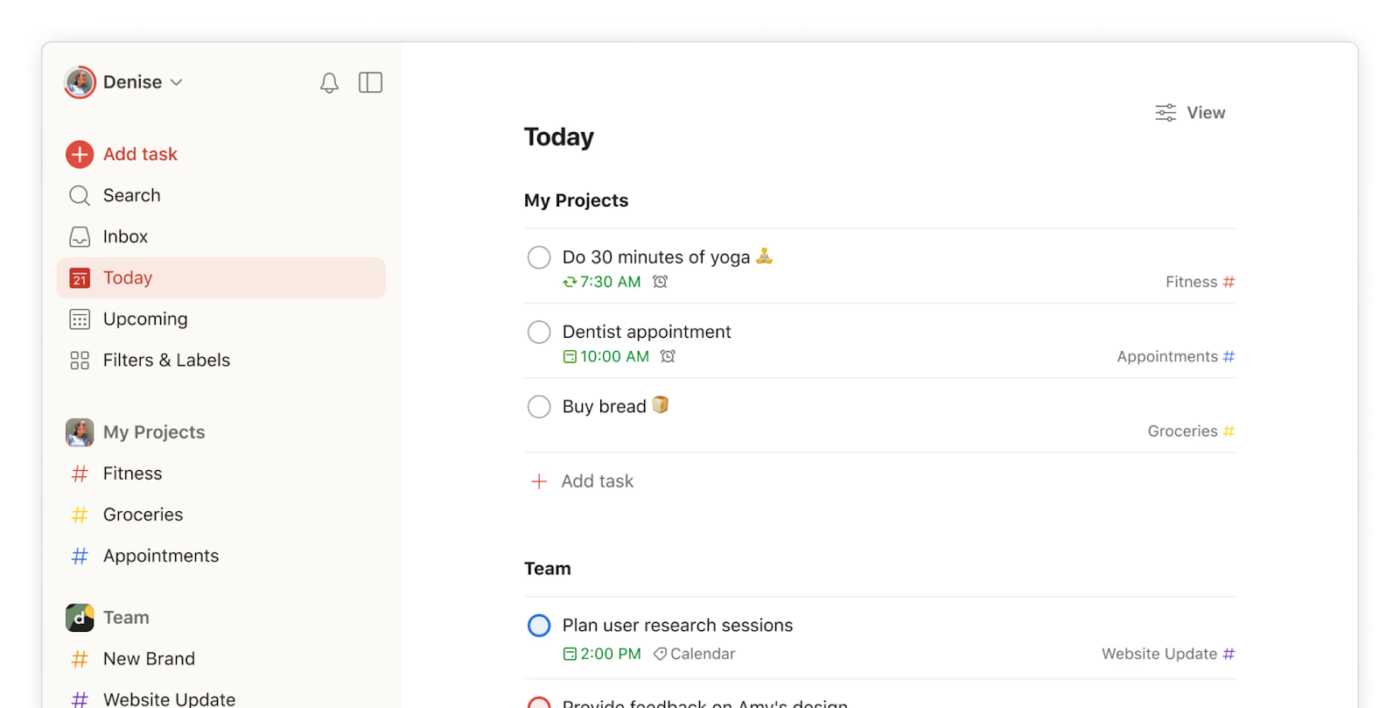
Todoist cuts through productivity complexity with focused task management that works across all devices. This streamlined tool quickly captures tasks through natural language input, automatically setting dates, priorities, and projects.
It particularly stands out for its quick-add functionality, allowing task capture in seconds from any device. Many long-term users appreciate the reliability and thoughtful updates that expand functionality without cluttering the experience.
Here’s what made a difference for one user:
For me, Todoist is like a lifesaver. It was easy to set up and really helps in putting everything into clear to-do lists, even for big projects with my team. Plus, it makes changing deadlines very easy.
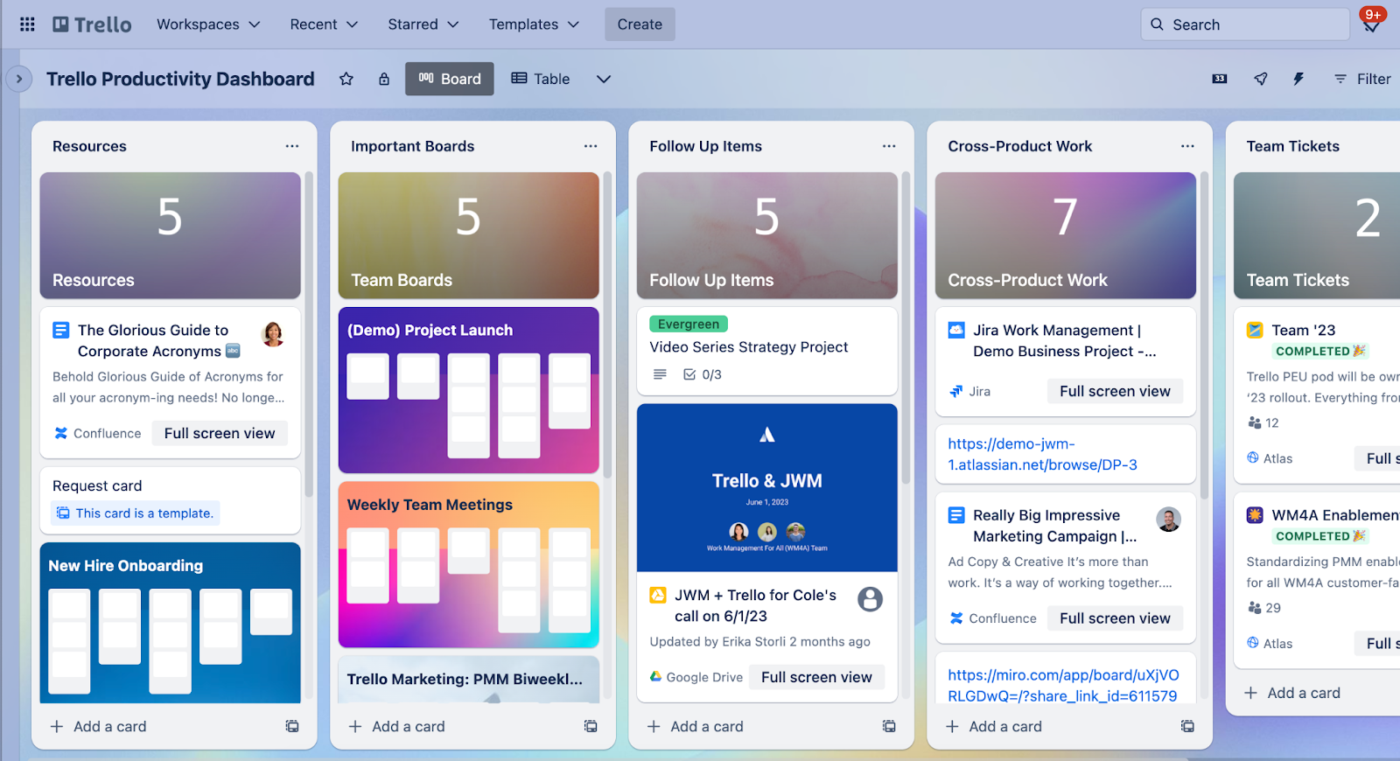
Trello makes project management an intuitive visual experience through its Kanban board system. This approachable tool organizes work into cards that move across customizable columns, creating clear workflow visualization.
Its simplicity helps new users understand the concept immediately while discovering depth through features like checklists, due dates, and automation. Many teams also appreciate the flexibility to create workflows for everything from content calendars to bug tracking to hiring processes, all using the same familiar board interface.
One Redditor shared this:
I find Trello useful for having a way to view the big picture across projects, tasks, etc that I am working on. I think the strength of Trello is that it is very simple (boards, lists, cards) and easy to use so it can be applied to just about anything where you need to organize information. It isn’t a perfect 100% fit but it is often “good enough” and much less complex and expensive than tools focused on more narrow solution areas.
🔍 Did You Know? Some countries adopted the Gregorian calendar centuries after its introduction in 1582. Greece was the last European country to switch, doing so in 1923!
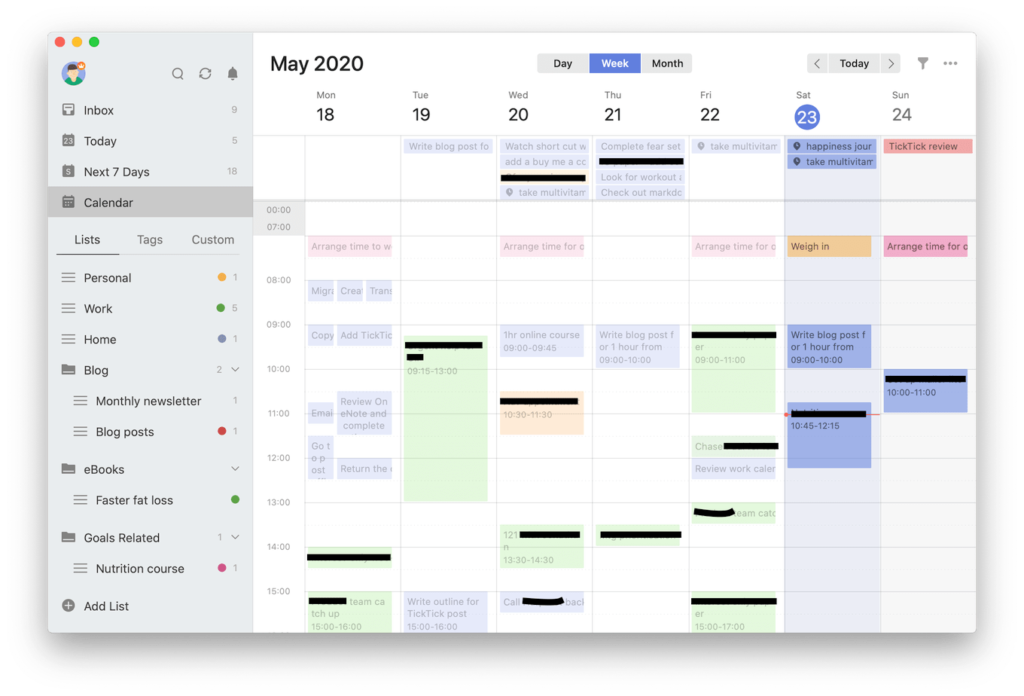
TickTick combines comprehensive task management with habit tracking in one focused app. This versatile tool offers multiple views, including lists, boards, and calendars, while adding unique features like the Pomodoro timer for focused work sessions.
The habit tracking functionality helps build consistency in daily routines and regular tasks. Many users appreciate the thoughtful design, which packs substantial functionality into an uncluttered interface.
Here’s what a Reddit user had to say:
I’ve just moved to TickTick. I love it. I needed something that could add tasks with durations, exactly what TickTick offers. Give it a try you won’t be disappointed. The iOS Home Screen widgets are nice too.
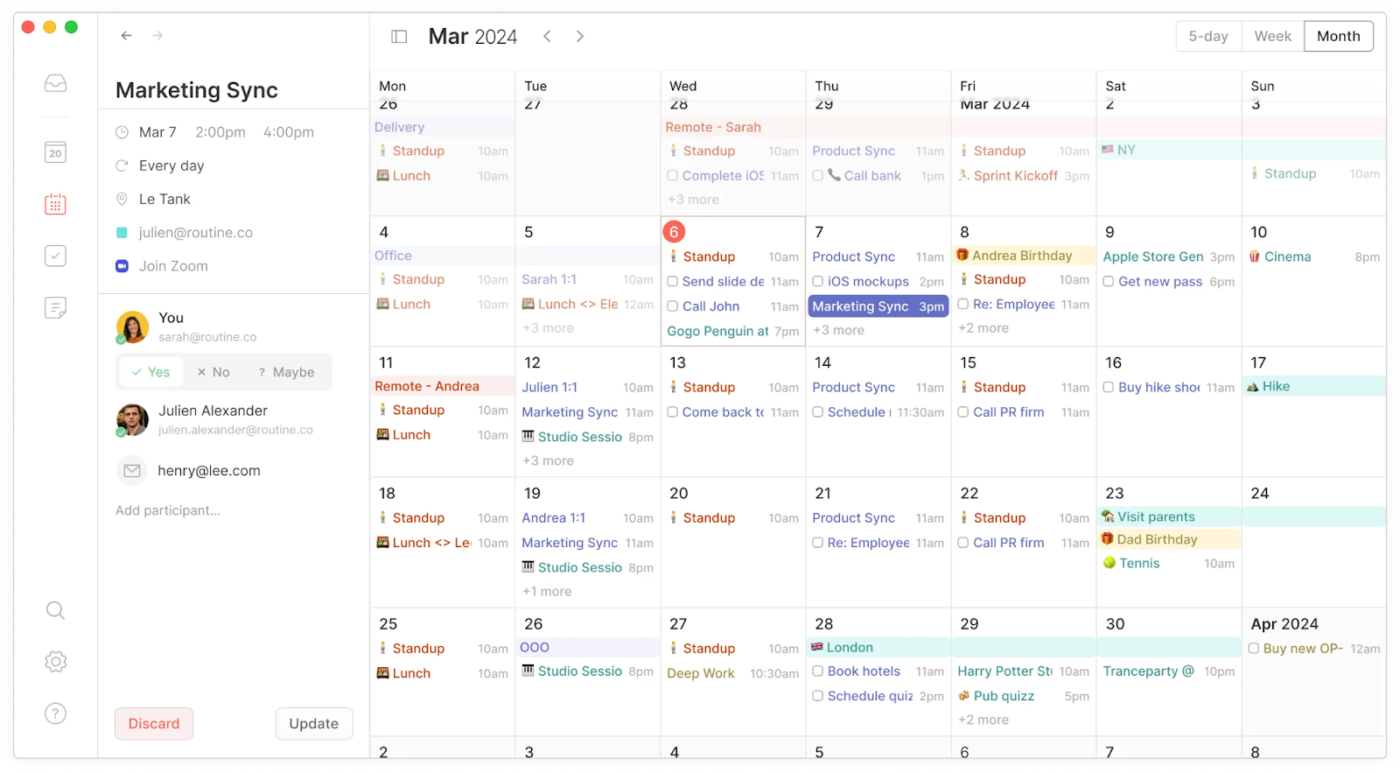
Routine focuses on simplifying productivity through a calendar-first approach.
Its time blocking system helps visualize how you spend your day while the daily planner creates realistic schedules. The daily reset feature encourages regular planning and reflection, building consistency in productivity habits.
Routine adapts to your personal productivity style, offering customization without overwhelming complexity. The result is a more natural experience that feels like an extension of your thought process rather than a rigid framework.
One reviewer on G2 shared this experience:
Routine is a wonderful productivity app that helps me schedule my work tasks daily. It helps me establish and maintain my daily routine. Routine has a sleek and visually appealing UI. It is easy to implement and is quite user-friendly as well.
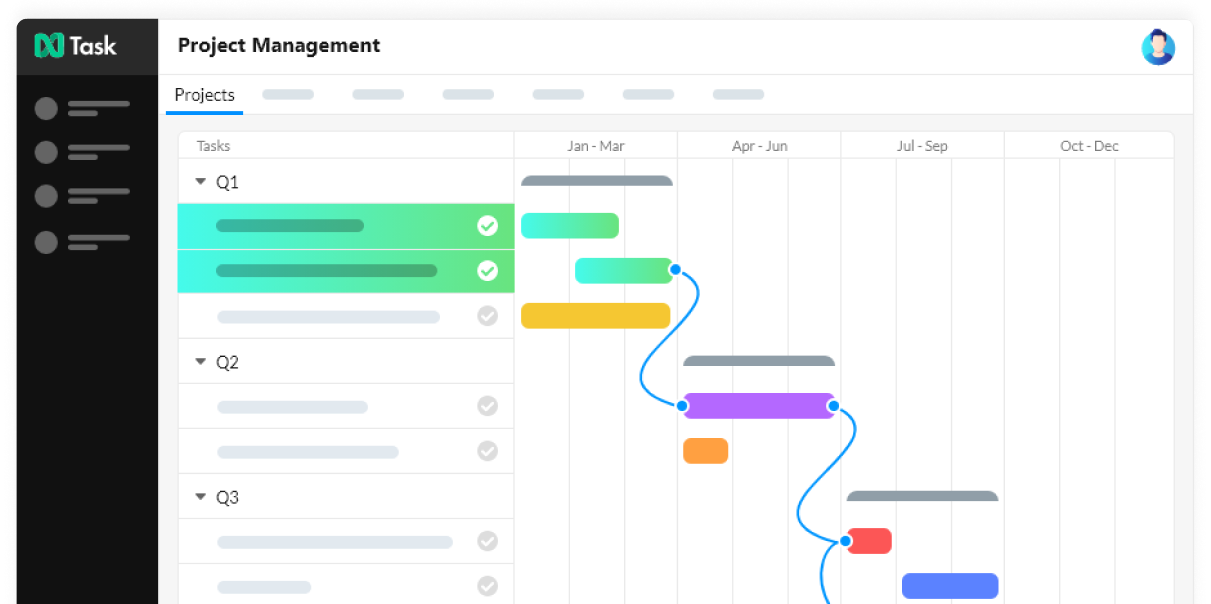
nTask’s versatile platform brings together task tracking, time management, and team communication in an interface that prioritizes clarity over clutter.
What distinguishes nTask is its balanced approach to structure and flexibility. The platform provides enough organization to keep projects on track while remaining adaptable to different working styles and project requirements.
Growing teams appreciate the balance of functionality and affordability that scales with their needs.
According to a Capterra review:
nTask is much more affordable than some other well known project management software, which makes it ideal for freelancers and small businesses on a modest budget. My favourite nTask feature is Boards – a fun, visual way of arranging task progress at a glance. Unless you’re a big enterprise with very complex moving parts, most of us will do perfectly fine with nTask!
📖 Also Read: Productivity Hacks and Tips
Productivity tools should make your day easier, not more complicated. When tasks pile up and priorities shift, you need a system that helps you adapt quickly.
ClickUp brings your work into one place—your tasks, calendar, meetings, and team updates all stay connected.
You can plan your day, block focus time, manage shifting deadlines, and keep everything moving without switching between tools.
Clarity, control, and momentum, all in one platform.
Sign up for ClickUp today! ✅
Motion works best for individual schedules, but teams often outgrow it due to limited collaboration and shared visibility.
Some tools heavily restrict manual changes, while others let you override AI suggestions to match real-world priorities.
Yes, many alternatives combine tasks, calendars, and deadlines in one system so work stays connected instead of scattered.
AI works best when paired with human control, especially for roles with frequent interruptions or shifting priorities.
Look for flexibility, visibility across work, and the ability to adjust plans without fighting the system.

© 2026 ClickUp

There’s an easier way. Try a free AI Agent in ClickUp that actually does the work for you—set up in minutes, save hours every week.