
Sorry, there were no results found for “”
Sorry, there were no results found for “”
Sorry, there were no results found for “”
Ever wondered why some people seem to effortlessly achieve their goals while others struggle?
The secret often lies in the power of habits. Building habits is the foundation of personal growth, productivity, and long-term success.
Whether you’re aiming to adopt healthier routines, stay consistent with your fitness goals, or enhance your professional skills, forming habits requires a mix of discipline, clarity, and a bit of tracking magic.
That’s where a habit tracker comes in! It’s like having a personal coach cheering you on, helping you stay on track, and celebrating your progress.
A habit tracker is a structured system designed to help you monitor and maintain consistency in your daily routines and goals. It helps you visually monitor your progress, identify areas for improvement, and stay motivated by celebrating small victories.
Think of it as a bridge between where you are and where you want to be. By consistently tracking your habits, you can see how incremental changes compound into significant improvements over time.
Habit trackers come in many forms—journals, apps, spreadsheets, or even sticky notes. While physical habit trackers allow for creative expression, digital tools take things to the next level with automation, analytics, and seamless integration into your daily workflow.
Habit tracking goes beyond mere monitoring—it’s a powerful tool for self-awareness, helping you recognize behaviors, reinforce positive actions, and uncover patterns that drive success or setbacks.
For instance, if you’re striving for better health, tracking habits like daily water intake, exercise, and sleep patterns can reveal what’s working and what needs adjustment. Instead of guessing, you gain data-driven insights that turn aspirations into actionable steps.
This awareness transforms vague aspirations into concrete actions, making it easier to stay committed.
👀 Did You Know? 43% of our daily actions are performed habitually while our minds are focused elsewhere.
Habit trackers come in two primary forms: physical and digital. The following table gives a quick comparison between these two.
| Physical | Digital |
| They include journals, planners, and bullet journals, where you can creatively design layouts that resonate with you. | They are apps or tools that offer automation, customization, and easy access. |
| Physical trackers offer a tactile experience. | They provide efficiency, scalability, and advanced analytics. |
Many people find value in combining both approaches to suit multiple habits.
Using a habit tracker goes beyond checking off boxes—it’s about fostering accountability, increasing self-awareness, and building momentum toward long-term goals. By visually representing your efforts, a monthly habit tracker can give you a tangible sense of progress, which can be incredibly motivating.
Here’s why habit trackers are indispensable for personal and professional growth:
When you write down or log your habits, you prioritize them. A habit-tracking app helps you focus on what truly matters by filtering out distractions. If your goal is to exercise regularly, a habit tracker ensures you dedicate time to this specific activity amidst the chaos of daily life.
Seeing your progress builds confidence and reinforces your commitment. Tracking positive habits will remind you how far you’ve come, motivating you to keep going. This is especially helpful when working toward long-term goals like learning a new skill or improving your health.
Habit tracking holds you accountable. Knowing that you need to record your actions pushes you to stay consistent. For instance, if you track your daily water intake, the habit-tracking app will prompt you to meet your goal, even on busy days.
Are you consistently skipping your workouts on weekends? Do you drink more water on workdays than at home? Recognizing these trends helps you make informed decisions about adjusting your routines for better results.
When you track daily habits, you eliminate the mental load of remembering everything. Instead of constantly wondering if you’re meeting your goals, you have a clear, organized system that provides instant feedback.
💡Pro Tip: Engaging in habit tracking can enhance self-awareness and promote positive behavior changes, which may help reduce stress levels.
Creating a habit tracker is a straightforward yet impactful process. It’s all about understanding your goals, selecting the right tracking method, and designing a system that works for you.
Whether you prefer physical trackers or digital tools, following these steps will help you build an effective habit tracker tailored to your needs.
Start by defining what you want to achieve. Are you looking to improve your physical health, increase productivity, or foster personal growth? Break these objectives into actionable habits. If your goal is better health, your habits could include drinking eight glasses of water daily, walking 10,000 steps, or meditating for 10 minutes.
Keep your list focused. Choose habits that align with your larger goals and are realistic to track consistently. Prioritize habits that add value to your life and contribute to your well-being.
Now that you’ve defined the habits you want to track, it’s time to decide how you’ll track them. Choosing the right habit-tracking method—whether digital or physical—can make all the difference in staying consistent.
Some people thrive with the simplicity of a notebook or planner, while others prefer the automation and analytics of digital tools. The key is to pick a system that fits seamlessly into your daily routine, making habit tracking effortless rather than a chore.
Determine how long you’ll commit to tracking your habits—will it be 21 days, a month, or an entire quarter? The right timeframe depends on your goals. Shorter periods (like 21 or 30 days) help build momentum and keep motivation high, while longer durations (such as 90 days) reinforce habits, making them a natural part of your routine.
Setting a clear timeframe creates structure, gives you a sense of progress, and helps you stay accountable on your habit-building journey.
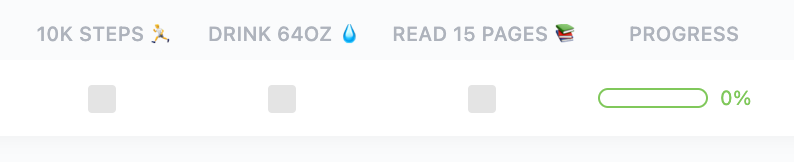
A well-structured layout makes habit tracking clear, intuitive, and motivating. If you’re using a physical tracker, consider a simple grid or table with columns for days, goals, and progress, allowing you to check off completed habits easily.
For digital trackers, leverage features like color coding, progress bars, or automation to visualize your consistency. The key is to create a layout that’s easy to update and gives you a quick snapshot of how well you’re sticking to your habits.
Consistency is the secret to successful habit tracking. Whether you log your habits daily for real-time accountability or weekly for a broader overview, the key is to make tracking a natural part of your routine.
Set a reminder, link it to an existing habit, or use automation if you’re tracking digitally. The more consistent you are, the easier it becomes to spot patterns, stay motivated, and turn small actions into lasting habits.
Habit tracking isn’t just about recording progress—it’s also about reflecting and refining. Set aside time to review your tracker regularly and assess what’s working and what isn’t.
Are you consistently hitting your goals, or are certain habits falling off? Use these insights to adjust your approach—whether it’s tweaking your goals, changing your timeframe, or experimenting with new strategies. Regular reviews ensure that you stay aligned with your objectives and continue improving your routines.
When deciding which habits to track, consider areas of your life you want to improve or goals you wish to achieve. Habit tracking works best when it aligns with your personal and professional priorities.
Below are some popular ideas for habits to track, categorized by focus area, to help you get started.
Tracking your physical well-being is one of the most common uses for a habit tracker app. Some examples include:
A habit tracker can be a game-changer in staying productive and achieving career goals:
Personal growth involves building meaningful habits that enhance your skills and mindset:
If financial health is a priority, consider tracking these habits:
🧠 Fun Fact: Some people track quirky habits like how many times they laugh in a day, daily hugs, days without hitting the snooze button, and screen-free hours.
Today, there’s no shortage of tools designed to help you track and achieve your habits. These tools range from traditional methods like journals to sophisticated analytics and automation apps. Choosing the right tool depends on your goals, preferences, and whether you prefer physical or digital tracking.
If you love the tactile experience of pen and paper, physical trackers can be a great choice. Popular options include:
While physical trackers encourage creativity and mindfulness, they lack the flexibility and automation of habit tracker apps.
For instance, Habitica, a gamified habit tracker, turns habit-building into an adventure. You earn rewards for completing tasks and face penalties for missed habits, making it engaging for users who enjoy games.
Notion, a versatile productivity tool, allows you to build custom habit-tracking templates. It’s perfect for users who want to integrate habit tracking with note-taking and project management.
ClickUp, the everything app for work, is a complete solution for habit tracking and productivity. Unlike other tools, ClickUp integrates habit tracking into a larger task and goal management ecosystem. The ease of use makes it ideal for users who want to align their habits with their personal and professional objectives.
ClickUp has definitely increased my personal productivity and helped me to stay better organized.
ClickUp isn’t just another app—it’s a powerhouse for seamlessly building and tracking habits. Here’s how it stands out:
ClickUp has several pre-made templates with customizable layouts, enabling you to track daily, weekly, or monthly habits with ease.
For instance, the ClickUp Personal Habit Tracker Template offers a ready-to-use structure, saving you time. It even integrates with ClickUp’s time-tracking tools to measure how much effort you put into each habit.
Here’s what you can do with this template:
📌Also Read: Free Habit Tracker Templates for Google Sheets
If you are trying to boost productivity, then the ClickUp Personal Productivity Template is the assistant you need. Organize your daily tasks and goals in one place so you can stay on track and crush your personal development.
With ClickUp, habit tracking becomes an integral part of your productivity system. It’s not just about recording habits—it’s about weaving them into your daily workflow.
Use ClickUp Tasks to transform habits into recurring tasks with deadlines and progress indicators, like logging meals or completing workouts.
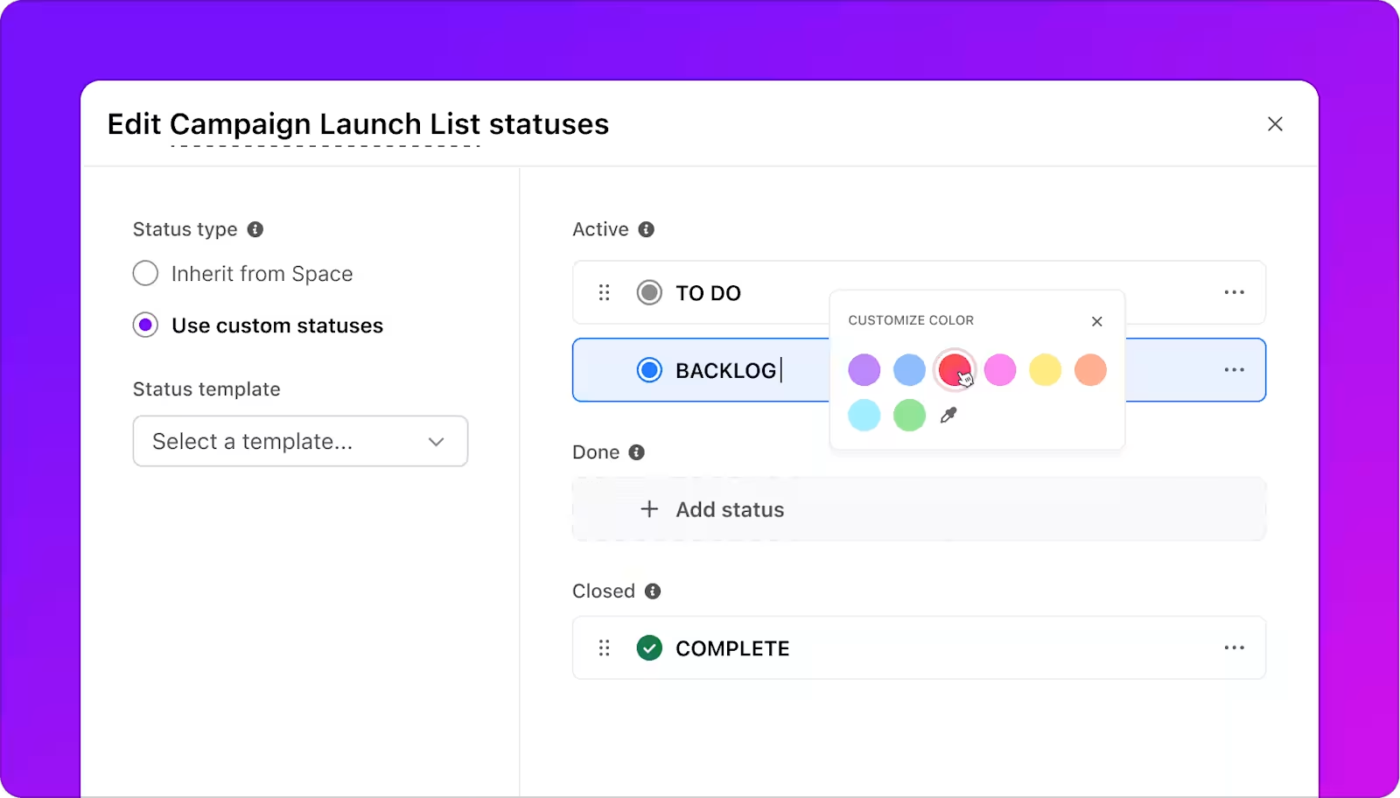
Use ClickUp’s task management system to set clear start and end dates for your tracking periods. You can also assign deadlines and track completion rates for both personal and professional habits, making consistency effortless.
If it gets too overwhelming, use ClickUp Goals to break down your habits into actionable steps. This will ensure you consistently make progress and hit your personal development objectives.

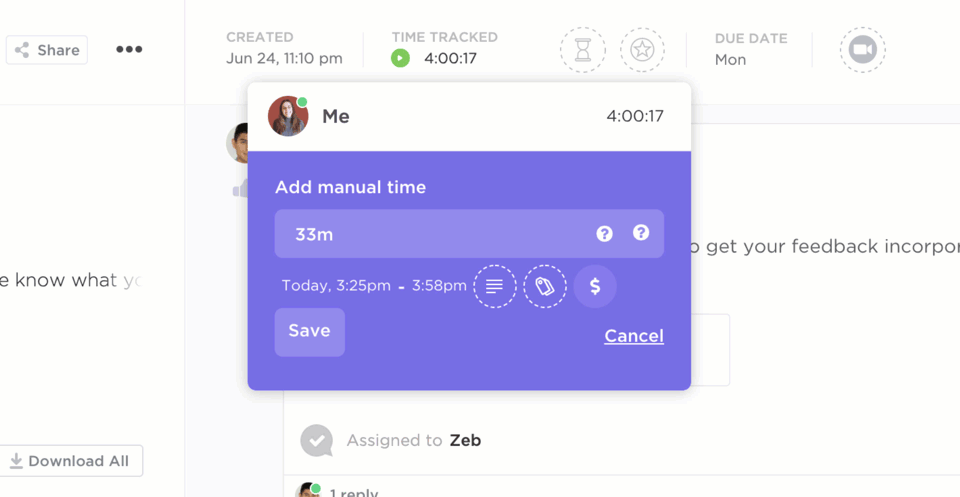
With ClickUp’s Time-tracking Tools, you can monitor the time spent on specific habits. This feature is useful, especially for habits like studying, working on creative projects, or exercising.
Get a clear snapshot of your journey with ClickUp Dashboards. See real-time updates and monitor consistency through easy-to-read charts and graphs.
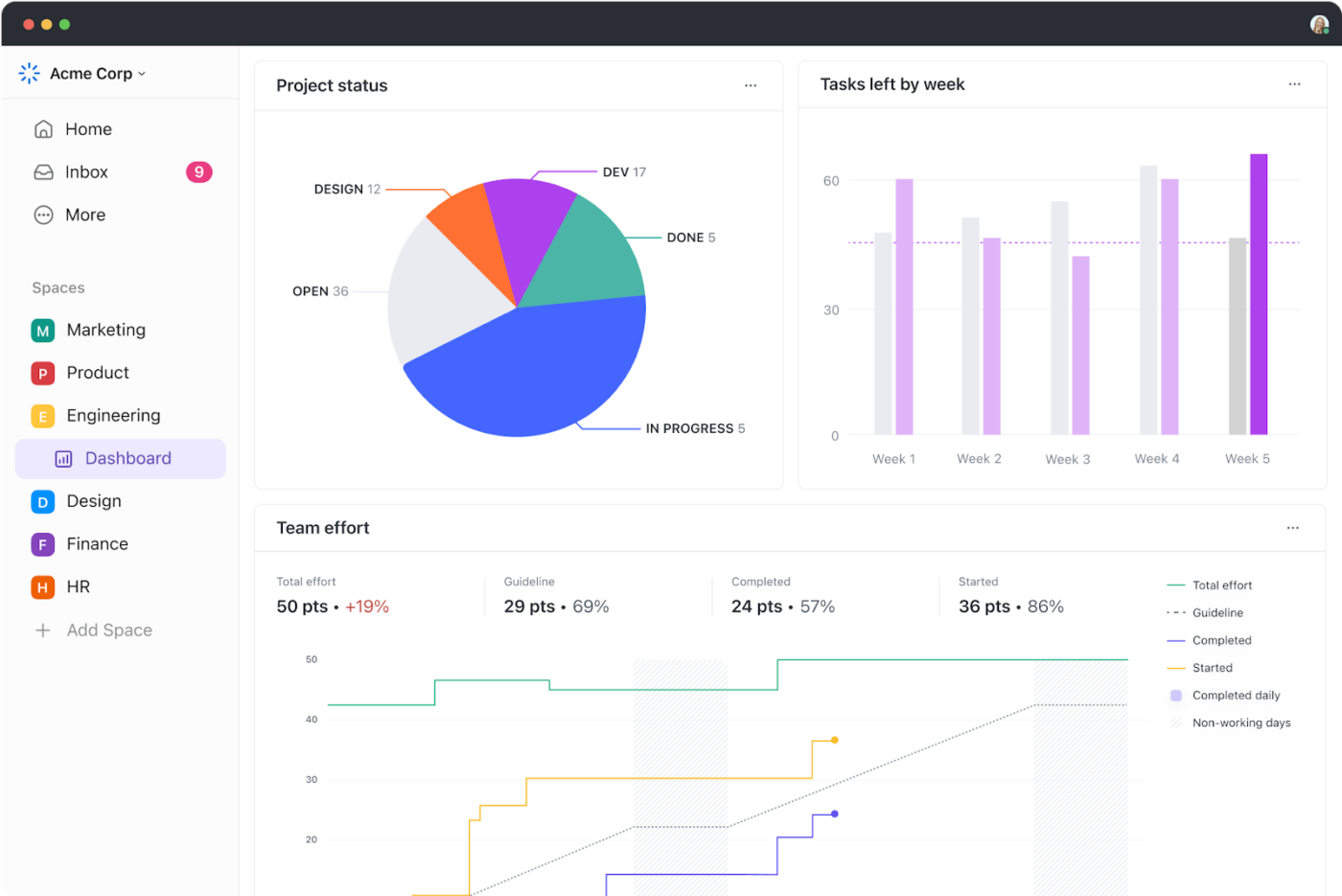
📮ClickUp Insight: 92% of knowledge workers use personalized time management strategies. But, most workflow management tools don’t yet offer robust built-in time management or prioritization features, which can hinder effective prioritization.
ClickUp’s AI-powered scheduling and time-tracking features can help you transform this guesswork into data-driven decisions. It can even suggest optimal focus windows for tasks. Build a custom time management system that adapts to how you actually work!
Need a little push to stay on track? ClickUp Reminders has got you sorted. Add daily or weekly reminders to consistently mold habits. For example, if you’re building a daily journaling habit, ClickUp can send reminders and track your streak, keeping you motivated and on track.
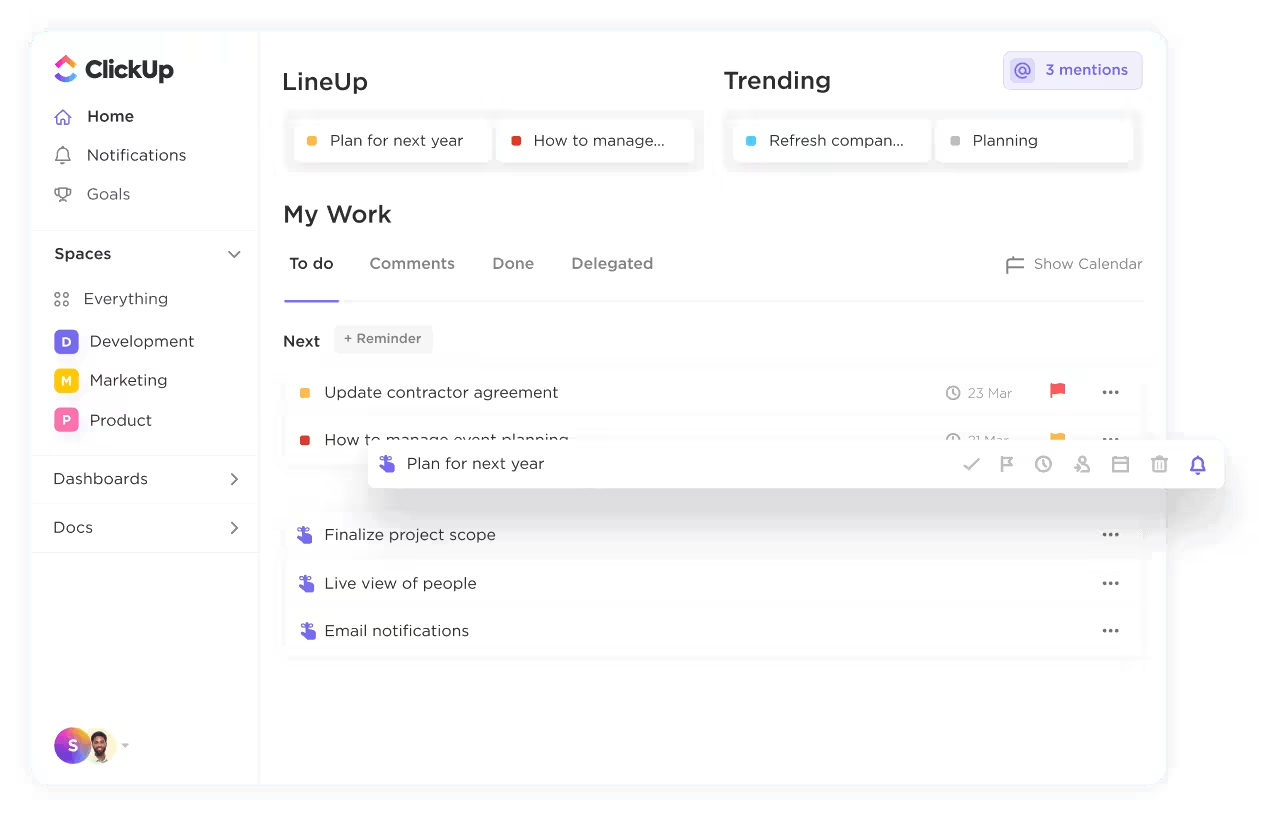
ClickUp’s ability to integrate with apps like Google Calendar and other weekly habit trackers ensures that your habit tracker fits seamlessly into your existing to-do list.
By combining robust features with a user-friendly design, ClickUp redefines what a habit tracker can do. Whether you’re building healthier routines, increasing productivity, or pursuing personal growth, ClickUp is a versatile tool to help you achieve your goals.
Building habits requires more than a well-designed habit tracker; consistency is the key to success. It can be challenging to stay committed even with the best tools and the ultimate habit tracker guide at your disposal.
Here are practical tips to ensure you maintain momentum and make the most out of your habit tracker:
By combining these tips with the powerful tools offered by ClickUp, you can overcome common challenges, build lasting habits, and achieve your personal development goals.
Whether cultivating healthier routines, mastering a skill, or enhancing your daily workflow, a habit tracker offers clarity, accountability, and motivation to stay the course. The process goes beyond simply recording tasks. It fosters self-awareness, helps you measure progress, and provides the momentum to push through challenges.
By choosing the right tools, committing to consistency, and following a few best practices, you can create a system that empowers you to unlock your full potential.
With ClickUp as your ally, tracking habits become intuitive, engaging, and effective. So, why wait? Start today with ClickUp, and watch your small, daily habits compound into extraordinary outcomes.

Manasi Nair
Max 20min read

Sudarshan Somanathan
Max 23min read
Sudarshan Somanathan
Max 29min read

© 2026 ClickUp