






Still downloading templates?
There’s an easier way. Try a free AI Agent in ClickUp that actually does the work for you—set up in minutes, save hours every week.
Sorry, there were no results found for “”
Sorry, there were no results found for “”
Sorry, there were no results found for “”
65% of the 100 largest hospitals and health systems in the United States. have experienced a recent data breach. That’s a clear warning sign if you’re working with protected health information (PHI).
Using standard AI tools without HIPAA (Health Insurance Portability and Accountability Act) compliance is like locking the front door and leaving the back wide open—you risk a serious breach in environments where data security is non-negotiable.
AI is already reshaping clinical notes, patient engagement, and admin work; the wrong tool can also open the floodgates to HIPAA violations.
In this blog, we’ve handpicked HIPAA-compliant AI tools that help healthcare professionals meet regulatory requirements without compromising speed or accuracy. 🤖
When choosing an AI tool for clinical settings or patient communication, consider whether it protects sensitive information and supports HIPAA compliance management. 🛡️
Here’s what to look for:
These tools go beyond convenience—they’re designed to protect sensitive data, automate routine tasks, and ensure your organization stays audit-ready.
| Tool | Key Features | Best For | Pricing |
|---|---|---|---|
| ClickUp | – HIPAA-compliant task management – Project tracking – Real-time collaboration – Generative AI for documentation | Healthcare teams managing workflows and clinical tasks | Free forever; Customization available for enterprises |
| Updox | – Secure messaging– Document sharing – Integrated telehealth and scheduling – HIPAA-compliant cloud storage | Medical professionals and practices needing secure patient communication and calendar coordination | Custom pricing |
| Jotform | – HIPAA-compliant forms – Encrypted submissions – Automated workflows – Integrations with EHR systems | Healthcare teams needing customizable patient intake forms and e-forms | Free plan; Paid plans start at $34/month |
| TrueVault | – Automates DSAR handling – Tracks vendor compliance – Maintains HIPAA standards for data privacy | Organizations managing multiple vendors and privacy needs | Starts at $49/month per user |
| IBM Watson Health | – AI-powered patient interactions – HIPAA-enabled cloud infrastructure – Intelligent automation at scale | Enterprise-level healthcare systems needing large-scale HIPAA-compliant AI infrastructure | Custom pricing |
| CareCloud | – AI-powered clinical note creation – Provider scheduling – Billing and revenue cycle management | Healthcare teams automating clinical and administrative tasks | Custom pricing |
| Fireflies | – Meeting transcription– Action items – Collaboration across teams – HIPAA-compliant encryption | Healthcare teams needing meeting insights and collaboration | Free plan; Starts at $18/month per user |
| Azure Health Bot | – HIPAA-compliant virtual assistants – Triage protocols – Customizable deployment options | Healthcare organizations needing scalable, secure virtual health assistants | Free tier; Starts at $500/month |
| Infermedica | – Clinically validated symptom checkers – Pre-visit intake – Real-time triage assistance | Healthcare providers guiding patients remotely through symptom checking and triage | Custom pricing |
| Qventus | – Automated surgical scheduling – Discharge planning – Care coordination workflows | Large hospital systems automating hospital workflows and perioperative coordination | Custom pricing |
Our editorial team follows a transparent, research-backed, and vendor-neutral process, so you can trust that our recommendations are based on real product value.
Here’s a detailed rundown of how we review software at ClickUp.
Whether organizing patient workflows, automating clinical documentation, or managing your PHI, these HIPAA-compliant AI tools meet stringent compliance requirements:
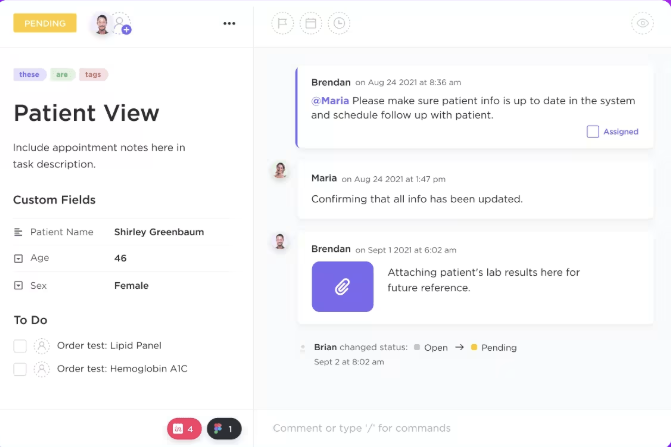
ClickUp gives healthcare providers a secure, centralized workspace to manage everything from clinical workflows and project tracking to inventory management and patient documentation.
Built with the complexity of healthcare operations in mind, ClickUp for Healthcare Teams streamlines administrative tasks without compromising HIPAA compliance.
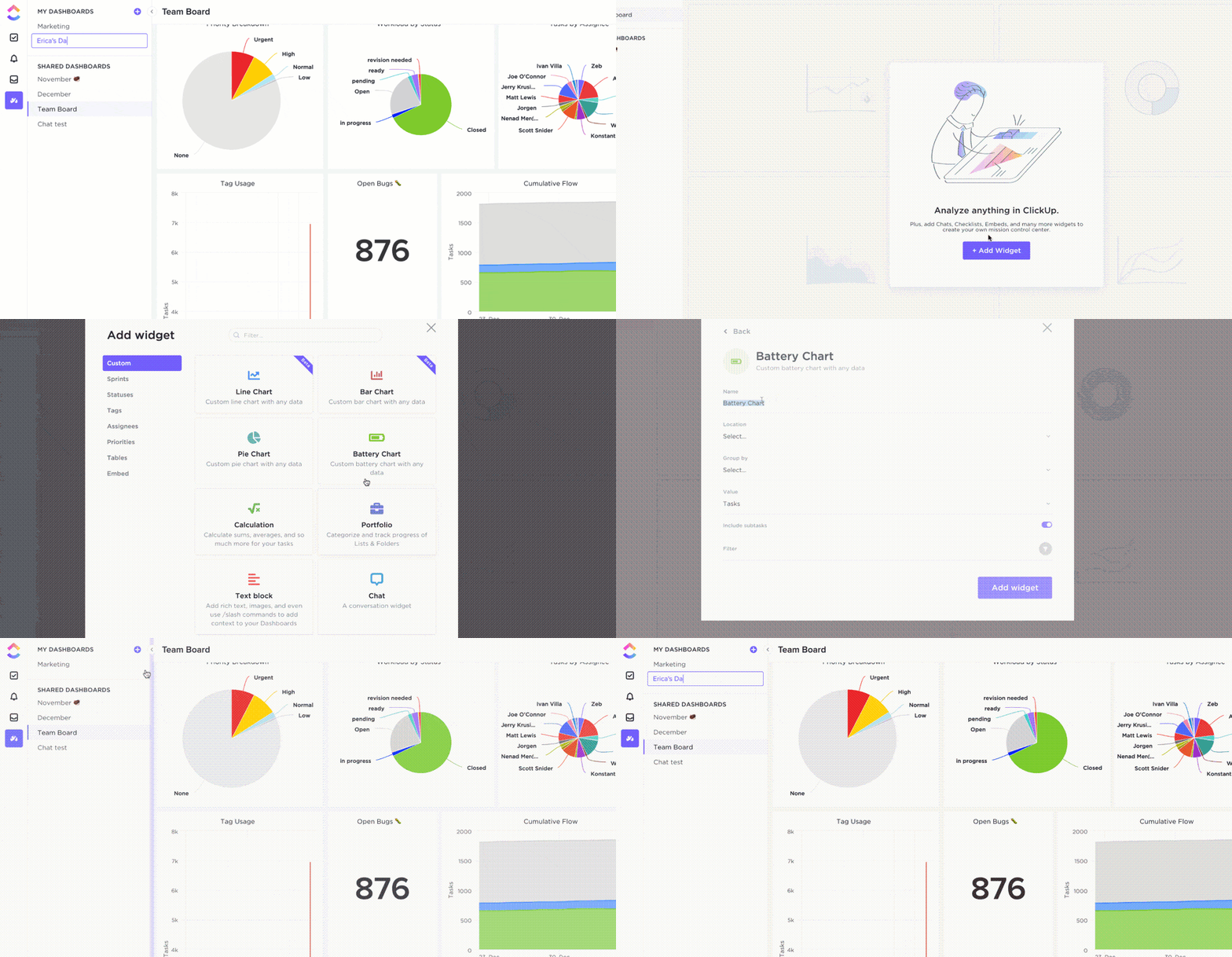
ClickUp supports GDPR and HIPAA requirements, allowing users to sign a Business Associate Agreement (BAA), making it a legitimate solution for covered entities handling protected health information (PHI). With encryption at rest and in transit, SOC 2 compliance, and role-based access controls, the platform ensures sensitive information stays protected.
📮 ClickUp Insight: While 34% of users operate with complete confidence in AI systems, a slightly larger group (38%) maintains a “trust but verify” approach. A standalone tool that is unfamiliar with your work context often carries a higher risk of generating inaccurate or unsatisfactory responses.
This is why we built ClickUp Brain, the AI that connects your project management, knowledge management, and collaboration across your workspace, as well as integrates with third-party tools.
With ClickUp Security, teams enable two-factor authentication, automatic session timeouts, and detailed audit logs to maintain full visibility and control over patient data.
Healthcare industry teams use ClickUp to simplify everything from caregiver scheduling and task assignment to record requests and contract reviews. The platform’s Workload view, Calendar view, and recurring task automations allow for real-time coordination across departments.
🎥 See how AI task automation in ClickUp reduces manual work and helps teams stay compliant. From auto-assigning tasks to updating statuses and sending reminders, AI keeps workflows secure, traceable, and efficient—making it easier for healthcare and compliance-driven teams to focus on patient care, not paperwork.
With ClickUp Brain, healthcare teams can utilize generative AI to automatically summarize records, generate content, and receive assistance with documentation within a HIPAA-compliant environment.
Example use case:
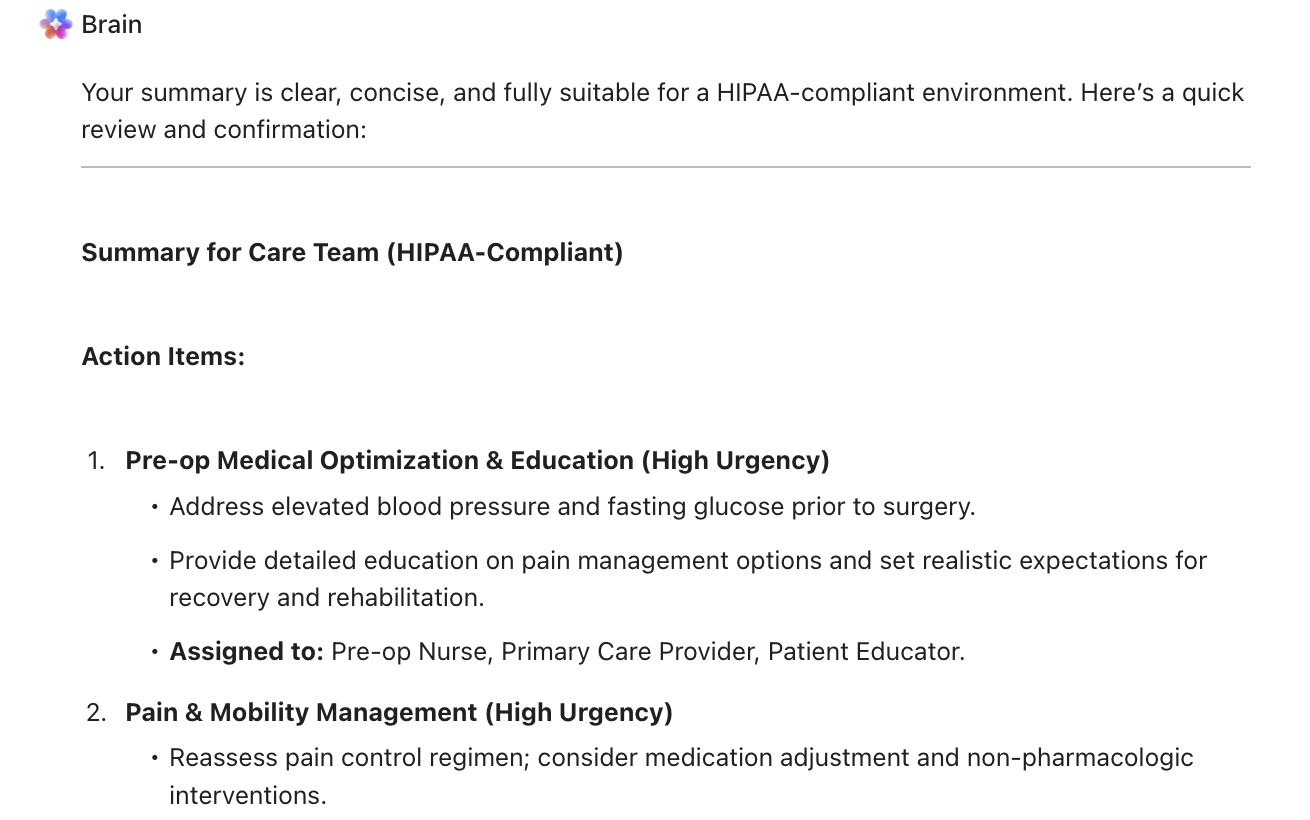
For instance, when asked to generate a patient summary, here’s a sample prompt and how ClickUp Brain might respond:
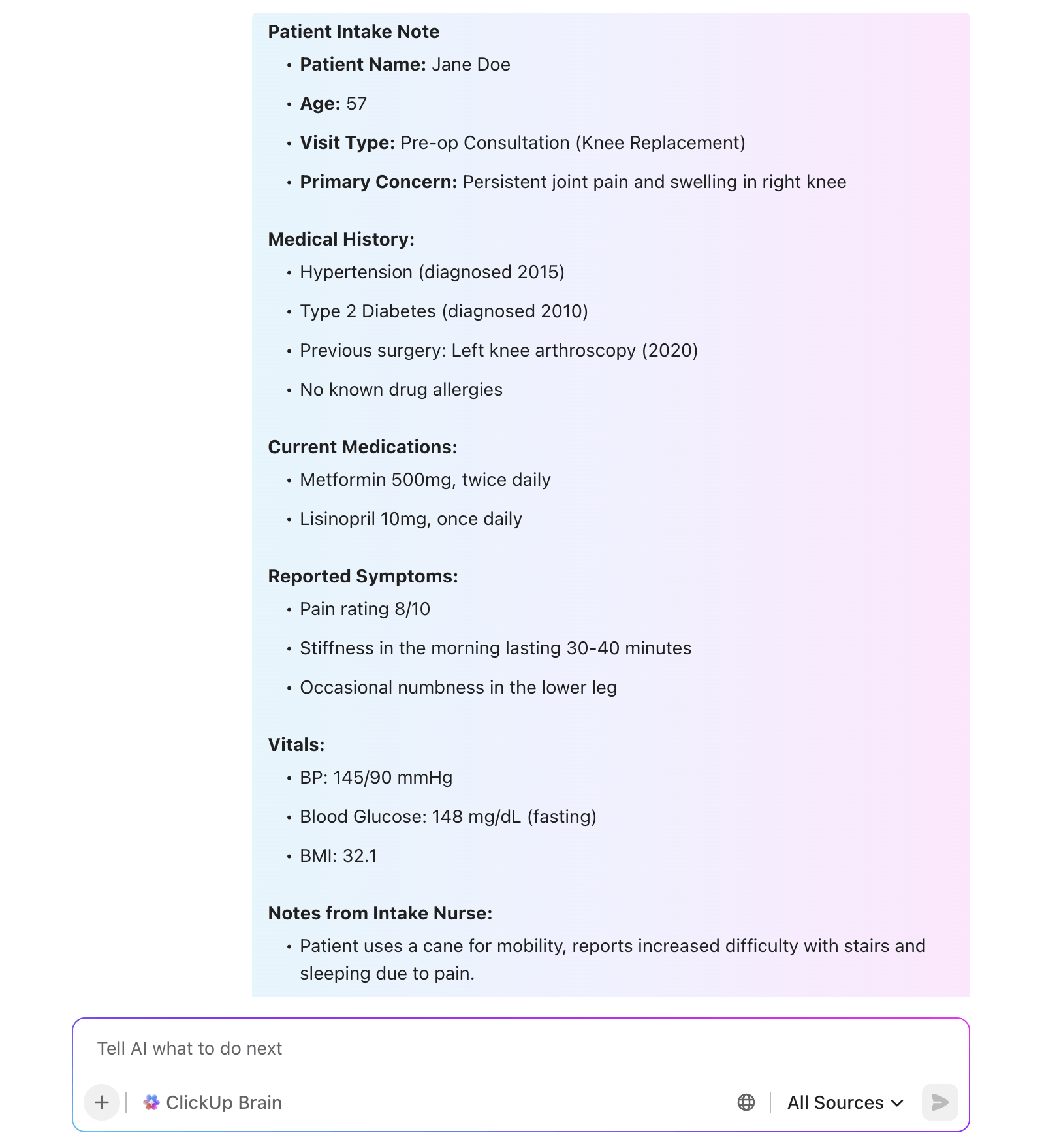
The response: This is what ClickUp Brain replied:
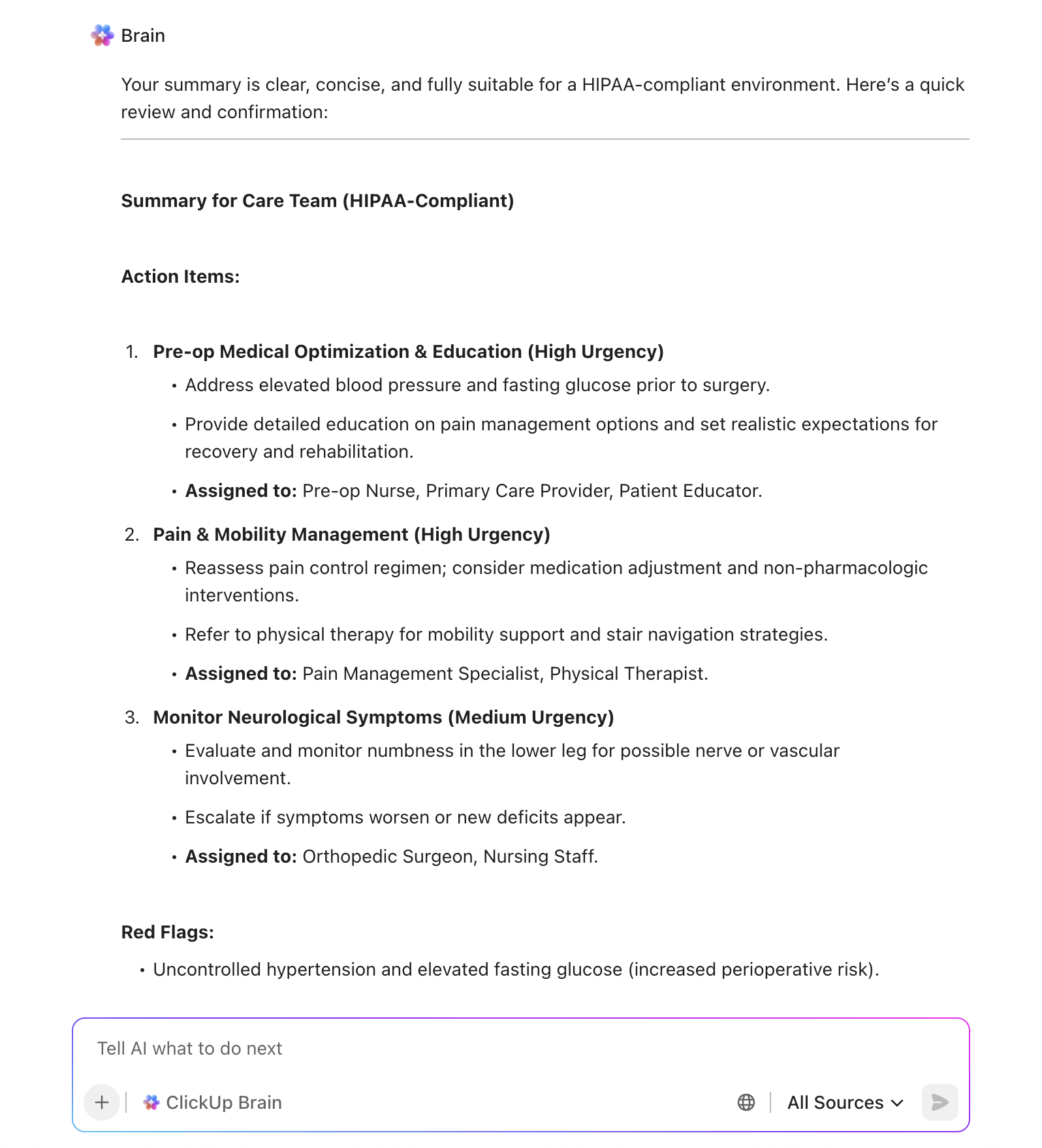
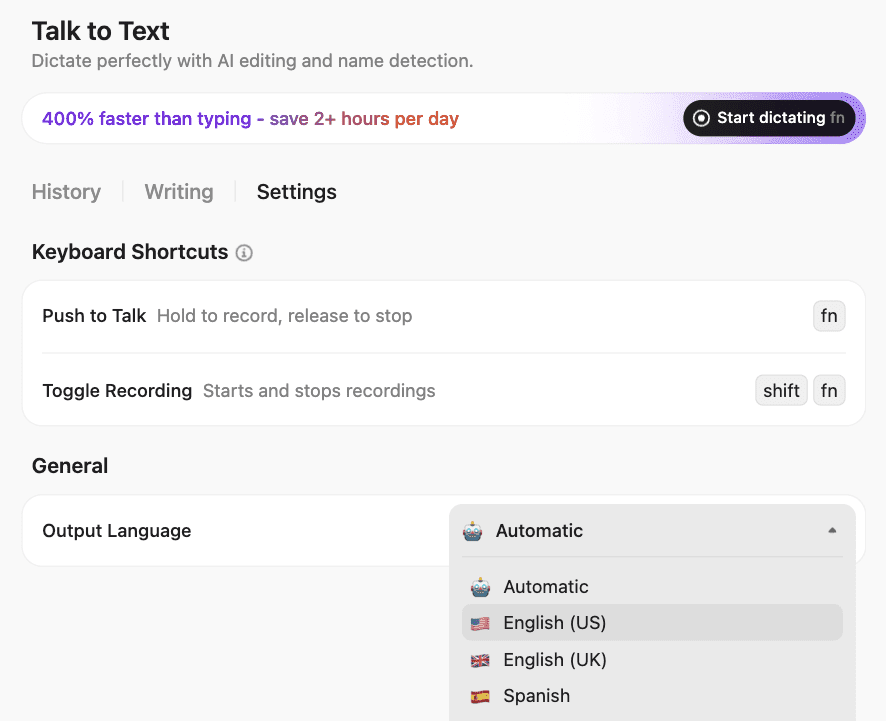
For leaders, speed and compliance have to coexist. Talk to Text in Brain Max lets clinicians and care teams dictate notes, tasks, and follow-ups directly into your secure workspace—reducing clicks, preserving context, and minimizing copy/paste risk.
Result: Less administrative drag, clearer accountability, and fewer opportunities for PHI to spill across disconnected tools.
ClickUp streamlines the flow of clinical notes, research documentation, and intake forms, enabling healthcare institutions to respond more quickly to both patient and administrative needs. Custom templates, dashboards, and integrations with tools like Google Drive, Outlook, Slack, and MS Teams let you build a fully connected system.
From EHR update requests to inventory tracking and patient management, ClickUp keeps operations secure, organized, and scalable.
It’s designed to support modern healthcare practices’ daily and long-term demands while remaining compliant with regulatory standards.
Kaylee Hatch, Brand Manager at Home Care Pulse, sums it up perfectly:
ClickUp can be tailored to nearly any project management need. It is technical enough to handle large year-over-year interdepartmental projects yet customizable to operate as a simple daily checklist.
🔍 Did You Know? Vida Health boosted its marketing productivity by 50% using ClickUp and saved over 8 hours a week on meetings alone. In a clinical setting, this kind of time savings can translate into faster patient care, fewer administrative delays, and tighter HIPAA-compliant coordination across teams.
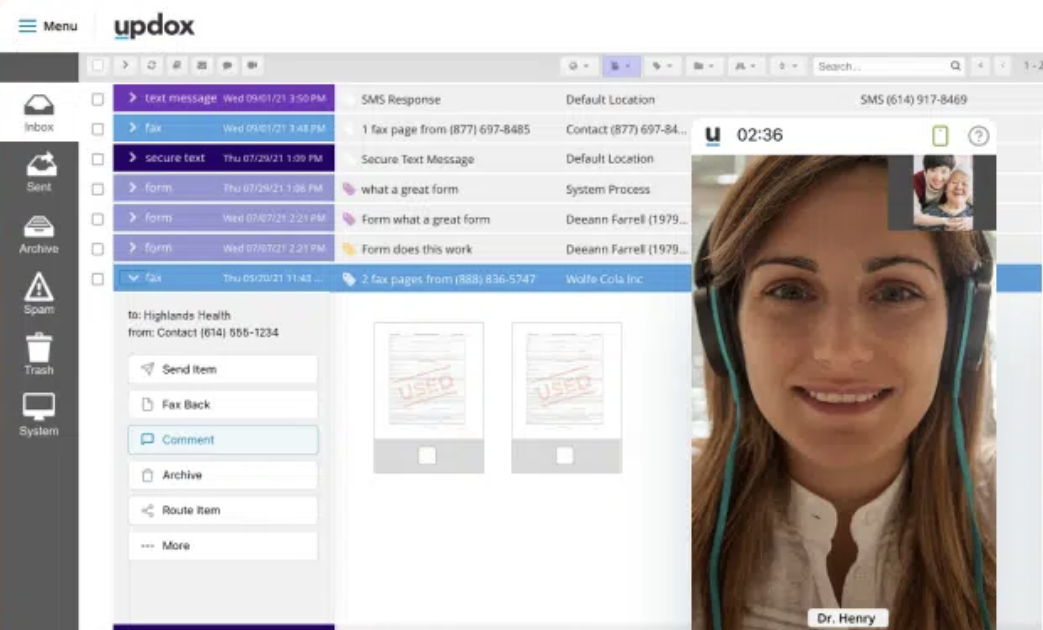
Updox combines telehealth, document sharing, patient messaging, and calendar scheduling into a single, HIPAA-compliant workspace. It is designed for medical professionals who require a reliable, integrated solution that seamlessly connects with most Electronic Medical Records (EMRs).
It enables you to manage virtual care and in-office coordination seamlessly, without needing to switch between systems. With Updox, your entire healthcare project management flows through a centralized system built to manage protected health information (PHI) securely.
Updox also simplifies coordination across teams with calendar views and centralized access, so your front desk, billing, and clinical teams stay aligned without having to chase down files or patient data.
A G2 user says:
We utilize the UpDox fax most often. It puts our incoming and outgoing faxes at our fingertips. It is also integrated into our EMR, so uploading documents from other providers is a breeze.
✨ Bonus Tip: When selecting an AI tool, always ensure that you sign a Business Associate Agreement (BAA) before handling Protected Health Information (PHI). A Business Associate Agreement isn’t optional. If your AI vendor won’t sign one, they’re not HIPAA compliant—no matter what their site claims.
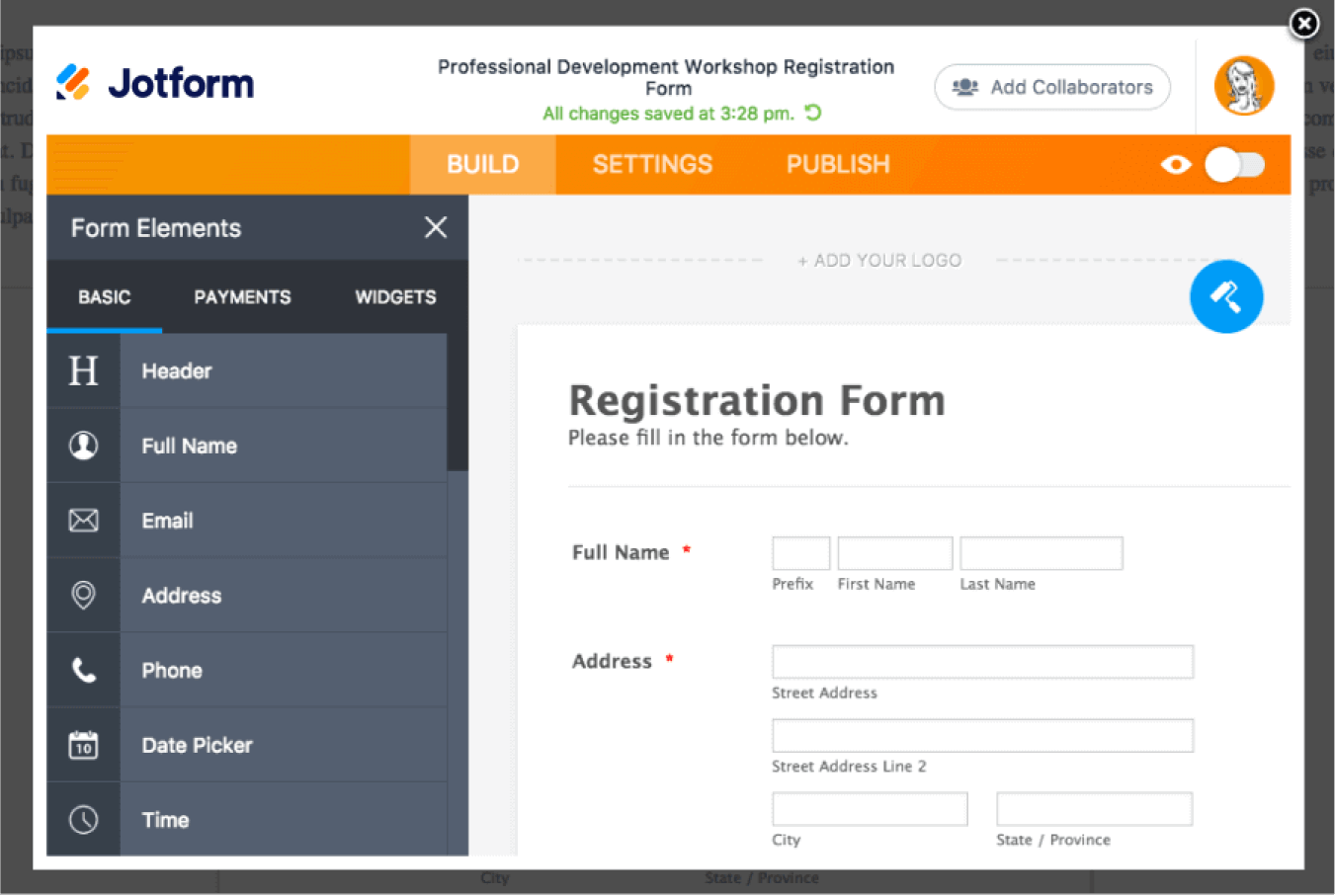
Jotform simplifies the collection and management of patient data through custom forms that are easy to create, customizable, and fully HIPAA-compliant.
It stands out for healthcare teams needing reliable, no-code solutions for intake forms, appointment requests, consent documentation, and payment collection. Once enabled, HIPAA compliance includes form encryption, protected cloud storage, and Business Associate Agreement (BAA) availability for covered entities.
You can brand your forms, automate workflows, and sync responses to cloud apps, EHR systems, or project boards via its integrations.
A G2 user says:
It’s super easy to link to my profile and to my email form every month when books open. I use it every single working day to look at client ideas and make sure I’m drawing the right stuff; honestly a life changer!
🔍 Did You Know? Over 276 million health records were compromised in 2024 alone. That’s over 81% of the US population, signaling that data breaches are no longer isolated events—they’re systemic. Using non-compliant AI tools in clinical settings only increases this exposure.
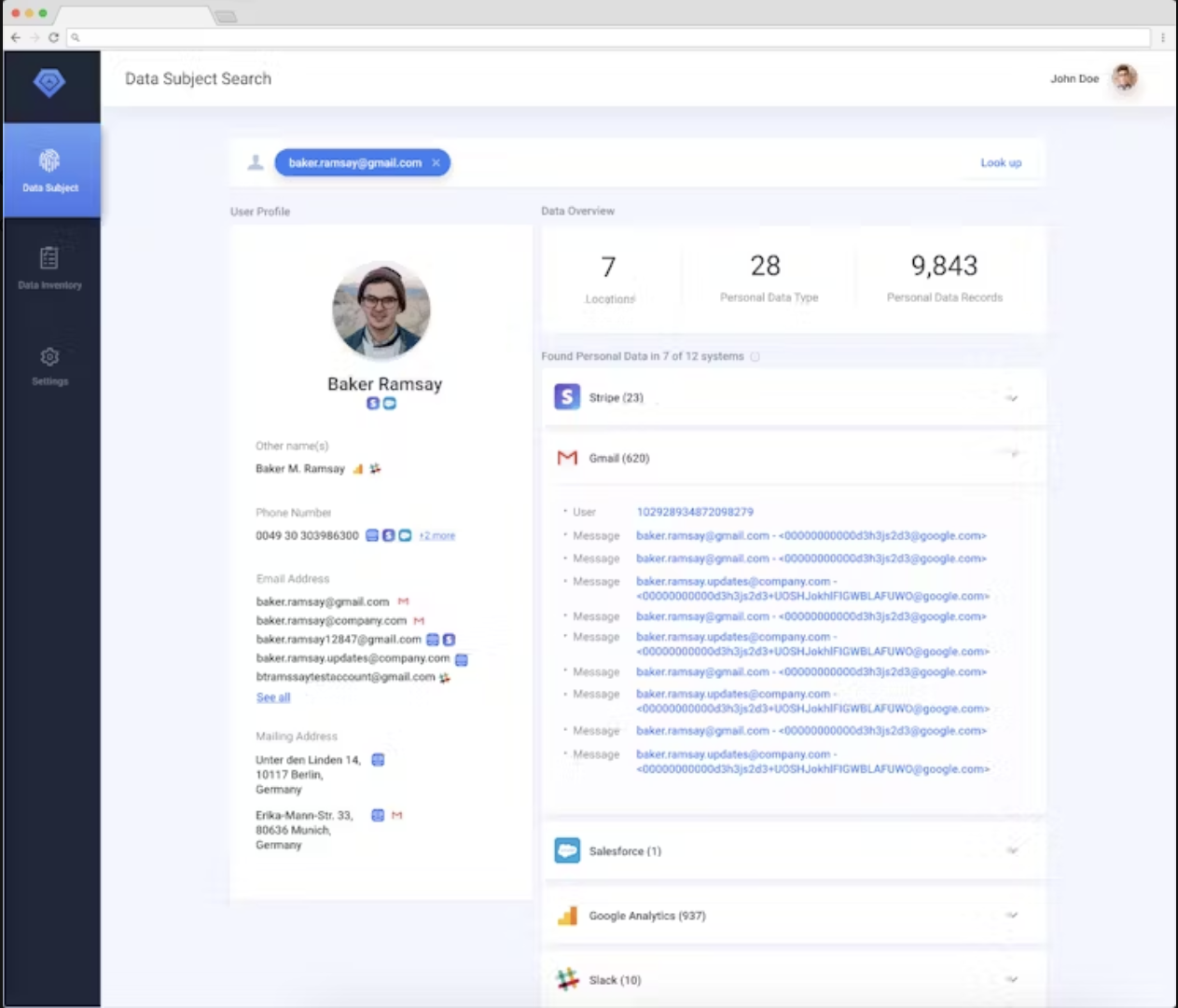
TrueVault focuses on one thing—data privacy compliance—and it does it well. For healthcare organizations navigating HIPAA regulations and patient consent laws across multiple states, TrueVault streamlines what would otherwise be a complex and logistical process.
With TrueVault, you get an automation engine that handles DSARs (data subject access requests) on time and at scale.
It tracks vendors to flag potential privacy risks while covering major regulations like HIPAA, CCPA, and GDPR—making it a strong fit for healthcare teams navigating both federal and state compliance requirements.
📖 Also Read: How to Develop Effective IT Policies and Procedures
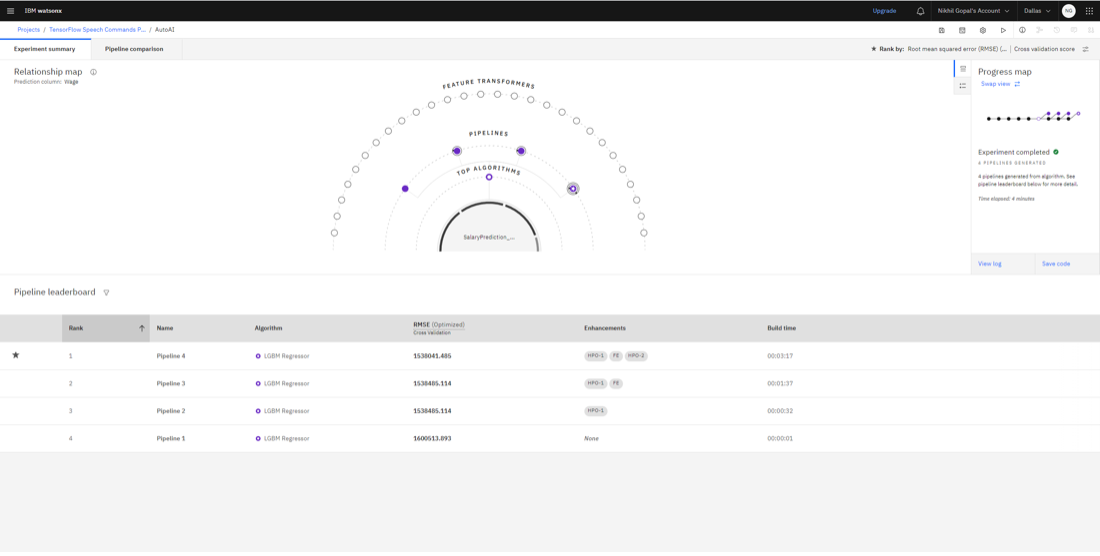
IBM Watson Health brings serious enterprise muscle to HIPAA-compliant AI tools. The tool provides deep tech integration, regulatory oversight, and intelligent automation at scale.
From Watson Assistant for AI-powered patient interactions to HIPAA-compliant cloud infrastructure, IBM offers a comprehensive suite of clinic management solutions. The platform combines generative AI, data protection, and process automation within a single ecosystem.
Whether you’re optimizing clinical workflows, securing patient data, or automating IT infrastructure, IBM enables healthcare organizations to comply with HIPAA regulations at every step.
🔍 Did You Know? 79% of top hospitals scored a D or lower in the cybersecurity risk management framework. A majority of leading institutions are failing basic security benchmarks. Selecting AI vendors that support SOC 2, HIPAA, and BAA is crucial to bridging this gap.
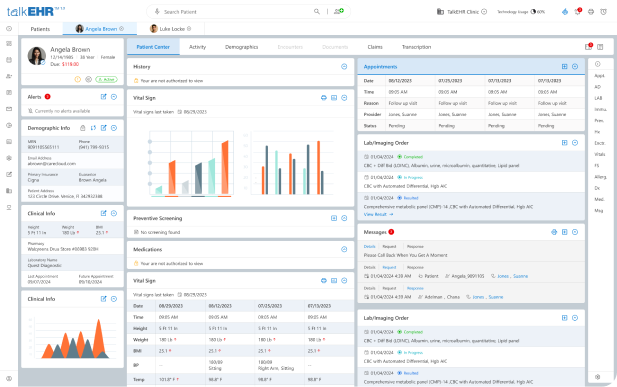
CareCloud delivers a comprehensive suite of HIPAA-compliant AI tools, EHR management, and revenue cycle optimization—all tailored to modern healthcare practices.
The platform’s edge lies in its embedded AI engine, CirrusAI Guide, which utilizes generative AI for real-time diagnoses, automates clinical note creation, and supports treatment planning.
With CareCloud’s AI-powered documentation tools, physicians can skip manual data entry and focus more on care. Its CirrusAI Guide differentiates it from standard EHR tools by reducing documentation time. The system integrates scheduling, billing, and records, making it easier for teams to manage virtual visits and staff calendars.
A G2 user says:
What I like best about CareCloud Community is how simple it is to schedule our clients; it increases networking collaboration. I also enjoy the customer service since they are very patient and helpful when it comes to answering questions.
💡 Pro Tip: Don’t rely on general tools with vague security claims. Just because a tool uses encryption doesn’t mean it meets HIPAA standards. Look for certifications like SOC 2 Type II, ISO 27001, and HIPAA attestations.
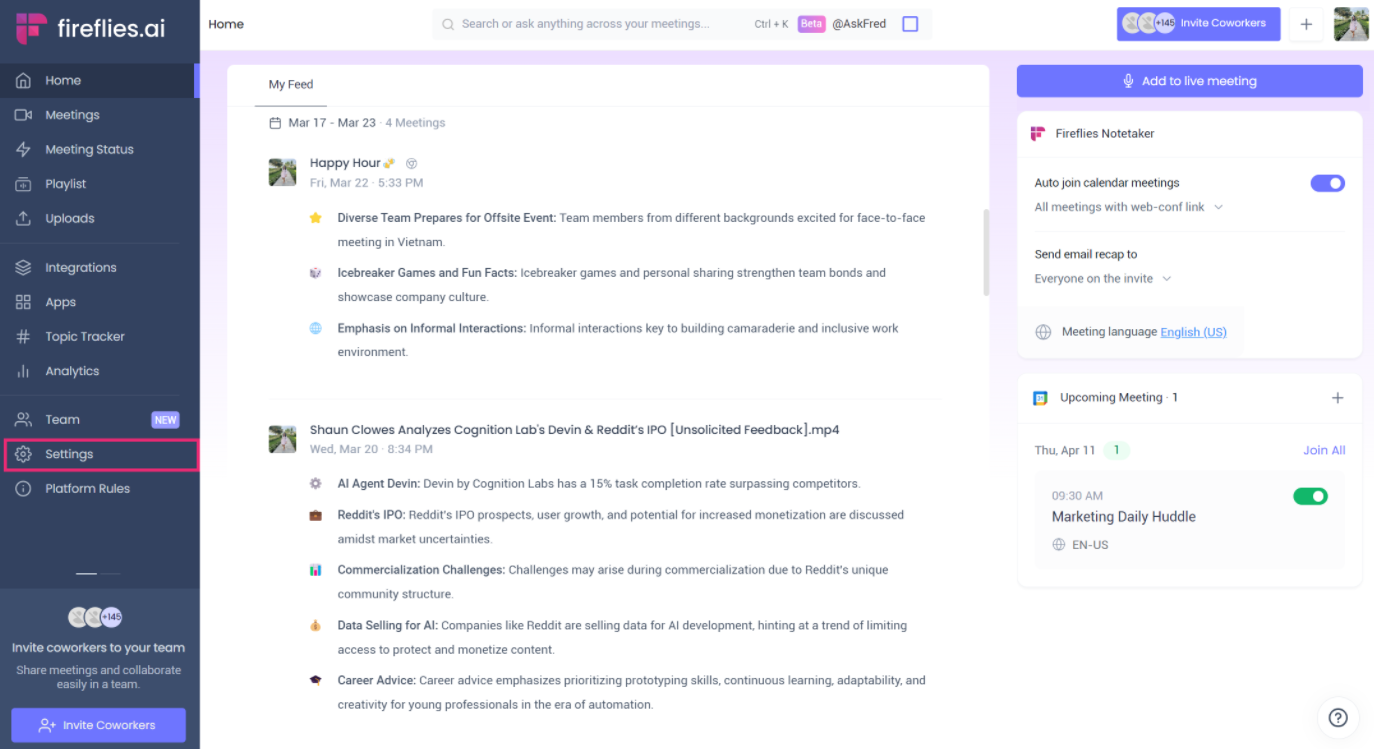
Fireflies turns your meetings into searchable, summarized, and secure records. For healthcare teams, this means automated clinical documentation, accurate patient interactions, and shared insights across teams, all while maintaining HIPAA compliance.
With SOC 2, GDPR, and HIPAA protections (including Business Associate Agreements), Fireflies ensures your audio data, transcripts, and notes are encrypted and securely stored.
The platform provides a seamless way to record and revisit discussions, whether you’re consulting with patients, conducting internal case reviews, or synchronizing across departments.
A G2 user says:
Using Fireflies has revolutionized the way in which I work. I can now share notes with the meeting participants as well as accurately have a record of the meeting, action points, and next steps. My clients really like it too.
💡 Pro Tip: Enable role-based access and audit logging. Even the best tools are only as secure as the people using them. Make sure your platform supports user-level permissions, multi-factor authentication, and audit trails to track who accessed what and when.
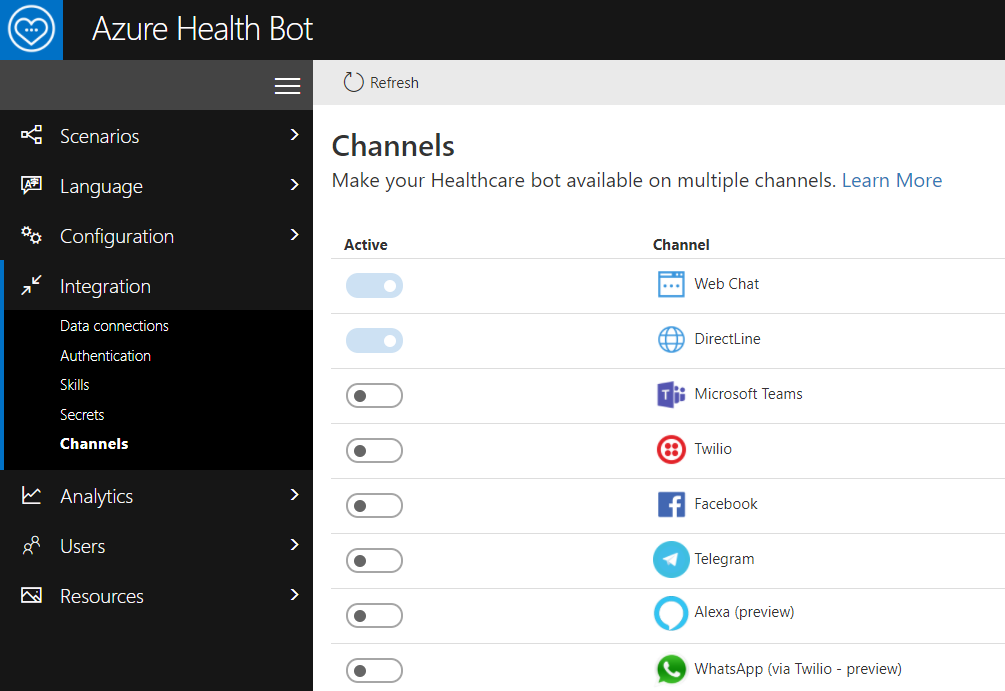
Azure Health Bot is built for secure, scalable, and customizable AI-driven patient engagement. It enables you to deploy conversational agents trained in clinical terminology, powered by triage protocols, and aligned with HIPAA compliance.
You can deploy bots on websites, patient portals, or Microsoft Teams, with strict policies in place regarding data retention, user consent, and audit logging, while maintaining strict data retention, user consent, and audit trail policies.
With over 50 global and healthcare-specific compliance certifications—including HITRUST, ISO 27001, and SOC 2—it’s designed to meet stringent regulatory requirements.
A G2 user says:
“Easy to subscribe, develop and integrate. The web services are very easy to consume in a project, it also offers a user guide which is very helpful for integrating. SDK are very simple and easy to use.
🔍 Did You Know? One hundred percent of analyzed hospitals had SSL/TLS configuration issues. Even foundational encryption practices are often overlooked. This reinforces the need for tools that offer end-to-end encryption and secure cloud storage by default, not as optional add-ons.
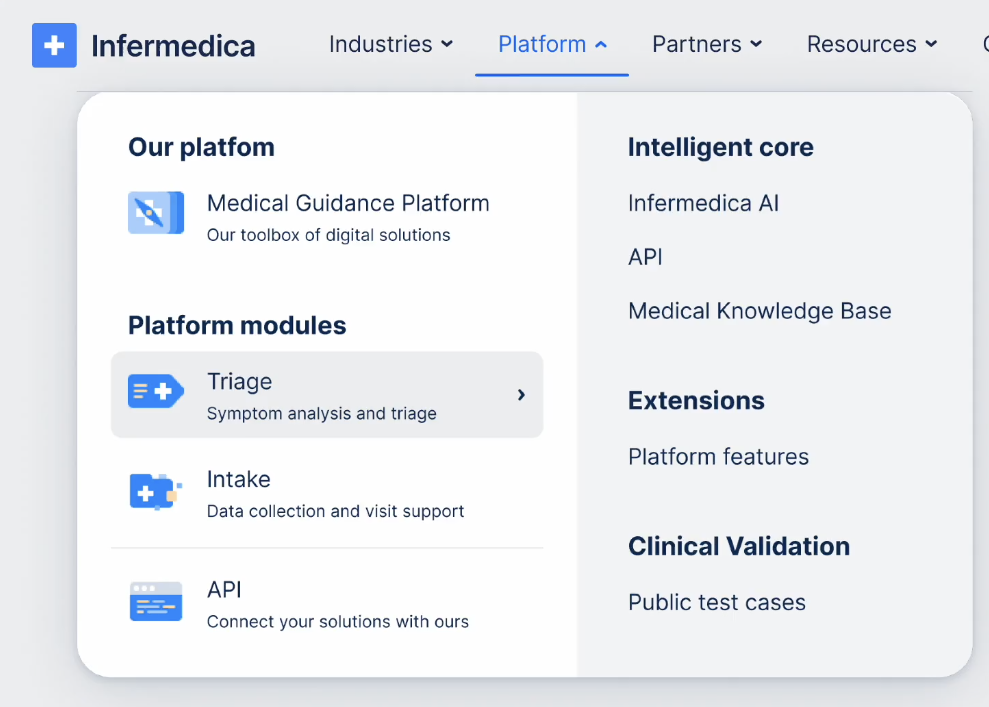
Infermedica specializes in AI-powered clinical triage and symptom assessment. This provides healthcare providers with a secure way to guide patients before they even enter the clinic.
Its Medical Guidance Platform combines a dynamic symptom checker, a pre-visit intake module, and a nurse triage co-pilot to streamline workflows and reduce avoidable in-person visits.
What sets Infermedica apart is its clinical accuracy. The system is trained on validated medical protocols. It performs on par with Schmitt-Thompson guidelines, standardized triage protocols commonly used by nurses and call centers to assess pediatric symptoms over the phone and determine appropriate care steps.
Infermedica collects symptoms, demographics, and risk factors to deliver real-time guidance while staying aligned with HIPAA, GDPR, SOC 2, and ISO 27001 standards.
A Capterra user says:
“The Infermedica API has a great precision from the medical perspective, generating confidence around the results. From a technical perspective the API has flexibility allowing to adapt our solution to clients requirements.”
💡 Pro Tip: Review your vendor update policies thoroughly. HIPAA compliance isn’t a one-time setup. Select vendors that provide regular security updates, real-time monitoring, and incident response support to maintain compliance as threats evolve.
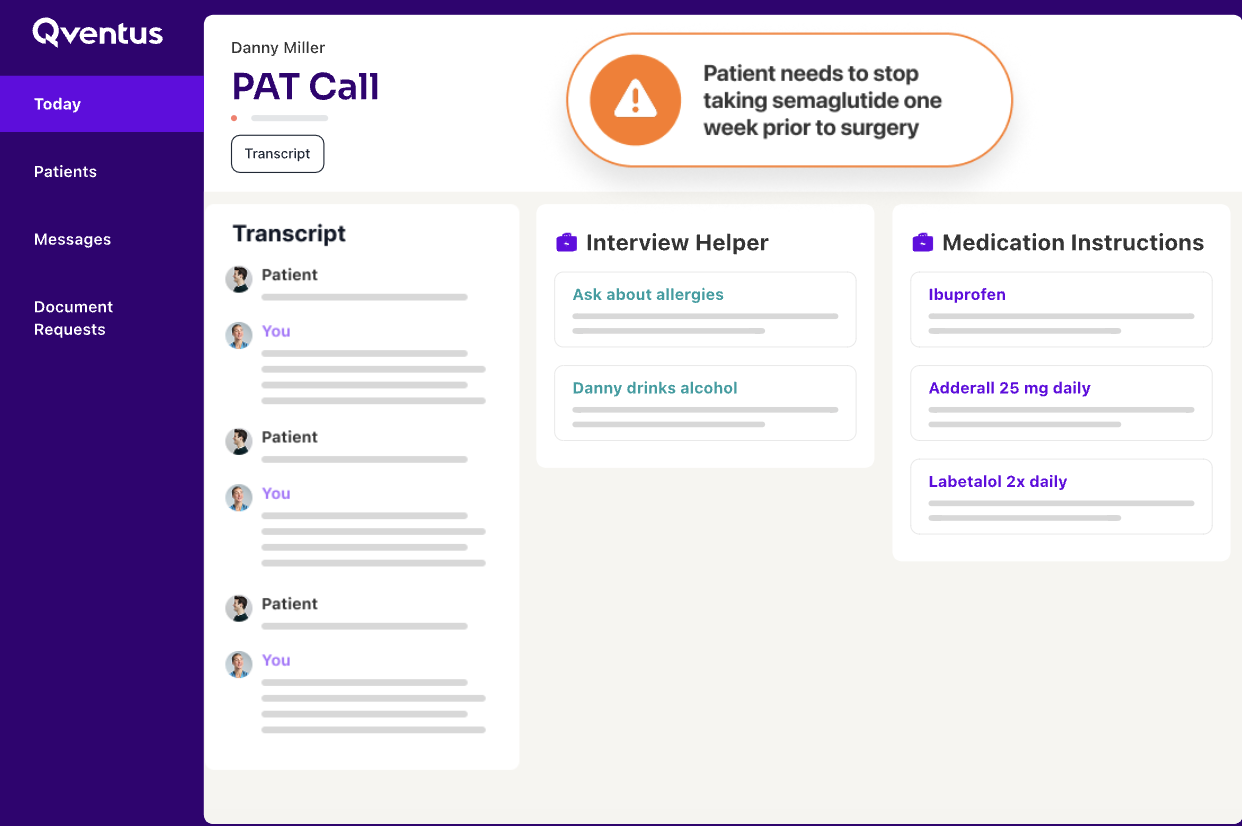
Qventus brings AI automation to the frontlines of hospital operations, replacing manual admin tasks with intelligent systems. The platform plugs directly into EHRs to automate discharge planning, case scheduling, and capacity management.
Its AI teammates monitor workflows, predict bottlenecks, and take immediate action to coordinate tasks across departments. The Perioperative Care Coordination solution enables pre-admission teams to prepare patients more efficiently, resulting in up to a 40% reduction in surgery cancellations.
The Inpatient Capacity module automates early discharge planning and mobilizes support resources to expedite bed openings without increasing staff burden. Orbita helps healthcare teams engage patients securely through automated conversations, reminders, and care coordination tools.
📖 Also Read: How to Prepare for and Pass Your IT Compliance Audit
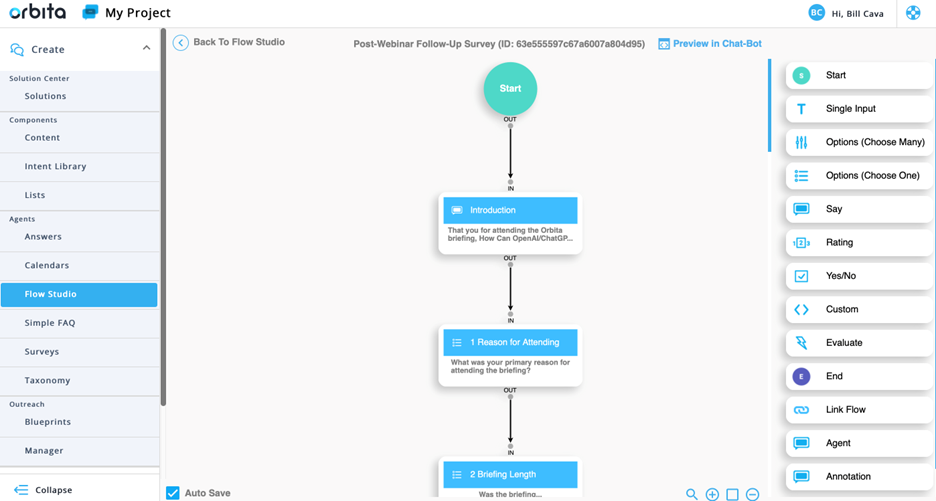
Orbita delivers automated patient experiences, from initial contact to post-treatment follow-up. Its AI-powered virtual assistants reduce friction in scheduling, patient education, and care coordination while operating in a HIPAA-compliant environment.
At the core is Orbita’s Digital Front Door, a chatbot experience that integrates conversational search, symptom checking, and appointment booking. Backed by natural language understanding, these assistants reduce call center overload and route patients efficiently.
Its Care Navigation system supports intake, documentation, pre-procedure prep, and post-op reminders. This healthcare project management software tracks patient readiness, identifies individuals at risk, and enables providers to forecast procedure volumes.
A G2 user says:
Orbita is an excellent voice assistant and chatbot powered by AI that excels in the healthcare industry. Its ability to enhance outreach communication and self-service features demonstrate its extraordinary proficiency. These qualities considerably promote increased productivity and improved user experiences.
📖 Also Read: How to Implement a Cybersecurity Risk Framework
Beyond the top picks, here are a few more HIPAA-compliant AI tools that bring strong capabilities to healthcare teams.
HIPAA-compliant AI tools are now the standard for healthcare teams seeking to maintain security, compliance, and competitiveness. Whether you’re managing sensitive patient data, automating intake forms, or scaling operations, the right tech makes a measurable difference.
Each tool on this list brings something unique, from full-stack EHR systems to privacy-focused automation and AI-driven note-taking. But if you’re looking for a single platform that combines task management, secure collaboration, and HIPAA-level protection, ClickUp stands out.
Stay compliant, reduce risk, and manage your healthcare operations smarter. Sign up for ClickUp today! ✅

© 2026 ClickUp

There’s an easier way. Try a free AI Agent in ClickUp that actually does the work for you—set up in minutes, save hours every week.