






Still downloading templates?
There’s an easier way. Try a free AI Agent in ClickUp that actually does the work for you—set up in minutes, save hours every week.
Sorry, there were no results found for “”
Sorry, there were no results found for “”
Sorry, there were no results found for “”
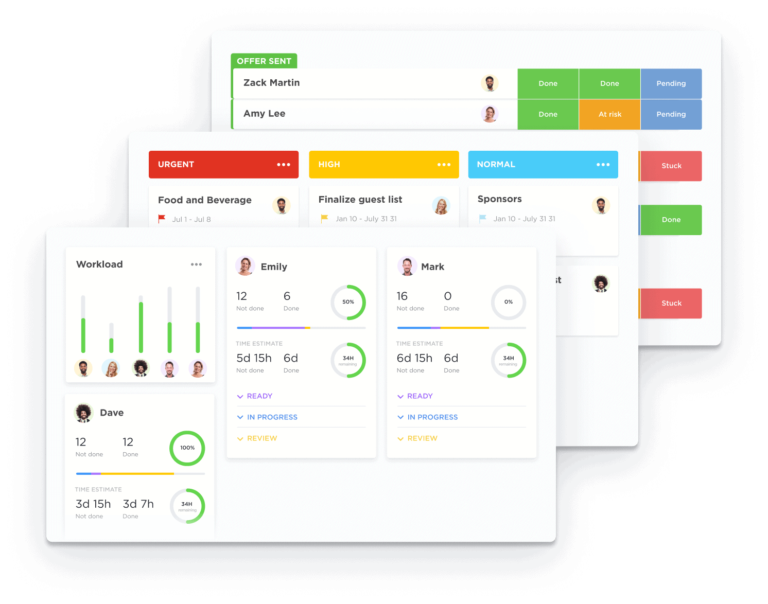
Help your customers see what they can’t see on their own. That’s what discovery is all about.
Closing a deal starts long before the pitch. It begins with sales discovery questions that uncover a prospect’s true needs. The right questions help sales reps qualify leads, reveal pain points, and guide the conversation toward a successful outcome.
In this blog post, we’ll share over 25 of the best sales discovery questions to help you turn conversations into conversions. Keep reading!
Sales discovery questions uncover the real reasons behind a prospect’s needs, not just the surface-level details. They guide the conversation, helping you understand the client’s pain points, decision-making process, and current solutions without making the discussion feel forced.
Instead of jumping into a sales pitch, these questions reveal key insights:
When structured well, sales discovery questions position you as a trusted advisor, making it easier to move deals forward with confidence.
😎 Fun Read: Exploring a Day in the Life of a Sales Manager
Asking the right sales discovery questions helps you go beyond superficial conversations. It gives you the insights needed to understand a prospect’s business, tailor your approach, and close more deals.
Here’s why these questions matter:
The right approach makes a sales discovery call more than just a fact-finding session. It becomes a conversation that uncovers real needs, creates engagement, and moves the deal forward.
Not all sales discovery questions drive meaningful conversations. The best ones do more than collect basic information, they uncover pain points, create engagement, and lead to valuable insights. Here’s how top sales reps craft questions that get real answers:
Crafting great sales discovery questions is about guiding the conversation, not controlling it. When done right, they build trust, uncover real needs, and lead to better sales outcomes.
The right sales discovery questions uncover insights that move deals forward. Instead of asking generic questions, focus on key areas that reveal a prospect’s business goals, pain points, decision-making process, and current solutions.
Here are five essential categories of discovery questions for sales that help drive meaningful conversations:
Ignoring a prospect’s pain points is one of the fastest ways to lose a deal. Without fully understanding their challenges, you risk pitching a product or service that doesn’t align with their actual needs. A vague approach leads to weak value propositions, objections you can’t counter, and ultimately, stalled deals.
Here are some questions designed to reveal what’s holding your prospect back—and why they work:
Many prospects focus on surface-level frustrations rather than root causes. This question shifts their mindset from symptoms to the underlying pain points that need solving. It also helps you gauge how pressing their issue is and whether they’re actively looking for a new solution.
Instead of assuming a prospect is unhappy, this question encourages them to reflect on inefficiencies. It keeps the conversation focused on workflow bottlenecks rather than their current solution, allowing you to uncover deeper frustrations.
If a challenge has persisted despite multiple attempts to fix it, there’s a good chance they need a new approach. This question makes prospects reflect on their current process and why it isn’t delivering the results they expect. It also helps surface hidden objections that might arise later in the sales conversation.
Creating urgency without being pushy is key to a great discovery call. This question makes prospects visualize the impact of inaction, whether it’s missed revenue targets, declining customer satisfaction, or operational inefficiencies. When they recognize the risks, they’re more likely to move forward in the decision-making process.
Bottlenecks and inefficiencies often go unnoticed because they feel like “just the way things are.” By asking this, you help prospects see where they’re losing time and resources—making it easier to position your product or service as the best solution. Once they acknowledge the problem, you can align your value proposition with their business challenges.
📮ClickUp Insight: Knowledge workers send an average of 25 messages daily, searching for information and context. This indicates a fair amount of time wasted scrolling, searching, and deciphering fragmented conversations across emails and chats. 😱 If only you had a smart platform that connects tasks, projects, chat, and emails (plus AI!) in one place.
But you do: Try ClickUp, the everything app, for work. For sales teams, ClickUp offers, best-in-class CRM solutions, lead management, chat, automations, and much more.
Once you’ve uncovered key challenges, the next step is understanding how they’re currently solving (or failing to solve) them. By identifying gaps in their existing solutions, you can position your product or service as a clear improvement rather than just an alternative.
A prospect’s current solution isn’t just what they use—it’s what they trust. Even if it’s outdated or inefficient, making a change requires effort.
The right sales discovery questions help uncover gaps, frustrations, and missed opportunities, making it easier to position a better solution.
Many companies experience daily frustrations but consider them “normal.” Asking about a recent issue makes the pain more real and tangible, making them more open to exploring alternatives.
Businesses often compensate for system flaws with repetitive work. If they rely on spreadsheets, duplicate tasks, or excessive approvals, it highlights inefficiencies that a better solution could eliminate.
If they haven’t reviewed alternatives in years, they might not realize better tools exist. If they recently looked but didn’t switch, you can explore what held them back and reposition your product or service accordingly.
Many buyers experience “buyer’s remorse” after implementing a tool that fell short of expectations. This question helps prospects reflect on those gaps, making them more likely to consider a new solution.
If they struggle to answer, it suggests their provider isn’t innovating or adapting to their needs. This allows you to introduce a more forward-thinking solution that scales with their business challenges.
Recognizing a need for change is only part of the equation. To move the deal forward, you also need to understand their budget constraints, decision-making process, and potential roadblocks that could delay approval.
Even when a prospect sees the value in your product or service, a deal can stall if you don’t understand their budget flexibility, internal approvals, and financial concerns.
These sales discovery questions reveal not just whether they can buy, but how and when they make that decision.
Budget discussions can be tricky, but this question makes it easier for prospects to open up. If they’ve already allocated funds, it indicates they’re further along in the decision-making process. If not, you can guide the conversation toward cost justification and ROI to help secure internal buy-in.
Budget isn’t just about numbers—it’s about timing and risk. If they’ve had funds pulled in the past, they’ll be more cautious. Knowing this lets you adjust your approach, whether by offering a phased rollout or emphasizing ROI upfront.
Not every purchase comes from a single budget. Sometimes, funds are split between operations, IT, or another department. If you uncover multiple budget owners, you can help them align internally instead of waiting for approvals that never come.
A prospect may say they have the budget—but if another pressing initiative (like hiring or expansion) is taking priority, your deal could still fall apart. Knowing where you stand among competing investments helps you position your solution more effectively.
This helps identify hidden decision-makers before they surface at the last minute. If they hesitate to answer, it’s a sign that they haven’t fully mapped out the buying process themselves, which could cause delays.
By uncovering financial and decision-making roadblocks early, you avoid wasted time and last-minute surprises. Understanding who controls the budget, how it’s allocated, and what risks could derail the deal lets you navigate objections before they happen.
A prospect’s internal operations define whether they’re struggling with inefficiencies or operating at full potential. Many teams adapt to flawed workflows without realizing the long-term impact.
These questions help uncover process gaps, collaboration challenges, and automation opportunities, without making the conversation feel like an interrogation.
Many businesses struggle with approval bottlenecks, whether it’s slow decision-making or unnecessary layers of review. If a prospect admits to frequent slowdowns, it’s a sign they need a better system for approvals and accountability.
Redundant work is a hidden productivity killer. If they mention projects getting restarted, unclear ownership, or conflicting instructions, it suggests a breakdown in collaboration and documentation that needs fixing.
Workarounds often indicate hidden inefficiencies. If teams have to manually update multiple tools, copy data between systems, or bypass system limitations, their process isn’t optimized. This helps highlight areas where automation or better tools could drive efficiency.
This question shifts the conversation from current struggles to future risks. If they recognize that their system won’t support growth, they’re more likely to explore a scalable solution now rather than waiting for a crisis.
Urgent work can expose workflow weaknesses. If they describe last-minute tasks as chaotic, unstructured, or unpredictable, it signals a need for better task tracking, priority management, and automation.
Sometimes you should also be equipped with some of the answers for these questions. This will help you convince your clients better.
So here’s a video on task prioritization that might help you understand the issue better 👇
Instead of asking what’s wrong in general, this question forces the prospect to reflect on a specific event. If they struggled with a deadline miss, miscommunication, or major inefficiency, it’s an opening to discuss how your solution could have prevented it.
This shifts their mindset from internal reflection to competitive awareness. If they struggle to answer, it’s a sign they haven’t evaluated process improvements seriously. Which makes this the perfect time to introduce a more advanced approach.
When prospects recognize process inefficiencies on their own, they’re more likely to embrace change and explore new solutions. These questions don’t just collect information—they help prospects realize what’s holding them back.
A prospect’s business goals shape their purchasing decisions, priorities, and long-term success metrics. If you don’t understand what they’re truly trying to achieve, you risk positioning your product or service in a way that doesn’t connect.
The best sales discovery questions uncover hidden motivations, help prioritize key initiatives, and position your solution as an enabler of success.
Companies often juggle multiple priorities, but only one or two truly drive decision-making. This question uncovers what’s at the top of their agenda, so you can align your solution to support their most pressing initiatives.
Business goals evolve based on internal dynamics. If they’re scaling, restructuring, or adopting new technology, those shifts could create new needs that your solution can address.
📖 Also Read: Must-Have Tools in Your Sales Tech Stack
This goes beyond the prospect’s personal goals and digs into what key decision-makers actually care about. If their executives prioritize cost savings, efficiency, or revenue growth, you can tailor your value proposition to match leadership’s expectations.
Competitor-driven challenges often accelerate purchasing decisions. If they feel they’re falling behind in efficiency, customer experience, or scalability, you can position your solution as a strategic advantage to keep up.
This forces the prospect to challenge their current strategy and identify process bottlenecks. If they acknowledge that workflow inefficiencies, budget constraints, or outdated tools are slowing them down, you can position your solution as a catalyst for faster results.
By uncovering the real drivers behind business goals, you can move beyond surface-level needs and position your product or service as essential to their success. When a prospect sees how your solution helps them execute their highest priorities, the sales conversation shifts from “nice to have” to “must-have.”
A great sales discovery process is about steering the conversation naturally so prospects open up about their real challenges. Done right, it helps you qualify leads faster, build trust, and set up stronger deals—without making the conversation feel like an interrogation.
Here’s how to run a sales discovery call that moves the deal forward:
The best sales reps don’t show up to a call asking things they could’ve Googled. Discovery starts before the call, and good research can mean the difference between a smooth conversation and a dead-end.
Why it matters: Showing up prepared makes you sound sharp and helps you skip surface-level questions, so you can dive straight into valuable insights
👀 Did you know? Starting a sales call with “How have you been?” instead of the usual “How are you?” can increase your success rate by 660%
This friendly opener acts as a pattern-interrupt, making prospects pause and engage, as they might wonder if they’ve met you before.
A discovery call shouldn’t feel like an interrogation—it should feel like a natural, two-way conversation. The first few minutes determine whether the prospect is engaged or just waiting for the call to end.
Why it matters: A strong opening makes prospects feel heard, which encourages them to open up more about their challenges
This is where the real work happens. A good discovery process doesn’t just collect surface-level answers. It digs into the “why” behind the problem.
Why it matters: Most prospects haven’t fully thought through how deep their challenges go. Helping them see the bigger impact builds urgency for change
Even if a prospect is struggling, they’re already using something to manage the problem. Your job is to uncover where that solution falls short.
Why it matters: If they realize their current system isn’t working, they’ll be more open to considering an alternative
Discovery isn’t just about understanding their challenges—it’s about figuring out if this deal is real. Before you invest time in a proposal, make sure the opportunity is solid.
Why it matters: If a deal isn’t real, you need to know sooner rather than later to avoid wasting time
The biggest mistake reps make? Ending a discovery call without clear next steps. If you don’t define what happens next, deals stall.
Why it matters: A structured close ensures momentum continues rather than leaving things open-ended
A strong sales discovery process doesn’t feel scripted,it feels like a natural, value-driven conversation. When you follow these steps, you’ll not only uncover what your prospect needs but also position yourself as the best solution, long before you even make your pitch.
⚡ Template Archive: Free Sales Plan Templates in Word, Excel, & ClickUp
A great discovery call doesn’t happen by accident. It takes structured preparation, real-time adaptability, and follow-through to turn insights into action. If you’re still juggling spreadsheets, scattered notes, and manual follow-ups, you’re not just wasting time—you’re losing deals.
With ClickUp’s all-in-one workspace, you can streamline every stage of your discovery call, from preparation to execution to post-call analysis, so you can focus on what matters: building relationships and closing deals.
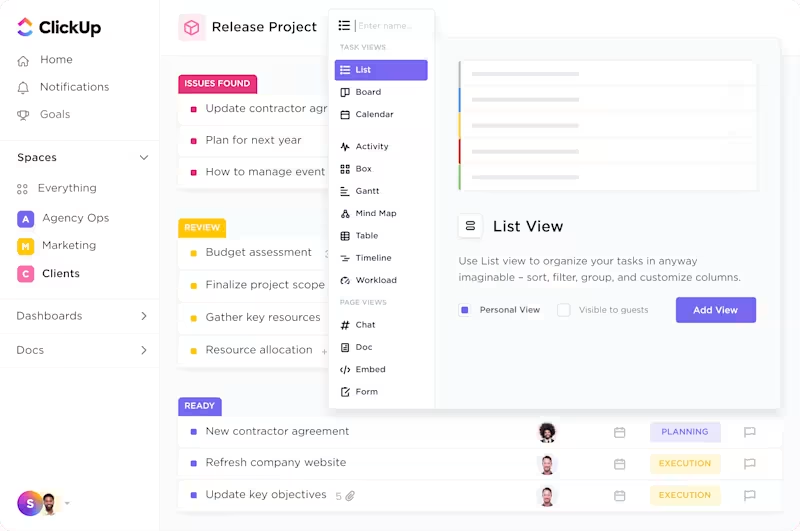
Jumping into a call without context is a recipe for disaster. ClickUp CRM ensures your discovery calls start with complete visibility, removing guesswork. It helps you store and access all relevant prospect data in one place, so you’re never scrambling for information.
📖 Also Read: How to Create CRM Reports for Your Sales Team?
Every great discovery call starts with thoughtful preparation. Instead of scrambling through multiple tools, use ClickUp Docs to draft, refine, and share structured question lists.
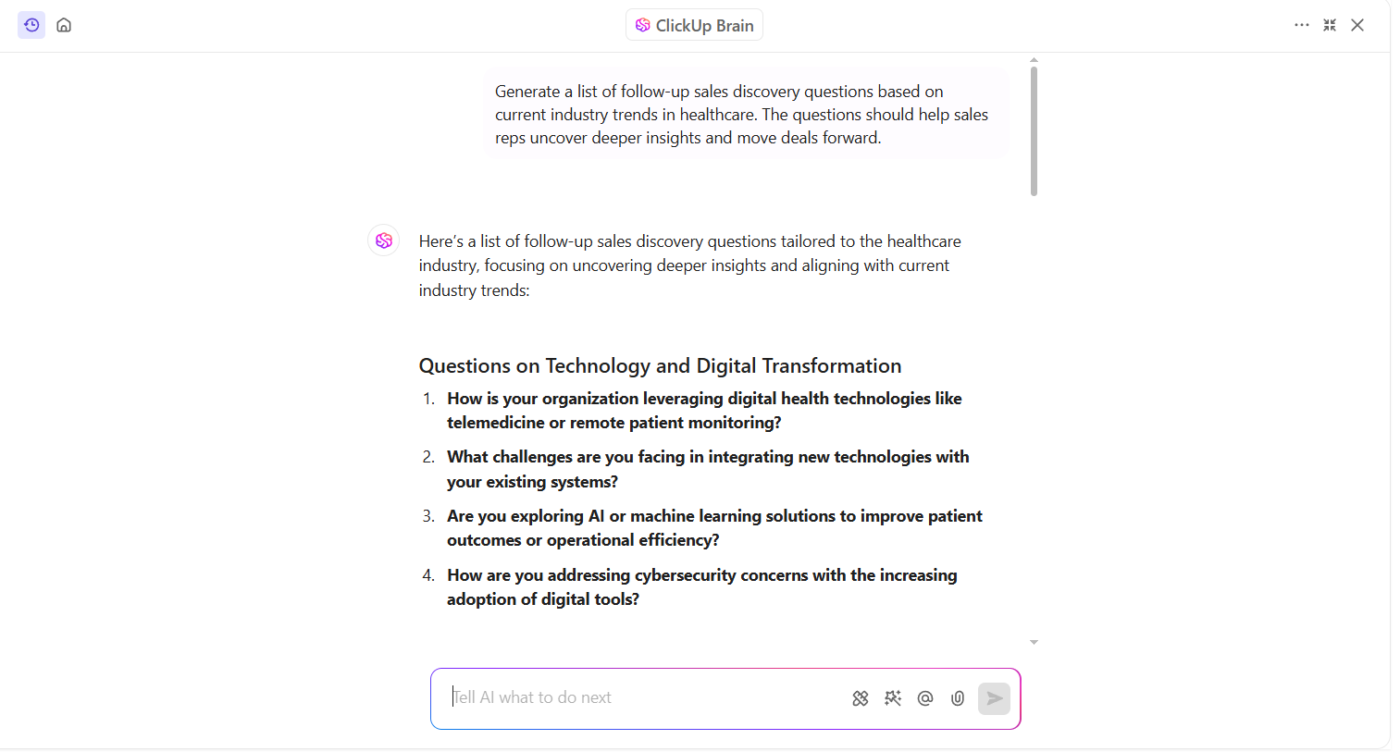
This will help you enter every discovery call fully equipped, with no surprises, just strategy.
📖 Read More: How to Create Sales Enablement Content?
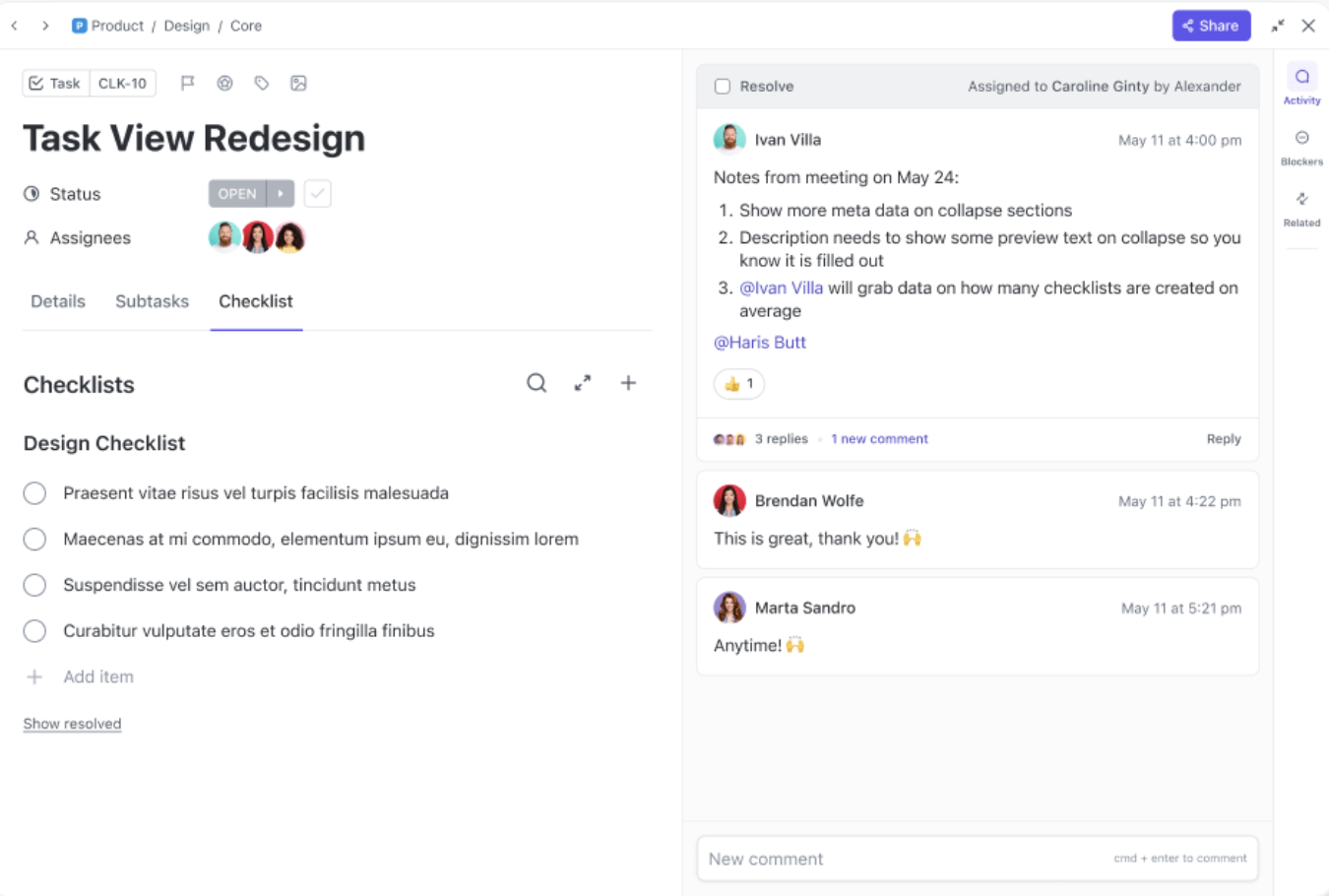
Discovery calls aren’t just about asking questions, they require organized execution. ClickUp Tasks and ClickUp Checklists ensure that every step from pre-call research to post-call follow-ups is accounted for.
With clear task ownership and repeatable workflows, your team stays on track every time.
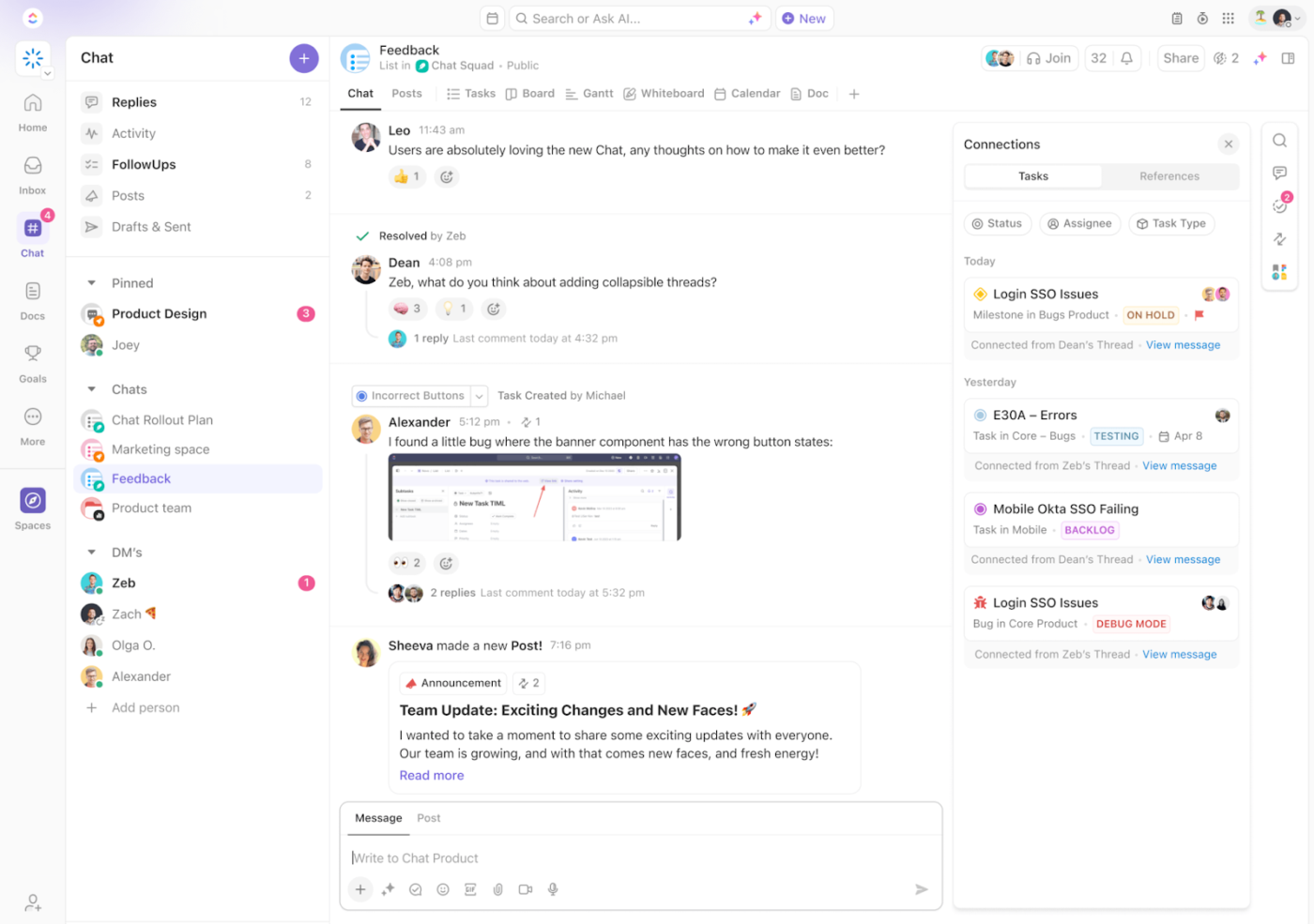
Discovery calls move fast. Insights are shared, decisions evolve, and the next steps need to be locked in. ClickUp Chat allows your team to collaborate instantly, keeping momentum strong.
With the ClickUp AI Notetaker, you can automatically capture, summarize, and draw insights from discovery calls, ensuring no key details are missed. Turn live conversations into actionable insights without manually documenting everything.
📖 Also Read: How to Take Meeting Notes?
Discovery calls generate high-value insights, but if you’re not tracking trends, you’re missing out on opportunities to refine your approach. ClickUp Dashboards help turn call data into sales strategy.

With data-driven insights, you improve every call and boost conversion rates over time.
The best sales reps don’t just ask good questions. They stay organized, track insights, and follow up seamlessly. With ClickUp, your entire sales discovery process becomes smarter, more structured, and highly effective.
Even the most well-structured sales discovery process can fall short if it isn’t continuously optimized. High-performing sales teams track performance, refine their sales approach, and adapt based on valuable insights from past calls.
Here’s how to refine your discovery process to increase conversions and maximize every sales opportunity.
Not all prospects are ready to buy immediately. Some are in the early stages of their purchasing process, while others are actively looking for a new solution. To qualify them effectively, you need to tailor your sales discovery questions to their buying process.
Why it matters: Matching your sales conversation to the prospect’s readiness helps you anticipate objections and avoid premature pitching
A single great discovery call can provide useful insights, but true optimization comes from analyzing patterns across multiple sales calls. The best sales leaders use sales forecasting and pipeline analysis to refine their teams’ sales strategy.
Why it matters: Tracking key business challenges across multiple prospects helps your team optimize its sales engagement strategy
⚡ Template Archive: Free Questionnaire Templates for Efficient Data Collection
Even experienced sales professionals can improve their sales discovery process by reviewing past calls. Leading sales managers use call analysis to refine probing questions and improve active listening skills.
Why it matters: Conducting discovery calls effectively is a skill that improves with consistent refinement and feedback
A strong discovery call means nothing if there’s no structured follow-up strategy. More deals stall when reps fail to provide a clear next step.
Why it matters: Effective call follow-up best practices help move the sales opportunity forward instead of leaving deals in limbo
The best sales discovery questions are only part of the equation. To truly refine your sales process, you need to continuously analyze, adapt, and improve how you engage potential customers.
By using data-driven insights, refining discovery questions, and strengthening your sales approach, you can increase successful outcomes and accelerate sales cycle progression. A well-optimized sales discovery process leads to more deals, higher conversions, and long-term successful partnerships.
⚡ Template Archive: Sales Funnel Templates to Generate More Leads
A well-executed sales discovery process helps sales reps uncover a prospective customer’s true needs, align their sales approach, and drive a successful outcome. By asking the right sales discovery questions, leveraging probing questions, and demonstrating genuine interest, you position yourself as a trusted advisor rather than just another salesperson.
Start improving your discovery process today. Sign up for ClickUp and turn valuable insights into real results!

© 2026 ClickUp

There’s an easier way. Try a free AI Agent in ClickUp that actually does the work for you—set up in minutes, save hours every week.