






Still downloading templates?
There’s an easier way. Try a free AI Agent in ClickUp that actually does the work for you—set up in minutes, save hours every week.
Sorry, there were no results found for “”
Sorry, there were no results found for “”
Sorry, there were no results found for “”

Remember the last time you saw a bright red can in a vending machine and immediately knew it was Coca-Cola without even looking at the logo? Or when you heard that “tudum” sound from a friend’s laptop and realized in a split second that they were watching Netflix?
Instant familiarity.
While every brand aims for this level of brand recognition, it’s elusive, built over years of hard work.
But what if we told you there are strategies that can help accelerate the process?
Curious how? Keep reading.
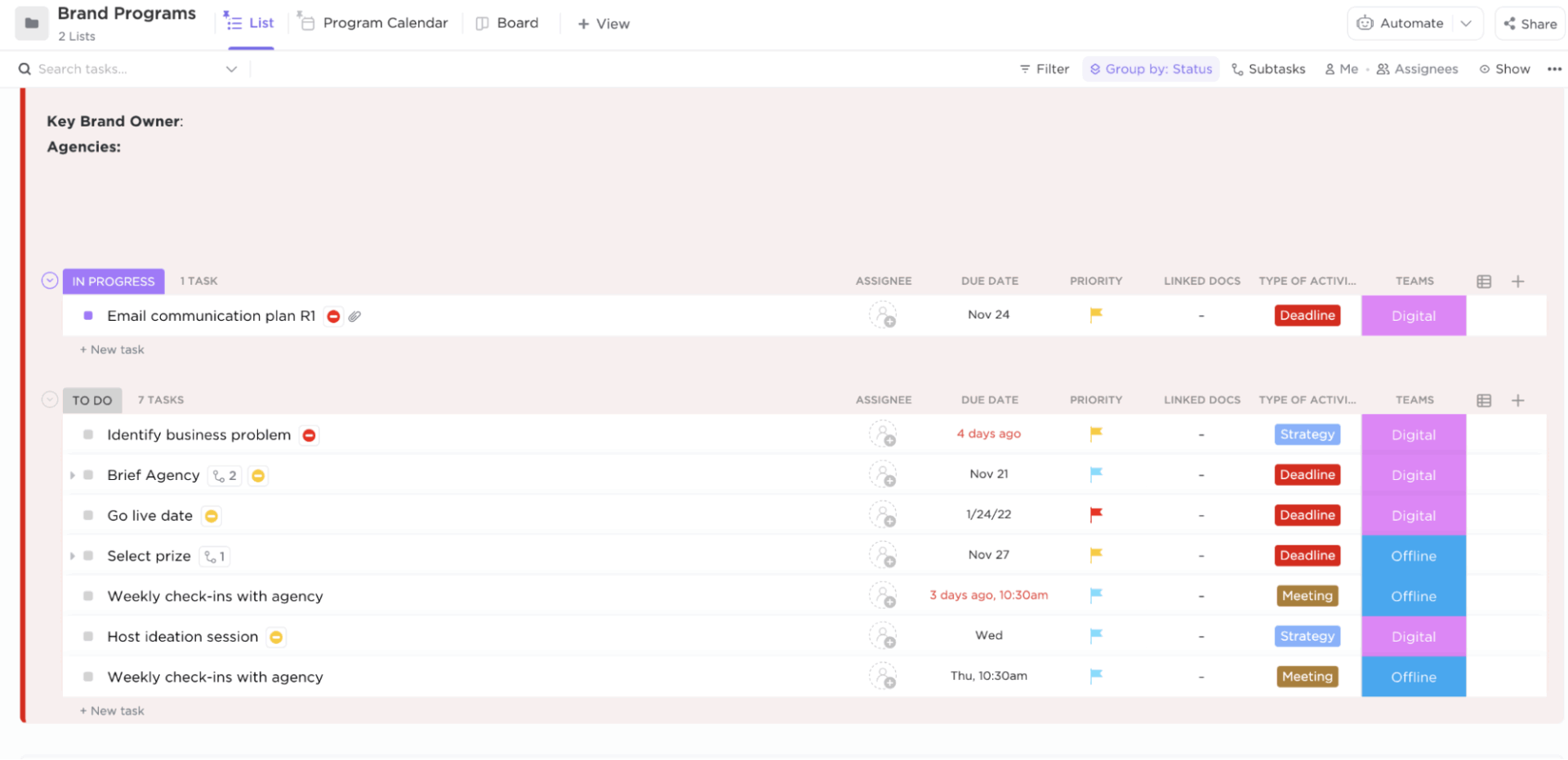
ClickUp’s Brand Management Template makes it easy to keep track of all activities in one place. Add each task, related to your brand recognition campaign, in this template, assign the team member responsible for the task, and add due dates and priorities.
With this template, you can:
Brand recognition refers to the ability of your audience to identify your particular brand by its visual or auditory cues, such as the logo, brand colors, slogans, and jingles. For example, when someone sees McDonald’s golden arches or Nike’s swoosh, they immediately recognize the brand.
However, this brand recognition is not limited to logos. In fact, it extends to packaging styles (Tiffany & Co.’s blue box), jingles (McD’s “I’m Lovin’ It”), taglines (L’Oréal’s “Because you’re worth it”), mascots (Michelin, The Michelin Man), and even a brand’s unique tone of voice (Duolingo!).
Together, these distinctive elements make your brand instantly recognizable and easy to recall in everyday moments.
📚 Also Read: A Complete Guide to Brand Management
You’ve probably heard both terms interchangeably. But they’re not the same.
Brand awareness is when people know your brand exists. For example, people know that Tiffany & Co. is a luxury jewellery brand or that McDonald’s is a global fast-food chain. That’s awareness—they’ve heard of you.
Brand recognition goes a step further. It’s when people can identify your brand from specific cues without seeing the name. Think of spotting Tiffany’s blue box, humming along to McDonald’s “I’m Lovin’ It” jingle, instantly recalling L’Oréal’s “Because you’re worth it” tagline, or recognizing the Michelin Man mascot.
🧠 Fun Fact: When people were asked to draw famous logos from memory, IKEA and Target came out on top. About 3 in 10 people nailed IKEA’s bold yellow-and-blue design, and Target’s simple bullseye was nearly as easy to recall. Turns out, flat-pack furniture and a giant red circle are harder to forget than you’d think!
Strong brand presence in the market creates a ripple effect across your entire business. Here’s how:
👀 Did You Know? Studies show that nearly two-thirds of shoppers have stopped buying from companies known for mistreating employees. Clearly, brand recognition isn’t just about what you show to customers, but also about the culture you build.
Numerous factors work together to decide how quickly and deeply a customer will associate with your brand (in other words, how strong your brand recognition will be). They include:
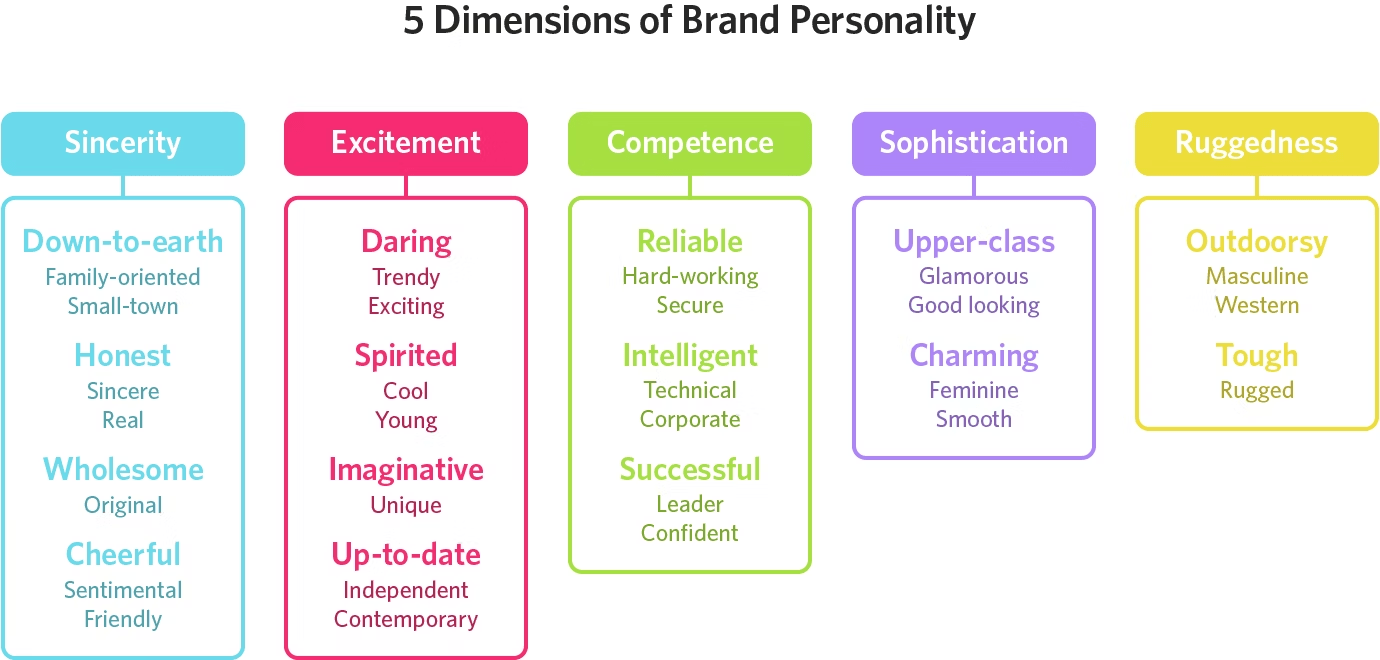
👀 Did You Know? Stanford professor Jennifer Aaker’s landmark study “Dimensions of Brand Personality” identified five traits—sincerity, excitement, competence, sophistication, and ruggedness—that shape how people perceive brands.
Time to put these theories into action. Here are six effective marketing strategies that help you build brand recognition and brand equity.
A compelling brand story or narrative gives people a reason to care, transforming your business from a product into a personality.
Here’s how you can bring your brand story to life and build strong brand awareness:
As your company grows, managing your brand becomes increasingly complex. Multiple departments need to work together to maintain a consistent voice across social media, communications, and customer interactions.
📌 Example: Nike’s swoosh is one of the most recognizable logos in the world, symbolizing movement, speed, and victory. It’s so effective that Nike can place it on a shoe or piece of apparel without the brand name, and customers instantly know what it is.
Similarly, the “Just Do It” slogan has become a rallying cry for athletes and everyday people alike. By pairing a simple, dynamic symbol with an aspirational message, Nike has created a valuable brand that is instantly recognizable and deeply motivating.
While Nike is known for its marketing campaigns, here’s one of our favorite and heartwarming ones.
💡 Pro Tip: Telling a powerful brand story is only half the job. You also need to know if it’s working. Tracking brand awareness KPIs like social reach, share of voice, and branded search volume helps you measure how memorable your story really is.
Your visual identity is your brand’s first impression. Needless to say, it needs to be memorable and distinguishable from other brands.
To craft a visual identity that truly stands out and builds strong brand recognition:
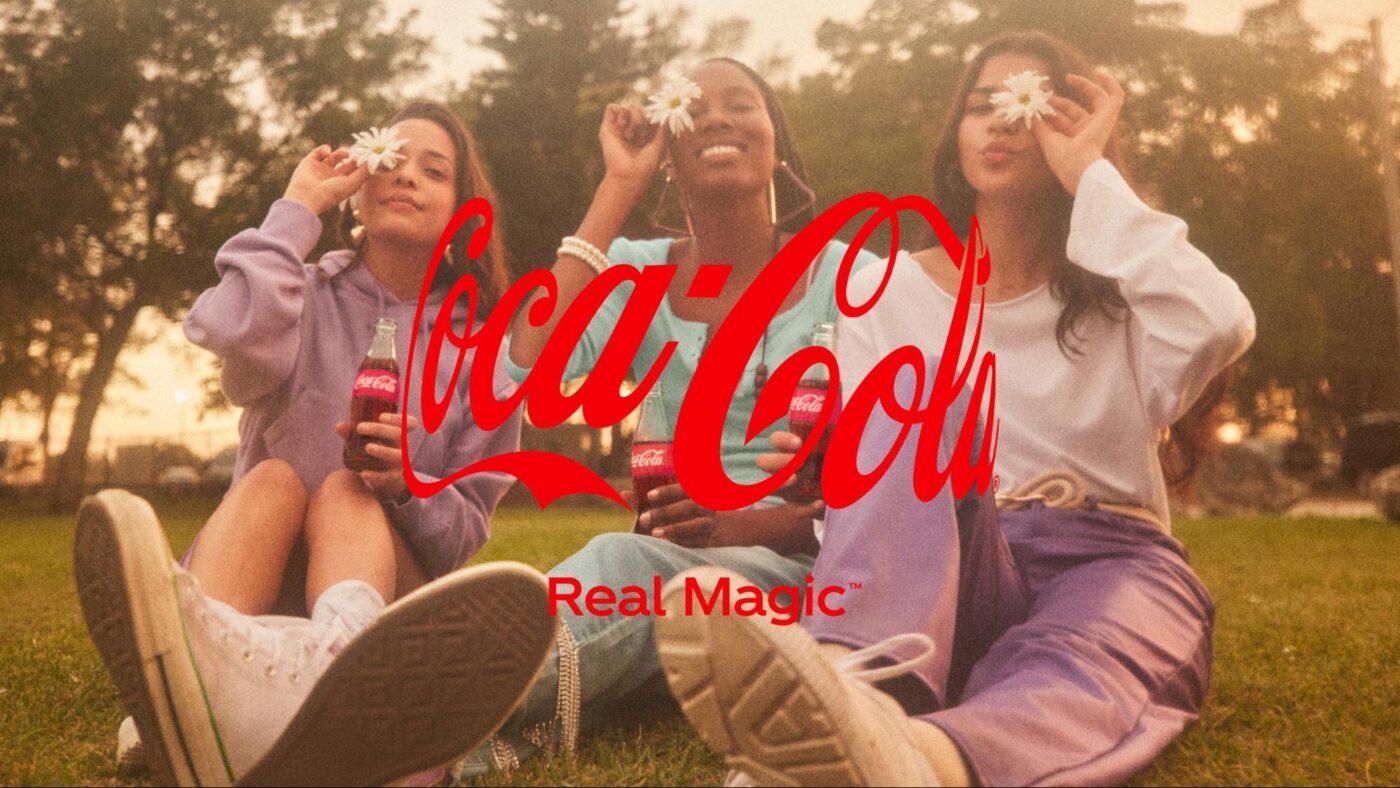
📌 Example: Coca-Cola’s iconic red color, Spencerian script logo, and the unique contour bottle shape have remained virtually unchanged for over a century.
By maintaining this consistent identity for a long time, Coca-Cola has ensured that the moment you see that specific shade of red and white script, you think of their brand, regardless of where you are in the world.
⚡ Template Archive: When design files live in different folders, it’s easy to lose track of what’s current. Use branding templates for creative teams to centralize your brand kit, making it simple for teams to access and apply the right assets.
Believe it or not, a single delightful customer service experience can do more for brand recognition than a paid ad. Why? Because people remember how you made them feel.
So, when a customer has a problem and your team solves it with empathy and creativity, it leaves a lasting positive impression.
To put this into practice:
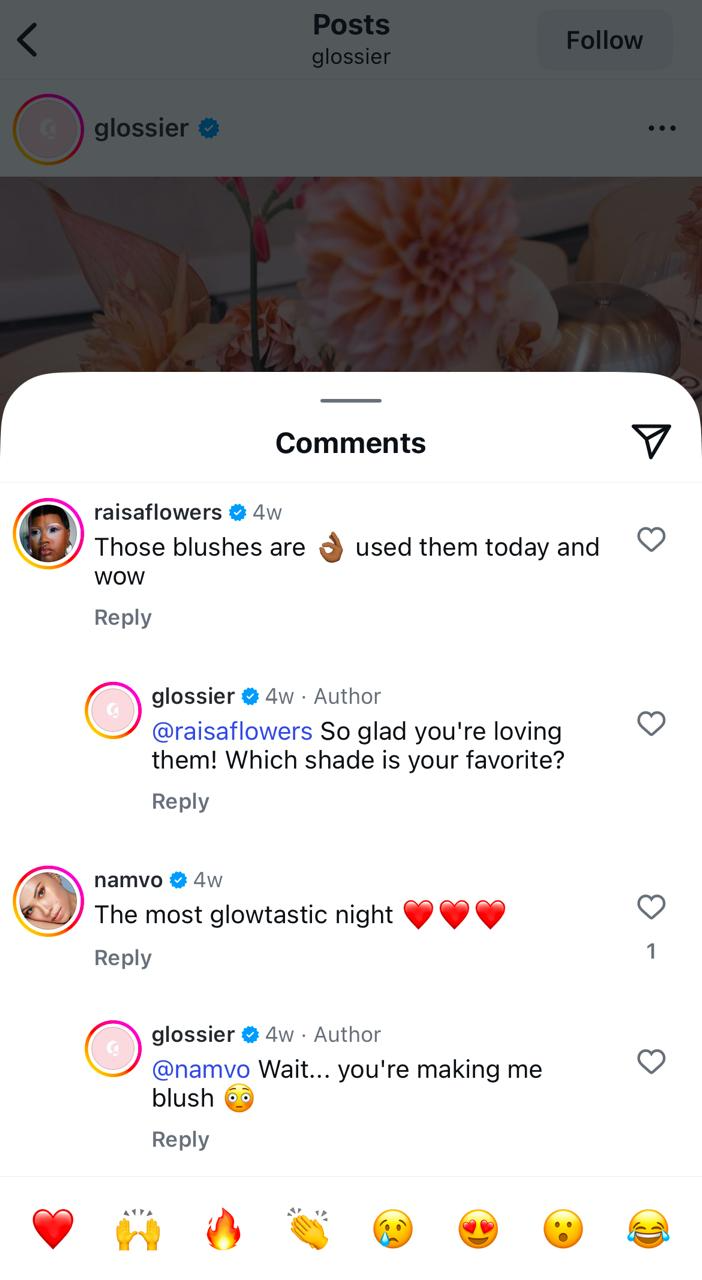
📌 Example: Skincare brand Glossier turns customer service into brand marketing by reposting user-generated content—photos, reviews, and before/after looks—that showcase real customers.
When people tag Glossier with questions or compliments, the brand’s replies and re-shares double as both support and authentic endorsement, amplifying trust and community.
👀 Did You Know? It takes 12 positive customer experiences to make up for one single negative experience. One bad interaction can destroy the trust you’ve built over years of hard work.
When you consistently provide valuable insights, your brand becomes a trusted resource. This puts you at the top of a customer’s mind when they are ready to make a purchase.
To become a leading authority and enhance brand recognition:
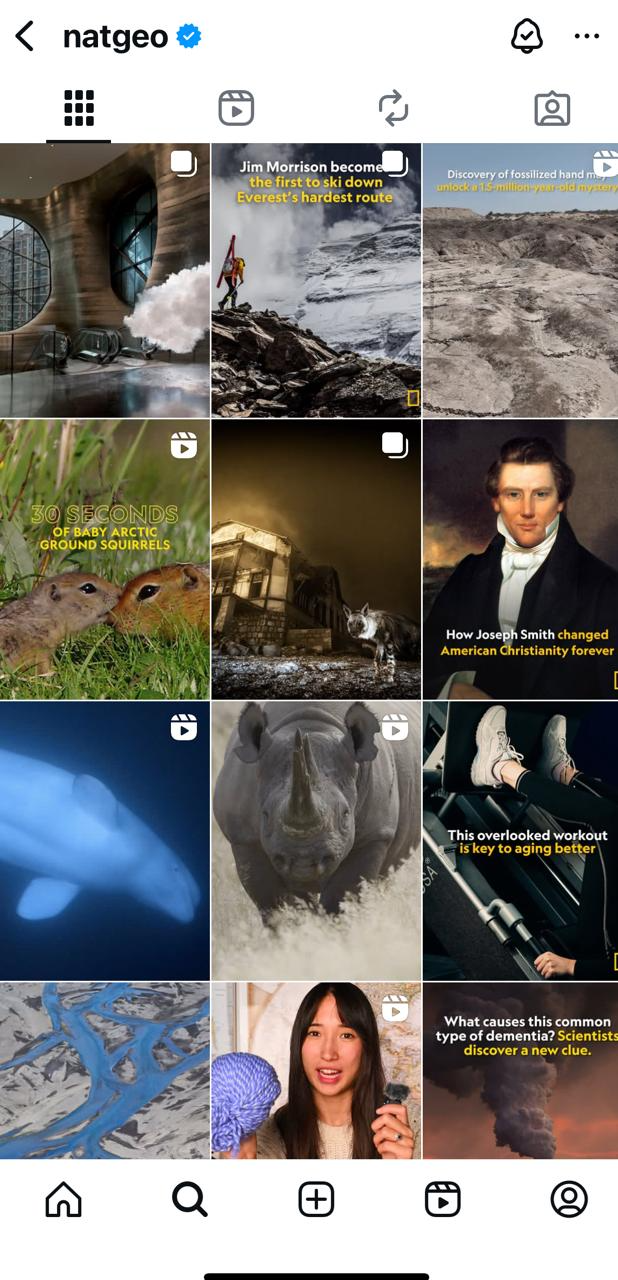
📌 Example: The best example for this is National Geographic’s Instagram. Each post functions like a mini-lesson—backed by research, field reporting, and striking visuals. The expert-led stories and visually rich insights that deepen public understanding of science, culture, and the planet.
💡 Pro Tip: Great ideas don’t always arrive at your desk. They often pop up during calls, meetings, or even commutes. With ClickUp Brain MAX’s Talk to Text, you can instantly capture thoughts, record meeting insights, or dictate blog outlines on the go. This way, your expertise helps you turn spontaneous insights into polished content that reinforces your authority.
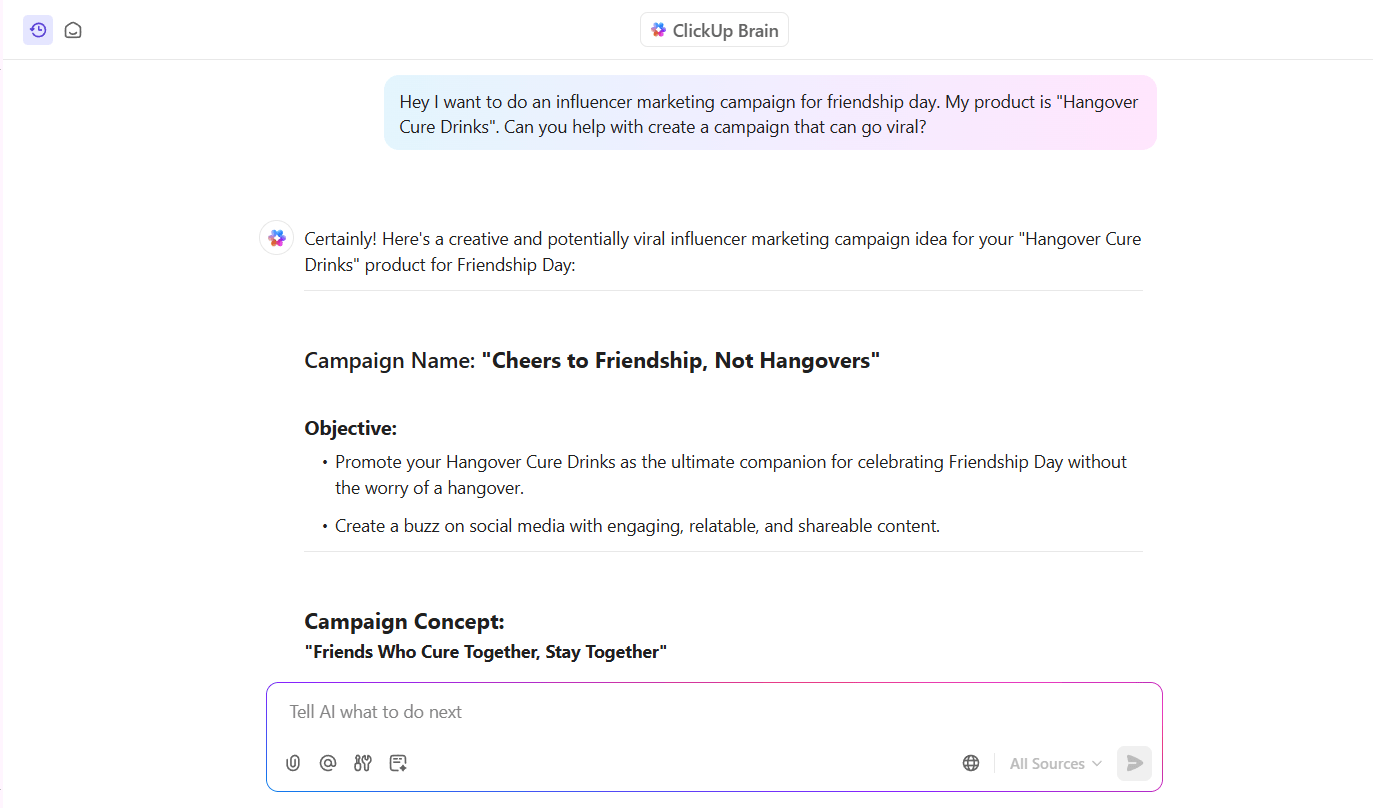
Influencers and brand ambassadors add credibility to your brand. When a trusted voice in your industry vouches for your brand, people are more likely to pay attention and remember you.
Here’s how to make your influencer partnerships effective:
📌 Example: Taking an influencer marketing example, the athleisure brand Gymshark built massive brand recognition with its Gymshark 66 Challenge.
By partnering with fitness influencers and encouraging users to share progress under #Gymshark66, the brand turned habit-building into a viral movement—boosting visibility, community engagement, and loyalty well beyond traditional ads.
💡 Pro Tip: Running influencer campaigns means you’re dealing with briefs, content drafts, and a ton of social posts. With ClickUp Brain, you can instantly generate caption ideas, summarize campaign performance, or draft influencer outreach emails. Your team spends less time staring at a blank page and more time scaling brand visibility.
Here’s a lesser-known fact about consumer behavior: engaging with your audience transforms them from passive observers into active participants in your brand story.
However, this engagement needs to be meaningful and genuine, not something that’s done only for the sake of building strong brand recognition.
Building this level of connection calls for:
📌 Example: Again, Glossier nails this. The brand’s social media team responds to every comment, shares UGC content by micro and macro-influencers, and frequently reposts customer stories to show real experiences with Glossier products.
📮 ClickUp Insight: 1 in 4 employees uses four or more tools just to build context at work. A key detail might be buried in an email, expanded in a Slack thread, and documented in a separate tool, forcing teams to waste time hunting for information instead of getting work done.
ClickUp converges your entire workflow into one unified platform. With features like ClickUp Email Project Management, ClickUp Chat, ClickUp Docs, and ClickUp Brain, everything stays connected, synced, and instantly accessible. Say goodbye to “work about work” and reclaim your productive time.
💫 Real Results: Teams are able to reclaim 5+ hours every week using ClickUp—that’s over 250 hours annually per person—by eliminating outdated knowledge management processes. Imagine what your team could create with an extra week of productivity every quarter!
Building widespread brand recognition is only half the battle. You also need to measure it. Below are four effective ways to know if your brand recognition efforts are paying off:
Surveys are a reliable way to measure brand recognition by directly asking your target audience specific questions through various channels, like email or social media.
By asking questions like “Have you heard of our brand before?” or “Which brands come to mind when you think of X product category?” you can gauge both unaided (recall) and aided (recognition) awareness.
The responses also provide insights into your brand’s visibility against competitors.
💡 Pro Tip: Create branded awareness surveys using ClickUp Forms. You can customize fields for open-text or multiple-choice responses, automatically route submissions into tasks, and tag them by campaign or audience segment for easy tracking.
Social listening tools like Sprout Social track and analyze mentions of your brand, products/services, and even relevant keywords across social media platforms, blogs, forums, news sites, etc.
This real-time data shows exactly how much your brand is being talked about.
Unlike one-off surveys, platforms like Qualtrics or Latana continuously collect data on metrics like brand awareness, brand recognition, and customer sentiment. Their ongoing insights into your brand’s performance show you how your brand’s health is changing over time.
📚 Read More: Best Brand Management Software
Your website data is a powerful indicator of your brand recognition and marketing efforts. Web analytics tools like Google Analytics, Semrush, and Ahrefs can show you how many people are searching for your brand name or products directly.
📚 Read More: Marketing Analytics Software Tools
Building a strong and recognizable brand requires consistency and collaboration, and the right tools can make all the difference.
Here are some popular platforms that support your brand marketing efforts:
ClickUp, the everything app for work, is an all-in-one productivity solution that helps marketing and brand teams maintain consistency across all campaigns.
With ClickUp’s Marketing Project Management Software, you get a single source of truth to plan, create, and monitor everything that contributes to your brand identity. Here’s how:
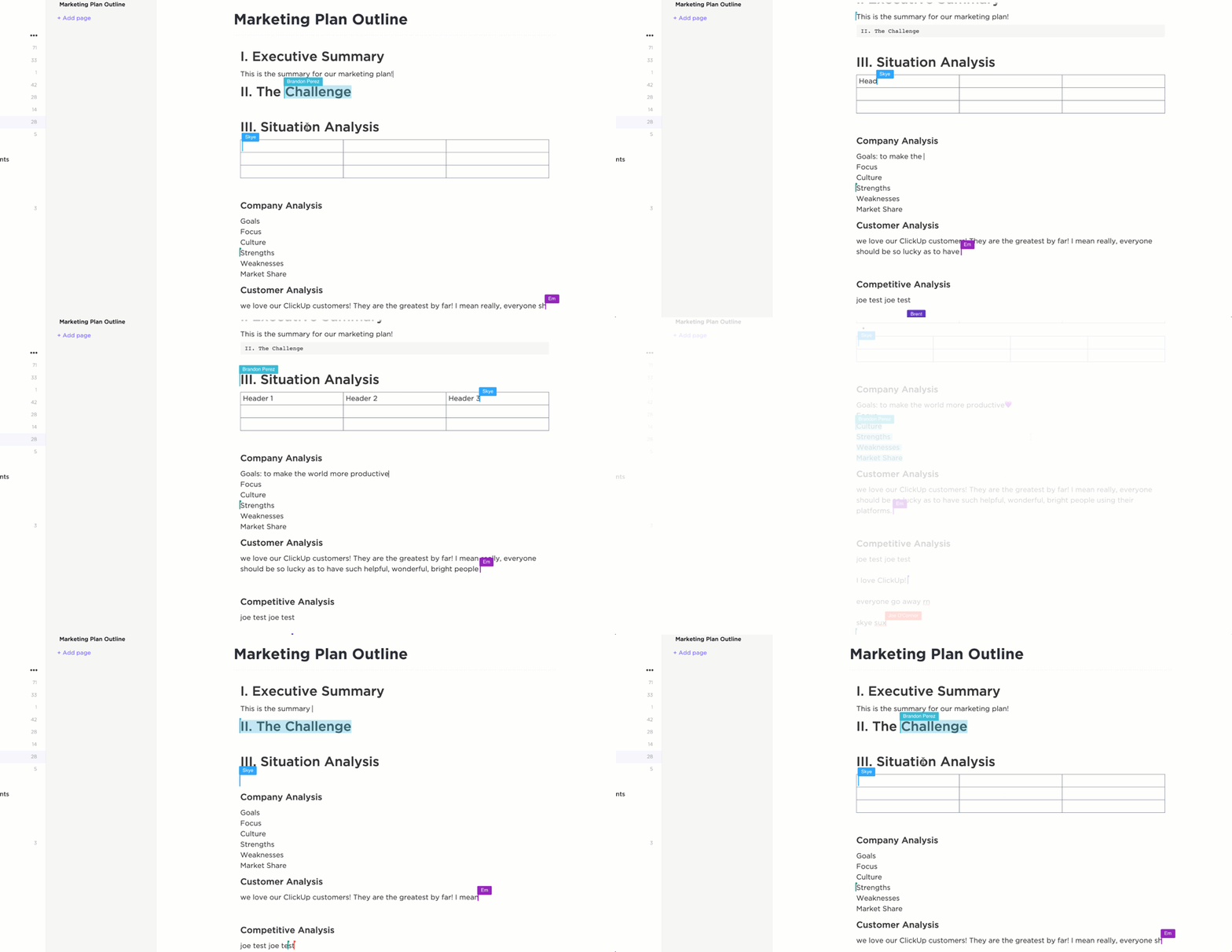
ClickUp Docs is a collaborative tool for creating and storing brand guidelines. You can embed visual assets like logos and color palettes, while real-time editing and commenting features allow cross-functional teams to work together seamlessly.
ClickUp Brain is a powerful AI assistant that streamlines brand asset creation. It can generate drafts for brand guidelines, write content like blog posts and social media captions, and create initial visuals, providing a foundation for your design team to then refine.
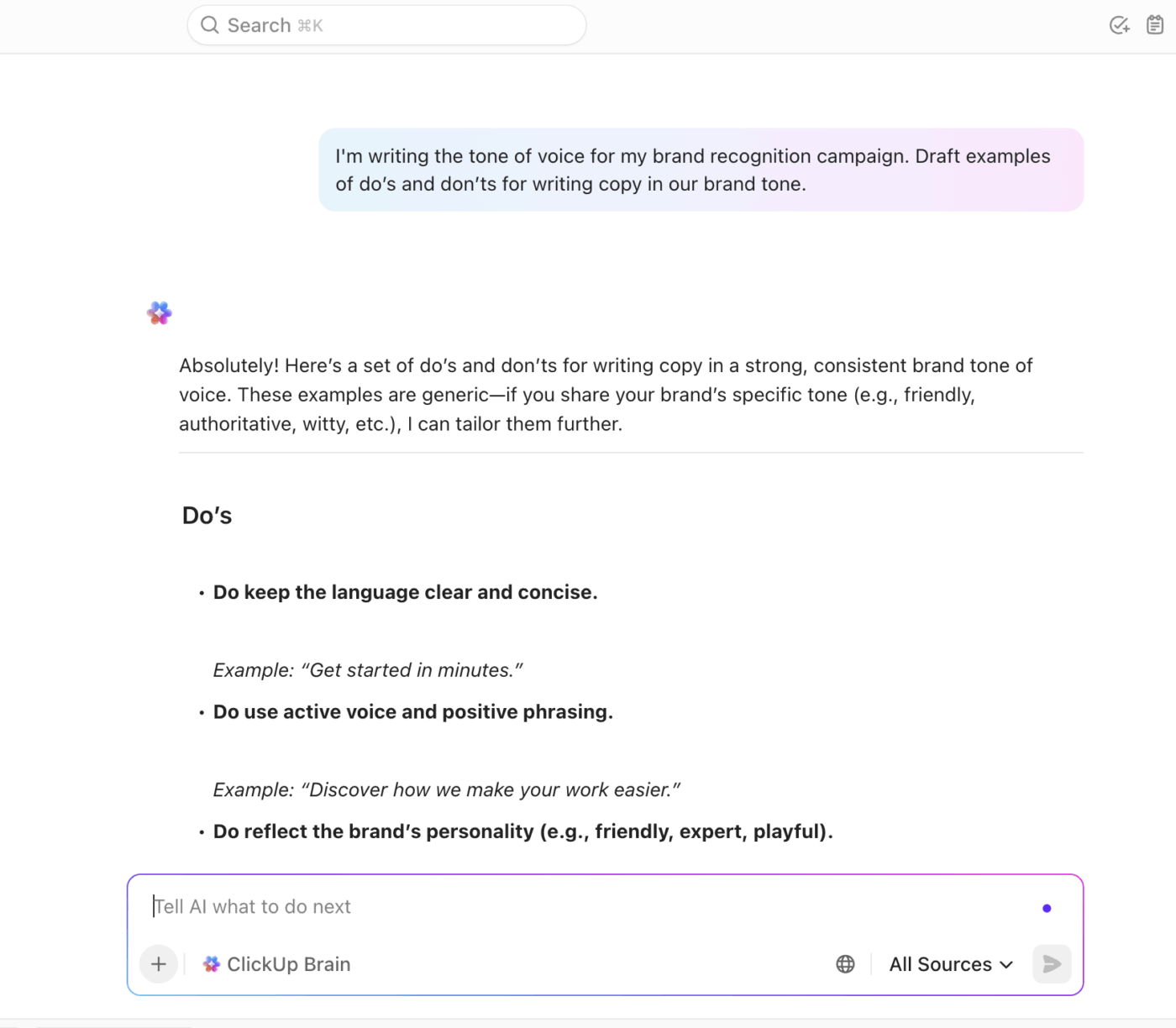
Need a quick mockup of a social ad, a draft infographic, or a sample banner? Brain can create a rough version that communicates your idea, which your design team can then polish into a final asset.
ClickUp Whiteboards offer marketing teams a flexible, infinite digital canvas to brainstorm and refine creative ideas in a shared space. You can visually map out your marketing campaigns with sticky notes, shapes, text boxes, or even ClickUp Docs embeds.
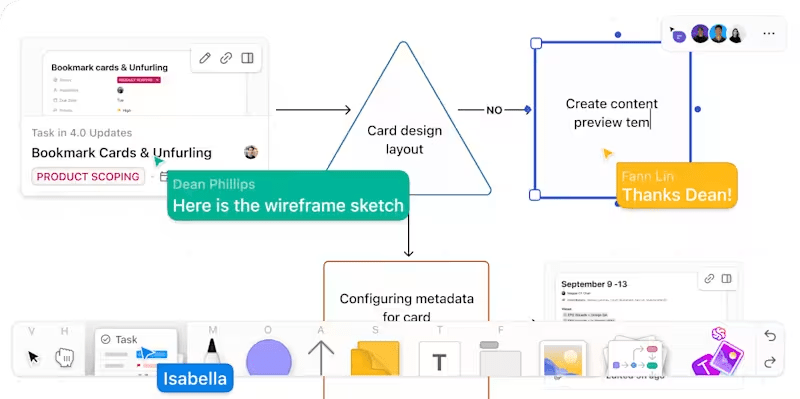
One of the most powerful features is the ability to convert brainstormed ideas directly into actionable tasks.
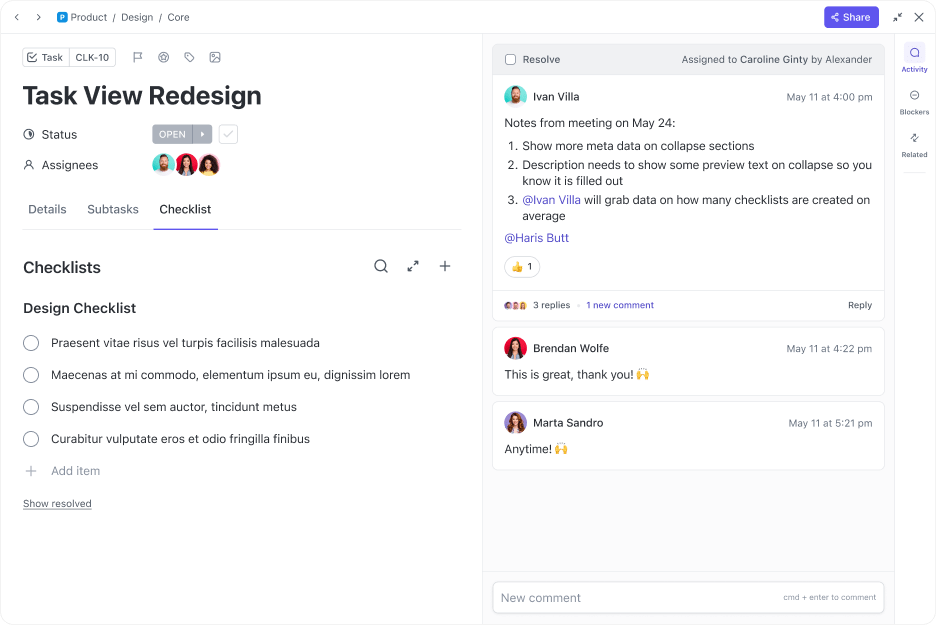
For example, after a campaign brainstorm, convert a sticky note into a ClickUp Task and assign it to a team member without leaving the whiteboard. Attach detailed ClickUp Checklists so that each asset meets your brand’s quality standards. You can also save these checklists as templates and monitor checklist completion rates.
ClickUp Dashboards act as a command center from where you can oversee all your marketing campaigns. You can customize these marketing dashboards with widgets to track campaign status, percentage of overdue tasks, or team workloads.
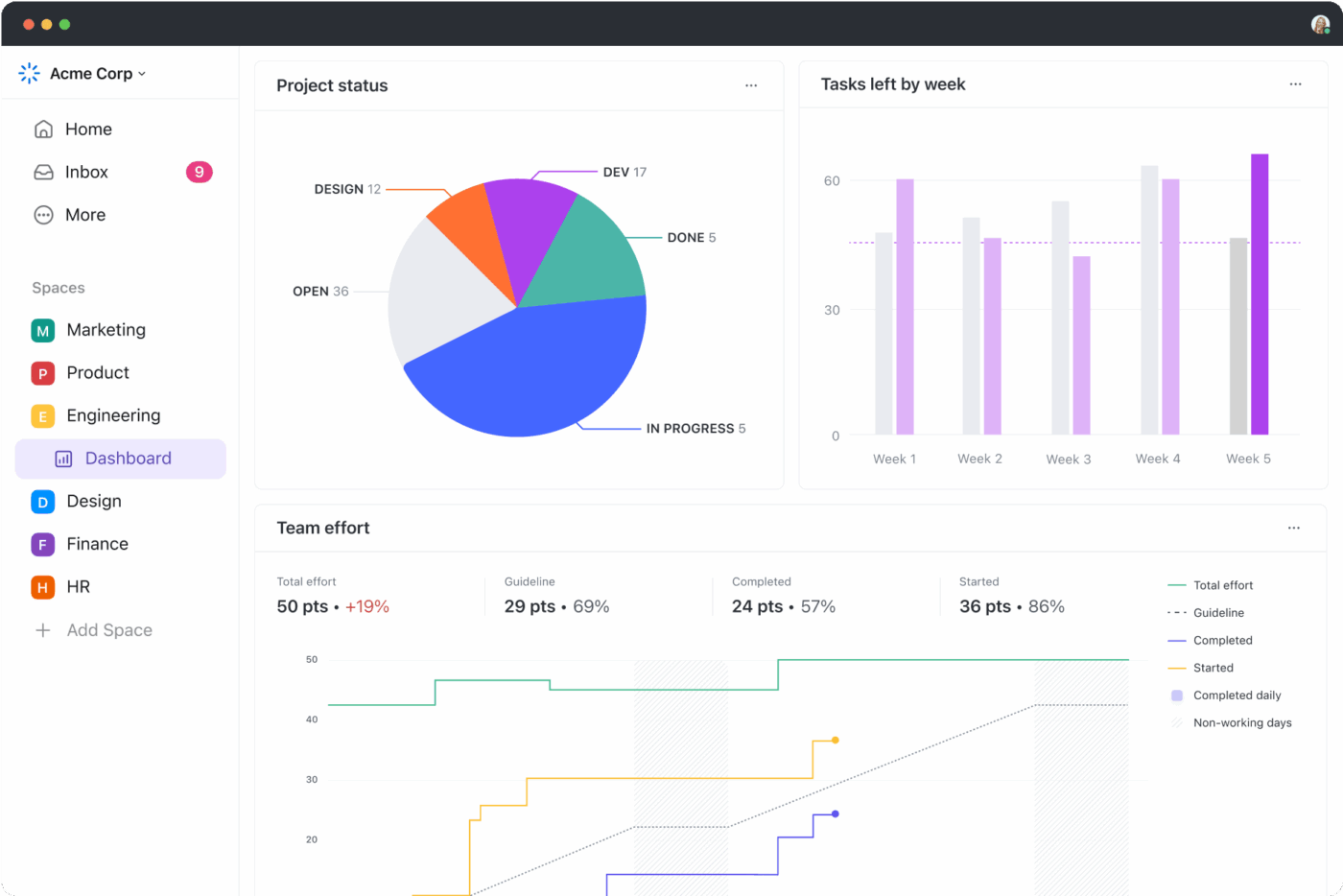
Since the data updates in real-time within the dashboard, you always have a live view of your campaign health, making it easier to spot and fix inconsistencies.
To learn more about how to set up dashboards, watch this video.
After measuring brand recognition, use digital marketing report templates to share these insights with stakeholders and present the marketing campaign results.
Logos, templates, images, videos, and other marketing materials often get scattered across multiple platforms, such as drives, chats, and emails. ClickUp solves this problem by centralizing all brand assets in one converged AI workspace.
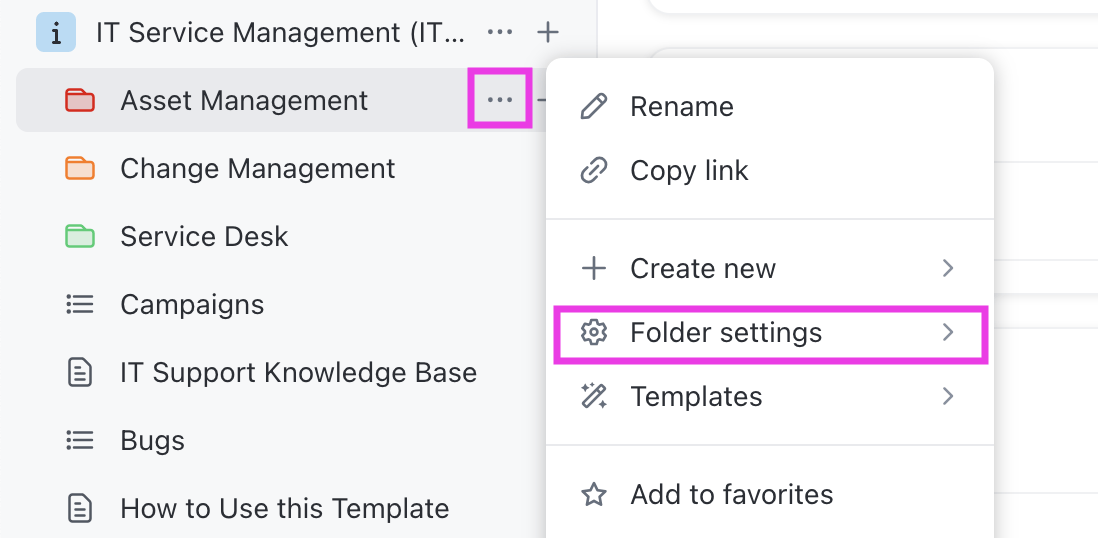
For instance, you can set up a dedicated folder or list in ClickUp as a brand asset library, where each task represents a specific asset, like a primary logo, etc
With ClickUp’s Custom Fields, you can tag each asset by type, marketing campaign, or channel.
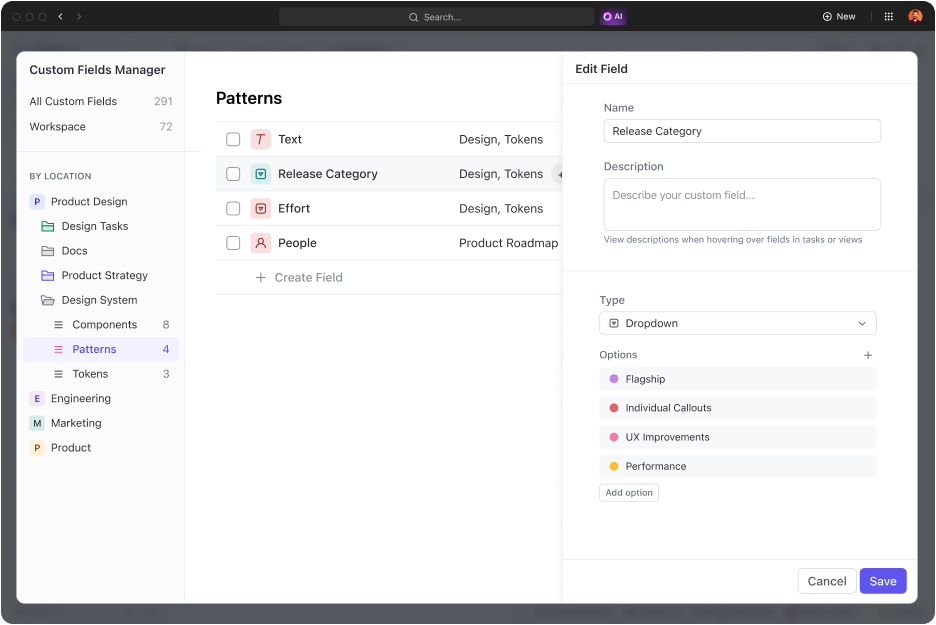
Each asset task can be further assigned to the responsible team member. To enforce quality and compliance, teams can set statuses like “To Do,” “In Progress,” or “On Hold.”
📚 Read More: Social Media Project Management Strategies
Canva makes it easy for anyone on your team to create on-brand visual content for successful brand recognition. The platform’s Brand Kit feature allows you to lock in your brand’s specific fonts, color palettes, and iconic logos. Team members can apply these assets to pre-approved templates to maintain a consistent brand identity.
Upfluence is an influencer marketing tool that makes it easier to find the right influencers. Plus, it helps you manage collaborations, track campaign performance, and measure the reach and engagement of influencer-driven content.
Using AI for branding can significantly speed up content creation while ensuring on-brand messaging. With AI writing assistants like Jasper, you can train AI to write content that perfectly matches your brand’s voice, tone, and personality.
🌟 Bonus: Pre-built agents take brand recognition further.
With ClickUp’s Prebuilt AI Agents, you can:
Building a brand that’s impossible to ignore takes time. However, with the right tools, you can get there faster, gaining a competitive advantage in a crowded market.
ClickUp helps you organize marketing campaigns, align teams, and manage every branding initiative from a single place. You no longer have to jump between different tools to create a brand guideline doc or monitor your progress since all your tasks, assets, and deadlines live in one place.
Whether you’re working to establish or significantly enhance brand recognition, ClickUp gives you the structure to stay consistent and grow your brand.
So, are you ready to make your brand stand out? Sign up for ClickUp today.
Brand recognition is the first step toward building brand loyalty. When customers can easily and instantly recognize your brand, it creates a sense of familiarity and trust. Over time, as customers have positive experiences with your recognizable brand, that familiarity solidifies into loyalty. This means they’re more likely to become repeat buyers and recommend you to others without a second thought.
Brand awareness is a broad term that refers to the degree to which a customer knows your brand exists. Brand recognition is a more specific and advanced measure of brand awareness. It’s the ability of a customer to identify and recognize your brand elements, like its logo, color palette, jingle, or tone.
Measuring the exact ROI of brand recognition and brand visibility can be challenging because it’s not a direct transactional metric like sales from a specific ad. However, companies can use the following metrics to estimate financial return: branded search volume, direct traffic, share of voice, customer lifetime value (CLV), lower customer acquisition cost (CAC), and price premium.

© 2026 ClickUp

There’s an easier way. Try a free AI Agent in ClickUp that actually does the work for you—set up in minutes, save hours every week.