You didn’t hire PhDs to spend their week cleaning CSVs and manually syncing lab notes across disconnected tools. Yet, this is exactly what happens when you layer expensive AI on top of a fragmented R&D stack.
AI initiatives stall when models don’t have the context of prior trials, current protocols, and day-to-day workflows. This guide shows you how to build AI for life sciences within a unified workspace like ClickUp, where your AI has the data it needs to reduce cycle time in key discovery steps.
Summarize this article with AI
ClickUp Brain not only saves you precious time by instantly summarizing articles, it also leverages AI to connect your tasks, docs, people, and more, streamlining your workflow like never before.
Summarize this article for me please
What is AI for Life Sciences?
AI for life sciences applies machine learning and natural language processing (NLP) across R&D to accelerate analysis, automate retrieval, and reduce manual coordination. For R&D leaders, this means using models to find patterns across trial data, protocols, and compound libraries that are difficult to surface manually.
In practice, teams pause high-value work to retrieve a specific assay result from a legacy database, then cross-check a molecule’s history across multiple systems to avoid repeating failed work. This manual verification is slow, repetitive, and error-prone.
Using generative AI in life sciences addresses the fragmentation of data, workflows, and knowledge across disconnected tools, otherwise known as context sprawl.
📮 ClickUp Insight: The average professional spends 30+ minutes a day searching for work-related information—that’s over 120 hours a year lost to digging through emails, Slack threads, and scattered files. An intelligent AI assistant embedded in your workspace can change that. Enter ClickUp Brain. It delivers instant insights and answers by surfacing the right documents, conversations, and task details in seconds—so you can stop searching and start working.
💫 Real Results: Teams like QubicaAMF reclaimed 5+ hours weekly using ClickUp—that’s over 250 hours annually per person—by eliminating outdated knowledge management processes. Imagine what your team could create with an extra week of productivity every quarter!
Summarize this article with AI
ClickUp Brain not only saves you precious time by instantly summarizing articles, it also leverages AI to connect your tasks, docs, people, and more, streamlining your workflow like never before.
Summarize this article for me please
Key Applications of AI in Life Sciences
Artificial intelligence in the pharmaceutical industry is the infrastructure you weave into your existing workflow to eliminate manual bottlenecks.
Below are common AI applications across discovery, clinical operations, manufacturing, and precision medicine.
Drug discovery and development
Late-stage failures are costly, and trial-and-error discovery increases the risk of heavy spending on candidates who don’t translate. To solve this, AI compresses this timeline by simulating molecular behavior before you ever enter the wet lab.
Generative AI models can propose entirely new drug candidates while identifying potential off-target effects months earlier than traditional methods. You can expect it to carry out:
Screen compounds virtually: Evaluate large libraries computationally to prioritize what to test physically
Model protein structures: Use prediction tools to accelerate target understanding and binding hypotheses
Optimize leads: Predict properties like stability and toxicity to reduce downstream risk
🧠 Fun Fact: Traditionally, finding a new drug meant testing over 50,000 existing compounds one by one—a slow and pricey hit or miss process. Now, de novo AI allows scientists to design entirely new molecules from scratch. This opens up a chemical space of up to 10^63 potential drug structures. To put that in perspective, there are more ways to build a drug than there are stars in the observable universe.
Clinical trials and patient recruitment
Patient enrollment remains the single biggest bottleneck in pharma R&D. Manually sifting through thousands of health records is slow and error-prone, often leading to trial delays. Generative AI in pharma solves this by using NLP to parse unstructured clinical notes and electronic health records (EHRs), matching eligible patients to trials with near-instant accuracy.
Here’s a sneak peek into its role:
Automate patient matching: Reduce screening timelines by up to 40% while ensuring more diverse and representative patient cohorts
Monitor safety signals: Track incoming data for anomalies and escalation triggers
Flag dropout risk: Identify at-risk participants early to support retention workflows
🔎 Did You Know? Agentic AI can reduce clinical trial durations by up to 12 months.
Manufacturing and supply chain optimization
The shift toward complex, high-value therapies, like biologics, has made manufacturing more volatile. AI shifts you from a reactive to a predictive mindset, catching batch deviations before they lead to a total loss. You can trust this tech to:
Enable predictive maintenance: Use sensor data to anticipate equipment failure on the factory floor, reducing unplanned downtime by roughly $10 billion across the industry
Forecast demand with precision: Analyze disease surveillance and market trends to prevent drug shortages and overstock
Secure the cold chain: Monitor temperature-sensitive shipments in real-time and reroute logistics if a potential excursion is detected
Precision medicine and genomics
Personalized medicine requires processing genomic data beyond the capacity of manual teams. AI can help interpret complex datasets to identify disease markers and support more targeted treatment decisions. With it, you can:
Interpret variants faster: Triage genomic findings for review and prioritization
Simulate response: Model likely responses to therapies for hypothesis generation
Discover biomarkers: Identify signals linked to outcomes for validation studies
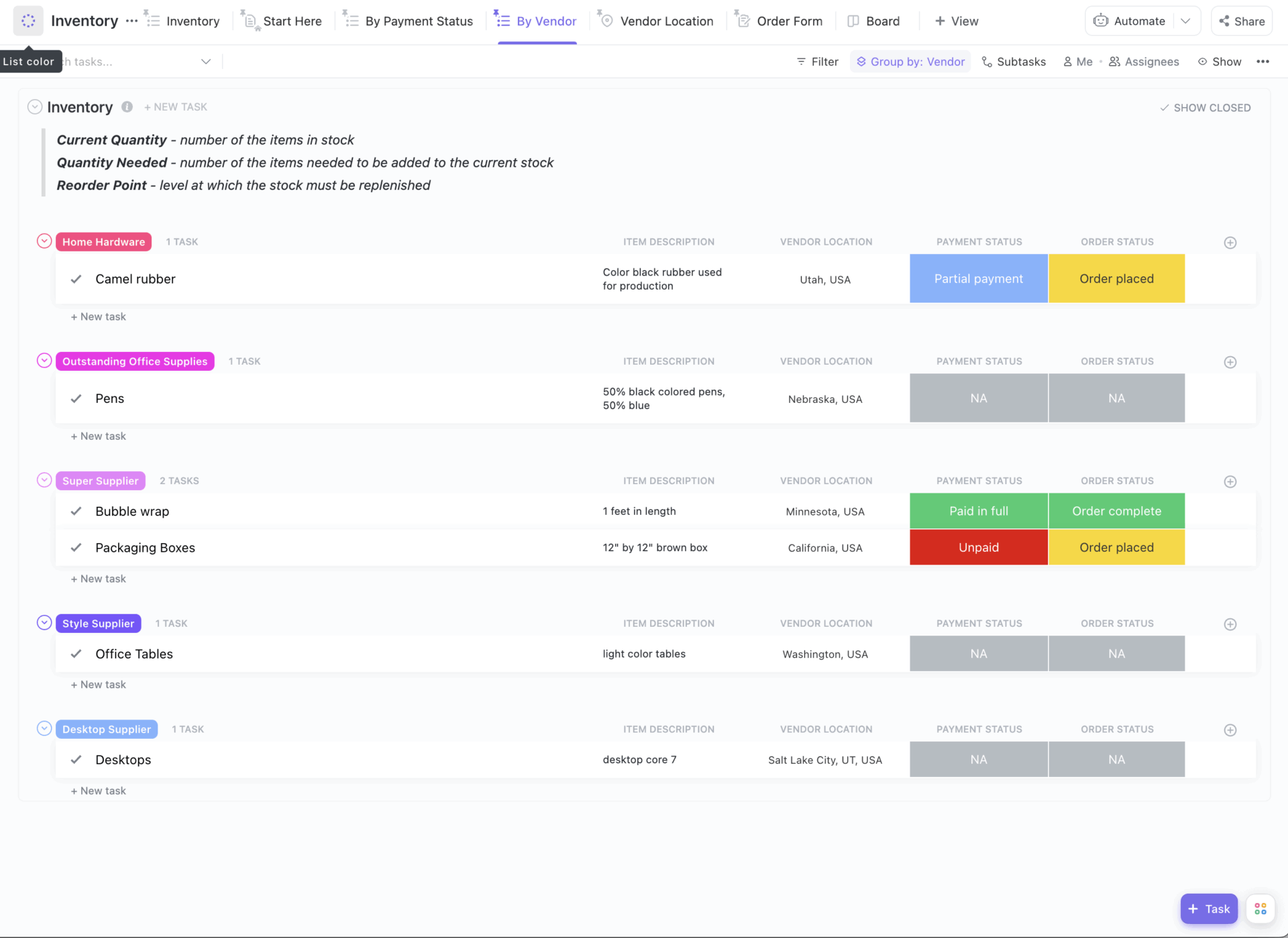
💡Pro Tip: Managing the logistics of personalized medicine is just as complex as the science itself. You can use the ClickUp Personalized Medicine Inventory Management Template to track patient-specific compounds and sensitive biological reagents in real-time.
Simplify your medicine inventory management processes with ClickUp
Use this ClickUp template to:
Log patient IDs, batch numbers, and expiration dates with Custom Fields
Monitor inventory levels and vendor locations across labs with saved views
Track each patient-specific order from Open to Complete with clear statuses
Deliver patient-specific treatments using the ClickUp Personalized Medicine Inventory Management Template to improve outcomes and operational efficiency.
Summarize this article with AI
ClickUp Brain not only saves you precious time by instantly summarizing articles, it also leverages AI to connect your tasks, docs, people, and more, streamlining your workflow like never before.
Summarize this article for me please
Common Challenges when Scaling AI in Life Sciences
Buying AI doesn’t solve bottlenecks if your data, governance, and workflows aren’t ready. Understanding these common challenges is the first step to building a strategy that works.
Data quality and accessibility
Your models are only as effective as the data they can access.If trial results are inconsistent or trapped in silos, models operate with an incomplete view.
To get a return on your AI investment, your data must follow the FAIR principles:
Findable: Tag research so it’s discoverable by both your team and your algorithms
Accessible: Store data in a central environment where authorized systems can retrieve it without manual intervention
Interoperable: Standardize formats so datasets from different labs can be combined and analyzed together
Reusable: Document metadata clearly so future teams can build on old experiments instead of repeating them
Talent gaps and upskilling needs
There is a persistent shortage of professionals with expertise in bench science and data science. However, it does not require you to turn your molecular biologists into Python experts. But you should bridge the communication gap between the lab and the dev team.
It helps build cross-functional environments where your life science researchers can interact with AI tools without writing code.
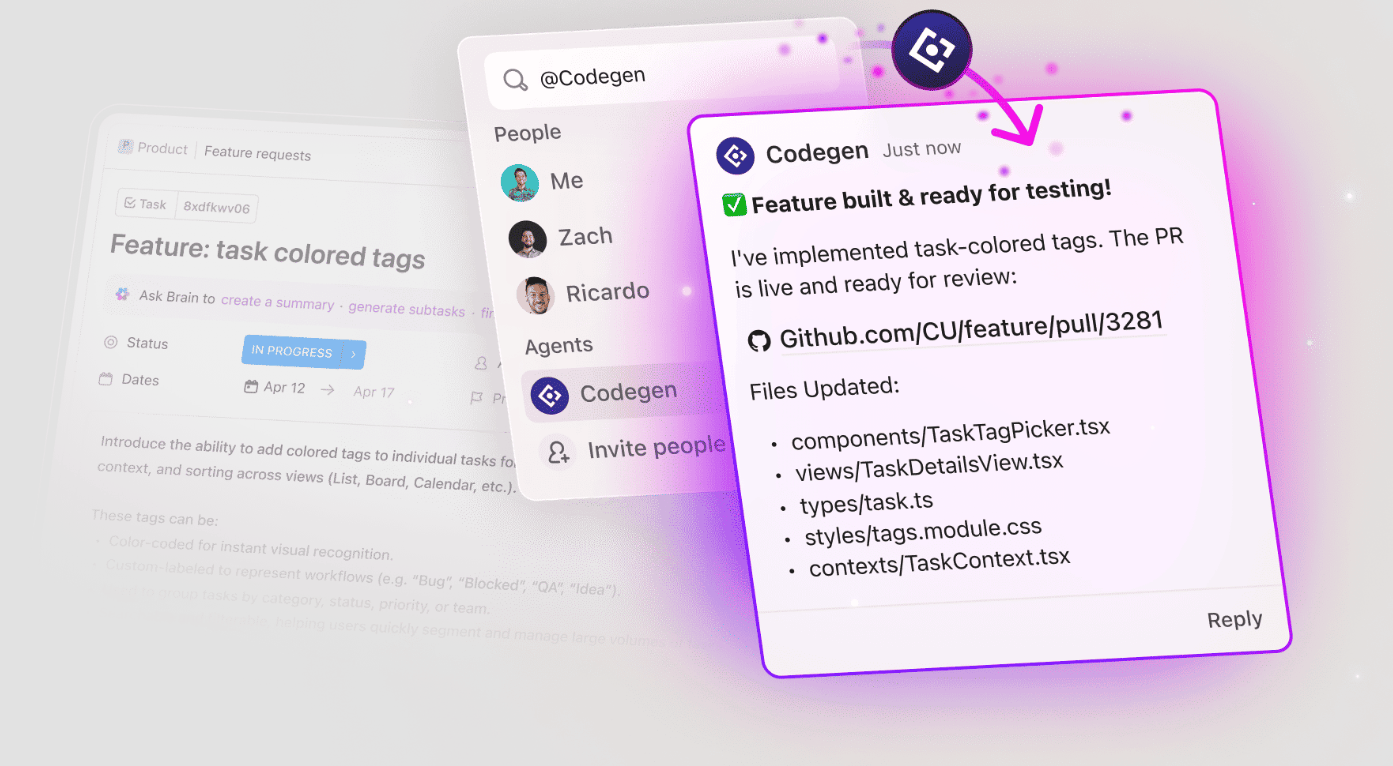
💡Pro Tip: Empower your team to become developers without complex coding skills. ClickUp Codegen serves as an autonomous AI developer teammate that bridges this exact gap.
Become a developer without complex coding skills with ClickUp Codegen
By integrating the Codegen agent directly into your workspace, the researchers can:
Turn instructions into code: Describe a needed data fix or feature in natural language so Codegen can write the code and open a pull request in GitHub automatically
Remove engineering bottlenecks: Delegate technical tasks to the agent directly within the ClickUp ecosystem instead of waiting for someone to prioritize a simple data script
Enhance data literacy: Provide a no-code advantage, enabling non-technical staff to build and deploy AI teammates that automate laboratory and bioprocess pipelines
A workspace that simplifies data literacy allows your life sciences researchers to focus on interpreting results rather than troubleshooting software.
Regulatory compliance and governance
In a heavily regulated industry, a black box model is a liability. Whether you’re reporting to the FDA or the EMA, your generative AI in life sciences must be explainable and auditable. As a result, you cannot deploy a model that reaches a clinical conclusion without a clear, documented path.
Successful scaling requires a framework for:
Algorithmic transparency: Ensuring every prediction can be traced back to its source data
Bias mitigation: Auditing training sets to ensure narrow patient demographics don’t skew predictions
These data governance rules aren’t optional nice-to-haves; they’re fundamental requirements for using AI in a GxP environment.
Integration with existing workflows
The most common mistake is purchasing an AI platform that sits outside your team’s daily workflow. If your scientists have to log into a separate app just to use a model, they won’t use it. In fact, it is another source of tool sprawl.
AI must live where work happens, or adoption collapses under tab switching and re-entry. Without access to your project plans, trial documents, and team conversations, they will always operate on incomplete information. Integration, therefore, becomes a requirement for adoption.
📌 ClickUp Advantage: Make sure your AI always has the complete context of your research. ClickUp Integrations support over 1,000 applications, allowing you to pipe data directly into your project management environment.
Connect code to work: Link GitHub/GitLab activity to tasks and experiments
Centralize documentation: Attach and search files without leaving the workspace
Automate handoffs: Trigger tasks and updates from standard intake events
Convert conversations into action: Turn key messages into trackable work
Embed important dashboards: View critical visuals where decisions are made
Summarize this article with AI
ClickUp Brain not only saves you precious time by instantly summarizing articles, it also leverages AI to connect your tasks, docs, people, and more, streamlining your workflow like never before.
Summarize this article for me please
How to Adopt AI in Your Life Sciences Workflow
If you try to overhaul your entire R&D stack at once, you’ll likely hit analysis paralysis. Instead, focus on building momentum through small, measurable wins. Here’s the process:
Assess your team’s readiness
Before evaluating vendors, perform a candid audit of your current infrastructure. This is because artificial intelligence in Biology can’t fix a fundamentally broken data strategy. To determine if you’re ready, look at:
Data maturity: Determine if your research results are accessible and well-documented or scattered across legacy formats
Resource availability: Identify if you have the internal bandwidth to manage a pilot or if you need to lean on a partner for implementation
Stakeholder alignment: Confirm that leadership is committed to a long-term strategy rather than just looking for a quick fix
Outcome: Completing this audit helps you identify the specific data gaps you need to close before your AI can accurately predict molecular interactions or match patients to trials.
Start with high-impact use cases
Avoid trying to boil the ocean. Instead, identify a specific bottleneck where AI can deliver a visible return on investment within months, not years.
For example, automating literature reviews can save your researchers dozens of hours a week, or using NLP to improve patient matching for a single upcoming trial can immediately de-risk your timeline. These quick wins create internal champions who will advocate for broader adoption across the company.
Outcome: By narrowing your focus to one high-friction area, you move closer to a functional pilot. This demonstrates that your infrastructure can handle live data, providing the evidence needed to secure budget for a full-scale rollout.
Build cross-functional collaboration
AI initiatives fail when they’re isolated within the IT department. To succeed, you must pair your domain experts, like the clinicians and molecular biologists who understand the science, with your technical teams from day one.
This requires a unified workspace where both teams can track progress in the same environment. Healthy cross-functional collaboration, supported by shared documentation and transparent project tracking, eliminates errors that stall complex R&D projects.
Outcome: Breaking down these functional walls means your data scientists aren’t building models in a vacuum. You create a feedback loop where a researcher can immediately flag an anomaly in a model’s prediction, allowing for real-time refinements that keep your drug discovery pipeline on track.
Measure success and iterate
Treat your AI adoption like any other scientific experiment because you can’t improve what you don’t measure. As a start, define clear key performance indicators before you launch, such as:
Time-to-insight: Track the reduction in hours spent on manual data retrieval
Error reduction: Measure the decrease in manual data entry mistakes across clinical reports
Enrollment velocity: Monitor the speed of patient recruitment compared to previous trials
Run regular retrospectives to refine your workflows based on these metrics. In this case, continuous improvement is the only way to ensure your AI stays relevant as your research scales.
Outcome: Establishing these metrics delivers hard evidence of AI’s impact. This data helps you pivot away from low-value features and double down on integrations that accelerate your path to a druggable target.
Summarize this article with AI
ClickUp Brain not only saves you precious time by instantly summarizing articles, it also leverages AI to connect your tasks, docs, people, and more, streamlining your workflow like never before.
Summarize this article for me please
How ClickUp Supports AI-Driven Life Sciences Teams
ClickUp is a converged AI workspace where your discovery data, trial protocols, and team communication share a single context. It moves you away from context sprawl, which slows R&D, toward an actionable flow.
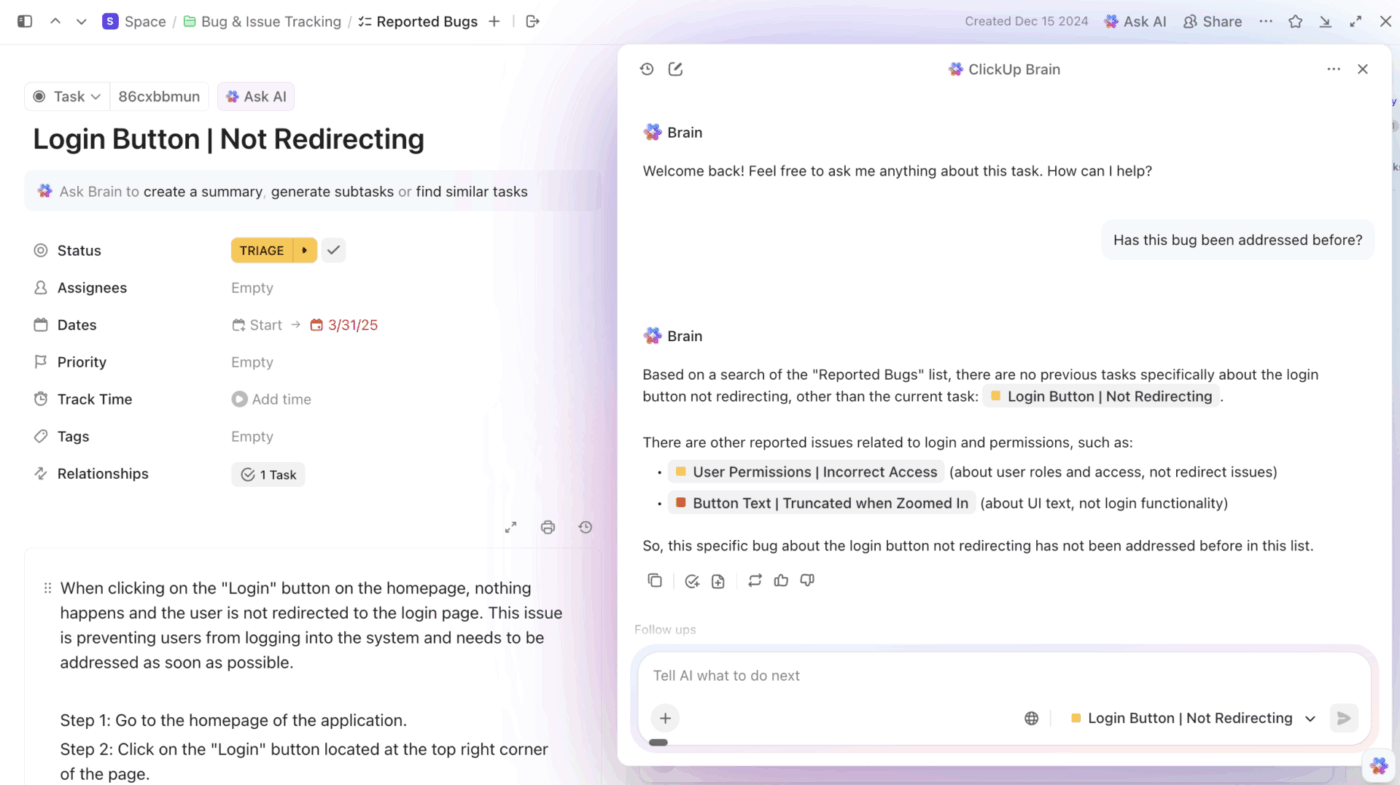
ClickUp Brain serves as the central intelligence for this workspace, a suite of AI agents that understand your lab’s entire data.
Receive context-aware responses from ClickUp Brain
Use the AI Knowledge Manager to surface specific trial criteria or past molecular findings by searching across your workspace
Deploy AI Project Manager agents to autonomously summarize technical lab syncs and identify potential timeline risks
Ask the AI to extract key action items from a complex clinical protocol and distribute them as organized tasks
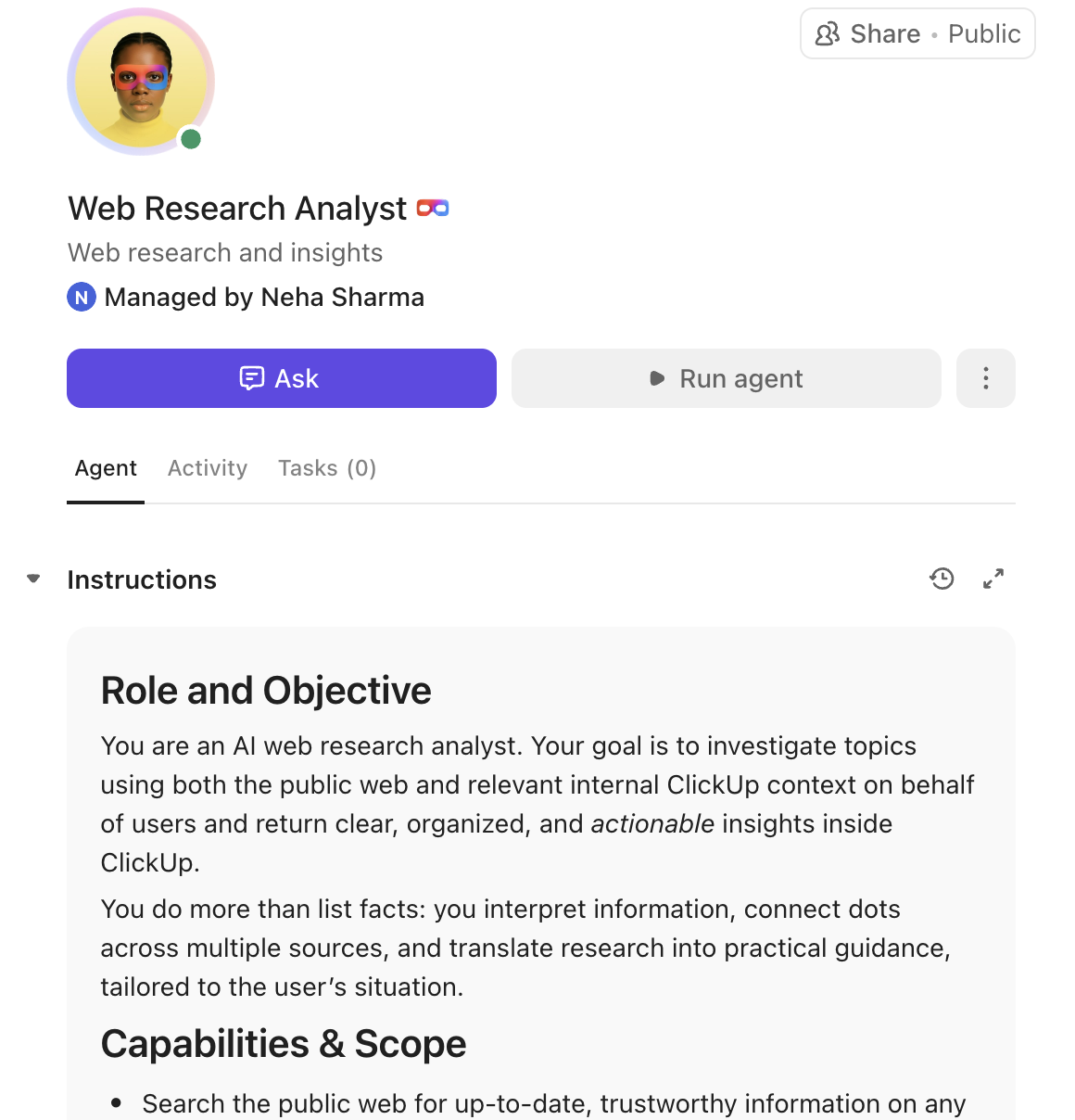
Super Agents turns ClickUp Brain from a passive assistant into an active research partner inside your life sciences workflow. They continuously monitor experiments, trial data, and project timelines, automatically flagging anomalies in research progress, surfacing potential compliance risks, and identifying bottlenecks before they delay discovery.
ClickUp Super Agent web research analyst
By connecting lab data, protocols, and execution context, Super Agents can recommend next experiments, trigger follow-ups, and keep clinical, regulatory, and research teams aligned—helping your organization move from reactive analysis to proactive, AI-driven discovery.
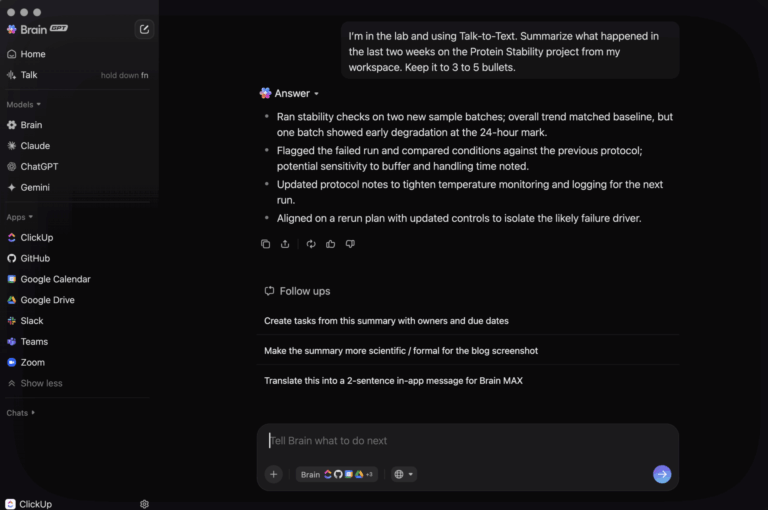
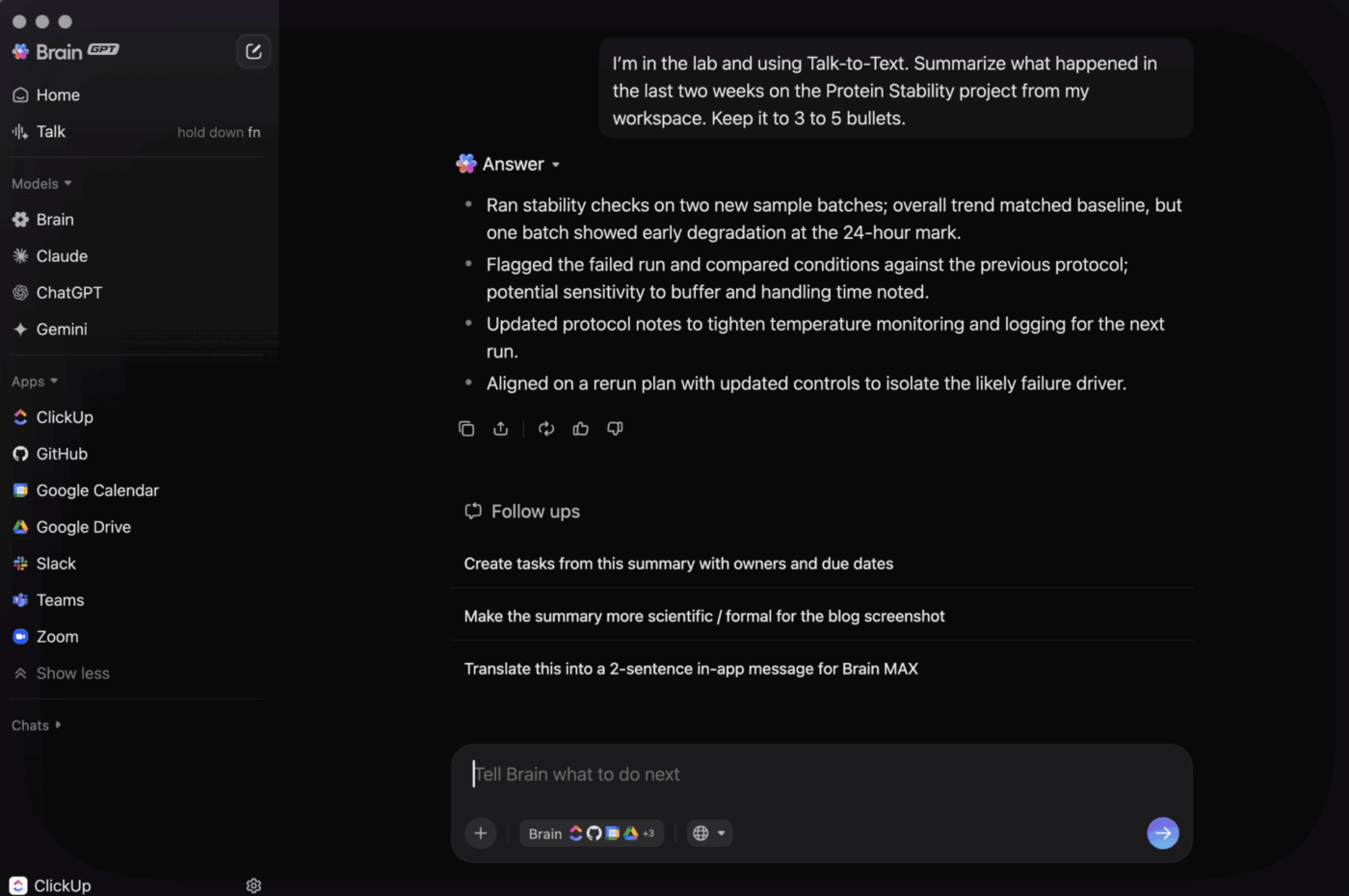
ClickUp Brain MAX extends this capability with conversational, real-time reasoning across your workspace. Researchers can ask complex scientific or operational questions in natural language or use Talk-to-Text to dictate requests, instantly generating summaries, surfacing past findings, or translating lab discussions into structured tasks without interrupting active research.
ClickUp Brain MAX use case
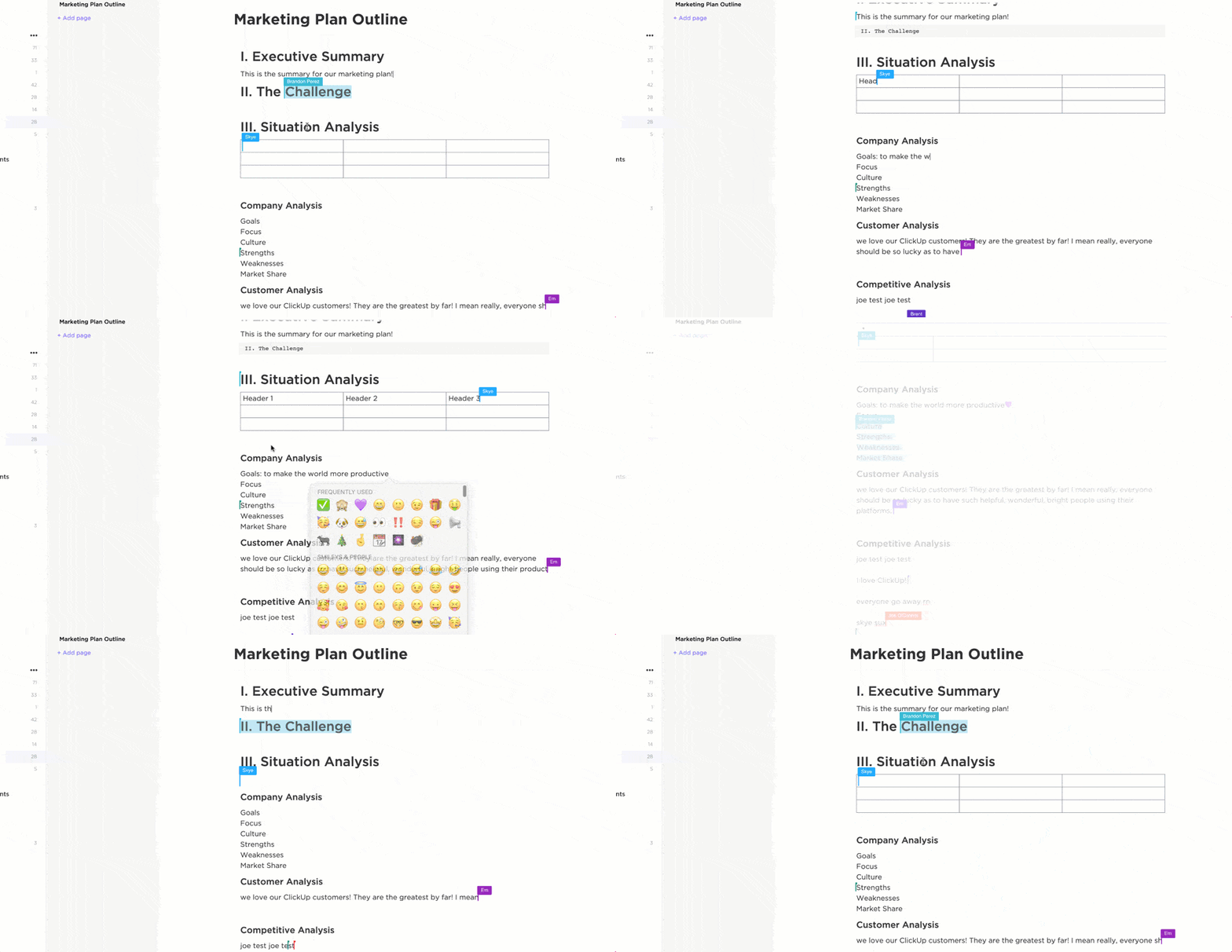
You can also use ClickUp Brain within ClickUp Docs. It turns your static research into a living repository for your protocols and SOPs.
Collaborate with your team in real-time using ClickUp Docs
These documents are deeply integrated with your project workflows. This enables your regulatory and clinical teams to collaborate in real time within a single environment.
You can use ClickUp Docs to:
Highlight any line in a research protocol and instantly convert it into a trackable task for the wet lab
Use nested pages to manage massive IND applications, ensuring every version is searchable and transparent for the whole team
Use code blocks with syntax highlighting to document bioinformatics scripts or data processing pipelines alongside your research narrative
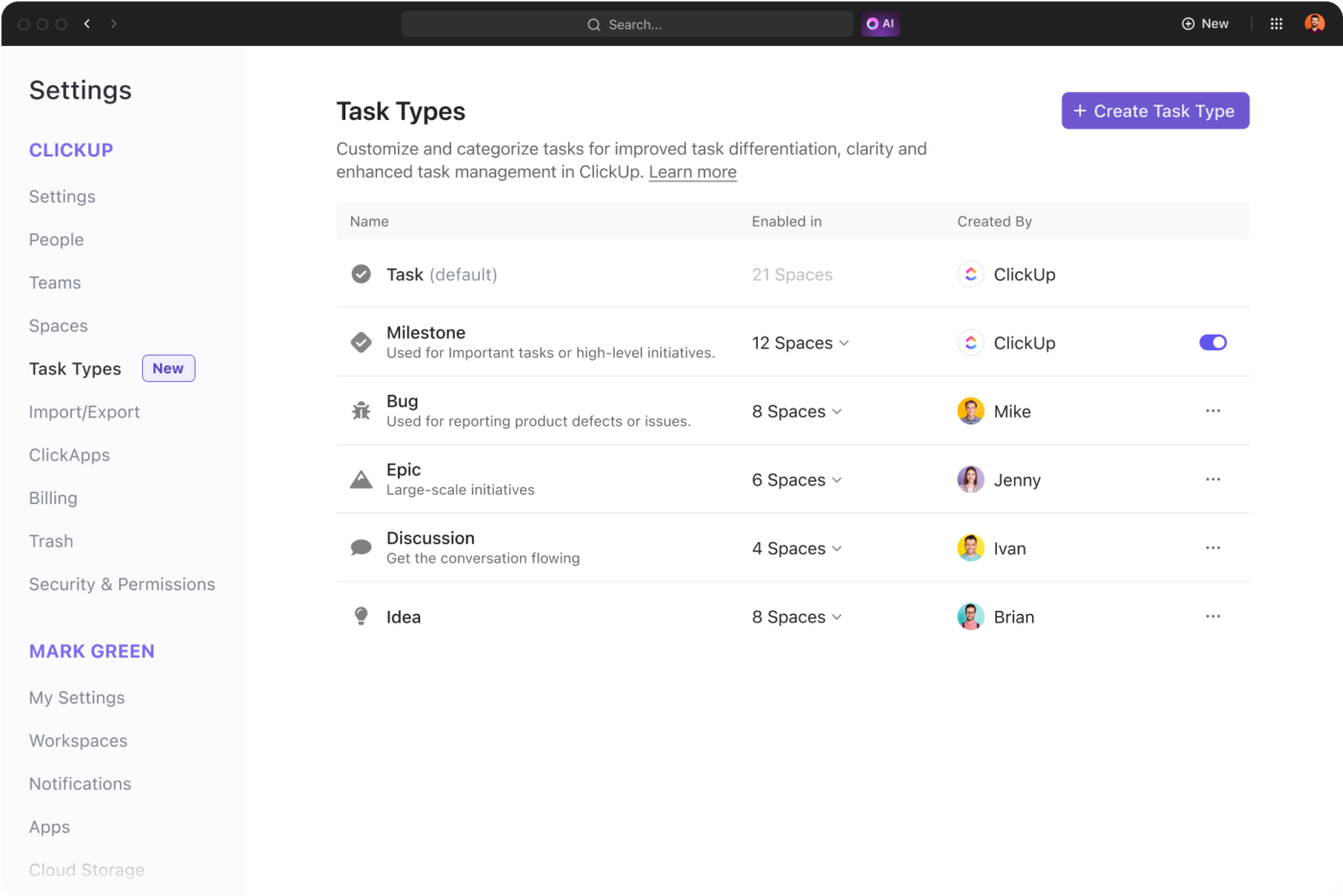
Once your protocols are in place, ClickUp Tasks provides the infrastructure to run your discovery pipeline like a production line. You can use specific Task Types, like Milestone, Lab Test, or Regulatory Filing, to provide the built-in AI with the structured data it needs to understand the nature of your work and prioritize it effectively.
Customize different task types using ClickUp Tasks for complete clarity
ClickUp Tasks also:
Let the AI analyze task dependencies and deadlines to suggest which experiments need to be fast-tracked to stay on schedule
Use Custom Fields like Compound ID, Batch Number, or Regulatory Deadline to capture compliance data at the source
Allow your team to focus on the science by using AI to auto-fill task summaries and progress updates based on their recent activity
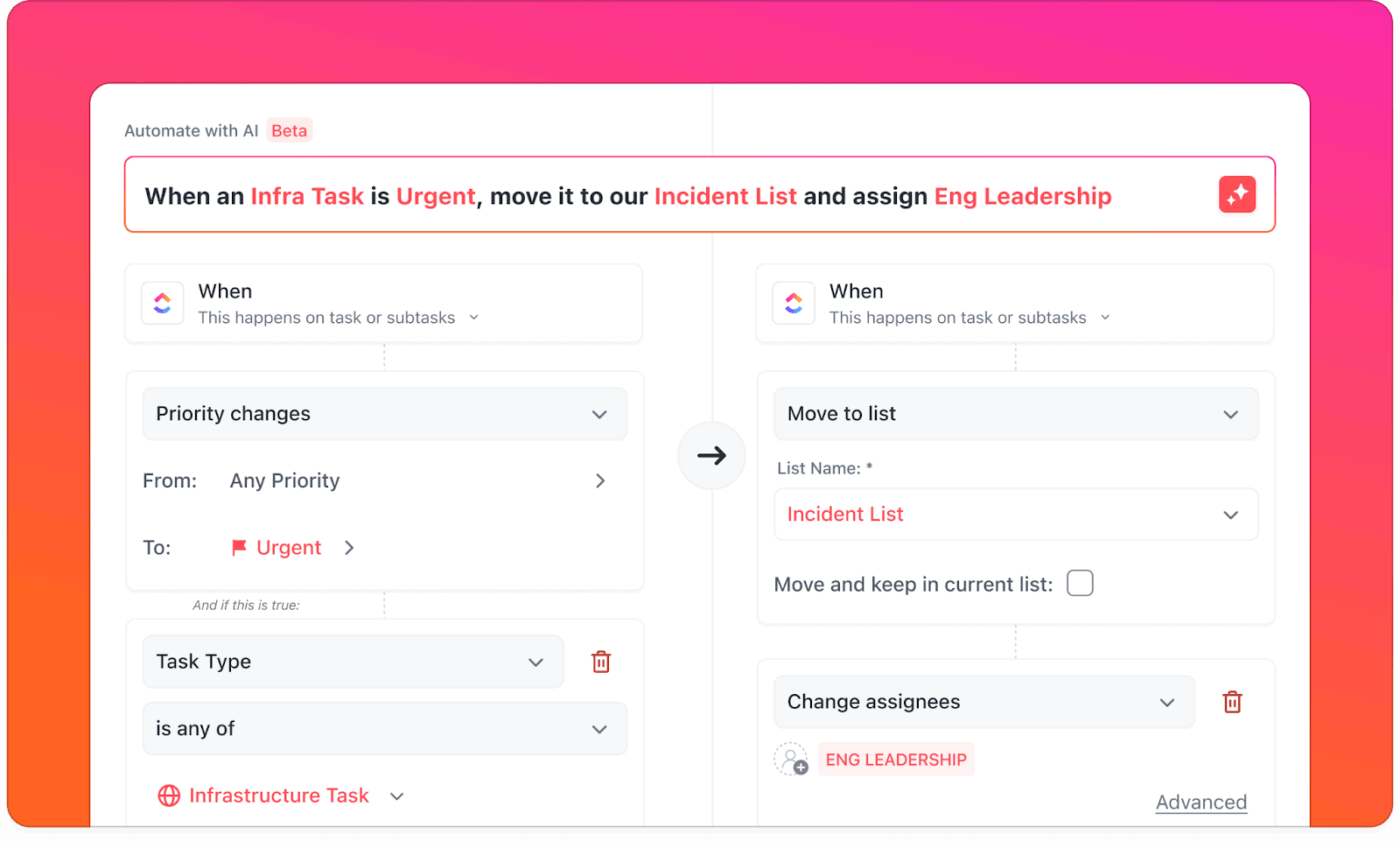
To maintain oversight without manual micromanagement, ClickUp Automations manages the operational workflow. You can use the AI Automation Builder to describe complex workflows in plain English, ensuring that your data stays audit-ready without a scientist ever having to perform manual data entry.
Build custom automations to reduce repetitive work with ClickUp Automations
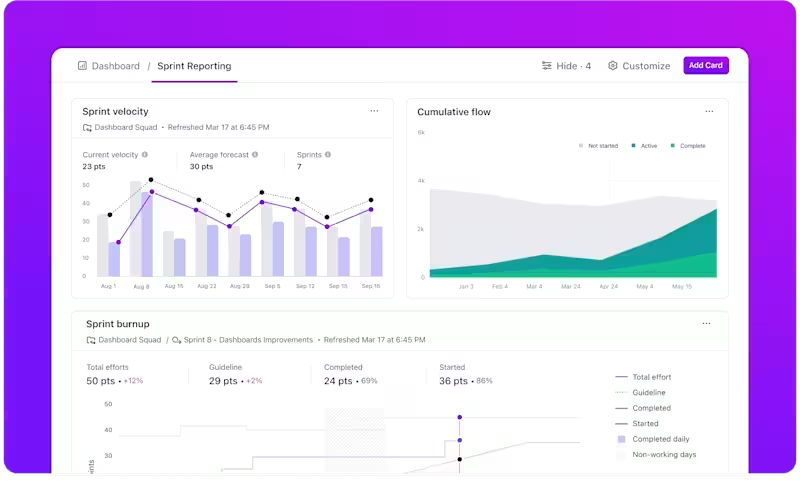
You can also expect to gain a high-level view of your entire R&D pipeline with ClickUp Dashboards. It converts your workspace data into real-time charts, graphs, and progress trackers that provide visibility into different metrics. You can filter by project, team, or any other criteria to see exactly the information you need.
Visualize complex metrics with ClickUp Dashboards
🔔 You can save even more time by asking ClickUp Brain to deliver a status report and avoid the manual labor altogether.
Lewis Norwood, the Head of Client Relations at Pharmacy Mentor, reviewed ClickUp:
“Now that we have ClickUp, we’re not doing the same thing over and over, and we’re not confused about who’s responsible for which project. We can see who’s leading it, break it down into sub-tasks, and everyone can see their responsibilities.”
Lewis Norwood, Head of Client Relations at Pharmacy Mentor
Summarize this article with AI
ClickUp Brain not only saves you precious time by instantly summarizing articles, it also leverages AI to connect your tasks, docs, people, and more, streamlining your workflow like never before.
Summarize this article for me please
The Future of AI in Life Sciences
We are moving away from tools that simply react to the data you provide and toward agentic systems that proactively manage the research lifecycle. Hence, the next phase of AI in life sciences will focus on predictive autonomy through these key shifts:
Mainstream adoption of autonomous AI agents: Deploy agents that autonomously write regulatory documents and sync data pipelines to free your researchers for critical workflows
Predictive discovery models: Connect genomic and proteomic datasets into a single layer to reveal hidden disease mechanisms and validate hypotheses before entering the wet lab
Automated study configuration: Use AI to interpret protocols and automatically build study databases, replacing the manual bottleneck of configuring trials from PDFs
Smarter molecular simulation: Depend on advanced computing to simulate protein-ligand interactions at a granular level, refining lead compounds in weeks rather than months
These advancements are shifting AI from a passive assistant to an active research partner. By building a foundation that supports agentic reasoning, you ensure your lab is structurally prepared to lead the next generation of discovery.
Summarize this article with AI
ClickUp Brain not only saves you precious time by instantly summarizing articles, it also leverages AI to connect your tasks, docs, people, and more, streamlining your workflow like never before.
Summarize this article for me please
Accelerate Discovery With AI That Knows Your Work
An isolated AI model often adds administrative overhead to an already strained team. ClickUp replaces this friction with a converged AI workspace that brings your entire research infrastructure into a single, intelligent ecosystem.
Since ClickUp Brain understands every lab note and project milestone, it can manage your complex workflows while you focus on the science. On top of it, unifying specialized task types, real-time Dashboards, and autonomous agents also allows you to stop stitching together disconnected tools.
Ultimately, you can work with a system that scales with the complexity of your science. Sign up for ClickUp for free today to move your team from hypothesis to discovery. 🤩
Summarize this article with AI
ClickUp Brain not only saves you precious time by instantly summarizing articles, it also leverages AI to connect your tasks, docs, people, and more, streamlining your workflow like never before.
Summarize this article for me please
Frequently Asked Questions
What’s the difference between generative AI and traditional AI in life sciences?
Traditional AI analyzes existing data to classify information or predict an outcome. Generative AI goes a step further by creating entirely new content, such as novel molecular structures or synthetic patient data for simulations.
How does AI-powered search differ from traditional database queries in life sciences?
Traditional database queries rely on exact keywords and rigid filters, often missing relevant information if the terminology doesn’t match perfectly. AI-powered search uses semantic understanding to find information based on the context and meaning of your request, allowing you to find a specific assay result even if you can’t remember the exact file name.
How can life science researchers without coding skills use AI tools?
Many modern platforms offer no-code interfaces or natural language processing. This allows you to interact with complex datasets using plain-English queries rather than writing Python scripts. Hence, enabling you to automate workflows or analyze trial data through a simple chat interface.
Is AI worth the investment for smaller biotech teams?
Yes, because smaller teams often face the tightest resource constraints. While enterprise teams use AI for scale, smaller biotechs use it for speed—automating the administrative chaos of trial management and literature reviews so a lean team of scientists can compete with the output of a much larger organization.
Everything you need to stay organized and get work done.