







Still downloading templates?
There’s an easier way. Try a free AI Agent in ClickUp that actually does the work for you—set up in minutes, save hours every week.
Sorry, there were no results found for “”
Sorry, there were no results found for “”
Sorry, there were no results found for “”
Ever heard the saying, “Agile is a mindset”?
For serious practitioners, agile is a philosophy and a way of doing things rather than a prescriptive process. They say you don’t “do” but “be” agile.
This can mean different things depending on the maturity of your team. As a result, teams interpret agile in ways that work best for them and keep improving from there.
However, you need consistent practice for the entire team to adopt it similarly. You need to have guidance and guardrails. An agile coach helps with precisely that.
Agile coaching is the process of helping teams adopt the agile way of work. It includes guiding organizations, teams, and individuals to adopt and practice agile principles.
While it is typically used by software development teams, any organization across marketing, manufacturing, construction, etc., can use agile techniques. An agile coach enables this by:
A scrum master performs agile coaching for individuals and teams. An ‘agile coach’ designation is reserved for an experienced practitioner who works with multiple teams and organizational leadership to scale agile programs. On the whole, they both perform somewhat similar roles.
Agile coaching combines business requirements, technology delivery, and behavioral science to improve project outcomes. This involves a number of contrasting elements. Here’s what that entails.
Before getting into the how of agile, it’s necessary to know why. The most common agile goals are:
An agile coach helps teams understand the goals of agile transformation and work towards achieving them.
For instance, for the goal of continuous improvement, the agile coach facilitates reviews and retrospectives promptly. They’ll help the team gather feedback and optimize performance in upcoming sprints.
When a team adopts agile, it is essential to know their starting point. An agile coach will help the team assess current performance across qualitative and quantitative metrics, such as productivity, efficiency, deployment frequency, and developer experience.
At this stage, the agile coach will also observe the team members’ mindsets and beliefs to evaluate readiness.
Through conversations with the teams as well as keen observation, agile coaches note down problem areas.
Typical problem areas during the initial stages of agile adoption tend to be wariness towards changing requirements or struggle to break features down to tasks that can be completed in a week. At later stages, challenges might arise in conducting transparent retrospectives or deploying frequently enough.
The coach will help agile teams identify these challenges within themselves and guide them through overcoming them effectively.
Once problem areas are identified, it’s time to take action. An agile coach will help teams embrace an agile culture with the changes it brings in mindset, practices, and tools. This might include:
However, it is vital to note that agile transformation is not just about the development teams. Successful adoption of agile requires a leadership strategy. An agile coach also works with the company leadership to align everyone on agile values and make a positive shift.
An agile coach eliminates communication gaps. They coach teams to keep all stakeholders informed, practice transparency and clarity in communication, and get ahead of challenges in project execution.
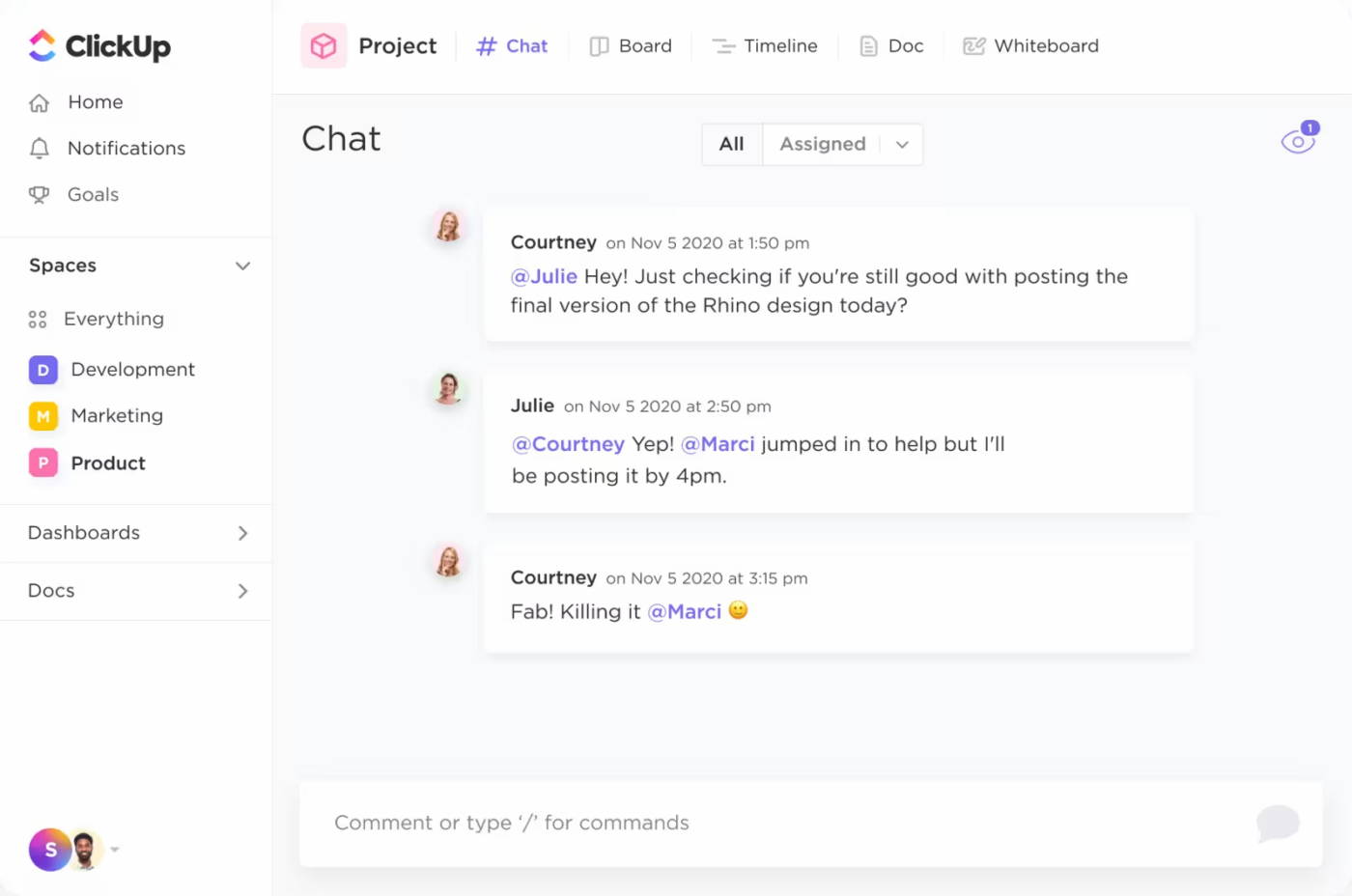
Where there is change, there is conflict. Initially, an agile coach plays a crucial role in resolving these conflicts. Over the long term, they help teams build the capability to resolve conflicts by themselves.
While the above are primary elements of agile coaching, that’s not all. Agile coaches contribute significantly to every phase of software development. Let’s see what that looks like.
When a software development team or organization embraces agile, it commits to transforming nearly every aspect of its current systems. You’ll be amazed at how pervasive this can be.
Here’s an agile coach’s cross-section of contributions to the software development process.
Agile planning is fundamentally different from that of traditional software development. It involves breaking down complex software into small independent units that can be developed and deployed in sprints, typically two weeks.
An agile coach’s first task is to help teams embrace this approach by:
While developing the software, teams often fall back to their old habits. An agile coach keeps an eye out for such instances and guides the team gently by:

One of the primary goals of agile software development is technical excellence. Testing plays a critical role in achieving that. Agile coaches bring focus on software quality by helping teams:
What’s agile without continuous improvement? Agile coaches set up systems for engineering teams to:
As you see, the role of an agile coach is to gently nudge teams to do all the things they’ve been doing for years in a fundamentally different way. If that seems like a lot of work, you’re right.
Here’s why all that work would be worth it.
A coach’s job is to help engineering teams do agile right. Yet, they can’t afford to move too fast and disrupt existing dynamics. So, they need to observe, nudge, and slowly guide teams in the right direction, convincing them of its benefits.
Agile isn’t a prescriptive process but a mindset shift, so it is easy to misunderstand. An agile coach helps clarify what agile means for the team, their context, and their needs.
For instance, if a team has been running meetings traditionally, they might have difficulty time-boxing 15-minute stand-ups. If a team always built from a ‘feature description,’ they might struggle with ‘user stories.’ An agile coach disambiguates these things.
Agile values emphasize feedback. They encourage agile teams to build in small increments, show regular demos, and conduct reviews. They help teams identify problems and risks early on to mitigate them or reset expectations with the customer.
Internally, they also help establish regular check-ins to ensure the team is on track. They bring tools like burnup and burndown charts to evaluate progress.
Agile coaching helps teams streamline processes and eliminate inefficiencies. An agile coach helps teams:
An agile coach brings clarity to the team’s thought process. They help create a safe environment for experimentation and learning from failures. This way, they empower agile teams and decentralize decision-making.
Agile coaches facilitate communication. They use frameworks, templates, and agile tools to improve team collaboration. They empower team members to raise concerns or alarm if they see something amiss. They encourage project managers to speak openly to clients, building confidence.
As immeasurable as the benefits are, good agile coaching comes with its own set of challenges. But no sweat! You can be a good agile coach with the right tools and processes.
Agile coaching addresses challenges across three dimensions: Technological, process-related, and behavioral. It also impacts the organizational, team, and individual levels.
The challenges this brings can be complex. More importantly, the lack of the right tools can complicate matters.
Addressing these challenges demands a robust, agile project management tool like ClickUp and an armor of interventions. Let’s examine each one.
No one likes change, especially if they think their current systems are working well enough. The first challenge agile coaches face is resistance to change. This resistance can manifest as skepticism, half-hearted attempts, or outright opposition.
As an agile coach, you can overcome these by:
Making changes agile: Apply the agile mindset to change management. Bring in changes incrementally, collect feedback, and move forward together.
Demonstrate outcomes: While it’s essential to explain and train the team on the benefits of agile, it’s more convincing to demonstrate effectiveness. Use case studies and examples to illustrate the change.
Imbibe ownership: As a coach, it is important to be a guide and not a manager. Involve team members in the change process to give them a sense of ownership.
Celebrate small wins: Notice every improvement and celebrate them. Encourage the early adopters and make them your champions.
If you’re a new agile coach, here are some training plan templates to structure your initiatives.
When teams embrace agile, traditional team structures are broken up in favor of self-managed cross-functional teams. Traditional roles and responsibilities are replaced by autonomy and independence, which can throw things off.
For instance, in a team new to agile, unclear sprint planning processes might result in poorly defined goals, leading to a lack of focus and direction during the sprint. As an agile coach, set up clear systems and processes.
Define work clearly: Use ClickUp tasks to define user stories in detail. Add descriptions, deadlines, users, and sub-tasks to ensure everyone is on the same page.
Document workflows: Write down your agile processes and workflows on ClickUp Docs and share them with the team. For good measure, also use ClickUp AI to summarize longer documents.
Optimize processes: Regularly review and refine processes based on team feedback and performance. Build consensus about the new processes and encourage team members to take ownership. Use agile templates to accelerate adoption.
Agile software development is a complex web of things to do. Without the right tool, the project might suffer from task mismanagement, poor visibility, and difficulty prioritizing work.
The first thing enterprise agile coaches do is find the best tool for the project. ClickUp’s agile project management software is designed especially for this purpose.
Comprehensive project management: ClickUp enables you to manage tasks, workflows, timelines, conversations, goals, etc. It is an all-in-one agile project management tool unlike any other.
Visibility: ClickUp Dashboards give you real-time visibility into your projects. See burnup and burndown charts, manage workloads, adjust timelines based on dependencies, and see everything in one place.
Automation: ClickUp Automations allows you to reduce the busywork. Choose from 100+ automations to streamline workflows, update statuses/dates/assignees, etc.
Your proof of concept might succeed, but scaling agile throughout the organization is a whole new ball game. As an enterprise agile coach, your work is cut out for you.
Build on your success: Once you’ve successfully demonstrated the benefits of agile in one team, use that to convince the larger organization. Use the data and learnings to optimize your scaling efforts.
Sign up agile champions: Identify those who believe in agile and enroll them as your champions. Get their help in acting as junior coaches for their teams.
Track progress: Use ClickUp Goals for your agile journey. Visualize progress and make adjustments as needed.

Not everyone receives training/coaching the same way. A team can have a complete novice, an agile enthusiast, and a seasoned practitioner, each of whom needs different kinds of coaching.
While plenty of training software is available today, they might not be as effective. To ensure that agile coaching is effective, consider the following.
Understand current skills: ClickUp’s training matrix template helps analyze the team and the individual’s strengths and weaknesses. Use the lessons from this analysis to customize your coaching.
Create a training plan: Use ClickUp’s training framework template to streamline the training process, set realistic goals, and monitor real-time progress.
Design a good training mix: Use a combination of training methods, such as workshops, hands-on exercises, and real-world case studies, to cater to different learning styles.
Foster peer-to-peer learning: Encourage experienced team members to share their insights and experiences with newer ones. Also, create a culture of feedback and knowledge sharing.
The three levels of focus for an agile coach are product, team, and leadership.
At the product level, agile coaches bring a culture of customer-centricity and design thinking. They help teams adopt a product mindset for the software they build.
An agile coach focuses on cultural and behavioral aspects at the team level. They emphasize collaboration, transparency, openness, feedback, etc.
At the leadership level, agile coaches help the organization identify their blindspots and stay on the agile journey.
Fundamentally, an agile coach listens, observes, and talks to people all day long. They guide individuals and teams to adopt agile effectively. No two days are the same, but some of the tasks they perform are:
An agile coach must have a firm grasp of the agile way and the ability to persuade people positively. This can include expertise in:
To stand out, you can also consider getting an agile certification, such as a Certified Scrum Master or a Certified Enterprise Coach.
If agile is a mindset, it’s not a change that’s one and done. Adopting agile requires an ongoing commitment to continuous improvement and sustainable development.
When things get rough—as they often do in high-performing software development teams—teams tend to return to what’s familiar, derailing agile adoption. This is why the role of an agile coach is crucial.
Agile coaches act as guides, nudging teams in the right direction and bringing teams back on track.
ClickUp’s agile project management software is the best weapon in an agile coach’s armor. It helps you set up the systems and dashboards needed to help the team help themselves. Try ClickUp for free today!

© 2026 ClickUp

There’s an easier way. Try a free AI Agent in ClickUp that actually does the work for you—set up in minutes, save hours every week.