






Still downloading templates?
There’s an easier way. Try a free AI Agent in ClickUp that actually does the work for you—set up in minutes, save hours every week.
Sorry, there were no results found for “”
Sorry, there were no results found for “”
Sorry, there were no results found for “”

At 2:13 AM on a Tuesday, the alerts started pouring in—sluggish load times, timeout errors, a few angry tweets.
The on-call engineer jolted awake, phone in hand, eyes scanning logs and dashboards in the dark. The pressure was familiar, but so was the drill: escalate, coordinate, resolve.
An hour later, the incident was contained, but the chaos exposed gaps in communication.
This is where an ideal incident management software makes all the difference. From alert routing to root cause analysis, these tools define how fast your team recovers. 🎯
Here’s a short breakdown of some of the best incident management platforms:
| Tool Name | Best Features | Best For | Pricing* |
| ClickUp | Customizable task views, real-time dashboards, AI updates, team collaboration, user permissions, automation | Teams of all sizes needing an all-in-one task management and productivity platform to coordinate incident management | Free plan available; Custom pricing for enterprises |
| ServiceNow | Robust workflow automation, advanced incident management capabilities, performance analytics, extensive enterprise integrations | Large enterprises managing complex IT and business service workflows | Custom pricing |
| Zendesk | Multichannel support including email, chat, and phone, AI for customer interactions, rich automation | Customer-facing teams seeking scalable and omnichannel support solutions | No free plan; Paid plans start at $69/month per user |
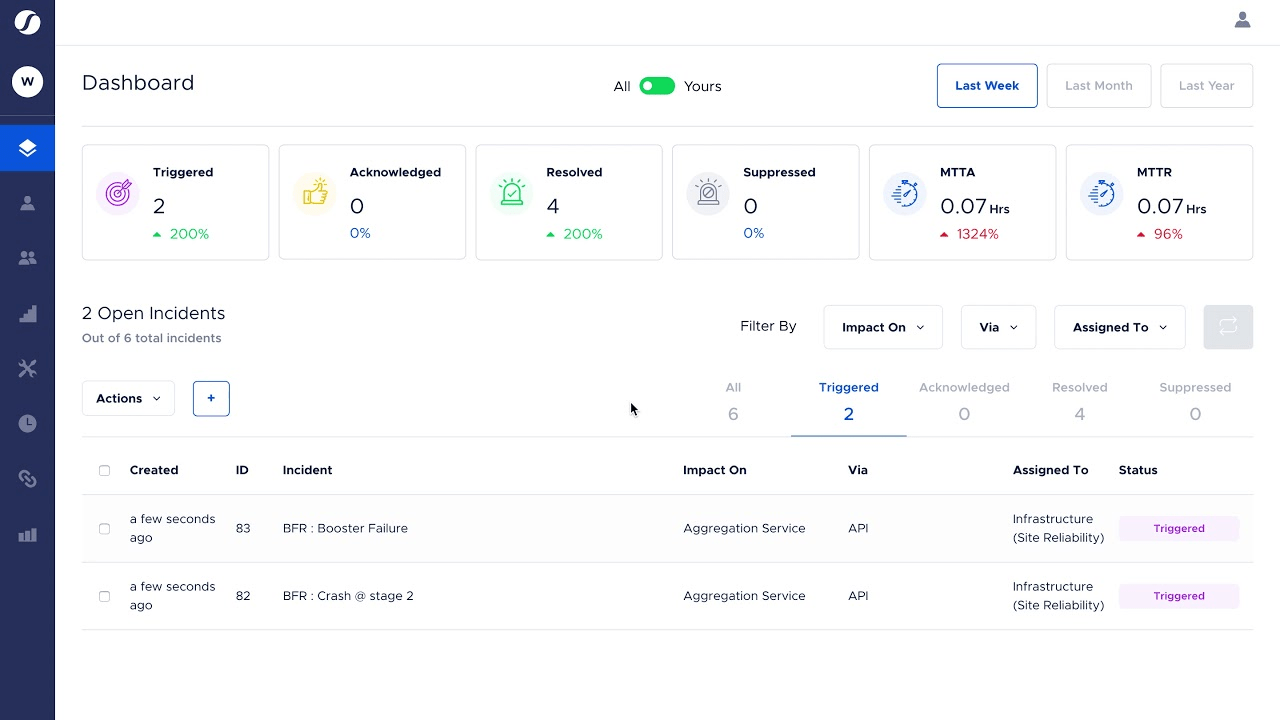
| Splunk On-Call | Intelligent alert routing, real-time incident response processes, integrations with observability and monitoring tools | DevOps teams managing critical on-call workflows and real-time incident alerts | Custom pricing |
| Jira Service Management | Agile change management, incident tracking, developer collaboration, integration with Atlassian ecosystem | IT teams practicing DevOps or Agile and needing tight development-service linkage | Free plan available; paid plans start from $19.04/month per user |
| Freshservice | Asset discovery, workflow automation, service catalog, and an intuitive UI | Mid-sized organizations seeking an ITIL-ready, modern service desk platform | No free plan; Paid plans start at $19/month per user |
| PagerDuty | Advanced real-time alerting, intelligent incident response workflows, and automated escalations | Organizations needing reliable digital operations and critical incident resolution | Free plan available; paid plans start at $25/month per user |
| Squadcast | SRE principles with incident management, collaborative response, and on-call scheduling in one platform | Modern engineering teams streamlining alerting and incident response | No free plan; Paid plans start at $12/month per user |
| Opsgenie | Flexible on-call scheduling, powerful alert routing, and native integrations with Atlassian and third-party tools | Teams seeking highly customizable alerting within Atlassian ecosystems | Free plan available; paid plans start at $11.55/month per user |
| SolarWinds Service Desk | Incident, asset, and change management with reporting dashboards and a user-friendly portal | IT departments needing scalable service desk solutions with strong CMDB features | No free plan; Paid plans start at $39/month per user |
| iTop | A complete CMDB, incident and change management, SLA tracking, and a customizable open-source core | Teams looking for a free, open-source, and configurable ITSM framework | Custom pricing |
| GLPi | IT asset inventory, helpdesk operations, plugin extensions, and compliance tracking | Organizations preferring open-source asset and service management systems | No free plan; Paid plans start at $21.73/month |
| BigPanda | AI for event correlation, alert noise reduction, and unified incident dashboards for operational awareness | Enterprises managing large-scale infrastructure with heavy alert volumes | Custom pricing |
| Ivanti Service Manager | End-to-end service and asset management, self-service incident command centers, automation, and mobile access | Enterprises needing flexible ITSM tools with workflow and endpoint integration | Custom pricing |
| TOPdesk | Intuitive incident and change management, a knowledge base, and strong self-service portals | Educational institutions and public sector teams needing approachable ITSM tools | No free plan; Paid plans start at $76/month per user |
| NinjaOne | Remote monitoring, automated patching, endpoint backup, and RMM capabilities in a simple interface | MSPs and IT teams managing remote endpoints and providing proactive IT services | Custom pricing |
Here are some of the important factors to consider when picking an incident management system software:
Let’s take a detailed look at the best incident reporting software:
Our editorial team follows a transparent, research-backed, and vendor-neutral process, so you can trust that our recommendations are based on real product value.
Here’s a detailed rundown of how we review software at ClickUp.
Teams today are dealing with multiple projects, knowledge, and communication scattered across disconnected tools, which slows them down.
ClickUp fixes this with the everything app for work, which combines projects, knowledge, and chat in one place—all powered by AI that helps you work faster and smarter.
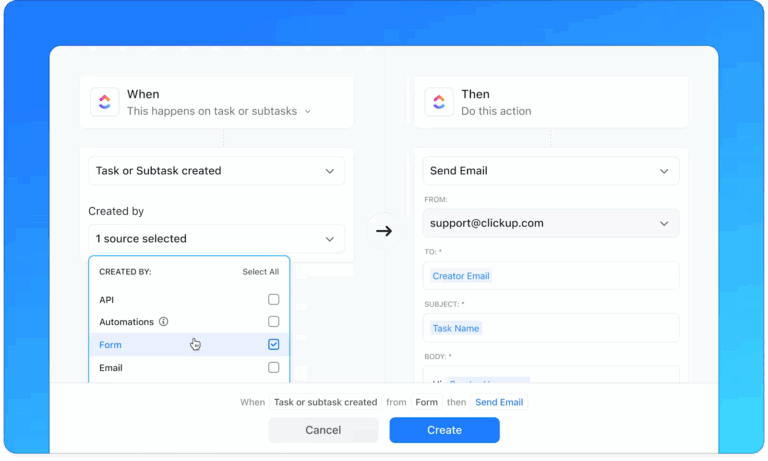
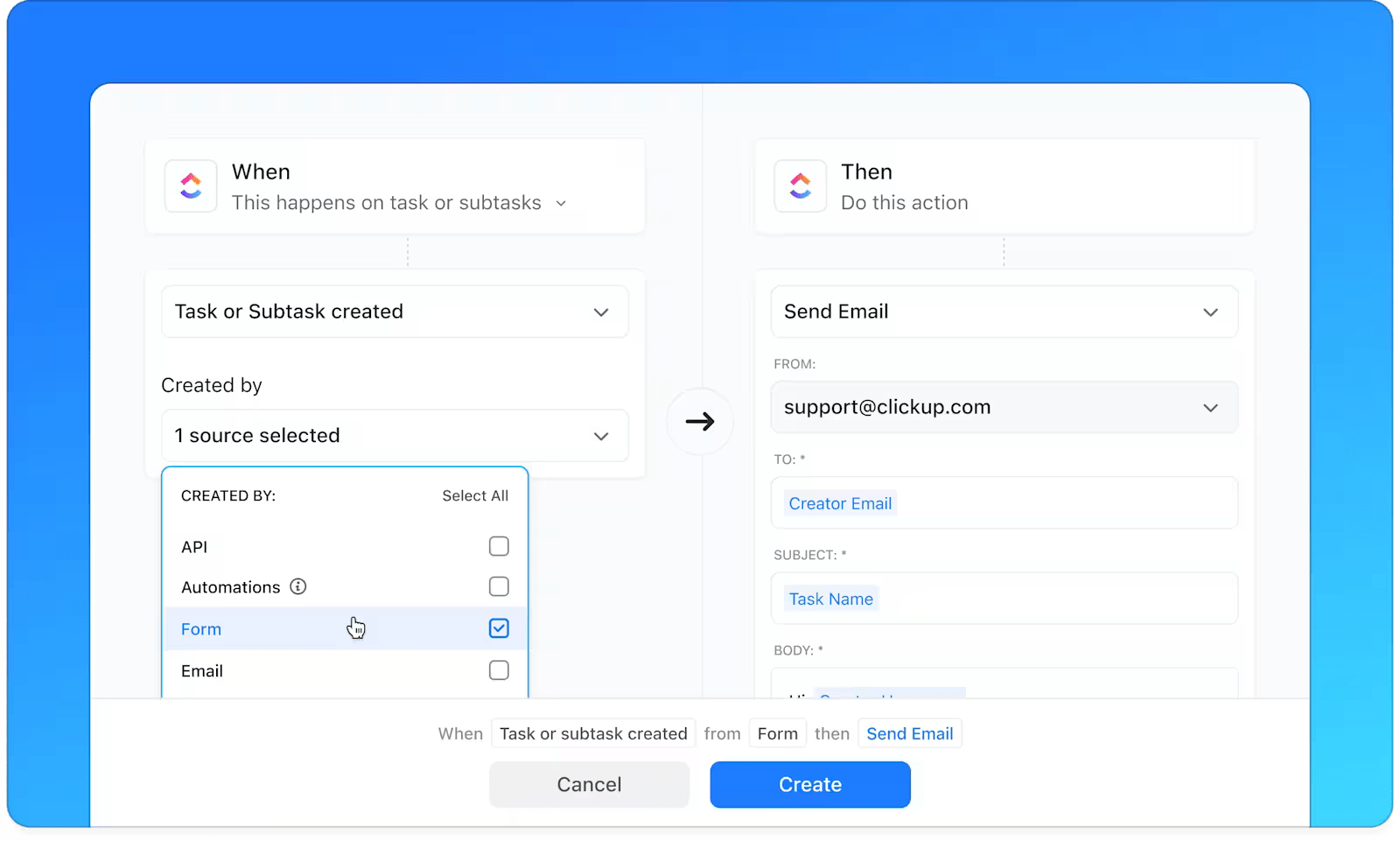
Whenever an incident occurs, intelligent ClickUp Automations log and triage them, break the issue into subtasks, assign them to different owners, and track real-time progress.
They also set task priorities and populate custom fields with descriptions, tags, and due dates to keep all the required info in one place. With time tracking and task dependencies, nothing gets missed.
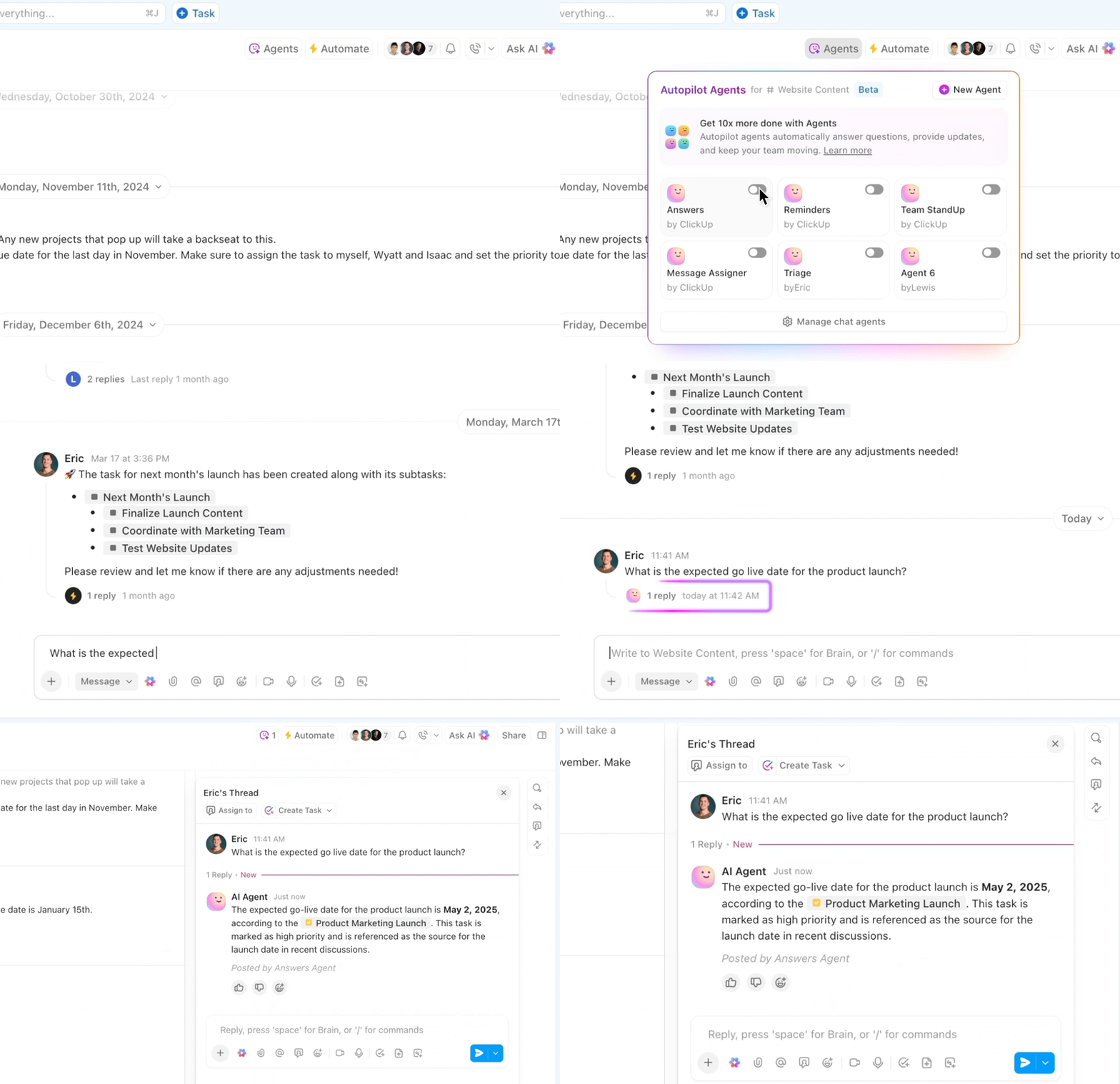
And with ClickUp Chat, conversations happen right where the work is, so everyone stays on the same page. Start chats from specific tasks (or vice versa), tag co-workers with @ mentions, share your screen over a video call, and employ AI Agents to quickly bring team members up to speed on what’s happening.
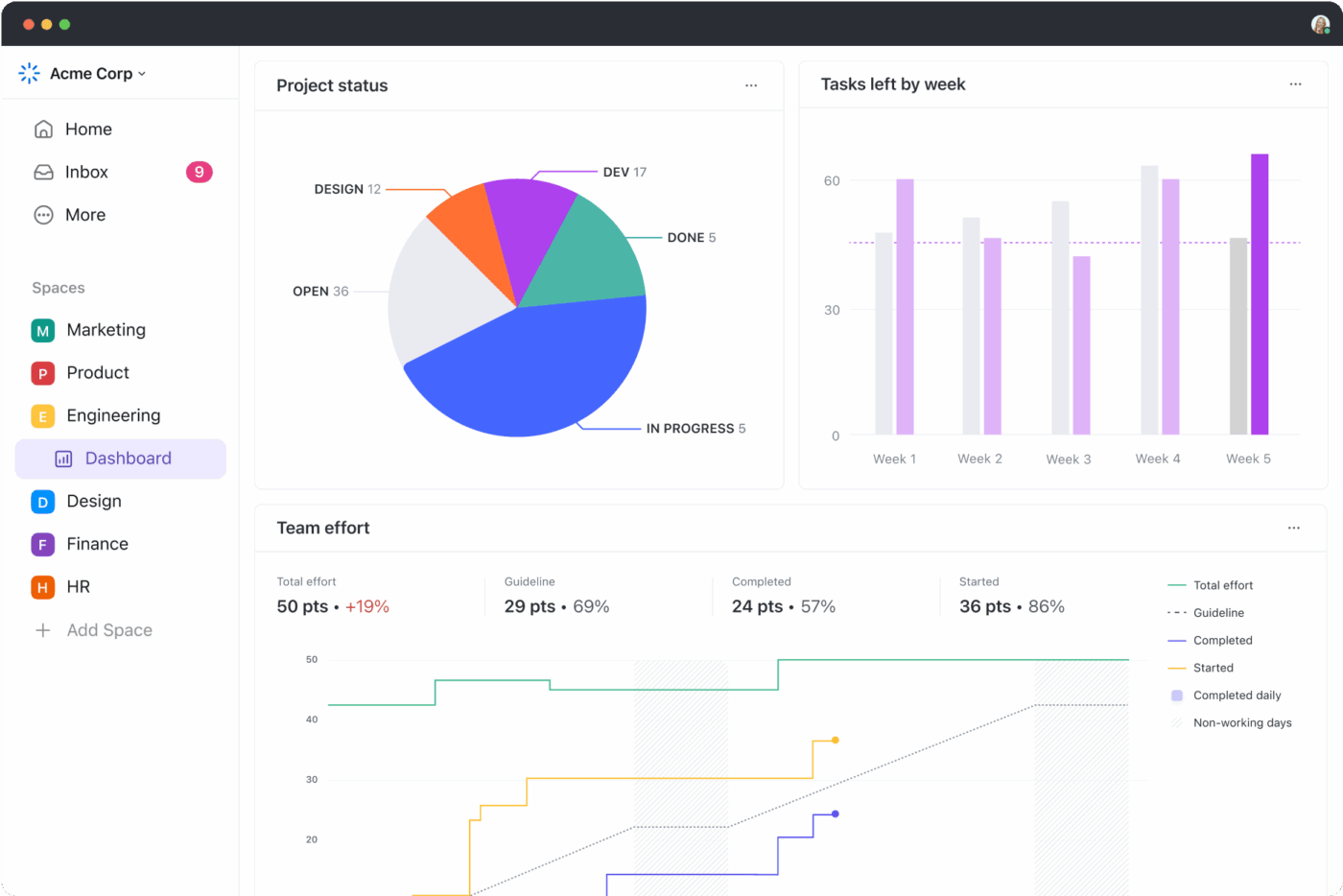
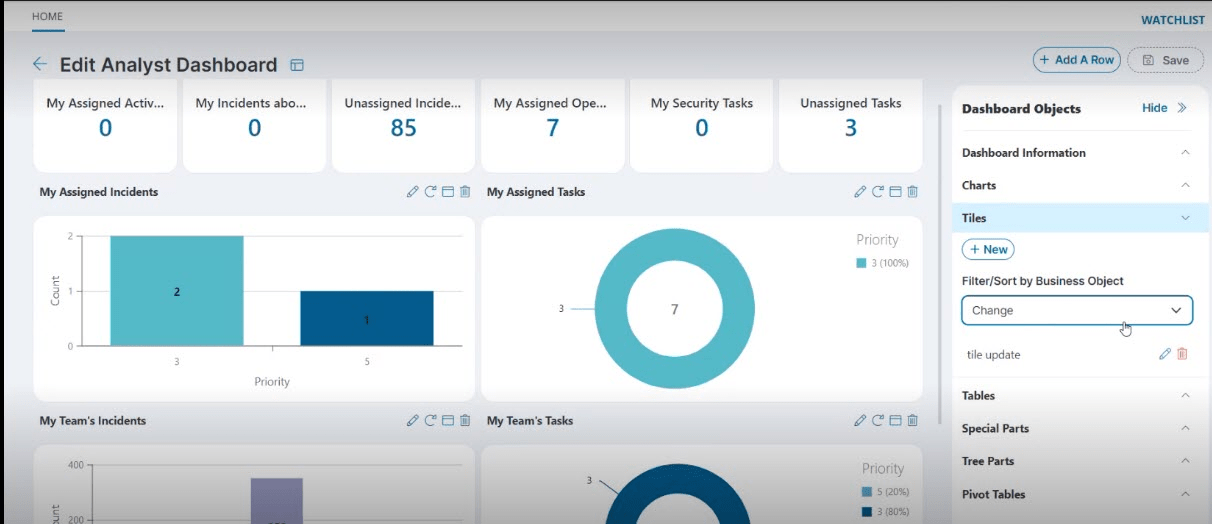
Now layer in ClickUp Dashboards, and suddenly your incident data transforms into powerful visuals.
Want to monitor escalated incidents or see root-cause trends over the last 30 days? Set the filters, and the dashboard will do the rest.
But what truly elevates incident management is ClickUp Brain, the platform’s built-in AI engine.
ClickUp Brain can analyze your data, uncover patterns in incident frequency, suggest likely root causes, or even generate risk summaries from project activity.
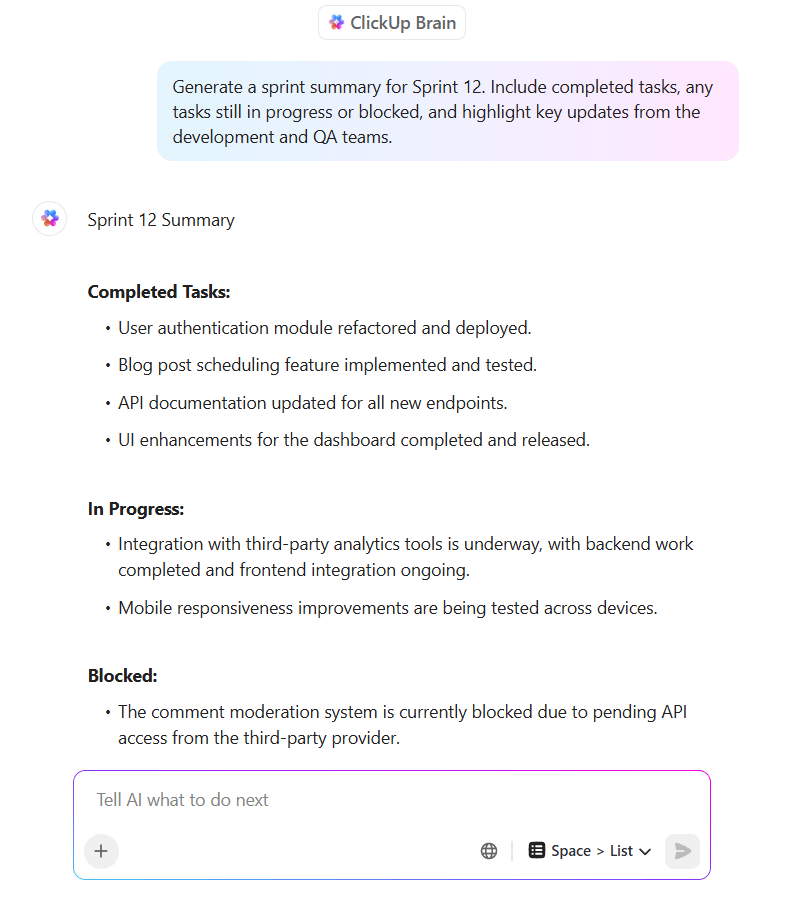
Instead of manually digging into reports, let AI identify bottlenecks, inefficiencies, or repetitive issues that need your attention. Ask questions like ‘Which team resolved the most incidents this month?’ or ‘What’s the trend in downtime alerts? ’, and get immediate, contextual answers based on live workspace data.
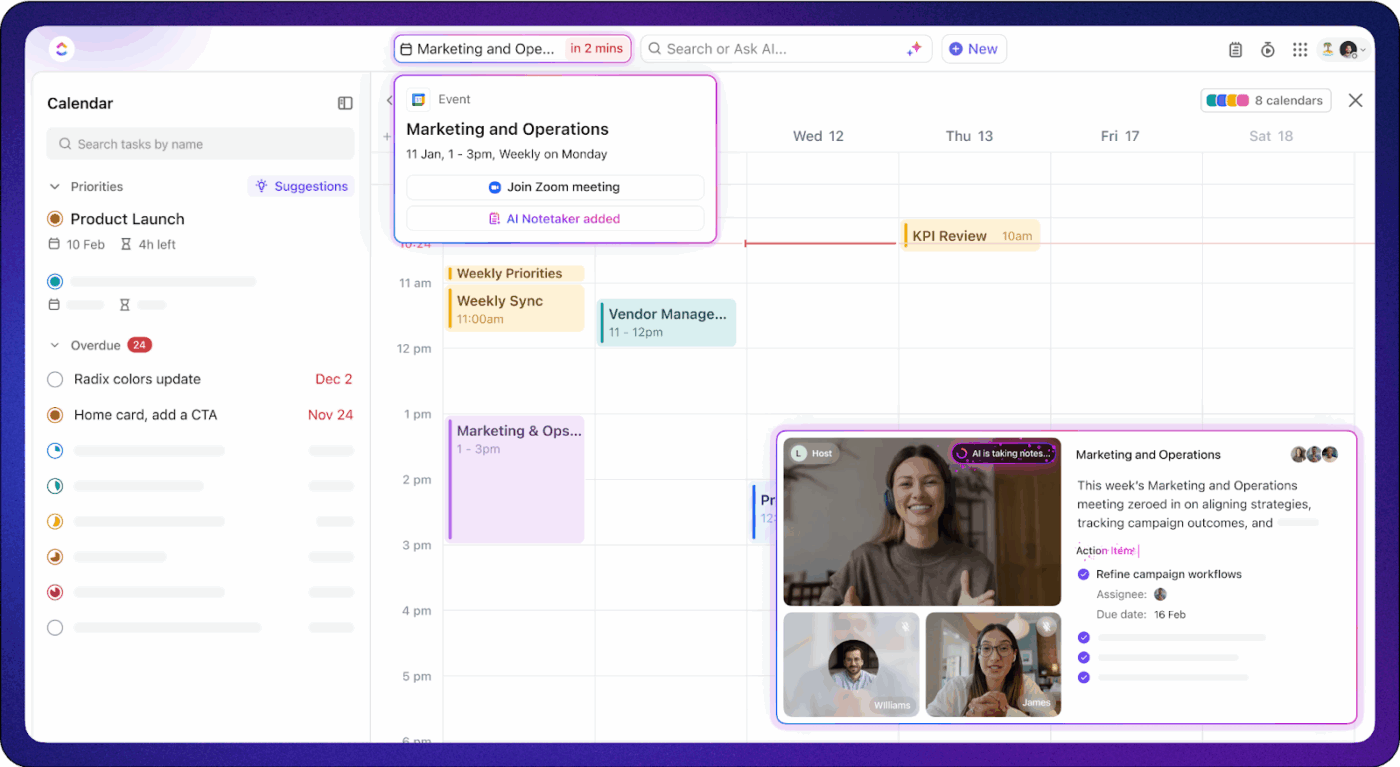
In critical meetings, the ClickUp AI Notetaker captures every detail by automatically recording, transcribing, and summarizing the discussion. It intelligently pulls out action items and instantly creates tasks, complete with owners, due dates, and links to relevant incident tickets.
This provides immediate clarity and alignment for everyone, ensuring no follow-up is missed.
And if you don’t want to design your workflow from scratch?
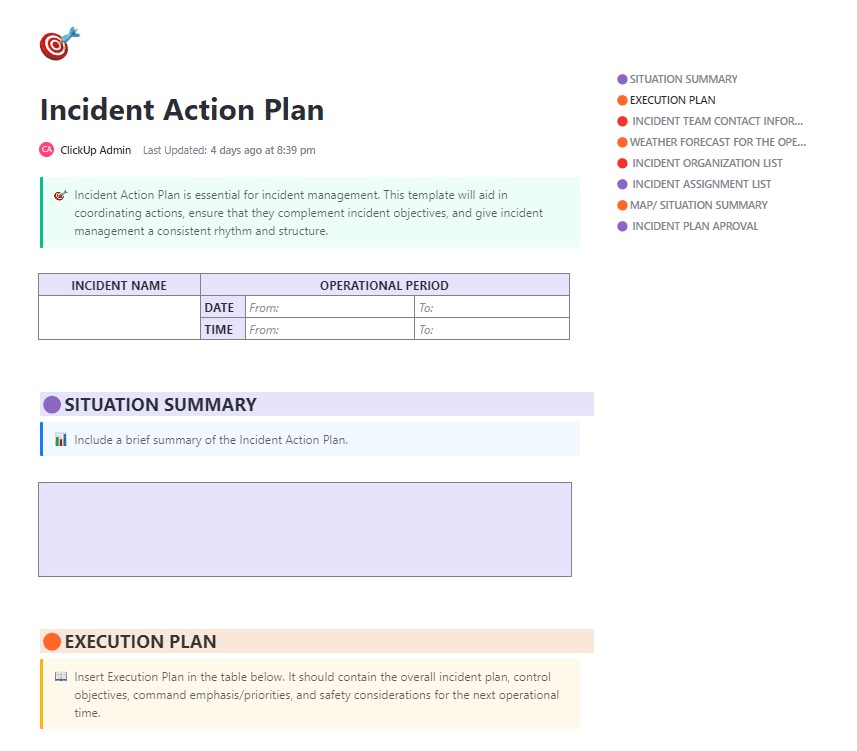
The ClickUp Incident Action Plan Template is a comprehensive, color-coded tool that brings structure and clarity to incident response.
Additionally, the ClickUp IT Incident Report Template is ideal for quickly logging and resolving technical disruptions. It captures critical incident details using clearly labeled custom fields, and structured subtasks ease progress tracking.
This G2 review sums it all:
One of the standout additions is the AI tool, ClickUp Brain. It’s transformed how I manage tasks and projects by automating routine processes and providing intelligent suggestions, saving me considerable time and effort
If you’re an operations leader, ServiceNow can help you bring order to your workflows. It makes it easier to standardize incident management processes and cut down on those frustrating gaps between teams.
This incident management solution can automatically categorize, prioritize, and route incidents based on their potential impact and urgency, without manual intervention. This intelligent assignment, combined with features like AI-powered recommendations and self-service portals, significantly reduces the time to resolution.
With incident, change, and asset management all under one roof, you get a clear, real-time view of where bottlenecks are happening and how different parts depend on each other.
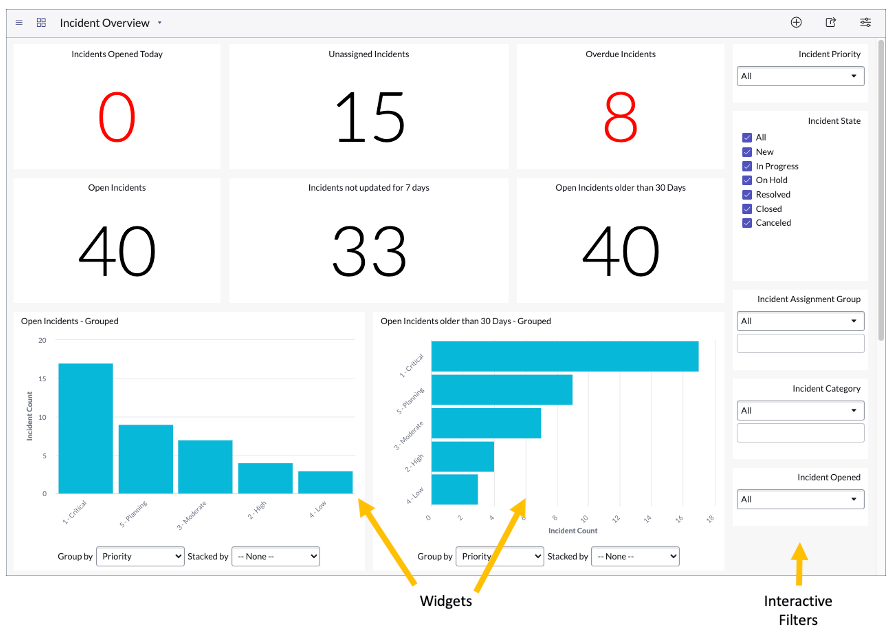
You can set up custom dashboards to monitor important metrics like service performance, team workloads, and outage trends. Its scalability helps coordinate large, cross-functional operations with complex workflows.
This is how one user described their experience:
ServiceNow IT Service Management has been around since the very beginning of the platform 20 years ago. It has been constantly evolving to accommodate any new ways of handling IT Service Management processes, such as Incident management, major incident management, change, problem, request. It comes with a ton of pre-built, but also customizable functionalities for the different personas, ranging from IT Service managers, support staff, agents, admins, executives, etc. on a daily basis. The different interfaces like the Service Operations Workspace and the out-of-the-box reports are really valuable for a quick bootstrap, that will be fully functional since day one. It is easy to deploy with minimum or no customization.
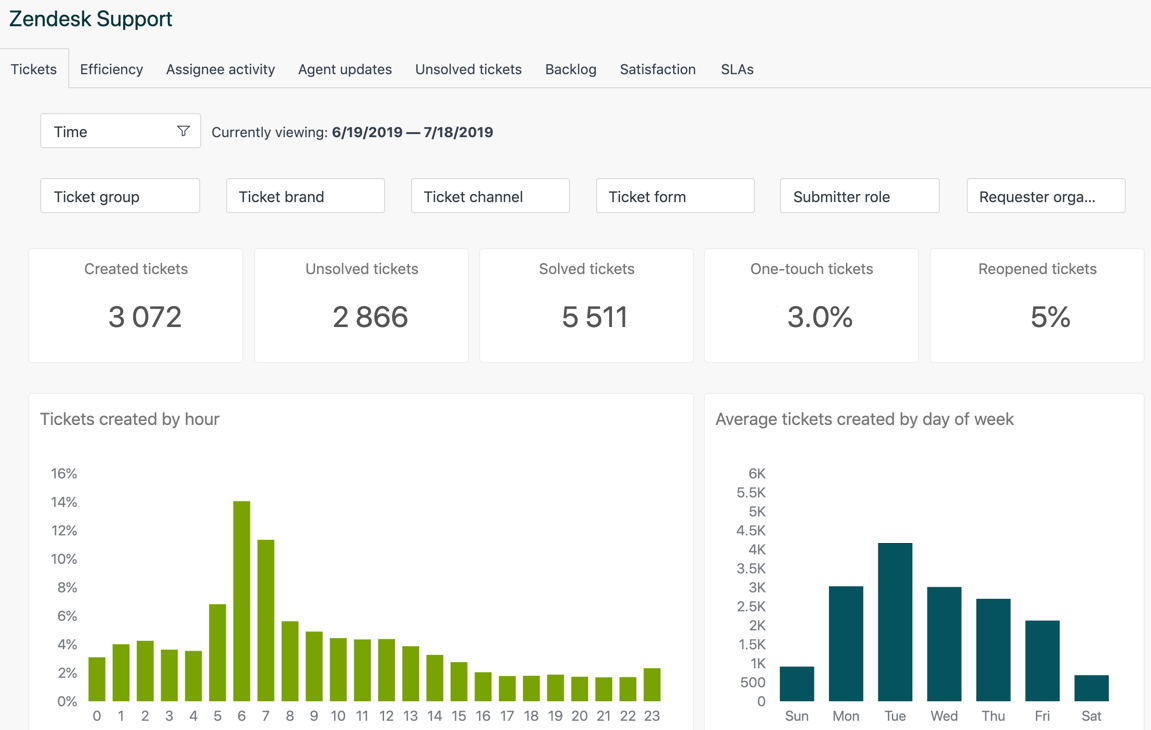
Zendesk is built around fast and organized ticket resolution, providing support teams with a clear and customizable workspace to manage customer interactions.
Features like Triggers and Automations allow IT teams to set up complex workflows without needing a developer—automatically routing tickets, sending notifications, and escalating issues based on predefined rules.
Zendesk’s AI capabilities automate large parts of the query resolution process, making teams more productive. The Copilot add-on speeds up agent response times with recommended next steps and contextual insights.
You’ll find macros and a searchable knowledge base handy for answering common questions quickly. And if you want to tweak or expand Zendesk, Zendesk Sunshine, and 1200+ ready-made apps and integrations, let you customize without needing to code.
One review puts it this way:
Zendesk’s omnichannel capabilities are genuinely impressive — being able to handle emails, chats, calls, and social messages all from one unified agent workspace reduces clutter and boosts response time. The automation features, like triggers and macros, save tons of manual effort. Integration with third-party tools (like Jira, Slack, and Shopify) is seamless, and the reporting dashboard gives real-time insights that help us make data-driven decisions.
📖 Also Read: Best Zendesk Integrations
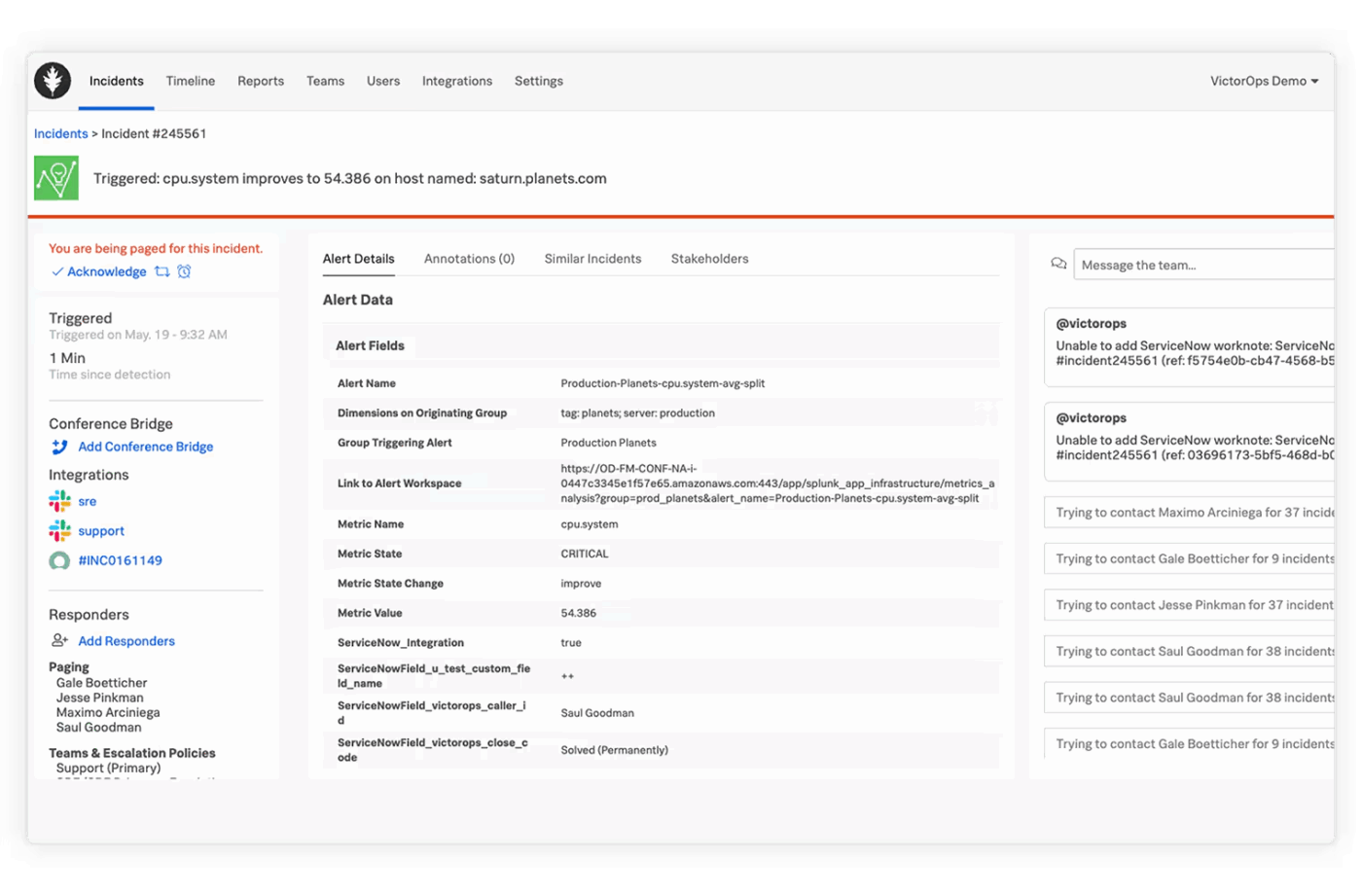
Splunk On-Call makes DevOps project management smoother by automating alerts and giving you all the context you need. Unlike traditional ticketing systems, this incident tracking software focuses on intelligent alerting and real-time incident response.
It hooks into your monitoring tools and sends real-time alerts based on flexible routing and on-call schedules. When something goes wrong, your team gets alerts packed with runbooks, logs, and timelines, and no time is wasted hunting for info.
You can acknowledge, escalate, or resolve incidents right from your phone or chat app. Finally, it tracks incident trends and team response times, helping you spot areas to improve and keep your systems running reliably.
Straight out of a G2 review:
It has greatly enhanced our incident management process.
The flexibility and configurability of this tool are truly commendable.
The robust notification system ensures that our on-call member never misses the critical alerts which helps us to mitigate the issue as earliest to keep our infra stabilised.
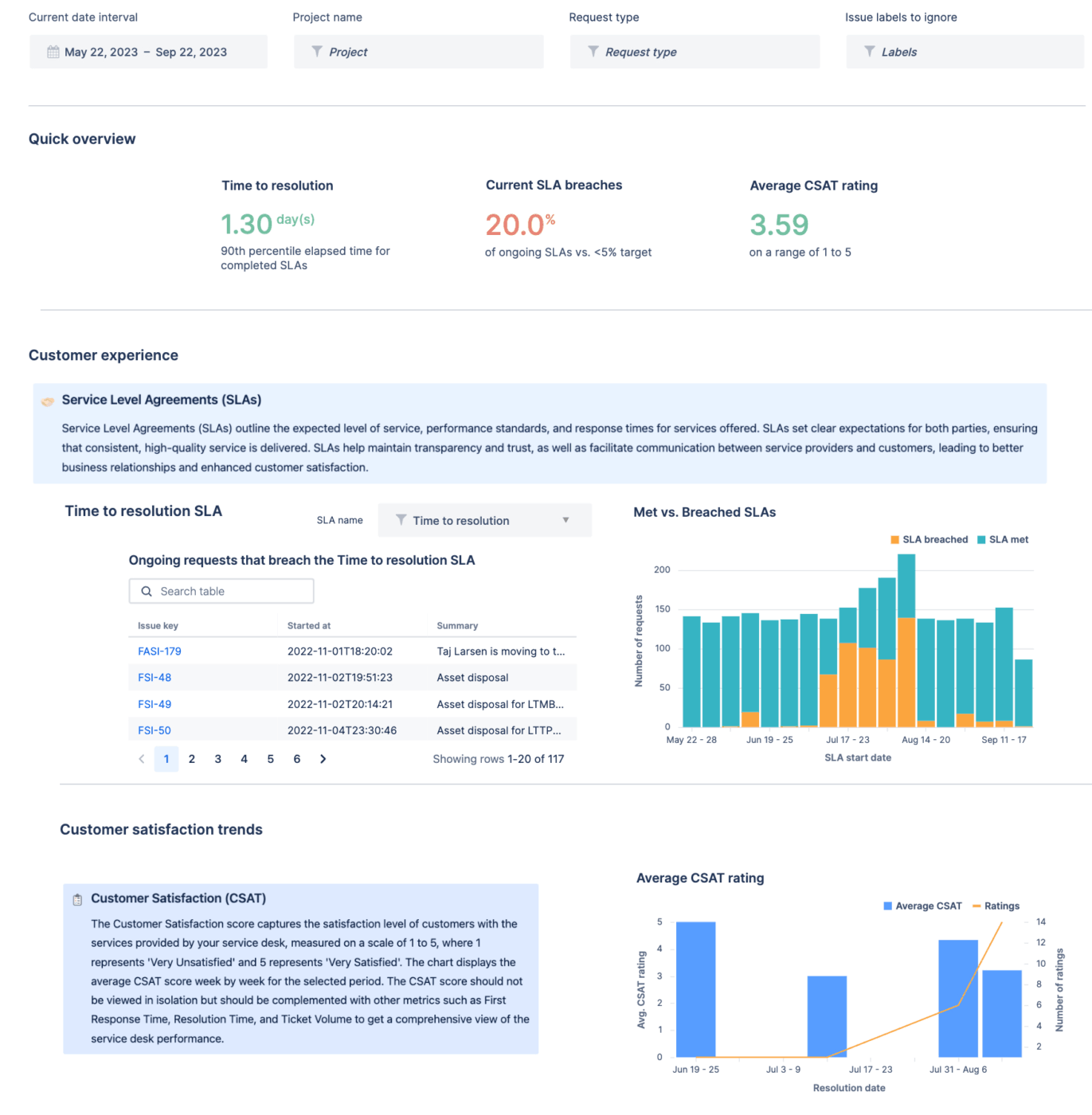
Jira Service Management provides your IT team with a clear, organized way to handle service requests, incidents, and changes. Built on the familiar Jira platform, it lets you track requests from intake to resolution with full visibility and SLA monitoring.
The customizable request portal makes reporting issues simple and consistent, while automation takes care of routine triage tasks. Since it integrates seamlessly with Jira Software, your IT and engineering teams can work together without losing context.
With major incident management capabilities built in, JSM handles everything from on-call scheduling and intelligent alerting to stakeholder communications.
If you’re already using Atlassian tools, this seems like a natural next step in streamlining your service delivery.
A user shared this feedback:
What I like best about Jira is its flexibility. You can easily set up Scrum or Kanban boards tailored to your team’s workflow, and even create lightweight business boards when you don’t need all the complexity
📖 Also Read: Best Jira Alternatives & Competitors for Agile Teams
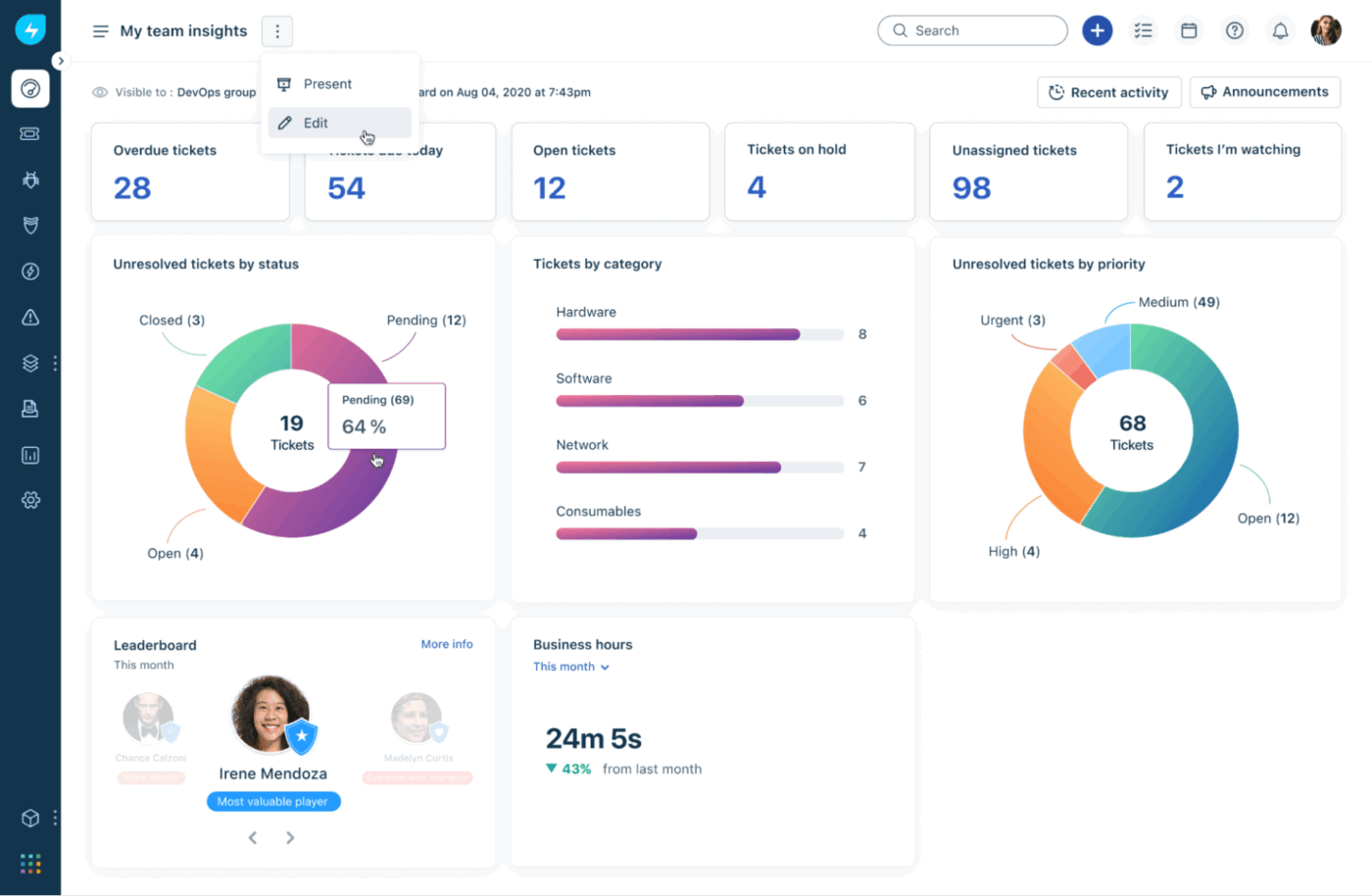
Freshservice makes it easier for compliance managers to enforce change control, access policies, and stay audit-ready without disrupting day-to-day IT work. It offers approval workflows, asset tracking, and ready-to-use documentation templates that follow ITIL best practices.
Every change, incident, and user action is logged with timestamps to make your audits straightforward. And with role-based access and configuration controls, you can ensure that only authorized users can make system changes.
Freshservice’s Freddy AI handles repetitive tasks like categorizing tickets, suggesting relevant knowledge base articles to agents, and even deflecting common queries with automated responses. Its no-code workflow automator allows IT teams to easily set up rules for routing, approvals, and SLA management.
Here’s a first-hand perspective:
The ease of deployment for Freshservice was great. We were quickly up and running and the automation features are really good. They have recently also improved the AI capabilities which is good to see and constantly seem to improve the product.
📖 Also Read: Best Freshdesk Alternatives and Competitors
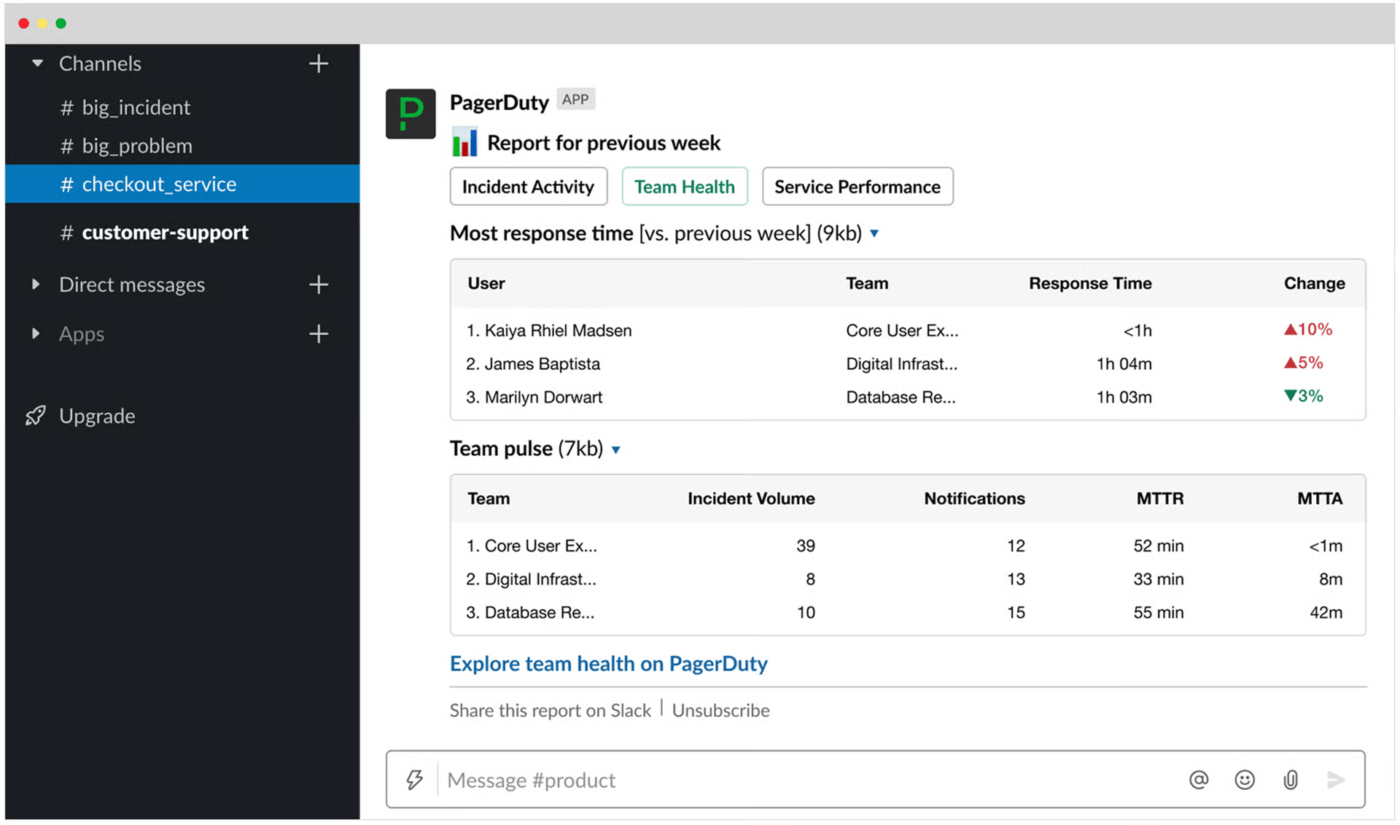
PagerDuty helps your DevOps team respond to incidents faster by plugging directly into your CI/CD pipelines and monitoring tools. It automatically spots issues and sends alerts to the right people based on your custom escalation rules.
During outages, features like automated runbooks, clear service ownership, and response playbooks keep your team on track and speed up recovery. Plus, integrated AI and AI agents help provide context to service agents while also resolving the simpler issues immediately.
Additionally, with built-in integrations for tools like GitHub, Kubernetes, and Jenkins, you can stay in control and keep full visibility across the entire development lifecycle.
See what this reviewer had to say:
I like how Pagerduty sets up conventions for handling incidents, and the way they expose information to users. In terms of support, it’s a relief having a tool like this producing alerts for our services. It integrates out of the box very well with the most recent telemetry tools, and its UI is very intuitive and easy to use
Squadcast brings alerting, collaboration, and automation into one streamlined workflow to help your IT team stay on top of incidents. It connects with your monitoring tools and routes real-time alerts to the right responders based on on-call schedules and service ownership.
What makes Squadcast stand out is its focus on SRE practices, with SLOs (Service Level Objectives) and SLIs (Service Level Indicators) built right into the process. The built-in communication tools keep everyone in sync during outages, and status updates help the whole team stay aligned.
With Reliability AI to reduce noise and provide intelligent insights and summaries, teams on the Enterprise plan can make informed decisions and reach resolutions faster.
After the incident, the software even generates detailed bug reports automatically, making it easier to learn from issues and improve your response over time.
One review puts it this way:
As stated in the title, the functionalities provided in the platform work very well: the interface is aesthetically pleasing, easy to use and understand, the presentation of the flow in which tickets and issues are escalated is very clear.
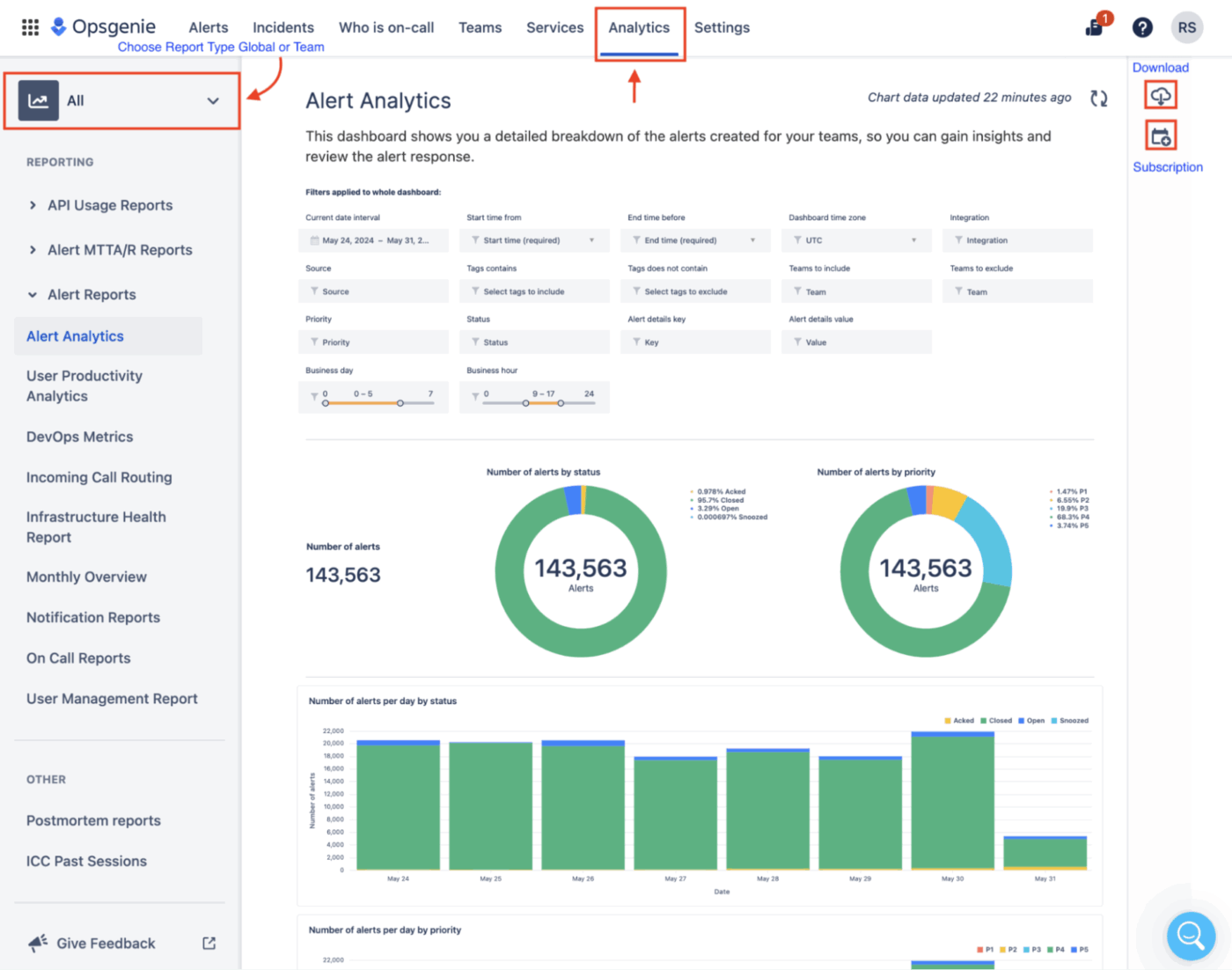
Opsgenie offers you a clear view of incident activity, team responsiveness, and service reliability in one place. Its flexible alert routing and deep integration with Atlassian tools like Jira and Statuspage make it easier to manage every stage of an incident, from detection to resolution and follow-up.
The platform excels at managing complex on-call schedules, rotations, and escalation paths, providing flexibility for teams of any size.
You can set custom alert rules to make sure the right team is notified every time. When major incidents hit, built-in reporting and coordination tools help your teams respond faster and with less friction.
A quick snippet from a real user:
What I like best about Opsgenie is that it automates all my incident processes. I don´t have to worry about if my team got the alerts or is assigned correctly, Opsgenie manages all that for me in a simple way.
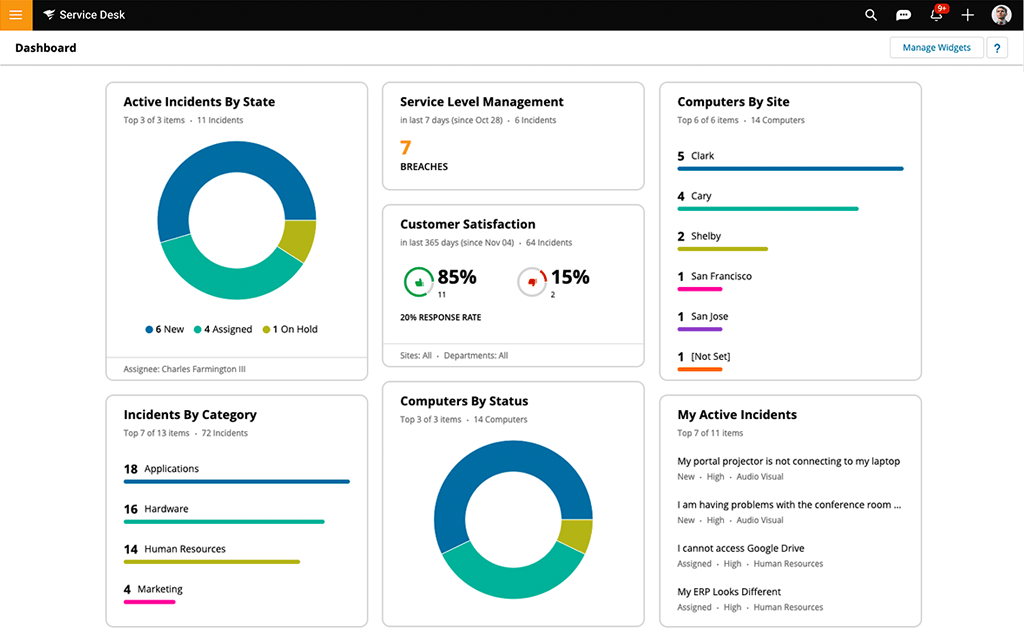
SolarWinds Service Desk helps compliance managers maintain clean, auditable records of all IT service activity. It automatically logs every request, change, and incident with timestamps, access history, and documentation, so your audit trails are always in place.
The platform’s key strength lies in its deep integration with IT asset management. When an incident is reported, agents can immediately see a full picture of the associated user’s hardware, software, and other configuration items, which provides critical context for troubleshooting.
Change approvals are built into the workflow, and smart automation keeps ticket categorization consistent with your service policies. Need to track HIPAA, GDPR, or ISO requirements? Just tailor the fields to match.
You also get built-in cybersecurity risk assessments for changes, giving you a clear view of potential security impacts before they become problems.
According to one reviewer:
It offers a wide range of functions, such as incident tools and an employee support site. In addition, the user interface is simple and clear.
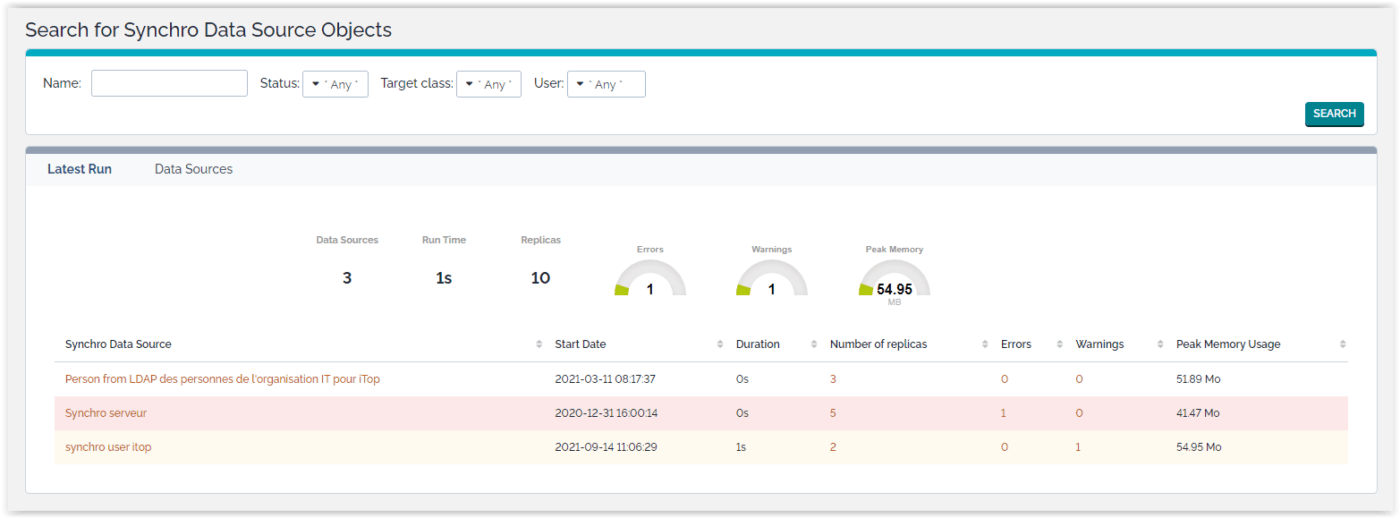
If your team needs full control over how IT infrastructure is documented and managed, iTop’s web-based IT Service Management (ITSM) platform offers a practical approach.
It’s an open-source, self-hosted ITSM and CMDB (Configuration Management Database) solution that allows you to manage ticketing, change tracking, and configuration data without the limitations of a typical SaaS tool.
The flexible CMDB lets you map relationships between assets, applications, users, and incidents. And because it’s highly customizable, it’s a strong fit for teams with strict processes or data control requirements.
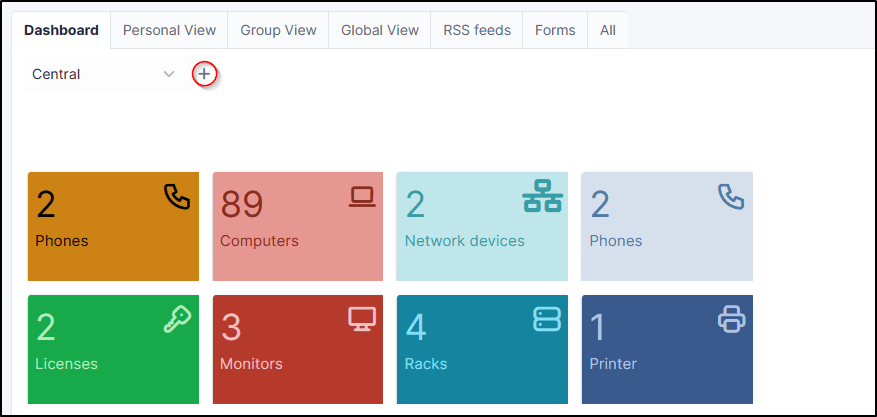
GLPI is a solid choice if you want full control over IT assets and services without the burden of licensing costs. This open-source platform integrates inventory tracking, request and incident management, and contingency planning into one interface.
You can document everything from hardware and software to network gear and contracts, then tie those assets directly to service tickets to speed up troubleshooting. A built-in request portal and knowledge base can help you cut down on repetitive queries.
From an operational standpoint, GLPI functions as a classic service desk. Users or automated systems can generate tickets, which can be categorized as incidents or requests. These tickets are then managed through a structured lifecycle, with support for SLAs, prioritization rules, and automated actions.
While the interface is basic compared to commercial tools, its modular design and plugin support allow customization to fit local needs.
A user shared this feedback:
GLPI is an extraordinary IT asset and IT service management system. One aspect that stands out the most is that it is a free and open-source application used to track and manage our organization’s IT assets, such as computer equipment, mobile devices, software and network services.
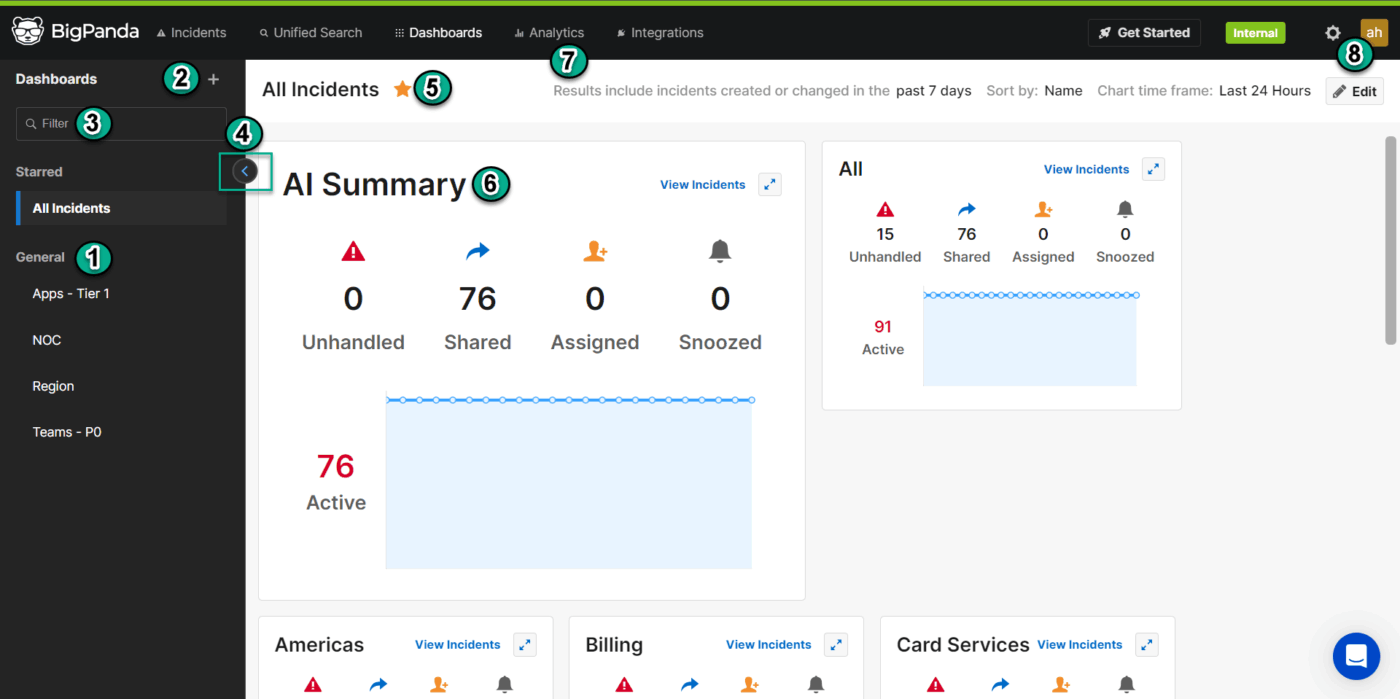
BigPanda is an AIOps and incident intelligence platform designed to help enterprises manage the overwhelming volume of data and alerts generated by modern IT environments.
The software helps you stay focused when alerts are flying in from every direction. By pulling data from all your monitoring tools and turning it into clear, actionable incidents, it cuts through the noise and helps you see what actually matters.
Its machine learning capabilities group related alerts, pinpoint root causes, and filter out the clutter, so your team can identify patterns across infrastructure and more effectively allocate response efforts.
With dashboards focused on incident trends, team performance, and platform health, IT operations management software provides the visibility needed to spot systemic issues and improve operational efficiency at scale.
Straight from a G2 review:
We love that BigPanda can easily integrate with our external software to consolidate data and incident notifications. Customer support is very responsive to our inquiries and support tickets.
Ivanti Neurons for ITSM makes compliance effortless by tracking every change, approval, and user action automatically. Its role-based permissions, automated compliance reporting, and built-in change management protocols help you meet standards like ITIL, SOX, or GDPR.
Its visual workflow designer allows IT departments to build detailed, no-code/low-code workflows for incident routing, approvals, and resolution tasks. Its ability to unify ITSM with Ivanti’s other endpoint management and security products allows support teams to log and track incidents and take direct action.
The platform’s real-time dashboards provide visibility into audit readiness at any moment, eliminating the need for a separate tool.
This is how one user described their experience:
Out of the box, Ivanti Neurons for ITSM is a good product. But we’ve found it to be very versatile and highly customizable to our environment. We’ve built integrations to automate things like employee onboarding and offboarding and other routine tasks. Customer support engineers are responsive and helpful.
📖 Also Read: Free Contingency Plan Templates in Word and ClickUp
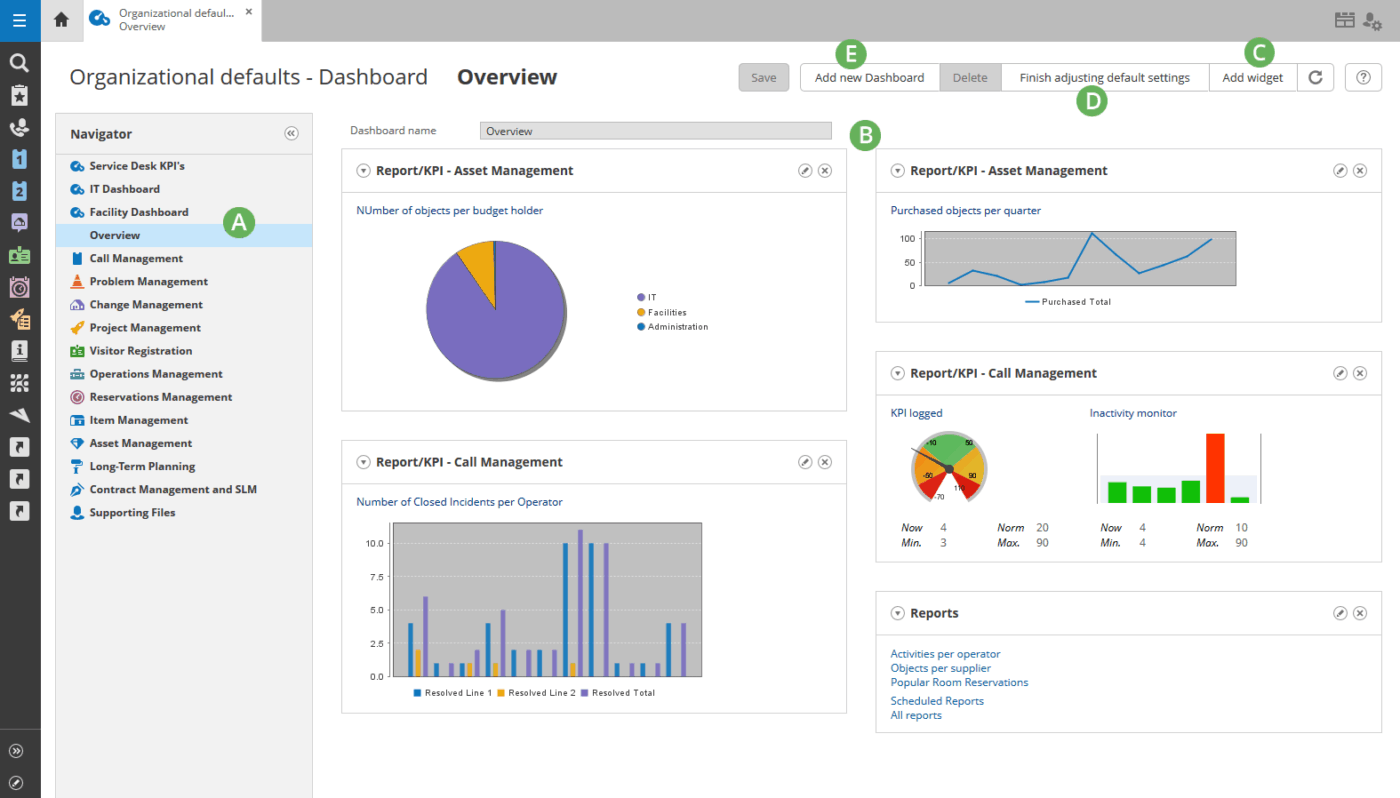
TOPdesk is a comprehensive service management platform known for its emphasis on user-friendliness.
It simplifies service desk operations for support teams by combining ticketing, asset management, and knowledge base tools in one place. When a user reports an issue, you can instantly connect it to past problems, templates, or related equipment to speed up fixes and cut down on repeated work.
A key differentiator is its shared service management model, which allows departments like HR and Facilities to manage their own case types and workflows within the same platform.
Your team can easily assign tasks, share notes, and escalate cases without jumping between tools. Meanwhile, TOPdesk tracks response time and satisfaction ratings, giving you the data to boost your team’s performance.
A quick snippet from a real user:
TOPdesk is ideal, easy to use, and I also get quick answers to questions. It presents spectacular functions which allows me a modular and easily customizable construction.
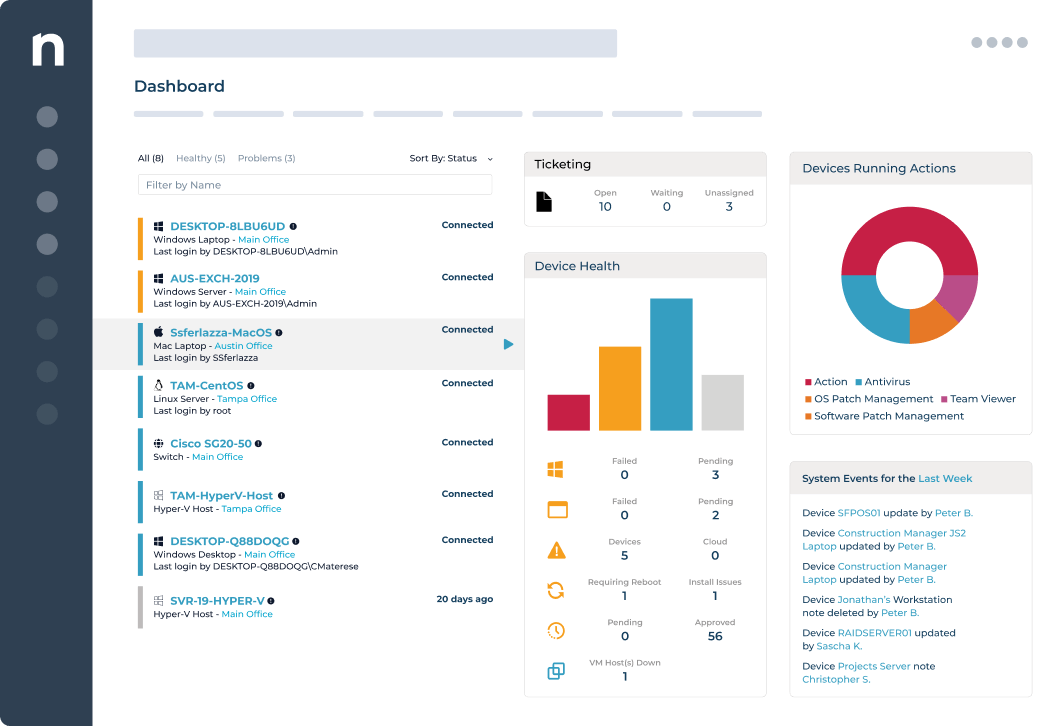
NinjaOne is a unified IT operations platform that tightly integrates remote monitoring and management (RMM), endpoint management, and helpdesk ticketing.
It puts IT teams in control of every device, no matter where they’re located. It simplifies endpoint management by automating patching across Windows, macOS, and Linux, and lets you troubleshoot remotely before small issues become big problems.
With real-time alerts, backup tools, and software deployment all built in, you can streamline operations and reduce reliance on multiple systems. If managing your infrastructure at scale is your priority, NinjaOne gives you the control and coverage you need.
According to one reviewer:
Ease of use, simplicity of using features and the platform performing as expected. There are also frequent feature updates that are taking community feedback and pushing those updates into the product.
No matter how sophisticated your tech stack is, what matters is how quickly and effectively your team can respond when something breaks. The best incident management software gives you visibility, automates workflows, cuts the noise, and keeps everyone aligned from first alert to final resolution.
If you’re looking for a flexible, intuitive platform built for high-pressure environments, ClickUp checks every box.
From customizable task workflows and real-time dashboards to AI-powered reporting and smart meeting notes, it’s a single source of truth for IT, DevOps, and operations teams.
Sign up on ClickUp for free today! ✅

© 2026 ClickUp

There’s an easier way. Try a free AI Agent in ClickUp that actually does the work for you—set up in minutes, save hours every week.