






Still downloading templates?
There’s an easier way. Try a free AI Agent in ClickUp that actually does the work for you—set up in minutes, save hours every week.
Sorry, there were no results found for “”
Sorry, there were no results found for “”
Sorry, there were no results found for “”

India’s digital economy will cross $1 trillion by 2030, with the bulk of new users and transactions emerging in 2026 and beyond. That’s a lot of smartphones, a lot of internet users, and a lot of people who will ignore your ads if you get it wrong.
The basics are shifting.
Voice search is taking over because typing is exhausting. Tier-2 cities have buying power that rivals metros. Influencer marketing has gone from Instagram celebrities to your neighbor reviewing mobile phones on YouTube.
If your strategy still looks like it did two years ago, you’re already behind.
This guide covers digital marketing trends in India, what’s changing, and what you need to do about it. We’ll also look at how ClickUp helps marketing teams execute without losing their minds. 🎯
Indian digital consumers are evolving rapidly. Today, roughly 806 million people in India use the internet, representing approximately 55.3% of the population.
When nearly half a billion are active social media identities, the assumptions around reach, influence, and media mix must change.
Here are the key forces changing how consumers in India discover, evaluate, and purchase:
Indian e-retail has scaled rapidly and is now structurally digital-first. Bain estimates e-retail GMV (Gross Merchandise Value) in India at roughly $60 billion, supported by the world’s second-largest online shopper base.
A PwC study portrays a highly value-conscious shopper, with price, reviews, deals, and customer loyalty benefits consistently serving as decision triggers. Their analysis of festive e-commerce shows that shoppers in tier 2, 3, and 4 locations contribute close to 80% of online sales during peak periods. They also rely heavily on price and reviews during discovery.
Another Bain study highlights how generative AI-powered conversational journeys on messaging apps now support product discovery, clarification, and service at scale for Indian consumers.
For CMOs, this means consumer journeys in India are highly digital, heavily filtered through social and marketplace signals, and increasingly influenced by AI assistants and chat interfaces that simplify decision-making.
🧠 Fun Fact: Advertising goes way back: in ancient Egypt (around 3000 BC), there were papyrus notices offering rewards or advertising goods. Early merchants used them much like we use billboards or classified ads today.
Recent market research indicates a clear preference for homegrown brands that convey transparency.
A YouGov study for Rukam Capital reports that 58% of Indian consumers prefer local or small businesses, and 76% highlight authentic communication and innovative solutions as key loyalty drivers.
That alignment with value and trust shows up in retail as well. For example, the EY Future Consumer Index for India finds 52% of consumers shifting to private label products, with 70% saying quality from these brands has improved.
Content consumption has shifted strongly toward short-form video content and regional language formats. The ‘Bharat’ user base sits at the center of this shift:
📮 ClickUp Insight: 47% of teams don’t measure AI’s impact, and only 10% track outcomes with real metrics.
In many cases, marketing leaders often don’t get to see where AI tools are delivering value, if at all.
ClickUp Brain changes that by bringing AI into one unified workspace where every action, update, and output is connected. And the impact is visible: more than 150,000 companies, including Booking.com, T-Mobile, Logitech, IBM, and Fortinet, use ClickUp Brain to drive measurable results.
Teams report up to 88% cost savings, 1.1 days saved per week, and 3x faster task completion, because Brain replaces dozens of disconnected tools with one AI that works across their entire workflow.
WPP’s latest ‘This Year, Next Year’ forecast estimates that India’s ad market will reach close to INR 2 billion in 2026, growing near 10% each year.
Here are the key trends to track, each grounded in real shifts in behavior. 📝
Quick commerce platforms like Blinkit, Zepto, and Swiggy Instamart have built sophisticated digital advertising infrastructure that now competes with Google and Meta.
Brands can target customers browsing for groceries at 11 p.m., serving digital ads for products that get delivered within 10 minutes.
The power lies in closing the loop between exposure and purchase.
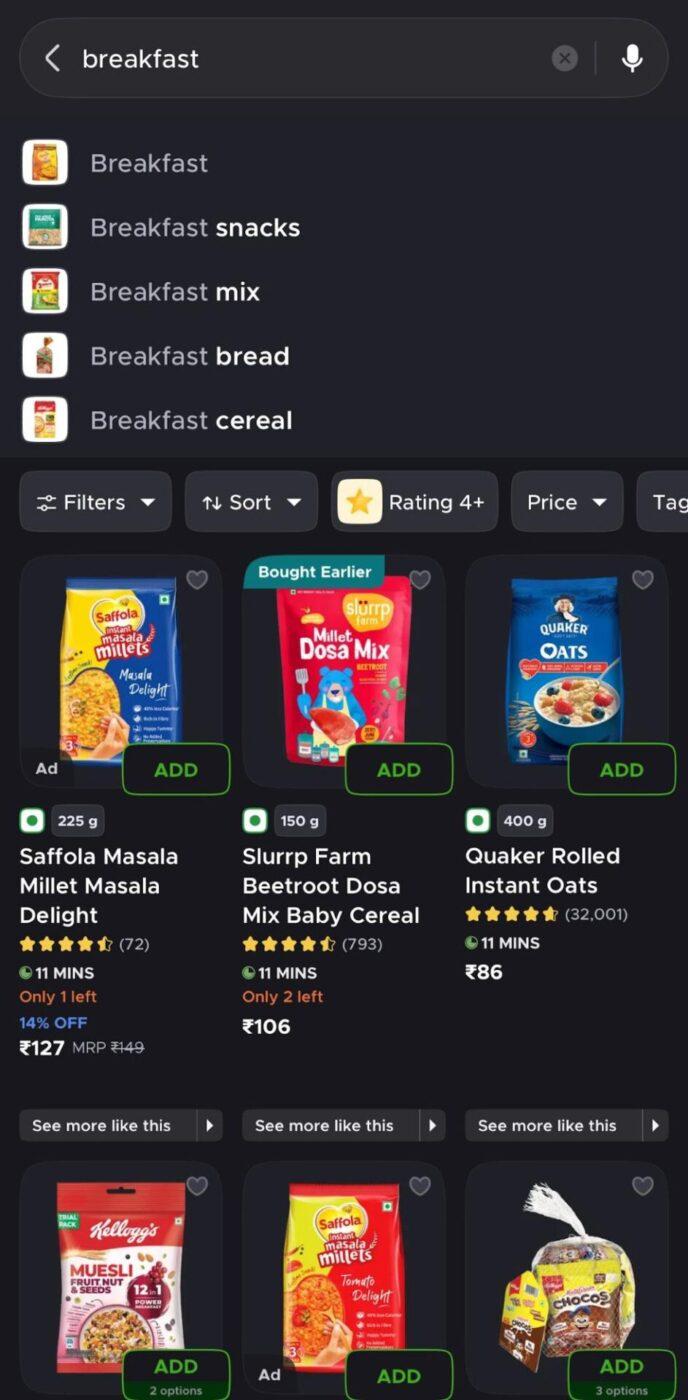
When Marico wanted to boost Saffola Oats sales, they ran sponsored product ads on Blinkit that appeared when customers searched for breakfast items. The campaign tracked impressions through basket additions to checkout, showing exact ROI at the SKU level.
Key advantages driving adoption include:
The brand strategy requires treating retail media as its own channel.
Creative needs to work in small thumbnail formats. Bidding strategies differ from search because the conversion window is minutes rather than days. Budget allocation should reflect that these platforms reach customers ready to buy now, not build awareness for future purchases.
Mamaearth built its brand largely by understanding how Gen Z discovers products. They invested heavily in Instagram and YouTube creator partnerships, letting influencers demonstrate products authentically rather than running traditional ads.
When Gen Z consumers saw creators they trusted using Mamaearth face wash or hair oil, they added those products to family shopping lists.

This demographic researches extensively before buying. They’ll watch five YouTube reviews, check Instagram comments, ask friends in WhatsApp groups, and read Reddit threads before choosing a laptop or skincare product.
Brands that show up across these touchpoints with consistent messaging win the consideration battle.
Gen Z also expects brands to take clear positions on issues they care about.
When Bombay Shaving Company launched campaigns around breaking gender stereotypes in grooming, it resonated because the stance felt authentic. The opportunity lies in building genuine relationships early.
Meesho cracked growth in smaller cities by creating dedicated content in 11 Indian languages. They hired regional content creators who understood local culture and built campaigns around regional festivals, local humor, and culturally relevant situations.
The strategy extends beyond advertising. Zomato’s app interface in regional languages led to measurably higher order frequency from tier 2 cities. When customers could navigate menus, read reviews, and complete checkout in their native language, friction disappeared.
Regional requirements include:
Payment apps like PhonePe take this further with region-specific payment offers. During Onam, users in Kerala see cashback on traditional purchase categories. During Durga Puja, consumers in West Bengal get offers on clothing and jewelry. This localization drives engagement because it reflects how people spend during cultural moments.
Nykaa, a leading marketplace for cosmetics and skincare products, shifted a significant amount of its influencer budget from celebrity endorsements to partnerships with 200+ beauty micro-influencers. Each creator has 10,000-50,000 followers genuinely interested in skincare routines, makeup tutorials, and product reviews.
A Bangalore-based micro-influencer posting about the foundation’s performance in humid weather resonates more with her 30,000 local followers than a celebrity’s generic endorsement reaches nationally. She understands her audience’s specific concerns and addresses them directly.
Performance advantages include:
The execution requires different approaches.

OnePlus built an entire Creator Program, where individuals generate continuous content throughout the year, rather than one-off campaign posts, building sustained visibility.
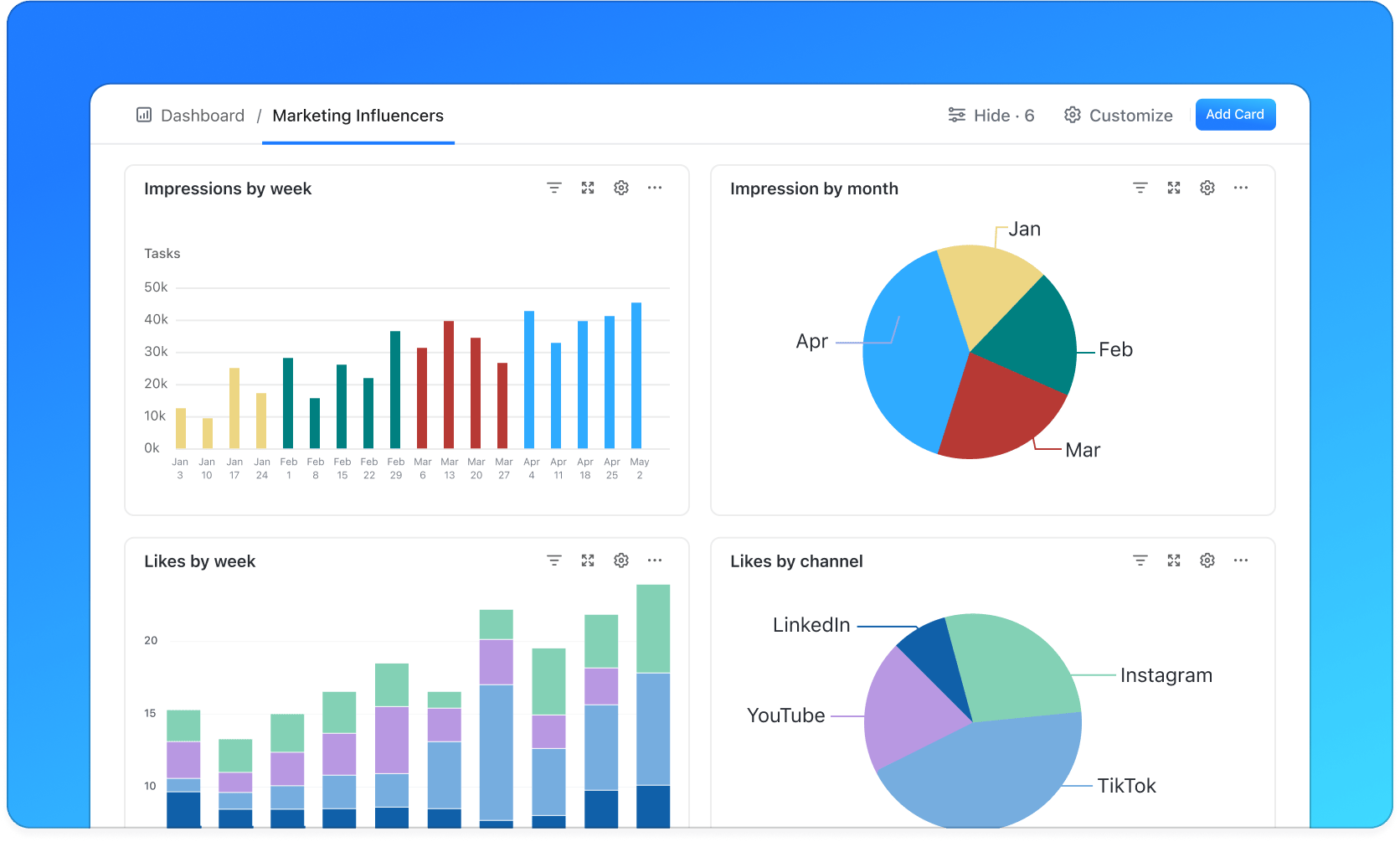
🚀 ClickUp Advantage: Influencer programs often involve dozens or hundreds of small creators, each producing different formats, publishing on different schedules, and attracting different pockets of audiences.
ClickUp Dashboards bring all of that data together so teams can quickly compare output, spot engagement patterns, and understand which creators deliver the strongest return on investment (ROI).
When influencer partnerships run throughout the year, Dashboards act as a continuous performance layer. Brands get a clearer read on what’s working, what needs adjustment, and which creators genuinely move conversions, without digging through fragmented analytics.
The majority of Instagram users in India now discover brands through short-form video rather than traditional posts. This has forced companies to rethink their content approach completely.

Brands like Zomato have built their social presence around Reels. Their #EnjoyLargeMealsOnZomato campaign used influencers to showcase food delivery in relatable, entertaining formats that combined humor with emotional storytelling.
The campaign worked because it matched how people actually consume content on their phones during commutes, breaks, and downtime.
Wakefit took a different approach during the IPL season. They created a humorous Reels campaign and brought in Western influencers fluent in Hindi, like Drew Hicks and Agu Stanley, to make funny content about sleep problems.
This blend of global faces with local language delivered millions of views and shares, showcasing how Reels enable creative experimentation that traditional formats cannot match.
The format requirements differ from other content types:

Tata Cliq uses AI to study what shoppers explore and interact with, then serves products that actually match their intent.
A visitor who spends time checking out tech sees a homepage filled with gadgets that feel spot-on. Someone deep into fashion gets a feed that leans into styles they’ve previously engaged with.
The technology analyzes thousands of data points: time of day, device type, past purchases, abandoned carts, email engagement, and browsing behavior.
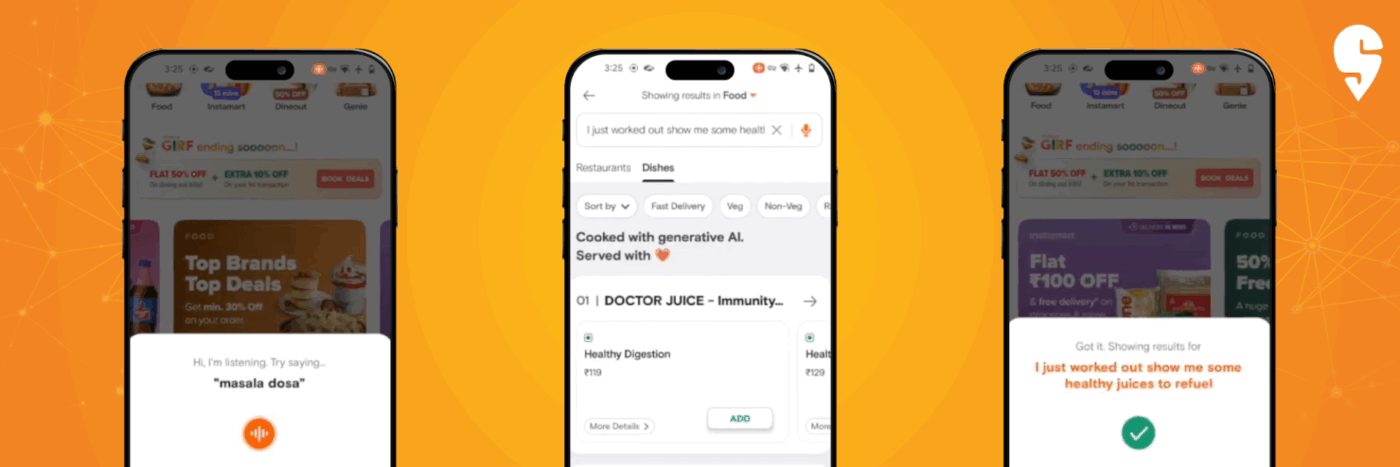
Swiggy’s AI picks up on food patterns and leans into them with restaurant and dish suggestions that feel familiar to each user.
This level of relevance lifts engagement and nudges more customers into ordering, especially when they’re already in a decision-making mood.
Effective applications include:
The foundation requires robust first-party data collection. Brands need customer data platforms to unify information from websites, apps, emails, and offline interactions. Without this infrastructure, AI cannot personalize effectively.
Mamaearth ran CTV campaigns on Disney+ Hotstar for its Ubtan Face Wash. They ran a 30-second story-led ad with Shilpa Shetty Kundra, leaning into the product’s ingredient story, and everything that promises a ‘Shaadi Wala Glow’.
The payoff showed up fast: brand awareness and favorability climbed around 9%, and purchase intent jumped nearly 19%, outperforming typical campaign norms.
The viewing environment matters. CTV viewers typically watch with multiple household members, multiplying the impression value. They’re less likely to switch away during ads because the viewing experience is more intentional.
CTV advantages include:
🔍 Did You Know? Only 32% of marketers say they track traditional and digital media spend holistically, even though campaigns now blend both channels more than ever. It shows how much room there is for smarter, connected analytics.
Over 50% of internet users are expected to use voice assistants by next year, according to industry projections.
The shift matters because voice queries differ fundamentally from text searches. People speak naturally, using longer conversational phrases and complete questions. Voice search is particularly beneficial due to its ease of use in multilingual environments.
Someone might ask, ‘Mere paas me petrol pump kaha hai?’ (Find a petrol pump near me in Hindi) when speaking vs. typing ‘petrol pump near me.’
Digital platforms like Google Assistant and JioSaavn are tailoring voice capabilities to accommodate Indian accents and regional dialects. The tech continues improving as AI models learn from more queries across different speech patterns.
Optimization requirements for voice include:
🔍 Did You Know? ‘Product-first’ thinking is gaining real momentum. 41% of companies now lead with product, a sharp jump from 31%.
India has 853.8 million WhatsApp users, making the country the largest market globally. This massive user base has transformed WhatsApp from a messaging app into a commerce platform.
The shift to conversational commerce is driven by behavior change. Customers prefer messaging businesses at their convenience rather than making phone calls or sending emails.
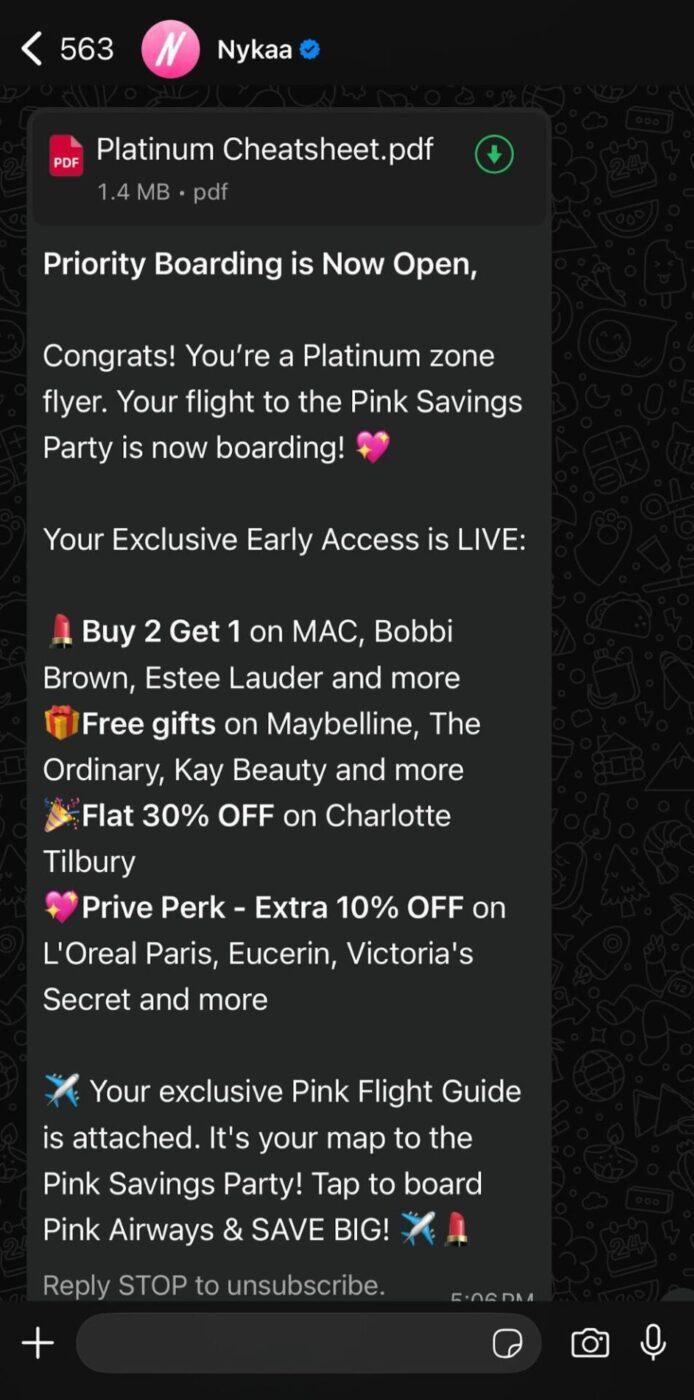
For example, Nykaa uses WhatsApp to send personalized order tracking, product care tips, and style recommendations. The approach works because it transforms post-purchase communication from transactional updates into ongoing relationship building.
Apply these tips to make interactions feel helpful:
🚀 ClickUp Advantage: Build the backbone of your conversational commerce strategy in ClickUp Docs.
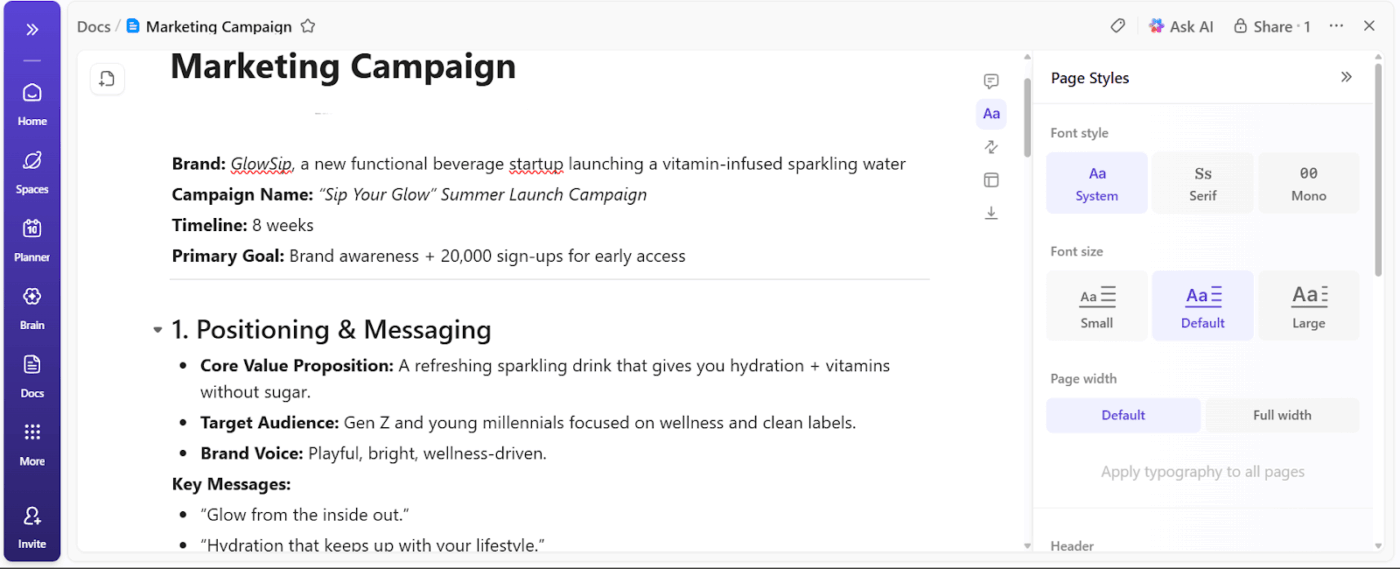
Every message template, reply guideline, offer script, and workflow variation needs to stay consistent across customer-facing teams, and Docs keeps everything organized in one place.
With structured sections, version history, and embedded assets, teams can build a living library of WhatsApp communication standards that support faster onboarding, smoother execution, and more coherent customer experiences across every touchpoint.
Programmatic advertising has evolved to target tier 2 and tier 3 cities with the same precision as previously possible only in metros.
Flipkart demonstrates this strategy through its regional expansion approach. The brand cast a wide net from day one, focusing heavily on tier 2 and tier 3 cities where consumer growth is strong and steady.

For example, their ‘India Ka Fashion Capital’ campaign helped Flipkart reach over 100 million users on YouTube alone in the first 10 days, whereas previous campaigns took a month to achieve the same reach.
The approach works because campaigns targeting tier 2 and tier 3 cities require different messaging than metro campaigns.
The targeting sophistication includes:
🧠 Fun Fact: In the 1620s Netherlands, newspapers ran thousands of the world’s first printed adverts. And by 1675, there were already over 6,000 ads in circulation there. That makes those Dutch papers the 17th-century equivalent of ‘ad networks.’
Marketing teams across India are moving fast, but the ground under them is shifting even faster. These are some of the biggest hurdles you’ll likely navigate in the coming year. 🗓️
| Challenge | What it means | Why it matters in India |
| Rising customer acquisition costs | Paid channels are getting pricier as competition increases across Meta, Google, and marketplaces | Brands need bigger budgets to hit the same results, which affects profitability |
| Data fragmentation | Customer data sits across CRM, ad platforms, websites, marketplaces, and offline channels | Hard to build a unified view of the customer and run accurate attribution |
| Measurement and attribution gaps | Signal loss, limited tracking, and inconsistent platform reporting reduce clarity on what drives conversions | Leads to inefficient spending and weaker performance decisions |
| Platform saturation | Every category is overcrowded on ads, marketplaces, and social platforms | Organic reach drops and paid performance declines faster |
| Regional content complexity | India’s linguistic and cultural diversity demands localized messaging | Scaling content for multiple states becomes expensive and time-consuming |
| AI skill gaps | Teams lack hands-on experience in prompt engineering and AI-driven campaign workflows | Slows the adoption of automation and AI-led optimization |
| Evolving compliance requirements | Data protection, consent frameworks, and platform policies are getting tighter | Digital marketers must adapt workflows to stay compliant and reduce risk |
Marketing teams in India face a fast cycle of platform shifts, creative demands, and audience behavior changes. Plans evolve every quarter, and teams need a system that supports both speed and accuracy.
ClickUp’s Marketing Project Management Software helps teams create that rhythm.
As the world’s first Converged AI Workspace, it eliminates work sprawl, so goals, ideas, tasks, and documentation stay linked. That connection helps teams execute faster and refine campaigns without losing momentum.
Here’s how it helps. 📁
Marketing decisions collapse when campaign performance, content calendars, customer feedback, and budget data exist in separate systems. Before you can optimize anything, you need complete visibility.
Start by listing every platform where marketing data currently lives:
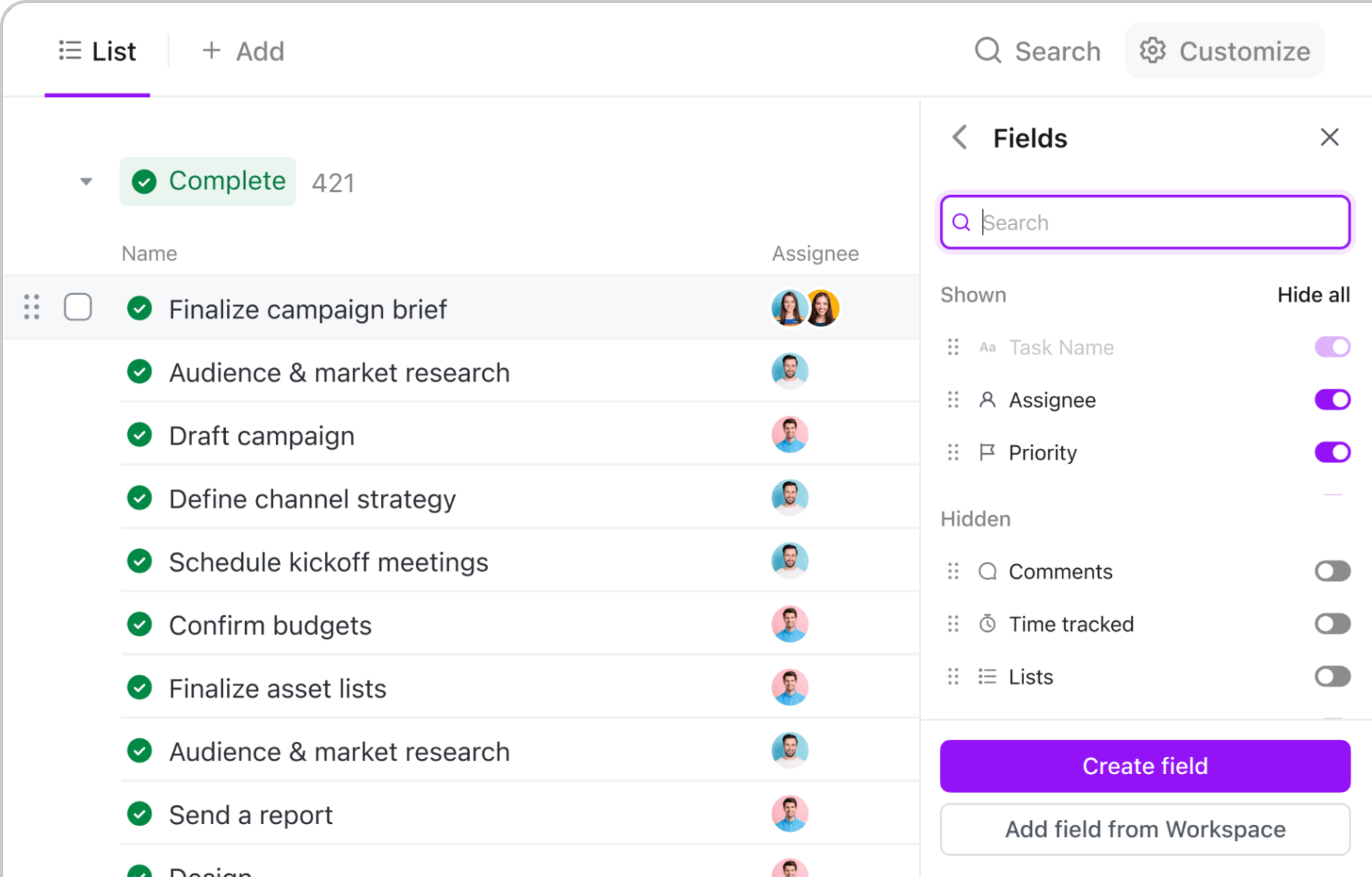
Pull these into a single workspace where your team can view performance in real time. When data connects, you spot patterns that fragmented systems hide.
🚀 ClickUp Advantage: Track campaign health, team capacity, and performance patterns without context switching in Dashboards.
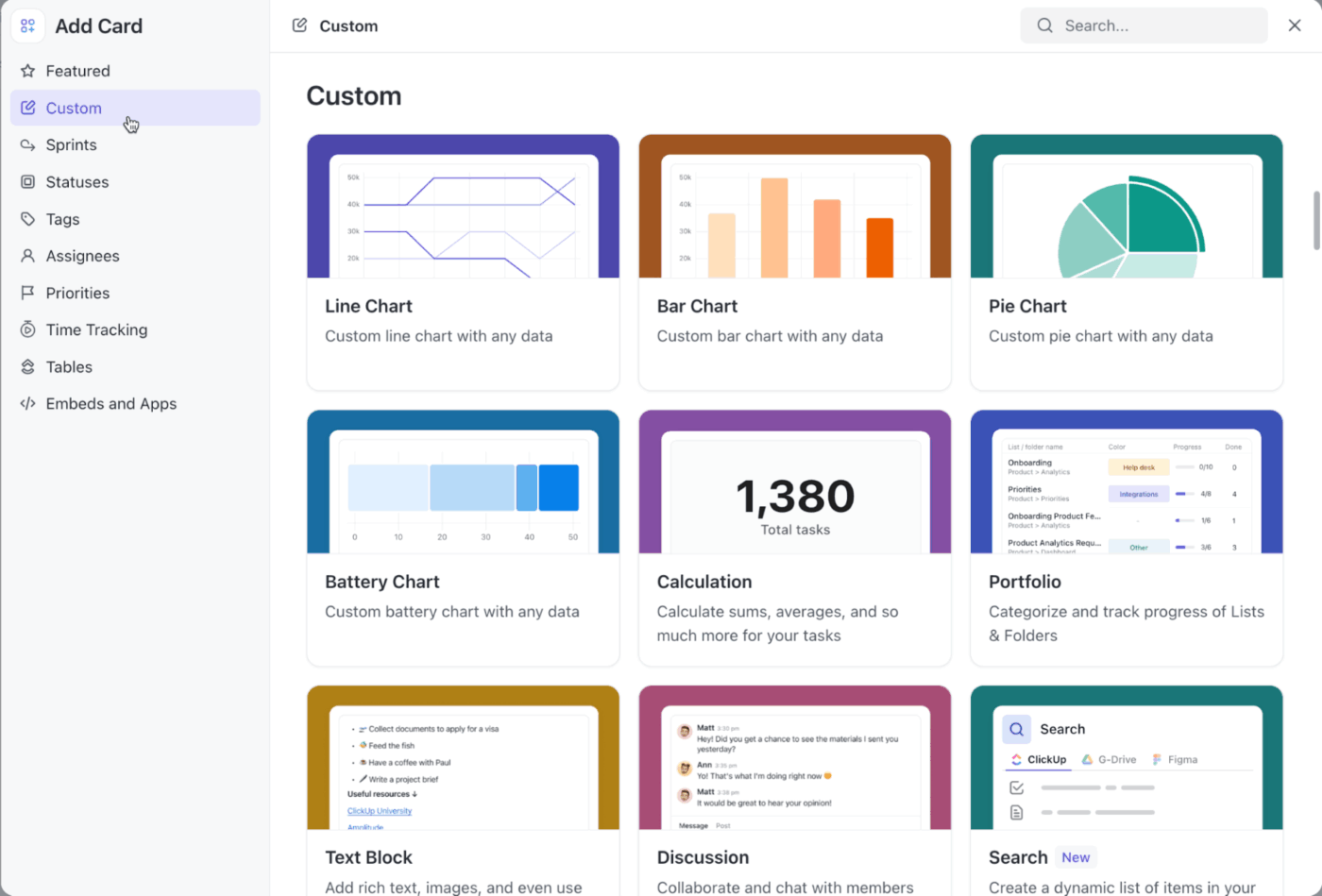
Custom Cards in ClickUp let marketing teams shape data into clear, actionable views, such as:
Most of a marketer’s day disappears into drafting social posts, analyzing marketing plans, segmenting audiences, and monitoring competitors.
Artificial intelligence can handle these at speed while your team focuses on strategy and creative work.
Identify where AI delivers the highest impact:
Deploy AI where it multiplies human output, not where it replaces strategic thinking.
💡 Pro Tip: Use Contextual AI to keep marketing work moving. ClickUp Brain sits inside your workspace, so when you ask it for project status, deadlines, or ownership details, it pulls the answer straight from your ClickUp workspace.
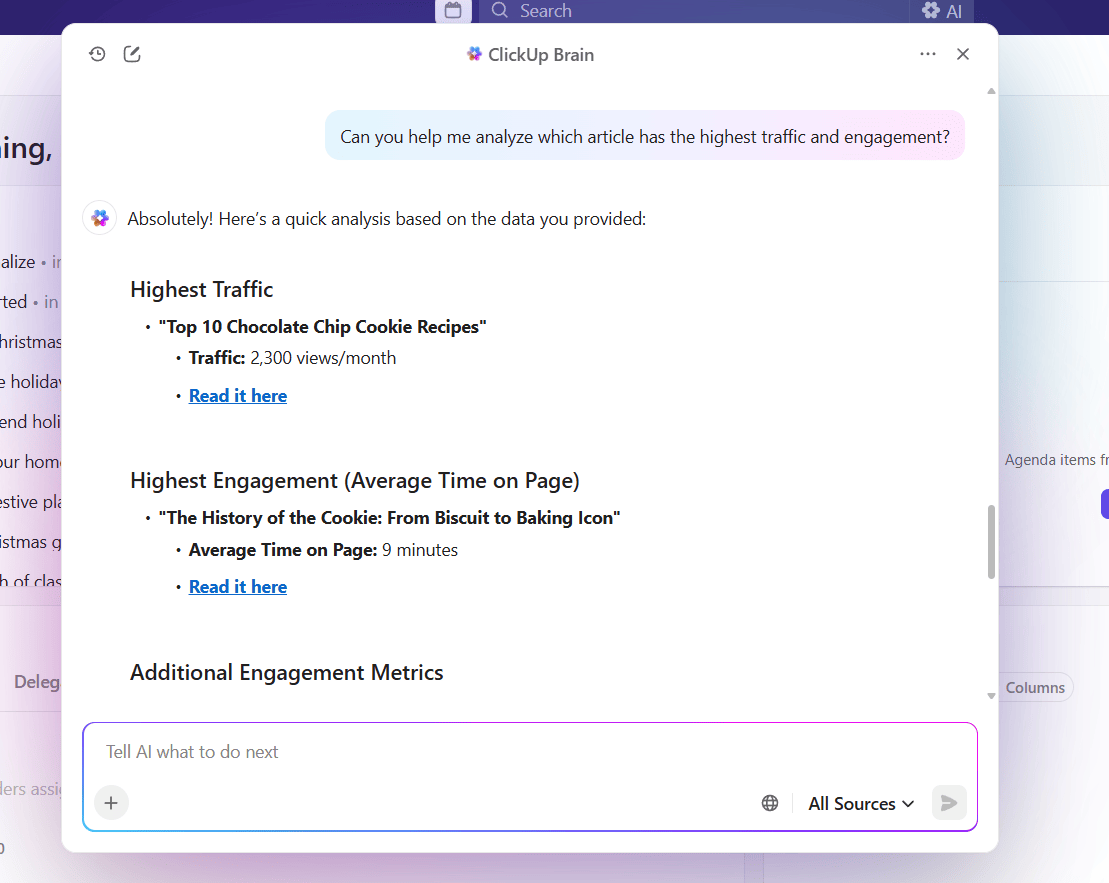
For example, a content lead asks ClickUp Brain: ‘Can you show me which articles drove the strongest traffic and engagement last month?’
The AI marketing tool analyzes the data stored in the workspace and returns a breakdown that highlights the top-performing article, its monthly views, and the post that kept readers on the page the longest. The lead uses that insight to decide which topics deserve more budget in the next sprint.
Static marketing strategies die in dynamic markets. Your competitors test messaging, creative formats, audience segments, and channel combinations every week. Teams that launch campaigns and hope for the best lose ground quickly.
Establish a testing framework that your team follows for every initiative:
Track experiment performance in real time so you can kill underperforming variations quickly and scale winners faster. Systematic experimentation compounds institutional knowledge, and your team makes better decisions because you build on proven insights.
🚀 ClickUp Advantage: Surface insights without any SaaS sprawl using AI Cards in ClickUp Dashboards. These cards give marketing teams a quick read on performance and progress that aligns with real campaign activity in ClickUp.
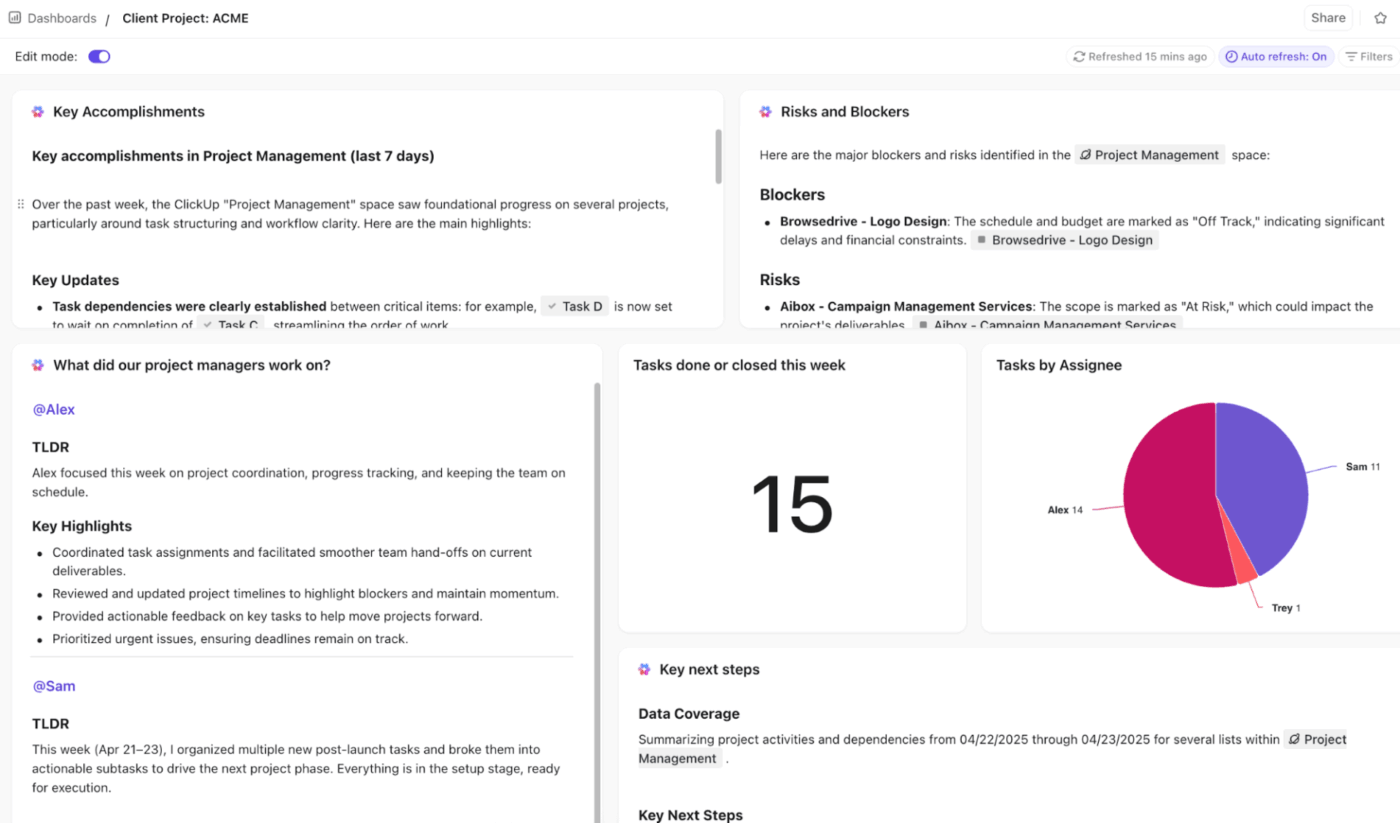
Try these AI Card types:
Manual handoffs kill momentum. Approvals sit in email limbo, status updates require Slack messages and follow-up meetings, task assignments happen through spreadsheets, and notifications to stakeholders arrive late or get forgotten entirely.
Identify every manual task that happens repeatedly across your campaigns. Map out approval chains, status update triggers, assignment rules, and stakeholder notification sequences.
Automation eliminates these friction points, so campaigns move from concept to launch in half the time.
💡 Pro Tip: Free up capacity for strategic initiatives that drive growth with ClickUp Automations. You set a rule once, and ClickUp runs it every time the condition appears.
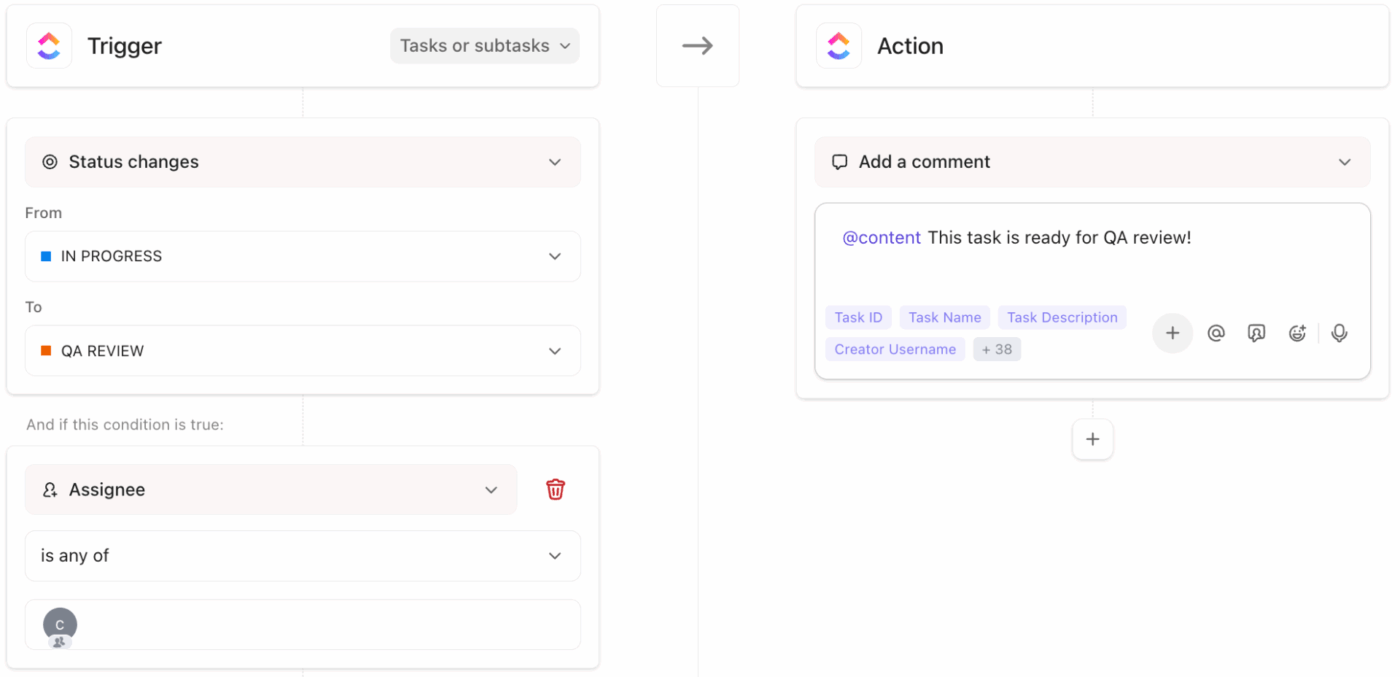
For example, a campaign lead changes a task status to ‘Ready for Review’, and the system assigns it to the approving manager instantly. A designer uploads a final asset, and the task shifts to ‘Scheduled’, while ClickUp sends the update to the channel owner.
ClickUp Agents push this even further. They act on data, patterns, and context inside the workspace, then run tasks that normally take a person several minutes.
Let’s say you build an AI Agent to check sentiment in customer feedback. It will assign tasks for negative responses and create follow-up sequences that keep the team ahead of churn signals.
Watch this video to build your own:
Basic AI handles surface-level tasks. Advanced AI capabilities dig deeper into complex data patterns, predict campaign outcomes, generate sophisticated audience insights, and provide strategic recommendations that inform decision-making at the leadership level.
Deploy advanced AI where nuanced analysis matters most, for example:
This level of intelligence separates teams that react to market changes from teams that anticipate them.
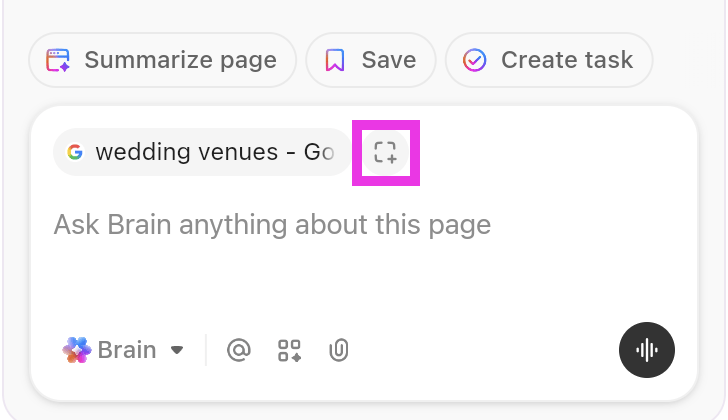
🚀 ClickUp Advantage: Marketing teams need strategic AI that knows your work. ClickUp BrainGPT becomes a powerful extension of your work beyond your ClickUp workspace.
Its desktop app and Chrome extension help you:
Indian audiences demand content across Hindi, English, Tamil, Telugu, and other regional languages on YouTube, Instagram, WhatsApp, and emerging platforms simultaneously. Manual production cannot scale to meet this demand.
Build a content system that balances speed and brand standards:
AI accelerates content generation at scale while your team maintains creative control and strategic direction. Double down on formats and topics that drive customer engagement, and cut production on underperforming content types.
🚀 ClickUp Advantage: Content teams produce more work than ever, and ClickUp Brain keeps that pace without losing consistency. It already knows your brand guidelines, tone rules, and the content stored in your workspace. That context shapes every suggestion, so outputs stay consistent without long editing cycles.
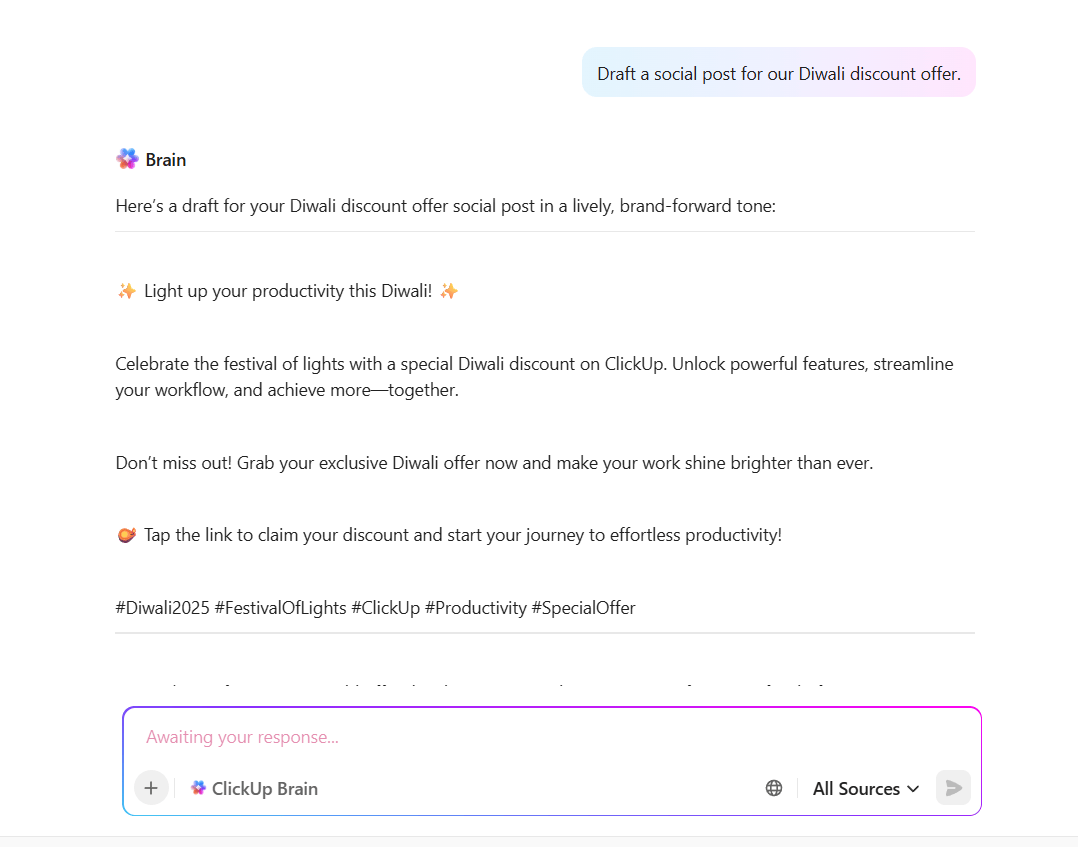
Suppose a content lead is preparing assets for a festive-season campaign. She asks ClickUp Brain: ‘Draft a social post for our Diwali discount offer using our brand tone and last year’s top-performing copy in this space.’
It creates a short LinkedIn version, a punchier Instagram caption, and a CTA that mirrors the style that previously drove high engagement.
India’s digital ecosystem rewards brands that move fast but stay grounded in local realities. Scaling here demands a different playbook. Here are some best practices to apply. 📋
Consumers in smaller cities respond differently to pricing structures than metro audiences. Run A/B tests on payment models—EMI options, weekly cycles, trial periods—and track conversion rates by geography.
Price sensitivity varies dramatically between Pune and Patna, so your pricing architecture should reflect local purchasing power and payment preferences. Adjust based on real data, not assumptions.
🧠 Fun Fact: Medieval Europe had ‘town criers’ who acted as walking ad networks. Since most people could not read, brands hired criers to shout promotions in busy streets.
Payment method choice reveals more than age or income brackets. Create distinct conversion paths for wallet users, UPI users, and credit card users.
Wallet users hunt for cashback and instant discounts. UPI users prioritize speed and simplicity. Credit card users respond to reward points and premium framing.
Design landing pages, offers, and messaging for each segment separately.
For more clarity on AI in marketing, watch this video:
Delivery speed directly impacts conversion rates and repeat purchases. Identify high-density neighborhoods, like Whitefield in Bangalore, Powai in Mumbai, and Gachibowli in Hyderabad, to set up micro-warehouses stocked with fast-moving products.
Reduce delivery windows from 24 hours to 2-4 hours. Faster fulfillment generates word-of-mouth referrals within apartment complexes and residential societies.
🔍 Did You Know? 35% of B2B marketers say their organizations now use AI-powered applications, but they’re all at very different stages of maturity. About 20% are still exploring, 48% are developing their use cases, and 24% have established AI in their workflows.
Indians search differently in regional languages.
Hindi speakers type ‘shaadi ke kapde’ (wedding clothes), not ‘bridal wear’. Malayalam users search for ‘sadya recipes’ during Onam, not ‘Kerala feast menu’.
Audit your keyword strategy and creative assets to match how regional audiences actually search. Use native speakers to validate translations; literal conversions often miss cultural context and search intent.
E-commerce penetration remains low in many neighborhoods because consumers prefer seeing products before buying.
Collaborate with neighborhood stores as pickup points or demo centers. Let customers touch, test, and collect orders from familiar shops.
This hybrid model reduces return rates and builds credibility in markets where digital transactions still face skepticism.
🧠 Fun Fact: In 1908, British marketer Thomas J. Barratt, now called ‘the father of modern advertising’, ran clever campaigns for Pears Soap using art, slogans, and repeated exposure. One of his ads even reused the Victorian-era painting Bubbles to associate soap with domestic comfort and social status, an early example of brand building.
High-performing marketing teams rely on marketing campaign templates to standardize planning, reduce manual setup, and keep every campaign aligned from kickoff to launch. A solid template gives teams clarity on goals, timelines, ownership, and capacity before production begins.
Here are a few options. 🗒️
ClickUp’s Marketing Action Plan Template gives marketing teams a reliable framework for designing, organizing, and tracking campaign work from kickoff through delivery.
It consists of:
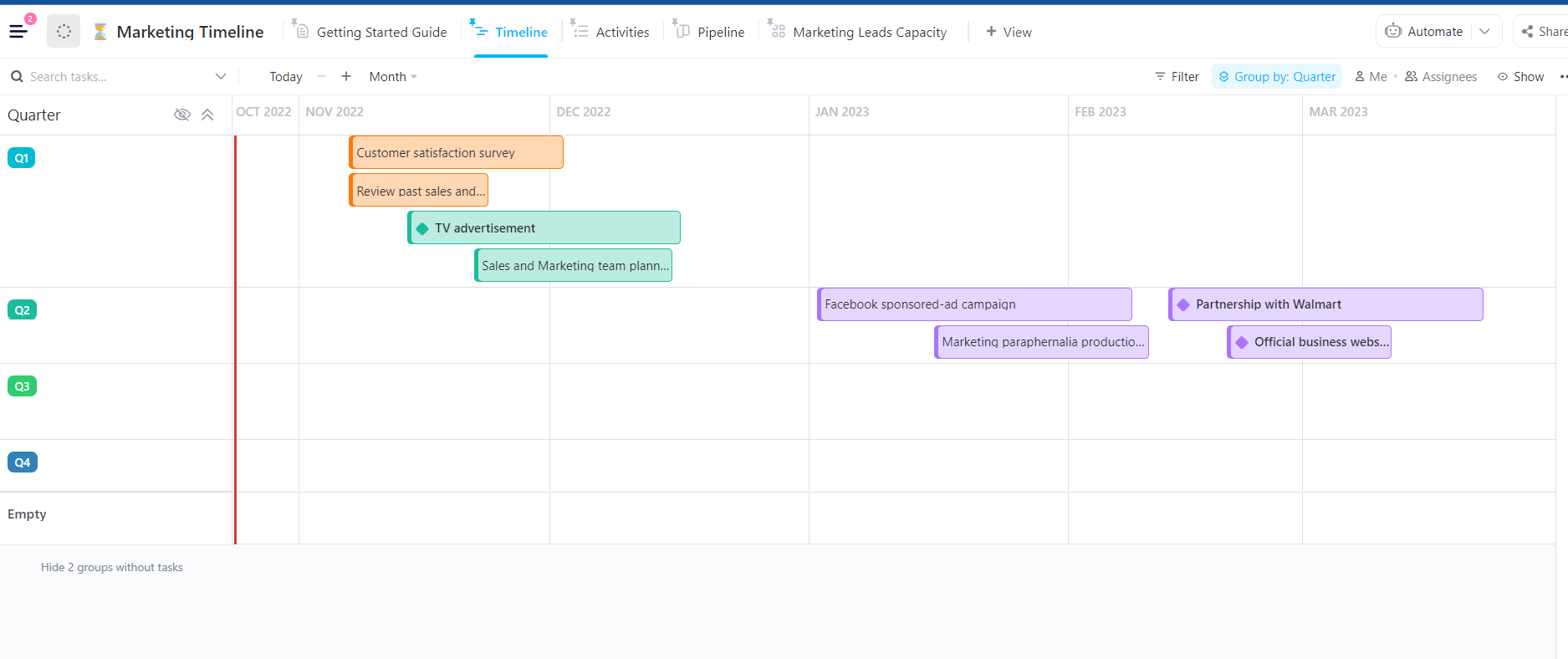
The ClickUp Marketing Timeline Template turns complex campaign schedules into a clear visual sequence. It includes:
Marketing trends in India move fast, and the shifts don’t wait for anyone. Trends evolve, platforms change direction overnight, and audience expectations rise with every new experience they encounter.
However, staying ahead takes steady attention and flexible execution, which ClickUp provides.
Dashboards pull performance, capacity, and campaign health into one view, so decisions happen faster without switching tabs. Automations remove repetitive handoffs and keep campaigns moving without chasing reminders. ClickUp Brain and BrainGPT build on that foundation with contextual answers and content support right inside your workspace.
And when teams need clarity across complex timelines, marketing templates keep ownership visible.
If you want marketing work to feel more coordinated and more responsive to India’s digital landscape, ClickUp gives you the features to run every campaign with confidence and clarity.
Sign up for ClickUp today! ✅
Brands are investing more in AI-generated content, performance marketing, retention programs, and influencer partnerships. Regional content and short-form video are also driving most of the engagement.
AI is helping teams create content faster, personalize campaigns, analyze performance, and automate repetitive tasks. It makes it easier to run experiments and scale campaigns without increasing headcount.
Influencer marketing is moving toward niche creators, UGC-style content, and performance-linked deals. Brands are focusing more on measurable outcomes instead of follower counts.
Yes, because most new internet users prefer content in local languages. Brands that speak to audiences in their regional context see higher trust and better conversions.
Marketers should review how they collect, store, and use customer data, update consent flows, and ensure all partners follow the same standards. Clear data policies will reduce risk.
Teams benefit from AI content tools, CRM platforms, analytics tools, ad-performance dashboards, and marketing automation platforms that bring campaigns, data, and reporting into one place.

© 2026 ClickUp

There’s an easier way. Try a free AI Agent in ClickUp that actually does the work for you—set up in minutes, save hours every week.