Sorry, there were no results found for “”
Sorry, there were no results found for “”
Sorry, there were no results found for “”
The role of HR is to build the capability of the organization to deliver its strategy.
Curious about where a career in HR could take you? You’re not alone.
The HR career path is one of the few that blends business thinking with people skills. It spans hiring, compensation, engagement, and culture, all with room to specialize, pivot, or lead.
You could start reviewing resumes and shape how a company hires, trains, and supports its entire team. You might also find your strength in solving complex compensation issues or driving better employee training programs.
This blog lays out the different HR roles, career growth tracks, salaries, and skills that actually shape careers in human resources. So, you can see where you stand and where you want to go.
A career in HR puts you in the room where people decisions are made, how teams are built, how they’re supported, and how they grow. It’s one of the few fields where soft skills and business strategy go hand in hand.
Here’s what makes the HR career path a smart move:
If you’re someone who enjoys solving real problems, adapting to change, and creating better workplaces, human resources offers a path that’s both dynamic and meaningful.
😎 Fun Read: A Day in the Life of a Human Resources Manager
There’s no single route through HR, just a range of roles designed to fit different strengths. Some paths start with coordination and grow into leadership. Others dive straight into people strategy, analytics, or performance management.
Here are the most common directions professionals take as they grow through the HR career path:
If you’re looking for a role that keeps you close to people, processes, and decision-making, the HR generalist path offers range, depth, and serious growth potential. It’s one of the most flexible tracks in the HR career path, ideal for professionals who want to understand how every piece of the HR puzzle fits together.
This path isn’t about staying general forever. It’s about exposure. Once you’ve worn these hats, you’ll know exactly which part of HR you want to specialize in and you’ll have the operational range to lead from experience.
👀 Did You Know? The concept of a human resources department is over a century old!
The very first formal Human Resources (or rather, Personnel) department is often credited to the National Cash Register Company (NCR) in 1901, and it was specifically created after a series of employee strikes and lockouts to handle grievances and improve labor relations!
If you’re energized by building teams, spotting potential, and helping companies grow strategically, the talent acquisition path offers a fast-paced, people-centered experience. This is about shaping how businesses grow, and who they grow with.
Recruitment is often the first deep specialization within the HR career path, and it demands a blend of intuition, business understanding, and process management.
Recruiters often shape the first real impression candidates get of a company. The work you do here directly influences company culture, hiring speed, and retention.
This path suits people who think fast, read between the lines, and genuinely care about connecting the right people to the right roles. As you grow in this track, you may move into strategic workforce planning, employer branding, or even broader HR leadership roles across your HR career.
When employees feel connected, supported, and challenged, companies thrive—and that’s exactly what this HR path focuses on. Professionals in employee engagement and development are architects of experience. They don’t just organize training; they build systems that keep employees growing, motivated, and invested.
This track fits perfectly if you care about creating environments where people don’t just workbut they excel.
If you can think creatively about human motivation and back it with systems and strategy, this track lets you create real organizational impact.
Helping employees grow isn’t a “nice to have” anymore; it’s a competitive advantage. HR professionals who lead employee engagement and development efforts are often the reason companies hold onto top talent and build sustainable success.
Behind every great company offer is a team that balances fairness, competitiveness, and business goals. Compensation and benefits professionals aren’t just crunching numbers. They’re shaping how companies attract, reward, and retain top talent.
This HR path is perfect if you enjoy combining data analysis with strategic thinking, and if you’re passionate about creating systems that make employees feel valued.
A successful compensation professional understands people and market forces, too.
Strong compensation and benefits strategies make employees happy and businesses sustainable. Professionals in this track have the opportunity to drive measurable impact on retention, satisfaction, and organizational success.
📖 Also Read: SMART Professional Goal Examples & Ideas for Work
As HR evolves, technology and data are no longer nice-to-haves; they’re at the center of every major decision. HR professionals in this track focus on building smarter systems, improving workforce insights, and using data to create better employee experiences.
If you’re someone who enjoys solving problems with systems and strategy, HR tech and analytics roles open an entirely different dimension of career growth.
Roles
In HR tech and analytics, your work isn’t just about building systems, but building smarter workplaces.
This path is a smart move if you’re tech-savvy, detail-oriented, and excited about the future of work. As HR tech grows more essential, professionals who understand both people and platforms are becoming leaders in shaping modern organizations. And defining the next generation of HR career path leaders.
Building a strong HR career starts with intention. Whether you’re new to the field or switching paths, the way you plan your first few moves can shape the opportunities you’ll have later.
Here’s how to set a strong foundation:
Formal education is often your entry point into HR. A general business degree can help, but specialized study sharpens your focus.
Ways to strengthen your HR knowledge early:
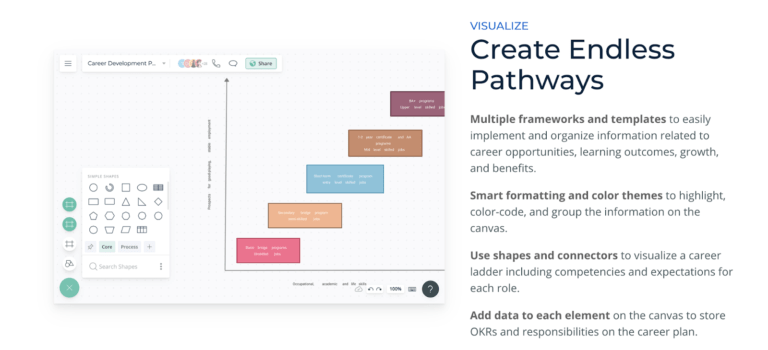
🎯 Use the ClickUp Career Path Template to set career milestones early.
This template helps you:
Real-world exposure brings classroom learning to life. Early projects, internships, or junior HR roles give you firsthand insight into people operations and business strategy.
Ways to build relevant experience:
Strong networks create strong opportunities. Attend HR webinars, connect with recruiters on LinkedIn, and join HR associations to stay close to the pulse of the industry.
Manage your job search with the ClickUp Job Search Template to organize applications, interviews, and follow-ups in one place.
HR is evolving faster than ever. Staying current on compliance, technology, and people strategy keeps you competitive.
Strategies to keep learning:
Set intentional growth goals with the ClickUp Personal Development Plan Template and track your learning momentum.
The most successful HR careers are built by layering skills, deepening expertise, and responding intelligently to new opportunities as they come.
A career in HR gives you a front-row seat to how organizations grow, adapt, and sometimes struggle. But it also comes with its own set of challenges, ones that test your ability to balance people, process, and strategy every day.
Some of the most common hurdles you’ll encounter include:
Building an HR career means navigating these challenges thoughtfully, not avoiding them. Each obstacle you face adds depth, resilience, and sharper insight into what it takes to lead people-first organizations successfully.
📖 Read More: Actionable Steps to Make a Career Change at Any Age
Growing your HR career means more than understanding people. It also depends on how well you manage the systems behind hiring, onboarding, engagement, and development. The ability to organize and scale HR operations is what separates reactive teams from proactive leaders.
Here’s how ClickUp supports professionals ready to move their HR work to the next level:
Organizing every step of the hiring and onboarding journey strengthens teams and creates better employee experiences from the start.
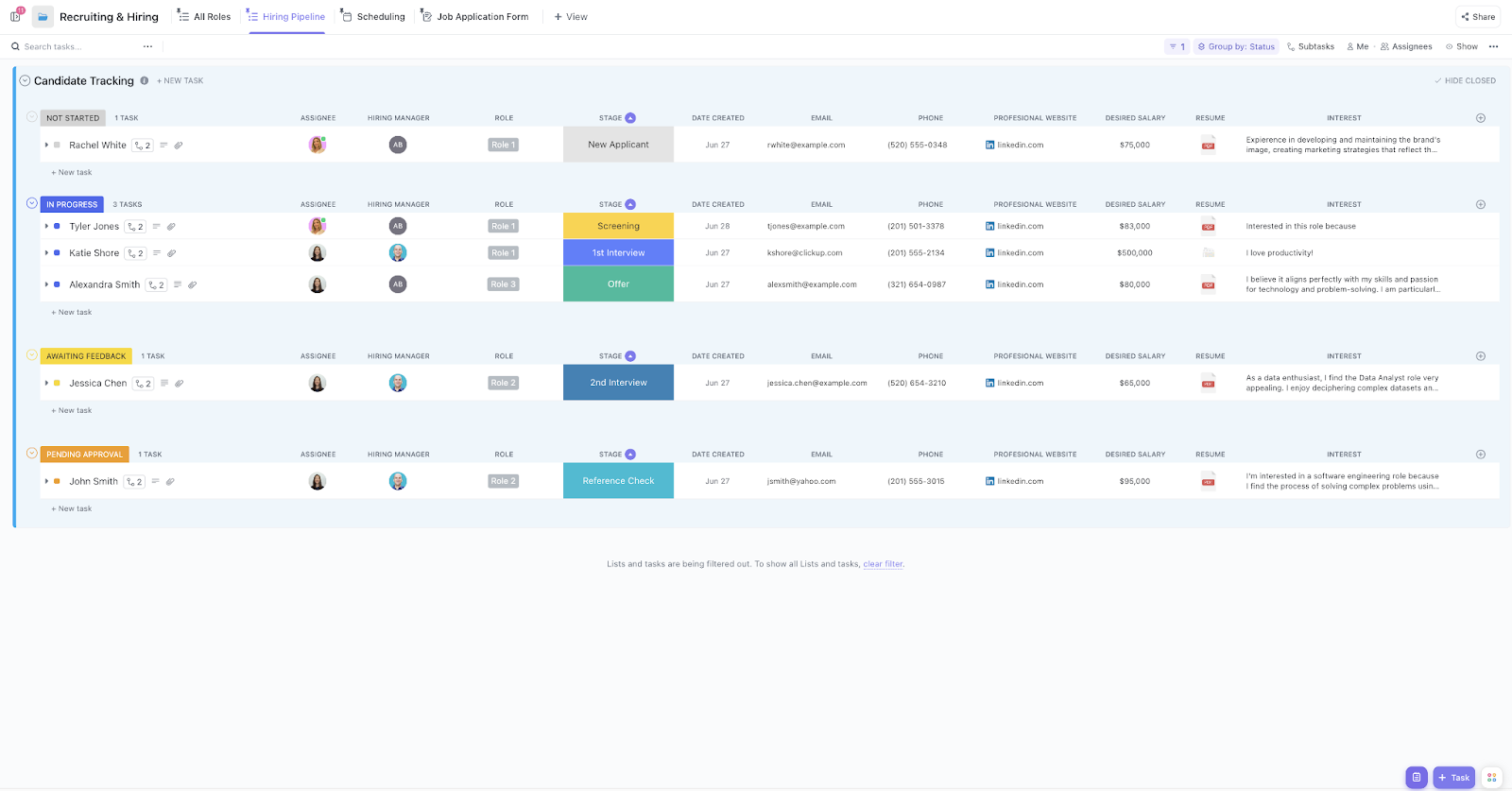
🎯 Use the ClickUp Recruiting and Hiring Template to streamline and manage every hiring step in one place.
This template helps you:
Strengthen onboarding journeys with the ClickUp Employee Onboarding Template, designed for smooth new hire experiences.
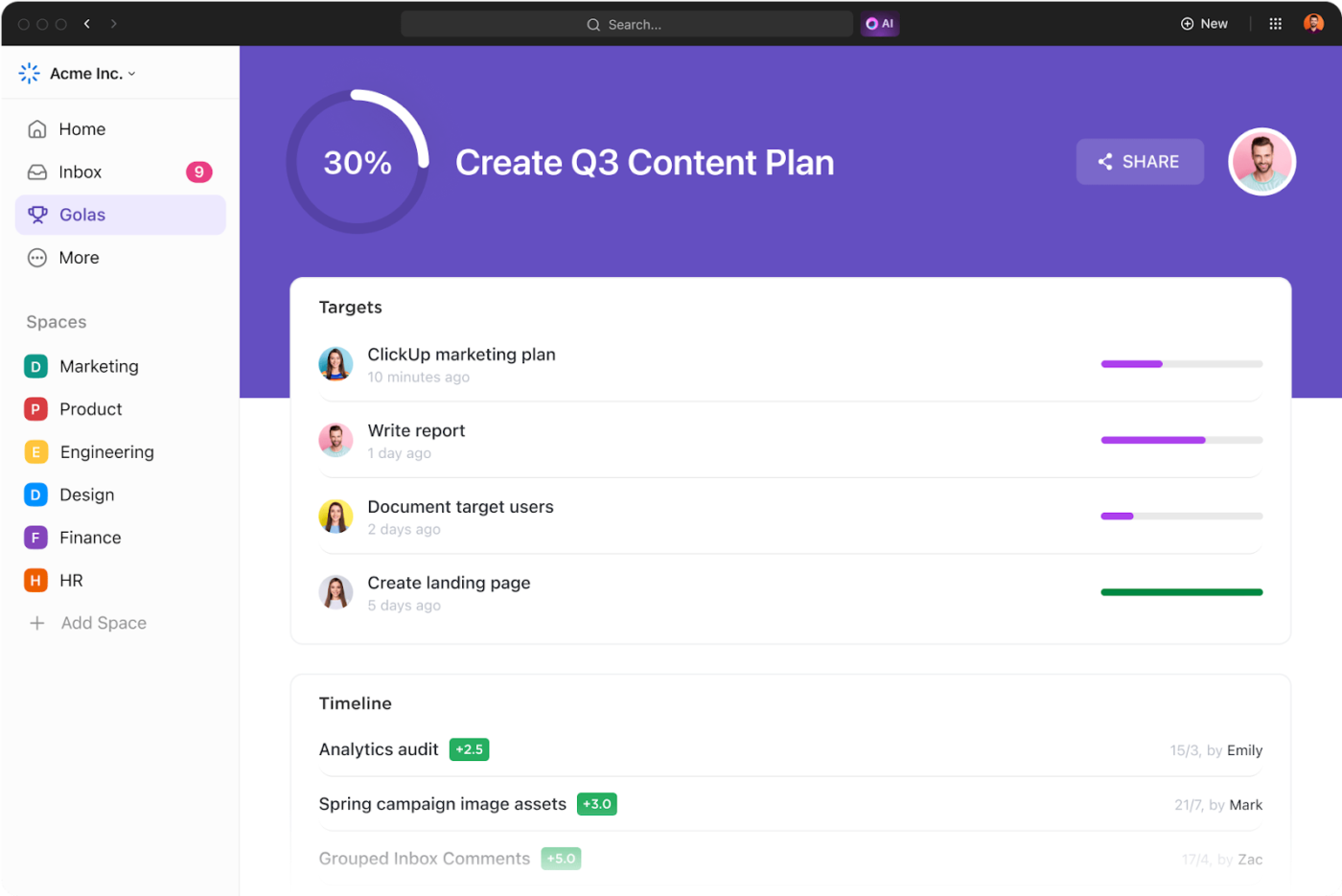
High-performing HR teams measure what matters. Set clear goals with ClickUp Goals and track progress . This provides the data you need to improve hiring, training, and retention efforts.
⚡ Template Archive: Free Goal-Setting & Tracker Templates for Excel & ClickUp
HR projects rarely happen in isolation. Effective collaboration with other departments turns hiring plans, training programs, and engagement initiatives into real results.
Use ClickUp Chat and ClickUp Docs to communicate with your team hassle-free. This helps you save time and enhance work efficiency.

Organizing HR operations with the right tools gives you more time to focus on what matters most. This includes building programs, guiding teams, and leading people-first initiatives that shape your organization’s success.
⚡ Template Archive: Free HR Templates & Forms to Improve HR Processes
The HR career path is filled with opportunities to lead, build, and transform workplaces. Whether you’re designing better hiring systems, improving employee engagement, or aligning HR strategies with business goals, every step you take shapes the future of work.
Stay focused on building real expertise, choosing the right specializations, and working smarter with the tools that support your growth.
Try ClickUp today to organize your HR projects, track career goals, and drive strategic impact, no matter where you are on your journey.

Manasi Nair
Max 20min read

Sudarshan Somanathan
Max 29min read
Sudarshan Somanathan
Max 17min read

© 2026 ClickUp