


Why are certain features in your product not getting the attention they deserve? Is this something you’re losing sleep about?
You’re not alone.
Understanding user behavior, product usage, and customer journeys is difficult but essential. That’s where a product analytics tool can help! They keep tabs on how users interact with a product, reveal the most popular features, time spent on each feature, and much more.
With product analytics, you will learn about your product all over again. Especially the areas that need to be fixed.
With all this qualitative and quantitative data, it is easier to pinpoint features for improvement, promotion, or a complete redesign.
Moreover, using the segmentation capabilities of these tools will help you craft personalized messages that will help your customers go further on their buying journey.
Sure, you improve your product and retain your existing customer base. But that’s just the beginning. Let’s identify and analyze how product analytics tools help you drive better sales.
10 Best Product Analytics Tools in 2024 (Reviews & Pricing)

 Summarize this article for me please
What should you look for in product analytics tools?
Before exploring our top picks for product analytics tools, let’s look at some features your team needs to make the most of the investment:
- Intuitive user interface: A user-friendly interface that allows both technical and non-technical users to navigate and extract insights
- Custom event tracking: The analytical tool must have the ability to define and track customized events tailored to your specific business goals
- Integrations: Make sure the tool integrates with your existing data sources, databases, and other relevant platforms
- Data security: Ensure that the tool complies with data protection regulations and follows best practices for data security
- Mobile analytics: If applicable, ensure the tool can effectively analyze and track user behavior within mobile applications
- Data visualization: Look for solid visualization options for clear and effective communication of insights
- Scalability: The tool you choose must scale with your business as your user base and data volume increases
- Customer support and training: Availability of customer support and access to training materials is crucial to help your team make the most of the tool
Summarize this article for me pleaseThe 10 best product analytics tools to use
Now that we know what to look for in product analytics tools, let’s review the top 10 options.
1. Google Analytics
Google Analytics leads our roundup of the best product analytics software, offering many free tools for in-depth business data analysis. Whether it’s your website or app, Google Analytics enables you to scrutinize data across platforms, providing valuable insights into your user base.
Features like SMART goals facilitate goal tracking, ensuring your efforts align with your objectives. And the best part? You get access to insights only Google can give you.
As Google comes with many different products, such as Google Advertising and Google Publisher, connect and use those insights for better results.
Google Analytics best features
- Analyze qualitative and quantitative data with clarity using robust reporting and visualization tools
- Understand the performance of marketing campaigns with funnel analysis
- Simplify the process of adding tracking codes using Google Tag Manager
- Detect patterns and anomalies with intelligent anomaly detection
Google Analytics limitations
- It uses only sampled data
- No access to raw data
- It is harder to run sophisticated analysis
- The hit limit is 10 million
Google Analytics pricing
- Free
- Google 360: Custom pricing
Google Analytics ratings and reviews
- G2: 4.5/5 (6,240+ reviews)
- Capterra: 4.7/5 (7,760+ reviews)
2. Fullstory

Fullstory is a popular choice in analytics software that explores the specific areas where your website, app, or software might be causing trouble for visitors. Identifying issues will help you make improvements.
This product analytics software effectively resolves problems like 404 error pages and missing tags, ensuring a smoother digital experience.
That’s not all; your analytics tools must efficiently work with other tools in your arsenal. Fullstory integrates with popular project management software like Slack, Trello, and more.
Fullstory best features
- Get immediate insights into user interactions and behaviors with real-time reporting
- Gain a better understanding of your customer base with targeted analysis using segmentation
- Associate specific actions with individual users with user identification
- Get a detailed record of every click made by users with accurate click tracks
Fullstory limitations
- More focused on website tracking, less efficient for apps
- Considered relatively expensive compared to similar tools
Fullstory pricing
- Enterprise: Custom pricing
- Advanced: Custom pricing
- Business: Custom pricing
Fullstory ratings and reviews
- G2: 4.5/5 (350+ reviews)
- Capterra: 4.6/5 (65+ reviews)
3. Mixpanel
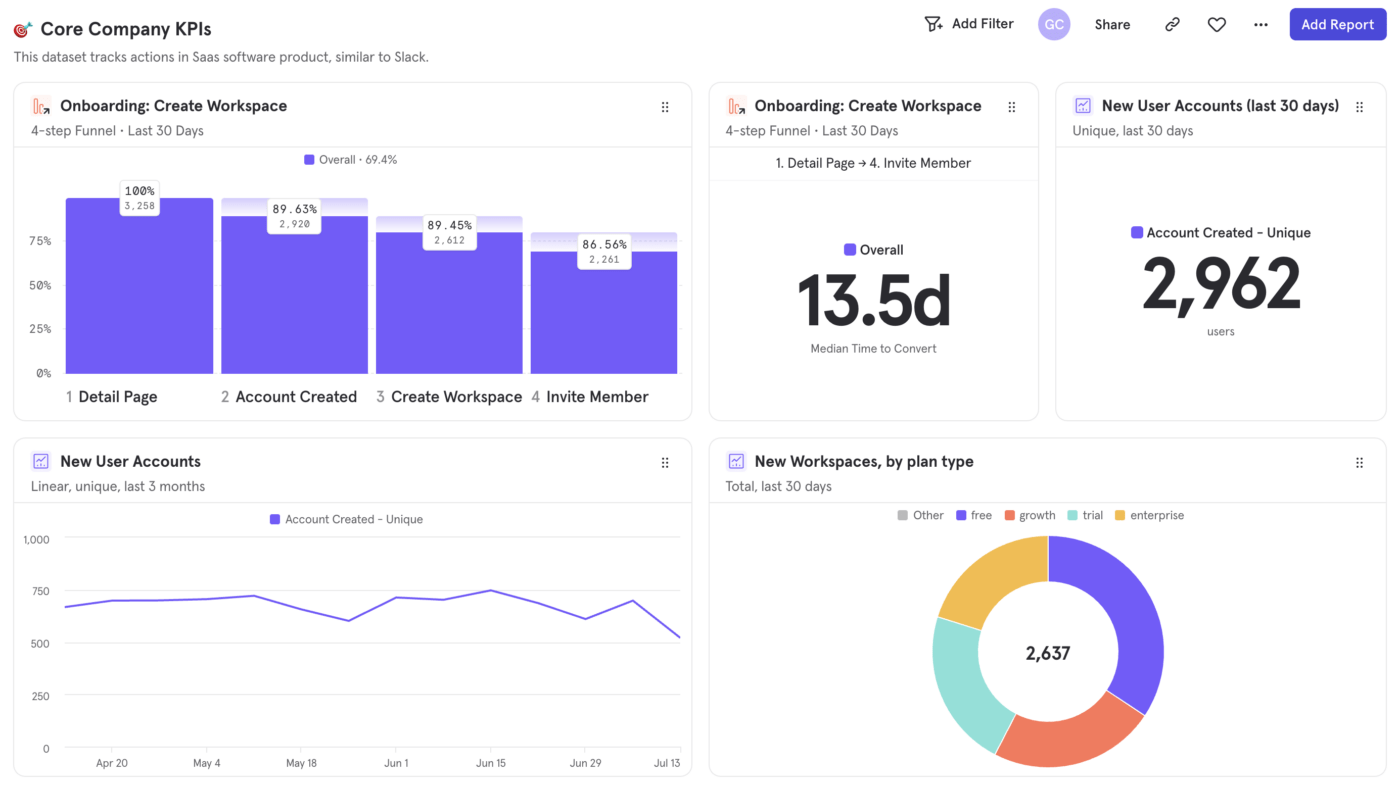
If you want to monitor every aspect of user behavior, then Mixpanel will help. It analyzes data, spots trends, provides real-time updates, and helps visualize data easily with detailed charts and diagrams.
What makes Mixpanel stand out is its user-friendly approach to data exploration–no need for SQL knowledge. Scaling is a non-issue; the platform grows with your expanding data volume.
Mixpanel best features
- Carry out effective experimentation with A/B testing
- Get a clear understanding of the results with versatile data visualization
- Gather user feedback for modifications with mobile surveys
- Automate the tracking of user interactions with auto-track features
Mixpanel limitations
- Dashboard formatting could be more user-friendly
- The learning curve is considered challenging by certain users
- Some users find the documentation features to be outdated
Mixpanel pricing
- Free
- Growth: Starts at $20 per month
- Enterprise: Starts at $833 per month
Mixpanel ratings and reviews
- G2: 4.6/5 (1080+ reviews)
- Capterra: 4.5/5 (120+ reviews)
4. UXCam

UXCam is a product analytics platform that supports both mobile and web applications. It helps you understand how users behave across platforms through features like session replays, heatmaps, and conversion analytics.
UXCam gives teams visibility into where customers drop off, what parts of the experience delight them, and how product changes actually perform — enabling smarter product decisions and stronger cross-platform consistency.
UXCam best features
- Display and analyze key performance indicators (KPIs) with customizable dashboards
- Fine-tune your customer journey with funnel analytics
- Pinpoint exactly where users drop off in your app with screen flows
- Customize data through event analytics for tailored insights
UXCam limitations
- Dashboards could benefit from more powerful and flexible functionality
- Considered relatively expensive
- Occasional issues with slow loading
UXCam pricing
- Free: Up to 3,000 sessions
- Growth: Custom pricing
- Enterprise: Custom pricing
UXCam ratings and reviews
- G2: 4.7/5 (150+ reviews)
- Capterra: 4.7/5 (20+ reviews)
5. Amplitude
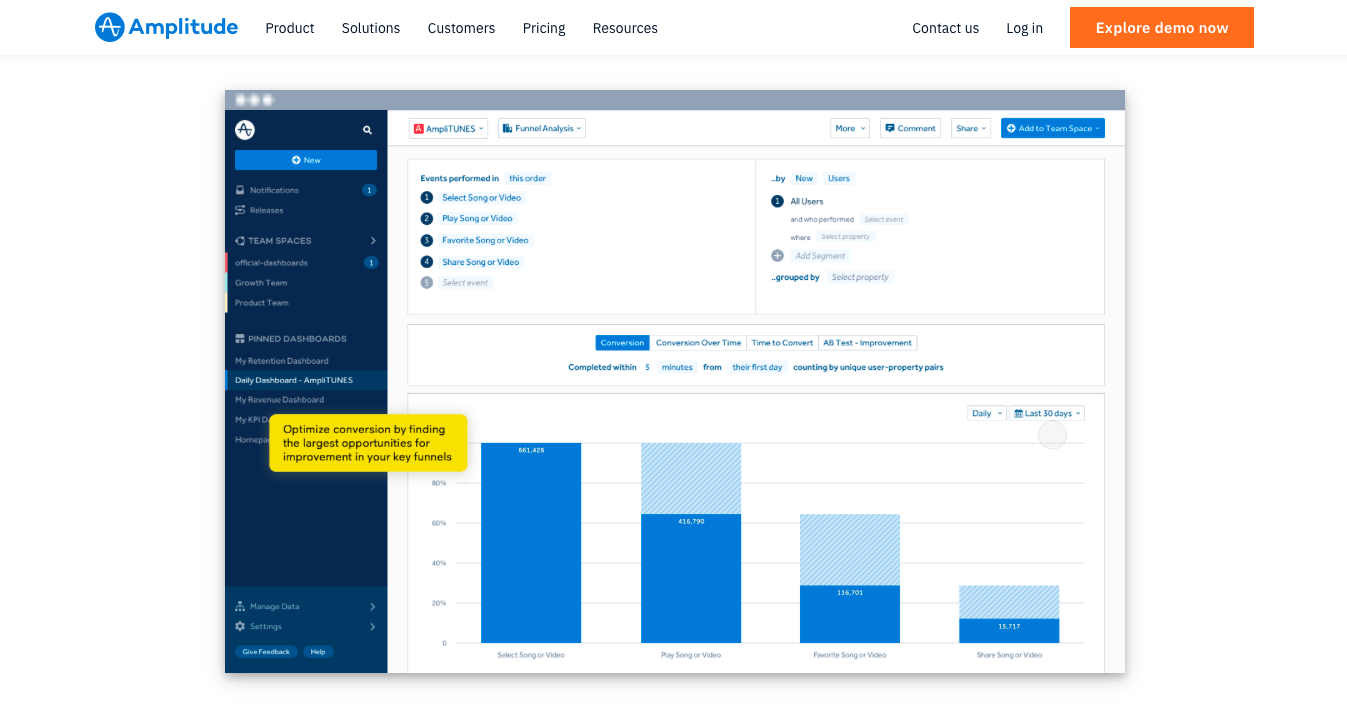
Amplitude stands out as a top-tier product analytics tool, offering valuable insights into how users navigate your application, their favorite features, and more to boost retention. These insights help you enhance your digital product strategy.
Its user-friendly interface sets Amplitude apart, making the learning curve smoother compared to other product analytics software.
Amplitude best features
- Engage with data through visualization
- Track user drop-off with efficient funnel analytics
- Delve deep into data for valuable insights
- User-friendly interface suitable for beginners and non-technical users
Amplitude limitations
- The analysis is confined to data collected in the past 365 days
- It is not the best fit for technical users seeking advanced functionalities
- Limits across user segments, preview in user streams, and the number of events for a single chart
Amplitude pricing
- Free
- Plus: Starts at $49 per month
- Growth: Custom pricing
- Enterprise: Custom pricing
Amplitude ratings and reviews
- G2: 4.5/5 (2,010+ reviews)
- Capterra: 4.5/5 (60+ reviews)
6. Glassbox
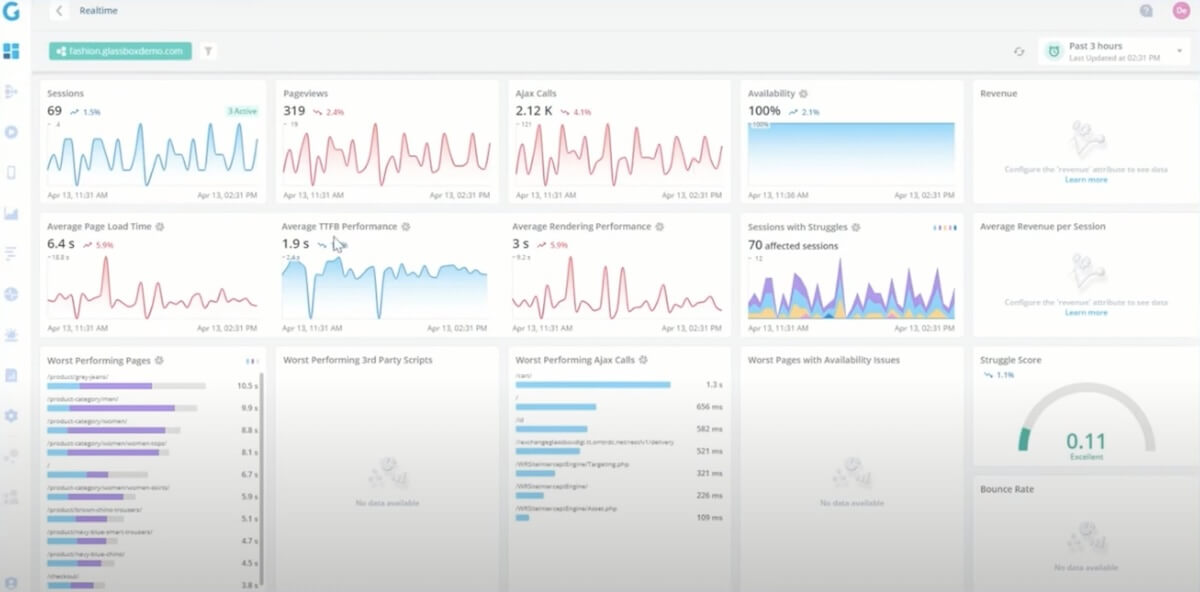
Glassbox is one of the product analytics tools that gives you a lowdown on how users interact with your digital product across different channels. It’s not just about what they’re doing but why they’re doing it.
This crystal-clear view speeds up decision-making. And if decision-making tends to be a stumbling block, consider using free decision-making templates to enhance your outcomes.
Glassbox features
- Dive deep with augmented journey maps and session replays to understand user behavior
- Get real-time visualizations that are user-friendly, covering data across both web and mobile apps
- Gain AI-powered insights for quicker decision-making
- Develop essential features based on what your customers use and need using behavioral data
Glassbox limitations
- Limited options for customizing report views and elements
- Users may find it challenging to search for page names without a centralized repository
- Some users report slower functioning speed
Glassbox pricing
Glassbox has customized pricing models for your specific requirements.
Glassbox ratings and reviews
- G2: 4.9/5 (580+ reviews)
- Capterra: 5/5 (40+ reviews)
7. Pendo
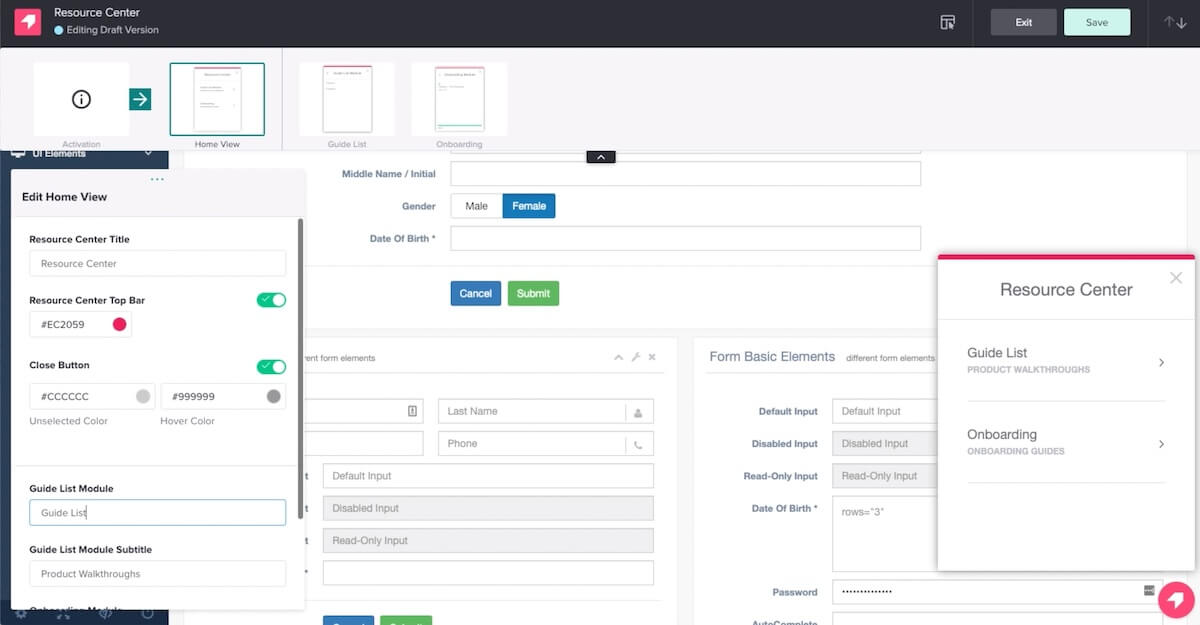
Pendo is one of the most popular product analytics tools in the market. No tech expertise needed–dive in and collect app and user behavior data. The cool part? Retroactive analytics also lets you learn from past data—a capability used extensively by product and marketing teams.
Make your decision-making process faster with these insights. Pendo also does wonders for your team with process analytics. Use the data to tweak and streamline the apps your team uses every day.
Pendo best features
- Quickly spot the product features your customers love
- Visualize data to see where users might be hitting roadblocks or dropping off
- Integrate with CRM and tools like Salesforce, Slack, WordPress, and more
Pendo limitations
- Customization options for analytics features and dashboards are somewhat limited
- Some technical know-how is needed, especially in tagging
Pendo pricing
- Free
- Growth: Custom pricing
- Portfolio: Custom pricing
Pendo rating and reviews
- G2: 4.4/5 (1350+ reviews)
- Capterra: 4.5/5 (200+ reviews)
8. Logrocket

Logrocket decodes the ‘why’ behind your key metrics and KPIs, making it easy to visualize crucial behaviors and track trends effortlessly. Most users love it because it requires minimal tech knowledge. AI provides the product answers you need in seconds.
Furthermore, the funnel insights dig deep into why users bail on your product, helping you understand the features that add the most value to your users. This makes it one of the best product analytics tools on the list to drive user adoption.
Logrocket best features
- Tracks errors and bugs
- Digs into both qualitative and quantitative data for insights
- Allows collaboration across teams to identify and resolve UX issues
- Includes session replay for a detailed look
Logrocket limitations
- Steep learning curve
- Could benefit from excluding errors that come from user-installed extensions
- There is no option to find specific sections of user sessions which are very long to browse
Logrocket pricing
- Free forever
- Team: Starts at $69 per month
- Professional: Starts at $295 per month
- Enterprise: Custom pricing
Logrocket rating and reviews
- G2: 4.6/5 (1180+ reviews)
- Capterra: 4.9/5 (20+ reviews)
9. Heap

Heap stands out for its simplicity in collecting and analyzing product lifecycle data. With Heap’s intuitive interface, navigating through the intricacies of data becomes straightforward, making it one of the most user-friendly product analytics tools on this list for non-technical folks.
What sets Heap apart is its ability to provide core insights that meet and exceed customer expectations, leading to an enhanced retention rate.
Heap best features
- Simple setup for hassle-free initiation
- Impressive session replays pinpoint the exact users
- Quick post-setup feedback without complications
- Strong support team backing you up
Heap limitations
- Lacks guided tours, banners, and NPS surveys compared to some alternatives
- Accuracy issues with certain auto-captured and labeled events
- Focuses solely on frontend interactions, requiring another tool for backend handling
Heap pricing
- Free
- Growth: Custom pricing
- Pro: Custom pricing
- Premium: Custom pricing
Heap ratings and reviews
- G2: 4.4/5 (1070+ reviews)
- Capterra: 4.5/5 (40+ reviews)
10. Quantum Metric

Quantum Metric wraps up our list as an influential player among the best product analytics tools. It covers a broad range of KPIs, be they technical, behavioral, or business-oriented.
The platform focuses on swiftly identifying any changes in these KPIs to keep you informed, especially when anomalies like conversion issues arise. Spotting and addressing these issues in real-time can highly improve customer retention.
Talking about retaining customers, it also helps you dive into customer behavior segment data points. There, you can identify their unmet needs and act on them accordingly.
Quantum Metrics best features
- Comprehensive usage tracking
- Early-stage issue detection with an investigative approach
- Tailored analytics through customizable dashboards
- Direct insights with visible apps, offering heatmaps and scroll depth on your site
Quantum Metrics limitations
- There is no integration with Google Sheets
- There is room for improvement in the interaction display
- The custom reporting interface could be more user-friendly
Quantum Metrics pricing
Pricing details are not shown on the platform.
Quantum Metrics ratings and reviews
- G2: 4.6/5 (220+ reviews)
- Capterra: Not enough ratings
Summarize this article for me pleaseOther Product tools
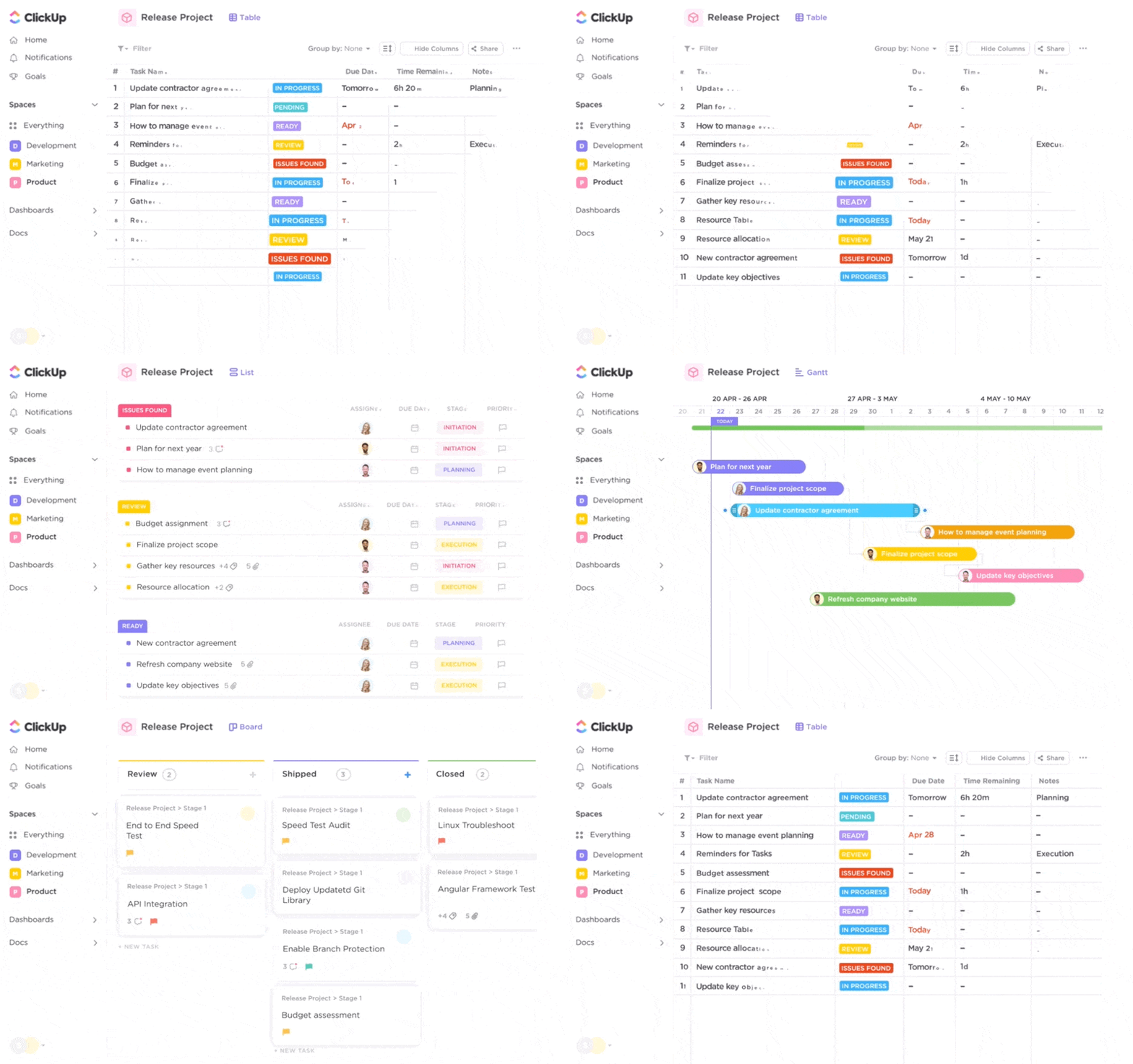
While platforms like Google Analytics focus on extracting actionable insights from product data, advanced product management solutions like ClickUp leverage AI capabilities to facilitate a cohesive roadmap for enhanced team collaboration and efficient user feedback generation. It can easily double up and compete with the best product analytics tools on this list.
ClickUp
ClickUp AI changes the way you handle immediate crises in product management. For example, if your competitor launches a product similar to yours before you do, you need swift action. The launch that was for the next month suddenly shifts to the following week. Too much to do but too little time. That’s where ClickUp AI makes it easier by:
- Creating a market launch plan and assigning responsibilities to different departments such as product and marketing teams, sales, services, SEO, engineering, and more
- ClickUp AI automates the tasks every department needs to perform. For instance, if you select a design, you can insert prompts, and it will help you brainstorm potential user journeys, and your design team has everything they need to get started
- Swift communication and collaboration between different departments doesn’t leave room for confusion

While ClickUp automates the majority of product management tasks, here are some additional features that help:
ClickUp best features
- Get a visual representation of project timelines and milestones with roadmaps
- Use its many templates to quickly draft product briefs, product roadmap, agile scrum management, and bug and issue tracking
- Centralize project details, requirements, and specifications with documentation
- Set, track, and manage project goals to ensure alignment with overall business objective
- Use its tools for sprint planning, backlog management, and progress tracking

- Prioritize and organize tasks for efficient sprint execution
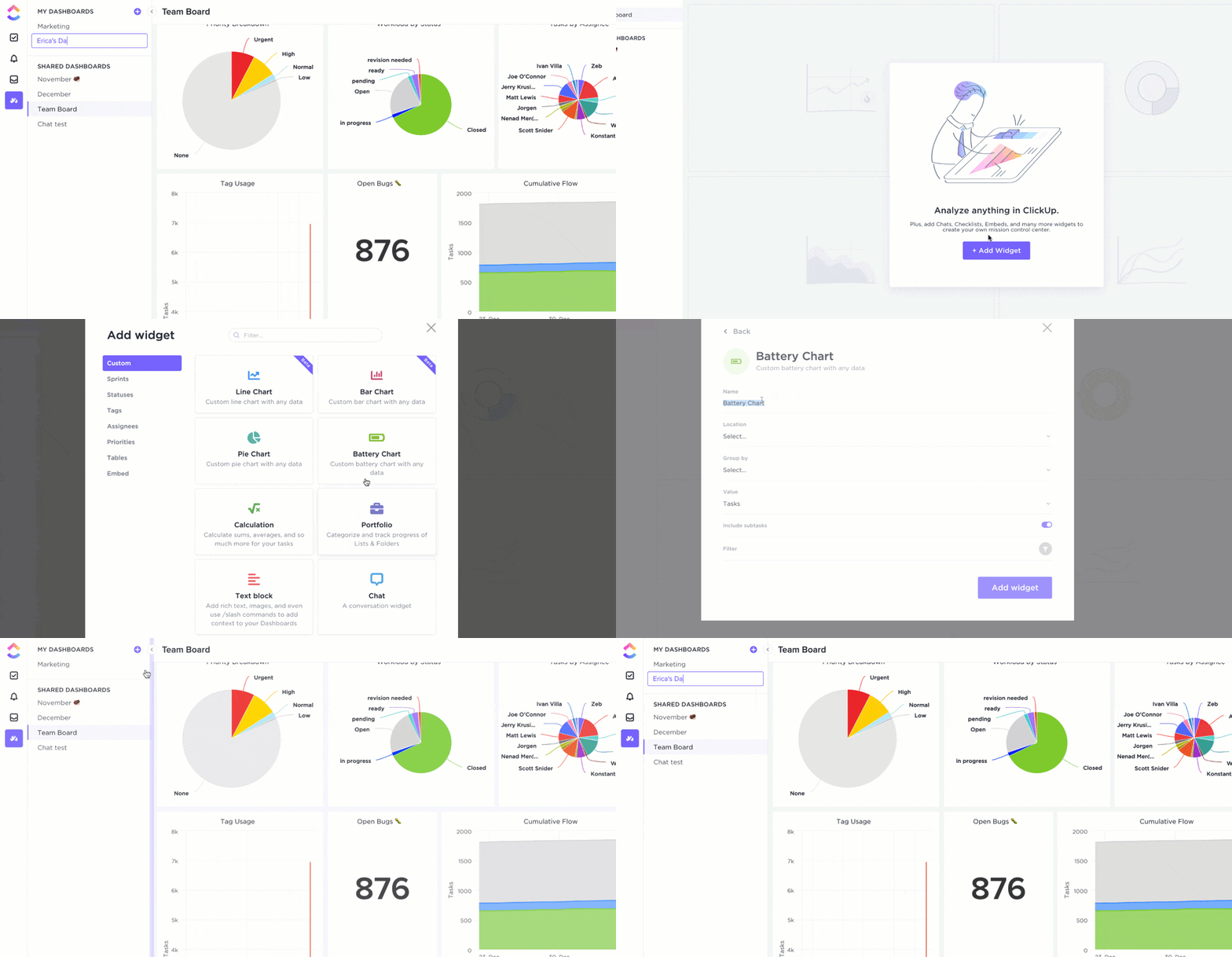
- Get a centralized dashboard for instant access to project metrics, progress, and KPIs
- Create customized reports to enhance data analysis
- Use its visual tools, such as charts and graphs, for easy interpretation of project data
- Collaborate and strategically plan with your team members irrespective of their locations
- ClickUp meets agile project management needs to adapt to the changing requirements of your teams
ClickUp limitations
- Overwhelming for new users due to many different features and functionalities
- Changes in cards sometimes take a little longer to reflect
ClickUp pricing
ClickUp offers five different pricing plans to meet the needs of diverse teams:
- Free Forever Plan
- Unlimited Plan: $7 per month per user
- Business Plan: $12 per month per user
- Business Plus Plan: $19 per month per user
- Enterprise Plan: custom pricing
Note: ClickUp AI is available for $5 per Workspace on all paid plans.
ClickUp ratings and reviews
- G2: 4.7/5 (2,000+ reviews)
- Capterra: 4.7/5 (2,000+ reviews)
 Summarize this article for me please
Embrace Data-Driven Success: Choosing the Right Product Analytics Tool for Your Growth
As you move further to uncover exciting insights about your product, complement it with tools that make product management easier, just like ClickUp does with its diverse features.
After all, it’s not just about collecting and interpreting data but also automating the following processes and improving collaboration among your team members.
With the right product analytics tools, you no longer have to wonder if the competition will take over. You are ready to take quick and efficient actions as and when required.

Everything you need to stay organized and get work done.
