

Sorry, there were no results found for “”
Sorry, there were no results found for “”
Sorry, there were no results found for “”
The meeting didn’t go as planned. Your team’s performance is slipping, morale seems low, and you’re unsure how to turn things around.
As a leader, you’ve read countless books on management, but putting those concepts into practice? That’s a whole different story.
You’re facing what many executives struggle with daily—the gap between knowing leadership principles and applying them practically. This is where executive coaching makes a real difference.
Executive coaching pairs you with an experienced guide who helps shape your coaching leadership style and set clear leadership goals.
Let’s break down what executive coaching is, how it works, and the concrete benefits it brings. We’ll share real examples, practical tips, and proven strategies to help you decide if executive coaching is right for you.
Executive coaching is a personalized, one-on-one development process that helps leaders improve their leadership skills, decision-making, and performance to achieve business and personal goals.
Compared to regular training, executive coaching is highly personalized and action-focused. An executive coach works directly with you to pinpoint precisely what’s holding you back and develop strategies to help you overcome those hurdles.
🧠 Fun Fact: Graham Alexander pioneered executive coaching by bringing Timothy Gallwey’s Inner Game concepts into the corporate world. He later collaborated with Sir John Whitmore to develop the GROW coaching model, now the world’s most recognized coaching framework. Dubbed a ‘super coach,’ he mentored top CEOs and authored Tales from the Top and Supercoaching, two must-reads for leadership enthusiasts. 🚀
An executive coach wears many hats to support your growth. Here’s what they do:
💡 Pro Tip: Use ClickUp’s Personal Development Plan Template to get a head start on your self-assessment even before you sign up for coaching. Coaching sessions are more effective when you already know what areas you want to grow in. The template helps you reflect on your strengths, weaknesses, goals, and blockers—so you can hit the ground running.
Plus, it’s customizable, so you can align your personal development plan with your current role, career aspirations, or even your company’s leadership framework.
📖 Also Read: Free Skills Matrix Templates in Excel and ClickUp
When starting your journey, it helps to know that executive coaching isn’t a one-size-fits-all solution. Different types of training target specific growth areas and challenges leaders face.
Here are the main types of executive coaching, with examples showing how they work:
A tech company CEO might work with a coach to sharpen their strategic thinking and team motivation skills. The coach helps them identify the blind spots in their leadership style and build stronger connections with their team.
For instance, a Vice President handling company finances might use performance coaching to learn how to give better feedback and manage stress during high-pressure periods. This type of coaching skills training helps leaders work smarter, not harder.
For instance, a Senior Manager at a medical tech firm may use this coaching to build stronger team bonds during a major company restructuring.
Picture a marketing VP who needs help aligning goals across their demand-gen, social media, and ABM teams. They learn to build trust and tackle conflicts head-on using goal-tracking apps, smarter delegation, weekly alignment calls, and regular coaching sessions.
For example, a Senior Manager might receive coaching to improve their ability to present a differing point of view at board meetings or handle tough conversations more effectively.
This might involve exploring new roles, building necessary skills, or planning a shift to a different industry.
It’s particularly useful for executives juggling multiple responsibilities who must develop a more well-rounded leadership approach.
The decision to pick one form of executive coaching over another depends on a mix of personal goals, organizational context, and leadership dynamics. The type of coaching should align with the outcome you’re working toward—whether that’s behavioral, strategic, or performance-based growth.
The executive coaching process goes far beyond casual chats over coffee. It’s a structured yet flexible partnership where a skilled coach helps business leaders grow and excel in their leadership roles.
The journey starts with both the coach and the executive getting on the same page. They map out what success looks like, pinpoint growth areas, and agree on measurable outcomes.
👉🏼 A C-suite leader might benefit from a strategic or transformational coach who challenges vision and legacy thinking. Meanwhile, first-time managers may need performance coaching to build foundational leadership skills like delegation or conflict resolution.
Some leaders thrive on direct, no-fluff feedback. Others need a coach who asks questions and encourages introspection.
To align on expectations, a coach might ask questions like:
Next comes a thorough evaluation of your current leadership style and capabilities. This often includes:
Based on these insights, you’ll work with your coach to create an action plan, which will become your compass for development.
For example, if you’re struggling with team delegation, your coach might help you:
The bulk of coaching happens during regular sessions, whether it’s weekly 1:1 sessions, short-term intensives, or on-demand digital coaching. Here’s where you:
👉🏼 For example, a marketing VP might practice handling tough team conversations, while a startup founder might focus on strategic planning skills. Each session builds on the last, creating steady progress toward your goals.
Regular check-ins help track your progress and adjust the plan as needed. You might notice improvements like:
The process stays flexible, adapting to new challenges or opportunities that pop up along the way.
👀 Did You Know? Over 40% of Fortune 500 companies use business or executive coaching services to enhance leadership performance and organizational effectiveness.
Executive coaching packs a powerful punch when it comes to building leadership skills. But what makes this form of coaching so valuable? Let’s break down the concrete benefits:
📖 Also Read: How to Be a Player-Coach at Work
Think of a CFO who’s great at crunching numbers but struggles to see the bigger financial picture. Or a VP whose team performance is dropping because they can’t connect with their peers. These are real challenges that executive coaching helps solve.
But what makes it truly effective? Let’s look at some key factors:
🧠 Fun Fact: One of the most famous examples of executive coaching impacting a career transition is that of Eric Schmidt, former CEO of Google. Schmidt was initially skeptical but later credited Bill Campbell, a legendary executive coach, with helping him become a more effective leader by challenging his thinking, improving his listening skills, and helping him manage relationships within the company.
📖 Also Read: How to Create a Leadership Development Plan
Executive coaching offers targeted value for professionals at different leadership levels. Let’s look at how people in various roles benefit from this personalized development approach.
Finding the right executive coach is like picking a trusted guide for your leadership journey. Here’s what really matters when making this crucial choice:
💡Pro Tip: Coaching isn’t about quick fixes—it’s about sustainable growth. Apply what you learn in real time, reflect on feedback, and commit to continuous improvement beyond your coaching sessions.
Building a solid executive coaching program starts with alignment—getting leadership on the same page about the coaching initiative.
When leaders and coaches work in sync, coaching stops being just a ‘nice-to-have’ and becomes a high-impact business tool. The key to this smooth implementation? ClickUp—the everything app for work!
ClickUp acts as the central hub for executive coaching programs, combining project management, knowledge sharing, and communication—all powered by AI to help leaders track coaching goals, document progress, and collaborate seamlessly in one place.
Here’s how to create an organized coaching framework using ClickUp.
Smart organizations know that coaching needs to support their big-picture goals. Get crystal clear on your company’s market position and strategy.
👉🏼 For example, if you’re shifting from a product-focused to a service-focused business model, the coaching program needs to help leaders guide that change.
Tie high-level goals directly to individual action items. This ensures coaches, executives, and HR leaders are aligned on the vision and how each coaching initiative ladders up to business objectives.
ClickUp Goals help you break down coaching objectives into measurable targets.
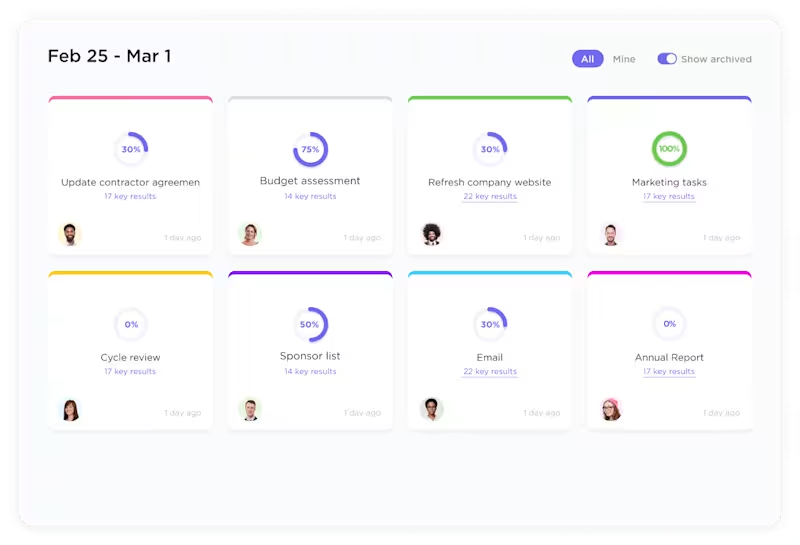
Set SMART goals in ClickUp to:
Track progress with different target types. For instance, use number targets to monitor improvement percentages or true/false targets for completion-based goals.
💡 Pro Tip: Connect coaching goals directly to the leader’s actual workload. If the goal is to delegate more, track delegation-related tasks. If it’s about building cross-functional relationships, create tasks tied to stakeholder meetings.
Once your goals are finalized, start documenting your coaching strategy and materials in ClickUp Docs. Docs act as a central hub for everything from your session notes and development plans to feedback and action items.
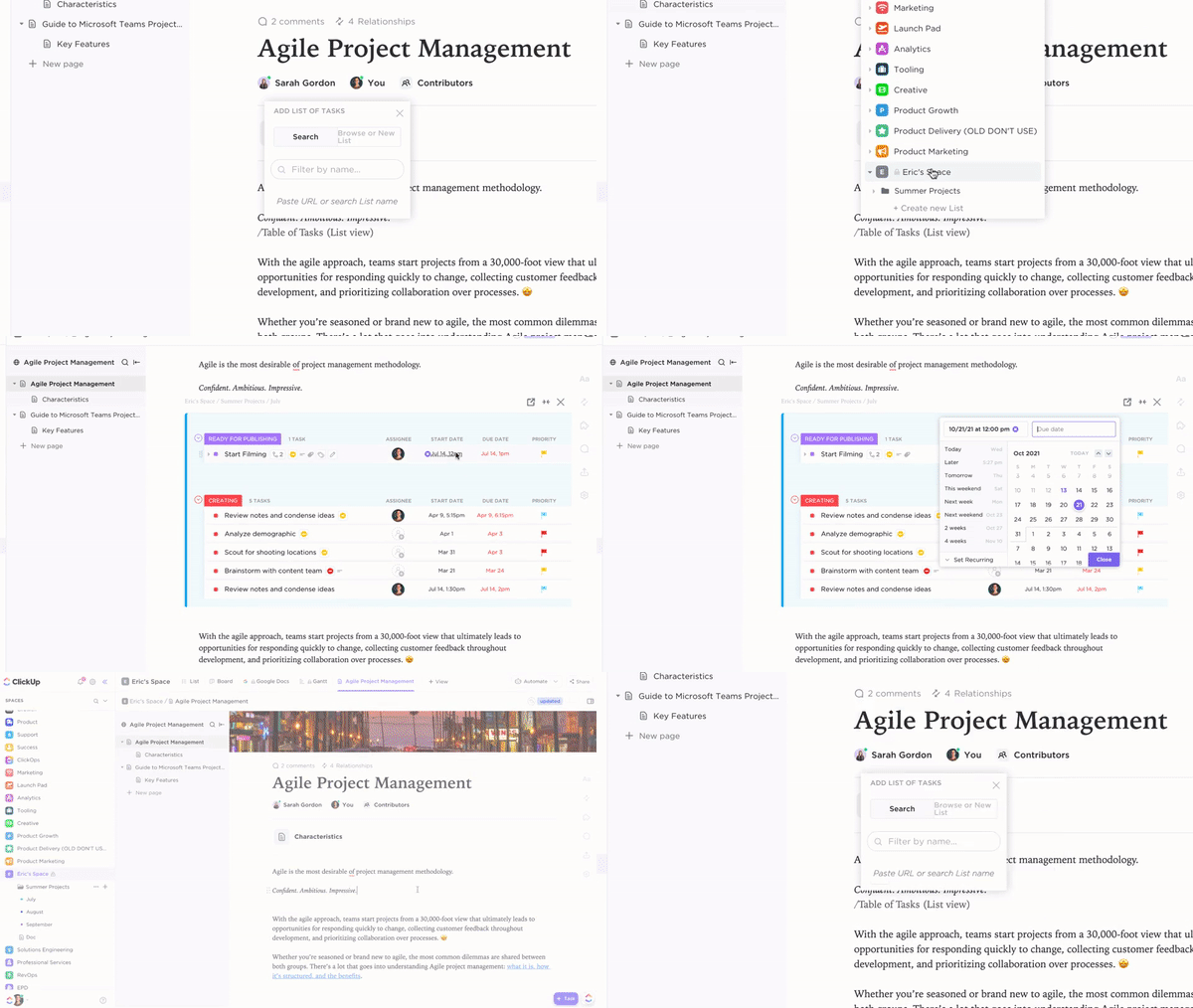
Think of it as your coaching playbook—both the coach and the executive can quickly find what they need without digging through emails or heaps of paper files. The real magic happens through features like:
Click Up helps us organise, visualise and prioritise tasks, provide transparency and control over tasks and projects and the ability to effectively interact with each other. The interaction between Docs and tasks is great. Easily convert pieces of text into tasks.
Over 40% of executives fail within their first 18 months after a promotion or external hire, often due to poor onboarding coaching.
Executive coaching can play a pivotal role in onboarding new leaders, not just teaching them what to do, but helping them navigate how to lead effectively within your organization’s culture. But for coaching to stick, it needs structure, accountability, and repeatability. That’s where ClickUp comes in.
Coaches often recommend specific actions, like practicing delegation, setting boundaries, or communicating more transparently. ClickUp Tasks help break down these ambitious leadership coaching goals into clear, trackable steps.
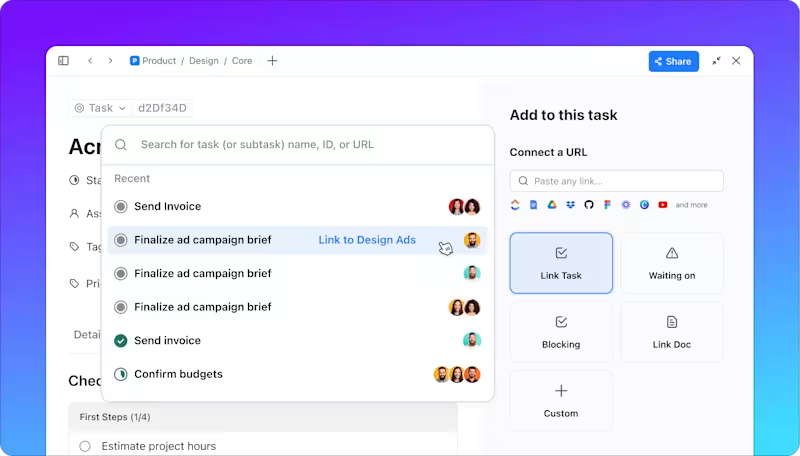
You can set priority levels for each task, map dependencies, create checklists, establish due dates, and measure progress via Custom Statuses to transition seamlessly into a new (or higher) leadership role.
For example, a coach working with a new VP of Sales might create tasks for:
📮ClickUp Insight: 92% of knowledge workers risk losing important decisions scattered across chat, email, and spreadsheets. Without a unified system for capturing and tracking decisions, critical business insights get lost in the digital noise. With ClickUp’s Task Management capabilities, you never have to worry about this. Create tasks from chat, task comments, docs, and emails with a single click!
ClickUp Custom Fields let you go beyond basic task management, allowing you to track specific leadership competencies and organize information seamlessly.
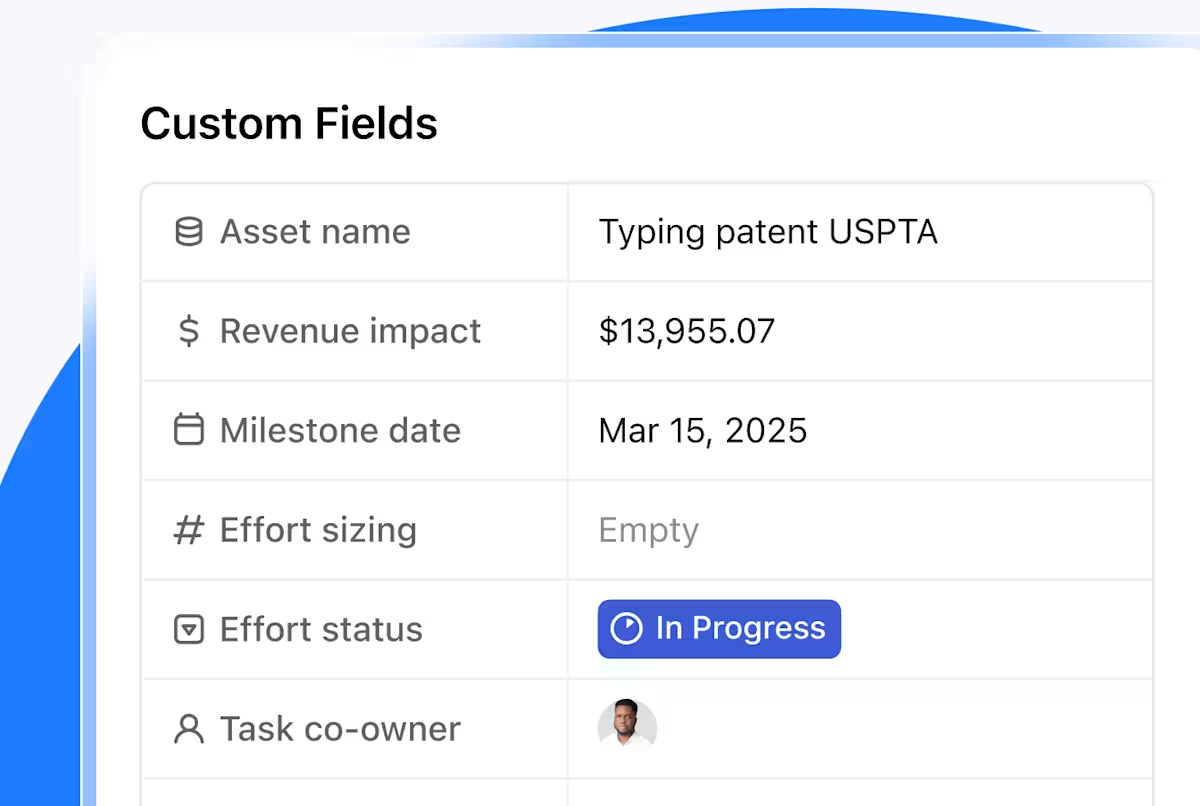
Different Custom Field types enable you to capture various bits of information, ensuring tasks are organized and consistent across the board.
💡 Pro Tip: Want to standardize leadership development programs and onboarding processes? Create repeatable templates for coaching plans, performance check-ins, and development roadmaps to ensure no critical touchpoint is missed.
Sometimes teams hit rough patches that hurt their output. That’s where business mediation comes in. This approach creates safe spaces for honest dialogue. Teams can work through their differences and rebuild trust, which is essential for high performance.
Coaching isn’t just about individual growth—it also plays a vital role in resolving team friction and building collaboration.
With ClickUp Whiteboards, leadership teams and coaches can brainstorm strategies for conflict resolution or map out new workflows to improve communication. Use discussion threads and Assigned Comments in ClickUp to facilitate constructive feedback and follow-up actions, all in one place.
ClickUp Chat bridges the gaps between formal coaching sessions and everyday situations where leaders need to apply the lessons learned.
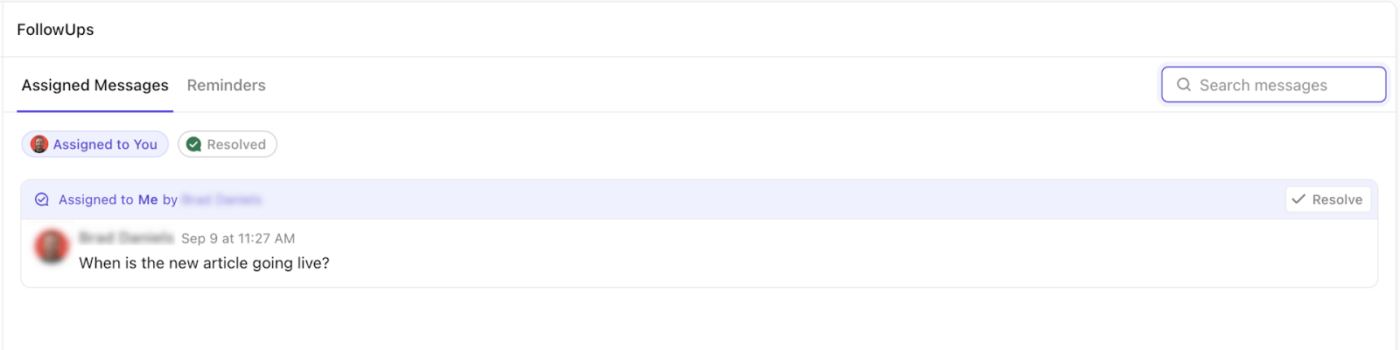
Rather than waiting for scheduled meetings, coaches can use real-time (or async) conversation threads to:
The chat stays focused and actionable since you can link specific tasks or documents to the conversation.
You’ve set your goals, broken them down into tasks, and are diligently implementing coaching advice.
How do you know what’s working?
The greatest impact comes when coaching outcomes are defined, tracked, and reviewed over time. ClickUp Dashboards give you a real-time view of the coaching progress you’re making.

Create custom cards to display:
Once you have the data in place, use Whiteboards to map challenges, explore leadership frameworks, or ideate solutions with your coach.
You can also log session takeaways, action items, and evolving priorities directly within tasks or Custom Fields. This builds continuity across sessions and allows for real-time adjustments while you grow as a leader.
What if we told you you could have a second coach to complement your main one?
ClickUp’s built-in AI assistant, ClickUp Brain, also offers practical tools to help you grow as a leader. It can speed up progress by drafting personal development plans, summarizing coaching sessions, or even generating prompts for reflection and growth.
📮ClickUp Insight: Nearly 88% of our survey respondents now rely on AI tools to simplify and accelerate personal tasks. Looking to generate those same benefits at work? ClickUp is here to help!
ClickUp Brain, ClickUp’s built-in AI assistant, can help you improve productivity by 30% with fewer meetings, quick AI-generated summaries, and automated tasks.
Try it for yourself. Just describe the focus area for your leadership coaching program (e.g., “improve executive presence” or “lead with empathy”), and AI can generate a personalized action plan complete with milestones, suggested habits, and measurable outcomes.
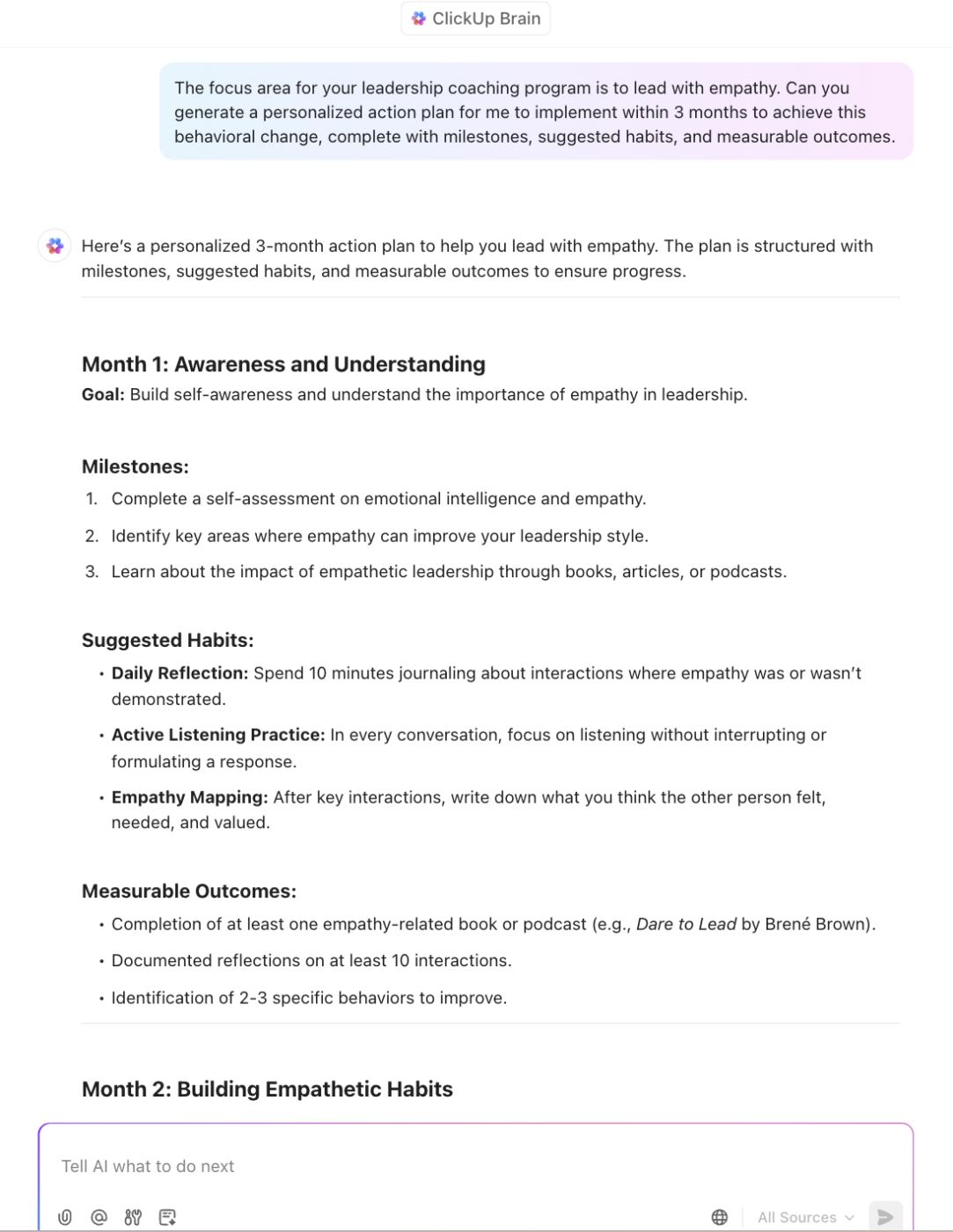
Further, ClickUp Brain can even suggest reflection prompts tailored to your goals or recent experiences, like:
These micro-moments of insight build self-awareness and reinforce coaching themes.
Whether you’re navigating a team conflict, planning a big initiative, or struggling to influence stakeholders, ClickUp Brain supports you by brainstorming paths forward, after considering different perspectives and possible outcomes.
💡 Pro Tip: Don’t let great insights get buried in meeting notes. Invite the ClickUp AI Notetaker to your coaching sessions and have it instantly summarize the conversation, highlight key takeaways, and generate a searchable transcript with a list of clear action items.

With a structured approach to growth, clear feedback channels, and measurable goals, executive coaching helps leaders reach their full potential. But managing your coaching journey needs the right tools. That’s where ClickUp comes in.
ClickUp Goals help you track your leadership development targets. Create specific milestones for skills you want to build, set measurable targets, and watch your progress unfold in real time.
Need to document coaching sessions? Use ClickUp Docs to take detailed notes, create action plans, and share insights with your coach. The platform’s built-in time tracking lets you monitor how you spend your day, helping you focus on high-impact leadership activities.
Plus, with ClickUp Dashboards, you can visualize your growth journey. Track key metrics, spot patterns in your leadership style, and make data-driven decisions about your development.
Sign up on ClickUp today and turn your leadership potential into real results.
© 2025 ClickUp




