
Project Pipeline Management for Effective Project Planning and Execution

Sorry, there were no results found for “”
Sorry, there were no results found for “”
Sorry, there were no results found for “”
When it comes to choosing and overseeing your organization’s projects, you need a project pipeline management framework. This will give you a systematic way to brainstorm ideas, plan projects, and keep them on track until they’re completed.
Keep reading to discover the six stages of project pipeline management as well as the best practices that will lead you to success.
Project pipeline management is a systematic approach to managing projects from conception to completion. This means it starts before the project has even been defined and planned. It begins with the ideation project phase, which is when the team first brainstorms what projects it might want to pursue.
Project pipeline management is crucial to a company’s strategic planning. Part of the process is to choose from a list of potential projects by considering:
It’s also a key in the overall project management process by considering potential bottlenecks, timelines, and project goals early on.
The project pipeline management process involves six stages. These stages provide a structured framework to guide decision-making, resource optimization, and so much more. They are each crucial for managing an organization’s flow of projects and strategic objectives.
Let’s explore each stage in more detail.
In the ideation stage, team members and stakeholders generate new project ideas. This stage might involve:
Focusing on these points can help you pick the right projects to prioritize for current organizational goals. Ideally, you’ll keep track of the source, creation date, and feedback pertaining to each idea for later review.

Pro tip: Project management software can help you organize notes and make it easier for team members to collaborate and share new ideas. With ClickUp’s Whiteboard feature, multiple people can brainstorm in real time, using images, shapes, notes, and freehand drawing.
During the work intake stage, you’ll flesh out proposals for the best project ideas identified during ideation.
The goal is to get the top proposal(s) approved by upper management, which you’ll need to outlining details such as:
You can work with team members to do any preliminary research and develop the proposals. Then you can create a formal presentation to pitch to clients, stakeholders, or upper management.

Pro tip: Try using a project overview template to save time and make sure you don’t miss anything when developing proposals and formal presentations. ClickUp has many premade templates available, or you can create your own.
Phase gates are formal reviews to assess the progress and continued viability of the project as it moves through the pipeline.
Following project approval, you’ll set phase gates to ensure you’re checking in with how everything is progressing on a regular basis. Phase gates generally align with project milestones.
At each phase gate, all the project’s stakeholders will evaluate how the project is performing compared to the previously defined plan. In addition, the group might also review:
If the project is on track, it has a good chance of continuing its progress through the project management lifecycle. If not, it may be terminated or put on hold to prevent wasted time and resources.
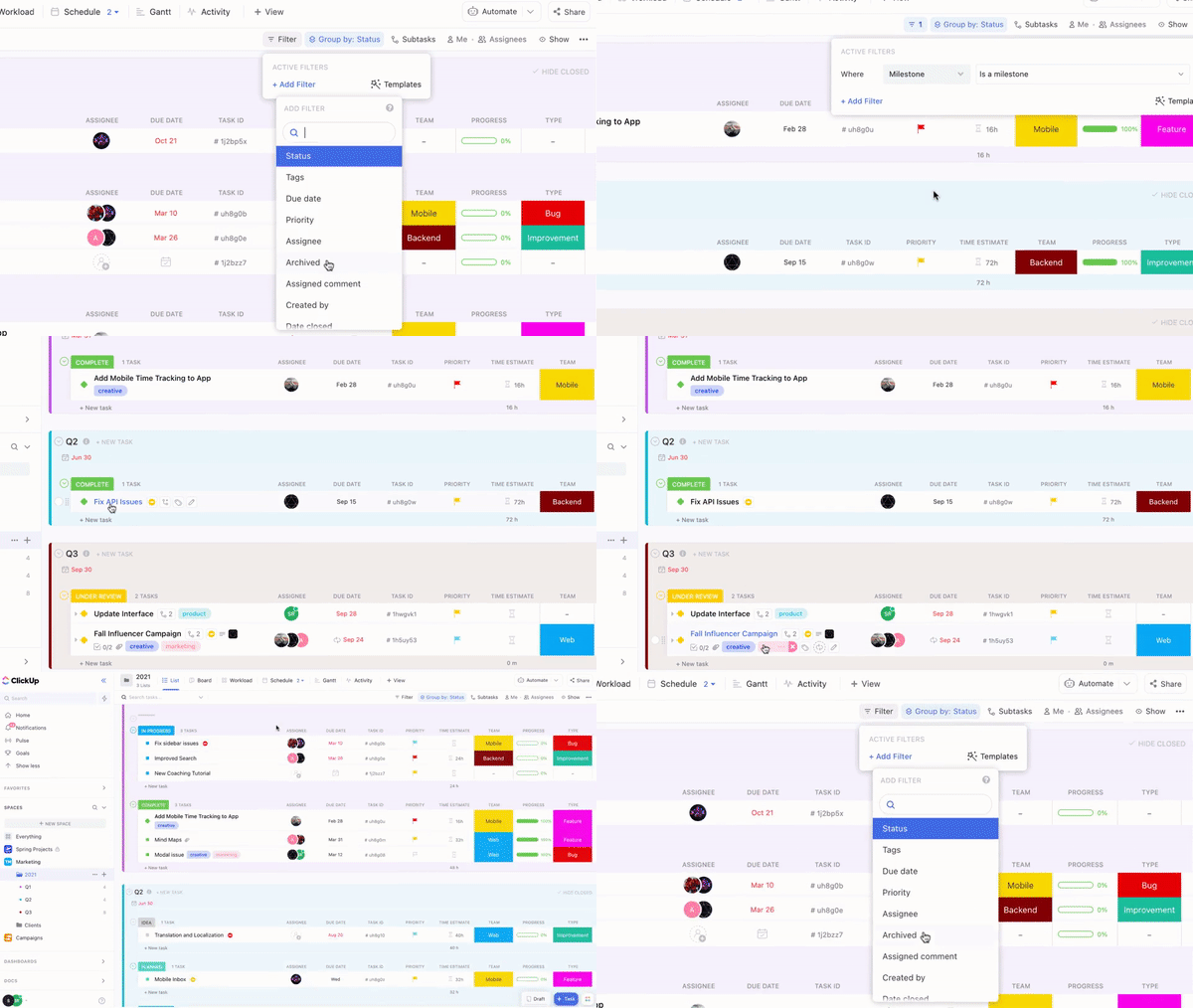
Pro tip: Visualize how far along projects are between phase gates using ClickUp Milestones to keep everyone on the same page. They help you visualize how different tasks connect to project goals and can be viewed from Dashboards, Gantt view, or Board view.
In the project planning stage, you begin to shape your project and decide what work needs to be done and when.
Project planning is a detailed process that might include things like:
Be sure to check in with team members individually to ensure everyone is clear on the project objectives and no one is taking on more work than they can manage. You’ll also want to create a plan for monitoring each team member’s task completion to identify and avoid bottlenecks as the project progresses.

Pro tip: Use project management tools to manage your team’s workflow and set up automation for daily tasks. Many tools also provide project management templates to make creating things like Gantt charts and Kanban boards easier.
The project in progress stage is where execution begins. It’s time for your team to start working on and finishing tasks to move the project closer to completion every day.
This is a high-pressure stage that involves things like:
This is the most time-consuming stage. Depending on the number of project objectives, it might be months or years before you move to the next phase.

Pro tip: Use a ClickUp Dashboard as your project’s mission control center. With over 50 widgets available, you’ll be able to track goals, keep an eye on key metrics, monitor progress in real time, and more.
This stage is self-explanatory—the project is completed and delivered, and it’s time to celebrate! 🥳🏆
After you celebrate your successful project, it’s time to assess how things went. As the PM, you can lead team members in a discussion about topics like:
This lets you see where you could have performed better on the project to benefit future projects.
You might also want to review the strengths and weaknesses of each team member in one-on-one project completion meetings.
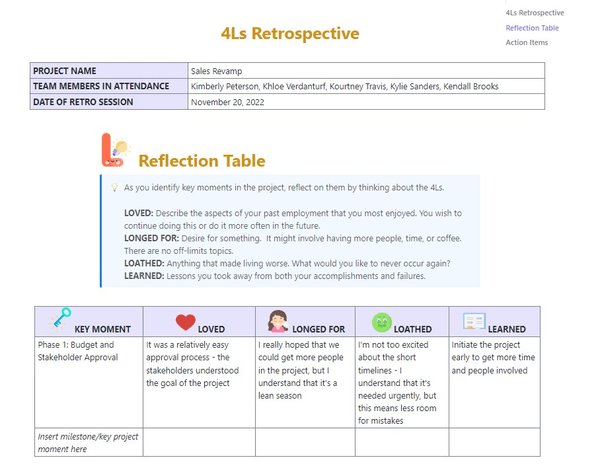
Pro tip: Make your project team’s retrospective sessions more engaging with the 4Ls technique — that stands for “loved,” “longed for,” “loathed,” and “learned.” ClickUp’s 4Ls Retro Template makes it easy for your team to reflect and summarize key takeaways that can be applied to future projects.
Project portfolio management refers to managing the entire collection of projects (or the project portfolio) that are underway for a team or company. It might include:
This is different from project pipeline management, which is focused brainstorming and selecting potential projects before they begin. The projects that are chosen to move forward will then become part of the project portfolio.
These best practices are designed to ensure a smooth workflow for as you identify, evaluate, select, and follow-through on projects. Every organization is different, so don’t hesitate to adapt these best practices according to specific needs or add to them as you learn, grow, and innovate.
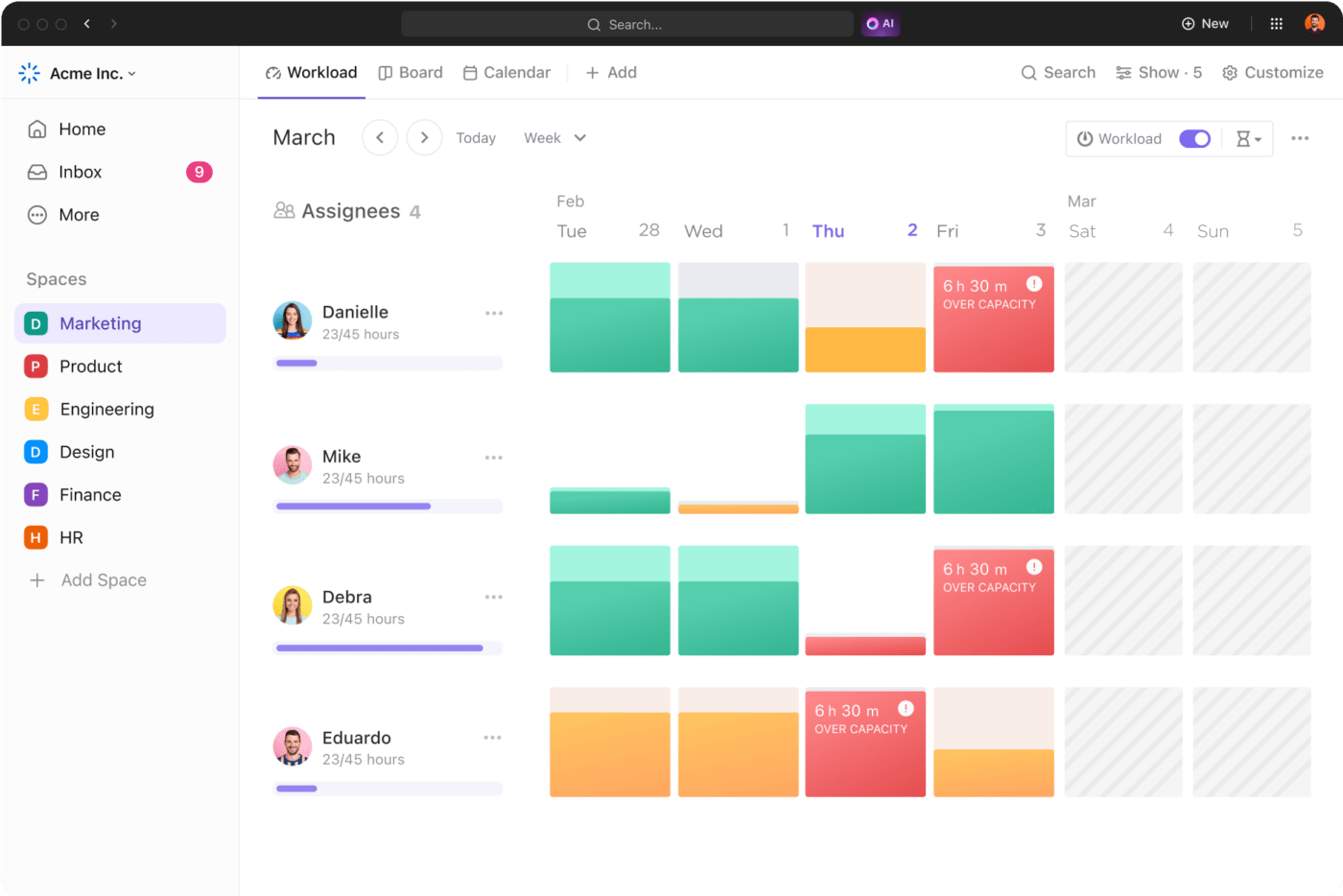
Efficiently allocate resources to maximize the value of each project. Resources to consider generally include budget, workforce, and materials.
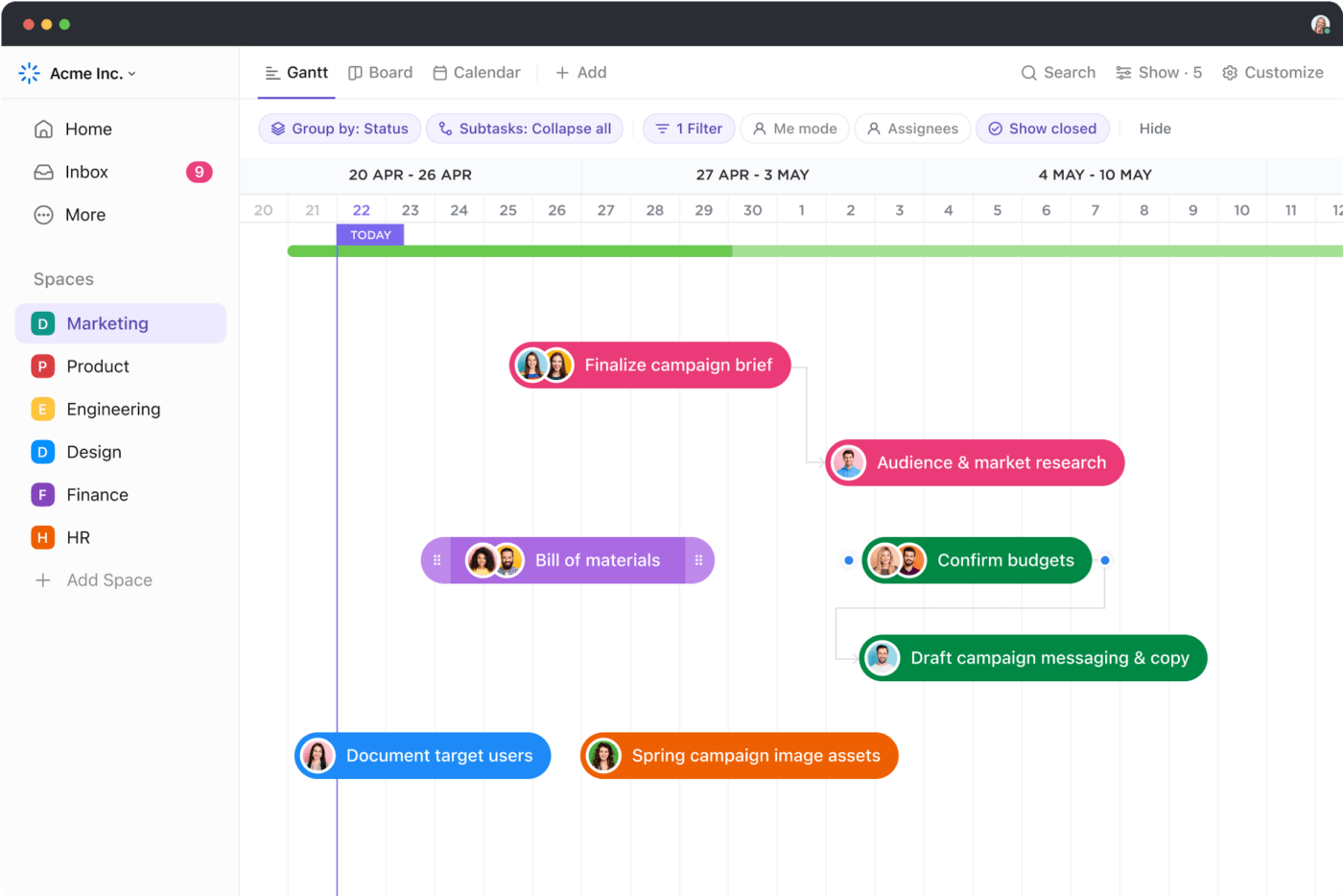
Agile project management is flexible and enables your team to respond quickly to changes as the project progresses. You might implement Kanban boards, Gantt charts, and other Agile methodologies. Then compare the results to projects handled without an Agile focus.

Establishing straightforward criteria for project prioritization can save you time and resources when approaching pipeline management. Consider things like resource availability, potential ROI, sales pipeline predictions, and organizational alignment.
Continuous evaluation can help teams adapt to changing organizational conditions, needs, and priorities. Regularly review and reassess current, potential, and future projects to ensure you’re placing your focus where it belongs.
Fostering transparent communication with stakeholders helps ensure alignment with their needs and expectations. Clear communication also keeps stakeholders informed and engaged throughout the project lifecycle.
Hold regular check-ins to identify and mitigate project risks so you can reduce disruptions. This is essential for marketing project management and other projects that require near-immediate risk response times to minimize losses.
Base decisions on KPIs and other reliable data that measure project success. This might include reports from your sales team, on-time task completion rates, resource capacity, budget variance, and more.
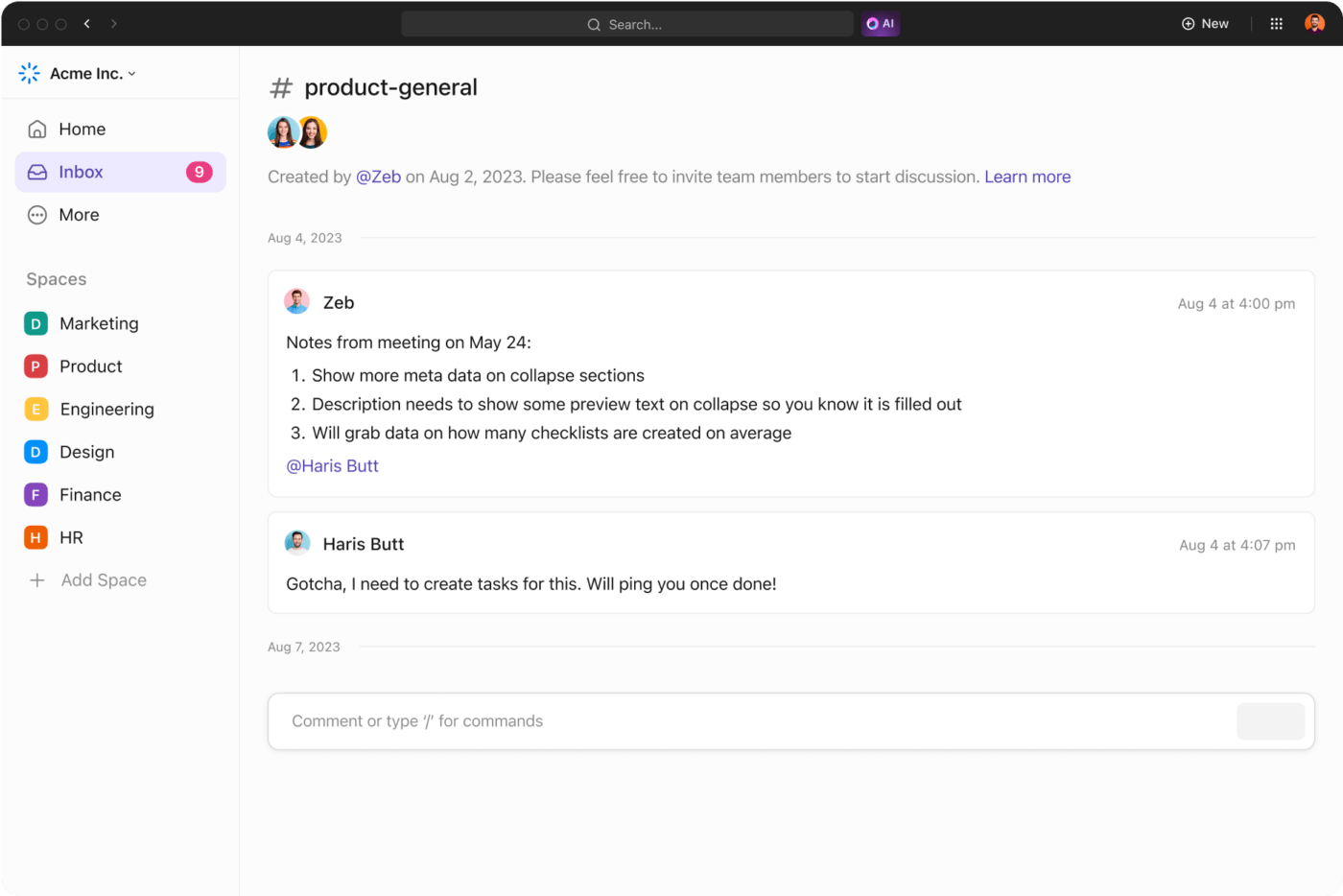
Implement strategies and apps to encourage communication and teamwork between teams and departments. This might mean picking a project management software or CRM that’s useful for every department, scheduling daily stand-up meetings, or something else. 🤝
Promoting a culture of continuous improvement encourages your team members to learn from their mistakes and put their hearts into every project. Emphasize learning from past projects, applying best practices, recording lessons learned, and brainstorming with team members to identify organizational weaknesses.
Project management software provides centralized visibility into project timelines, statuses, and resource allocation, which streamlines project pipeline management like you wouldn’t believe.
The right project management tool can facilitate collaboration, improve decision-making, enhance stakeholder relationships, and improve your team’s workflow.
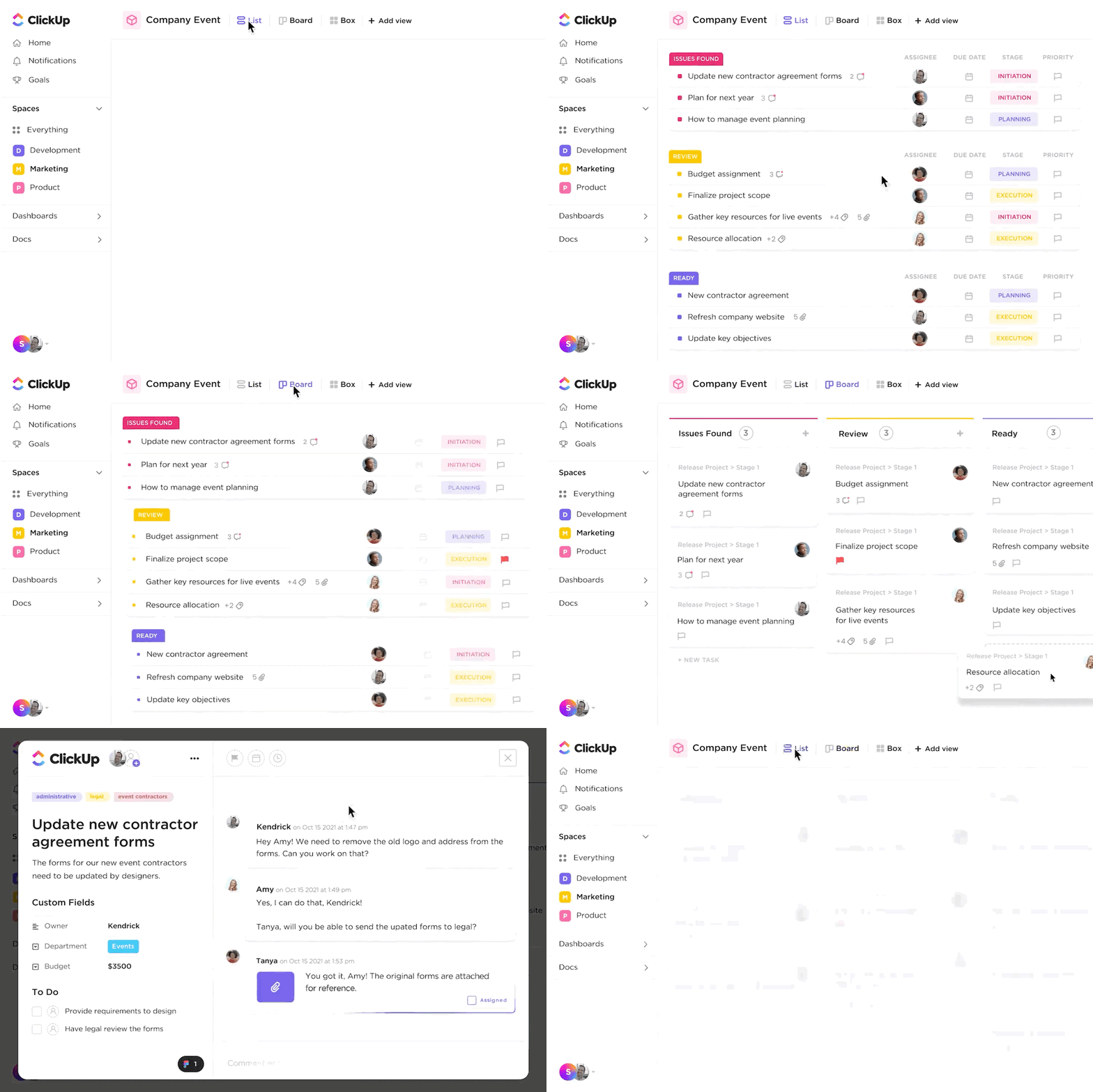
ClickUp for project management stands out as the best software for project pipeline management and every step of the project management process. It has a comprehensive suite of features, including customizable task statuses, portfolio views, real-time collaboration, and seamless integration options.
ClickUp was designed to help you closely monitor project progress, gather feedback, automate manual work, and save time at every corner.
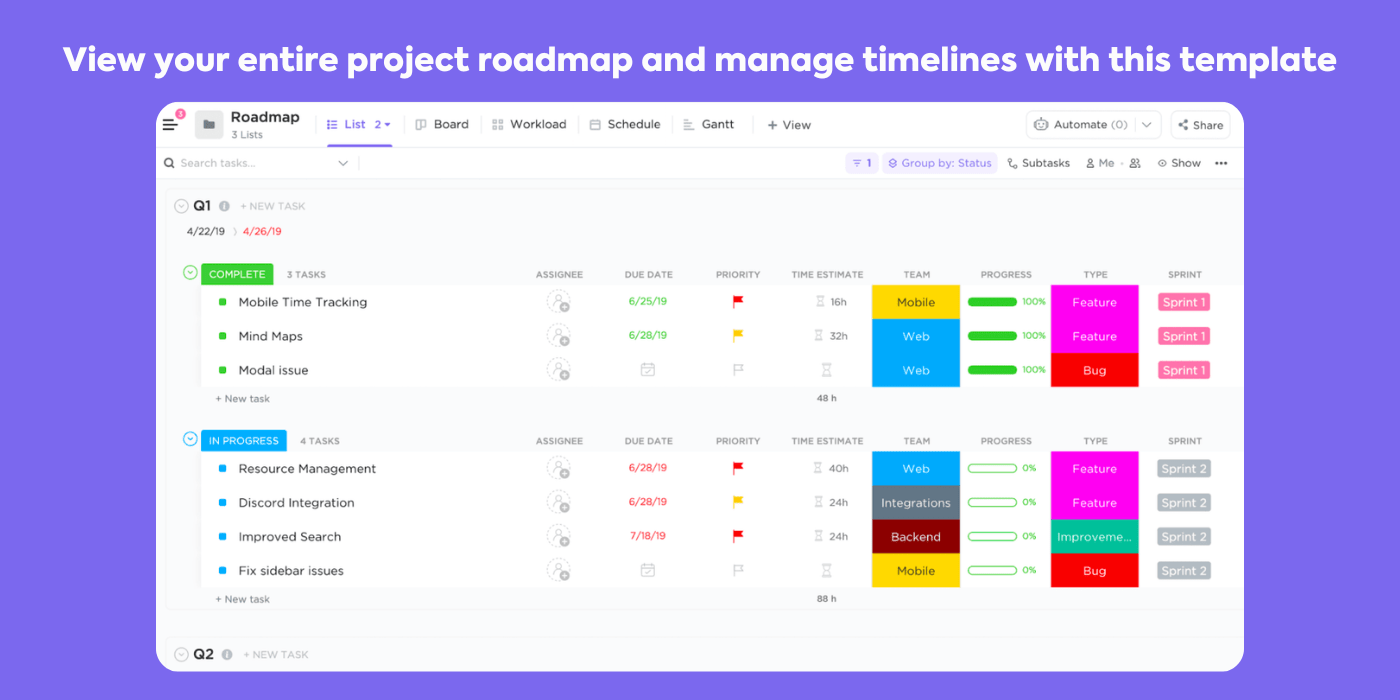
Use the ClickUp Project Roadmap Template to keep track of all the moving parts within the project management pipeline. It’s packed with the tools you need to ensure a successful project, and it’s just one of over 1,000 templates designed to make your life easier.
Pipeline project management is the systematic planning, execution, and monitoring of projects within an organization. It’s designed to ensure that projects align with strategic objectives as they progress from ideation to completion.
The pipeline phase in project management is when potential projects are identified, evaluated, prioritized, and executed. This phase is handled with project pipeline management best practices as the PM guides the project through each stage (ideation, work intake, phase gates, project planning, project in progress, and project completion).
The benefits of project pipeline management include improved organizational alignment, resource optimization, and enhanced decision-making. It also ensures increased project success rates and organizational efficiency.
Creating an efficient project management pipeline is one of the best feelings you can enjoy as a PM. It’s so satisfying to watch optimized projects move from ideation to completion.
Effective project pipeline management is crucial to organizational success. You’ll ensure strategic alignment, resource optimization, and timely execution, effectively driving innovation and securing a competitive advantage. ✨
ClickUp is an indispensable tool, offering robust features tailored for all things project pipeline management. It empowers organizations to streamline workflows, enhance collaboration, and make data-driven decisions to maximize the efficiency and success of project initiatives.
Oh yeah, and it’s free! 🤑
What are you waiting for? Sign up for ClickUp today.

Praburam Srinivasan
Max 18min read

Sudarshan Somanathan
Max 30min read
Praburam Srinivasan
Max 20min read

© 2026 ClickUp




