
Sorry, there were no results found for “”
Sorry, there were no results found for “”
Sorry, there were no results found for “”
As marketers, we should be changing the mantra from always be closing to always be helping.
A marketing career path is one of those things you simply cannot confine to strict, narrow boxes. It’s one of the few fields where your creativity, strategy, and leadership skills are just as important as your technical skills. Combined, they can shape real outcomes and serious revenue for your organization.
Some of the world’s most successful marketers have had unorthodox starts to their careers. You might start out writing content for a local brand and end up leading a global marketing strategy for a tech giant. Or maybe you discover you’re great at managing projects, and your career pivots into marketing operations or analytics.
Whether you’re building viral campaigns, decoding customer behavior, or launching products across digital channels, what matters most isn’t where you begin, but how well you:
This guide will take you through every step of a marketing career, from entry-level roles to executive leadership and the coveted Chief Marketing Officer (CMO) title, so you can plan your next move with confidence.
🚀 Bonus: We’ll also introduce you to the perfect tools to chart a blazing marketing career path, give you free career planning templates, and share the stories of global marketers.
Not sure how to grow in marketing or what roles lead to leadership? Here’s how to map a marketing career path that actually works:
Bring structure to your marketing goals and stay ahead in every role, from day one to director.
You don’t need years of experience to start in marketing, but you do need to understand what the field expects from day one. The best way in? Build real skills and show that you can apply them in action.
Before you apply anywhere, you’ll need a working grasp of how marketing teams operate and which skills make you valuable.
💡 Pro Tip: We have charted the entire marketing career path for you. Continue reading to understand how to build your marketing career.
You don’t need a formal title to get noticed. What recruiters and hiring managers look for is initiative.
Experience doesn’t have to come from a marketing agency or corporate job. If you’ve done the work(even independently), you’re already ahead of many entry-level applicants.
There’s no one way to grow in marketing but most professionals move through five core stages, each with its own set of skills, responsibilities, and impact.
Here’s how the typical marketing career ladder is structured:
You don’t have to follow this path exactly but knowing what each stage looks like makes it easier to move with purpose.
This stage isn’t just about learning how to “do marketing”, it’s about figuring out what kind of marketer you want to become. Entry-level roles expose you to tools, teams, channels, and workflows, helping you shape a career path that aligns with your strengths.
You’ll usually start in hybrid roles where execution meets exposure. Expect to find openings for:
You might run social calendars, proofread newsletters, draft product descriptions, or pull weekly analytics. None of it sounds glamorous, but it’s how most successful marketing professionals start.
At this stage, you’re contributing to campaigns while absorbing how teams function. What you pick up here directly impacts your ability to grow into more strategic roles.
This is where you develop your rhythm, sharpen your instincts, and learn to ask better questions, which is the foundation of long-term marketing success.
The smartest marketers don’t wait to become strategic, they start early by understanding how the work ladders up.
You don’t need to lead yet, but you should be thinking like someone who will. That mindset is what moves you from support to standout.
This is where your marketing career starts gaining altitude. You’re no longer executing tasks handed down from above but setting direction, managing people, and making decisions that affect the entire campaign, not just your assigned piece of it.
You don’t become a marketing manager just by doing your job well. This position belongs to you because you understand the bigger picture. At this stage, you’re expected to deliver results through others, not just by yourself.
What changes when you step into this role:
This role forces you to stop thinking like a contributor and start thinking like an owner.
📖 Also Read: A Day in the Life of a Marketing Manager
Most marketing managers are trusted with channel oversight and performance is expected.
You’ll likely own a slice of digital marketing that demands more than surface knowledge:
You’re not just analyzing data but making calls that move spending, shape creativity, or shift audience targeting. This is also when many professionals start leaning into their strengths, some develop into brand managers, others into performance marketers or digital strategists.
The work gets more complex, but so does your impact.
Did You Know? The employment for marketing managers is projected to grow by 10% from 2020 to 2030, which is faster than the average for all occupations.
This growth is driven by the increasing use of digital platforms to reach customers.
Becoming a marketing director is about managing more people and thinking in systems. This role places you at the intersection of strategy, performance, and people. You’re expected to scale campaigns, shape department goals, and create consistency across the entire marketing function.
You’re now overseeing how all parts of the marketing strategy come together—from product launches to brand storytelling to demand generation. That means more planning, more cross-functional collaboration, and a lot more accountability.
This is where soft skills and strategic thinking become just as critical as performance metrics. Your ability to make decisions, communicate clearly, and connect marketing with business outcomes becomes the difference-maker.
⚡ Template Archive: Free Marketing Plan Templates to Build a Marketing Strategy
Hiring becomes one of your highest-leverage tasks. The team you build now shapes how the organization grows.
You’re responsible for more than just expanding campaigns. You’re creating the conditions for your team to grow, take ownership, and drive results at scale. At this level, your success is reflected in how your people perform.
This is also where mentorship often begins, as you start shaping the next wave of marketing managers, brand strategists, and future directors.
At the vice president level, marketing stops being a department and starts becoming a business driver. You’re responsible for aligning marketing goals with company-wide growth, managing directors across specialties, and turning vision into measurable results.
At this level, your focus shifts from day-to-day campaign execution to building clarity, direction, and scale across every marketing function. The decisions you make directly impact revenue, market positioning, and brand perception.
This is where marketing becomes a lens through which the company evaluates success, especially in industries where growth is marketing-led.
Your role as VP isn’t just about performance metrics, it’s about alignment. You’re expected to keep marketing initiatives in lockstep with company objectives and evolving market conditions.
This is also where your leadership presence matters. You set the tone for how marketing communicates internally and externally. Especially across fast-growing marketing teams with specialized functions.
For many VPs, this role is the gateway to broader ownership, including marketing management at the C-suite level or eventually stepping into the chief marketing officer position.
This is where marketing meets executive leadership. As a CMO, you’re shaping how the business competes, communicates, and grows. Every decision you make carries weight across departments, markets, and boardrooms.
At this level, your responsibility spans the entire marketing ecosystem, from brand to revenue, from product alignment to cultural influence. You’re expected to lead not just a team, but a vision.
You’re managing multiple directors, scaling systems, and making decisions that influence hiring, budgets, and quarterly business performance. This isn’t a promotion, it’s a shift in how you think, operate, and lead.
CMOs are expected to see around corners. You’re anticipating shifts in technology, market behavior, and customer needs, then translating those signals into strategy.
Soft skills matter more than ever here like your ability to unify teams, communicate under pressure, and lead with clarity, which determines how far your vision goes.
No strategy stays relevant forever. At the CMO level, staying competitive means staying responsive.
Career progression at this stage is about lasting impact. CMOs influence how organizations evolve, brands lead, and marketing earns its seat at the executive table.
📖 Also Read: How to Start a Marketing Consulting Business?
Marketing rewards adaptability but it also tests it constantly. Every stage of the career ladder comes with new friction points. What slows you down as a coordinator is different from what stretches you as a VP.
And while the challenges evolve, one thing stays the same—clarity is hard to hold onto when everything is moving.
When you’re starting, it’s less about pressure and more about noise. You’re juggling five tools, ten tasks, and endless feedback but no one’s telling you what actually matters.
Without strong guidance, it’s easy to burn out or plateau early.
Once you hit specialist or manager level, you’re expected to lead but not always given the power to fix what’s broken.
This is when marketers either learn to manage up, out, and across or they get stuck in the middle.
At the top, the challenge isn’t knowing what to prioritize, when nothing can wait.
📮 ClickUp Insight: Nearly 88% of our survey respondents now rely on AI tools to simplify and accelerate personal tasks. Looking to generate those same benefits at work? ClickUp is here to help! ClickUp Brain, ClickUp’s built-in AI assistant, can help you improve productivity by 30% with fewer meetings, quick AI-generated summaries, and automated tasks.
Marketing leadership isn’t just about having the answers but holding the tension until the next right move becomes clear.
There’s no one-size-fits-all path in marketing. But the people who grow the fastest and stay relevant the longest always tend to follow the same playbook. They stay sharp, build strong networks, and use tools that help them work with more clarity and less chaos.
Here’s how to keep momentum on your side, no matter where you are on the ladder.
The marketing field moves fast. Algorithms shift. Tools evolve. Audiences change how and where they engage. And the only way to stay effective is to keep learning.
It doesn’t take hours a day. Just consistent curiosity.
Career growth doesn’t happen in isolation. Your network plays a direct role in your opportunities, mentorship, and long-term success.
Strong relationships often open the right doors faster than a perfect resumé.
The biggest differentiator between good marketers and great ones isn’t talent—it’s how they manage their time, energy, and attention. As campaigns get more complex and expectations rise, working harder won’t keep you ahead. Working smarter will.
That’s where ClickUp comes in. It’s a productivity system built for marketing teams who need clarity, speed, and results at scale.
Execution doesn’t mean chaos. With ClickUp, your planning, deliverables, and documentation stay in sync so campaigns don’t derail midway.
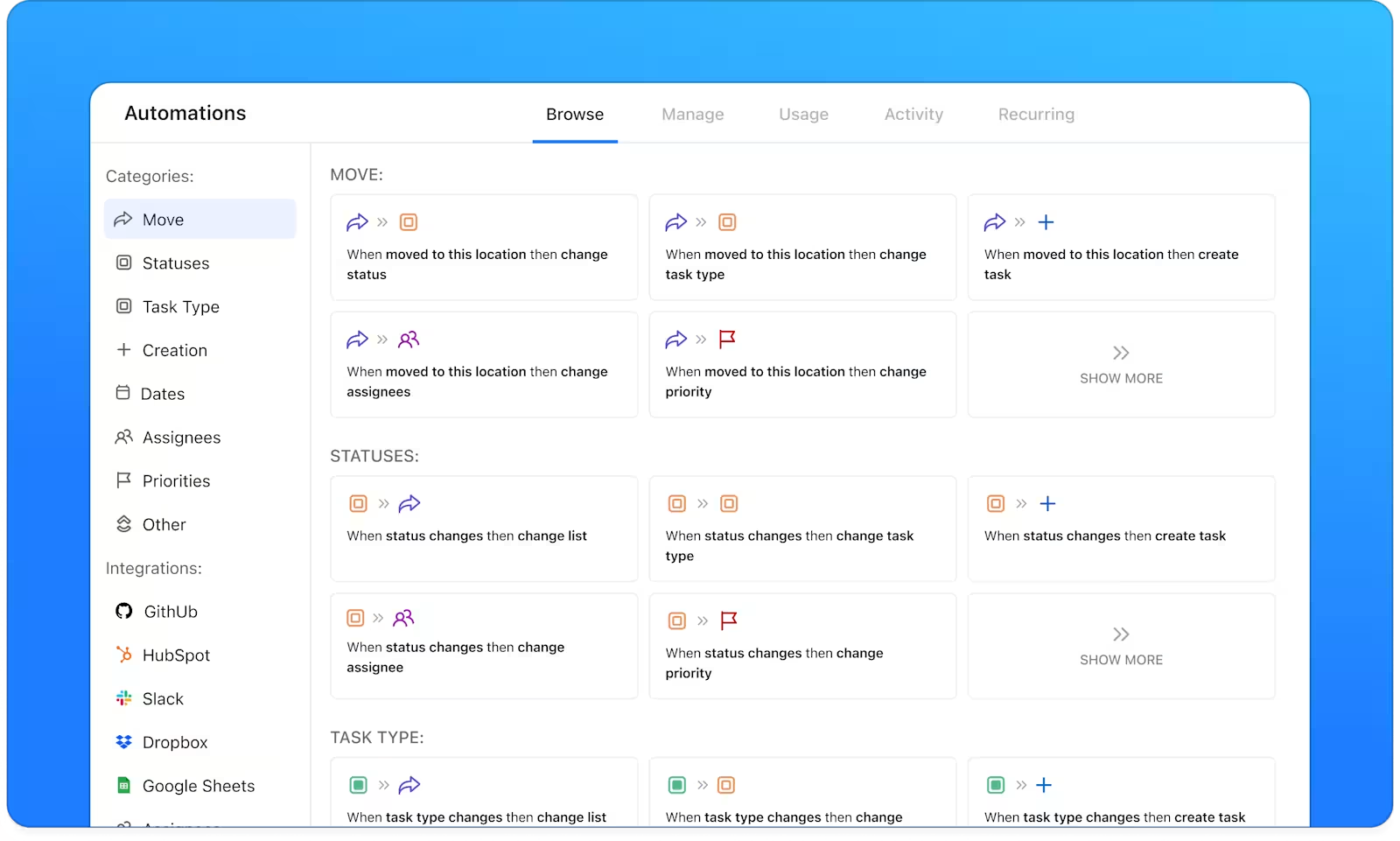
Manual updates and repetitive handoffs slow down good work. Automations keep momentum going without micromanagement.
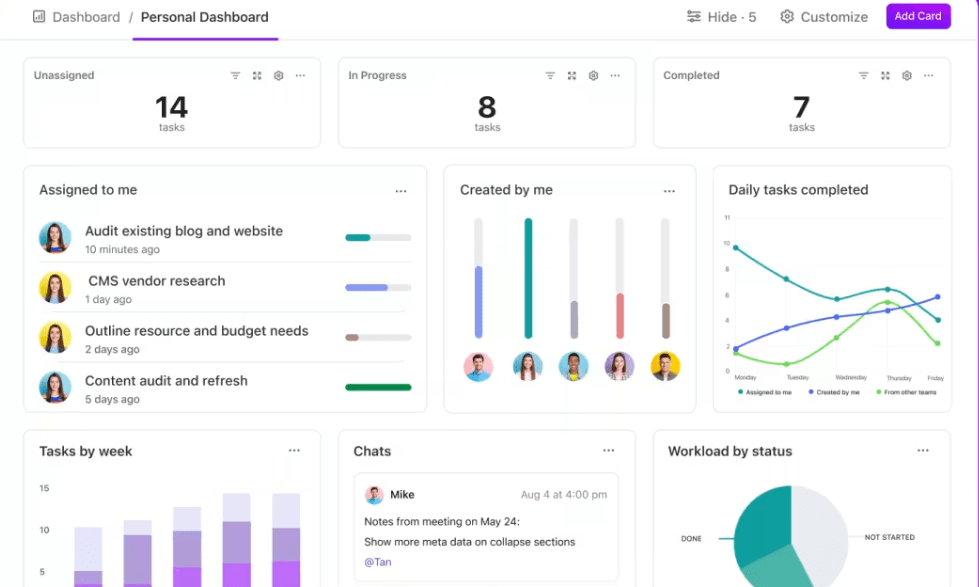
Data isn’t helpful if it’s scattered across tools. Dashboards give you visibility where and when it matters.
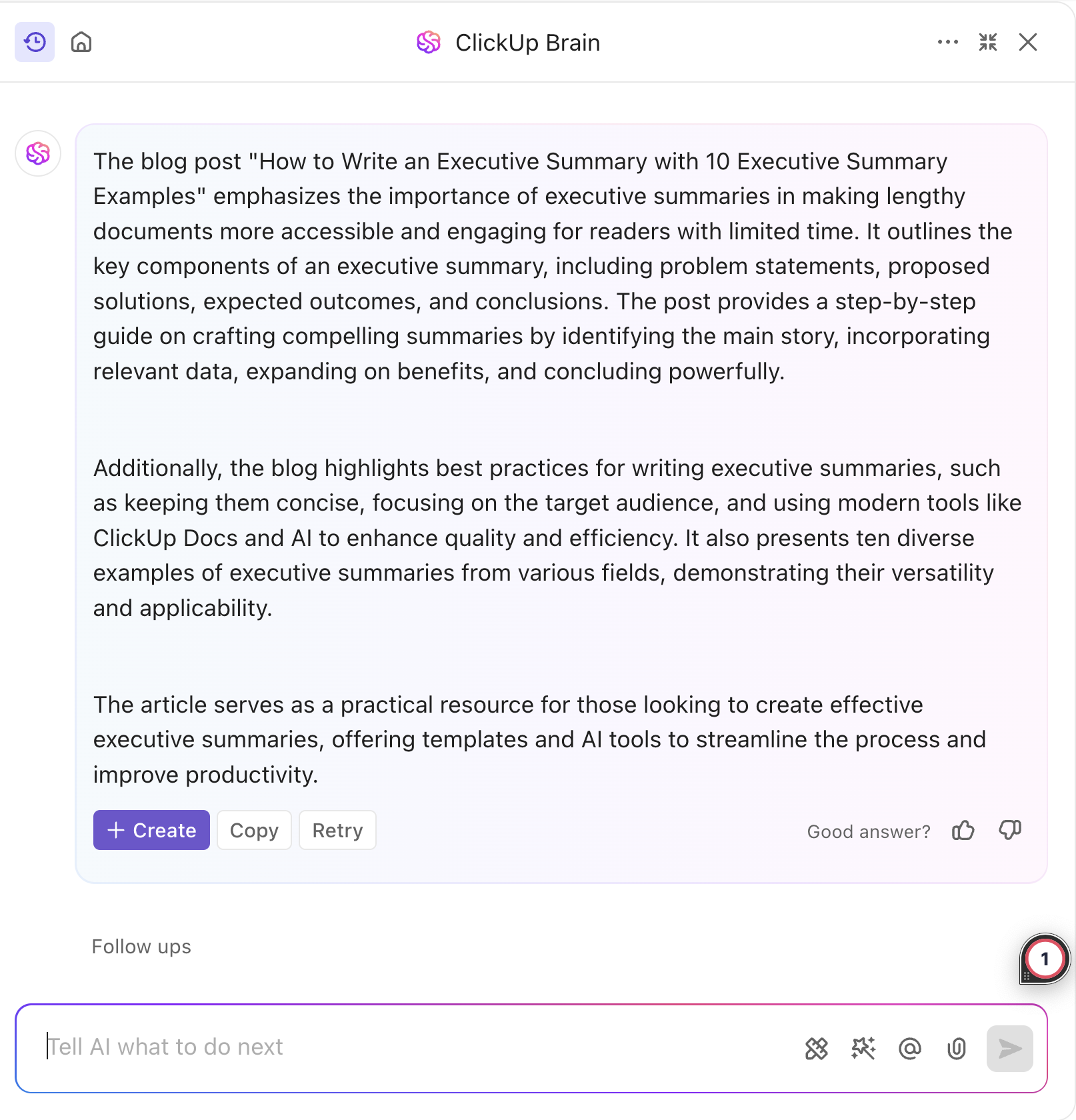
When conversations are scattered across apps, context disappears. Centralizing communication and insights puts your team back in sync.
📖 Read More: Top Marketing Tools for Startups (Free & Paid)
Not every marketing career follows a traditional ladder. Some professionals start as assistants. Others pivot from unrelated industries. But the ones who make it to the top? They learn fast, stay adaptable, and move with clarity, even in chaos.
Here’s how two marketing leaders built their careers from the ground up and what their paths can teach you.
Before she was leading global campaigns at McDonald’s, Morgan Flatley was navigating brand management at PepsiCo. Where she was working on localized campaigns with tight budgets and high expectations. She credits those early years with teaching her how to blend creative instincts with consumer data, a skill that proved critical later on.
Her rise was marked by key shifts:
Flatley’s success is about scale and precision. She built her credibility by asking the right questions, spotting gaps early, and delivering results that aligned with long-term brand health.
Bozoma Saint John didn’t climb the ladder quietly. She started in assistant roles at ad agencies, worked her way through brand management at PepsiCo, and later brought cultural storytelling into the spotlight at Apple Music, Uber, and Netflix.
What stands out in her career isn’t just where she worked but how she showed up:
Saint John’s path proves that soft skills like presence, intuition, and voice are not extra. They’re the reason she redefined brand engagement across some of the world’s biggest companies.
These careers didn’t unfold by accident. They were shaped by curiosity, clear decisions, and the ability to adapt at every level, from content execution to high-stakes boardrooms.
You don’t need to replicate their titles or industries. But you can learn from how they:
Great marketing careers aren’t about doing it all. They’re about doing the right things consistently and knowing when it’s time to lead.
📖 Also Read: Best Marketing Certifications to Grow Your Career
Whether you’re just stepping into your first marketing job or eyeing the CMO seat, your growth depends on more than just job titles. It’s about building the right skills, learning from every campaign, and staying adaptable as the marketing world evolves.
The marketing career path isn’t linear but it’s full of opportunity if you move with clarity.
Try ClickUp today to bring structure to your goals, momentum to your growth, and focus to the work that moves your marketing career forward.

Sudarshan Somanathan
Max 22min read

Manasi Nair
Max 20min read

Sean Hardy
Max 26min read

© 2026 ClickUp




