






Still downloading templates?
There’s an easier way. Try a free AI Agent in ClickUp that actually does the work for you—set up in minutes, save hours every week.
Sorry, there were no results found for “”
Sorry, there were no results found for “”
Sorry, there were no results found for “”
In India’s talent market, even stable teams can experience high churn by default. You hire for today’s role, and by the next quarter, employee expectations shift.
This volatility is structural. India now has 1,700+ Global Capability Centers (GCCs), employing about 1.9 million professionals and generating $64.6B in revenue as of FY2024, according to Zinnov and NASSCOM.
When work spans time zones, hybrid setups, and cross-functional teams, HR departments can’t rely on ad hoc processes to keep talent management steady. They need repeatable guidelines they can update as workforce trends change.
This guide breaks down the HR trends in India most likely to shape this year. You’ll also get practical steps HR teams can apply across hiring, employee experience, performance management, and employee well-being.
A few shifts are converging at the same time: Gen Z’s changing employee expectations, faster AI adoption, and a more varied workforce (including gig and contract work). Together, they’re reshaping how HR leaders think about the Indian HR landscape.
1) Gen Z expects learning inside the job (and more manager guidance)
Gen Z in India isn’t asking for more training calendars. They want skills development baked into real work, with managers who coach rather than just check in. Deloitte’s India findings show 94% of Gen Zs say on-the-job learning is the most helpful tool for career growth, and 62% want more guidance from managers than they currently get.
2) Company values matter more when well-being is under pressure
Values alignment now shows up in retention, engagement, and trust in performance systems. Values alignment shows up in how people feel about work, how long they stay, and whether they trust performance systems.
Deloitte’s India survey notes that Gen Z respondents who feel their values align with their organization report higher happiness than those who don’t. That’s a real signal for HR strategy.
What does this mean on the ground for HR leaders?
3) GenAI is already part of daily work, even when HR policies lag
Generative AI use is already common for many employees. Deloitte’s survey reported that 85% of Gen Zs and 85% of millennials in India are using GenAI in day-to-day work. When HR teams don’t set shared standards, you still get AI integration, just unevenly and with higher risk.
What HR teams should tighten now
4) The workforce model is widening (especially gig work)
More roles sit outside a traditional payroll model, and policy attention is rising around protections and standards. NITI (National Institution for Transforming India) Aayog estimated 7.7 million gig workers in 2020–21 and projected the gig workforce could reach 23.5 million by 2029–30.
For human resources teams, that changes how you think about onboarding, compliance, benefits, and employee experience across different job titles and worker types.
The HR trends below are most likely to shape India, as they change how you hire and retain employees.
Some are natural next steps, like sharper talent management and better employee experience. Others are bigger shifts, like AI adoption becoming routine, skills-first hiring becoming standardized, and pay equity moving closer to a baseline expectation.
AI adoption is already baked into day-to-day work, even when companies have not yet written rules for it. Deloitte’s Asia Pacific survey found 83% of employees in India are actively engaging with GenAI, so AI tools are already shaping how employees write and solve problems at work.
At the enterprise level, the conversation is also moving from pilots to real workflows. EY and CII reported that nearly half of the surveyed Indian enterprises have multiple GenAI use cases live in production.
For HR leaders, the opportunity is simple: bring consistency to how AI is used across HR functions.
Use AI for HR purposes, such as drafting job descriptions and helping managers prepare for performance management conversations. Then add clear review steps and boundaries for sensitive decisions so employee expectations around fairness and transparency do not get shaky.
🤔 Did you know: McKinsey estimates that, in an “early” automation scenario, agents and robots could perform 60–70% of today’s global work hours.
Degree-first screening is starting to feel outdated because roles are changing faster than static job requirements. A skills-first approach helps HR professionals hire for what matters now while keeping growth paths open as business needs change.
World Economic Forum reporting on workforce trends highlights that a large share of workers’ skills is expected to shift by 2030, making continuous learning and skills development a practical priority, not a “nice-to-have.”
LinkedIn’s research on skills-based hiring also points to a clear upside: when you hire for skills, you can widen your talent pool and create more realistic mobility paths, especially in fast-moving job titles where experience looks different across industries.
✅ Here are some practical steps HR leaders can take:
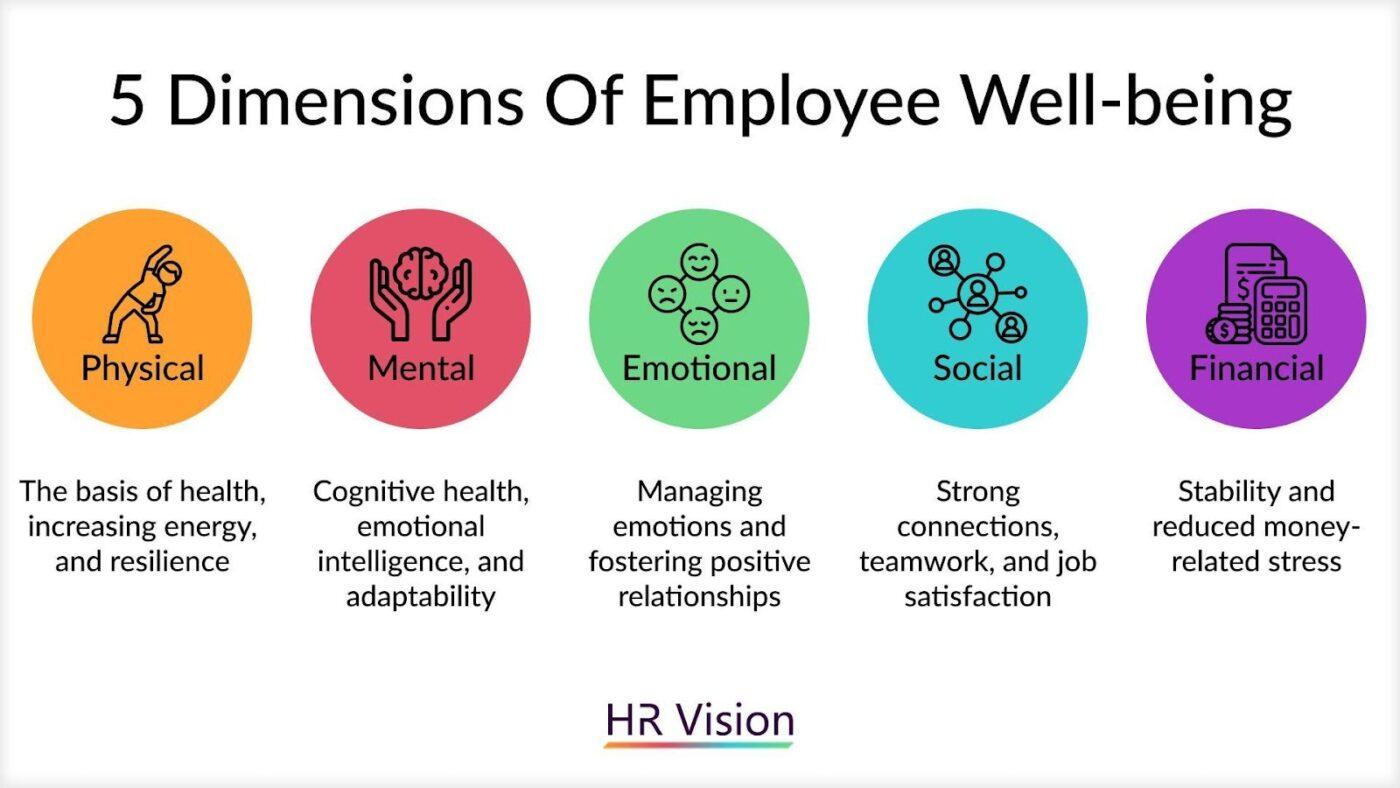
Mental health support is no longer just a benefits line item. It is directly tied to retention and employee engagement. The World Health Organization estimates depression and anxiety cost the global economy about 12 billion working days each year, adding up to roughly US$1 trillion in lost productivity.
In the Indian HR landscape, that shows up as higher attrition, lower employee experience scores, and teams that look fine on paper but burn out quietly.
✅ Here are some practical steps HR leaders can take:
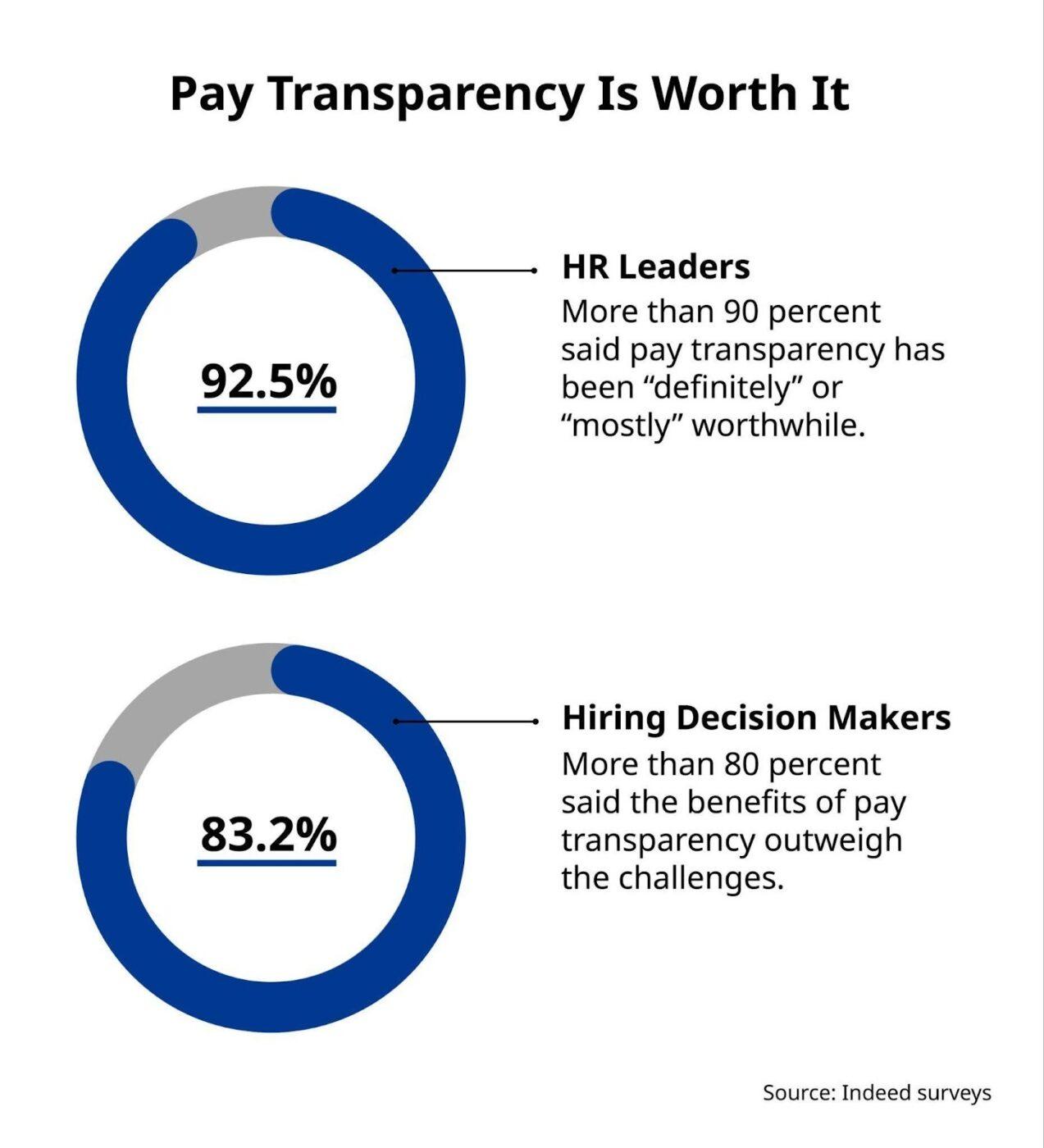
Salary ranges are showing up earlier in hiring conversations, and candidates are starting to expect it. Indeed-linked analysis found that in early 2025, the share of job postings on Indeed India that included salary information crossed 50%, up from 26% in March 2022. Employee expectations for clarity and faster, more informed decisions are driving this shift.
At the same time, pay equity is getting harder to treat as a quiet internal initiative. India’s Code on Wages includes provisions aimed at preventing gender-based discrimination in wages for the same or similar work.
For HR leaders, this trend helps in two ways: it improves talent acquisition by reducing back-and-forth in offers. This also builds trust when employees see that compensation decisions reflect company values instead of manager-by-manager negotiation.
🤔 Did you know: In one real-world pay transparency policy study, salary disclosure in job ads jumped by 30 percentage points, and average posted pay rose by about 3.6%.
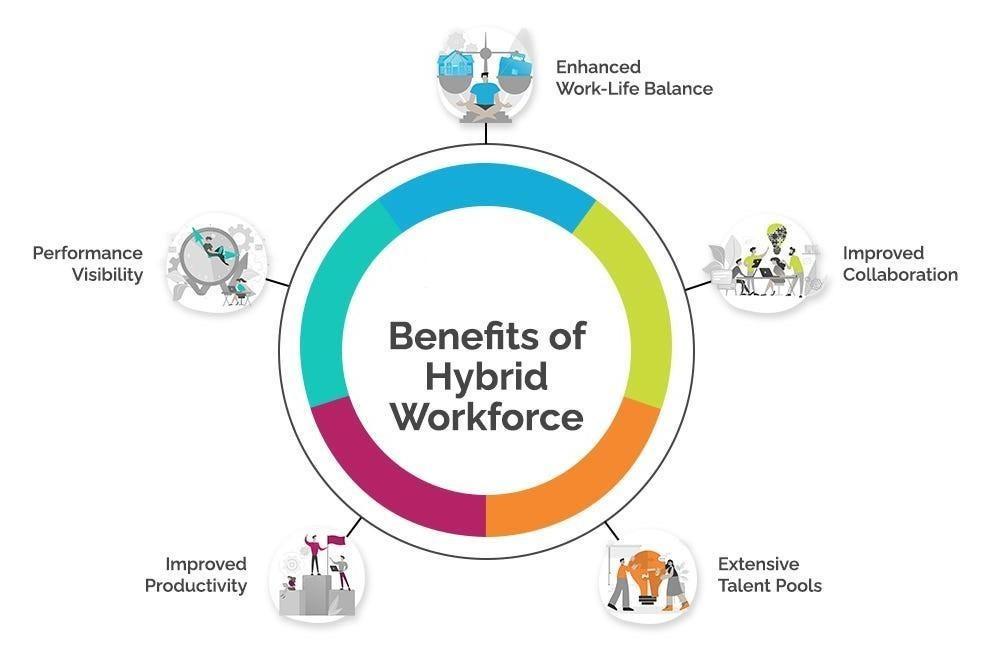
Hybrid and remote work are not disappearing, but the casual “manager decides” approach is starting to break. ADP’s 2025 research shows 36% of employees in India work in hybrid mode, while 50% are on-site daily and 14% work remotely.
That mix means most teams will continue operating across time zones and locations, even when office attendance increases.
For HR leaders, the priority is predictability. When employee expectations are clear on availability, handoffs, documentation, and response times, it gets easier to protect work-life balance without slowing delivery.
✅ Here are some practical steps HR leaders can take:
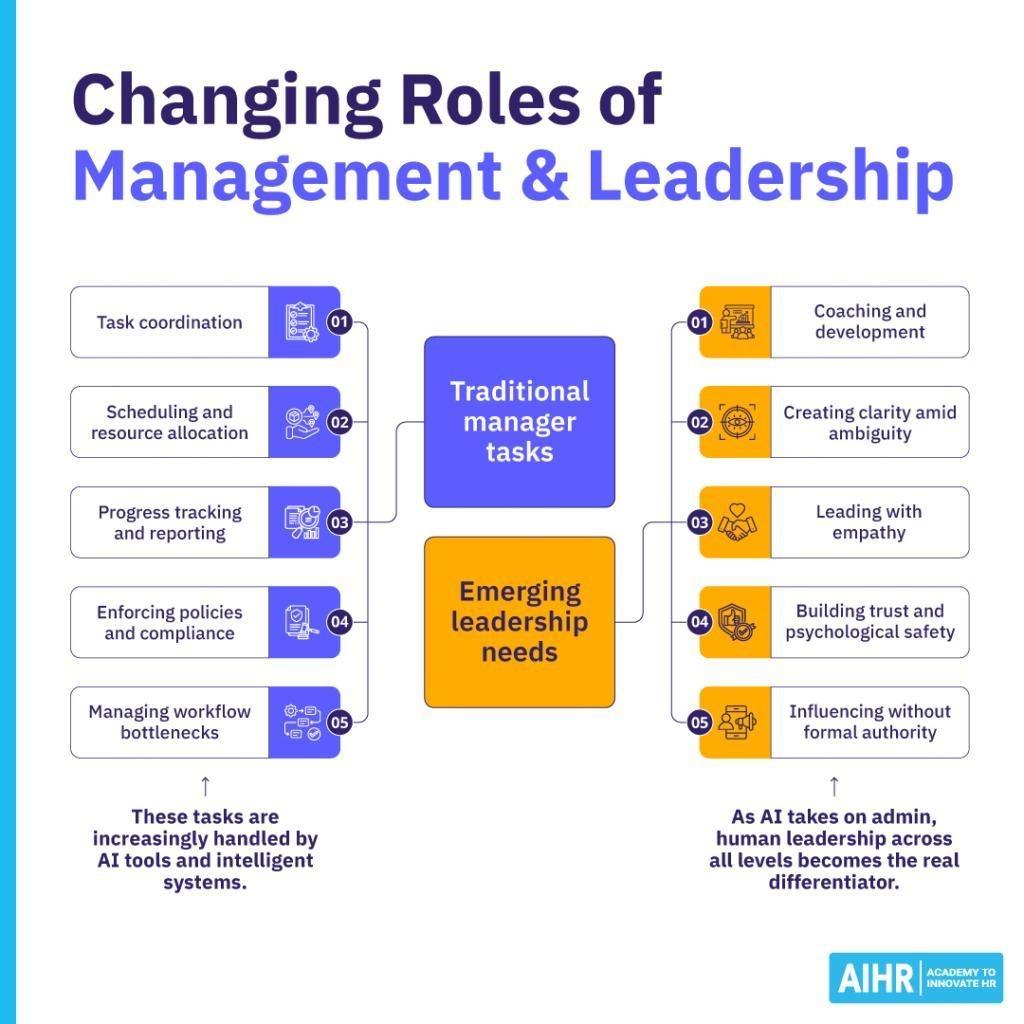
AI adoption and automation are changing job roles, responsibilities, and how work gets divided across cross-functional teams. Gartner found that 27% of organizations have already redefined job roles or skills due to AI or emerging technologies in the past 12 months.
For HR departments, this trend forces faster decisions on org design: who owns AI integration, who sets guardrails, and who signs off on new workflows that touch hiring and people data? HR leaders will also need tighter governance to ensure workforce redesign stays aligned with business goals.
✅ Here are some practical steps HR leaders can take:
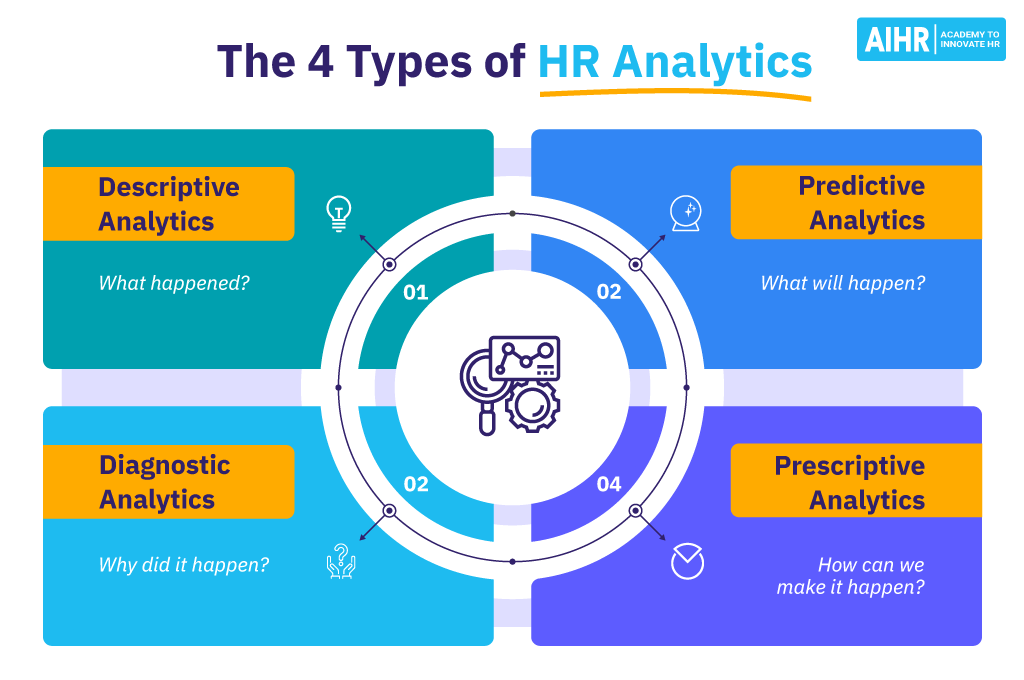
HR.com’s “State of People Analytics 2024–25” report found that only 22% rate their organizations as “very” or “extremely” effective at designing and implementing processes to get the most value out of people analytics.
In 2026, HR analytics becomes more useful when it moves from “what happened” to “what is likely to happen next.” That is where predictive analytics can help flag turnover risks or hiring bottlenecks before they become expensive problems.
✅ Here are some practical steps HR leaders can take:
📮ClickUp Insight: 92% of knowledge workers risk losing important decisions scattered across chat, email, and spreadsheets. Without a unified system for capturing and tracking decisions, critical business insights get lost in the digital noise.
With ClickUp’s Task Management capabilities, you never have to worry about this. Create tasks from chat, task comments, docs, and emails with a single click!
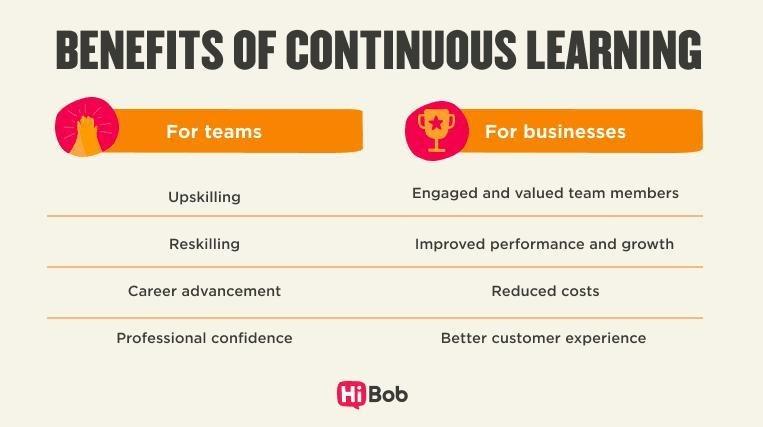
Skills development is no longer a “nice to have.” It is how you keep talent management stable when roles keep shifting. The World Economic Forum expects 39% of workers’ core skills to change by 2030.
At the same time, internal mobility is gaining traction as a retention strategy. LinkedIn’s Workplace Learning Report 2025 notes that 55% of “career development champions” see internal mobility as a higher priority in the year ahead.
✅ Here are some practical steps HR leaders can take:
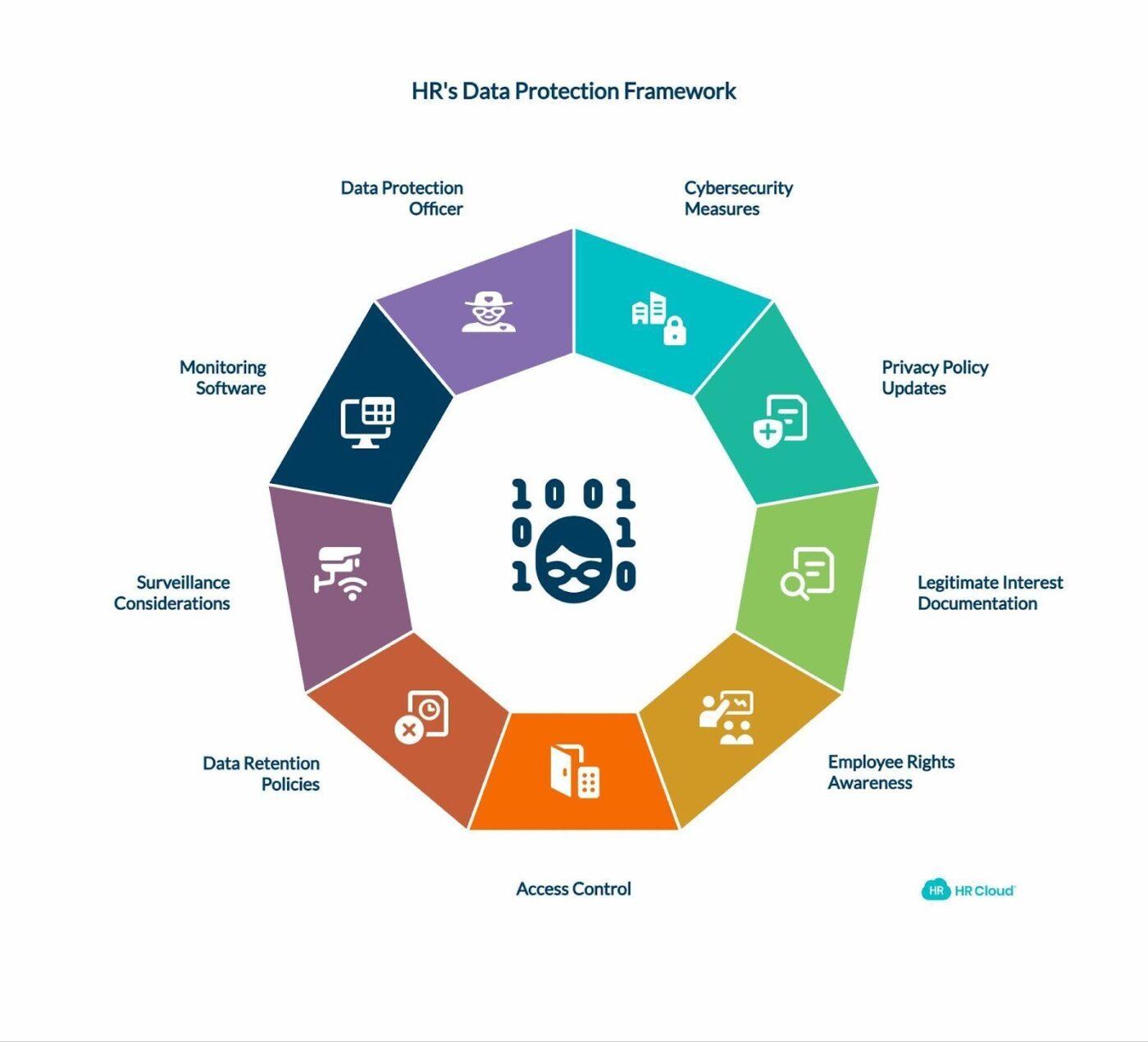
In 2026, HR management will be judged by employee experience and by how responsibly human resources handles sensitive data.
Reuters reports India’s new privacy rules under the Digital Personal Data Protection (DPDP) Rules, 2025. The DPDP law was notified on November 14, 2025, raising expectations around consent, processing, and compliance.
For HR teams, the timeline gets real fast because recruitment files, background checks, performance notes, and wellness or medical details often sit across multiple vendors and systems.
✅ Here are some practical steps HR leaders can take:
🤔 Did you know: CERT-In’s directions require many organizations to report specified cyber incidents within 6 hours of noticing them.
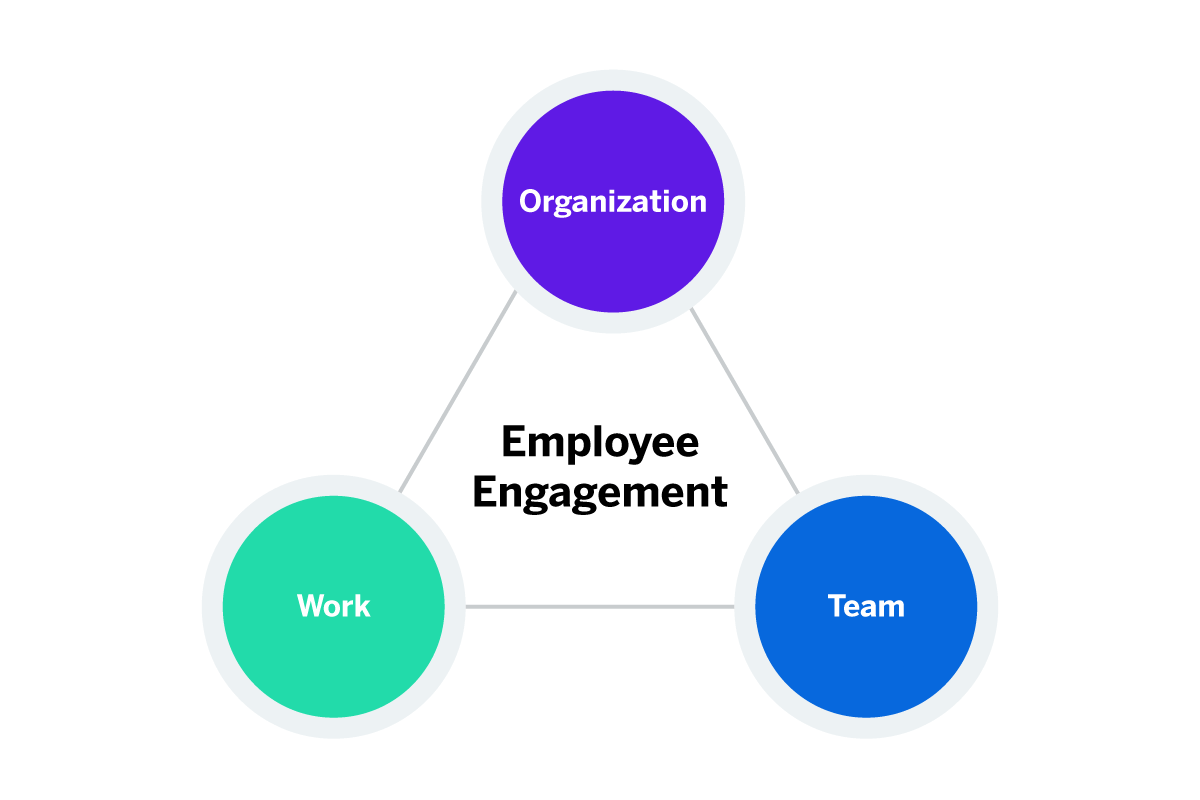
Employee engagement is harder to “fix” with a once-a-year survey when employee expectations keep changing. ADP reported engagement in India fell to 19% in 2025, down from 24% in 2024.
In 2026, HR leaders will get better results with smaller, more frequent feedback loops and clearer follow-through. This also connects directly to employee well-being, because the warning signs of burnout often show up in workload patterns and repeated friction points long before someone resigns.
✅ Here are some practical steps HR leaders can take:
📖 Also Read: Best Project Management Tools
Work rarely breaks because HR teams “miss a trend.” It breaks because information is scattered.
A hiring update sits in chat, and the latest HR policy is in someone’s Drive. That work sprawl slows decision-making, creates version confusion, and makes it harder for employees to trust what “the process” actually is.
Now add AI sprawl to the mix. Different teams try different AI tools, prompts end up in random docs, and no one is sure what data is safe to share.
This is where a converged AI workspace like ClickUp matters. With ClickUp Brain as an AI layer connected to your work and knowledge, HR teams can standardize how work gets done instead of stitching together tools.
Use this 30–60 day reset once, then repeat it quarterly to keep up with HR trends in India and employee expectations.
Start by mapping hiring, onboarding, performance management, employee feedback, and exits end to end.
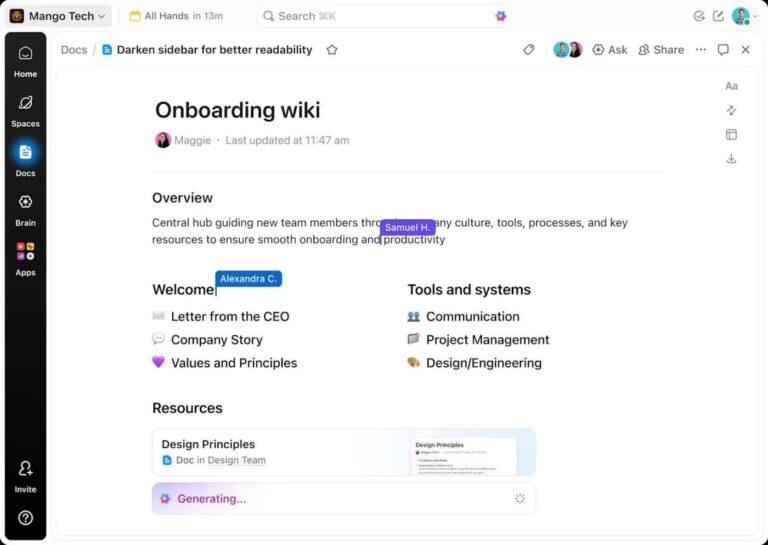
🚀 How ClickUp helps: Put each workflow into ClickUp Docs as a single “source of truth,” then convert bottlenecks into assigned tasks while you are auditing. ClickUp Docs also supports real-time collaboration and can connect directly to tasks.
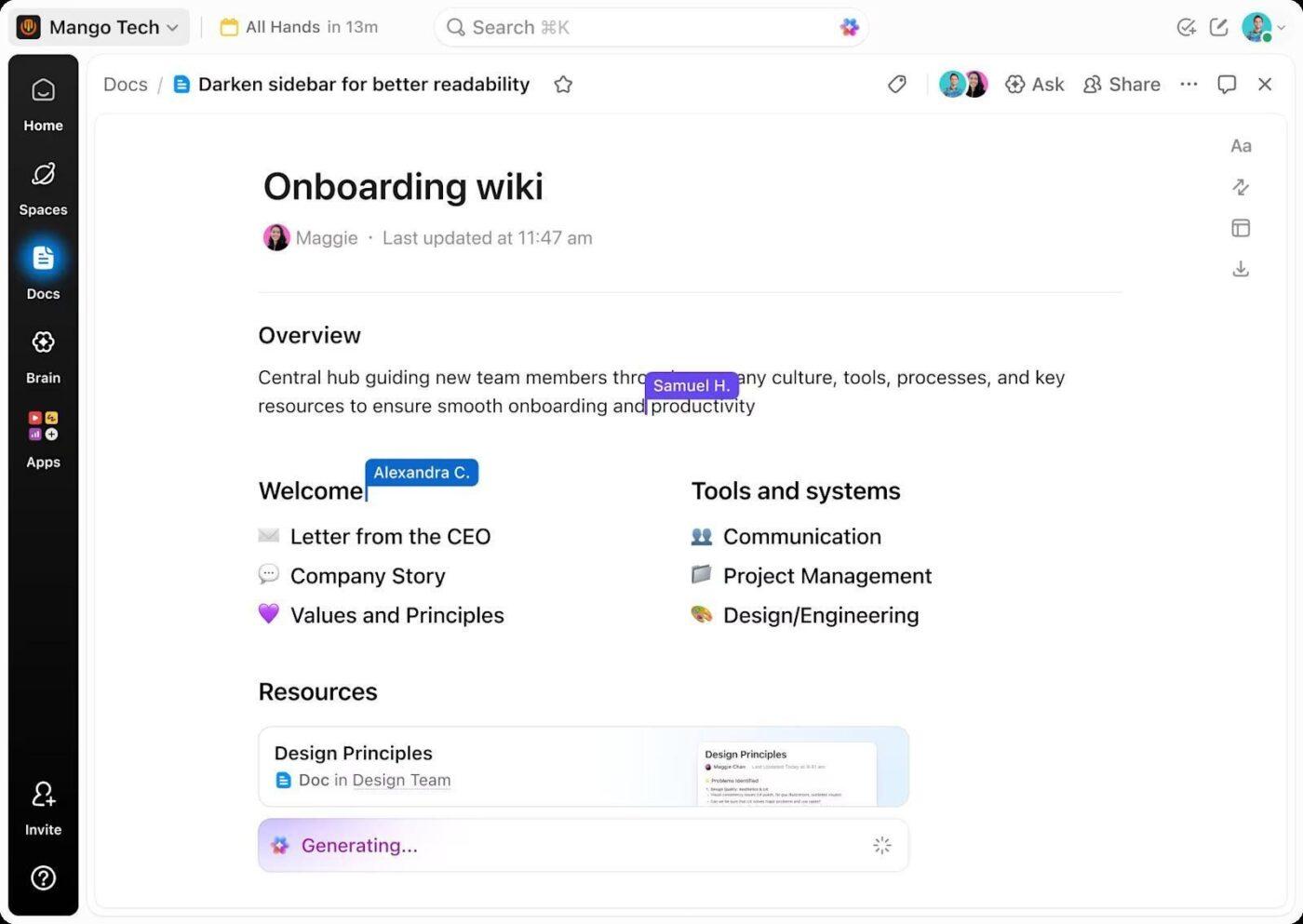
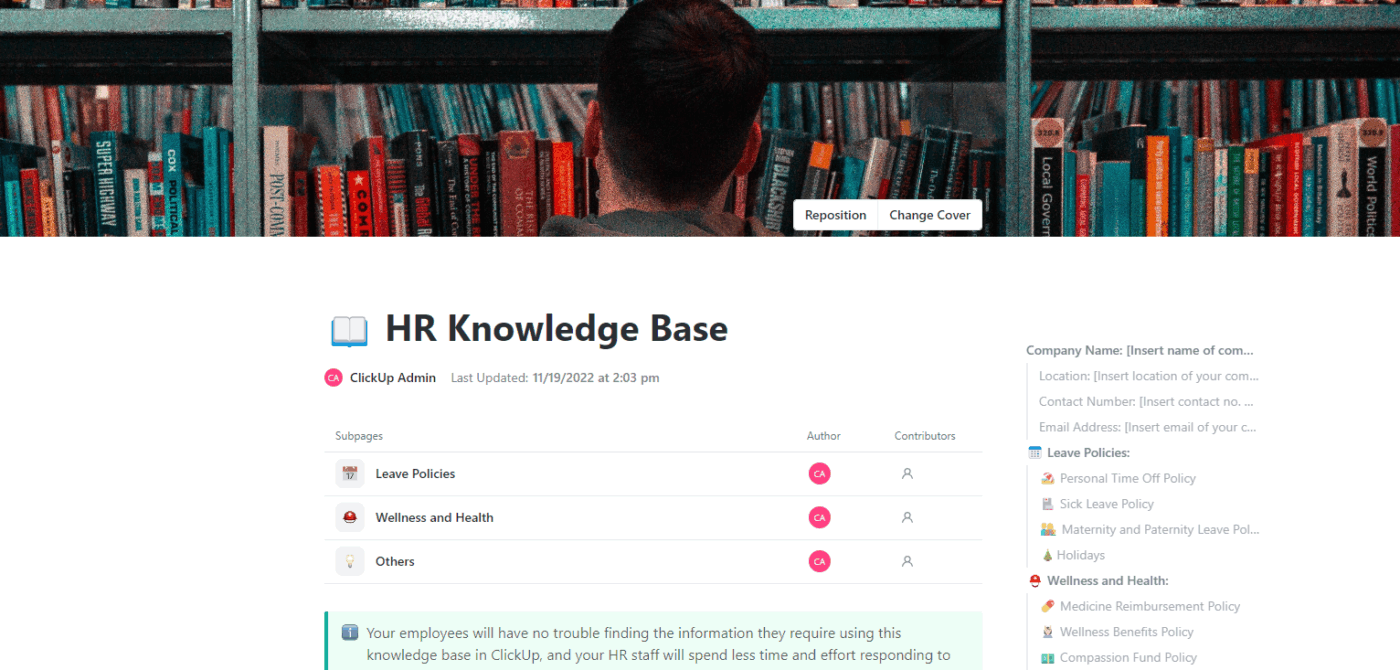
If you want a ready-made structure for policies and playbooks, start with the ClickUp HR Knowledge Base Template.
This template is built as a ready-to-use Doc that helps you create a searchable knowledge hub for human resources. You can organize critical HR documents in one place, track changes to policies over time, and use Custom Statuses and Custom Fields to manage review progress and ownership.
🌻 Here’s why you’ll like this template:
If HR work is split across multiple apps, HR professionals end up chasing context instead of running the process. This is what HR teams can do instead:
🚀 How ClickUp helps: Use ClickUp Chat to keep hiring and onboarding decisions connected to tasks and docs, so updates do not get lost when conversations move fast.
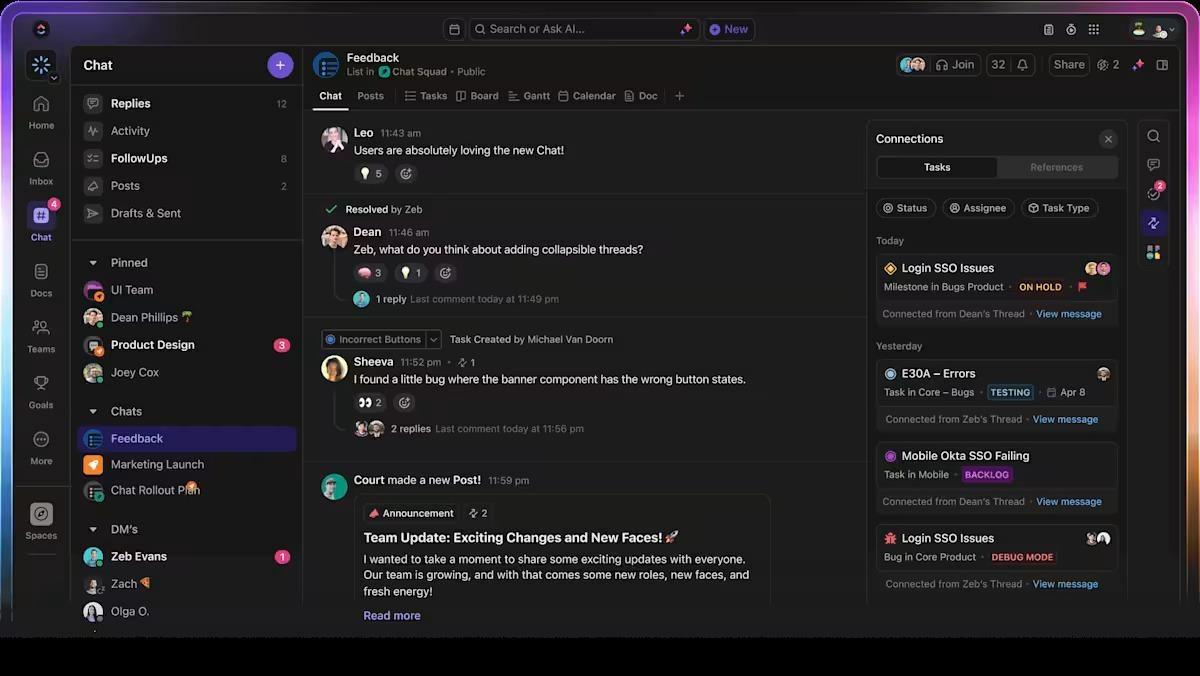
When knowledge still lives across tools, use ClickUp’s Enterprise Search to ask questions and pull trusted answers using your workspace context.
Modern HR management is less about adding software and more about tracking outcomes tied to business needs
🚀 How ClickUp helps: Turn those outcomes into trackable work using tasks and consistent fields (owner, due date, priority, team), then bring the key signals into ClickUp Dashboards so HR leaders can see progress without rebuilding reports each time.
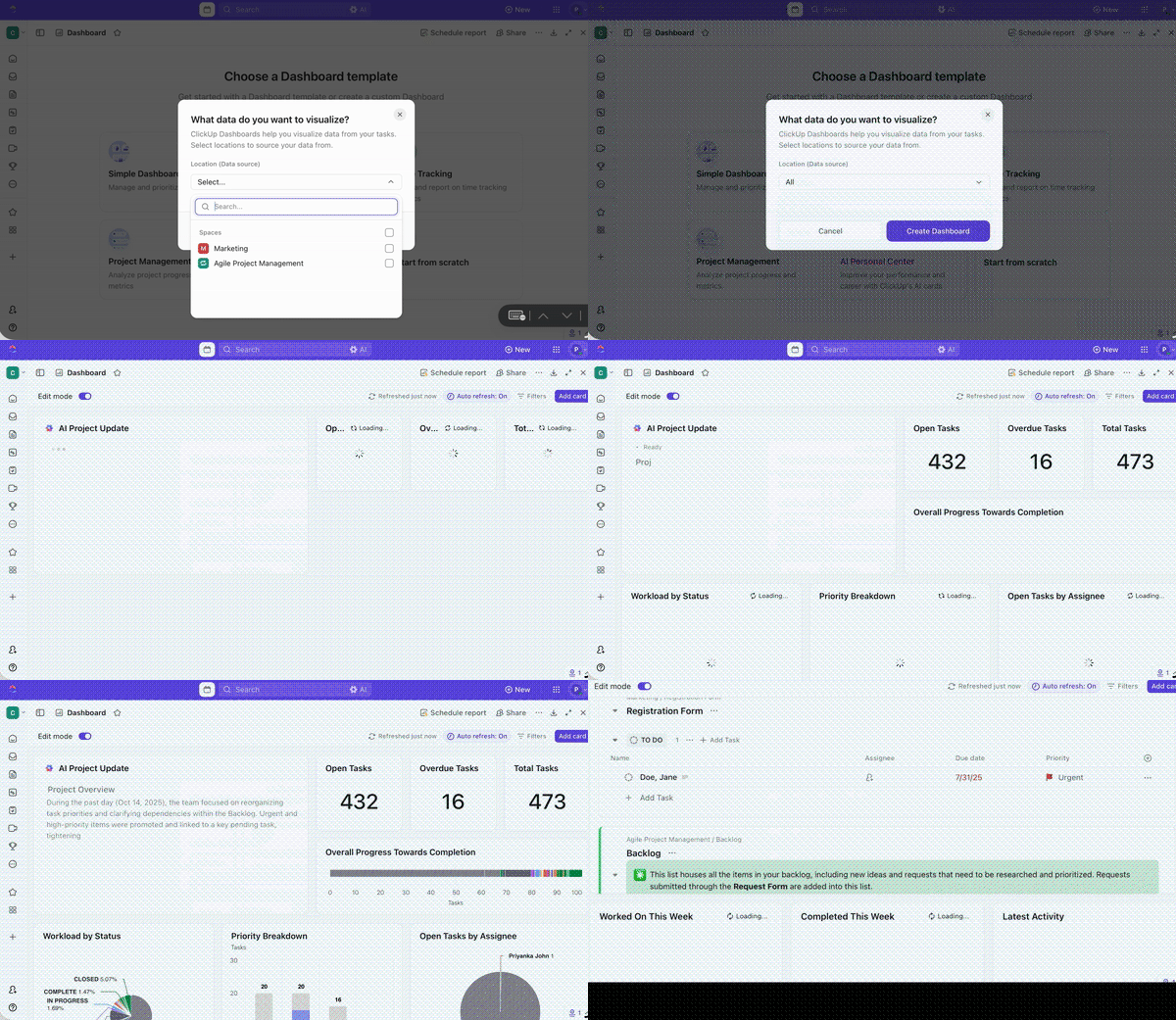
For HR metrics ideas (time-to-hire, engagement signals, retention risks), ClickUp’s HR dashboard guidance becomes a useful reference point.
Hybrid and remote work can support work-life balance, but only when expectations are clear and applied consistently
🚀 How ClickUp helps: Publish hybrid norms in Docs, keep role-specific updates in Chat, and use ClickUp AI Notetaker to capture decisions, transcripts, and action items that connect back to docs and tasks. This reduces “I missed the meeting” gaps and makes follow-through easier across time windows.

For policy updates, ClickUp’s collaboration detection helps reduce version confusion by showing when others are editing or viewing the same work.
AI adoption will continue to grow across organizations. But uneven usage and unclear data boundaries can make it challenging for teams, as they can lead to data and usage risks. This is where a company-wide AI policy implementation can help:
🚀 How ClickUp helps: ClickUp states it is SOC 2 Type II compliant and provides enterprise security controls and data handling commitments suitable for governed AI use.
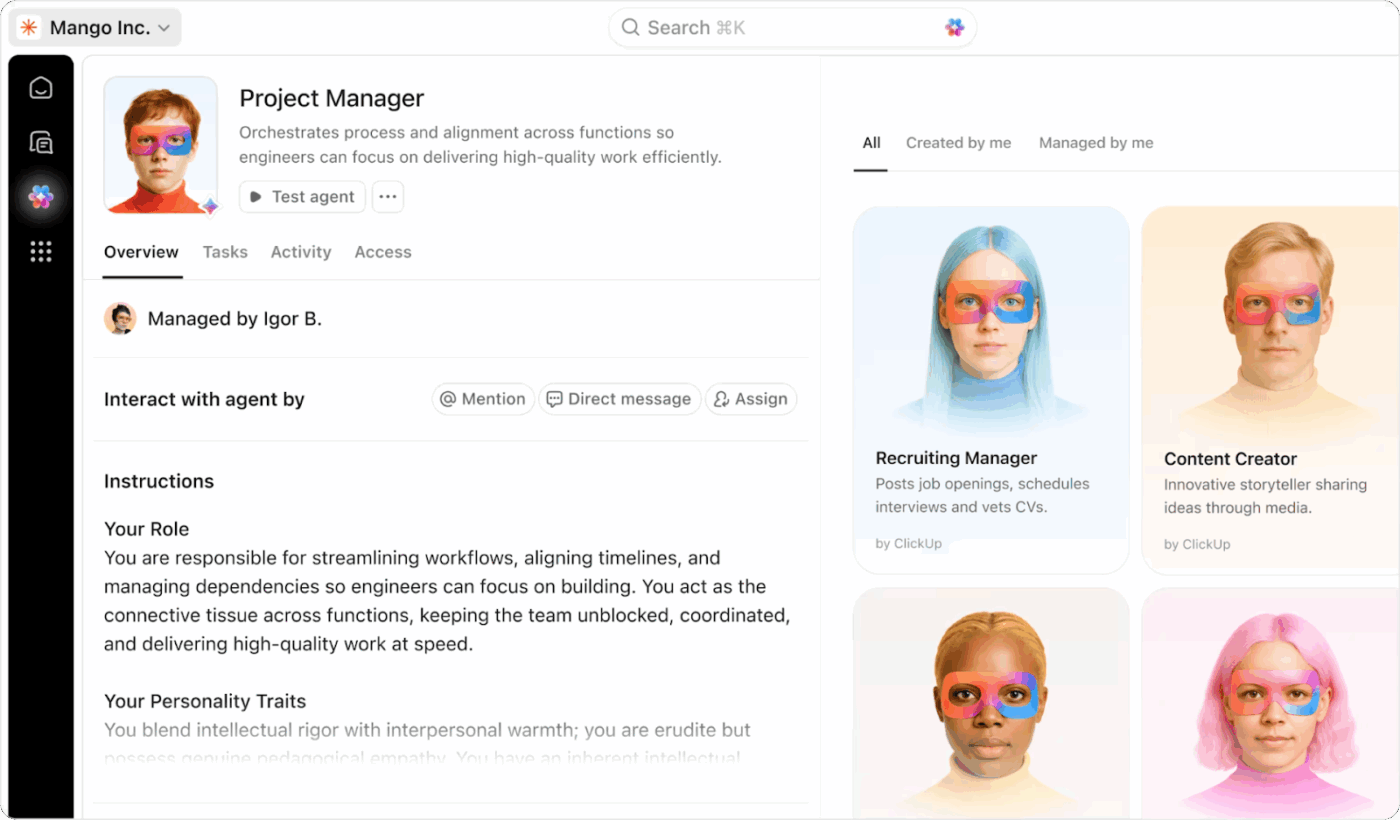
To operationalize the guardrails, use ClickUp Super Agents for repeatable workflows, such as routing policy questions to the right owner or creating tasks from approved request types, rather than relying on ad hoc AI.
Skills development has to feel like part of the job, especially as job titles and role expectations change
🚀 How ClickUp helps: Create role-based learning plans as task lists with clear owners, checklists, and due dates, and store the “what good looks like” guidance in Docs so managers can coach consistently. Then use ClickUp Dashboards to track completion, overdue items, and who needs support, so learning does not disappear after kickoff.
Shifting employee expectations makes vague criteria risky. Transparent systems help employees feel valued because “what good looks like” is not a mystery
🚀 How ClickUp helps: You can standardize review inputs using consistent task workflows and examples in Docs and then rely on ClickUp Automations to trigger reminders and handoffs (self-review due or calibration needed), so the process runs the same way across teams.
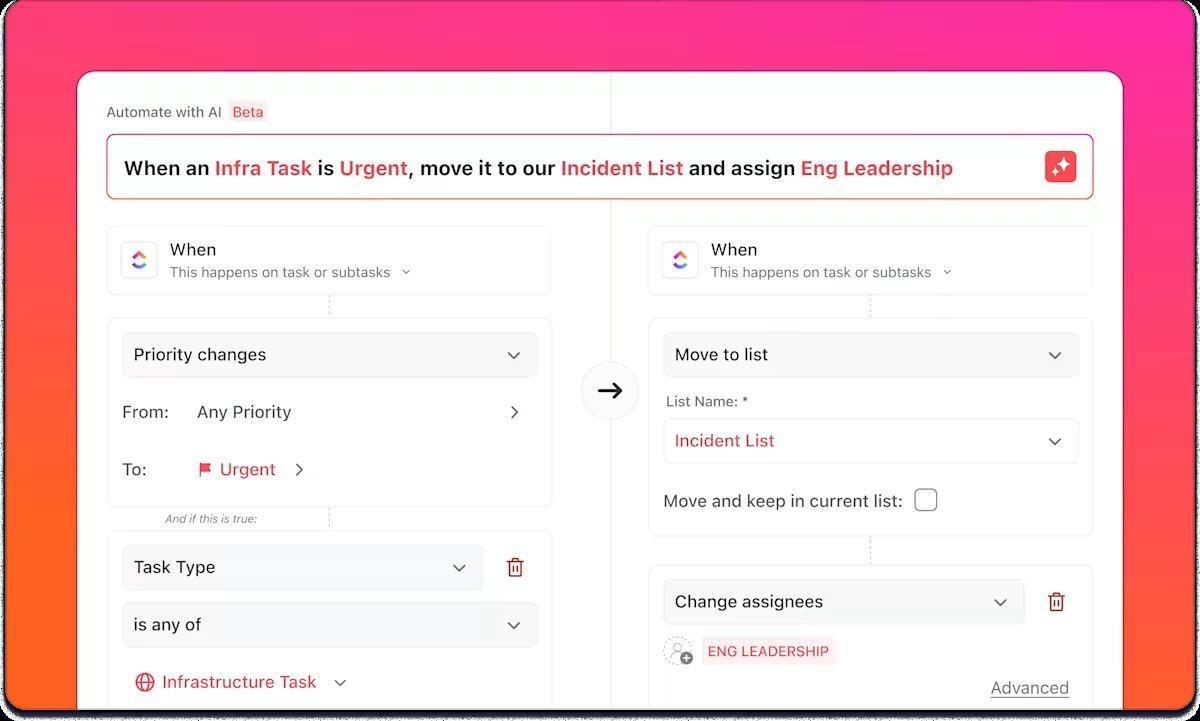
ClickUp also offers an AI Automation Builder that can generate automations from plain-language instructions, which helps HR teams set up repeatability without a heavy lift.
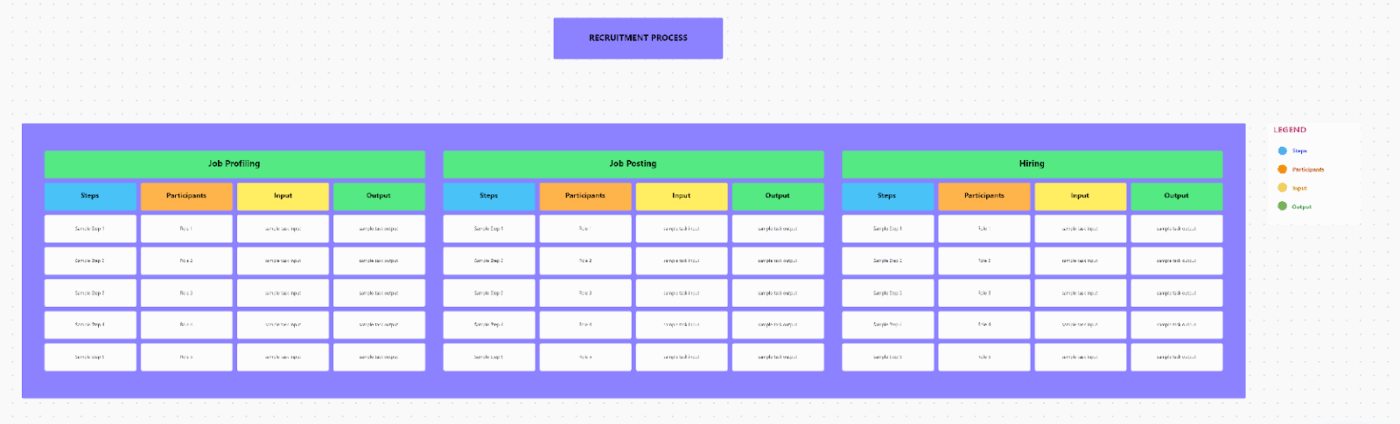
If you want a repeatable backbone for HR execution, you can use the ClickUp HR SOP Template to standardize steps and ownership.
This template is designed to act as a central repository for HR documents and procedures, with a built-in structure to track progress and accountability. It includes Custom Statuses (like “open” and “complete”), Custom Fields for organizing and visualizing procedures, and six ready-made views for core workflows
🌻 Here’s why you’ll like this template:
📖 Also Read: Best Strategic Workforce Planning Software
Yep, it reads like an AI-generated checklist because it’s ultra-symmetrical and “frameworky.” Here’s a rewrite that feels more human, less templated, and more like an experienced HR leader talking. Same content, better voice.
Use this as a quick filter: what should you actually do in the next 30–90 days, based on the kind of org you’re in?
You’re dealing with scale, complexity, and risk. Your priorities are governance, role clarity, and data hygiene.
Focus areas
Do this in the next 30 days
Do this in the next 90 days
Your constraint is time. Your biggest lever is clarity. You need faster hiring, fewer hybrid arguments, and less silent burnout.
Focus areas
Do this in the next 30 days
Do this in the next 90 days
Your biggest risk is inconsistency at scale. Your biggest opportunity is trust.
Focus areas
Do this in the next 30 days
Do this in the next 90 days
Even if you agree with every HR trend on paper, execution is where things get messy. The challenges below are the ones that can slow HR teams down in 2026, along with how you can address them with ClickUp.
AI resistance usually shows up as hesitation at first. Recruiters avoid new workflows, managers doubt AI summaries, and employees worry the process will feel less fair. Skill gaps add friction, too, especially when people are unsure what data is safe or how to judge AI-assisted work.
A beneficial fix is to keep AI in one governed place. You can achieve that by bringing a governed, repeatable workflow inside ClickUp:
💡 Pro Tip: Use ClickUp Brain as your HR policy helpdesk. Add your HR policies and playbooks to ClickUp Docs, then use ClickUp Brain to answer common questions in plain language when managers ask. It reduces back-and-forth, and it keeps guidance consistent because the answers are pulled from the same source every time.
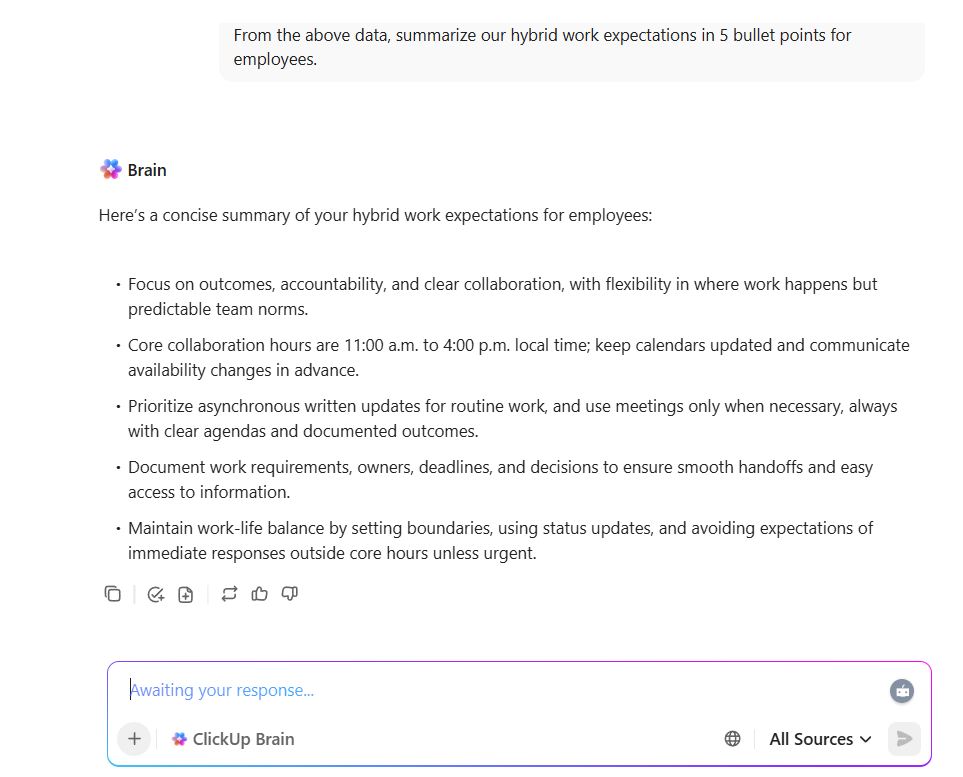
Tool sprawl becomes work sprawl when context and action are separated. HR departments end up doing admin work to stitch context together, which delays decisions and hurts employee experience.
An easy process of fixing this is using ClickUp to keep conversations, docs, and execution connected:
📖 Also Read: OKR Examples – How To Write Effective OKRs
Hybrid work often comes with questions of whether work expectations are clear and whether decisions are documented. When visibility is low, employees start comparing rules instead of focusing on business goals.
Make hybrid norms explicit and trackable through ClickUp:
Burnout usually builds over time. It builds when deadlines stack up and employees feel they cannot switch off without falling behind. A 2024 report covered by Moneycontrol noted 58% of Indian employees reported high burnout rates. The data is a useful reminder that well-being often breaks first in the workload layer and not in the wellness program.
Spot pressure early, then rebalance before it escalates:
When every manager runs performance management differently, employees lose trust fast. The issue isn’t effort. It’s inconsistent inputs, unclear criteria, and feedback that isn’t easy to compare across teams.
Standardize the structure with ClickUp’s features without making reviews feel robotic:
HR transformation sticks when it feels practical to employees and managers. The goal is simple: make change easier to adopt than to ignore.
✅ Anchor every change to one measurable outcome
Pick one result per initiative, like reducing time-to-hire, improving onboarding completion, strengthening employee engagement, or lowering turnover risks, then track it consistently in one place.
✅ Fix one workflow end-to-end before scaling
Choose one high-impact flow (hiring, onboarding, performance management, or employee feedback), document each step, tighten handoffs, and then copy the pattern across other HR functions.
✅ Treat documentation as part of the work, not admin
Put HR policies, SOPs, and manager playbooks where people already operate, so guidance is easy to find and stays current as changing employee expectations evolve.
✅ Standardize inputs so decisions stay fair
Use the same review questions, scorecards, and criteria across teams, especially for pay equity discussions and performance management, so employees feel valued and outcomes reflect company values.
✅ Build hybrid norms that reduce friction and not flexibility
Define core hours and clear boundaries for response expectations, then make meeting decisions easy to revisit so remote work does not create visibility gaps.
✅ Make manager enablement your first priority
Most employee well-being and employee experience outcomes are shaped by managers, so give them short playbooks and example language for coaching and growth conversations.
✅ Use lightweight listening loops, then act fast
Run short pulse check-ins, capture employee feedback tied to specific moments (onboarding, workload spikes, role changes), and close the loop with visible actions within a few weeks.
✅ Track workload signals alongside sentiment
Wellness programs and fitness programs help, but burnout usually shows up in workload patterns first, so monitor capacity and recurring bottlenecks to support mental health support in a real way.
✅ Set clear guardrails for AI adoption
Define where generative AI is allowed, what needs human review, and what data is off-limits, then share approved examples so AI integration stays consistent across HR teams.
✅ Use HR analytics to move earlier, not just report later
Start simple, track a small set of metrics monthly, and graduate to predictive analytics for turnover risks and hiring slowdowns as your data quality improves.
HR in 2026 will not shift with one big announcement but rather shift through everyday moments. It will also depend on the questions you’ll ask yourself for the year ahead: How fast are you closing roles? How consistently do managers conduct reviews? How clearly are hybrid expectations documented?
If your systems are scattered, every change adds friction. Policies need re-explaining. Updates are missed. Follow-ups multiply. And employee experience becomes harder to keep consistent.
This is where ClickUp becomes a difference maker for HR leaders. ClickUp for Human Resources keeps policies, workflows, and decisions connected in one place.
Sign up for ClickUp now and help your HR teams lead 2026 with clarity.
The biggest HR trends shaping India in 2026 include AI integration, skills-first hiring, mental health and well-being initiatives, and stronger commitments to pay transparency. As Gen Z becomes the largest segment of the workforce, employee expectations are shifting toward purpose-driven work and flexibility.
HR professionals are also investing heavily in predictive analytics to identify turnover risks earlier.
AI is turning HR teams into more strategic partners by automating repetitive work and improving data-driven decision-making. Tasks like resume screening, policy Q&A, and performance documentation can now be handled with AI-powered assistance.
For example, ClickUp Brain lets HR teams summarize interview notes and standardize manager communication from one workspace without switching tools.
Yes, but it’s becoming more structured than flexible. As hybrid work matures, the focus is shifting from “where” employees work to “how” collaboration and accountability happen. HR teams are drafting clearer hybrid work policies that define core hours, async communication rules, and performance evaluation methods.
Modern HR leaders need a mix of data fluency, change management, and AI literacy to stay ahead of new challenges. As roles evolve, HR must understand analytics to guide evidence-based decision-making and align HR strategy with business goals.
Leadership today also means fostering inclusive environments, supporting employee well-being, and improving communication across hybrid teams.
Common challenges include uneven adoption and data governance risks. HR teams often lack shared rules for AI usage, causing inconsistent results across departments. There’s also concern about bias in AI-assisted evaluations and the safe handling of sensitive employee data, especially with India’s DPDP Act now in force.
The fix is to bring AI into a governed workspace. For example, using ClickUp Brain, which offers SOC 2 compliance and zero third-party data retention to keep usage consistent and secure.
Look for tools that reduce work sprawl, standardize processes, support HR analytics, and keep knowledge accessible. ClickUp for Human Resources is useful here because it combines docs, workflows, collaboration, and reporting so HR teams can move faster without losing clarity.

© 2026 ClickUp

There’s an easier way. Try a free AI Agent in ClickUp that actually does the work for you—set up in minutes, save hours every week.