







Still downloading templates?
There’s an easier way. Try a free AI Agent in ClickUp that actually does the work for you—set up in minutes, save hours every week.
Sorry, there were no results found for “”
Sorry, there were no results found for “”
Sorry, there were no results found for “”
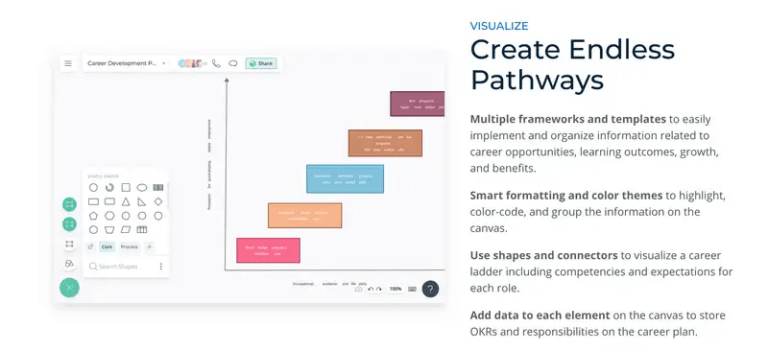
You work hard, meet deadlines, and take on extra responsibilities. But when it comes to career growth, effort alone isn’t enough. Without a clear plan, progress feels slow, and opportunities seem out of reach.
That’s why knowing how to create a professional growth plan is essential. It helps you set clear goals, identify skill gaps, and track progress so that every move you make builds toward something bigger.
Let’s break down a structured, actionable approach to career development, ensuring that you stay relevant, seize new opportunities, and achieve long-term success.
Feeling stuck in your career with no clear direction? Here’s how to take control and build a structured professional growth plan:
Build a career that grows with you and becomes bountiful.
A professional growth plan is a structured approach to career development that ensures every step leads to consistent progress. Instead of relying on promotions or external opportunities, a well-crafted plan helps you take charge of your personal and professional growth with clear, time-bound goals.
At its core, a professional development plan:
Unlike vague aspirations, a structured growth plan gives you the tools to move forward with intention. Whether you want to advance in your current job, explore career opportunities, or shift industries, a professional development strategy turns ambition into action.
⚡️ Template Archive: Career Map Templates to Create a Clear Career Roadmap
Hard work alone doesn’t guarantee career growth. You can stay busy, take on more responsibilities, and gain experience, but progress can feel slow and unpredictable without a plan.
A professional growth plan provides clear direction and ensures that every effort you make moves you toward something bigger.
Without a plan, it’s easy to:
With a structured approach, you:
A career without a plan is like a destination without a map. You might get somewhere eventually, but wouldn’t it be better to know exactly where you’re headed?
A professional growth plan helps you take a structured approach to career development, ensuring that every move you make supports your long-term success.
Understanding how to create a professional growth plan allows you to set clear objectives, track progress, and continuously refine your strategy.
Each step keeps you focused, adaptable, and aligned with your goals.
Before planning your next steps, you need a clear understanding of where you stand. This means evaluating your current skills, reflecting on past experiences, and defining what you want from your career.
Start by analyzing:
Use past projects, performance reviews, and feedback from colleagues or mentors to get a well-rounded assessment. Knowing where you excel and where you need growth allows you to set realistic and strategic career goals.
Still confused? Try ClickUp’s Skill Mapping Template to get started. It’s useful for teams as well as individuals. Use it to:
Without clear objectives, career growth can feel unpredictable. Defining specific, measurable, and time-bound goals ensures that your efforts lead to real progress.
Focus on setting:
Goals that lack structure are harder to achieve. The SMART goal framework—Specific, Measurable, Achievable, Relevant, and Time-bound—helps you set objectives with a clear path forward.
A great way to organize your career goals is by using the ClickUp’s SMART Goal Action Plan Template.
This template helps you:
Once your objectives are set, the next step is identifying the skills and development areas that will help you achieve them.
Setting career goals is only part of the equation—getting there requires the right skills. The key is identifying what’s missing and creating a strategy to close those gaps.
Once you have clarity, focus on professional development opportunities that help bridge these gaps. Whether through continuing education courses, mentorship, hands-on experience, or networking.
Tracking progress keeps your career development structured and measurable. Without a system, it’s easy to lose focus or underestimate how far you’ve come. The right tools help you stay accountable and adjust your plan as needed.
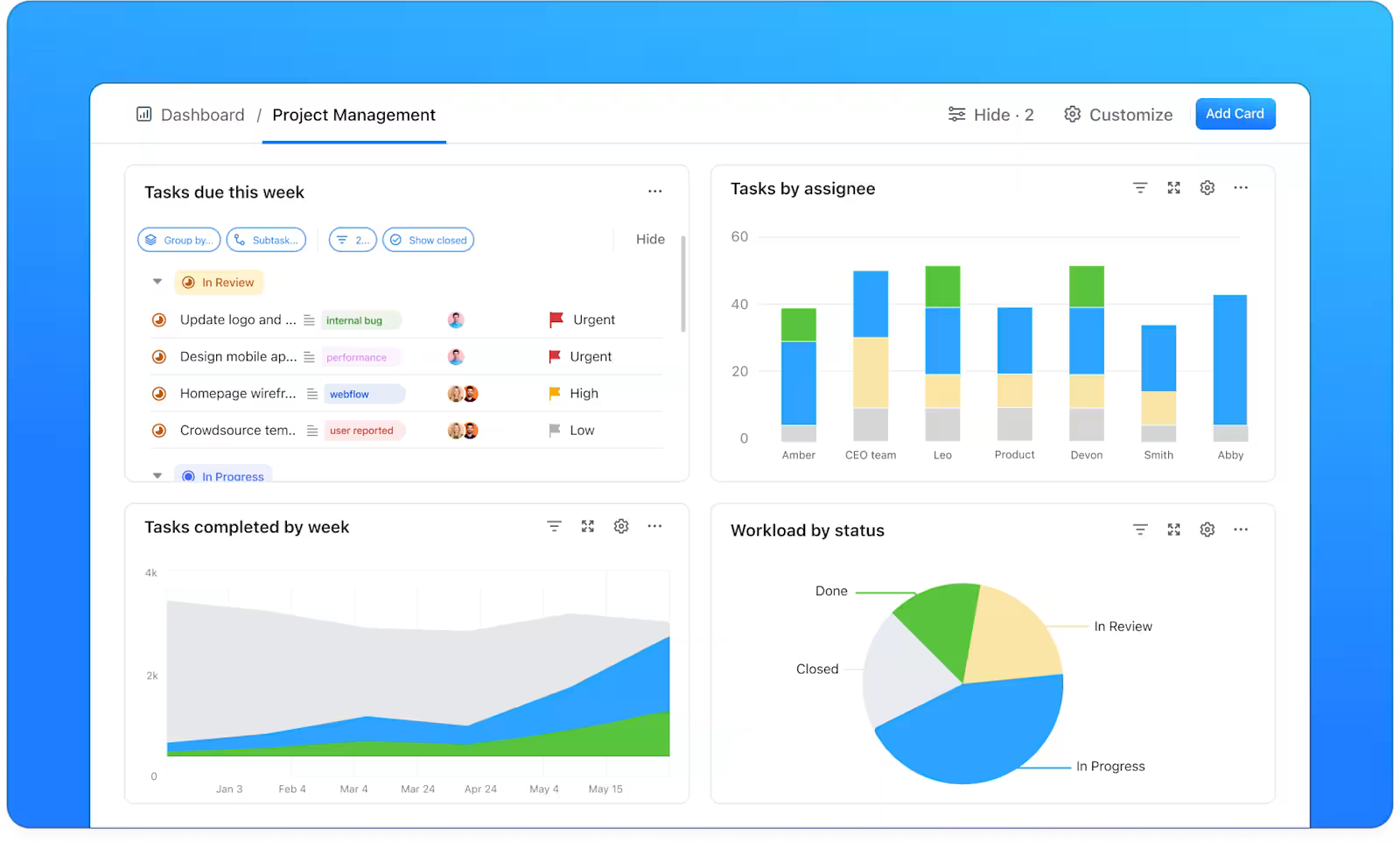
Breaking career goals into specific milestones makes tracking easier. Instead of managing everything in scattered notes, use a tool that consolidates your progress in one place. ClickUp provides a structured way to track your short-term goals, measure success, and adjust when needed.
ClickUp Dashboard offers a high-level snapshot of your progress, showing completed milestones and upcoming targets. With everything in one place, you can easily see what’s working and what needs more focus.

Managing growth isn’t just about setting goals—it’s about keeping up with tasks and deadlines. ClickUp allows you to create task lists, set reminders, and track performance through interactive dashboards.
By using the right tools, you ensure that career progress is intentional, measurable, and adaptable.
⚡️Template Archive: Free Goal-Setting & Tracker Templates for Excel & ClickUp
Professional growth isn’t just about hitting milestones—it’s about staying adaptable and continuously learning. The most successful professionals don’t just rely on past experience; they actively seek new skills, development resources, and career connections that open doors to new opportunities.
Formal and informal learning methods can help you close skill gaps and stay competitive in your industry.
📖 Also Read: How to Acquire the Top Most In-Demand Skills?
A strong professional network can lead to career opportunities that wouldn’t be accessible otherwise. Building relationships with the right people can help with mentorship, collaborations, and job referrals.
A balance of learning and networking ensures that you’re not only improving your professional development but also surrounding yourself with people who can help you achieve your career goals.
Building the right work habits is just as important as gaining new skills. A strong productivity strategy ensures that your daily actions contribute to consistent progress toward your career goals.

Knowing how to prioritize tasks and manage time effectively allows you to focus on what truly moves the needle in your career.
⚡️Template Archive: Top Free Skills Matrix Templates in Excel and ClickUp
Small, consistent improvements lead to lasting results. Developing good work habits that fuel career development can make your growth plan more effective.
Mastering productivity strategies ensures that you don’t just set goals—you follow through and achieve them.
A professional growth plan isn’t something you create once and forget—it’s a living strategy that needs regular updates. As your career goals evolve and new opportunities arise, adjusting your plan ensures that you stay on the right track.
📖 Also Read: Short-Term vs Long-Term Goals (Examples, FAQs)
Growth isn’t linear, and regular reviews ensure you stay adaptable while keeping your professional development intentional and measurable
A professional growth plan is most effective when it’s embedded into an organization’s staffing strategies and talent development efforts.
Companies that prioritize structured career development not only retain top talent but also build a high-performance workforce equipped for long-term success.
Human Resources plays a central role in ensuring career growth is not left to chance but is instead a structured, strategic initiative.
HR teams can support professional development plans by:
HR’s role is not just to support employee growth but to ensure that business goals and workforce development go hand in hand.
Companies that integrate professional growth plans into their hiring and retention strategies gain a competitive edge. Instead of just filling roles, they focus on building long-term career pathways for employees.
By aligning hiring, training, and career progression, companies create a workforce that continuously evolves alongside business needs.
Several organizations have effectively implemented professional development programs, leading to notable successes:
By examining these examples, organizations can draw inspiration and insights into effectively implementing professional development plans that benefit both employees and the company as a whole.
📖 Read More: Employee Development Plan Examples to Fuel Growth
Not all career goals look the same. Depending on where you are and where you want to go, your growth strategy will take different forms.
Whether you’re aiming for leadership, breaking into a new industry, or just trying to survive Monday meetings without zoning out, setting the right goals makes all the difference.
Here are realistic, high-impact professional growth goals based on different career paths:
For professionals aiming to step into management and leadership roles.
For those who want to become the go-to expert in their industry.
For professionals looking to pivot into a completely different field.
For professionals who want to work smarter, not harder.
Want to know more about automations and how to automate your workflows? Check this tutorial out ⏬
Professional growth is all about doing the right things for your career goals. Whether you’re climbing the corporate ladder, switching industries, or just trying to make work less chaotic, setting intentional growth goals puts you in the driver’s seat.
Even with a professional growth plan, career roadblocks are inevitable. Whether it’s time constraints, lack of direction, or limited growth opportunities, knowing how to navigate these challenges strategically ensures you keep moving forward.
Here’s how to tackle the most common ones.
Between deadlines, meetings, and daily responsibilities, setting aside time for learning or skill-building feels impossible. When career growth isn’t an immediate deliverable, it often takes a backseat.
💡 Pro Tip: The ClickUp Time Management Schedule Template can help you structure your time for maximum productivity
Without a clear vision of where you’re headed, it’s easy to feel stuck or aimless. You might be working hard, but without strategic direction, career growth remains uncertain.
📖 Read More: How to Write Effective SMART Goals (With Examples!)
You’re exceeding expectations at work, but there’s no sign of a promotion, raise, or new opportunities. Waiting for career progression without a plan leads to frustration and stagnation.
Many career opportunities come from connections, yet networking often feels awkward or forced. If you’re not actively expanding your circle, you could be missing out on valuable mentorships, job referrals, or industry insights.
📖 Read More: How to Find a Career Mentor for Professional Growth
The pressure to continuously upskill, stay relevant, and outperform competitors can quickly lead to exhaustion. When career development feels like a never-ending race, motivation and mental clarity suffer.
👀 Did You Know? The World Health Organization officially recognized burnout as an occupational phenomenon, linking it to chronic workplace stress that hasn’t been successfully managed. If your brain feels fried after hours of learning and hustling, that’s not just exhaustion—it’s science.
Career growth comes with challenges, but every obstacle is an opportunity to refine your strategy. Whether it’s making time for development, overcoming stagnation, or building a strong network, the right adjustments can help you break through barriers and accelerate your success.
A professional growth plan gives you the clarity and structure to move forward with confidence. Defining clear goals, developing new skills, and tracking progress ensure that every step contributes to long-term success.
With the right strategy and tools, career growth becomes an intentional process rather than a waiting game.
Start building your plan and take control of your next career move. Sign up for ClickUp today!

© 2026 ClickUp

There’s an easier way. Try a free AI Agent in ClickUp that actually does the work for you—set up in minutes, save hours every week.