


As an IT operations or customer support professional, you’re dealing with service disruptions or preventing glitches constantly. Recurring incidents lead to poor customer experience and downtime, resulting in performance issues and loss of credibility.
Getting efficient problem management software is essential to addressing such issues. A robust problem management solution includes high-end automation, a database of known errors, an easy-to-use interface, and precise documentation.
Be prepared to let the software do the heavy lifting next time an IT incident occurs. With the right tools, you’re not reacting to problems but proactively preventing them.
Top 10 Problem Management Software in 2024 To Optimize IT Services

 Summarize this article for me please
What To Look for in Problem Management Software?
Here are some essential aspects your problem management software must have:
1. Automation: You need AI-driven automation based on pre-configured rules to manage problems. Automation is crucial across the ITIL lifecycle, including detection, closure, sending alerts, and facilitating feedback effortlessly.
2. Known error database (KEDB): A repository of past problems and workarounds to expedite resolutions and prevent recurrences aids problem management.
3. Dashboard for visibility: A dashboard displaying timelines, deadlines, and problem severity assists root cause analysis (RCA) and efficient incident resolution.
4. Proactive approach: A proactive problem management approach helps identify and eliminate root causes that prevent incidents in the future.
5. SLA tracking: Your software needs to track SLAs based on severity and urgency to improve problem resolution times and prioritize critical service issues.
Summarize this article for me pleaseThe 10 Best Problem Management Software to Use in 2024
Explore these top solutions for effective problem management in 2024 and enhance your IT operations.
1. ClickUp

ClickUp offers an agile project management solution to help you and your team prioritize tasks. You can speed up resolution by using custom tags and automations to resolve bugs in batches.
ClickUp helps you get your operations back on track and prevents future mishaps.
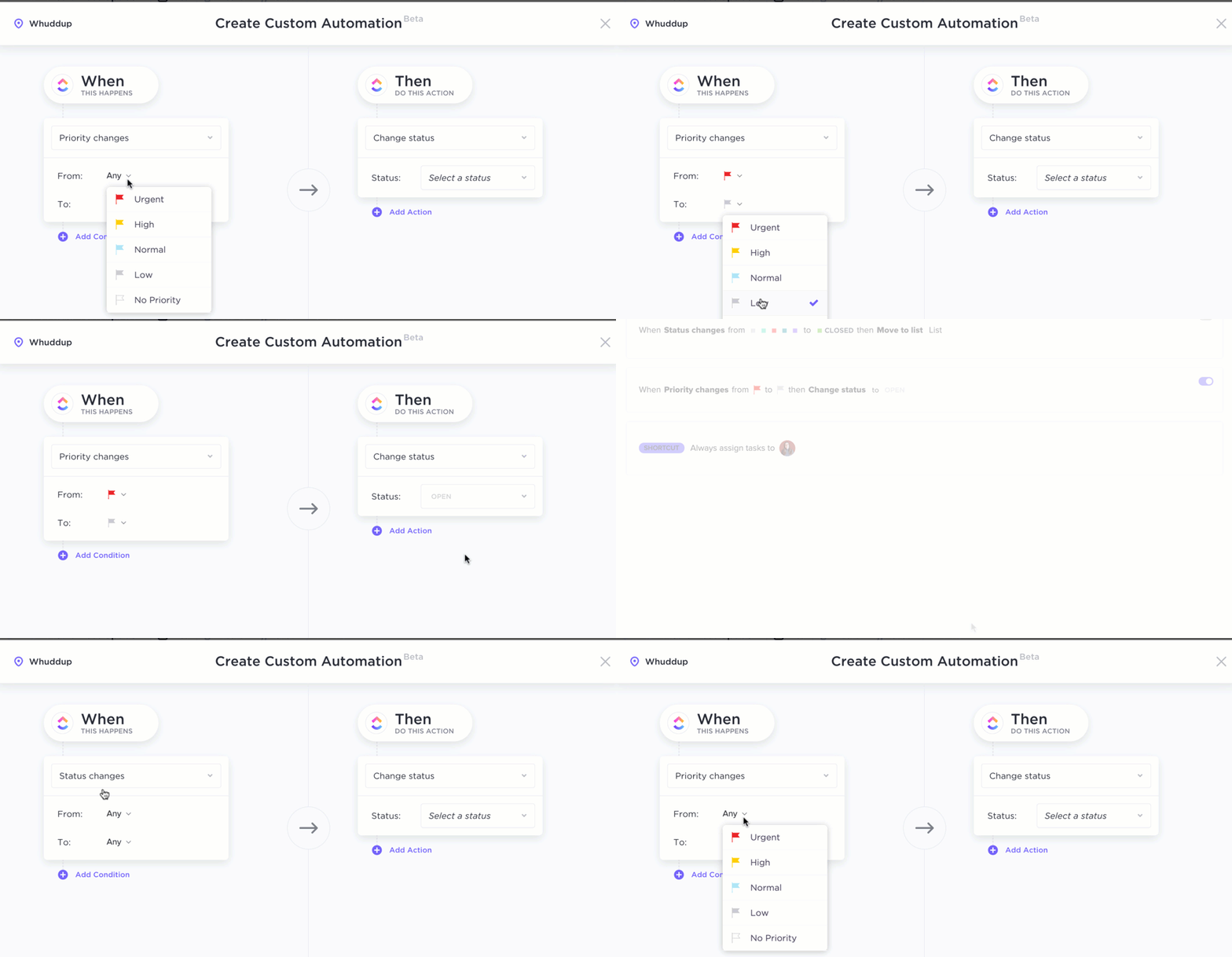
ClickUp’s service desk software helps streamline incident management.
ClickUp features such as Dashboards, Sprints, Roadmaps, Board view, Syntax highlighting, Custom task statuses, Form view, proofing, etc., streamline issue management and boost team productivity.
ClickUp best features
- Help visualize plans with Mind Maps and Concept Maps
- Enables submission of issues and tasks easily through ClickUp’s Form View
- Streamlines sprint planning, task assignment, and priority tracking through ClickUp’s Sprint feature
- Optimizes your team’s workload through a customizable point system
- Offers valuable insights, track progress, and automate sprint completion
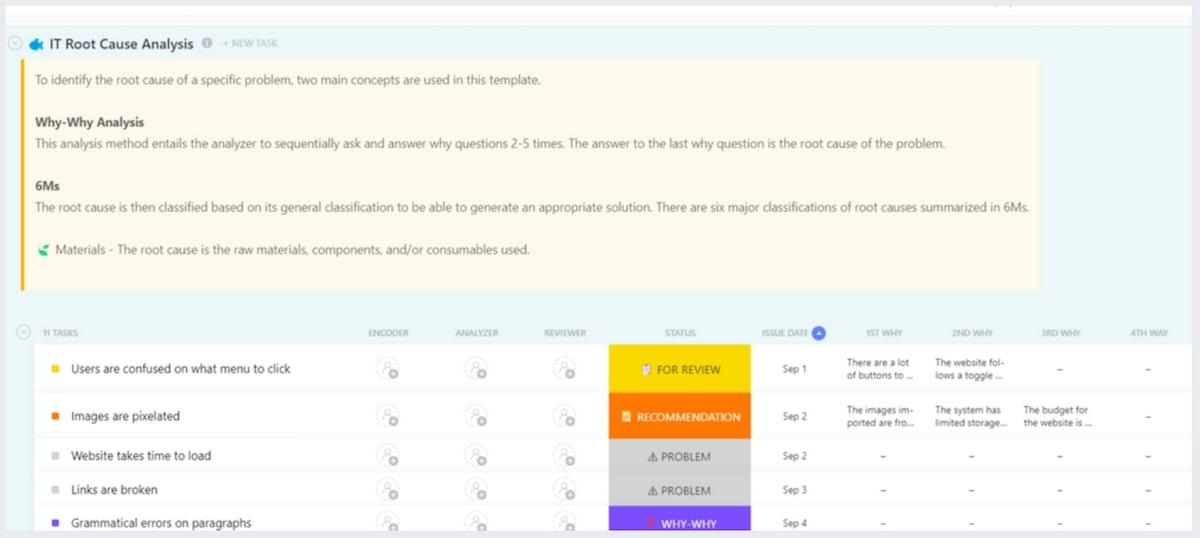
- Use from 1,000+ templates, including ClickUp’s Root Cause Analysis Template, Issue Management Template, and Open Issues List Template
ClickUp limitations
- New users may face a learning curve
- The mobile app does not have all the features available in the desktop version
ClickUp pricing
- Free Forever—works for personal use
- Unlimited: $7 per month/user—works for smaller teams
- Business: $12 per month/user—works for medium-sized teams
- Enterprise: Contact for pricing—works for multiple teams
- ClickUp Brain: Available on all paid plans for $5/Workspace member/month
ClickUp ratings and reviews
- G2: 4.5/5 (8,000+ reviews)
- Capterra: 4.7/5 (3,000+ reviews)
2. CMW Tracker
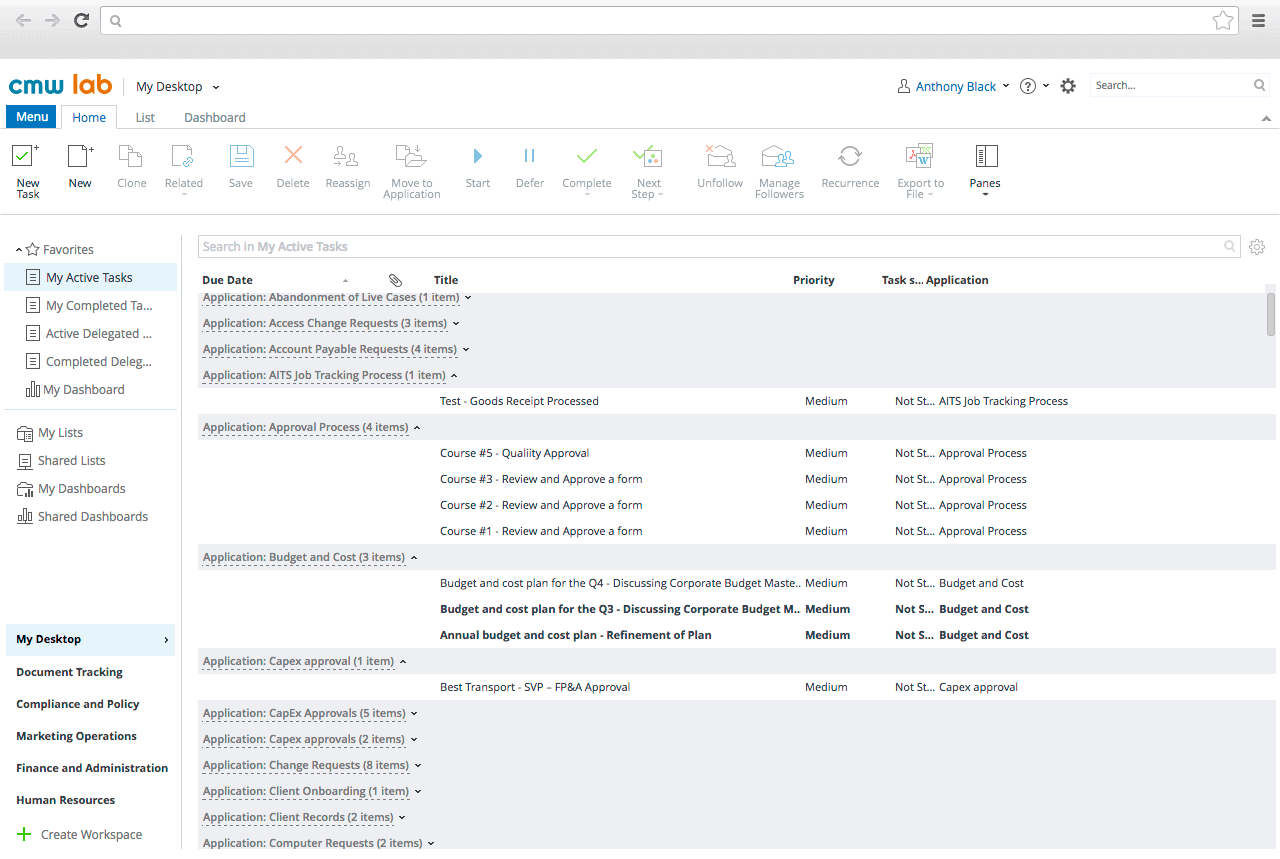
CMW Tracker, a cloud-based business process management (BPM) software, helps businesses automate workflows, manage tasks, and track progress. It offers features such as process automation, task management, and monitoring and analytics.
With the CMW Tracker, you can automate business processes, such as CapEx approval management, OpEx management and control, and customer order management.
You can do this with minimal human intervention, making the process more efficient and scalable.
CMW Tracker best features
- Tailor workflows as per your business objectives
- Track the progress of documents such as incident reports and change management requests
- Create apps without coding expertise through drag-and-drop tools
- Balance collaboration and data security through access control and user groups
- Access workflows from anywhere
- Identify bottlenecks and optimize workflows with AI-driven tools
CMW Tracker limitations
- Limited integration options
- Heavy customization required within pre-built solutions
- A comprehensive task overview is missing
- No built-in root cause and impact analysis tools
CMW Tracker pricing
- Custom pricing
CMW Tracker ratings and reviews
- G2: 4.5/5 (100+ reviews)
- Capterra: 4.6/5 (300+ reviews)
3. Zendesk
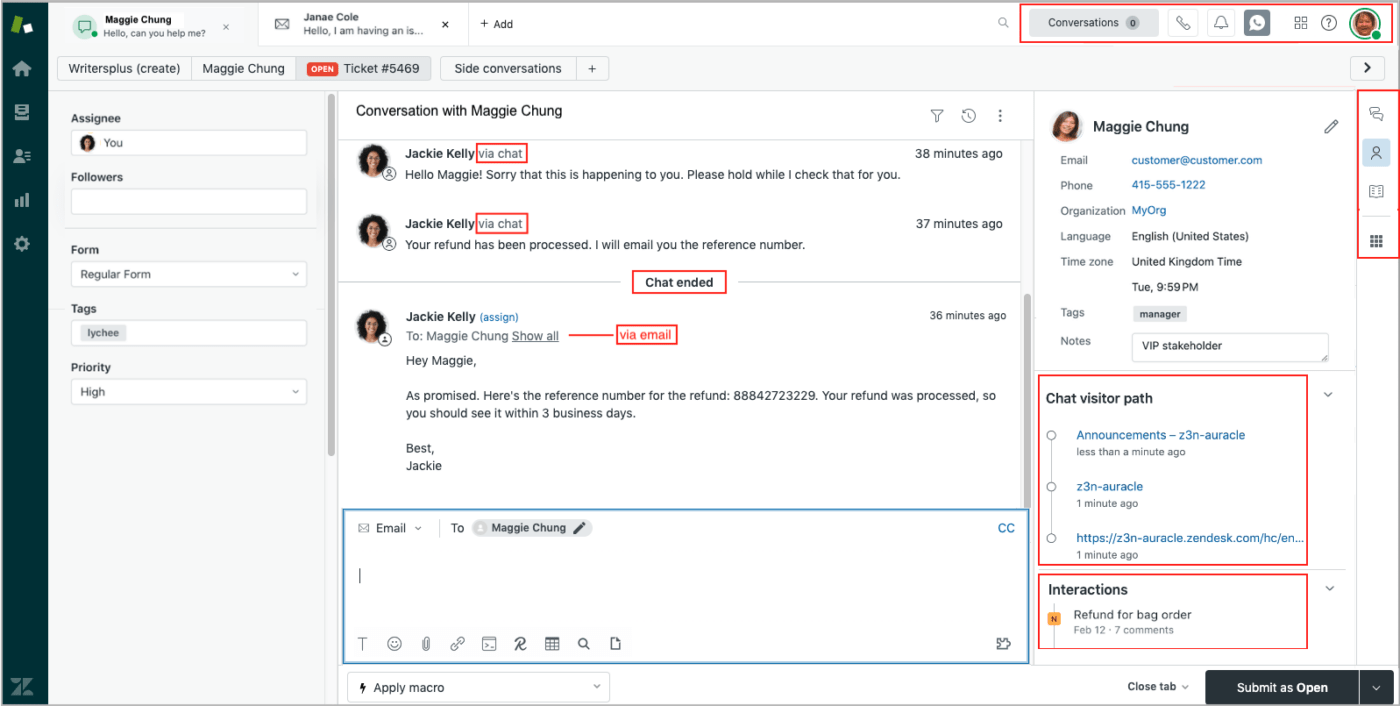
Zendesk’s Support Suite offers advanced automated help desk features, including a ticketing system powered by machine learning. The system analyzes and categorizes customer tickets, using advanced algorithms to anticipate and address disruptions—a key focus area for any problem management team.
Zendesk’s proactive approach turns problem management into a business opportunity. It offers real-time solutions and understands the issue’s origins.
Zendesk best features
- Simplify issue resolution, leveraging the unified platform
- Manage issues and meet performance standards
- Safeguard sensitive data with encryption and access control
- Save time on outreach with the help of AI
- Stay connected to resolve issues on the go
Zendesk limitations
- Setup and customization can be challenging
- Reviews indicate performance hiccups, such as slow dropdowns and ticket switching
- Volume-based pricing can lead to increased costs with growing user or ticket volumes
- Some basic automation features are missing
Zendesk pricing
- Suite Team: $55 per user/ month
- Suite Growth: $89 per user/month
- Suite Professional: $115 per user/month
Zendesk ratings and reviews
- G2: 4.5/5 (5,000+ reviews)
- Capterra: 4.4/5 (3,000+ reviews)
4. Creatio
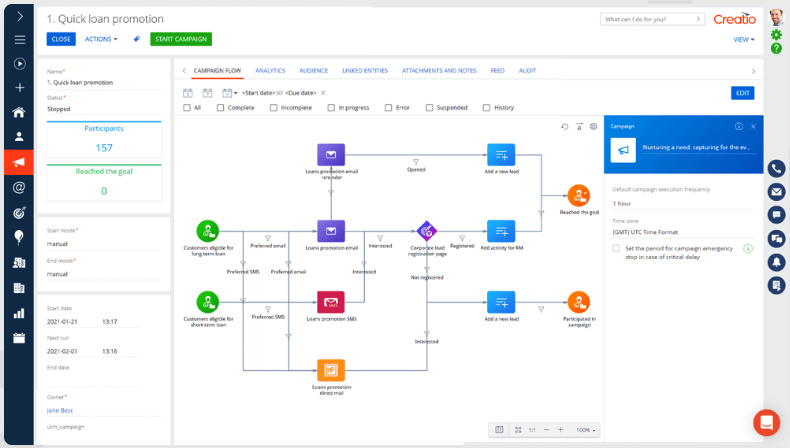
Creatio is a business process management and low-code platform designed to automate and manage workflows. Creatio offers tools for process automation and collaboration that you can adapt for different IT functions.
Creatio provides a visual interface for designing workflows and a unified environment for managing the problem management process.
Creatio best features
- Visually map and automate business processes
- Provides a unified view of interactions, promoting personalized support
- Reduces manual effort, speeds up task completion, and simplifies business processes
- Helps with IT incident and request management for improved team interaction
- Enables issue management on the go
Creatio limitations
- Some reference materials appear outdated or complex for non-programmers
- Integrating legacy systems into FreedomUI can be slow
- Updates might disrupt usage, needing IT intervention for resolutions
- Achieving advanced customization needs expertise
Creatio pricing
- Growth: $25 per user/month
- Enterprise: $55 per user/month
- Unlimited: $85 per user/month
Creatio ratings and reviews
- G2: 4.5/5 (200+ reviews)
- Capterra: 4.7/5 (100+ reviews)
5. Zoho Desk
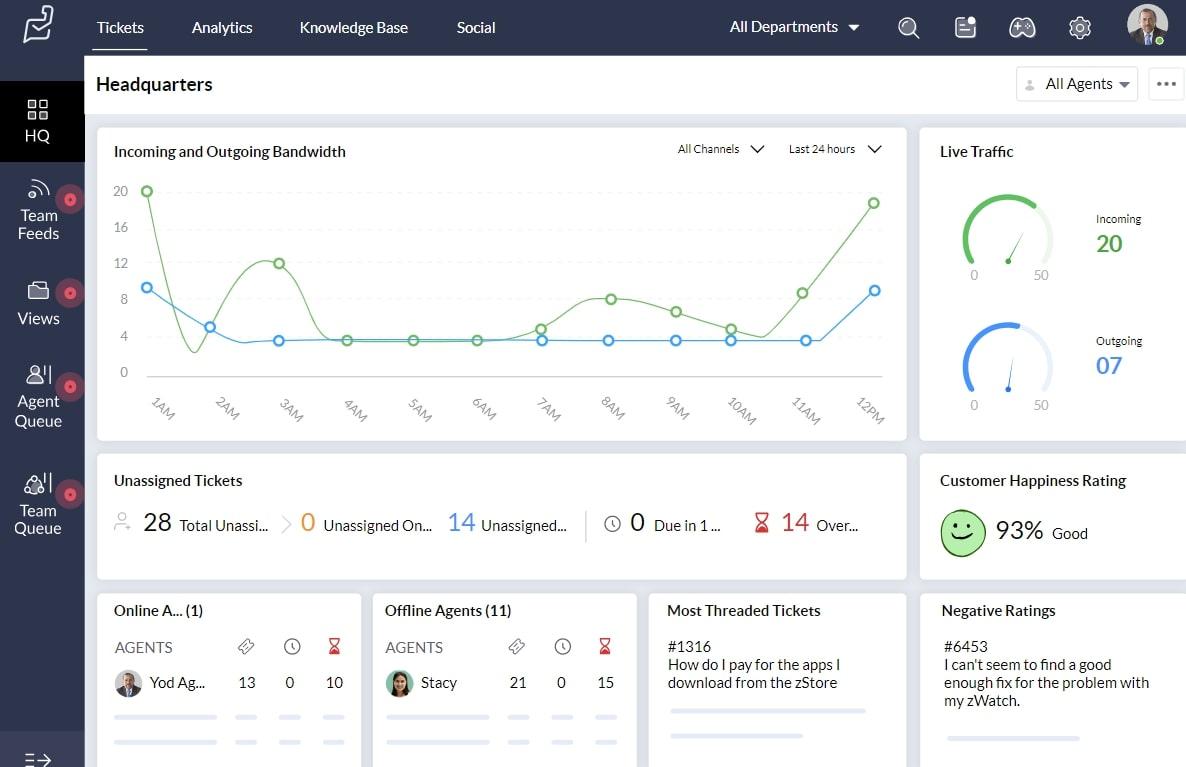
Zoho Desk is a cloud-based helpdesk solution designed to streamline customer support processes. It is not mainly focused on IT problem management but offers features that can be adapted.
Zoho Desk best features
- Prioritizes urgent issues
- Offers all-in-one responses, solutions, updates, and approvals
- Enables real-time collaboration on tickets
- Has a single view of essential problem management metrics
- Includes features such as agent collaboration and canned responses for improved communication
Zoho Desk limitations
- Offers limited third-party app integrations
- Not as feature-rich as some mature Service Desk offerings
- Requires a lot of customization
Zoho Desk pricing
- Free: Free up to 3 agents
- Express: $7
- Standard: $14
- Professional: $23
- Enterprise: $40
Zoho Desk ratings and reviews
- G2: 4.5/5 (4,500+ reviews)
- Capterra: 4.5/5 (2,000+ reviews)
6. PagerDuty
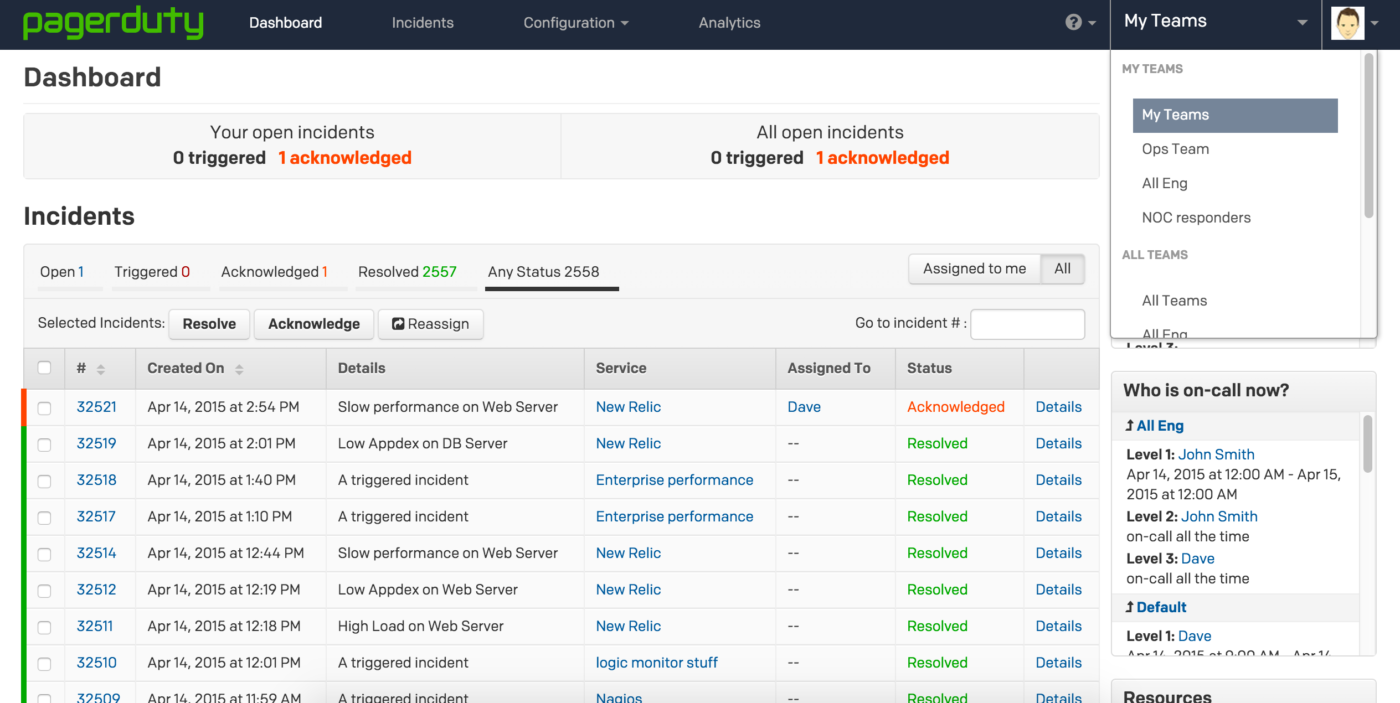
PagerDuty is an incident response platform that helps detect and resolve IT incidents. PagerDuty helps minimize downtime and enhances incident resolution efficiency within IT operations.
PagerDuty best features
- Collates alerts from various monitoring tools to manage incidents
- Enables easy-to-use on-call scheduling to respond to incidents promptly
- Allows mobile service management and resolution of incidents on the go
- Helps set policies to route unresolved incidents to the right team
- Provides insights into incident management trends and performance metrics for continuous improvement
PagerDuty limitations
- The UI is complex and requires time to learn
- A built-in ticketing system is missing
- Licensing costs are higher than competitors
- Integrations with open-source IT tools are a little limiting compared to proprietary solutions
PagerDuty pricing
- Custom pricing
PagerDuty ratings and reviews
- G2: 4.4/5 (800+ reviews)
- Capterra: 4.6/5 (400+ reviews)
7. Freshservice

Freshservice helps improve service management with a unified platform. It uses AI to offer innovative interactions and broad integrations. Freshservice offers a rich API for custom integration, smart analytics, automated workflows, and more.
Freshservice best features
- Resolves issues quickly with robust automation
- Addresses problems effectively with a consolidated view of assets
- Offers a built-in repository to document and resolve recurring problems
- Enables easy incident and problem reporting through various channels
Freshservice limitations
- The Slack/Freddy integration is not great yet; it’s still in beta
- According to users, its custom module fields have limited flexibility
- The mobile app falls short in functionality and UX compared to its web version
- Onboarding needs to be better to improve user proficiency in IT problem management.
Freshservice pricing
- Starter: $29/month per agent
- Growth: $59/month per agent
- Pro: $115/month per agent
- Enterprise: $145/month per agent
Freshservice ratings and reviews
- G2: 4.5/5 (1,100+ reviews)
- Capterra: 4.5/5 (500+ reviews)
8. ServiceNow ITSM
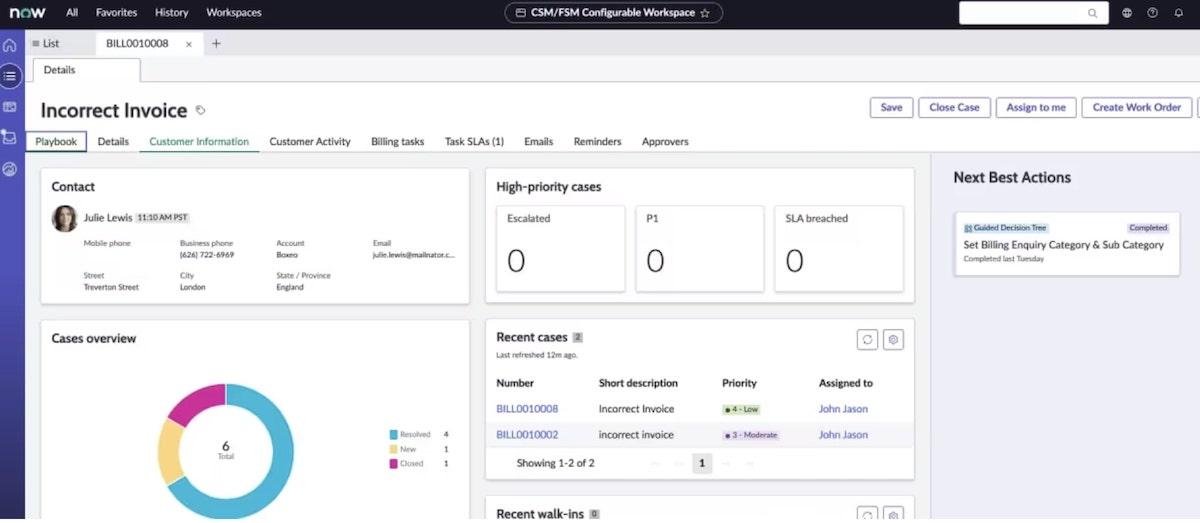
ServiceNow is an IT Service Management (ITSM) platform streamlining and automating various IT-related processes. It’s a central hub to manage incidents, service requests and change management.
ServiceNow ITSM – Best features
- Uses machine learning to convert routine tasks into automated processes
- Tracks IT dependencies to restore disrupted services
- Addresses queries, predicts and pre-empts incidents
- Helps you make data-driven decisions with a holistic view
- Offers IT support, with or without connectivity
ServiceNow ITSM limitations
- Needs more powerful IT reporting tools
- Some users feel that the knowledge management could be better
- Beginners find its UI complex
- Project subset creation could be improved
ServiceNow ITSM pricing
- Contact the ServiceNow team for pricing
ServiceNow ratings and reviews
- G2: 4.5/5 (1,700+ reviews)
- Capterra: 4.5/5 (2,00+ reviews)
9. BigPanda
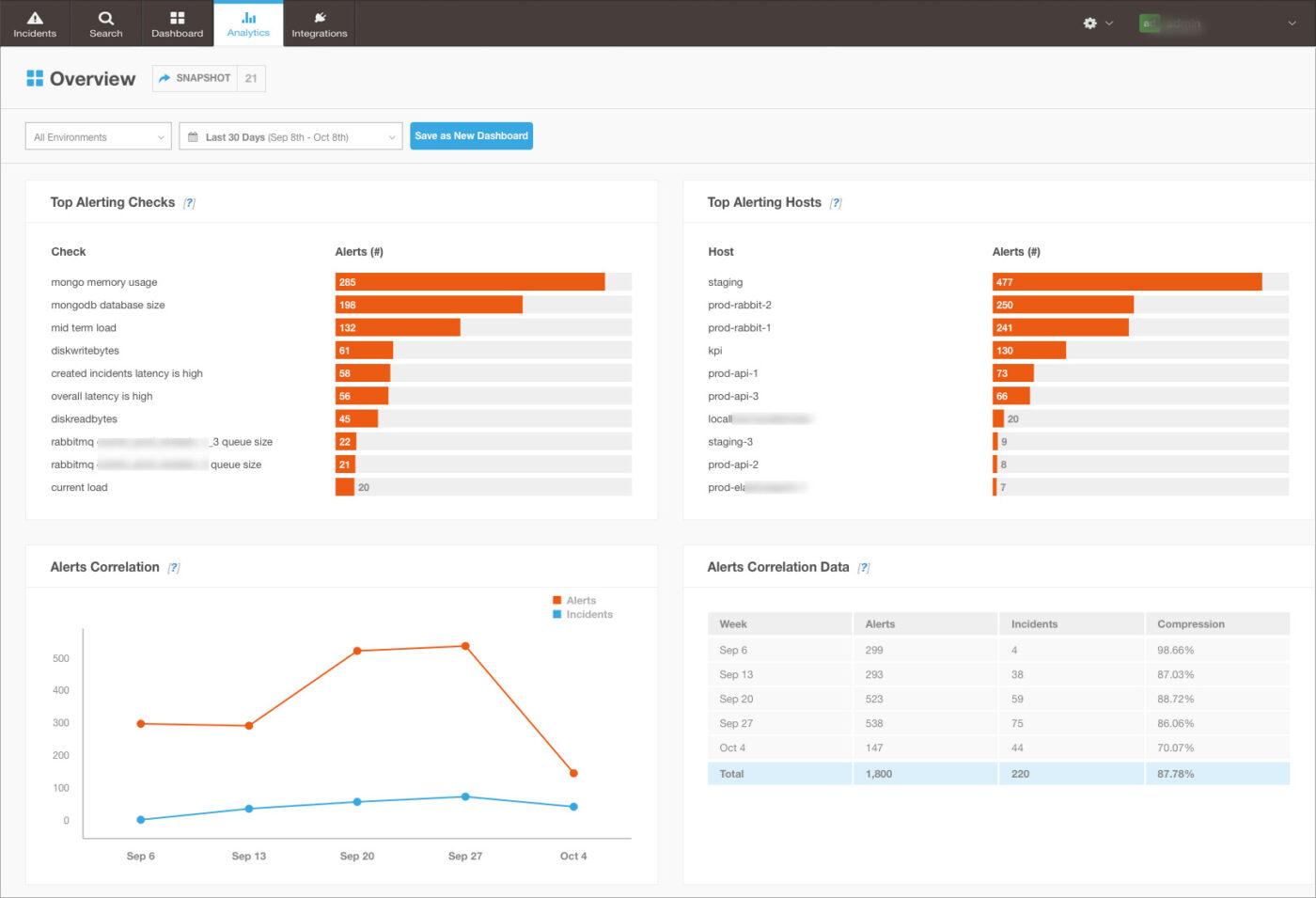
BigPanda is an AIOps (Artificial Intelligence for IT Operations) platform that simplifies and automates the service management of IT incidents.
It collates alerts from different monitoring tools and displays everything in one place to streamline the problem management process.
Its goal is to help IT professionals identify and resolve issues faster by reducing alert noise and providing actionable insights.
BigPanda best features
- Minimizes repetitive tasks and speeds up incident response times
- Establishes a bidirectional connection with ITSM solutions for incident resolution
- Alerts the appropriate teams via integration with tools such as PagerDuty
- Categorizes and prioritizes incidents for faster resolution
- Enables personalized incident-sharing rules for improved communication
- Coordinates with IT tools for consistent information sharing
Big Panda limitations
- Lacks an alert count for specific incidents, crucial for NOC and IT Ops
- Activity Tab lacks efficient filtering between Comments, Incident Sharing, and Status changes
- Several users faced performance lags when integrated with external problem management tools
BigPanda pricing
- Custom pricing
BigPanda ratings and reviews
- G2: 4.5/5 (100+ reviews)
- Capterra: 4.5/5 (100+ reviews)
10. New Relic
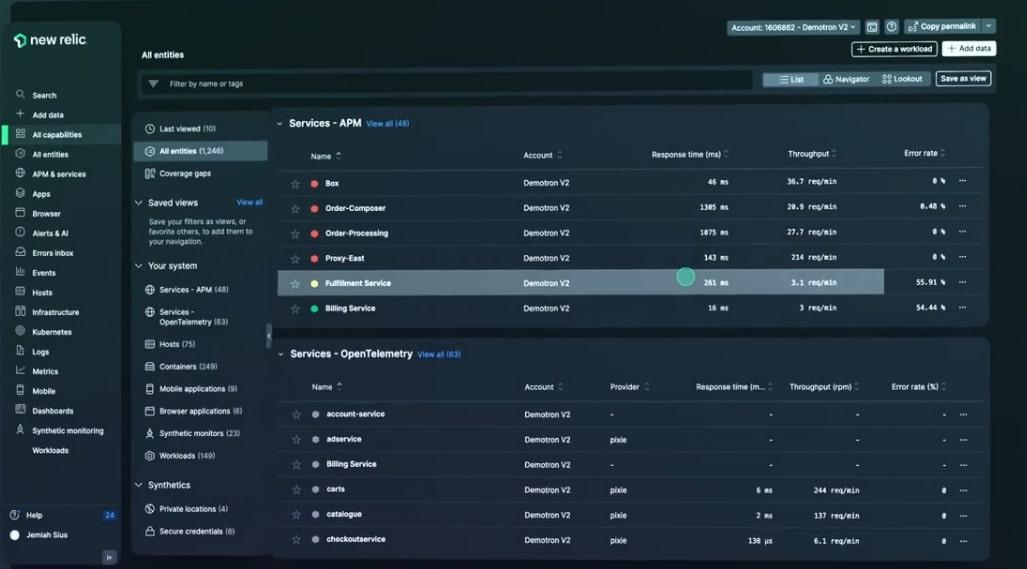
New Relic is a comprehensive observability platform that helps IT professionals and organizations monitor, troubleshoot, and optimize the performance of their applications and infrastructure.
The platform offers metrics, events, logs, and traces combined with user-friendly pricing and a vast open-source integration arena.
New Relic best features
- Provides live insights into accessibility tool usage on the website or app
- Offers end-used behavior insights to administrators
- Sends alerts for website or application downtime, errors, and changes
- Analyzes user transactions on websites or apps in real-time
New Relic limitations
- Businesses on a budget can find it expensive
- Several users experience issues with specific features—mainly alerts, data query, and SLI/SLO
- Log management capabilities are basic compared to dedicated solutions
New Relic pricing
- Free: Free forever
- Standard: Contact for pricing
- Pro: Contact for pricing
- Enterprise: Contact for pricing
New Relic ratings and reviews
- G2: 4.5/5 (400+ reviews)
- Capterra: 4.5/5 (100+ reviews)
Pick the Right Problem Management Software for Your Business
Now that we’ve explored various platforms, it’s time to make the right decision. To find the perfect fit, check if the software’s capabilities align with your business needs.
The starting point would be to explore your biggest challenges. Define must-have and good-to-have capabilities. These details can be the starting point and will help narrow down your options.
Make sure that various teams attend product demos to define possible issues. The next step is to look at the total spending and the ROI you can expect. These details will form the basis for your recommendations to your leadership.
One problem management software solution that emerges as a reliable choice is ClickUp, with its comprehensive suite that adapts well to problem management in IT.
Try ClickUp today and see how it can help you to improve your problem management and operational efficiency.


Everything you need to stay organized and get work done.

Recent Articles
7 Best Zoom Alternatives in 2026: Free Plans and Meeting Limits 
7 Best Zoom Alternatives in 2026: Free Plans and Meeting Limits
How to Create a Fillable Form in Microsoft Word (With Templates)
How to Create a Fillable Form in Microsoft Word (With Templates)
7 Best Perplexity AI Alternatives I Tested for Work in 2026 
7 Best Perplexity AI Alternatives I Tested for Work in 2026
