





Still downloading templates?
There’s an easier way. Try a free AI Agent in ClickUp that actually does the work for you—set up in minutes, save hours every week.
Sorry, there were no results found for “”
Sorry, there were no results found for “”
Sorry, there were no results found for “”
Here’s a bit of industry trivia: while global demand for new infrastructure is exploding, construction productivity has been stuck in a cycle of marginal growth. In fact, the industry is projected to lose nearly $124 billion in output this year alone simply due to unfilled positions and inefficient manual processes.
But you probably feel this every time you’re deep into a complex bid, cross-referencing material costs against labor availability while your margins shrink in real-time. It’s because you’re likely still using manual workflows to solve high-stakes, volatile problems.
AI for construction estimating can break this 20-year-old plateau. This guide explores how you can use it to reclaim your most valuable asset: time. And shows you how to consolidate your entire workflow in one AI-powered workspace, like ClickUp! 🤗
AI for construction estimating is the application of machine learning and computer vision to automate takeoff, cost forecasting, and risk identification. It reads blueprints and cross-references your historical data against current market volatility to generate a bid in hours rather than weeks.
Put simply, the core frustration an AI estimating software solves is Context Sprawl—wasting hours searching for information, switching between apps, and repeating updates across multiple platforms.
AI-powered solutions consolidate these workflows, scanning plans in minutes, pulling real-time material costs, and flagging potential scope gaps before they become budget-busting disasters.
📮 ClickUp Insight: Low-performing teams are 4 times more likely to juggle 15+ tools, while high-performing teams maintain efficiency by limiting their toolkit to 9 or fewer platforms. But how about using one platform?
As the everything app for work, ClickUp brings your tasks, projects, docs, wikis, chat, and calls under a single platform, complete with AI-powered workflows. Ready to work smarter? ClickUp works for every team, makes work visible, and allows you to focus on what matters while AI handles the rest.
Summarize this article with AI ClickUp Brain not only saves you precious time by instantly summarizing articles, it also leverages AI to connect your tasks, docs, people, and more, streamlining your workflow like never before.Key Features of AI Estimating Software
A well-integrated AI estimating software understands the context of a project as well as you do. Here is how the tech functions on the ground:
AI-powered cost prediction
In a volatile market, relying on last year’s cost books is a gamble. If you underbid, you lose money; if you overbid to be safe, you lose the contract. AI cost prediction synthesizes your firm’s historical performance with real-time market data.
These algorithms factor in regional variables that manual sheets often miss:
A quantity takeoff is the manual measurement and counting of all elements in a set of construction drawings, using highlighters, rulers, and spreadsheets. This mind-numbing task is slow and error-prone.
AI takeoff software uses computer vision to scan 2D and 3D plans, extracting measurements and generating a Bill of Quantities (BOQ) in minutes.
Here are some examples:
The most dangerous risks are buried in the fine print of a 300-page RFP. Usually, these details only surface after the contract is signed, resulting in budget-impacting change orders. AI uses natural language processing (NLP) to scan bid documents and flag liabilities before you submit.
With it, you can:
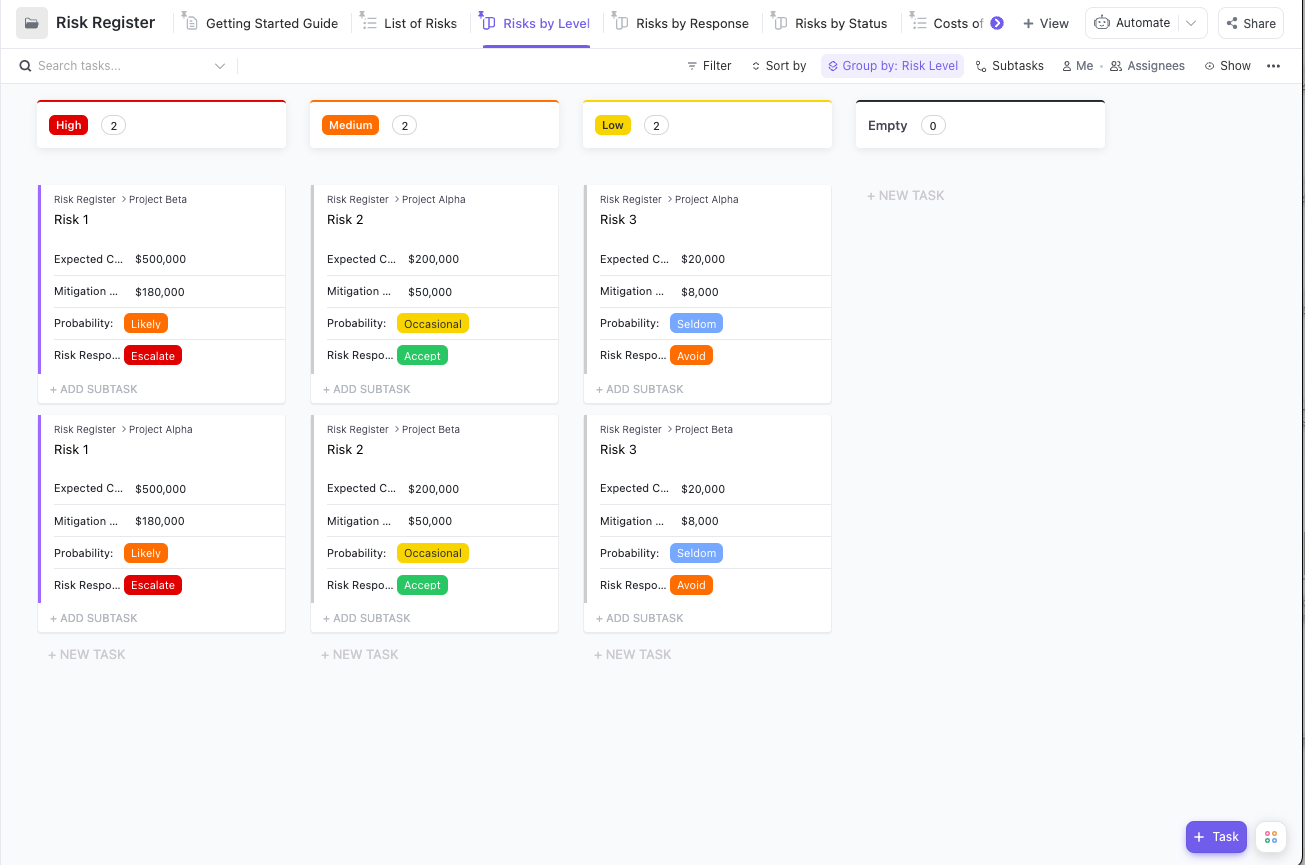
💡Pro Tip: Identifying a risk is only half the battle; you need a system to track it through the project lifecycle. You can use the ClickUp Risk Register Template to move these AI-flagged insights into an actionable dashboard.
With this template, you can:
Relying solely on the veteran estimator’s experience and a mountain of spreadsheets is becoming a competitive liability. While that institutional knowledge is invaluable, it simply can’t keep up with the volume and complexity of modern projects.
The sector is currently stuck in a productivity gap: 87% of contractors expect AI to transform the industry, yet only 19% have actually updated their workflows to use it. This delay is causing a significant financial drain in your pre-construction department.
Let’s examine the overhead of a manual-first team to understand why the industry is shifting toward a hybrid model. When you combine human expertise with the best AI-powered bidding solutions, the numbers shift in your favor:
Put simply, you can let AI handle quantities and costs, allowing your team to focus on strategy.
The advantages of using AI in your estimating process extend beyond simply speeding up tasks. It shifts your pre-construction team from a reactive cost center to a strategic driver of profitability.
By removing the burden of manual calculations, you allow your team to focus on the high-value work that actually wins contracts.
Losing a project because you couldn’t submit an accurate bid in time is a common bottleneck. When your capacity is tied to manual takeoff speeds, your project pipeline suffers, and you’re often forced to pass on lucrative opportunities just to keep up.
AI-driven automation compresses bid cycles from weeks to hours, creating a significant competitive edge. This allows you to take on more projects without increasing headcount or overworking your current staff.
The constant anxiety that a single spreadsheet error could lead to a major budget overrun hangs over every estimator. You spend time triple-checking their work, which slows the process without guaranteeing perfection. It puts your profit margins in danger of disappearing with just one mistake.
AI provides a layer of validation that manual processes can’t match. It pulls quantities directly from blueprints into your cost sheet and eliminates data-entry errors, catching discrepancies you might miss. This accuracy ensures that the profit you bid is the profit you actually keep, reducing budget overruns and costly rework during the build.
Every project you complete is a goldmine of data, but for most contractors, that information is locked away in forgotten file folders. Because this data isn’t searchable, you start repeating the same estimating mistakes project after project.
AI estimating software turns that historical archive into actionable intelligence. It surfaces patterns your team would be unable to spot manually, identifying which project types consistently go over budget. Put simply, you start using your firm’s own history to bid smarter on every new job.
Your most experienced estimators are your most expensive assets, yet they often spend most of their day on low-value tasks such as measuring linear footage or tallying door schedules. This is a waste of the strategic expertise you hired them for.
By automating the grunt work, AI frees your best people to focus on the high-stakes decisions. They finally have the bandwidth to deliver value engineering and develop sophisticated bid strategies that account for competitor behavior.
📮 ClickUp Insight: 92% of knowledge workers risk losing important decisions scattered across chat, email, and spreadsheets. Without a unified system for capturing and tracking decisions, critical business insights get lost in the digital noise. With ClickUp’s Task Management capabilities, you never have to worry about this. Create tasks from chat, task comments, docs, and emails with a single click!
The market for construction software is crowded and confusing. You have specialized takeoff tools, broad project management platforms, and integrated workspaces all claiming to be the best solution. The right choice for you depends entirely on where your biggest bottlenecks are.
To help you understand the landscape of available AI tools for construction, watch this overview that explores the various solutions transforming the industry today:
Let’s look at the top solutions based on their primary role in your project lifecycle.
If your primary goal is to accelerate takeoffs and get proposals out the door, dedicated AI estimating software is built for you. Tools like Togal.AI, Buildxact, and EstimatorAI are designed to do one thing exceptionally well: scan plans, extract quantities, and generate a bid package as quickly as possible.
They are ideal for the estimating-specific workflow. However, they do lead to isolated data blocks. For example, the estimate resides in one system, but once the project is done, all that information must be manually transferred to a separate project management tool for execution.
On the other side are platforms like Procore and Autodesk Construction Cloud. They focus on managing the project after the contract is signed. You can trust these tools for project collaboration, document control, and field execution. Do remember, though, that many of these platforms have added estimating features, but estimating isn’t their core competency.
The tradeoff here is that while your project execution might be streamlined, your estimating process could still be a bottleneck. You may find yourself performing manual takeoffs or using yet another point solution, leading to data re-entry and the risk of information getting lost in translation.
💡Pro Tip: You don’t need expensive, rigid software to manage your project’s financial health. You can use the ClickUp Construction Management solution to centralize your pre-sales, estimating, and field tracking in one place.
It employs Custom Fields and Calculations to help your finance teams track purchase orders, material quantities, and subcontractor RFIs alongside the actual project schedule. This ensures your budget stays up to date in real time as work progresses on the job site, rather than waiting for a month-end manual sync.
The biggest problem for most construction teams is Tool Sprawl. Your estimate is in one app, your project plan is in another, and your team communication is happening in a third. This context sprawl is where mistakes, delays, and frustrations take root.
Your project team ends up working from an old version of the estimate because the latest file wasn’t shared correctly, or a critical detail from a chat message never made it into the official plan.
Switching to a converged AI workspace—a single platform where projects, documents, conversations, and analytics function together with contextual AI embedded as the intelligence layer, like ClickUp. You get a single platform where your work flows seamlessly from bid to build-out.
Here’s a breakdown of how each ClickUp feature handles a specific piece of the construction puzzle:
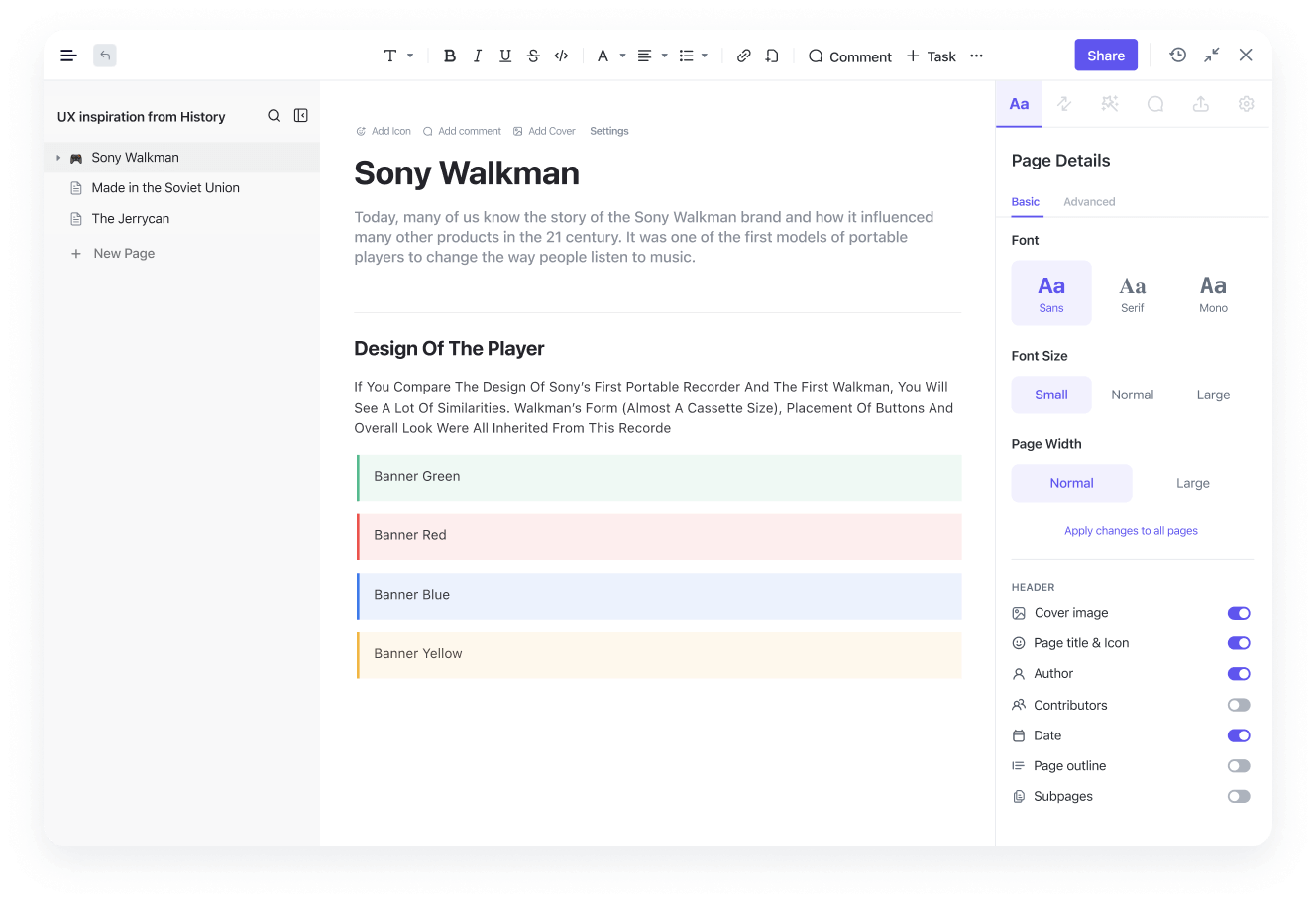
Instead of static PDFs, your bid specs and project manuals are hosted in ClickUp Docs. This makes your technical data searchable and collaborative. For example, when an architect issues an addendum, you update the ClickUp Doc once, and everyone from the office to the job site has the latest version immediately. You can even embed your takeoff drawings directly alongside your scope of work.
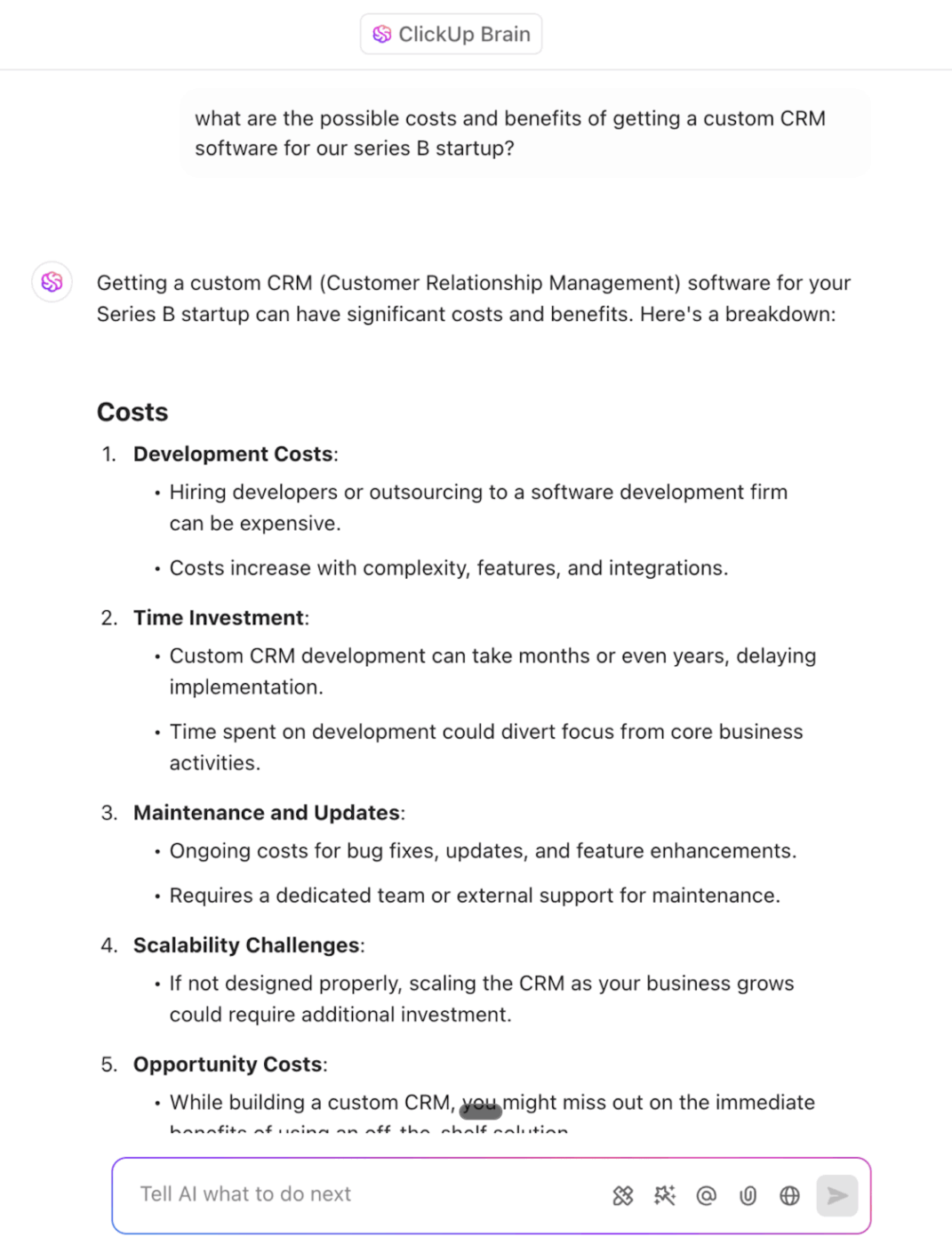
ClickUp gives you access to its connective tissue, which studies your entire workspace. It connects everything from documents and tasks to even your chat history. Instead of an estimator spending twenty minutes hunting for a specific MEP requirement in a 200-page manual, they can just ask ClickUp Brain.
It pulls the exact answer from your project files in seconds, acting as a direct bridge between your data and your team.
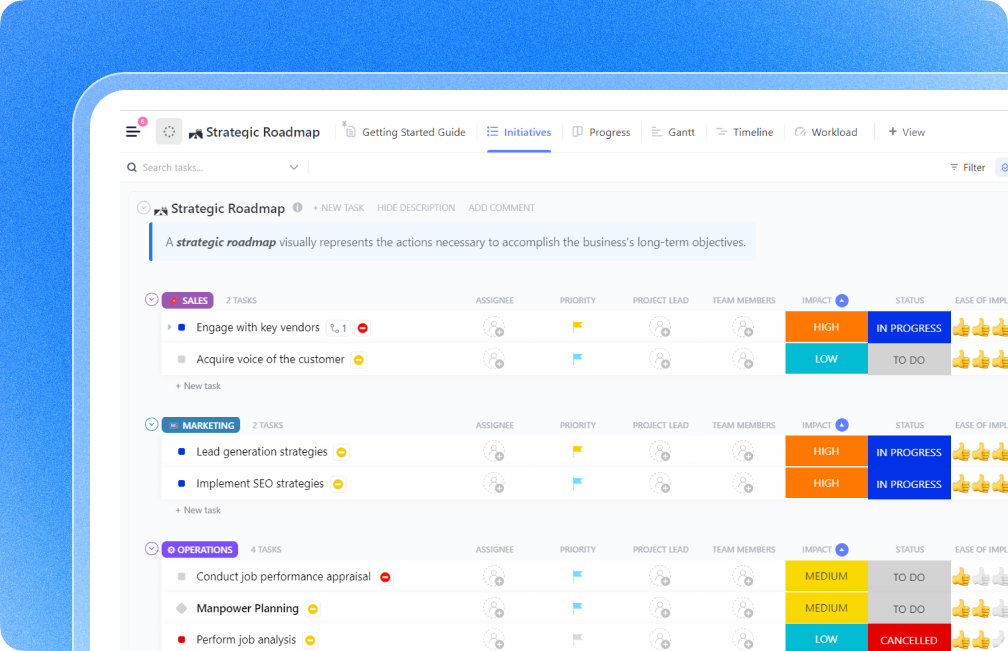
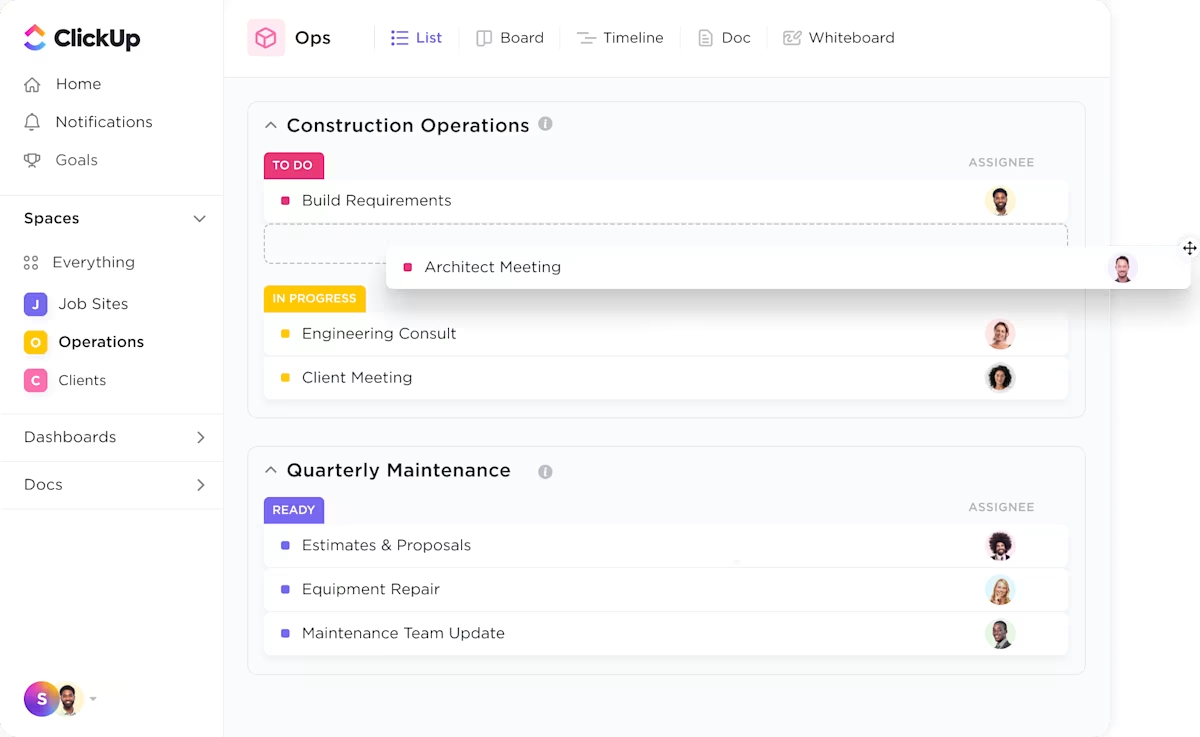
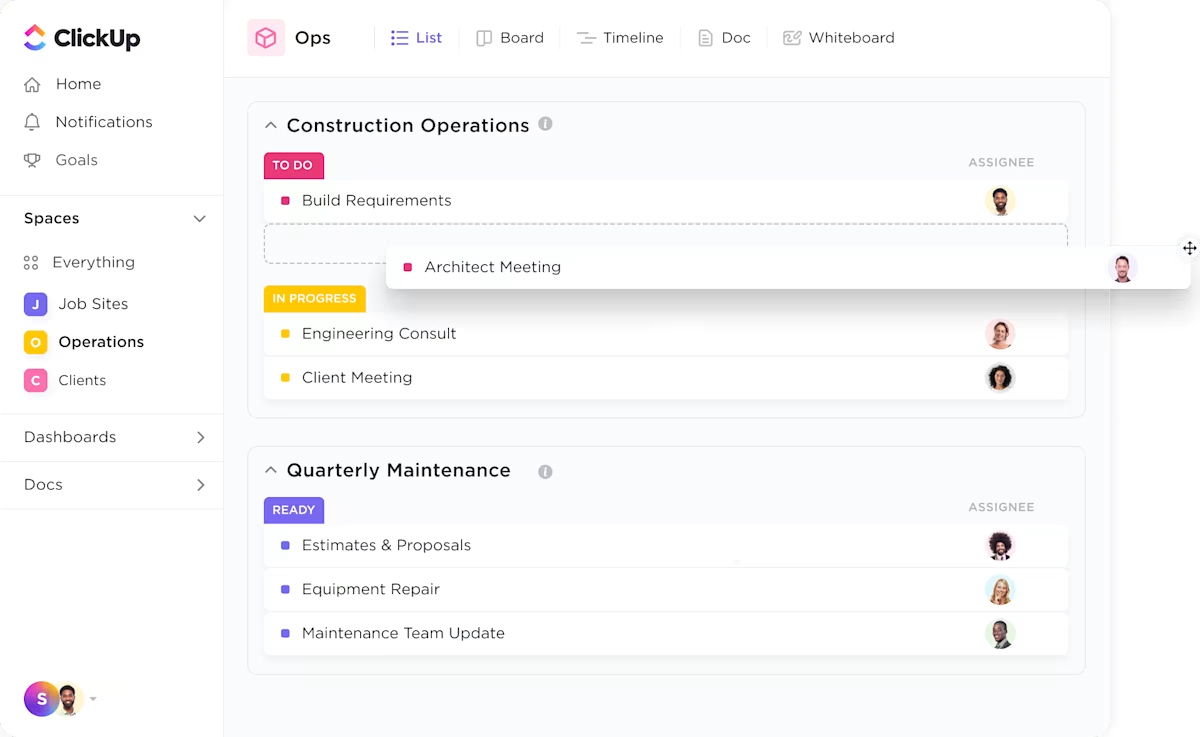
You can also convert your takeoff directly into ClickUp Tasks, ensuring the field team executes exactly what was priced, with all relevant blueprints and vendor quotes linked directly to the work they’re doing.
Because these ClickUp Tasks are connected to the rest of the workspace, you start working smarter. ClickUp Brain can automatically create tasks from client emails or meeting notes, ensuring no change orders are left behind. It can even summarize the activity across a long-running task in seconds, giving you a progress update without you having to hunt through a comment thread.
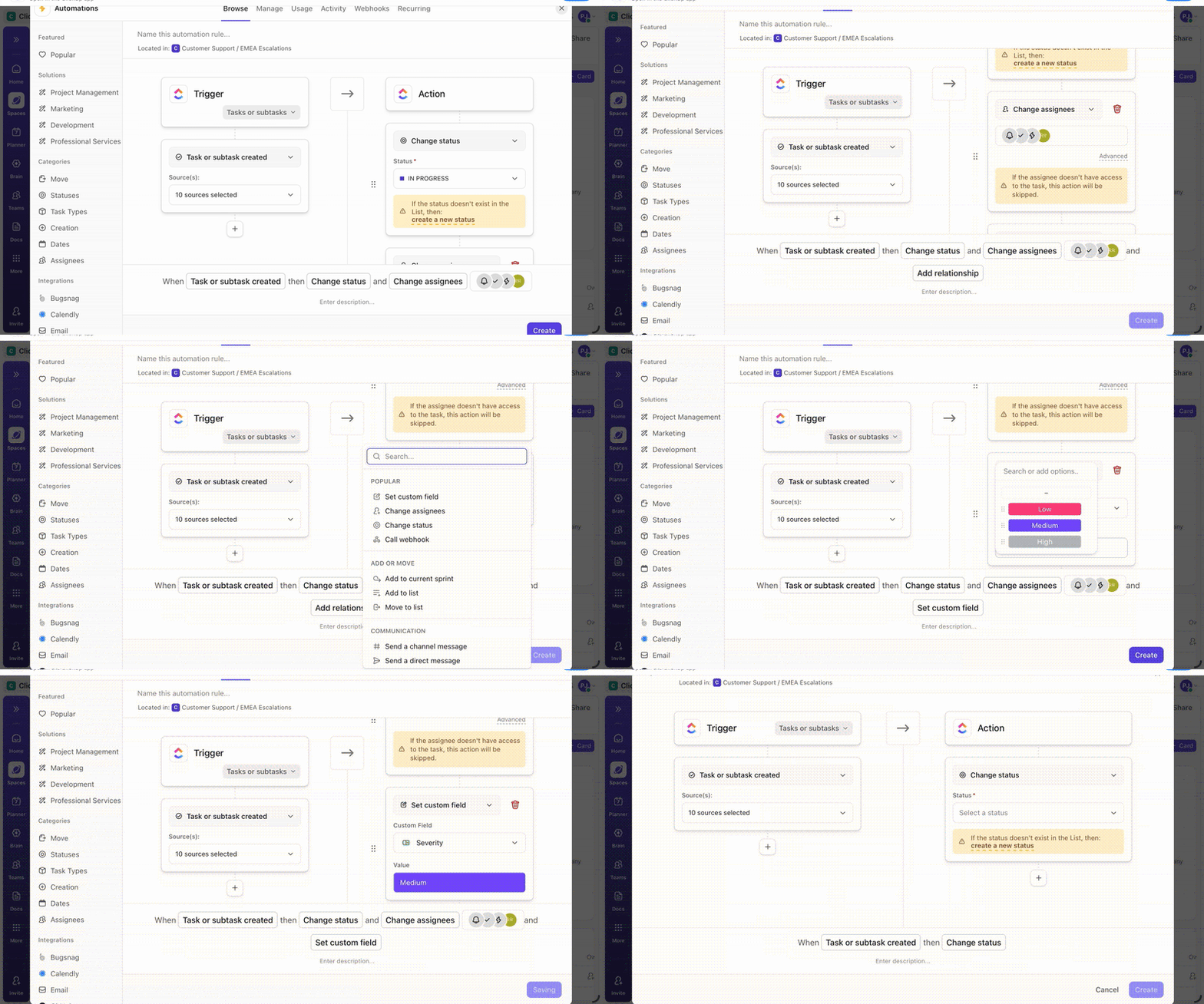
ClickUp Automations handle the repetitive manual handoffs that usually stall a project between phases. Instead of sending a dozen checking-in emails, you can set rules to trigger the next step of the build automatically.
For example, when a site inspection is marked as passed, ClickUp can immediately notify the next subcontractor on the schedule and update the project status for all stakeholders.
You can even use the AI Automation Builder to describe a workflow in plain English, and the platform will configure the logic for you. This extends to communication as well—you can set up email automations to keep partners and vendors updated on project milestones or form submissions.
It keeps the project’s momentum high and your team focused on the field.
Giuliano Peressini, CTO (Chief Technical Officer) at Casagrande, validated ClickUp:
ClickUp is always a very good choice whenever information has to be shared between multiple people at the same time, and whenever there are different teams working on the same subject from different points of view.
The value of AI for contractors becomes clear when you see how it applies to day-to-day construction project work.
🧠 Fun Fact: Nearly 96% of all data captured in the construction and engineering industry goes unused. Most firms are sitting on a goldmine of bid history and field reports that never get analyzed to improve future estimates.
AI is a powerful tool, but investing in this technology comes with its own hurdles. Here are a few of them:
Your best estimators have spent decades honing their intuition. When you bring in AI, they aren’t going to be excited; they’re going to be skeptical. There is a legitimate worry that a it will make their role redundant.
You need to frame the technology as a tool, not as a replacement. Knowing the learning curve is temporary, and the payoff, less grunt work and more time for strategic thinking, is a benefit that most people will embrace once they experience it.
Specialized AI project cost estimation software can be expensive. The subscription fees, training time, and potential workflow redesign represent a significant investment. It can be difficult for smaller contractors to justify the cost, given their bid volume.
You need to evaluate the return on investment (ROI) from two perspectives. First, the time savings from automating manual tasks can allow you to bid on more work. Second, the improved accuracy can prevent even one major budget blow-up, which could pay for the software many times over. An integrated platform can also help by consolidating multiple tools into a single workspace.
📌 The ClickUp Advantage: ClickUp Integrations help you justify the investment by acting as a bridge between your specialized construction tools and your daily operations. You can consolidate your workflow into a single hub that connects with the tools you already use.
For example, this is what you can expect:
➡️ Improve your ROI with tool consolidation!
The biggest mistake you can make is assuming AI is infallible. It’s great at pattern recognition, but it will still struggle with a bad scan or a contradiction in a 400-page RFP.
Expert human review has to be the final line of defense. AI handles the high-volume data crunching so your team has the energy for the 5% of the bid that carries 90% of the risk. Adapt the software to flag the anomalies so your estimator knows exactly where to focus.
The evolution of AI tools for construction is moving toward a more connected and intelligent future. We’re seeing emerging capabilities that will further transform the industry. These include tighter integration between estimating and project execution, a context-aware AI assistant, and real-time connections to supplier pricing.
However, the biggest trend is the shift toward unified workspaces. The industry is finally moving away from fragmented point solutions toward converged workspaces where estimating, project management, and field execution share a single data layer. This eliminates the painful handoff friction that plagues most of your construction workflows today.
AI for construction estimating augments your team rather than replacing them. It eliminates tedious, repetitive work, allowing estimators to focus on what they do best. If your team struggles with fragmented tools and manual processes, you now have a clear path to consolidate your workflows.
Ready to bring your estimating and project management into one AI-powered workspace? Get started for free with ClickUp today.
No, AI automates repetitive tasks but lacks the judgment needed for complex projects, client relationships, and strategic decisions.
AI takeoff software is highly specialized for extracting quantities from construction plans, while AI project management tools handle broader workflows like scheduling and team collaboration.
Most teams find success by starting small. They layer AI onto their most repetitive, high-volume tasks, like initial takeoffs for simple projects, while keeping experienced estimators in the loop for review and more complex bids.
While free AI tools can be useful for simple projects or for getting a quick ballpark figure, they generally lack the accuracy, support, and features required to submit professional, high-stakes bids.

© 2026 ClickUp

There’s an easier way. Try a free AI Agent in ClickUp that actually does the work for you—set up in minutes, save hours every week.