






Still downloading templates?
There’s an easier way. Try a free AI Agent in ClickUp that actually does the work for you—set up in minutes, save hours every week.
Sorry, there were no results found for “”
Sorry, there were no results found for “”
Sorry, there were no results found for “”
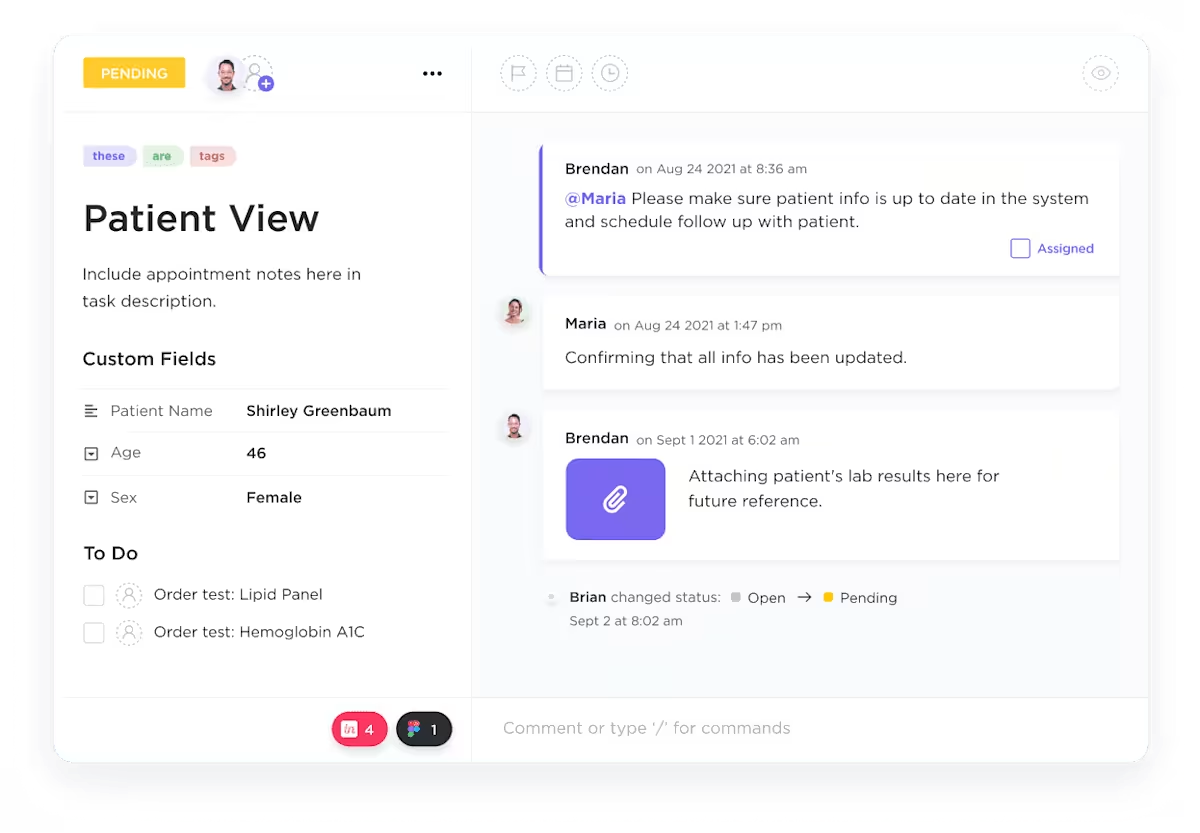
Breakdowns in communication during clinical handoffs remain a major patient safety risk. The Joint Commission reports that communication failures are involved in up to 70% of serious adverse events, often because critical information is missing, delayed, or stored in formats that clinicians cannot quickly access.
ECRI’s Top Patient Safety Concerns 2023 likewise highlights failures in information transfer and care coordination as leading contributors to preventable harm in healthcare settings.
Knowledge management in healthcare is the systematic process of capturing, organizing, sharing, and applying clinical, operational, and administrative knowledge so the right information reaches the right people at the right time. This goes beyond simple document storage—it’s about transforming scattered data into actionable insights that improve patient care and operational decisions.
Your healthcare team generates massive amounts of information daily. Clinical guidelines, patient records, research findings, and compliance documentation often live in disconnected systems, individual inboxes, or the heads of experienced staff. When critical information is hard to find or siloed across departments, you experience context sprawl—when teams waste hours searching for the information they need to do their jobs, switching between apps and hunting down files—patient safety suffers, and your team wastes time hunting for answers instead of delivering care.
Effective healthcare knowledge management addresses two distinct types of knowledge:
The real challenge isn’t just storing your explicit knowledge. It’s about capturing that valuable tacit knowledge before it walks out the door when experienced staff members leave or retire.
In healthcare, knowledge gaps don’t just slow things down—they can directly harm patients. When your clinicians can’t quickly access the latest protocols or when critical information gets lost during shift changes, the consequences are severe. You might see duplicated tests, diagnostic errors, or delays in care, all because the right information wasn’t available at the right moment.
Scattered information carries real operational and human costs. Strong healthcare knowledge management improves outcomes by making the right information available when it is needed most.
Many healthcare organizations still operate across disconnected systems such as EHRs, intranets, shared drives, and messaging tools. This fragmentation creates Work Sprawl, where knowledge exists but is difficult to access when it matters. Teams end up recreating documents, searching across systems, or making decisions without complete information, which undermines consistency and care quality.
📮 ClickUp Insight: The average professional spends 30+ minutes a day searching for work-related information—that’s over 120 hours a year lost to digging through emails, Slack threads, and scattered files. An intelligent AI assistant embedded in your workspace can change that. Enter ClickUp Brain. It delivers instant insights and answers by surfacing the right documents, conversations, and task details in seconds—so you can stop searching and start working.
💫 Real Results: Teams like QubicaAMF reclaimed 5+ hours weekly using ClickUp—that’s over 250 hours annually per person—by eliminating outdated knowledge management processes. Imagine what your team could create with an extra week of productivity every quarter!
You’ve likely tried to implement a system to manage knowledge, only to watch it fail. Implementing effective knowledge management in healthcare is genuinely difficult, not because your organization isn’t trying, but because the healthcare environment presents unique obstacles that other industries don’t face.
These challenges create a cycle of frustration where new initiatives are met with skepticism because past attempts have fallen short. Understanding these specific hurdles is the first step toward finding a solution that actually works.
These challenges aren’t insurmountable, but they do require a deliberate approach. The solution can’t just be another tool; it has to be a smarter way of working that integrates seamlessly into your team’s existing flow and makes finding information faster than the workarounds they currently use.
Successful healthcare knowledge management isn’t about buying a single, magical tool. It’s about building habits and implementing systems that make sharing and finding knowledge the path of least resistance for your busy teams.
Scattered documentation is the enemy of consistent, high-quality care. When your protocols live in multiple locations—a shared drive here, an outdated intranet page there, a physical binder on the unit—your staff will default to memory or asking colleagues. This introduces unnecessary variability and risk into your clinical practice.
The solution is to create a single source of truth for all clinical guidelines, policies, and procedures. This central repository must be easily searchable, have clear version control, and be updated in real time so your staff always knows they are accessing the most current standard. This centralization also has the major benefit of simplifying compliance, as auditors can review one organized system rather than chasing documentation across multiple departments.
Watch this practical walkthrough to learn the essential steps for building an internal knowledge base that your healthcare team will actually use.
Healthcare operates 24/7, and information must flow seamlessly across shifts, different sites, and various specialties. Static documentation in a folder is not enough. Your teams need dynamic ways to share insights, flag emerging issues, and communicate critical context in real time.
Instead of creating separate processes, build knowledge sharing directly into your existing workflows. This could look like:
The goal is to reduce the friction between having knowledge and sharing it, making it a natural part of getting work done.
In healthcare, silos often exist for legitimate reasons. Different departments have unique systems, workflows, and information needs. But when your clinical, operational, and administrative teams can’t easily share knowledge, the entire organization loses visibility into patterns that affect both patient care and overall efficiency.
You can create cross-functional visibility without forcing everyone to abandon their specialized systems. This might mean establishing shared workspaces for interdisciplinary projects, like planning a new service line. It could also involve creating standardized ways to surface relevant information across departments, ensuring that knowledge created in one area is discoverable by others who might need it.
Implementing these best practices requires a platform that brings your documentation, collaboration, and search capabilities together in one place—without adding more complexity to your team’s already demanding workflows. Stop the frustrating cycle of work sprawl and context sprawl that plagues healthcare organizations. ClickUp functions as a converged workspace—a single, unified platform where projects, documents, conversations, and analytics live together—where your teams can centralize knowledge, collaborate in real time, and find information instantly.
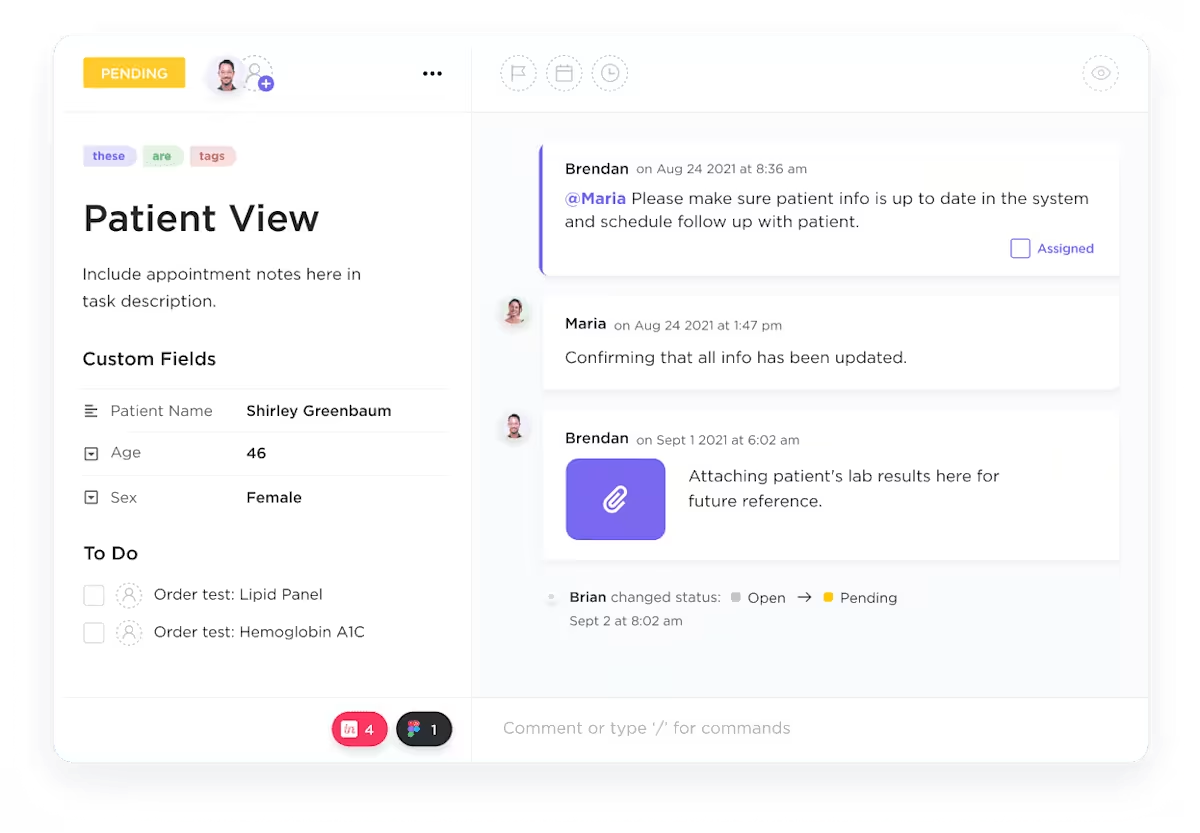
Your clinical protocols are in one system, your project plans for a new facility wing are in another, and your team communication happens in a third. This fragmentation means you’re constantly switching between apps, and information inevitably gets lost. Eliminate this chaos with a unified workspace that brings everything together.
Create a central home for all your clinical protocols, SOPs, training materials, and operational documentation with ClickUp Docs.
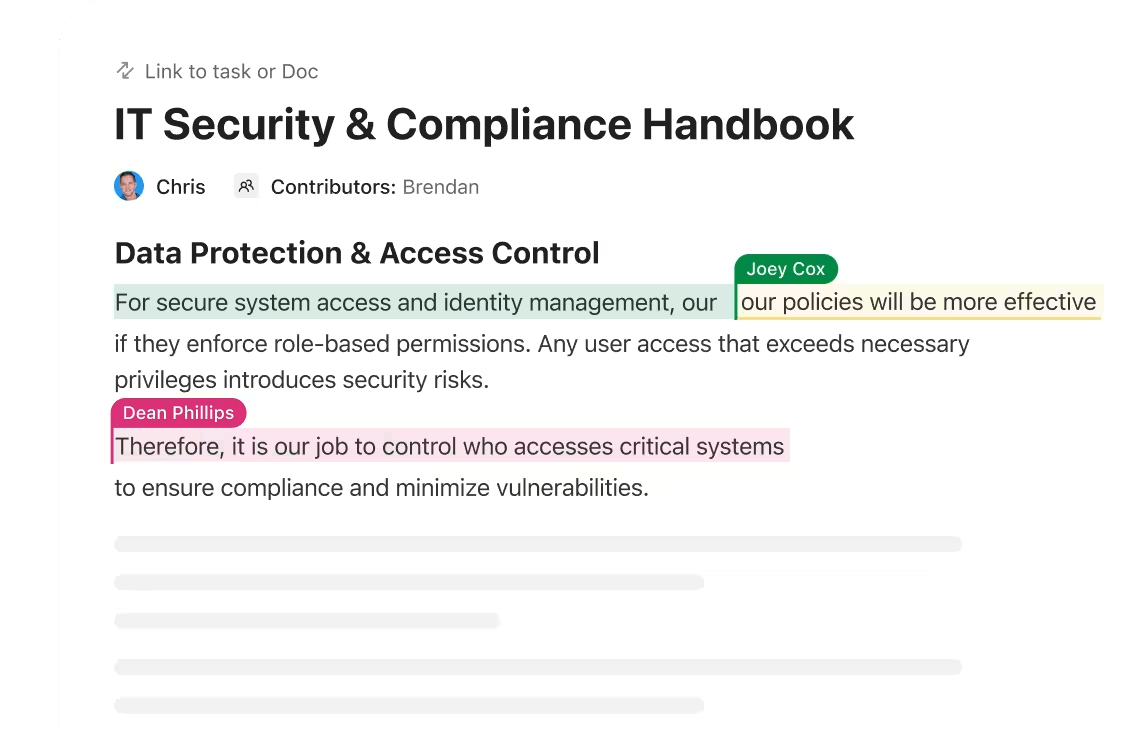
Unlike standalone document tools, knowledge in ClickUp stays linked to the ClickUp Tasks and projects it supports. This means a protocol document can be connected directly to the workflow it informs, making it an active part of your operations.
Your teams can use real-time collaboration to edit documents simultaneously, leave comments for clarification, and embed docs directly into their workflows. This ensures your protocols are actively used and kept current. You can also organize all this knowledge intuitively using ClickUp’s flexible hierarchy.
This structure allows your healthcare organization to organize knowledge by department, function, or project while still maintaining the cross-functional visibility needed for effective collaboration.
You know the answer to a question exists somewhere in your system, but you can’t find it. You’ve wasted precious minutes searching for “infection control,” “IC protocol,” and “handwashing guidelines” with no luck. This is a massive time sink and a potential safety risk.
Solve the “I know we documented this somewhere” problem for good with ClickUp Brain. This feature provides AI-powered search that works across everything in your workspace—tasks, documents, comments, and more—so your team can find answers in seconds.
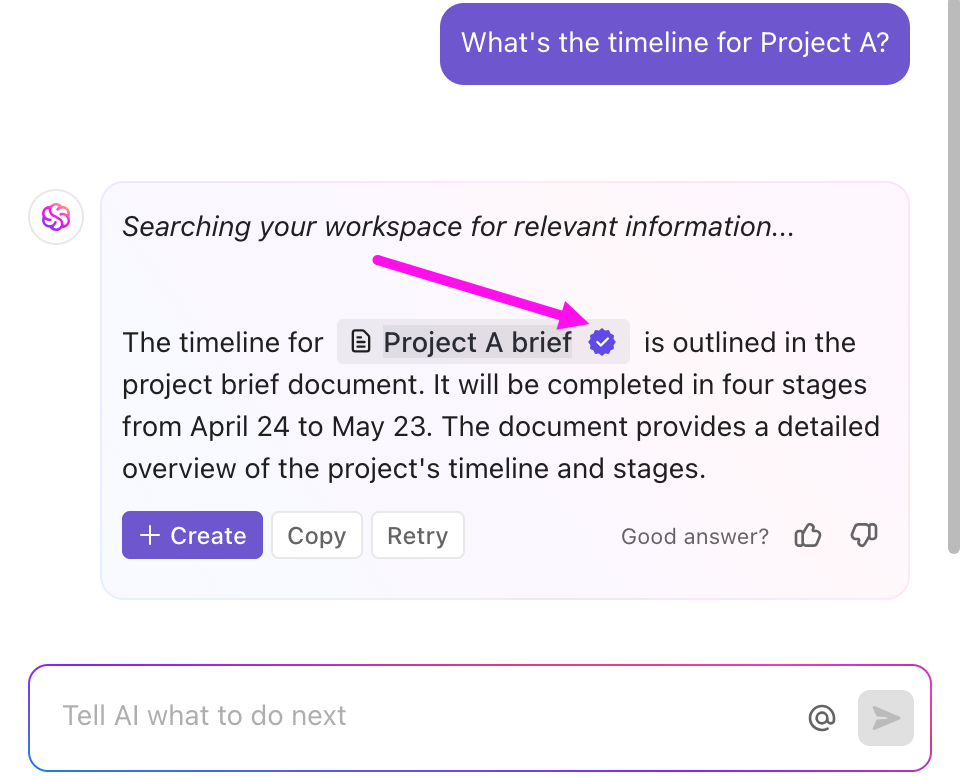
Additionally, with ClickUp Brain MAX‘s talk-to-text feature, users can log their notes on the go.
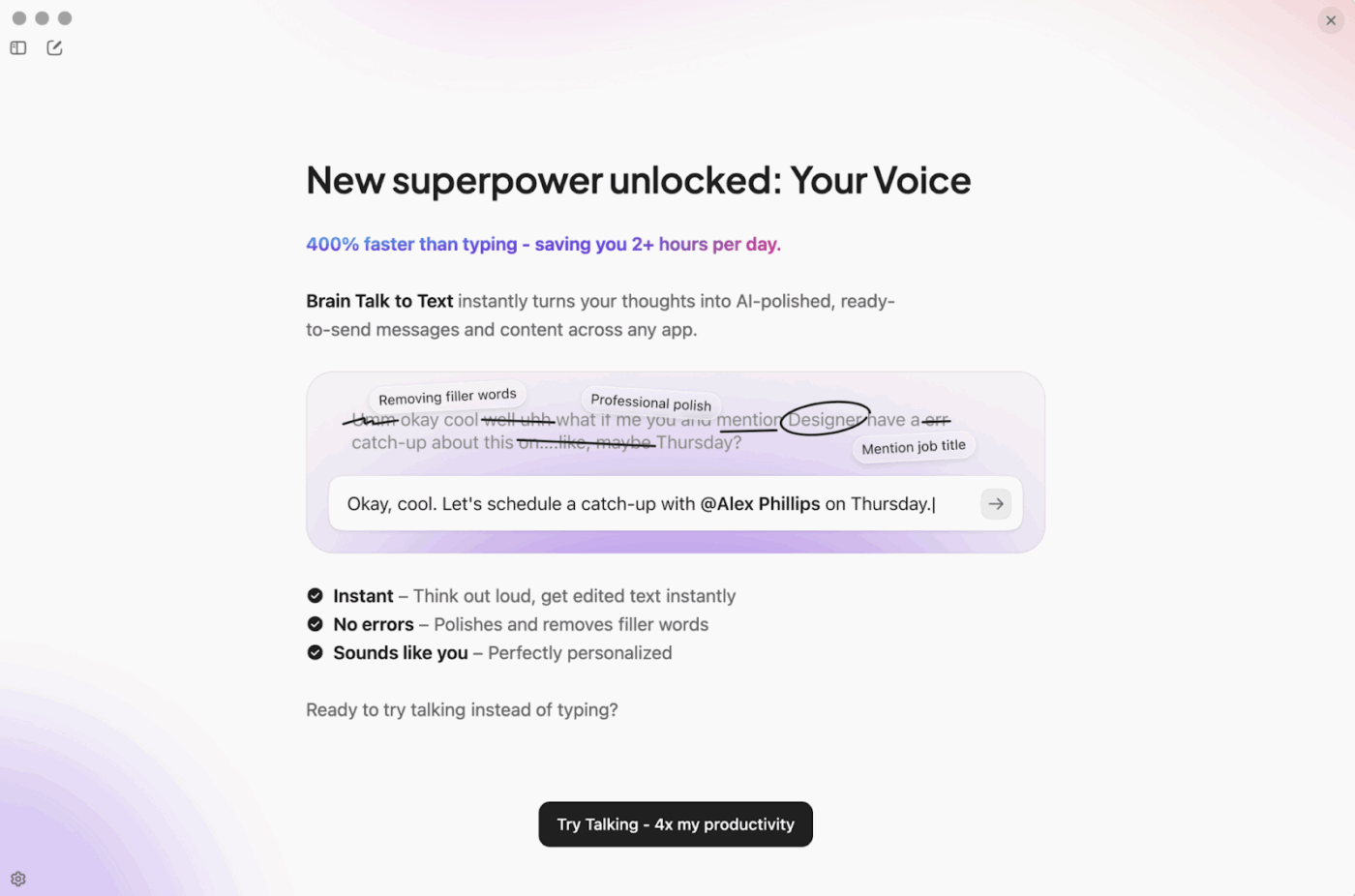
Surface relevant information even when you don’t know the exact terminology—ClickUp Brain understands context and natural language. For even harder-to-find information, ClickUp Enterprise Search performs a more thorough scan across your entire workspace, finding knowledge buried deep in old tasks or archived docs
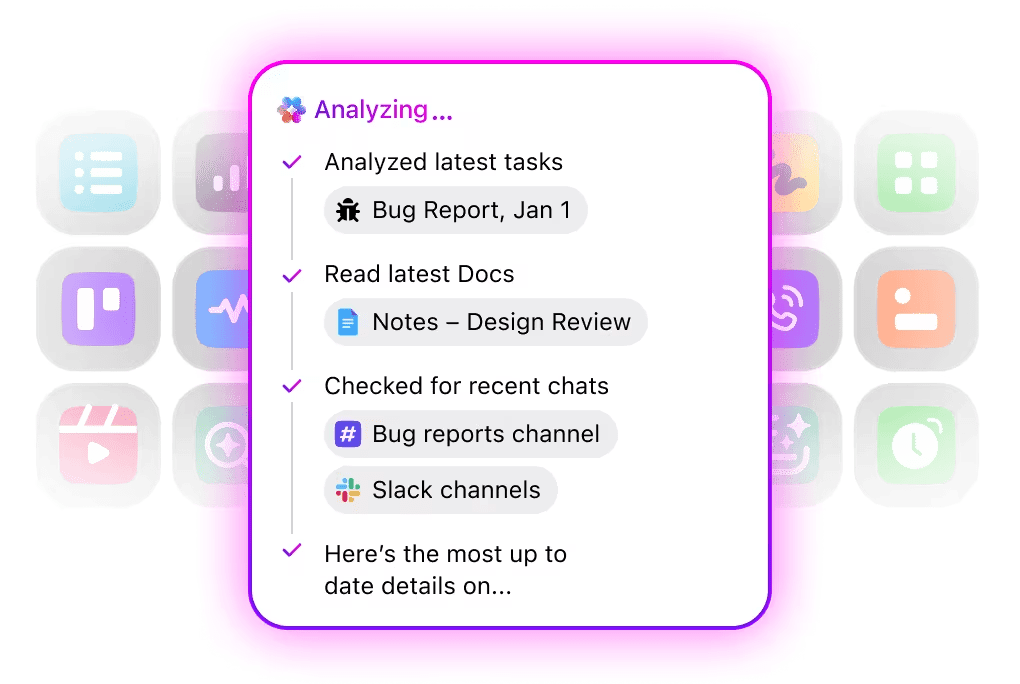
Your healthcare teams don’t need more documentation; they need faster access to the right documentation at the right moment. ClickUp Brain makes your entire institutional knowledge base instantly accessible and actionable.
You need to centralize information, but you’re rightfully concerned about HIPAA breaches and audit trails. How do you share knowledge with the right people without accidentally exposing it to the wrong ones? Too often, the fear of a compliance violation leads to information being locked down so tightly that it’s useless, or teams resort to insecure workarounds like emailing sensitive data.
Build a knowledge management system that is both accessible and secure with ClickUp’s granular permission controls. You can determine exactly who can view, edit, or share specific content, ensuring your data is always protected.
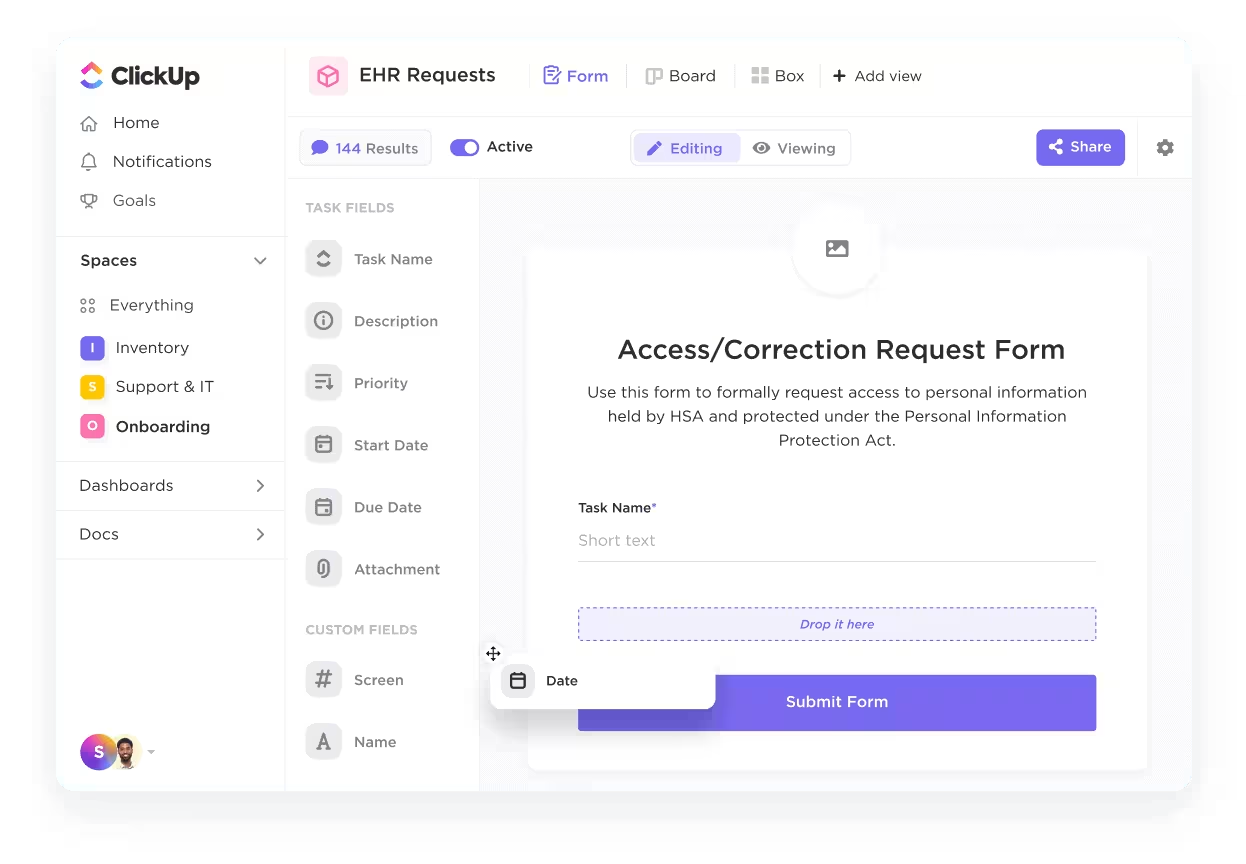
Effective knowledge management in healthcare isn’t about adding another system to your team’s plate. It’s about eliminating the fragmentation that makes critical information so hard to find. When your clinical guidelines, operational procedures, and institutional knowledge all live in one searchable, collaborative space, your teams spend less time searching and more time delivering care. 🤩
The cost of scattered knowledge isn’t just inefficiency—it’s patient safety, staff burnout, and compliance risk. Organizations that successfully centralize and connect their knowledge create a solid foundation for better outcomes across every metric that matters.
As healthcare continues to generate more data and face more complex coordination challenges, the organizations that thrive will be those that treat knowledge management as essential infrastructure, not an afterthought.
Ready to bring your healthcare team’s knowledge together? Get started for free with ClickUp today.
Document storage holds files, but a knowledge management system makes them findable, connected, and actionable. The key difference is whether information sits passively in folders or actively surfaces when and where your teams need it most.
Yes, especially platforms like ClickUp that combine documentation, task management, and AI-powered search into one place. These tools function as powerful knowledge management systems by keeping information directly connected to the work it supports, which is more effective than a standalone system.
AI-powered search understands context and intent, allowing it to surface relevant information even when users don’t know the exact keywords or document titles. This dramatically reduces the time clinicians and staff spend hunting for protocols, guidelines, or past decisions, improving both efficiency and accuracy.

© 2026 ClickUp

There’s an easier way. Try a free AI Agent in ClickUp that actually does the work for you—set up in minutes, save hours every week.