






Still downloading templates?
There’s an easier way. Try a free AI Agent in ClickUp that actually does the work for you—set up in minutes, save hours every week.
Sorry, there were no results found for “”
Sorry, there were no results found for “”
Sorry, there were no results found for “”
Have you ever been to a hackathon where everyone’s building the next big AI business—generating images, crafting chatbots that sound too human—while you’re just trying to get your JavaScript to stop throwing a tantrum?
Feels like showing up to a sword fight with a rubber duck, doesn’t it?
But AI isn’t just for the pros. A few smart moves, and it can become your secret weapon. From automating code fixes to optimizing entire architectures, mastering AI can take your software development skills to the next level.
This article explores the best AI courses for software engineers that will help you build the future and not just debug the past!
While the world believes software engineering is about writing code, you know the truth is that it’s about writing smarter code.
Imagine an AI that writes boilerplate code, catches bugs before you do, or even suggests performance optimizations while you work. That’s not sci-fi; an AI engineer is making it happen right now. Here’s how:
AI-powered tools like GitHub Copilot and Tabnine suggest entire code snippets as you type, saving hours of work. Need a function? AI might just write it for you.
No more endless debugging! AI-driven tools analyze code patterns, catch errors before they break production, and even suggest fixes, saving you from cryptic stack traces.
From chatbots to voice assistants, AI-powered natural language processing (NLP) makes apps smarter and more intuitive, improving how users interact with software.
AI models detect performance bottlenecks, forecast system failures, and optimize resources before problems escalate.
AI handles continuous integration and delivery (CI/CD) by automating testing, monitoring, and deployment, reducing manual work and downtime.
The bottom line is that AI adds innovation and efficiency to software engineering and data science jobs, making them easier.
👀 Did You Know? AI could contribute up to $15.7 trillion to the global economy by the decade’s end.
Simply put, AI makes you faster, smarter, and more efficient as a software engineer or developer. Here’s how it boosts your productivity at every stage.
With AI-driven code suggestions, autocomplete, and automated debugging, you spend less time writing boilerplate code and more time on problem-solving.
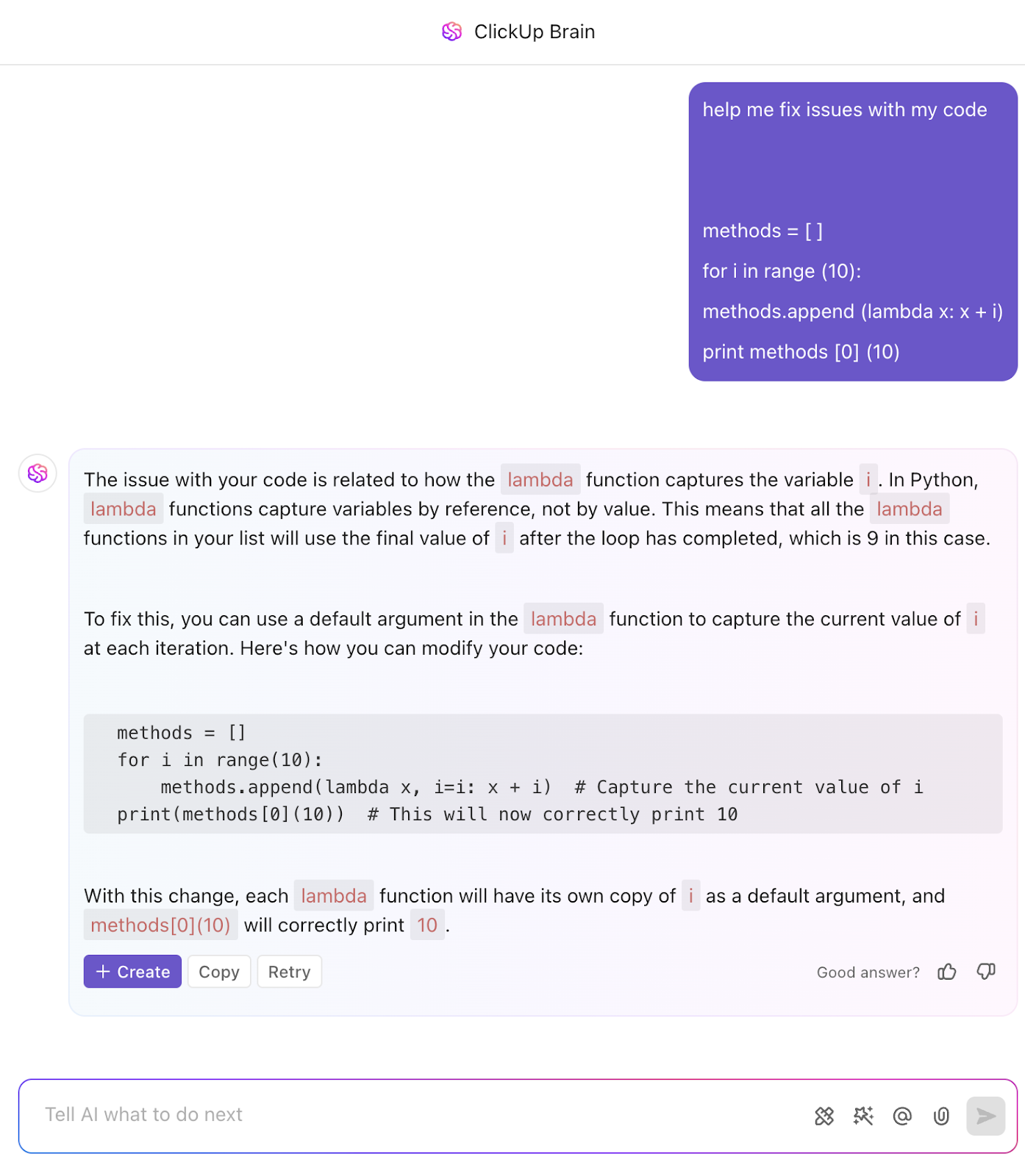
AI-powered static analysis tools scan code for vulnerabilities, enforce best practices, and automatically suggest fixes, reducing security risks before they escalate.
AI analyzes system logs and usage patterns to anticipate breakdowns, recommend optimizations, and fine-tune infrastructure for peak performance.
It also helps teams work smarter by suggesting best practices, recommending reusable code snippets, and providing real-time insights, making collaboration seamless.
🧠 Fun Fact: Gartner predicts that 75% of company software engineers will use AI code helpers by the turn of the decade, a considerable jump from 10% in early 2023.
Picking the right AI course can feel like choosing a programming language—too many options, each with its own strengths. Here’s how to find the best fit for your career goals.
💡Pro Tip: Choose courses that give an overview of AI governance and ethical considerations to efficiently manage the complexity of AI, especially if you are a beginner.
Whether you’re still wondering what the difference between generative AI and predictive AI is, or simply looking to level up your machine-learning skills, there’s something for everyone. Here are our top picks for AI training courses:
Pricing: Free with Coursera signup
Level: Intermediate
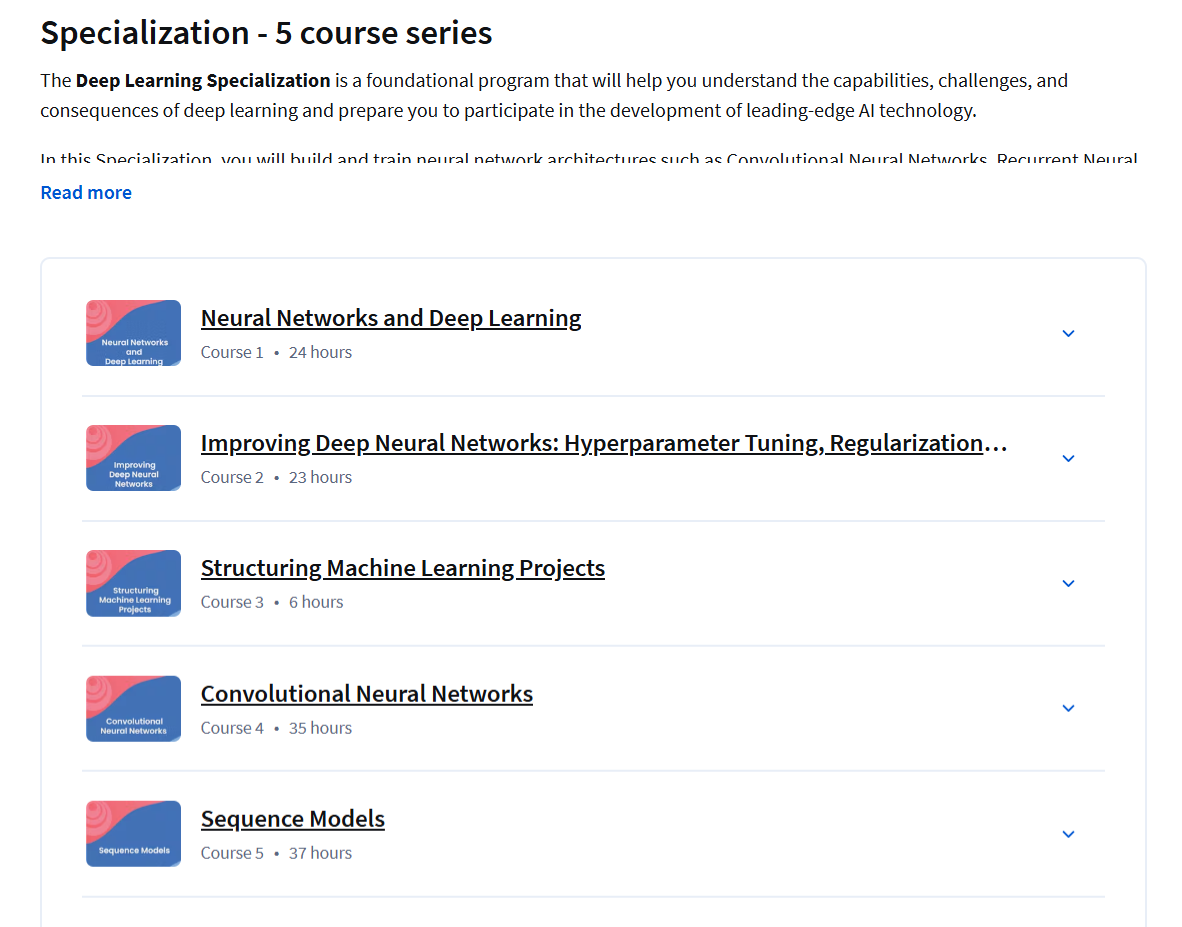
Taught by Andrew Ng and other industry experts, the Deep Learning Specialization by DeepLearning.AI is a structured, hands-on program. It’s designed to equip you with the skills to build and optimize deep neural networks.
The course teaches you how to train models, optimize performance, and apply AI techniques to real-world tasks. Think: image recognition, NLP, and speech processing—all using Python and TensorFlow.
Here are the best features of this course:
Pricing: Free
Level: Beginner to intermediate
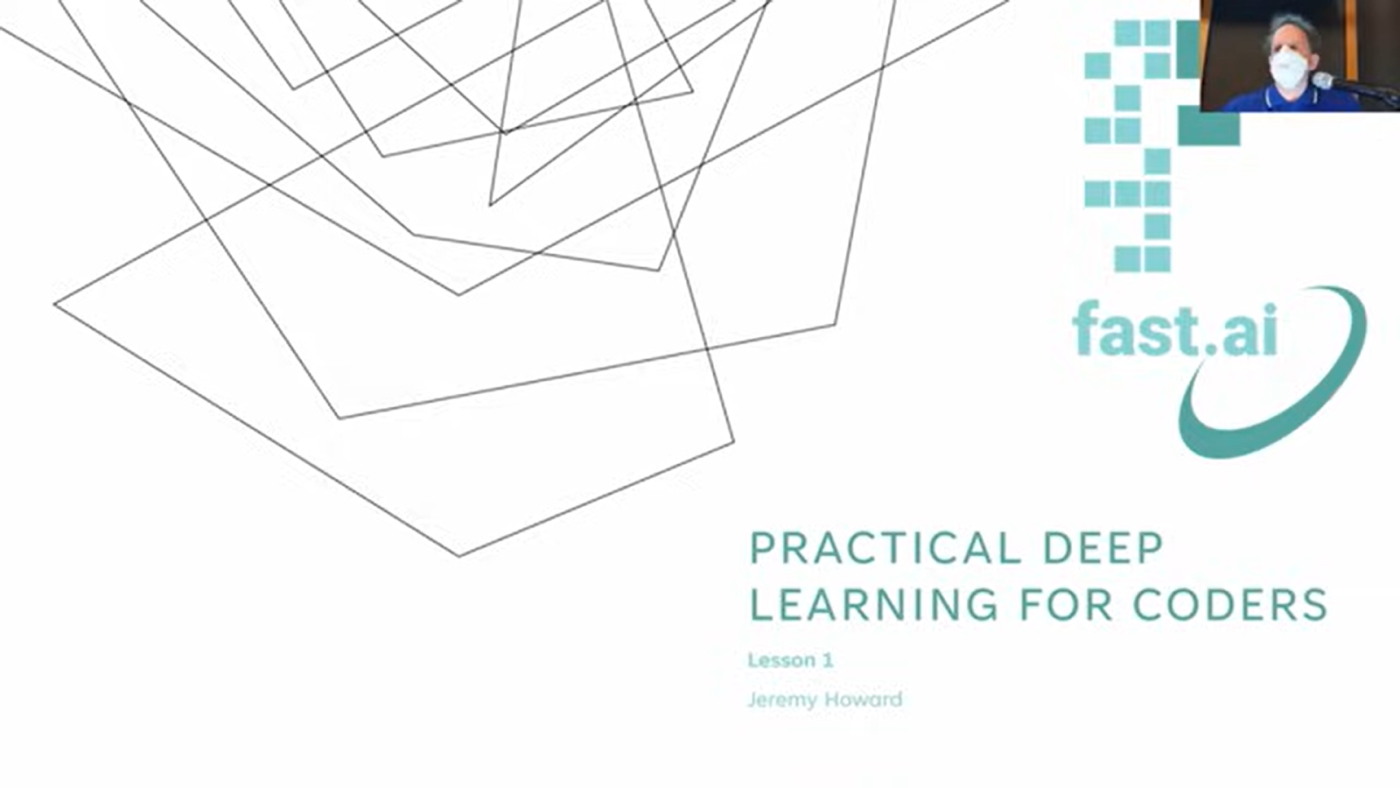
Want to get started with deep learning without drowning in complex math? The Practical Deep Learning for Coders course by fast.ai can help.
The course is designed for software engineers with basic coding experience who want to apply AI to real-world tasks like recommendation systems.
It focuses on practical implementation rather than heavy theory, making it ideal for beginners.
This course helps you:
💡 Pro Tip: If the terms used in a course description confuse you, use an AI glossary to increase your understanding.
Pricing: Audit for free, verified certificate for $299
Level: Intermediate
The CS50’s Introduction to Artificial Intelligence with Python by Harvard University is designed to help software engineers and AI enthusiasts gain hands-on experience with AI principles.
Through projects, you will learn core AI concepts like graph search algorithms, LLMs vs. generative AI, and reinforcement learning in seven weeks. Taught by Harvard experts, this course is suitable for those looking to build a strong AI portfolio with Python-based tools.
Here are the highlights of this course:
📮ClickUp Insight: 13% of our survey respondents want to use AI to make difficult decisions and solve complex problems.
However, only 28% say they use AI regularly at work.A possible reason: Security concerns!
Users may not want to share sensitive decision-making data with an external AI.
ClickUp solves this by bringing AI-powered problem-solving right to your secure Workspace. From SOC 2 to ISO standards, ClickUp is compliant with the highest data security standards and helps you securely use generative AI technology across your workspace.
Pricing: $249/month or a four-month subscription for $846
Level: Beginner
AI Programming with Python by Udacity is your gateway to the world of artificial intelligence, even if you’re just starting. This beginner-friendly Nanodegree helps you build a strong foundation in Python while diving into essential AI tools like NumPy, pandas, and Matplotlib.
Over three months, you’ll learn how to train and deploy machine learning models. You will also work with neural networks in PyTorch and explore cutting-edge topics like Transformers for NLP.
Here’s what you get inside.
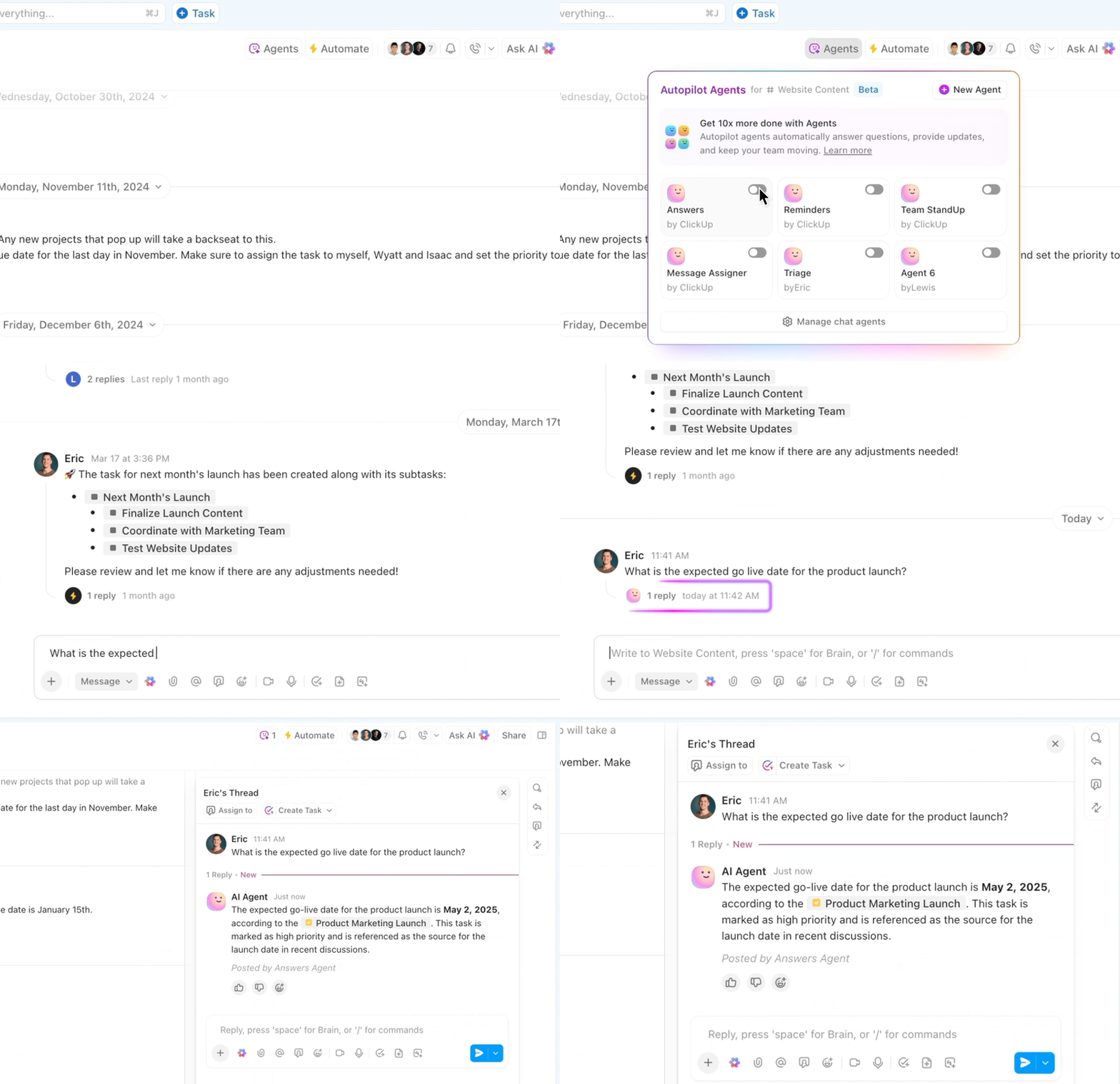
👀 Did you know? ClickUp’s Autopilot Agents can take repetitive work off your plate by automating tasks and processes across your workspace! For example, you can set up an agent to automatically assign tasks, update statuses, or even send reminders—so your team can focus on what matters most. Just tell the agent what you want done, and it’ll handle the rest, saving you time and reducing manual effort. Pretty cool, right? 🚀
Pricing: $6,056 for 10 weeks
Level: Advanced
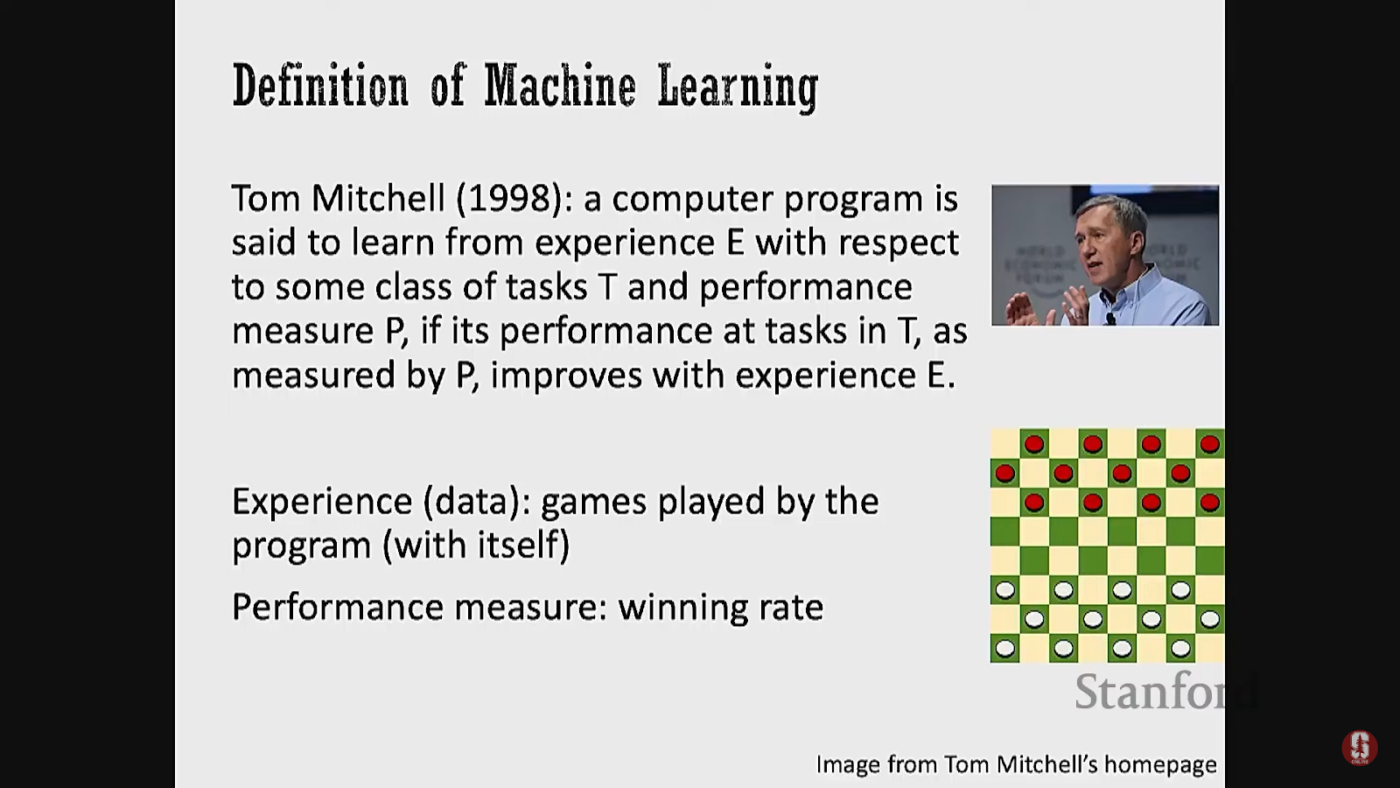
If you’re serious about mastering ML, this is the course for you! The Machine Learning course by Stanford University is a deep dive into the fundamentals and advanced concepts of machine learning.
Led by instructors like Andrew Ng, this 10-week program is for learners with a bachelor’s degree in computer science or related fields.
It covers supervised and unsupervised learning, reinforcement learning, and theoretical foundations, providing the AI skills to build intelligent systems for real-world applications.
Here are the key reasons to choose this course:
💡 Pro Tip: Stay current with the latest AI discussions by exploring relevant AI subreddits and following key AI influencers. This will help you keep your skills polished.
Pricing: Free with Coursera signup
Level: Beginner
AI for Everyone by DeepLearning.AI is a beginner-friendly course by Andrew Ng that explains AI in simple terms.
Ideal for non-technical professionals, it covers the basics of what AI can do and how it works. Get a better understanding of how to use it in real-world scenarios. You get a deeper read on AI’s impact and applications in just six hours.
Here’s what you get from this course:
Pricing: Free with Coursera signup
Level: Intermediate
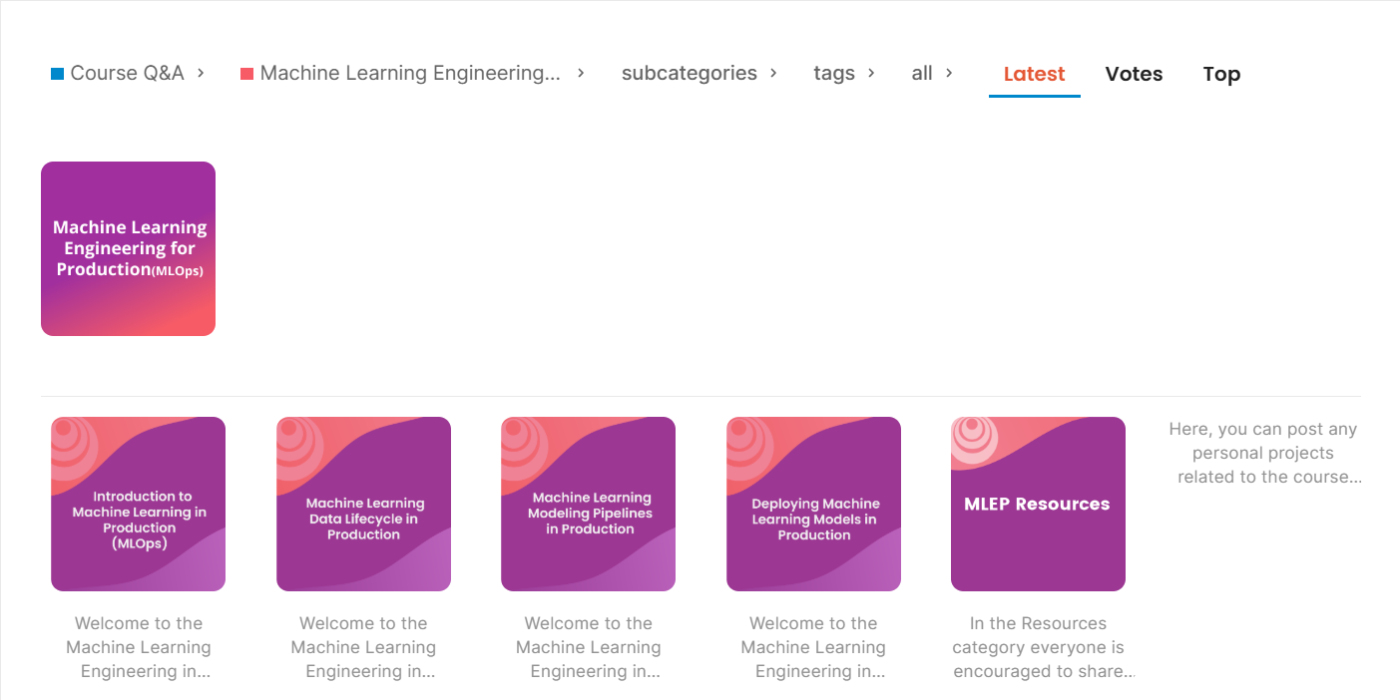
Machine Learning in Production by DeepLearning.AI is another intermediate-level course by Andrew Ng that teaches how to deploy and maintain ML models in real-world environments.
It helps you learn how to bridge the gap between theory and production, tackling challenges like concept drift, data validation, and model performance optimization.
Here’s what makes the course suitable:
Pricing: $199 for lifetime access
Level: Beginner
Want to build AI but don’t know where to start? Artificial Intelligence A-Z 2025: Agentic AI, Gen AI, and RL course by Udemy is a hands-on course that teaches you how to build real-world AI applications from scratch.
Whether you are interested in reinforcement learning, generative AI, or self-driving technology, this 15-hour course walks you through seven exciting AI projects.
Here are some of its best features:
Pricing: Free with Coursera signup
Level: Intermediate
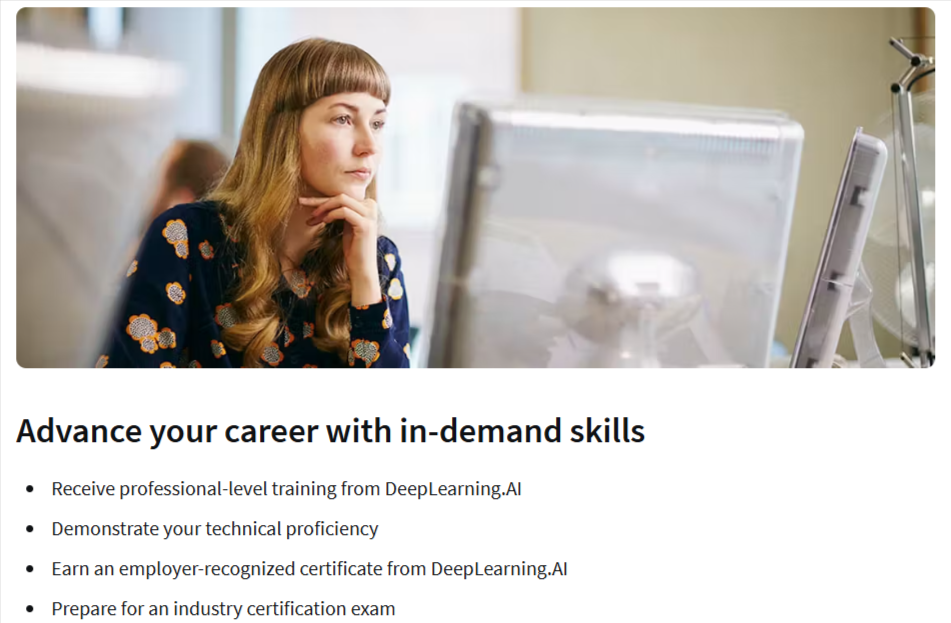
Stating the obvious, this one is for anyone looking to master deep learning with TensorFlow. The TensorFlow Developer Professional Certificate by DeepLearning.AI takes you from the basics to building real-world AI models for computer vision.
With 16 coding assignments and four in-depth courses, you’ll gain the skills needed for AI-powered applications—and even prepare for the Google TensorFlow Certificate exam!
What makes this course so good? Here are the key features:

Pricing: Free with Coursera signup
Level: Intermediate
Want to build AI that learns from experience and makes decisions on its own? Reinforcement Learning Specialization by the University of Alberta is for you!
This four-course program, led by AI experts Martha White and Adam White, helps you master RL algorithms like Q-learning, Policy Gradients, and Monte Carlo methods—while coding real-world solutions in Python.
Why take this course?
💡 Pro Tip: Integrating AI in software development goes beyond just courses. Stay curious and experiment beyond the coursework. Tweaking models, testing different datasets, and exploring cutting-edge AI research sets you apart.
After mastering the fundamentals of AI, it’s time to put that knowledge into action.
ClickUp, the everything app for work, helps you do this effortlessly. It combines project management, knowledge management, and chat—all powered by AI that helps you work faster and smarter.
For software engineers, ClickUp transforms work by automating repetitive tasks, improving code quality, and simplifying workflows.
Whether you’re coding, debugging, planning sprints, or managing documentation, ClickUp for Software Teams brings everything into one AI-powered workspace. Let’s break it down.
ClickUp Brain, the in-house AI-powered assistant, makes it all happen.
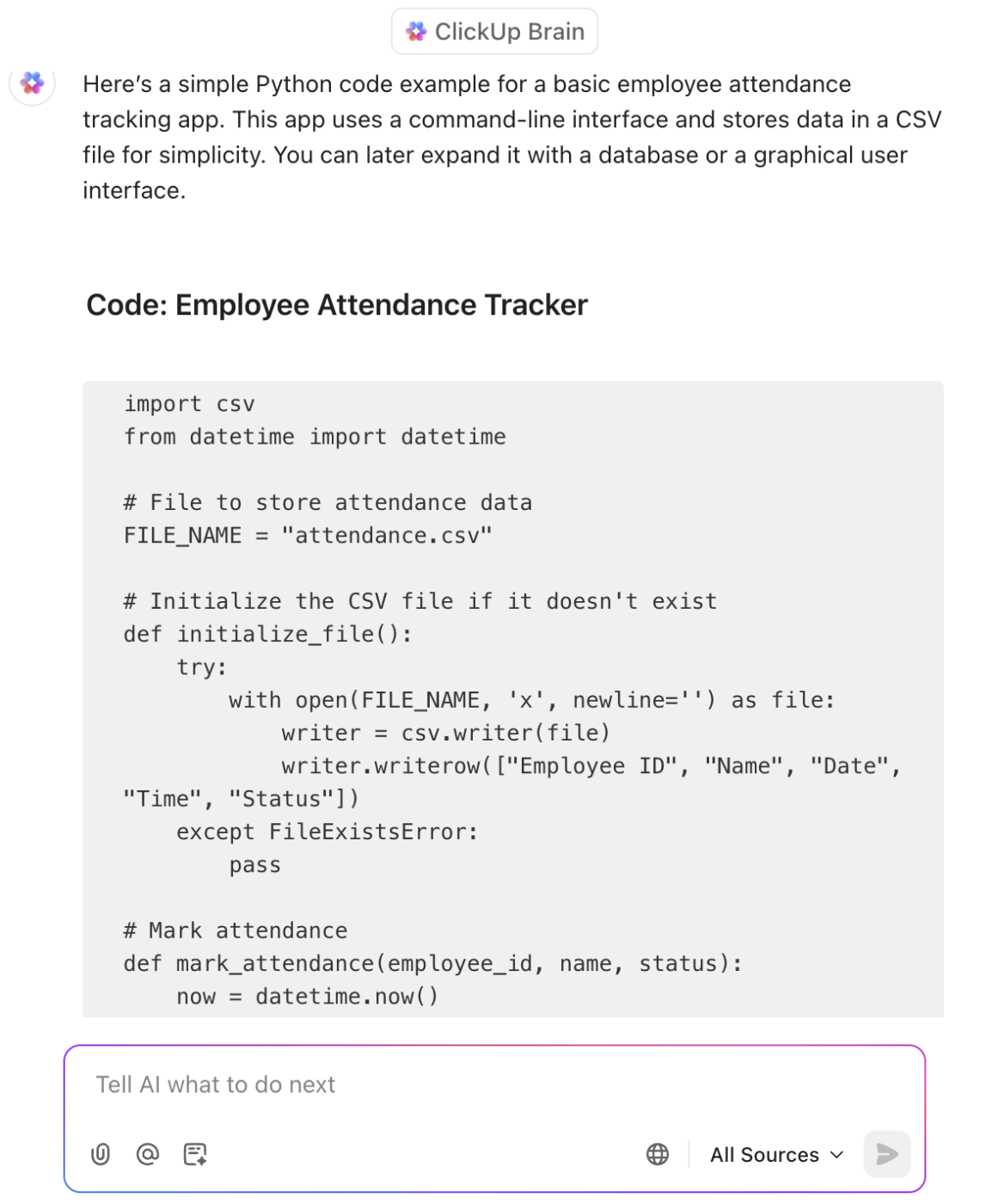
Need a quick function or some boilerplate code? Just describe what you need, and the ClickUp Code Snippet Generator generates clean, efficient code in seconds—whether it’s Python logic, regex patterns, or CSS snippets.
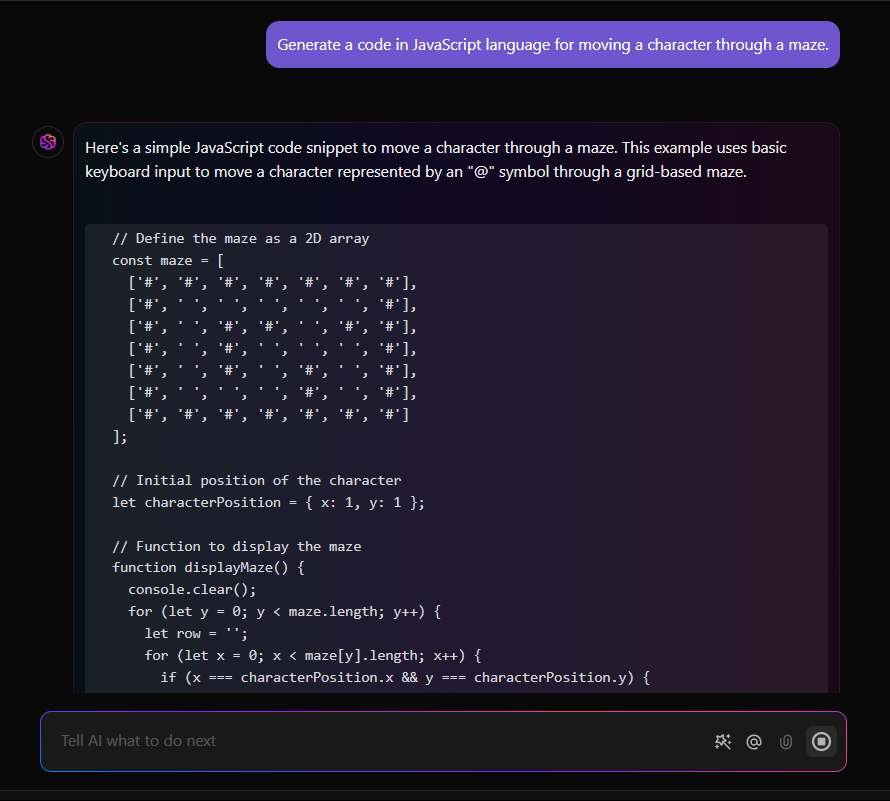
Tired of writing endless API docs, technical specs, or meeting notes? Brain automatically generates well-structured documentation, so your team stays aligned without manual effort.
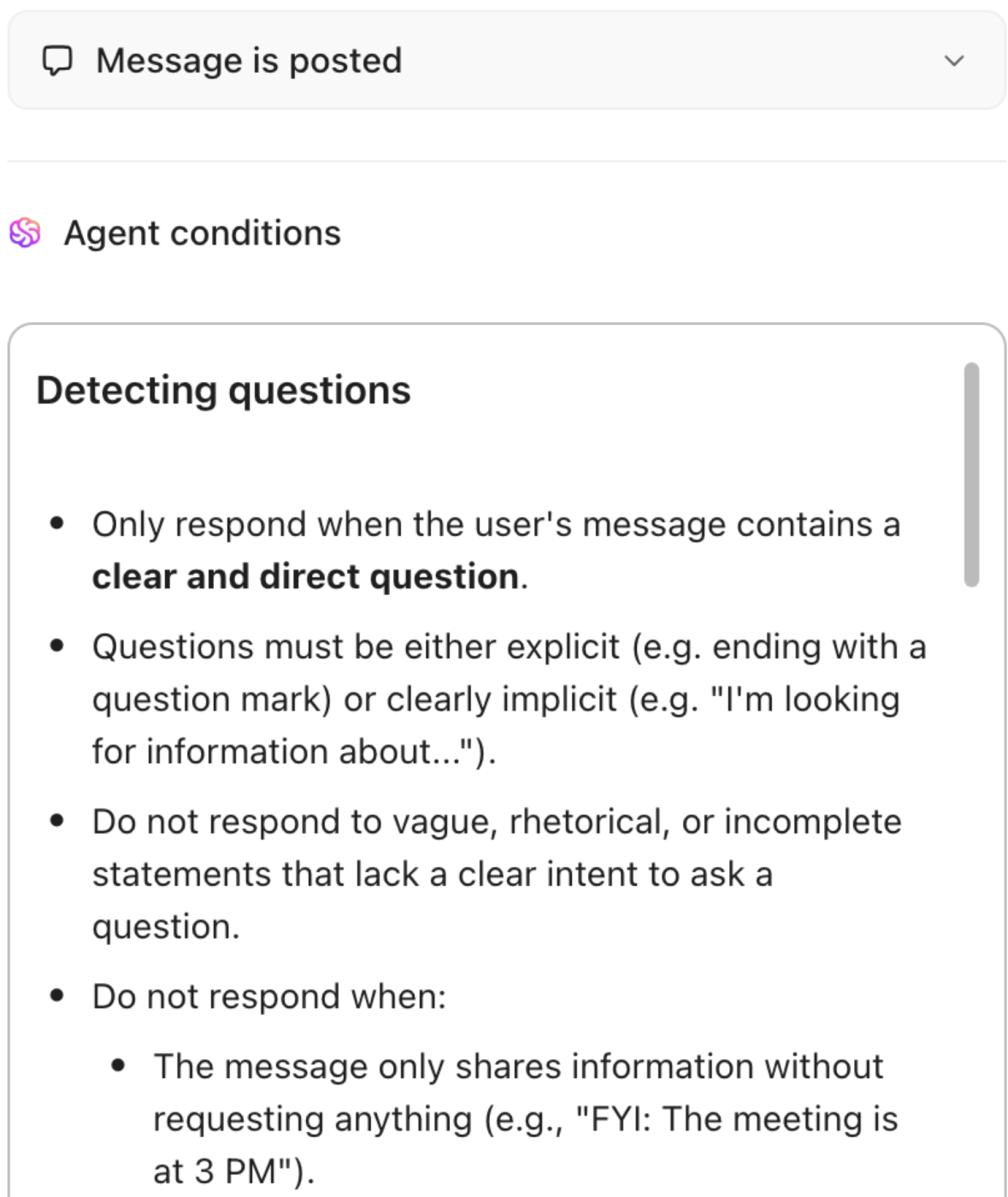
Is that all the AI does? Absolutely not! ClickUp Brain actually acts as your workspace’s brain.
With AI-powered algorithms, natural language processing, and pattern recognition, Brain analyzes task descriptions, documentation, and contextual data—all within your workspace. It identifies issues and automates bug reporting, reducing manual effort. Less work, smarter debugging!
You can also create instant bug reports by simply prompting, and you will have a detailed report within seconds.
These insights also help you plan future sprints. With ClickUp Tasks, you can effortlessly plan, assign, and track sprints!
Brain suggests sprint goals using past data, breaks down epics into AI-generated subtasks, and assigns tasks based on skills and workload.
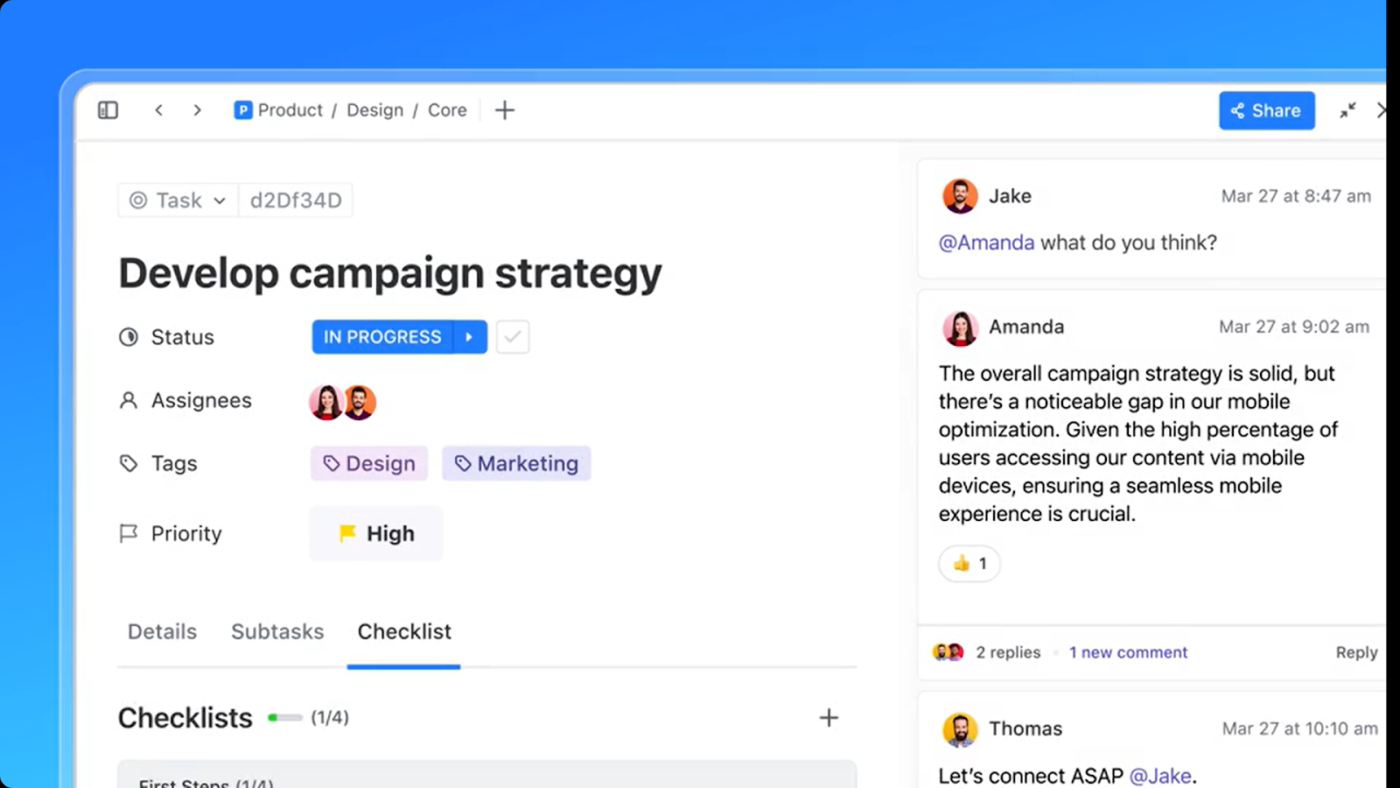
Want to brainstorm goals or store all your technical docs, product specs, and meeting notes in one place? ClickUp Docs keeps it all fresh and accessible.
You can also use ClickUp Brain to write technical documents, convert them into tasks, and collaborate with your team in real time. Pure convenience!
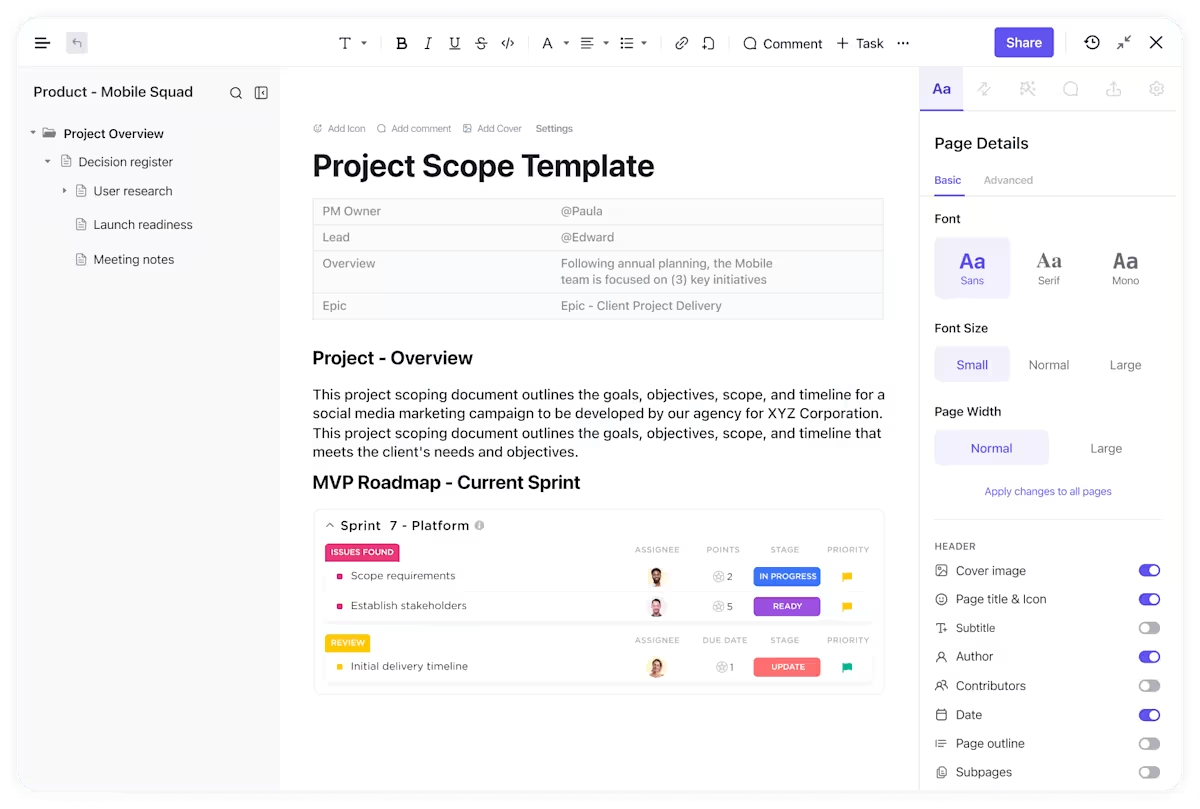
If all of this seems intimidating, ClickUp also has a library of software development templates that can help you get started right now!
We use ClickUp to track our software development projects in-house; managing multiple projects and teams makes things easier for me, this is one of the best tools I have used so far for handling my scrum and modern agile projects.
All in all, with ClickUp Brain at your fingertips, you can focus on innovation while leaving repetitive tasks to automation. It’s everything you need to code smarter, plan better, and work faster.
AI in software engineering is more than just a fancy add-on. It’s a powerhouse addition that automates the mundane, optimizes workflows, and helps developers focus on what really matters—building great software.
And when it comes to AI-powered productivity, ClickUp is the ultimate cheat code! It streamlines code generation, bug reports, sprint planning, tracking, and engineering templates—all in one powerful workspace for software engineering tasks.
So why juggle multiple tools when you can let ClickUp do the heavy lifting? Sign up for a free ClickUp account today and experience the difference.

© 2026 ClickUp

There’s an easier way. Try a free AI Agent in ClickUp that actually does the work for you—set up in minutes, save hours every week.