



Sorry, there were no results found for “”
Sorry, there were no results found for “”
Sorry, there were no results found for “”
I hit the wall with Miro’s free plan fast. Three boards just aren’t enough for an active team. Once you upgrade, the per-member pricing also adds up quickly. I’ve even had guest collaborators convert into paid seats without a single warning.
And with Miro now set to be acquired by Bending Spoons (announced September 2026), more teams are re-evaluating whether to stay ahead of any pricing or product changes.
That’s why I started looking for a Miro alternative. I compared the biggest players based on their free limits, AI tools, live collaboration, and price. Miro Board alternatives fall into three main buckets: open-ended whiteboarding, precise diagramming, and turning ideas into tracked work.
The short answer: The Miro alternative you finally choose depends on your workflow. Choose FigJam for cheap team whiteboarding with built-in AI. Mural works well for guided workshops. Grab Lucidspark or draw.io when you need strict, precise diagrams. Go with ClickUp when your whiteboard needs to turn into tasks with owners and deadlines. If you want open-source Miro alternatives, use Excalidraw or AFFiNE. Finally, stick with Microsoft Whiteboard if your team already lives in Microsoft 365 and wants to access Copilot.
Before you get into it, here’s a little something to help set context:
Update: Miro is being acquired. On September 10, 2026, Bending Spoons (NASDAQ: BSP), the company behind Evernote, WeTransfer, Vimeo, and Airtable, agreed to buy Miro in an all-cash deal valuing it at $1.355 billion. The deal is expected to close in Q4 2026, pending regulatory approval, and Miro keeps operating independently until then. Bending Spoons says it will invest in Miro’s performance and reliability; it also states its playbook typically includes changes to “marketing and monetization.” If you’re weighing a switch, factor that pricing uncertainty in.
| Tool | Best for | Standout feature | Pricing* | Where it taps out |
|---|---|---|---|---|
| FigJam | Affordable team whiteboarding | It connects tightly to Figma design files | Free; FigJam access starts at $3/editor/mo on a Collab seat | It feels light once you leave brainstorming and design work |
| Mural | Facilitated workshops focused on design thinking | It gives facilitators timers, summon, and private voting | Free for 3 murals; paid plans start at $12/user/mo | Its diagramming trails a dedicated diagram tool |
| ClickUp | Turning boards into tracked work | Its whiteboards convert straight into tasks | Free; paid plans start at $7/user/mo | It does more than a pure canvas, so setup takes longer |
| Lucidspark | Brainstorming that becomes precise diagrams | It pairs with Lucidchart for exact diagrams | Free; paid plans start at $7.95/mo | You need two products to get the full value |
| Microsoft Whiteboard | Microsoft 365 teams | It runs free inside Microsoft 365 and Teams | Free with most Microsoft 365 plans | It feels basic once you leave the Microsoft stack |
| Figma | Design-led teams | It carries you from brainstorm to finished design in one place | Free; full design seats start at $16/mo | It overlaps FigJam, since both come from Figma |
| Excalidraw | Free, open-source sketching | It keeps a hand-drawn look and you can self-host it | Free; Excalidraw+ costs $6/user/mo | It offers few templates and light collaboration |
| draw.io (diagrams.net) | Free diagramming | It packs deep diagram shape libraries | Free in the browser; the Confluence and Jira app is paid | It is not built for freeform workshops |
| AFFiNE | Open-source docs plus canvas | It puts an edgeless canvas right next to your docs | Free; Pro starts at $6.75/mo | Its ecosystem is smaller and the product is newer |
| Conceptboard | Privacy-conscious EU teams | It hosts your data in Germany under GDPR | Free; paid plans start at €5/user/mo | Its template library is smaller |
*Please check the tool’s website for the latest pricing.
How we review software at ClickUp
Our editorial team follows a transparent, research-backed, and vendor-neutral process, so you can trust that our recommendations are based on real product value.
Here’s a detailed rundown of how we review software at ClickUp.
You should evaluate a Miro alternative on seven key factors: free-plan limits, pricing models, real-time collaboration, template libraries, diagramming styles, integrations, and data control.
Prefer to watch instead of read? Here’s a breakdown of the best Miro alternatives that shows how they work:
Standalone whiteboard tools now carry a risk they didn’t have a year ago: acquisition churn.
In 2026 alone, Bending Spoons acquired both Miro and Airtable, adding them to a portfolio that already includes Evernote, WeTransfer, and Vimeo. Its stated playbook openly includes reworking “marketing and monetization” after a deal closes. For users, it usually means pricing and packaging can shift on someone else’s timeline.
That doesn’t make point solutions like Miro a bad choice. If a whiteboard is one of many tools your team juggles, alongside a separate PM tool, docs tool, and chat tool, every standalone subscription is a pricing risk that can change overnight. Consolidating those “minor” jobs into a full-suite platform reduces both cost sprawl and acquisition exposure.
Our recommendation: Reserve dedicated point tools for the work where specialization genuinely wins: precise engineering diagrams (Lucidchart, draw.io), design-led workflows (Figma), or facilitated workshops (Mural). For everyday brainstorming that needs to become tracked work, a suite you already own is the lower-risk bet.
Also Read: Best Whiteboard Software for Collaboration
I’ve tested the top tools to bring you the 10 best Miro alternatives. FigJam, Mural, ClickUp, Lucidspark, Microsoft Whiteboard, Figma, Excalidraw, draw.io, AFFiNE, and Conceptboard.
The key takeaway here is to look beyond just sticky notes. Pick a platform that fits your workflow:
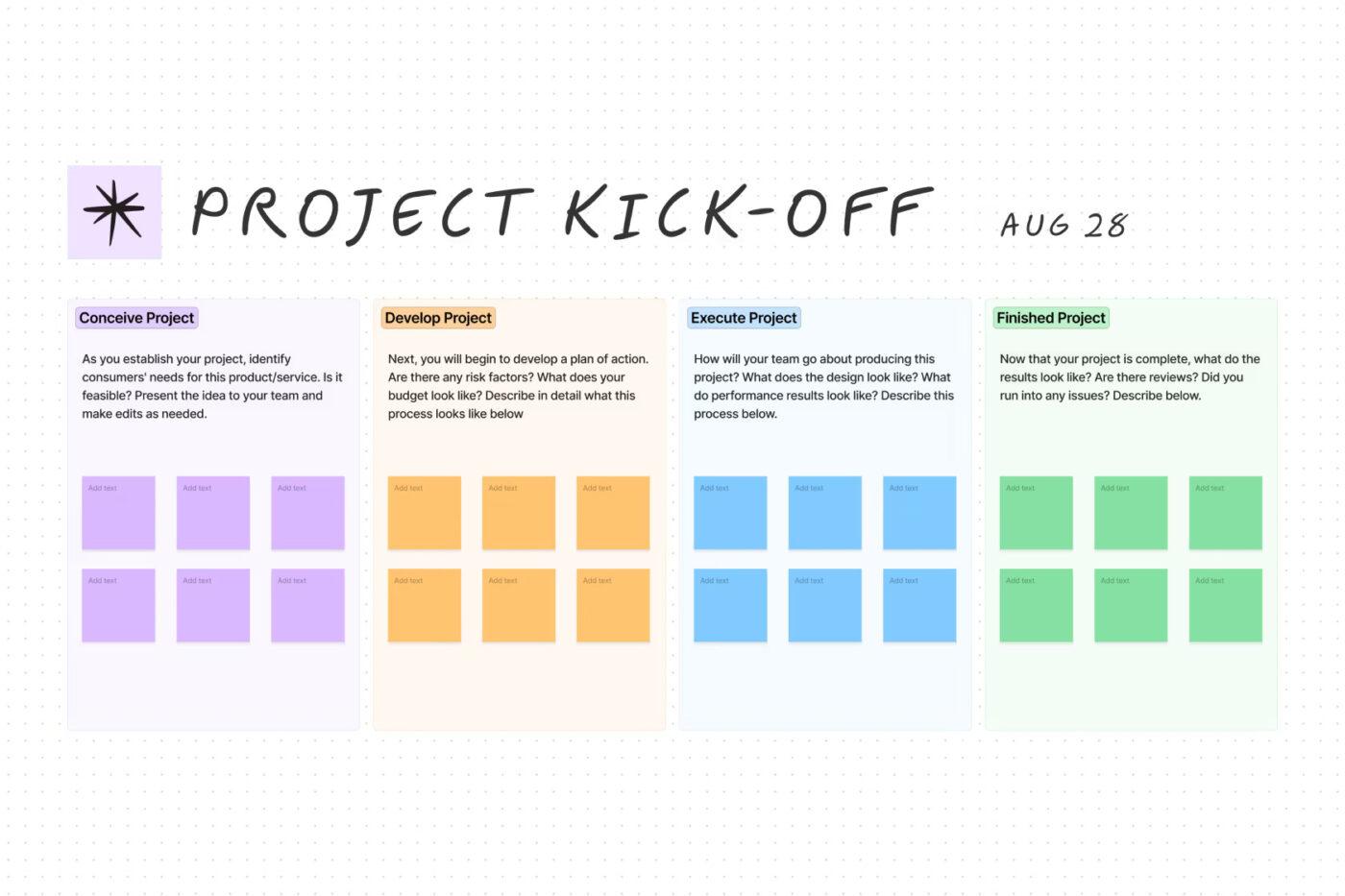
FigJam is my top pick if you want a direct swap for Miro’s core features without the heavy price tag. Built by Figma, it pairs a clean canvas with sticky notes, shapes, stamps, and live cursor chat. It makes quick team discussions feel seamless and natural.
This software is ideal for design and product teams. It brings a good blend of early brainstorming and sprint planning to the table. The built-in AI instantly generates boards, groups sticky notes by theme, and summarizes meetings. It also packs over 300 templates, and outside guests can jump in without creating an account.
People often confuse the two. Use FigJam for team whiteboarding and brainstorming. Use Figma, which I cover later in this post, for UI/UX design. These two are no longer billed as separate products. You buy a single Figma plan and select a seat type for each person. If your team only needs the whiteboard, assign a Collab seat for $3-$5/month. That gives you FigJam without paying $16 a month for a full design seat. So FigJam stays the budget pick. You just choose the right seat.
Pricing:
Ratings:
Where it taps out: It feels a bit light once you step outside of basic brainstorming. Third-party integrations are limited, and document editing is basic.
Best for: Teams that want simple, affordable whiteboarding, especially Figma users.
Skip it if: You need deep project tracking or advanced diagramming. You’ll want to check our FigJam alternatives guide instead.
What are real-life users saying about FigJam?
A G2 reviewer said:
FigJam is easy to use and makes collaboration feel natural. I like that teams can brainstorm, map ideas, leave comments, use templates, and turn rough thoughts into clear visual workflows quickly. The real-time collaboration is smooth, and the integration with Figma makes it especially useful for design and product teams. It feels lightweight, intuitive, and flexible enough for workshops, planning sessions, retrospectives, and quick ideation.
2. Mural
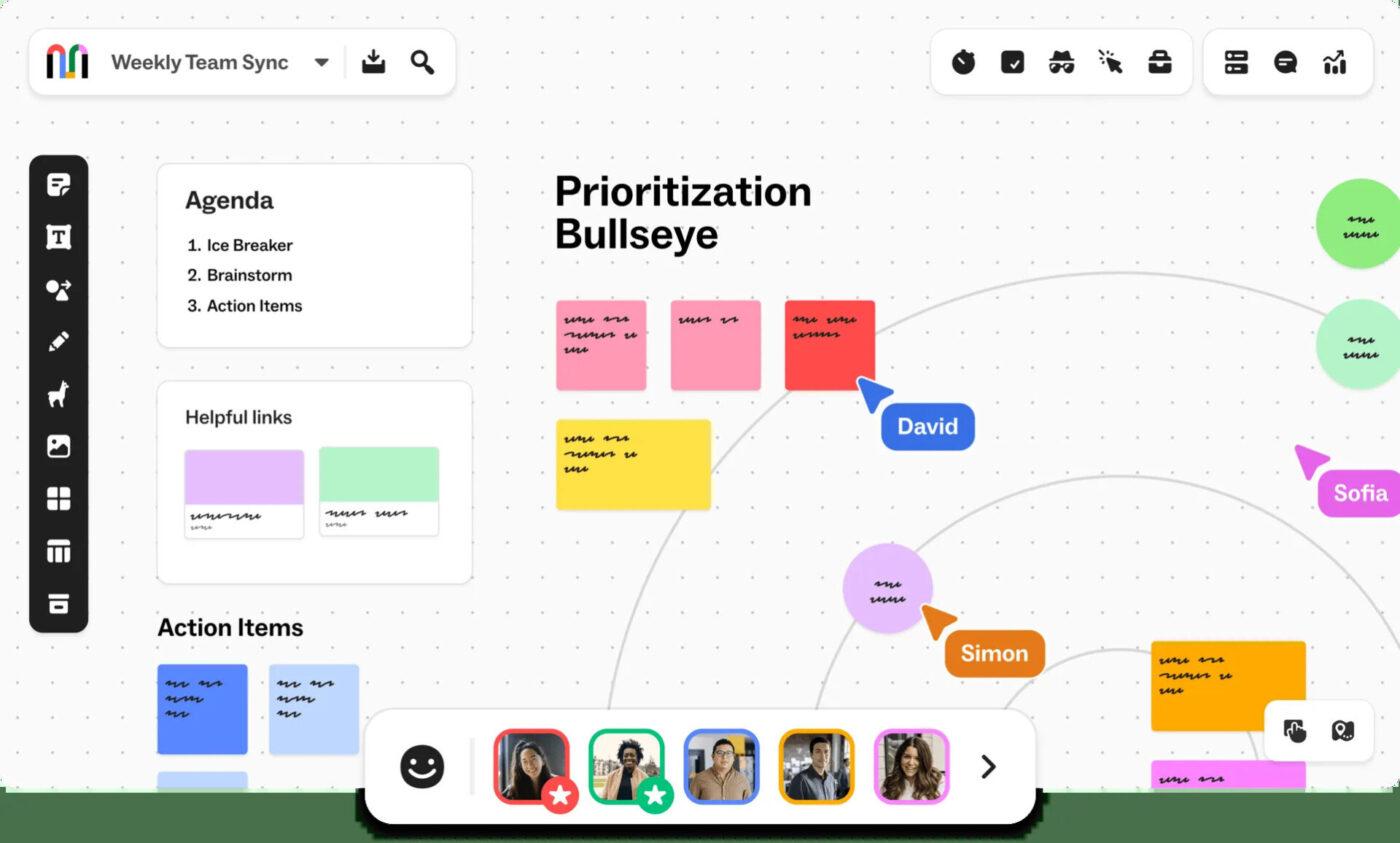
Mural is the closest competitor to Miro if you need to run structured workshops with large groups. Its built-in facilitation tools give you tight control over the entire session.
It is my go-to choice for agile coaches and anyone leading workshops. Especially if keeping the group focused is the hardest part of the job. You get widgets like timers, a laser pointer, private mode for unbiased voting, and the ability to drag everyone’s screen to a specific spot on the canvas.
Mural AI can synthesize massive sessions by auto-clustering sticky notes and generating mind maps. It also comes packed with a deep template library for retrospectives, design-thinking workshops, sprints, and user journey mapping.
Pricing:
Ratings:
Where it taps out: Its diagramming tools can’t compete with a dedicated diagramming app. Plus, the free plan’s three-mural cap is the exact same limit that sends teams running from Miro in the first place.
Best for: Workshop facilitation and running large, guided team sessions.
Skip it if: You mostly need precise diagrams or prefer solo sketching.
What are real-life users saying about Mural?
A Capterra reviewer reviewed Mural:
My favorite feature of Mural is that it enables the steady and continuous growth of an idea or concept over time, with contributions made offline and maintained through subsequent future review sessions.
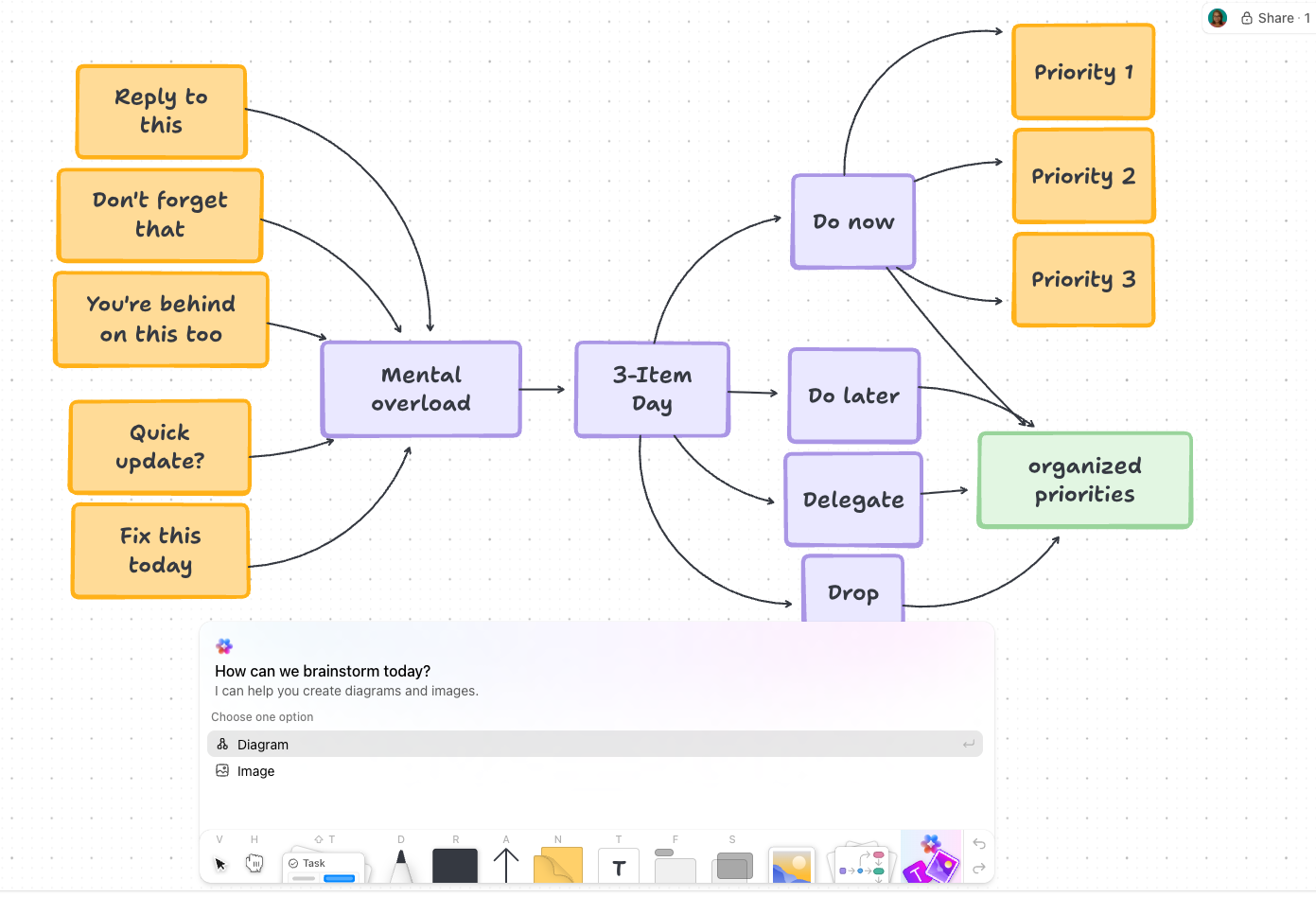
ClickUp earns its spot for one specific job: turning your whiteboard into tracked work. It’s a full AI work management platform with a built-in canvas, ClickUp Whiteboards, rather than just a standalone drawing tool.
It’s a solid fit for teams that need to brainstorm an idea, then immediately assign, schedule, and deliver it. On a ClickUp Whiteboard, sticky notes and shapes convert directly into tasks with owners and due dates. You never have to manually copy your board into a separate project tracker. When you’re ready for some deep thinking, simply navigate to ClickUp Mind Maps.
The recent Whiteboards rebuild is worth calling out. It was rewritten from the ground up for 10x faster load times, smoother real-time collaboration, and zero lag even on dense boards. You also get quick-create connectors (+ buttons on each shape side) that make flowcharting and diagramming nearly as fast as thinking.
All ClickUp features are connected with Brain², which instantly summarizes and tags your content. You can even use the AI within Whiteboards to generate images. This solves the biggest complaint I hear from Miro users: capturing great ideas on a canvas, only to waste time re-entering them somewhere else to get the work done.
Pricing:
Ratings:
Where it taps out: If you only want a fast, freeform canvas for loose sketching, ClickUp is more dense in that case. Teams also report a slight learning curve during setup.
Best for: Teams who want their brainstorms to become tracked tasks in a single place.
Skip it if: You just want a simple, standalone canvas and nothing else.
What are real-life users saying about ClickUp?
A G2 reviewer shared their experience with ClickUp:
I use ClickUp for ticketing my tasks and finishing them on time. I find the whiteboard feature helpful to visualize my organization and deployed assets. ClickUp helps me to manage thousands of assets and tickets, which is great. The chat feature is useful for communicating without leaving the app at all. I appreciate the dashboard that shows the workload of my team, helping me see how many tasks are assigned to each employee and who might need help. It was quite easy to transfer all our data from the previous platform to ClickUp. I also like that ClickUp is budget-friendly for our small business.
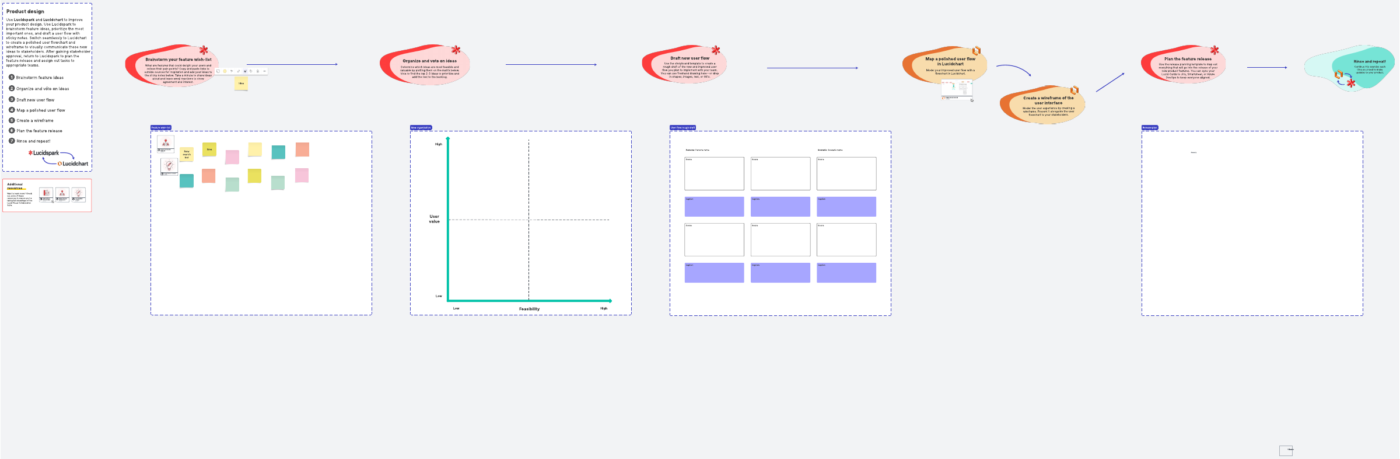
Lucidspark is the main brainstorming canvas inside the Lucid suite. I’ve found it really shines when you need your messy ideation to eventually turn into strict, precise diagrams. It builds a perfect bridge between freeform thinking and structured flowcharts.
The platform works well for teams like engineering or operations that diagram just as much as they brainstorm. Lucidspark gives you an infinite canvas, sticky notes, and voting tools. The collaborative AI automatically generates diagrams, groups ideas, and summarizes content.
This makes the handoff to Lucidchart for detailed architecture diagrams extremely fast. You can also use their migration tools to pull in any old Miro or Mural boards you have lying around.
Lucidspark handles the whiteboarding, while Lucidchart handles the diagramming. They integrate tightly, but to get the full experience, you’ll need both. You can buy just Lucidspark for around $9/month. But if you need the diagramming power as well, it is much more cost-effective to buy the bundled Lucid Visual Collaboration Suite than to pay for both tools separately.
Pricing:
Ratings:
Where it taps out: To get the full value, you really have to use both Lucidspark and Lucidchart. That means learning, managing, and paying for two separate products rather than a single, simple canvas.
Best for: Teams that need both open brainstorming and exact diagram precision.
Skip it if: You want a single, simple tool and rarely build formal flowcharts.
What are real-life users saying about Lucidspark?
This is what a Capterra reviewer thinks:
Its quick and easy to build ideas, diagrams and helpful to communicate especially for remote and hybrid teams. The quick ability to go into the “Lucid” mode to draw more complex diagrams and images is great. The team exercises is a brilliant features that helps collaboration massively.
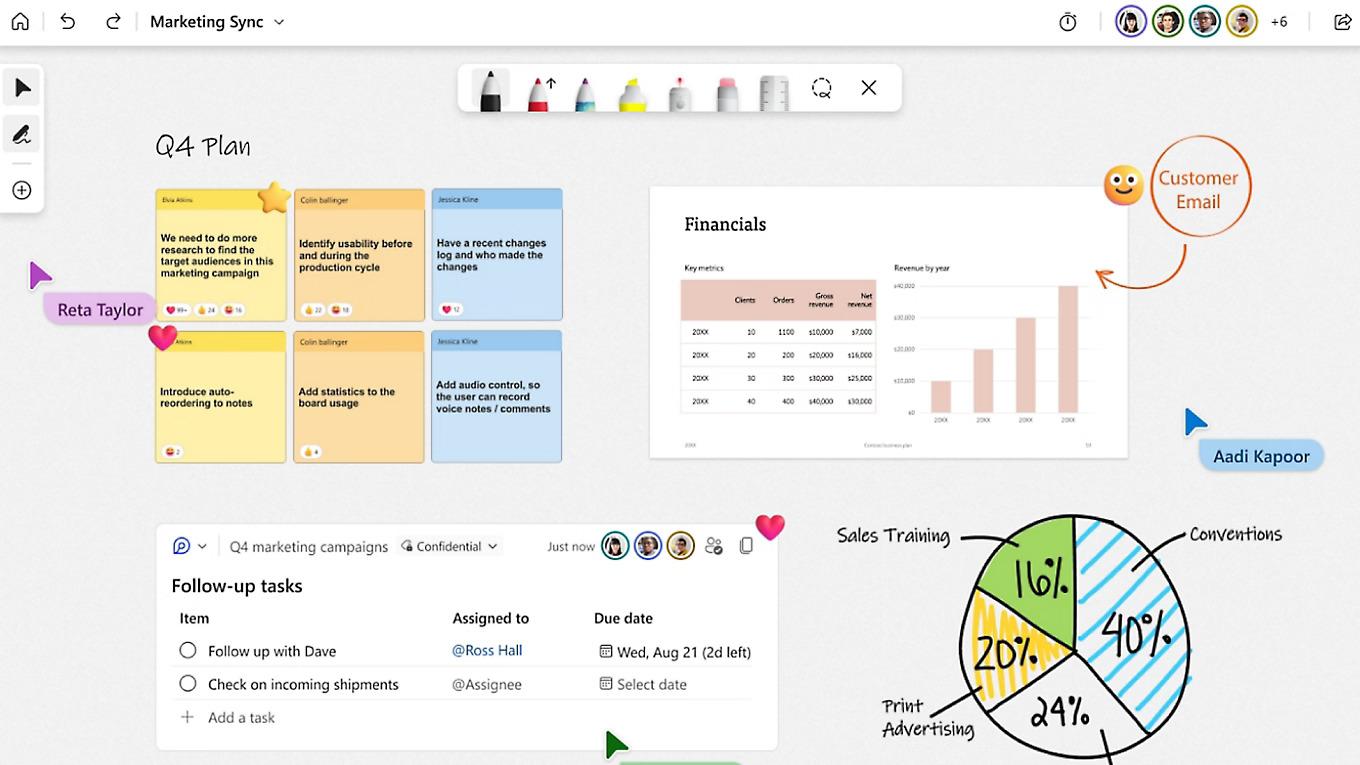
Microsoft Whiteboard is the absolute easiest choice if your team already pays for Microsoft 365. It is a completely free digital canvas that lives right inside the Microsoft ecosystem and integrates seamlessly with Teams.
You can use it as a built-in canvas for meetings without buying another tool. This whiteboarding tool covers the basics well: drawing tools, sticky notes, templates, and live co-editing. The addition of Copilot in Whiteboard makes it better. Copilot can automatically generate ideas, categorize your sticky notes, and summarize your whole discussion right in the middle of a Teams call.
Pricing:
Ratings:
Where it taps out: As soon as you step outside the Microsoft stack, it feels very basic. It has a much smaller template library and far fewer integrations than heavy hitters like Miro or Mural.
Best for: Microsoft 365 teams that want a free, built-in canvas with native AI tools.
Skip it if: You need deep, advanced facilitation tools, massive template libraries, or you rely heavily on non-Microsoft apps.
What are real-life users saying about Microsoft Whiteboard?
A G2 reviewer commented on how flexible the Microsoft Whiteboard is:
Whiteboard is so flexible I can use it across all of my classes, both live and asynchronously. It gives me the ability to illustrate concepts, add documents, add images, and even create post-it notes on the board.
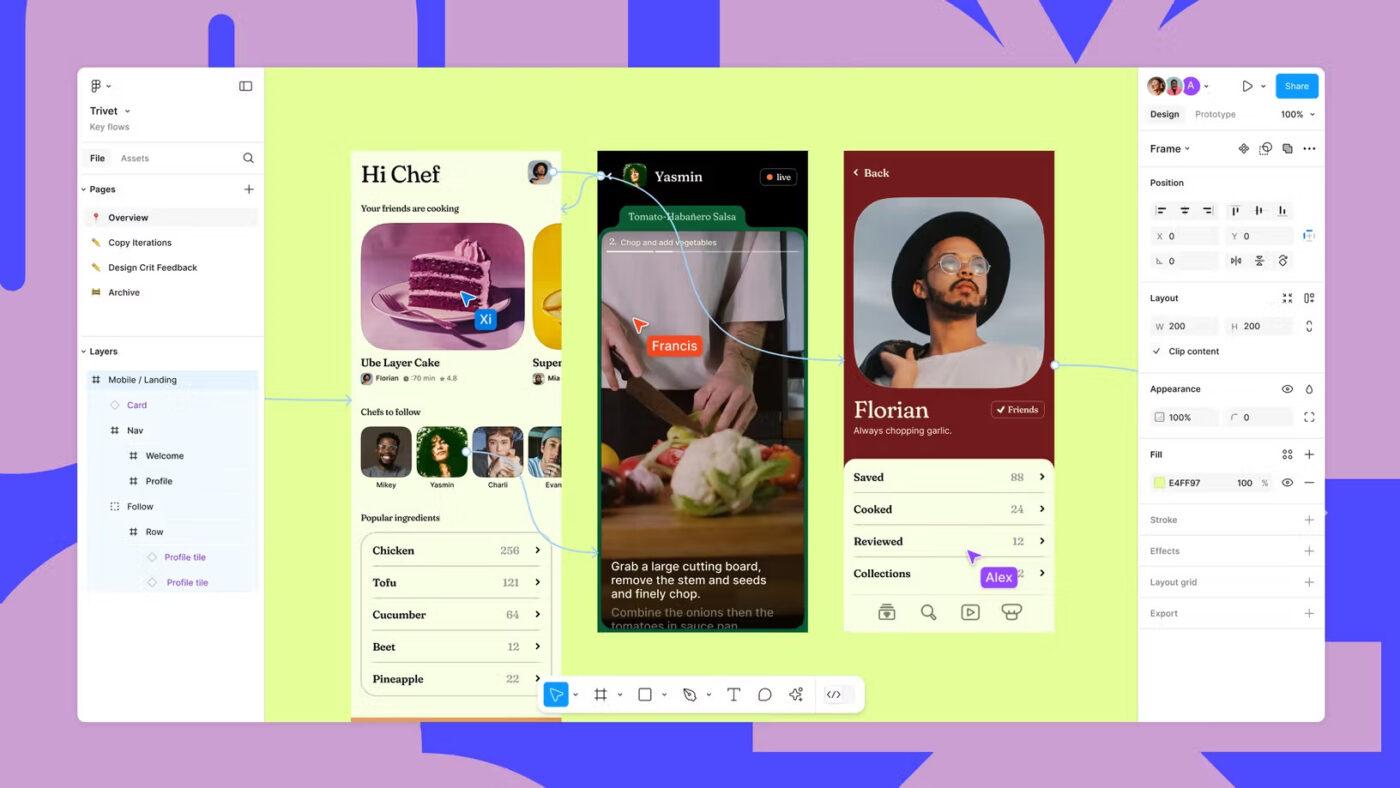
Figma is worth calling out separately for design-led teams, mainly because its FigJam canvas and core design tools work perfectly as one unified environment. Where Miro keeps your whiteboarding and design separate, Figma keeps your early brainstorming and high-fidelity design right under the same roof.
It’s a long-time favorite among product and design teams who move straight from discovery workshops into wireframes and prototypes.
You can run a retrospective or journey-mapping session in FigJam. And then immediately jump into Figma’s design and Dev Mode without switching apps or rebuilding assets. The UI3 and Figma AI integrations make this transition practically invisible.
Pricing:
Ratings:
Where it taps out: If your team doesn’t design products, Figma can be overkill. Also, its whiteboarding is purely built on top of FigJam rather than replacing a general-purpose canvas.
Best for: Design teams who want to handle both loose ideation and strict design in a single tool.
Skip it if: Your team doesn’t do any product or visual design.
What are real-life users saying about Figma?
Hear from a Capterra reviewer:
Figma is a very good service for collaboration on wireframes and designs, giving a fairly quick and secure way of working together and sharing the designs with clients.
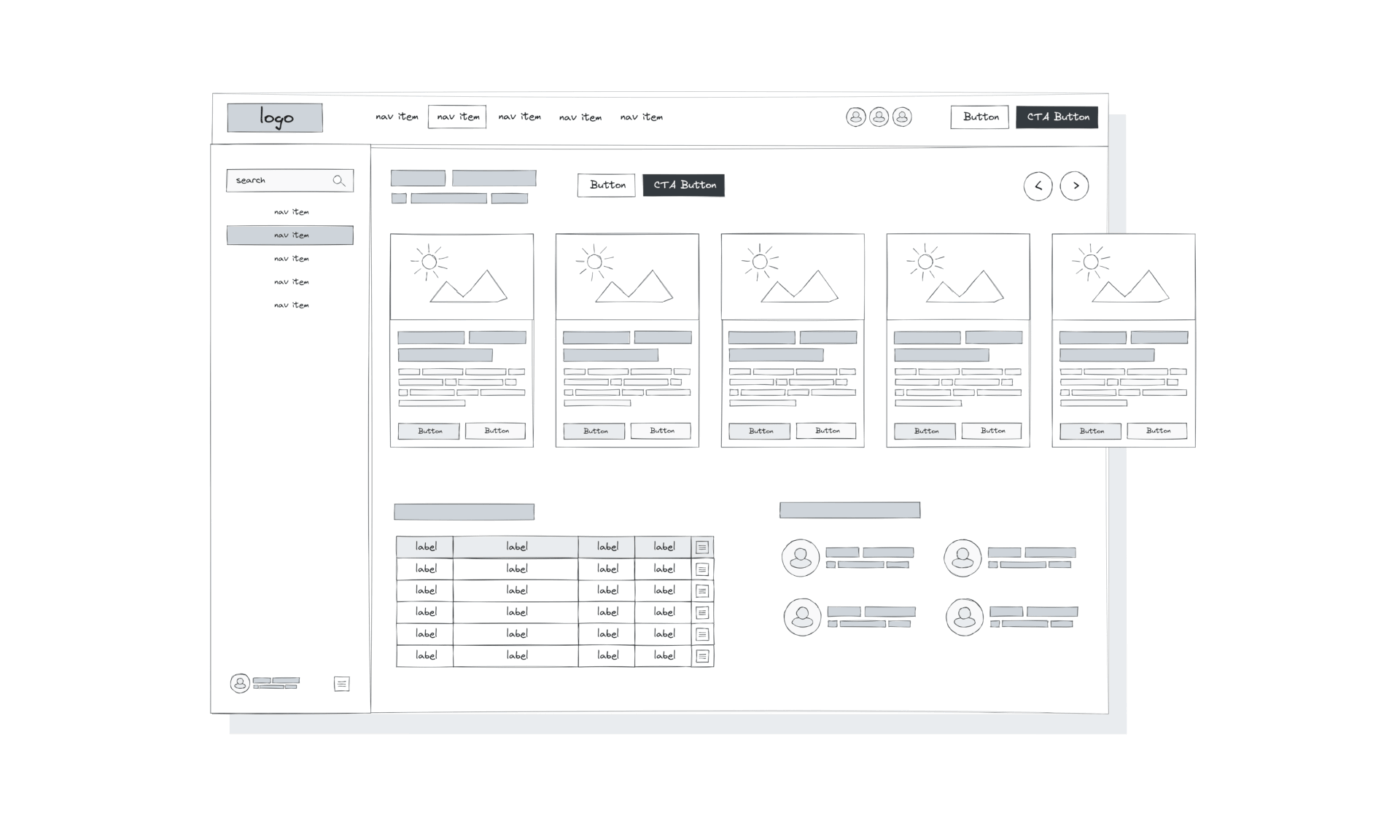
Excalidraw is a fast, free, open-source sketching tool that doesn’t force you to create an account. The tool’s signature hand-drawn aesthetic keeps your diagrams feeling like a quick whiteboard sketch rather than a stiff, polished deliverable.
It is perfect for engineers, educators, and anyone who just wants to draw a diagram in seconds and move on. The core tool is open-source and self-hostable. It supports live collaboration through shared links, and keeps the interface completely minimal. If you upgrade to Excalidraw+, you also unlock text-to-diagram AI generation. It still maintains that great hand-drawn look.
Pricing:
Ratings:
Where it taps out: It is minimal by design. It completely lacks the massive template libraries, facilitation tools, and deep software integrations you get with Miro.
Best for: Quick, free, open-source sketching without the signup friction.
Skip it if: You need to run complex workshops or rely heavily on third-party integrations.
What are real-life users saying about Excalidraw?
A G2 reviewer shared their thoughts:
I find Excalidraw easier to use and easier to share with teams. The different templates available make it easier to generate diagrams, which helps in developing them quickly. Also, the initial setup was really easy – just open the app.
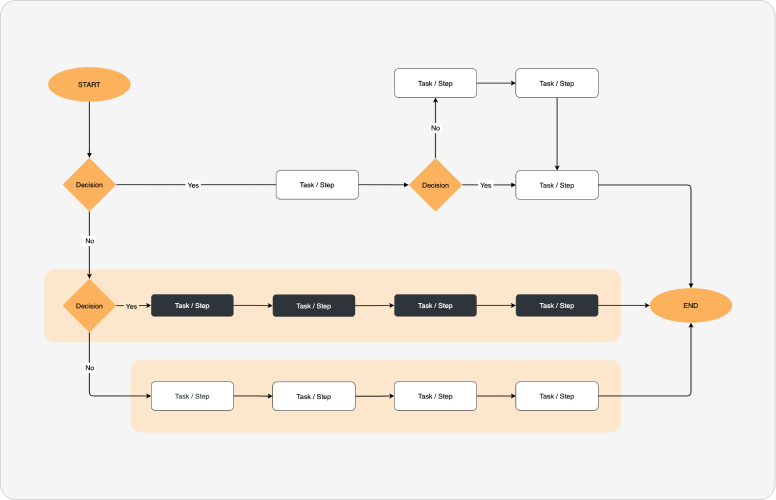
If you just need to build a diagram without jumping through hoops, draw.io is your best bet. I love it because it’s free, open source, and doesn’t require an account. You just open your browser, pick a shape, and start building. It integrates directly with Google Drive, OneDrive, and GitHub, keeping your workflow completely seamless.
Its AI tool turns simple text prompts into full diagrams. They even offer an MCP server so you can hook it right into tools like Claude Desktop. But if you handle sensitive data, don’t worry. You can completely shut off AI features to lock down your privacy.
Pricing:
The free version at diagrams.net is the open-source browser and desktop app. You use it without an account, and it stays free. The Cloud and Data Center prices above are for the separate draw.io app for Confluence and Jira, sold on the Atlassian Marketplace by Seibert. So pick the free app for standalone diagramming, or pay for the Atlassian app only if you want draw.io built into Confluence or Jira.
Ratings:
Where it taps out: It lacks the flashy team collaboration features and built-in video chat you find in dedicated whiteboarding tools.
Best for: Developers, architects, and anyone who needs quick, no-nonsense diagrams.
Skip it if: You want a giant, interactive canvas for team brainstorming and agile ceremonies.
What are real-life users saying about draw.io?
This is what a Capterra reviewer thinks:
draw.io is how easy it is to make flowcharts and process maps without needing any fancy software. I use it at work for quick diagrams, network layouts and simple workflows, and it’s super fast to drag things around. The templates help a lot when I don’t want to start from scratch. I also like that it works right in the browser and saves to Drive, so I don’t have to install anything. The shapes library is huge and covers almost everything I need.
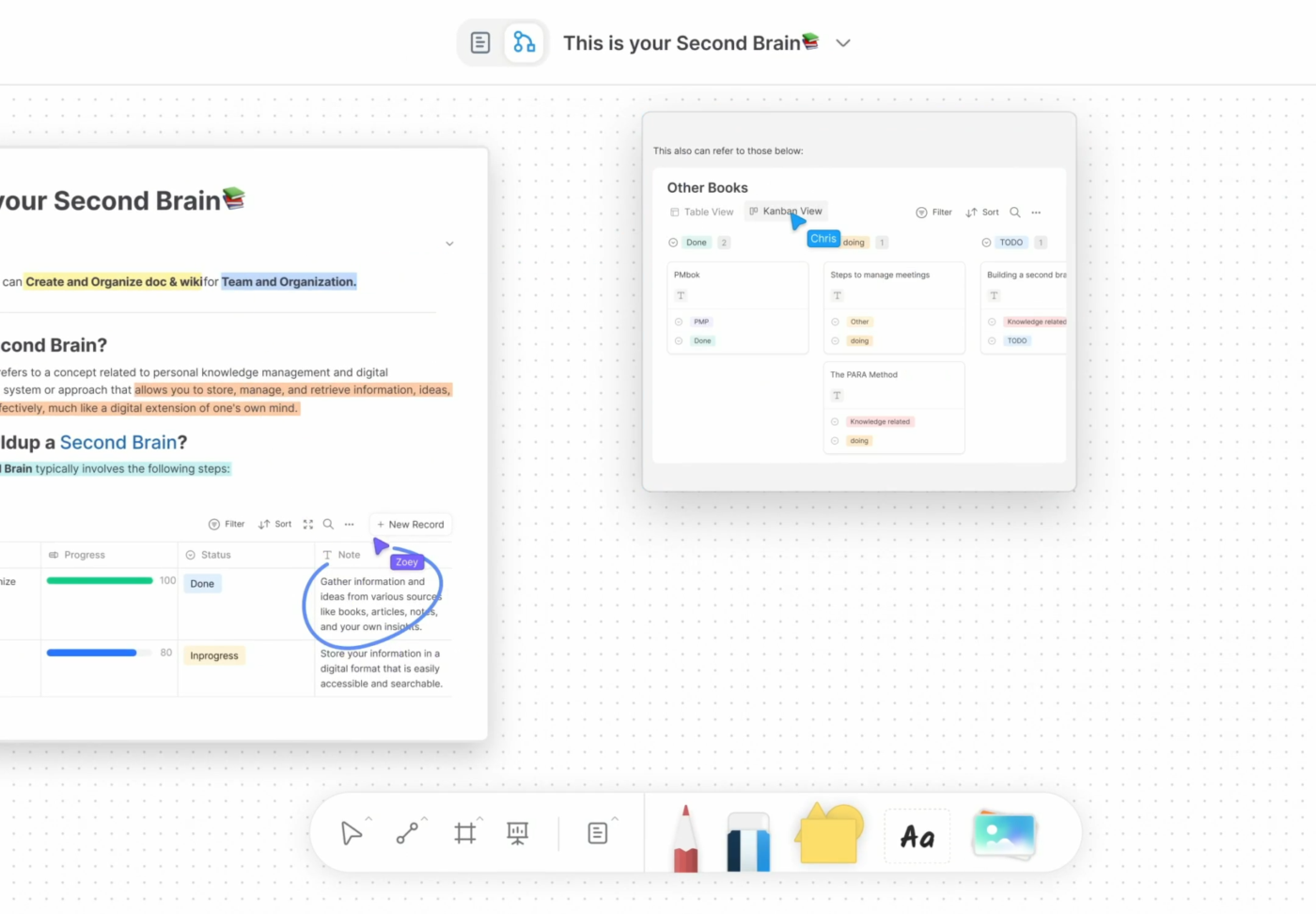
I look at AFFiNE as the open-source rebel trying to take down Notion and Miro at the same time. It combines your docs, whiteboards, and databases into one seamless workspace. When I need to sketch out a process and write a detailed brief right next to it, AFFiNE handles both without forcing me to switch tabs.
Because it’s open source, you get total control over your data. You can self-host AFFINE to keep everything entirely private. It runs smoothly offline, which is a plus when your internet drops or you are working on the go. It’s still growing, so the template library isn’t huge yet, but the core engine is incredibly fast and flexible.
Pricing:
Ratings:
Where it taps out: The mobile experience isn’t fully baked yet, and the integration ecosystem is still catching up to the bigger players.
Best for: Privacy-focused teams and folks who want Notion and Miro merged into one single app.
Skip it if: You rely heavily on hundreds of third-party app integrations to run your daily work.
What are real-life users saying about AFFiNE?
One G2 reviewer says:
My most notable experience using AFFiNE Pro was how seamless it was to integrate document work, whiteboarding, and project planning all together in one place. I found it especially useful for brainstorming, taking technical notes, and initial project planning, as it was effortless to toggle back and forth between both forms of productivity without leaving the platform.
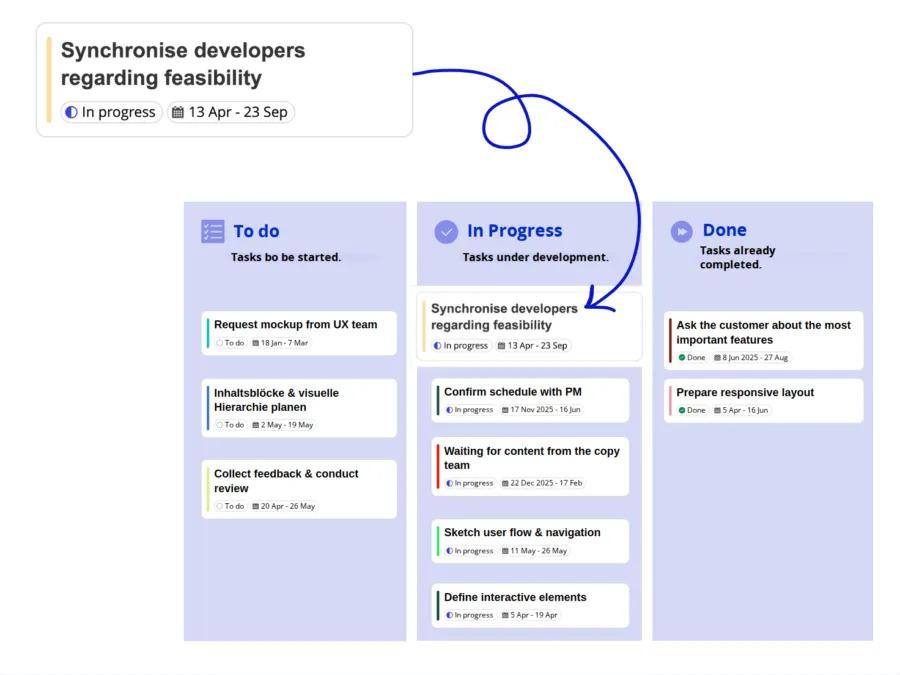
If you work in a highly regulated industry, Conceptboard is a safe pick. It offers an infinite canvas hosted entirely in Germany. It replaces physical whiteboards with a locked-down space for team brainstorming and project planning.
They actively limit AI tools to maintain strict GDPR compliance. That means no bots are training on your sensitive strategy sessions. You still get over 150 templates, live moderation, and built-in task management. It lacks the AI magic of Miro, but you get total peace of mind in return.
Pricing:
Ratings:
Where it taps out: Its template library is pretty small compared to Miro’s massive community ecosystem.
Best for: Privacy-focused enterprise teams, government agencies, and anyone dealing with strict compliance rules.
Skip it if: You want the largest possible variety of agile and design-thinking templates.
What are real-life users saying about Conceptboard?
A Capterra reviewer said:
There is a lot you can do with this software, from making charts on the virtual board to sharing them with your team. Conceptboard is an amazing tool for constructing systematic charts for your organization.
Given Miro’s free plan limits, it’s worth asking whether the paid Starter plan is worth it.
Keep paying for Miro if you run large, cross-functional workshops every week and lean on its template library and integrations. At that scale, the breadth is the point, and few tools match it.
Switch if any of these are true:
The test is simple. Understand your job: workshops, diagrams, or tracked work. Then run a session on the free tier before you move. Watch how each tool counts paid seats so a workshop invite does not trigger additional cost.
In the time I’ve spent tearing down these tools, I realize that choosing the right one comes down to what your team needs.
But honestly? I’m tired of the app tax.
Brainstorming in a standalone tool means your best ideas are trapped there. You end up copy-pasting sticky notes into a separate task manager, and context immediately scatters.
If you want to stop juggling tabs, ClickUp is the move. It puts your whiteboard right next to your work. You can map out a workflow and turn a sticky note into a tracked, assigned task without leaving the canvas.
Get started with ClickUp for free
Yes, there are several free Miro alternatives. FigJam and Microsoft Whiteboard have free tiers. Excalidraw and draw.io are both free and open source. The key difference from Miro is the cap. Miro’s free plan limits you to three editable boards. While Excalidraw and draw.io place no such board limit, which is the exact restriction that pushes most teams to switch. Microsoft Whiteboard is effectively free if you already pay for Microsoft 365. FigJam’s free tier suits small teams testing the canvas before paying.
Yes. Miro offers a free Starter plan, but it caps you at three editable boards with unlimited members. That three-board ceiling is the single most common reason teams migrate. Paid plans (Starter, Business, Enterprise) unlock unlimited boards and advanced features. Check the Miro pricing page for the latest pricing and limits.
At the time of writing this post, Miro prices per member, so cost scales with headcount rather than usage. Editor seats are billed even for occasional contributors, and invited collaborators can convert into paid seats. Teams that only need viewers or light commenters often overpay. Tools like FigJam (Collab seats from $3/mo) or ClickUp (from $7/user/mo) blunt this.
Yes. Excalidraw and AFFiNE are the leading open-source options, and both can be self-hosted for full data control. Excalidraw focuses on fast, hand-drawn sketching; AFFiNE merges docs, whiteboards, and databases in one workspace. draw.io (diagrams.net) is also open source for diagramming.
Miro and Mural are leading whiteboard tools. But Mural leans harder into facilitation. Its timers, private voting mode, and the ability to summon participants give workshop leaders tight control of a session. This makes it the stronger pick for guided, large-group workshops. Miro offers a broader feature set. It has integrations and a bigger template library, making it more of a general-purpose canvas. Both cap their free plans at three boards, so neither solves Miro’s main free-tier limitation.
Yes, for most brainstorming and workshop use cases. FigJam delivers a Miro-like canvas with sticky notes, 300+ templates, and built-in AI at a lower entry price, billed through a Figma Collab seat. It’s lighter on diagramming and integrations. My honest take is that it’s best for design and product teams already in Figma.
draw.io is the best free option for precise flowcharts, network diagrams, and process maps. It has an extensive shape library and local file management. Lucidspark, paired with Lucidchart, also bridges freeform ideation and structured diagrams in one suite. The trade-off is that Lucid’s full value spans two products: one to learn and one to license. draw.io remains free but offers no workshops or sticky note collaboration.
Yes, ClickUp Whiteboards let you convert sticky notes and shapes directly into tasks with owners and due dates. A brainstorm can be tracked as a task without requiring a separate project tool. This closes the gap Miro users describe most often. Ideas captured on a canvas that then have to be re-entered somewhere to get work done. It suits teams whose boards routinely turn into projects, not teams that only need a quick sketch space.
Several alternatives offer import tools to migrate boards from Miro. Lucidspark, for example, can import existing Miro and Mural boards while preserving editability. For tools without direct import, you can usually export Miro boards as images or PDFs. Before migrating, check whether your target tool allows your boards to be editable or only as static copies. Also, confirm the free tier can hold the number of boards you plan to move over.
For now, nothing changes — Miro continues to operate independently until the deal closes, expected in Q4 2026 pending regulatory approval. On September 10, 2026, Bending Spoons agreed to acquire Miro in an all-cash deal with a $1.355 billion enterprise value. Bending Spoons, which also owns Evernote, WeTransfer, Vimeo, and Airtable, says it will invest in Miro’s performance and reliability, and its stated acquisition playbook includes changes to pricing and monetization. Existing users should watch for plan and pricing updates after close.
No. Miro is not shutting down. Bending Spoons is acquiring the company and states it intends to own and operate Miro for the long term, investing in performance, reliability, and functionality. Both companies operate independently until the deal closes in Q4 2026. That said, Bending Spoons has a track record of restructuring pricing after acquisitions (Evernote being the most-cited example), so users may see plan changes over time.

Manasi Nair
Max 26min read
Manasi Nair
Max 26min read
Manasi Nair
Max 20min read

© 2026 ClickUp




