
Sorry, there were no results found for “”
Sorry, there were no results found for “”
Sorry, there were no results found for “”
Your task list on a Mac might include an idea you want to remember, or a follow-up from yesterday’s meeting. Getting them into a list is one part of the job. Keeping the relevant details together and knowing what needs attention next is the hard part.
The best task management app for Mac depends on how you handle that work. You might need a quick way to capture tasks while another app is open, or a shared view so a teammate can check progress without asking for an update.
The moment handoff, like an email capture, enters the equation, personal lists stop working. A field experiment involving 7,137 knowledge workers found the average participant spent 11.7 hours a week reading and answering email before the study began. And that kind of effort-intensive process is precisely what you should be screening for when picking your tool.
This guide compares eight options, covering how they work on a Mac, what their plans include, and where their limitations could affect your day-to-day use.
TL;DR
Check the feature you need before paying. Things sells several device apps separately, OmniFocus reserves custom Perspectives for Pro, and Any.do charges for WhatsApp reminders and advanced recurrence. Test your shortlist with real tasks before moving everything.
Choose around how you handle the work. Personal requests can stay in a private planner; shared work needs a way for everyone involved to see ownership and progress.
Things 3 is our top pick for solo Apple users. Apple Reminders is the free starting point. If you also use Windows or Android, consider Todoist for quick capture or TickTick for tasks, calendar planning, and habits.
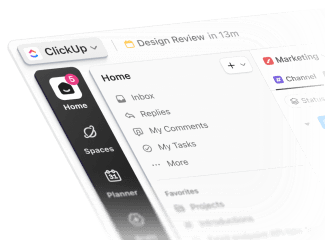
ClickUp fits work that needs team coordination. Tasks hold the discussion and progress, Brain helps retrieve and summarize context, and configured Super Agents can handle recurring coordination.
| Tool | Best for | Standout feature | Starting price | Main limitation |
| Things 3 | Personal planning on Apple devices | Quick Entry with Autofill links tasks to supported emails, pages, and files | $49.99 one-time for Mac | No shared lists or Windows, Android, or web app; other Apple apps sold separately |
| Todoist | Capturing tasks across Mac, Windows, and mobile | Smart Quick Add recognizes dates, recurrence, projects, and priorities | Free; Pro from $5/month, billed yearly | Personal projects are limited to five people; broader team controls require Business |
| ClickUp | Coordinating tasks and progress across a team | Shared task context, Brain assistance, and configurable Super Agents | Free Forever; custom plans available for enterprises | More setup than a personal list; Super Agents need instructions, access, and testing |
| OmniFocus 4 | Detailed GTD planning on Apple devices | Scheduled project reviews and custom Perspectives | $74.99 one-time for Standard | Custom Perspectives require Pro; Web access needs a native-app setup and costs extra for perpetual-license owners |
| TickTick | Managing tasks, calendar plans, and habits together | Eisenhower Matrix, habit tracking, and calendar planning | Free; Premium at $49.99/year | Expanded calendar features and AI require Premium; shared-list limits apply |
| Microsoft To Do | Planning daily work around Outlook requests | Supported flagged emails become tasks with links to the original messages | Free for personal use; work/school licensing requirements apply | Flagged emails from shared mailboxes do not sync; list sharing has account restrictions |
| Any.do | Daily planning with WhatsApp reminders | Task reminders delivered through WhatsApp on paid plans | Free; Premium at $7.99/month | WhatsApp and advanced recurrence require payment; location reminders work on mobile only |
| Apple Reminders | Free personal and shared lists on Apple devices | Auto-sorted grocery lists, subtasks, and shared assignments | Free, included with macOS | No native Windows or Android apps; sharing and assignments require updated iCloud Reminders |
Our editorial team follows a transparent, research-backed, and vendor-neutral process, so you can trust that our recommendations are based on real product value.
Here’s a detailed rundown of how we review software at ClickUp.
A good Mac task app makes capture instant, fits every device you use, and handles the people your tasks depend on. Use these questions to score each option, and see our to-do list examples if you want a feel for how others structure their lists.
Who assigns a task affects what you need to keep with it. For a task you set yourself, a title and reminder may be enough. A client request may also need the original brief, an agreed deadline, and a record of changes. Work shared with a teammate may need an owner and a status both of you can update.
That’s why this roundup assesses each app against one question: Can it carry a task from its original request through to completion without making you maintain the details somewhere else?
We apply that question to three situations:
An app doesn’t need to handle all three equally well to belong here. A personal planner can manage client requests if you’re the only person tracking them. The limitation appears when someone else needs information your private list holds, or when keeping that list current means updating a second system.
Each review therefore identifies the situation the app handles best and the point where another tool or manual step becomes necessary. That also makes the distinction between task management and project management practical: recording your next action is one requirement; coordinating the work around it is another.
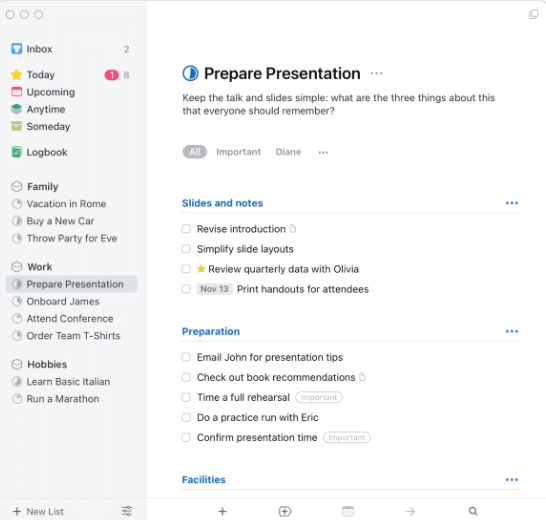
Things 3 is a personal task manager built by Cultured Code for Apple devices, and it shows. You organize tasks from the Inbox into Areas and Projects, then choose what to work on in Today. Turn on calendar integration to see your events alongside those tasks. It has won the Apple Design Award twice.
The Mac-specific details are what earn it the top spot here. After you enable Things Cloud and Mail to Things, a private forwarding address lets you turn an email request into a task, with the subject as its title and the body as its note. When a manager assigns you three follow-ups at the end of a Zoom call, a keyboard shortcut opens Quick Entry so you can type and save each task without leaving the call.
The pricing model is worth planning around. The Mac, iPhone, iPad, and Vision Pro apps are separate one-time purchases; Apple Watch is included with the iPhone app. Sync through Things Cloud is free.
Things has no separate built-in AI assistant; version 3.24 added integration with Siri AI and Spotlight on macOS 27. Siri AI is in beta, with device, language, and regional restrictions.
Where it taps out: Things stays inside Apple hardware. There is no Windows, Android, or web version, and it does not support shared lists or task assignments. You can track requests from other people privately, but if someone else needs to track or update the same task, you’ll need a separate shared tool.
Best for: Solo Apple users who want a calm, keyboard-driven daily plan and prefer paying once
Skip it if: You switch between a Mac and a Windows PC, or you plan with other people
A user review says:
I appreciated how clean the interface is. It doesn’t overwhelm you with options, yet it gives just enough structure to help you stay organized. Adding tasks is effortless, and the quick capture feature is a huge plus when ideas or reminders pop into your head on the fly.
Read More: If you like this calm, list-first style, our roundup of minimalist to-do list apps covers more of it.
ClickUp’s walkthrough on keeping track of tasks shows the capture habits this list is built around:
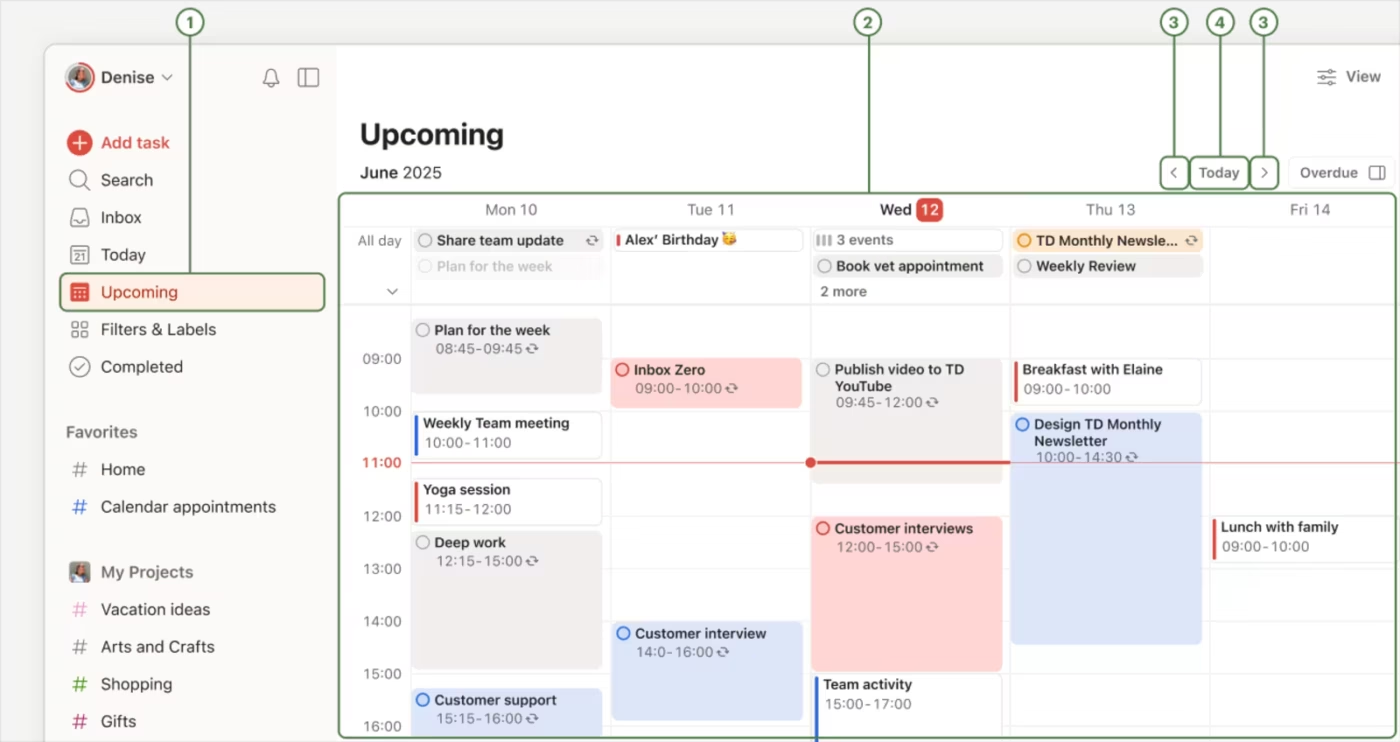
Todoist is a cross-platform to-do app from Doist, available on Mac, Windows, web, and phones. Its main strength is Smart Quick Add: you type a task in plain language, and Todoist recognizes details such as the date, project, and priority.
A freelancer can type “Send invoice to Acme every Friday #Admin p1” into the Mac app to create a recurring, top-priority task in the Admin project. With the same account, that task is also accessible on a Windows work laptop or an Android phone. This makes Todoist useful for organizing work you manage yourself, including requests from clients, across different devices.
Todoist Assist adds other ways to capture and organize work. Ramble turns spoken task statements into separate tasks, while Filter Assist builds filters from a plain-language request. The free Beginner plan includes 10 monthly sessions shared between Ramble and Task Capture Assist. Paid plans offer unlimited sessions subject to fair-use limits, plus Task Assist, which can suggest subtasks on desktop and web.
Where it taps out: Todoist supports collaboration, but personal projects are limited to five people. Business adds a dedicated team workspace, team roles, folders, and higher project limits. If you’re adopting it for shared work, check those limits against the number of people and projects involved rather than assuming the personal plan will cover the team. For a comparison with a docs-first workspace, see our breakdown of Notion vs. Todoist.
Best for: People who work across Mac, Windows, and Android and want the fastest possible task entry
Skip it if: You need more than five people in a personal project and don’t want to move to a team workspace
A user review says:
What I like best about Todoist is how simple and organized it makes task management. I can quickly create tasks, set due dates and priorities, and organize everything into different projects. I especially like the clean interface because it makes it easy to see what needs to be done without feeling overwhelmed. Recurring tasks are also very useful for activities that I need to complete regularly. The ability to access my tasks across different devices helps me stay organized throughout the day.
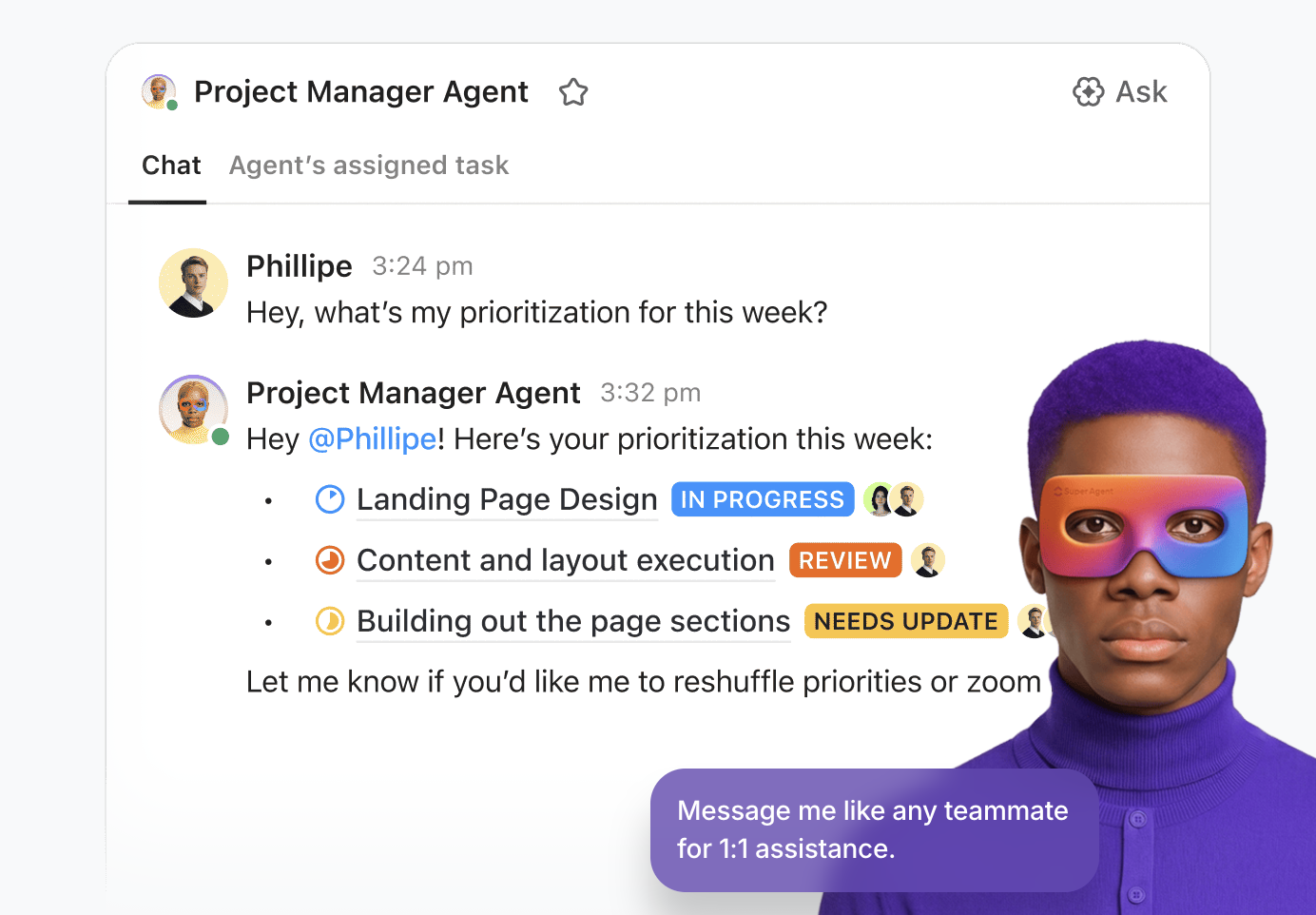
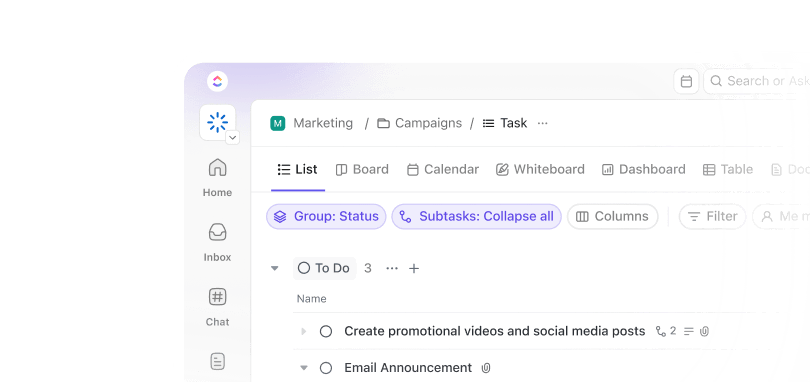
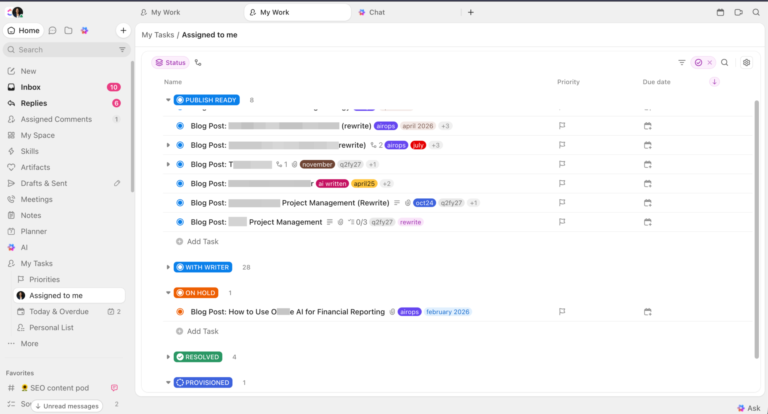
ClickUp is a work management platform with a desktop app for Mac, Windows, and Linux. It fits work that needs shared ownership and updates: a client requests a change, a designer completes it, and a teammate reviews the result. The task holds the request, discussion, and progress in one place.
On a Mac, keep the desktop app running and press Cmd+J to open the AI Command Bar from anywhere. You can quick-create a task, Doc, or reminder, launch installed Mac apps, and search your Workspace or connected apps with Connected Search enabled. When a client emails a change request, forwarding it to a List’s email address turns it into a task.
ClickUp Brain helps you work with that context: ask questions about tasks and Docs, summarize a discussion, or draft an update. ClickUp Super Agents can take on defined work within the same Workspace. You can assign them tasks, @mention them in a discussion, or configure them to run on a schedule. For example, a team can configure a Super Agent to turn a campaign brief into tasks and subtasks, or prepare a weekly report highlighting blockers and at-risk work.
Where it taps out: ClickUp requires more setup than a personal list app. Teams need to agree on how they’ll use Lists, statuses, and views, while Super Agents need clear instructions, appropriate access, and testing before taking on recurring work. That setup is easier to justify when several people need to coordinate tasks.
Best for: Mac users whose tasks come from shared projects, clients, or email
Skip it if: You only need a private daily list and never hand work to anyone else
A user review says:
I particularly like the ability to filter tasks. I can quickly and easily distinguish between projects and tasks, assign them, and mark them as things I need to do myself. The planner provides a good overview of my team’s workload, helping me to distribute tasks effectively and efficiently. With the customizable dashboard, I can consolidate all relevant information and priorities in one central location, significantly simplifying my daily organization. This gives me a complete overview of my current to-dos and upcoming projects at all times.
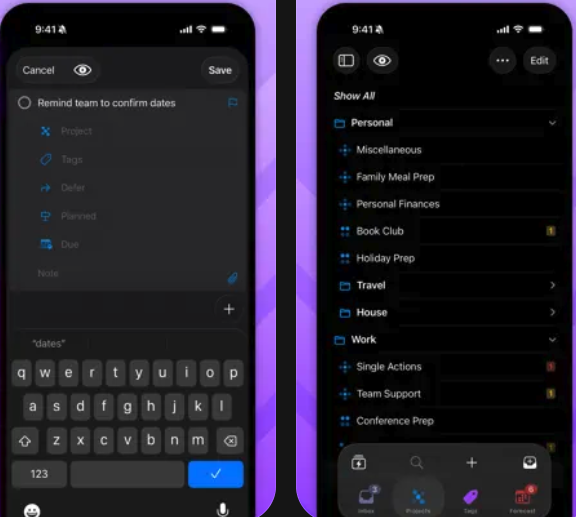
OmniFocus 4 from The Omni Group is built around the Getting Things Done method: capture tasks, organize them, and review your commitments regularly. One purchase covers the Mac, iPhone, iPad, Apple Watch, and Apple Vision Pro apps. Sync between them is free and end-to-end encrypted.
Forecast shows tasks alongside calendar events in the native apps, and Review prompts you to revisit projects on a schedule you set. A consultant juggling eight client engagements can create a custom Perspective in Pro to show tasks tagged for the current client.
That makes it useful when other people assign you work but you control how to organize and complete it. The consultant can maintain a detailed personal plan, while client approvals and shared progress updates still need a separate communication or collaboration tool.
The main purchase decision is between Standard and Pro. Focus and Custom Perspectives require Pro, which costs about twice as much as Standard as a one-time purchase. OmniFocus also supports Apple Intelligence features, including optional AI-assisted date parsing and Siri AI integration in version 4.9, subject to compatibility requirements.
Where it taps out: OmniFocus is an Apple-first personal system. Its Web version requires an existing setup in a native OmniFocus app and offers fewer features, including no calendar-event integration in Forecast. Perpetual-license owners pay separately for Web access. If clients or teammates need shared ownership and progress updates, plan to handle that coordination outside your personal OmniFocus setup.
Best for: GTD practitioners on Apple devices who want defer dates, reviews, and custom views
Skip it if: Your week runs on a Windows PC, or you want a list you can start using in five minutes
A user review says:
Omnifocus has every power task list feature you could want, and is perfect for GTD workflows.The forecast view is extremely helpful as I plan my week.
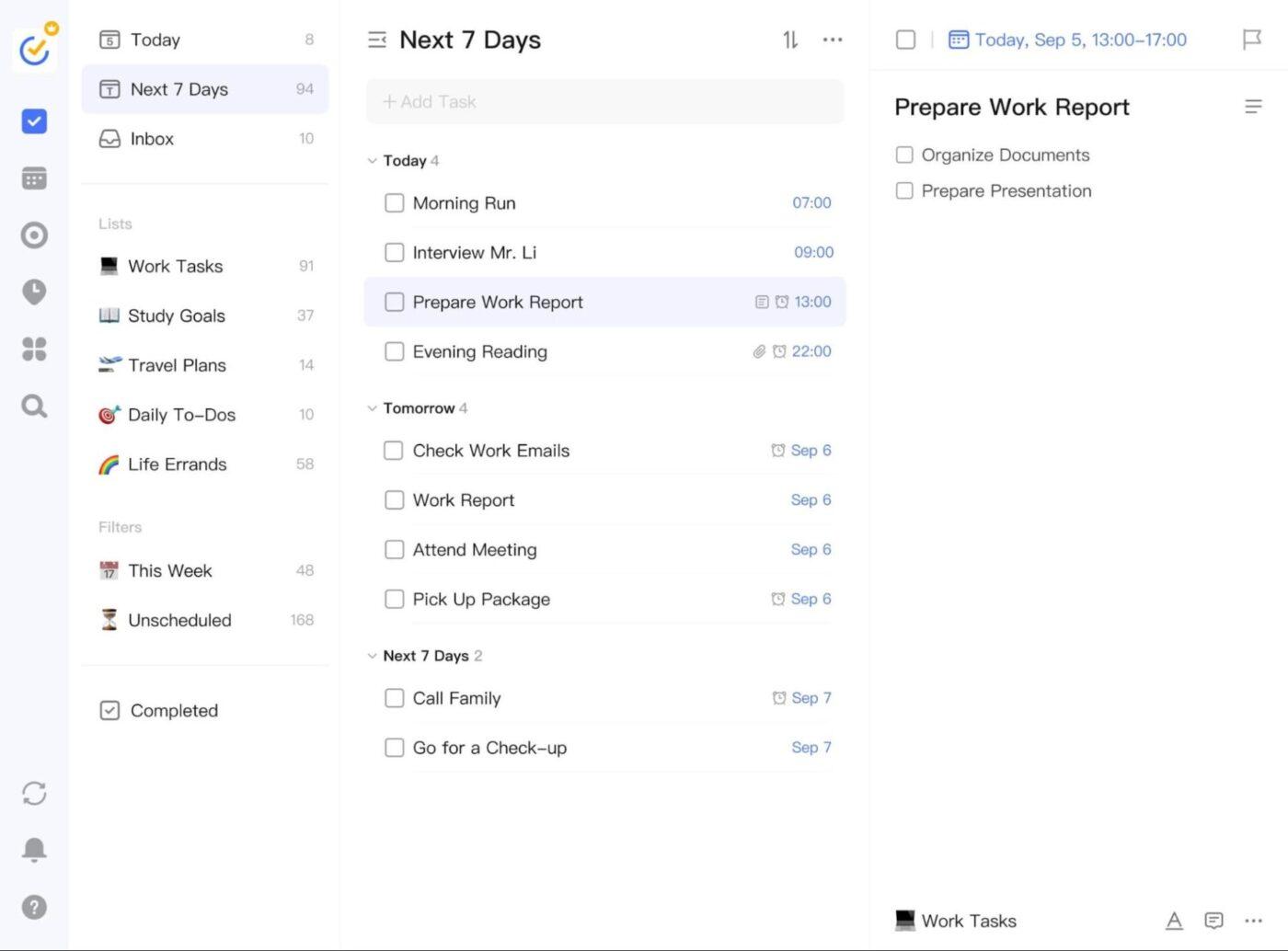
TickTick is a cross-platform to-do app with a Mac app. It brings a calendar, habit tracker, and Eisenhower Matrix into the same place as your lists. It also recognizes dates and times as you type, so “call dentist tomorrow 3 pm” becomes a scheduled task.
Its strength is organizing your own workload, even when the tasks come from several people. A project manager can sort the week’s tasks in the Eisenhower Matrix, schedule work in the calendar, and track a daily writing habit in the same app. The free plan covers nine lists with 99 tasks per list, List and Kanban views, and cross-platform sync.
TickTick puts its AI features on Premium. Premium also adds multiple calendar views, a timeline view, task duration, and email reminders.
Where it taps out: TickTick supports shared lists, task assignments, and comments, so it can handle some coordination alongside personal planning. Lists can be shared with up to 29 members when the list owner has Premium. For work spread across several projects, consider whether coordinating through individual shared lists gives everyone enough visibility.
Best for: Individuals who want tasks, calendar blocking, and habits without paying for three apps
Skip it if: You need a shared list with more than 29 members
A user review says:
What I love most is that it’s an all-in-one productivity hub, not just a simple to-do list. Having tasks, a fully functional calendar with time-blocking, a habit tracker, and a Pomodoro timer in a single app is wonderdul. I used to jump between three different apps just to manage my day, and TickTick completely fixed that friction. Also, its natural language processing is incredibly smart—I can just type “review budget tomorrow at 4pm” and it automatically schedules everything perfectly without me clicking through menus.
Pro Tip: If you are weighing TickTick against another personal task manager, our TickTick vs. Todoist comparison goes feature by feature.
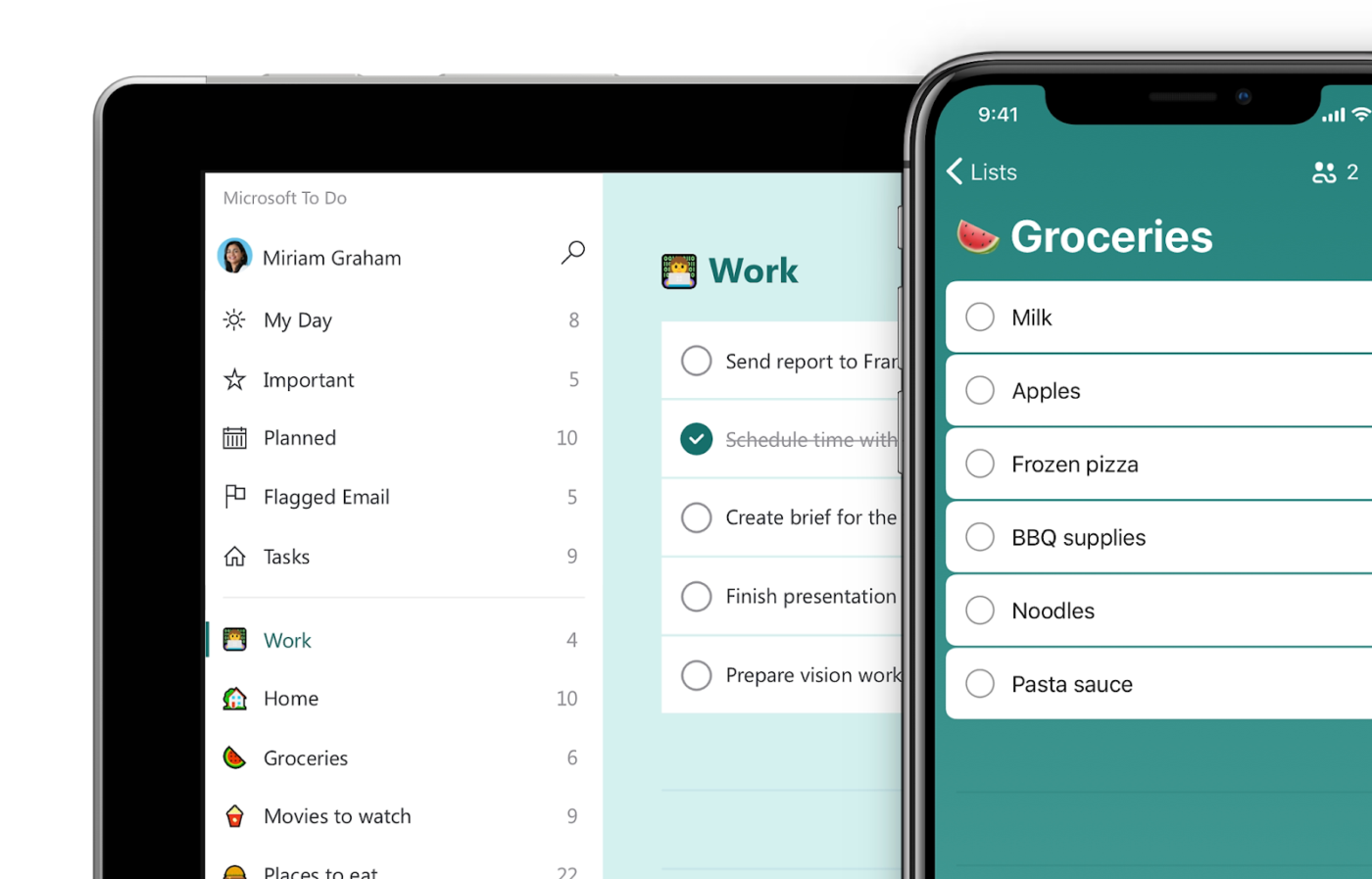
Microsoft To Do is a free task app from Microsoft with a native Mac app. My Day gives you a daily list to plan each morning, with suggestions drawn from your other tasks. It resets overnight, but unfinished tasks remain in your lists and can be added back to the next day’s plan.
With the same Microsoft-hosted account, flagged emails from your primary mailbox can appear as tasks in To Do, with links back to the messages. An office coordinator who gets 20 requests a day by email can flag them as they arrive, then plan the afternoon from My Day on a Mac without copying each request. Flagged emails from shared mailboxes and shared folders aren’t supported.
To Do covers the essentials: you can break tasks into steps, set due dates and recurring schedules, add reminders, and attach files up to 25 MB per task. You can also share lists between personal Microsoft accounts or with coworkers in the same work or school organization. That makes it useful for tracking requests assigned to you and coordinating straightforward lists with others.
Where it taps out: To Do works well when you’re responsible for completing the requests in your own inbox. The Outlook connection becomes less useful if your team handles requests through a shared mailbox, because those flagged messages don’t sync. List sharing also stays within personal Microsoft accounts or a single work or school organization, which limits coordination with external clients.
Best for: Outlook and Microsoft 365 users who want a free daily list on their Mac
Skip it if: You need boards, dependencies, or reporting for multi-step projects
A user review says:
I keep a list of my not-so-urgent tasks there, and I also use it when I do my provisioning. I create checklists for those tasks and keep them in To Do. It’s included in my O365 license, which is awesome.
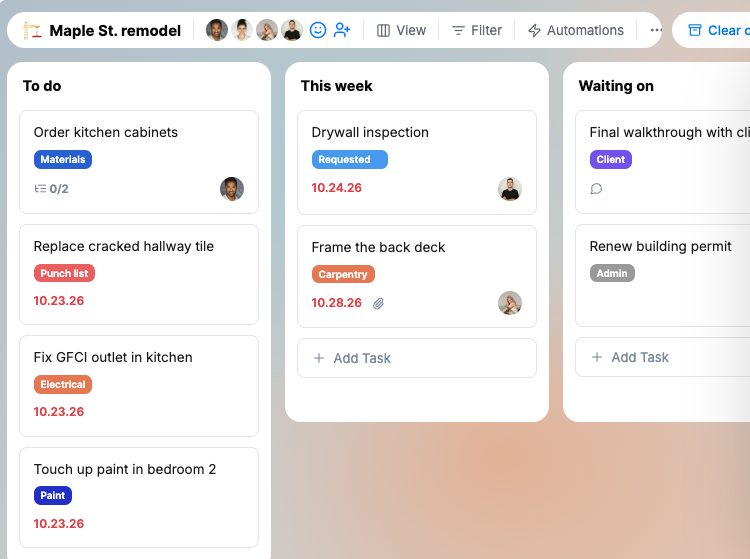
Any.do is a to-do list and daily planner available on Mac, web, Windows, and mobile devices. The free plan covers tasks, lists, reminders, a calendar, the daily planner, and sync. That is enough for a personal list that follows you from a MacBook to a phone.
Its appeal is reminders where you already look. On paid plans, Any.do can send reminders to WhatsApp. That suits someone who tends to miss app notifications but regularly checks messages. A parent planning the week on a Mac on Sunday night can set a WhatsApp reminder for Tuesday’s school form, so the follow-up arrives alongside their messages.
Basic daily, weekly, monthly, and yearly recurring reminders are free. Premium adds advanced recurring schedules, color tags, mobile-only location reminders, and AI suggestions for personal lists and tasks. A Family plan covers up to four people and four shared projects, plus a shared grocery list. Teams adds a collaborative workspace with unlimited project boards.
That gives Any.do a role beyond private reminders when household members or teammates need to coordinate the work.
Where it taps out: The free plan handles ordinary repeating tasks, but custom recurrence rules require a paid plan. Some features also depend on another device: you can plan on your Mac, but location reminders work on mobile. For shared work, Family is capped at four members and four projects; larger groups need Teams.
Best for: People who want a simple daily planner with reminders that reach them on WhatsApp
Skip it if: You need WhatsApp reminders or advanced recurring schedules on a free plan
A user review says:
I searched for an app that organizes most of my daily tasks and allows me to save them for future days, but I couldn’t find an app with features as numerous and truly wonderful as this one. 😊
Read More: 10 Any.do Alternatives and Competitors
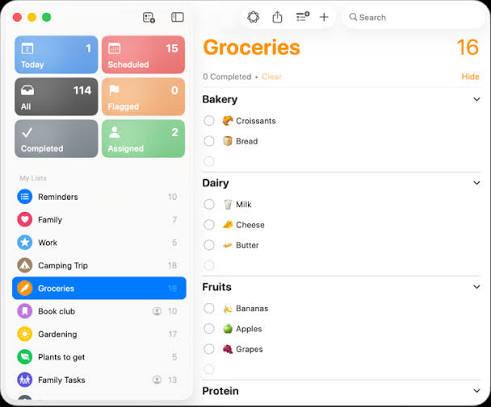
Apple Reminders is included with macOS at no separate cost. It earns its place as the baseline: before paying for another app, it is worth checking whether Reminders already covers what you need. To sync lists across your Apple devices, enable iCloud Reminders with the same Apple Account.
One useful everyday feature is the grocery list. Create a grocery-type list, and Reminders automatically groups recognized items into categories such as dairy and produce. You can plan the shopping on your Mac, then open the same list on your iPhone at the store. If an item lands in the wrong category, you can move it.
Reminders also handles more structured work through subtasks, recurring schedules, and sections you can display as columns. Shared iCloud lists let you assign reminders to other people, so a household shopping list or a small set of shared tasks can have clear owners. Siri lets you add reminders by voice.
For the framework in this roundup, Reminders covers both personal capture and straightforward shared work. You can track a request yourself or assign an item in a shared list without adopting a larger project platform. Our roundup of productivity apps for Mac covers other tools you can use alongside it.
Where it taps out: Reminders is Apple-first. You can access iCloud reminders through a browser on other devices, but there are no native Windows or Android apps. Features also vary by account and software version, with sharing and assignments requiring updated iCloud Reminders. If your collaborators use different platforms, browser access may be a compromise compared with a cross-platform task app.
Best for: Apple users who want a free list for errands and simple to-dos with no setup
Skip it if: You need native Windows or Android apps alongside your Mac app
A user review says:
The location based reminders have become virtual sticky notes in my life. The code to the door you only use once every 18 months is X. Order the spicier ramen next time you’re at this ramen shop. Get this when you’re at the grocery store.
Narrow your shortlist to two apps based on the requirement you would struggle to work without:
Before moving everything, try each shortlisted app with a small set of real tasks for five working days. Include a recurring task, a request received by email, and a shared task if you regularly coordinate with someone else.
Check whether you can find the original request, update the task from each device you use, and see what needs attention without maintaining another list. Also check whether any feature you relied on during the trial requires a paid plan. Choose the app that handles those tasks with the fewest manual steps at a price you’re willing to keep paying.
The strongest reason to switch task apps is a recurring problem your current setup keeps throwing at you. That might be losing the context behind a request, manually chasing updates, or discovering too late that someone else’s work is holding yours up. Make that problem your deciding factor.
For shared work, ClickUp connects tasks with the discussions, Docs, and dependencies that explain what needs to happen next. Brain helps you retrieve that context and summarize progress. Configured Super Agents can take on recurring coordination, such as turning a campaign brief into tasks or preparing a report on blockers and at-risk work.
Try ClickUp for free with one shared project. Start with the coordination problem you want to fix, then add views and agent workflows where they serve a clear purpose.
Yes. For managing tasks and to-do lists, macOS includes Apple Reminders, which supports subtasks, recurring reminders, and shared lists. Apps such as Things 3, Todoist, and ClickUp offer different options for personal planning and team coordination. If you mean viewing running apps and processes, the Mac utility is called Activity Monitor.
Things 3 is our top pick for solo Apple users who want keyboard-driven planning and a one-time purchase. Todoist suits people who also use Windows or Android. ClickUp fits work that needs shared ownership, discussions, and progress tracking. For everyday personal and shared lists, start by checking whether Apple Reminders covers your needs.
Yes. Apple Reminders is included with macOS, and Microsoft To Do is free for personal use with a Microsoft account. To Do’s work or school use requires eligible licensing and Exchange Online. Todoist, TickTick, Any.do, and ClickUp also offer free plans with different limits. Any.do includes basic recurring reminders for free; advanced recurring schedules and WhatsApp reminders require a paid plan.
Things 3 works on iPhone but has no Windows, Android, or web version. The Mac, iPhone, iPad, and Apple Vision Pro apps are separate one-time purchases. Apple Watch support is included with the iPhone app, and syncing through Things Cloud is free.
Yes. Apple Reminders, Microsoft To Do, Todoist, TickTick, and Any.do support shared lists or projects, while ClickUp supports shared tasks and broader team coordination. Account and plan requirements vary: Apple Reminders sharing uses iCloud, and Microsoft To Do supports sharing between personal Microsoft accounts or within the same work or school organization. Things 3 does not support shared lists or task assignments.

Manasi Nair
Max 22min read
Manasi Nair
Max 23min read
Manasi Nair
Max 29min read
© 2026 ClickUp