
Sorry, there were no results found for “”
Sorry, there were no results found for “”
Sorry, there were no results found for “”
Ask any contractor about their worst day on the job, and you’ll likely hear about a scheduling disaster.
It’ll include subcontractors showing up with no materials, concrete trucks arriving before the forms are ready, or critical path delays cascading into weeks of setbacks.
Behind every construction delay is a communication breakdown that could have been prevented. A good construction scheduling software solves these problems. It brings clarity and ensures everyone is on the same page.
In this blog post, we’ll explore 15 tools contractors trust to keep their projects running smoothly.🚦
Finding the right construction scheduling software can make or break a project. The best tools keep teams organized, deadlines on track, and unexpected delays to a minimum.
But with so many options, how do you know which one fits your needs? Look for a construction work schedule app that offers these features. 💁
🔍 Did You Know? The global construction software market is projected to grow to $21.04 billion by 2032. It exhibits a compound annual growth rate of 9.9% during the forecast period (2024-2032).
Before we dive into the details, let’s briefly go over the top construction scheduling tools.
| Tool name | Best for | Key Features | Pricing |
| ClickUp | Coordinating crews with AI-enhanced scheduling tools | Automate assignments, adjust calendars, and manage shifts with templates | Free plan available; Customizable plans for enterprises |
| Procore | Overseeing enterprise-scale construction timelines | Sync job site activity with bidding, RFIs, and centralized dashboards | Custom pricing |
| Buildertrend | Keeping homeowners informed throughout residential builds | Align client selections and team schedules while logging project visuals | Custom pricing |
| Wrike | Aligning schedules across non-construction departments | Track dependencies, trigger approvals, and build custom dashboards | Free plan available; Paid plans start at $25/user/month |
| Autodesk Construction Cloud | Merging 3D models with live schedules | Link BIM elements to timelines for accurate sequencing and clash detection | Custom pricing |
| Workyard | Monitoring labor costs with GPS and cost codes | Tag hours to tasks, verify routes, and log expenses for payroll efficiency | Starts at $8/user/month |
| Monday.com | Managing project progress through visual boards | Switch views, auto-assign tasks, and track milestones in real-time | Free plan available; Paid plans start at $24/user/month |
| Fieldwire | Tasking field workers directly from digital blueprints | Assign work on-site, upload plans, and coordinate punch lists | Free plan available; Paid plans at $54/user/month |
| GanttPRO | Structuring schedules with detailed Gantt timelines | Break down tasks, build dependencies, and visualize critical path changes | Starts at $9/user/month |
| Smartsheet | Upgrading spreadsheet workflows with automation | Turn Excel-style grids into dashboards and condition-based scheduling | Free plan available; Paid plans start at $24/user/month |
| eSUB | Managing jobs across multiple sites for tradespeople | Track delays, record logs, and sync change orders with real-time updates | Custom pricing |
| Jobber | Running on-the-go scheduling for small service crews | Schedule recurring work, automate client alerts, and manage jobs remotely | Starts at $199/user/month |
| Contractor Foreman | Balancing efficiency and affordability for small teams | Plan crew availability, manage timelines, and track equipment maintenance | Starts at $99/month (quarterly billing) |
| Buildxact | Turning residential estimates into executable calendars | Link material orders with scheduled tasks and prep for seasonal adjustments | Starts at $169/month |
| BuildBook | Simplifying project visibility for client-facing builders | Share timelines, progress photos, and payment reminders via client portals | Custom Pricing |
Here are the best construction scheduling tools to keep everything on track. 🧑💻
First on our list of construction project management tools, we have ClickUp.
It’s the everything app for work that combines project management, knowledge management, and chat—all powered by AI that helps you work faster and smarter. It takes the guesswork out of scheduling so teams can focus on getting the job done.
Let’s explore ClickUp’s rich features together.
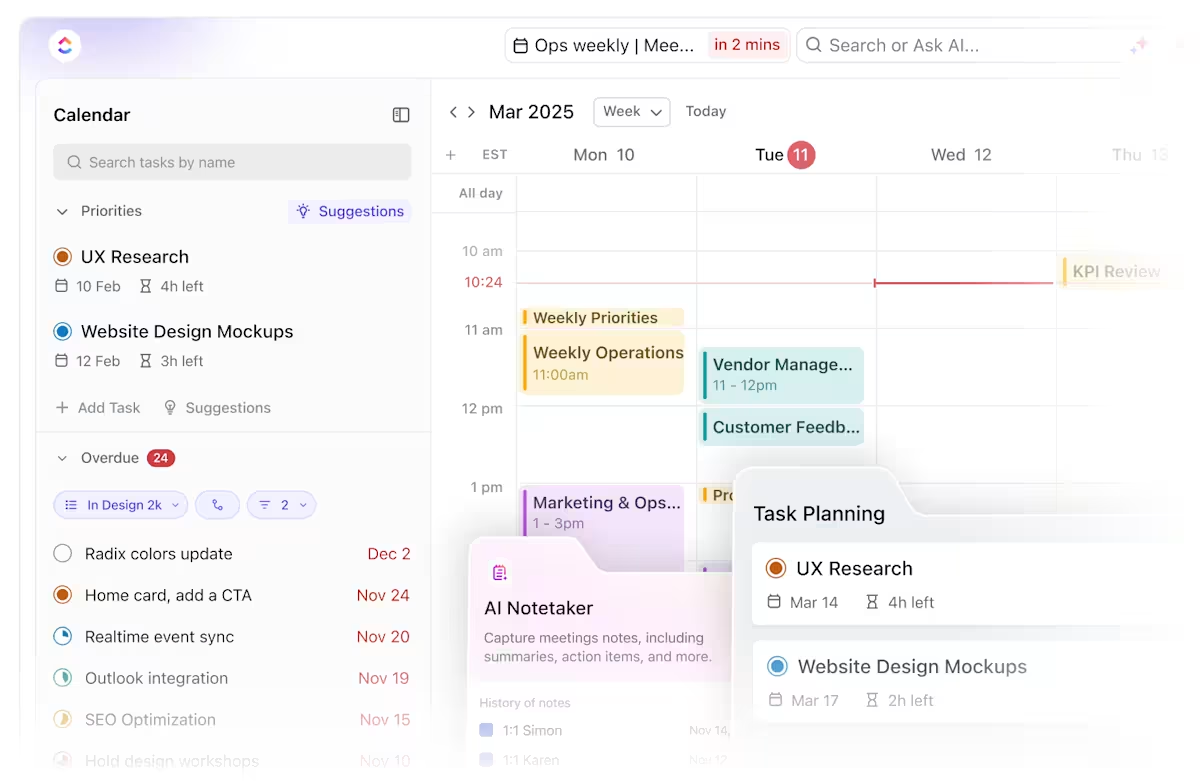
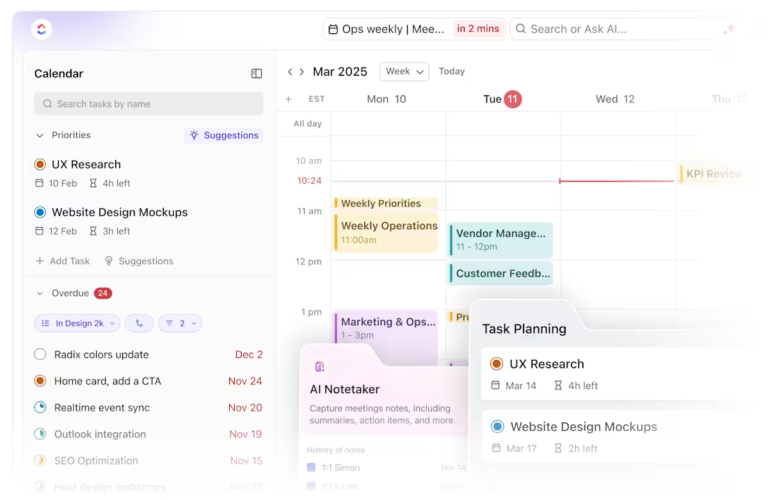
In construction management, timing is everything. Miss one deadline, and the entire project spirals into costly delays. That’s where the ClickUp Calendar steps in.
Suppose a general contractor is juggling multiple job sites, each with its own crew, suppliers, and inspections. They can use the Calendar to see every task, deadline, and meeting in one place. It can include everything, from tracking concrete pour dates to setting permit deadlines.
ClickUp Calendar also keeps teams on the ground informed.
Field supervisors can set reminders for safety inspections, material deliveries, or daily progress reports, ensuring no critical task gets missed. Need to coordinate a last-minute site meeting? Just click on a time slot, add attendees, and link blueprints or task lists so everything is ready to go.
Its integrated AI assistant, ClickUp Brain, makes it even more powerful. This tool analyzes schedules, identifies dependencies, and adjusts plans in real time.
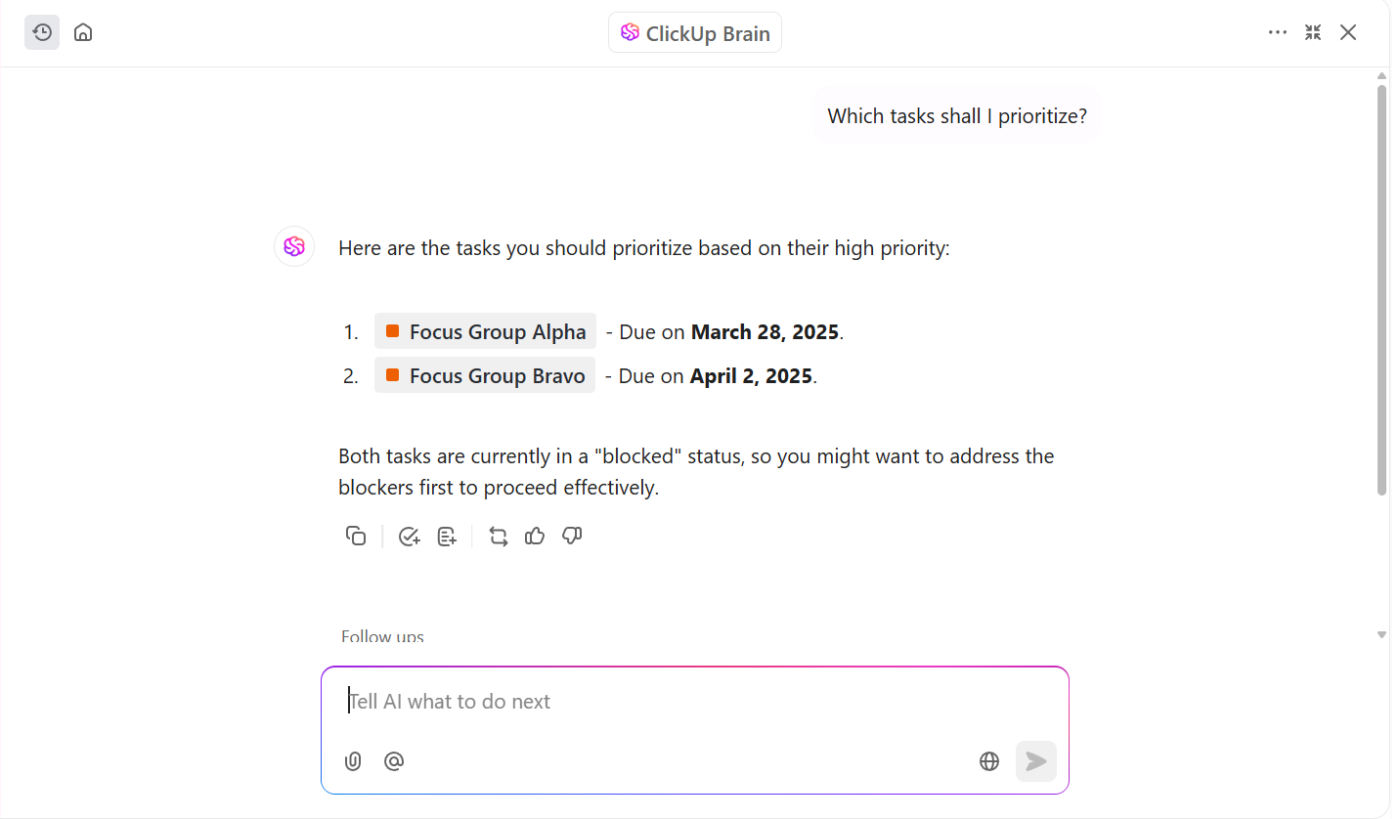
Suppose a site supervisor needs to stagger shifts so electricians and plumbers don’t overlap in a cramped space. Brain reviews the workload, suggests an optimized schedule, and reschedules tasks based on your prompts when delays occur.
If a delivery is late, affected workers get notified, and the timeline updates without manual intervention.
Beyond scheduling, managing tasks effectively is just as important.
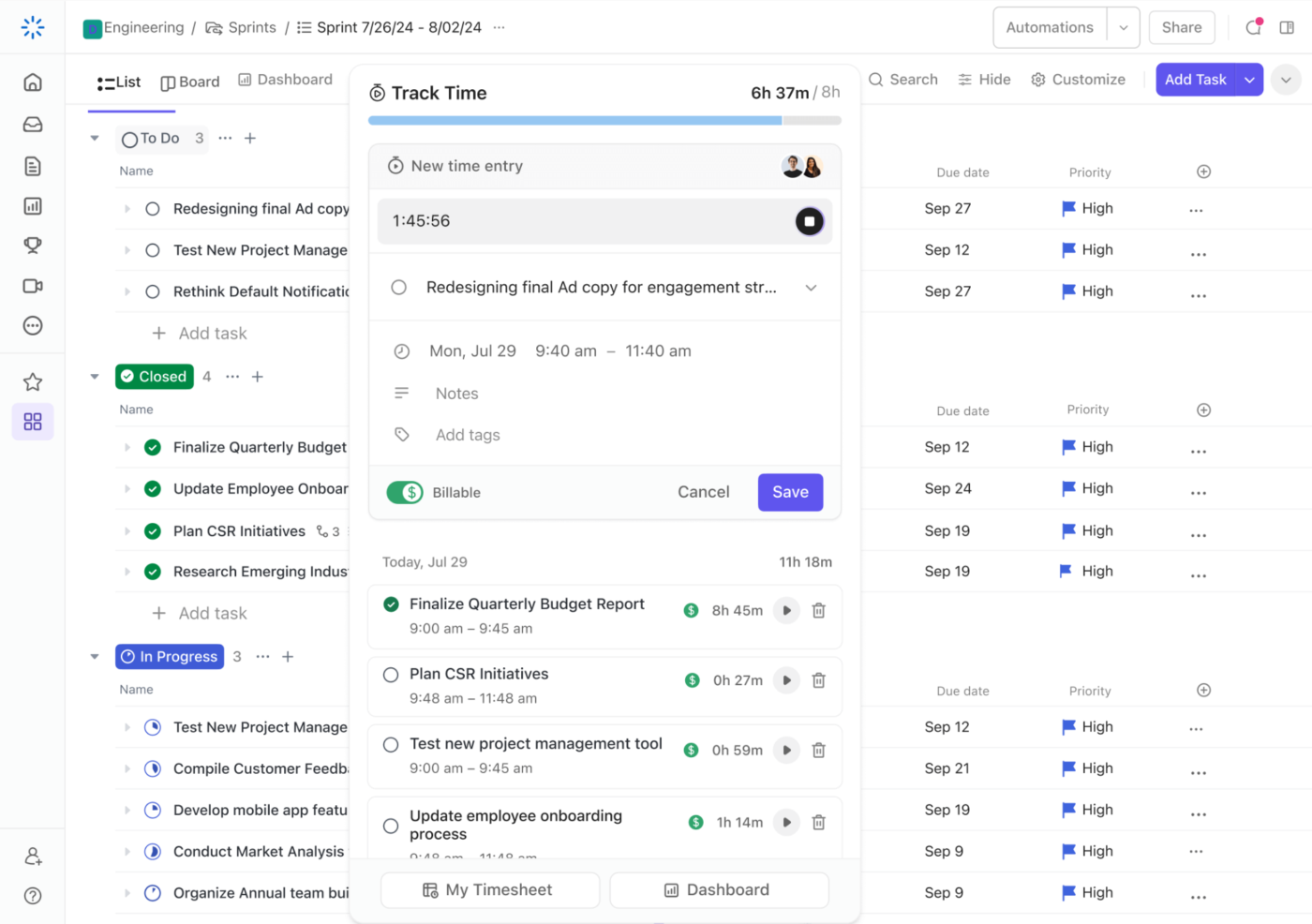
ClickUp Tasks keeps every project detail in one place, helping teams assign work, track progress, and maintain clear communication.
Also, ClickUp Time Tracking within Tasks helps teams log hours accurately without manual calculations.
Workers can set a deadline with priority flags directly in ClickUp when they begin a task. Hours get recorded automatically, preventing errors and ensuring payroll calculations reflect actual work done.
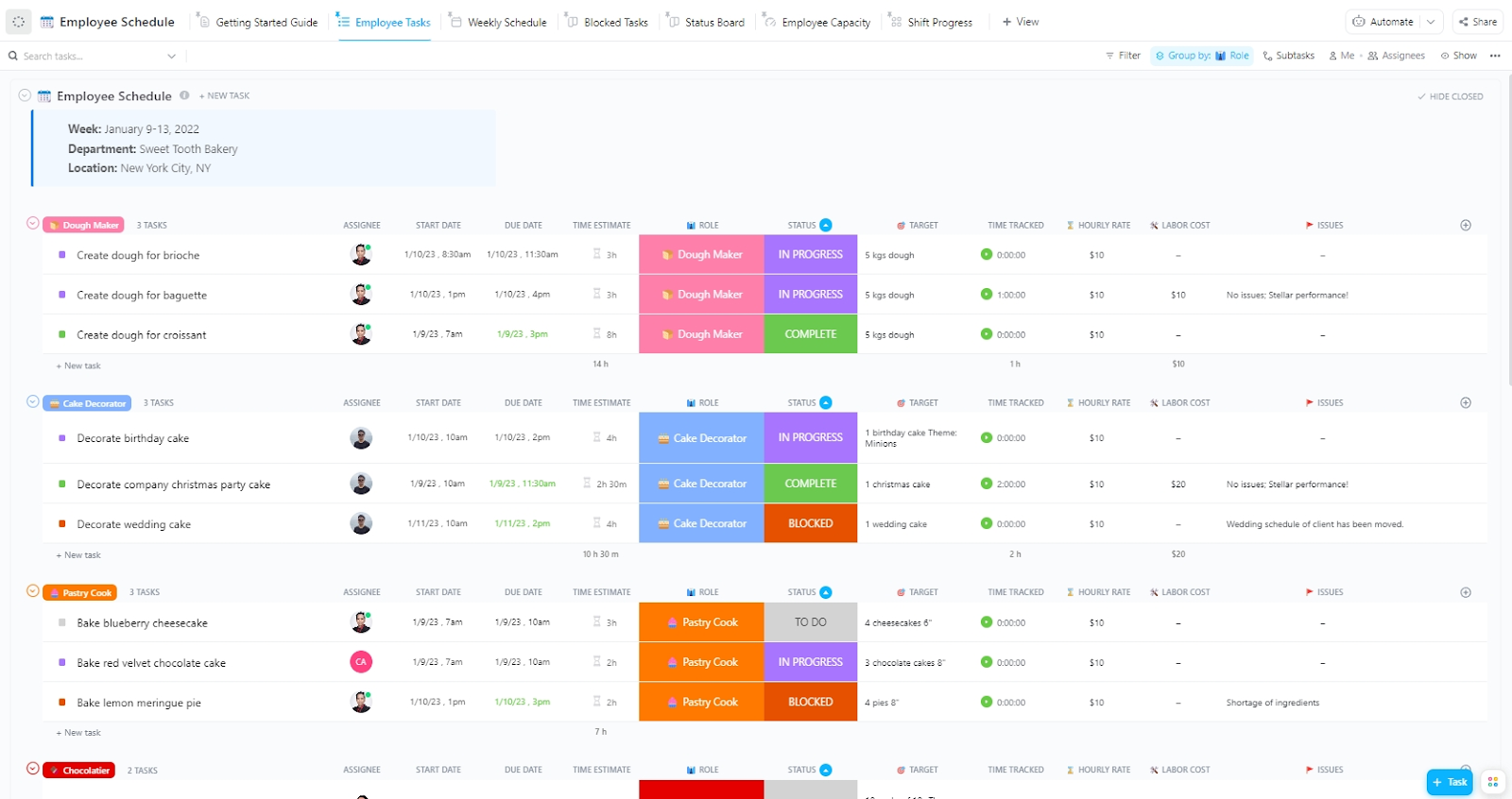
Don’t want to start from scratch? The ClickUp Employee Schedule Template is the perfect way to start.
It allows you to visualize and plan work schedules, prioritize tasks, sync them with employee availability, and track time off requests. The template also helps you comply with labor laws, ensuring all shifts are filled with qualified staff.
For teams needing additional scheduling tools, the ClickUp Schedule Blocking Template helps allocate work hours efficiently to prevent overbooking. What’s more, the ClickUp Shift Schedule Template simplifies rotating shift management and keeps track of who’s working when.
A quick snippet from a Reddit user:
Gotta say that I really like the calendar. Its interface is pretty cool and AI makes it even better. Previously, there was not much you could do w/ Brain in Calendar View. Auto-scheduling? Count me in.
🧠 Fun Fact: Ancient Egyptians were some of the earliest construction managers. The Great Pyramid of Giza, built over 4,500 years ago, required precise workforce coordination, material tracking, and scheduling—all without modern technology.
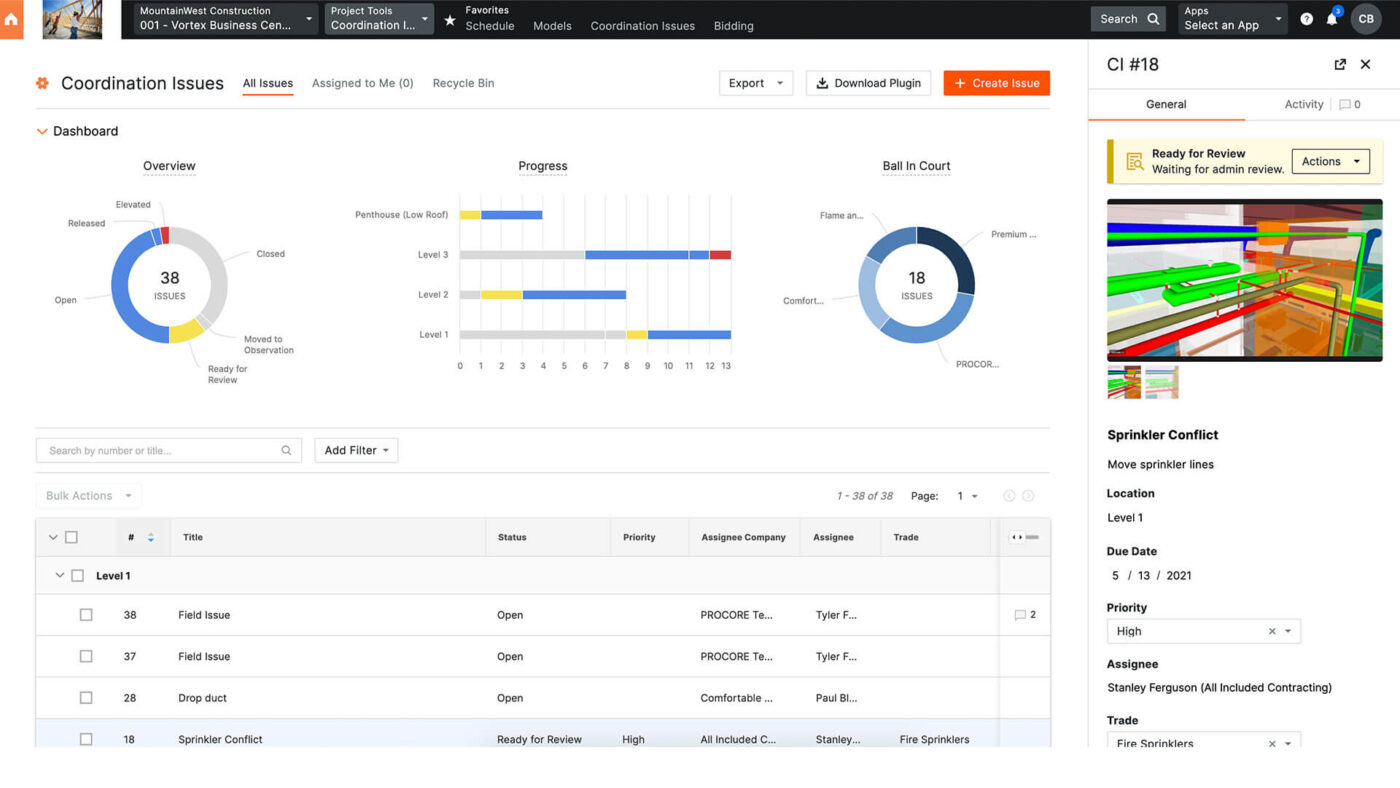
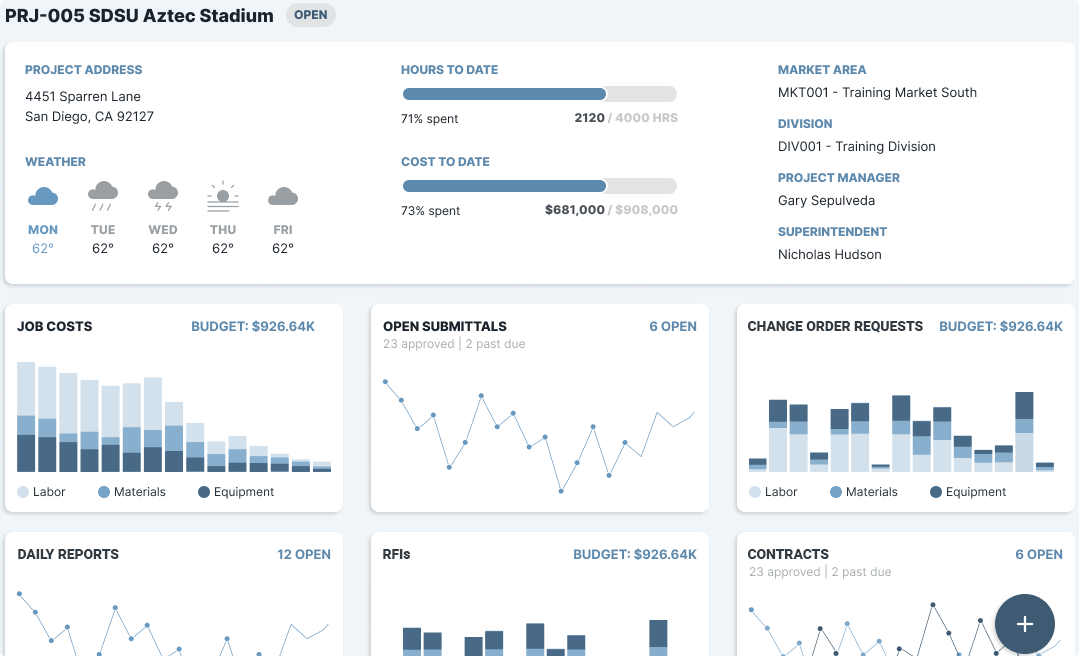
General contractors, owners, and specialty crews depend on Procore’s cloud-based platform to manage complex projects from start to finish. With a mobile-first approach, it keeps you in control—even when you’re on-site handling bids, reviewing plans, or tracking updates.
Additionally, real-time sync minimizes errors and delays, ensuring seamless communication between the field and the office. Designed for those managing large-scale projects, Procore provides the structure and visibility needed to keep everything on track, no matter how long the timeline.
Straight from a G2 review:
The software is very user friendly and is designed well to be used in the field. I love the tutorials and certification courses. The fact that you can learn a topic via short and concise videos is great.
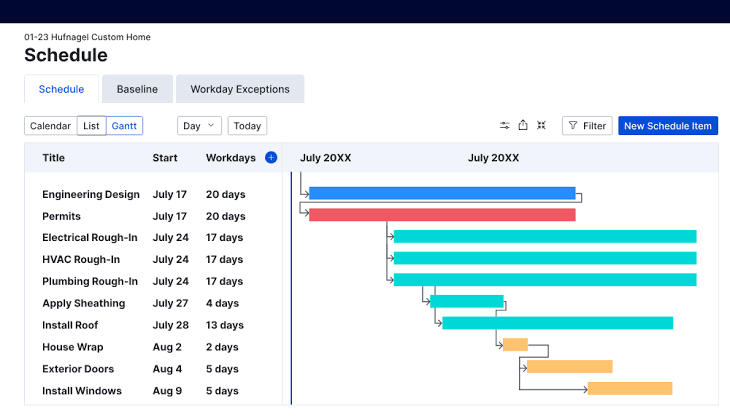
Homebuilders face unique scheduling challenges, and Buildertrend addresses these head-on. This platform explicitly targets residential construction’s distinct rhythm. It bridges the communication gap between contractors and homeowners, who can log in to see progress without constant calls or texts.
Buildertrend’s photo and video documentation features add visual clarity to scheduling updates—making it easier to explain delays. Plus, it excels at pre-construction planning, helping teams set realistic timelines before work even begins.
Here’s what one Reddit user had to say about Buildertrend:
I use it to manage our 10M / yr residential construction firm. I find it to be highly beneficial especially with documentation. We use it for selections, daily logs, estimating, record keeping. It’s really great. Get the pro version and dive deep if you do it. Implementation is key.
💡 Pro Tip: For complex projects, go beyond basic scheduling. Use methods like the Critical Path Method (CPM) to identify key tasks or the Program Evaluation and Review Technique (PERT) to estimate time frames with more accuracy. Smart planning leads to smoother execution.
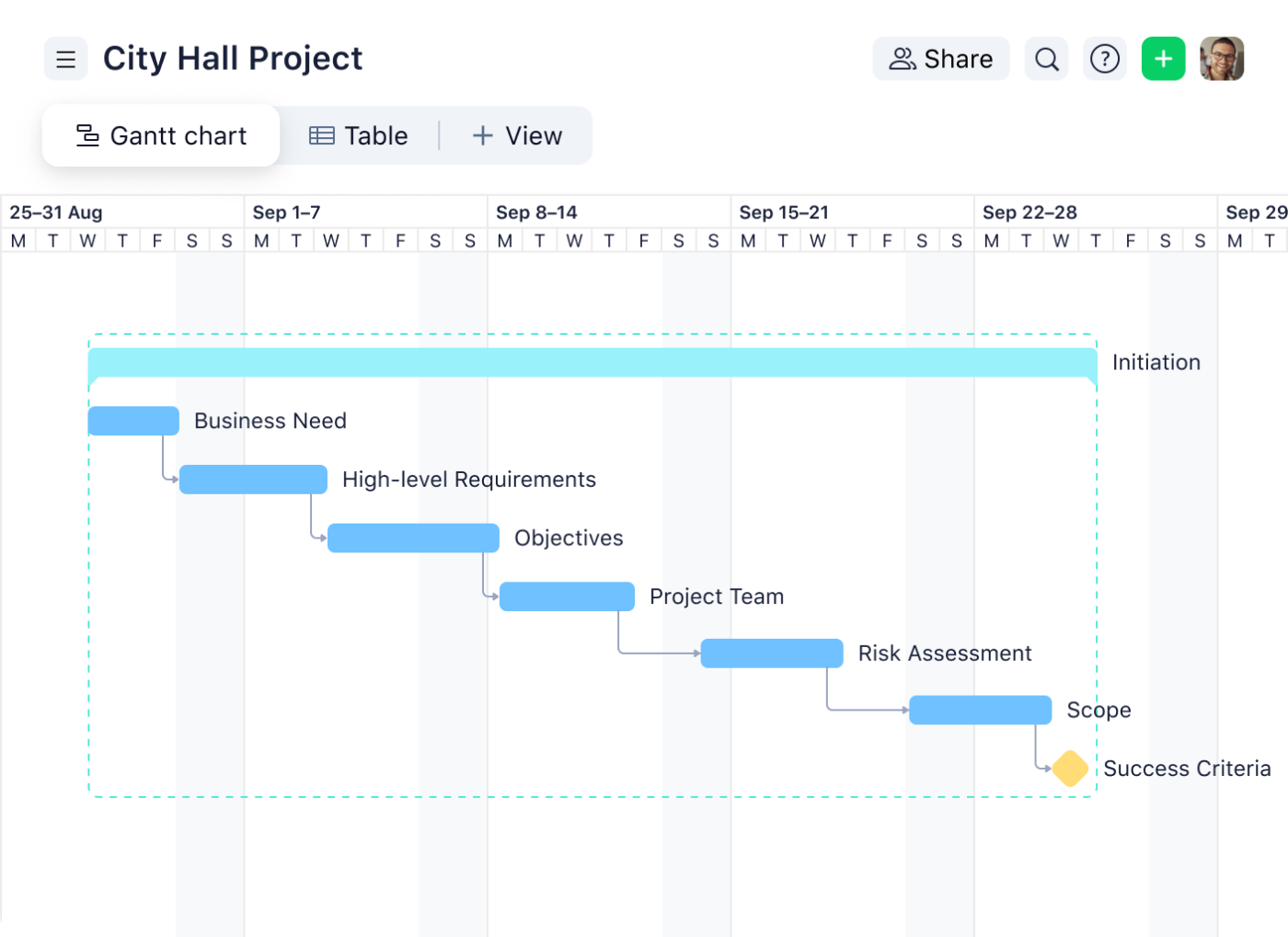
Construction doesn’t operate in a silo—it’s tied to marketing, sales, and design. Wrike bridges these gaps with a flexible workspace that keeps every department aligned. Teams can organize projects by client, property type, or any system that fits their workflow.
Additionally, its intuitive drag-and-drop interface streamlines leave management, making scheduling more efficient. While Wrike lacks some construction-specific tools, its powerful customization options and automation rules compensate for it.
One Reddit review puts it this way:
I’ve used a ton of PM systems and I really like Wrike. Not just because I’m a PM, but for the fact that 30 members of my team all picked it up easily and use it daily. It makes my job as a PM much easier that we have 100% adoption of a software. It’s a really complex system though from the backend; setting up custom fields, custom item types, building submission forms, etc. It has a bit of a learning curve from the PM standpoint, but it does a LOT.
📖 Also Read: Best Time Attendance Software
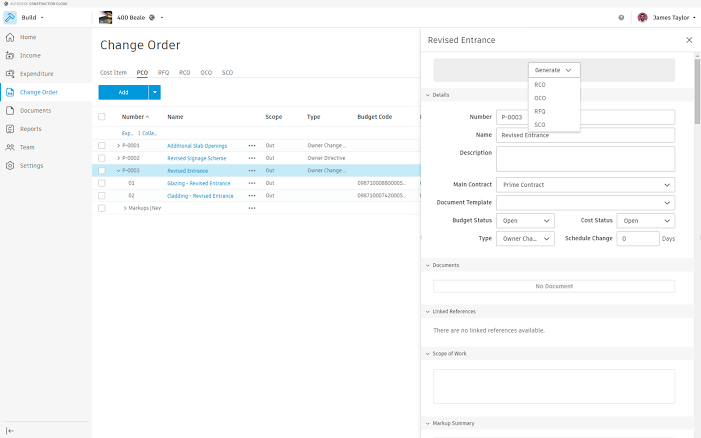
Autodesk takes construction scheduling to the next level, seamlessly connecting 3D models with project timelines. Teams can link specific building components to schedule items, creating a visual roadmap of the construction process. This is especially valuable in coordination meetings, where it instantly shows how different building sections align with project phases.
The real advantage comes when schedule conflicts are overlaid with building information modeling. Potential clashes become visible early, preventing costly delays before they escalate on-site.
From a G2 reviewer:
Using Construction Cloud is as straightforward as it gets. I work in an environment where I have to collaborate with people from multiple countries, and ACC makes it a breeze. I can keep track of all the updates and changes to the models…When publishing 3D models from Revit, any CAD underlay linked to the model won’t be properly visible in the ACC model. Another issue is the long waiting time when publishing large models…
🔍 Did You Know? In medieval times, construction projects were run by master builders who acted as architects, engineers, and project managers. They managed everything from designing cathedrals to overseeing laborers chiseling stone.
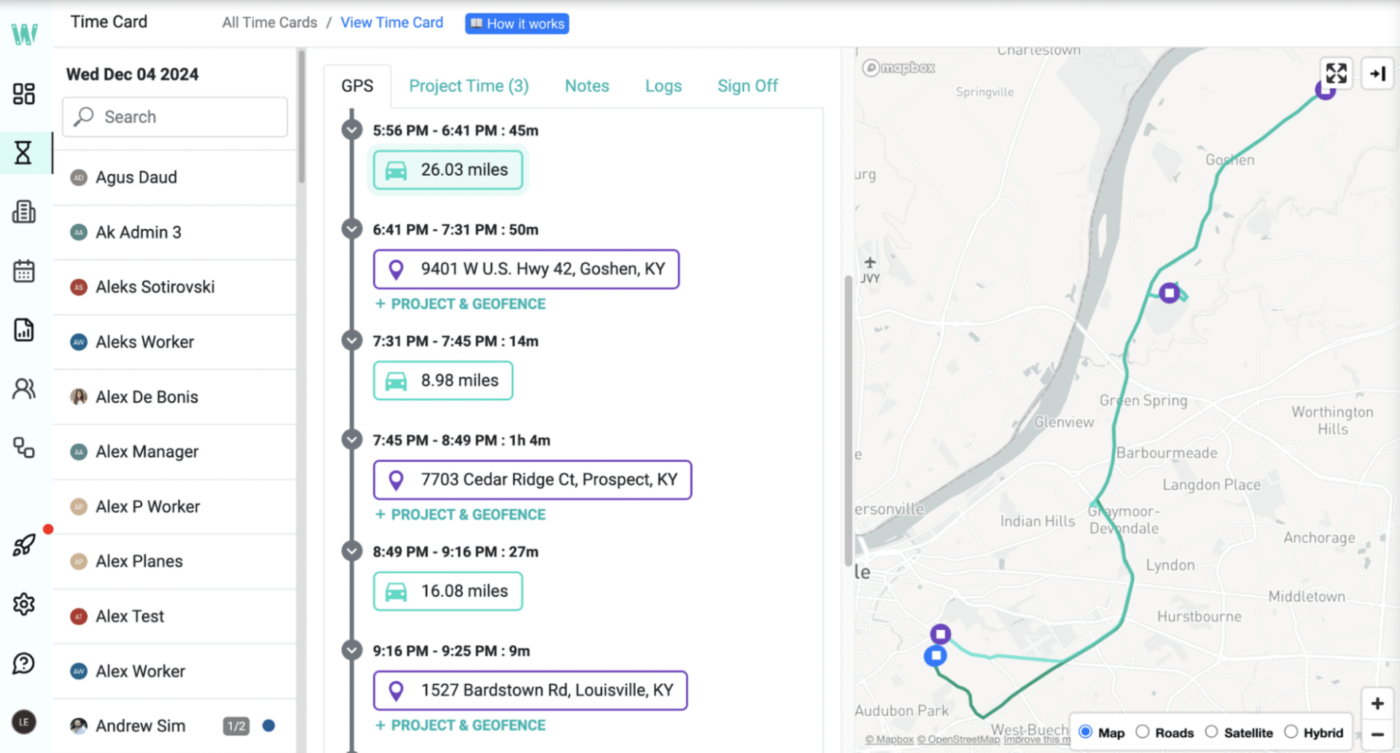
Managing labor costs in construction is one of the biggest challenges for project managers. Without real-time tracking, expenses can spiral out of control, leading to budget overruns. Workyard addresses these challenges with its cost code feature, a powerful tool that tracks both time and expenses at a task-specific level.
It allows your crews to tag their houses directly to different types of work, giving you visibility into labor costs. Moreover, its data export capabilities further enhance financial oversight, making it easier to integrate with accounting systems.
Straight from a Capterra review:
I love the ease of use and the support. Somebody walked me through it and didn’t just slough me off to a video I could watch having somebody be able to show me how to make this work for my business was awesome…I would like to be able to make some of the features more customizable like instead of changing from projects, I wish we could change some of those standardized features.
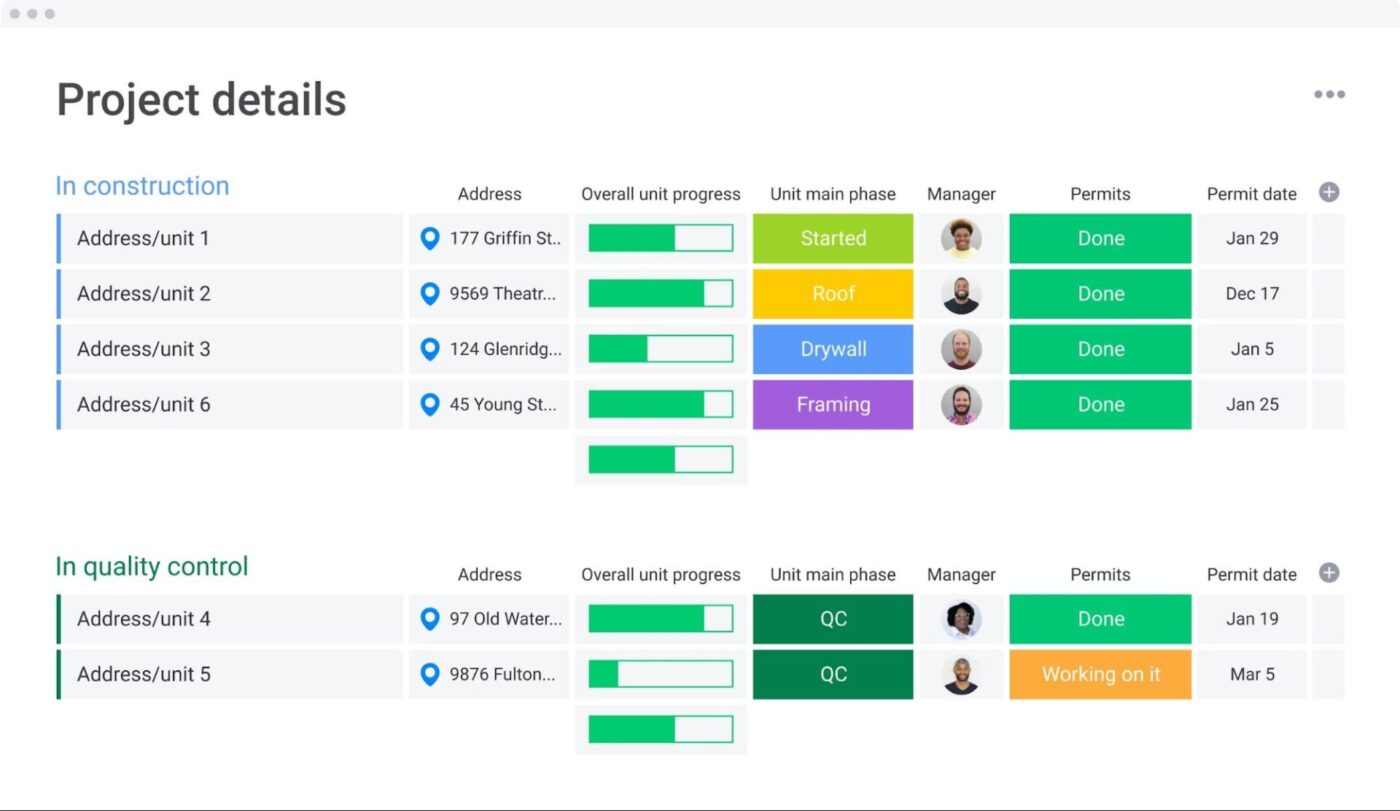
Monday.com simplifies complex timelines with color-coded boards, making project status clear at a glance and turning overwhelming schedules into manageable workflows. Its flexible views let teams switch between Gantt charts, calendars, or Kanban boards depending on their planning needs.
The construction project management software also offers high-level schedule visibility, allowing drill-down into granular task details. Its custom automation eliminates manual status updates, freeing project managers from the constant stress of schedule maintenance.
Here’s what one G2 review had to say about Monday.com:
Monday has been an incredibly helpful tool for collaborating across departments. The user interface is streamlined and easy to use, with an incredible degree of flexibility based on the individual needs of each stakeholder. Customizing each board based on what it is tracking has been easy and effective. […] Because there are so many possible functionalities, there is a bit of a steep learning curve initially. Setup takes some time for any sizeable organization, and training takes quite some time as well.
🤝 Friendly Reminder: Overpromising timelines leads to rushed work and costly mistakes. Work with your team to set achievable milestones based on real data—consider weather, permits, and supply chains. A realistic plan saves time and headaches.
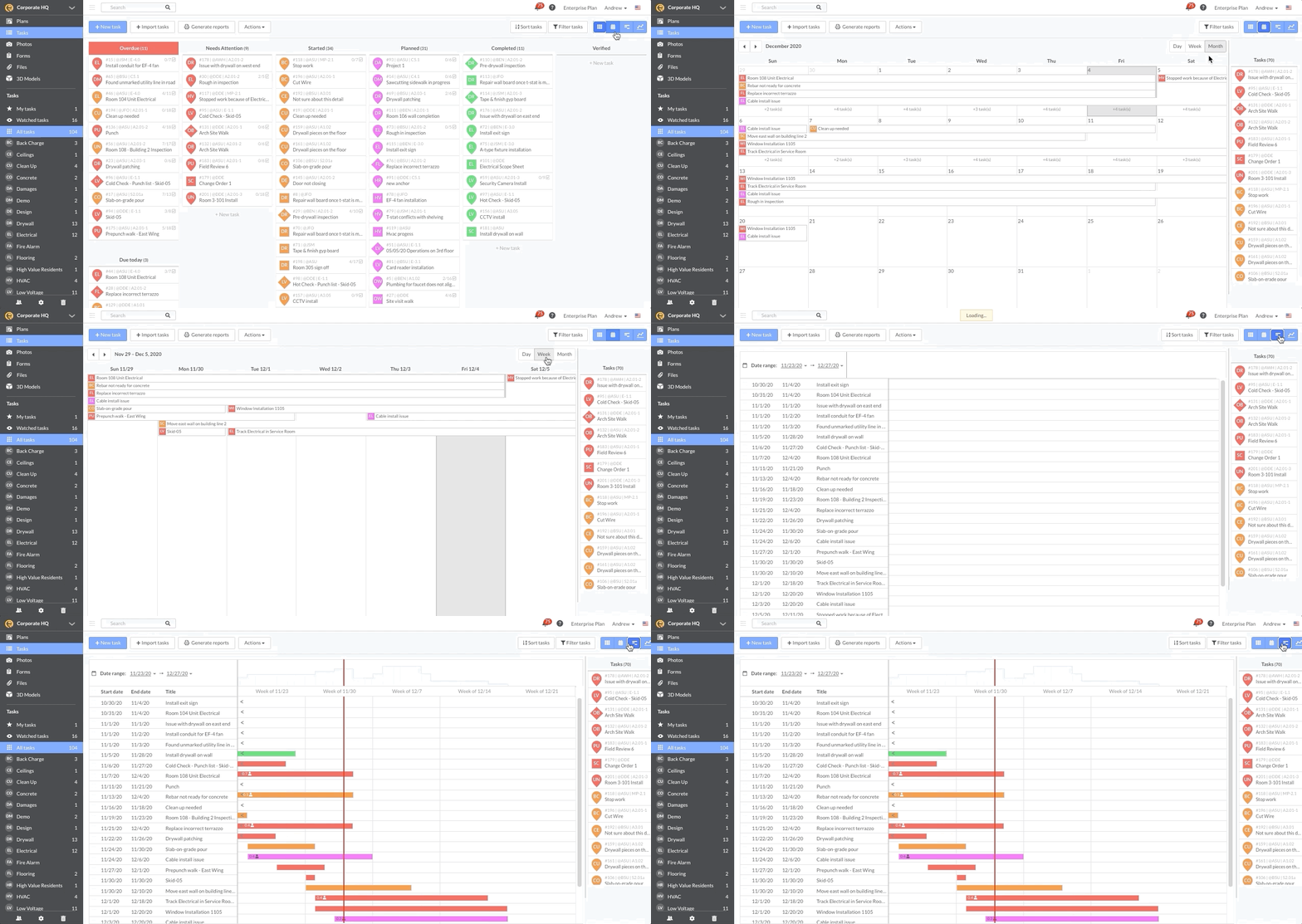
Fieldwire is built for crews on the ground, giving general contractors and field managers a no-nonsense way to track tasks where the real work happens. It keeps things simple, focusing on crew assignments, progress updates, and fast blueprint uploads to keep plans easily accessible.
Real-time messaging bridges the gap between the field and the office, reducing delays and miscommunication. Designed for hands-on teams, the construction management software brings order to the chaos without unnecessary complexity.
One review puts it this way:
Fieldwire has been great for keeping files and specs all in one spot. Plans and punch lists can be shared among everyone involved and makes it super easy, especially if receiving a lot of SK’s. I wish the task markers would clear from the plans after being marked as complete. It can tend to clutter up the plan at the end of the job.
🧠 Fun Fact: The Industrial Revolution changed construction forever. With the rise of steel, concrete, and railroads, projects got bigger, and so did the need for formal construction management. This era gave us Gantt charts (invented in 1910) and the Critical Path Method (CPM)—both still used in scheduling today.
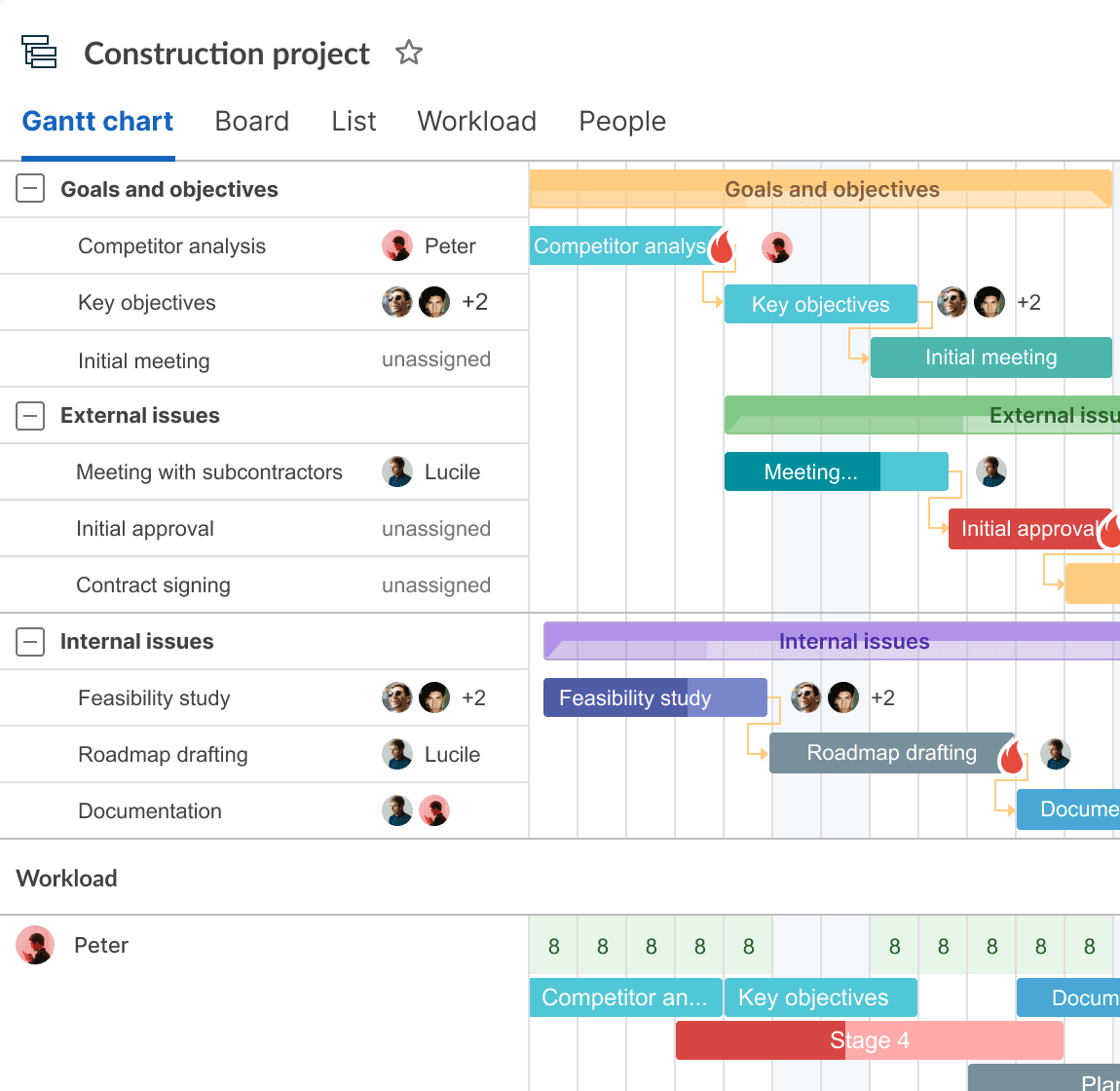
GanttPRO is designed for precision. It gives construction managers a clear, structured way to map out every project step. It breaks tasks into manageable pieces, setting logical dependencies to keep workflows on track.
Additionally, the visual timeline makes it easy to identify potential bottlenecks early, ensuring smooth project execution. Focused on scheduling rather than extra features, GanttPRO is great for planners who prioritize clarity, efficiency, and seamless task sequencing.
A quick snippet from a real user:
The Gantt chart functionality makes it incredibly easy to set deadlines, allocate tasks, and visualise progress. Being able to easily change the timelines and set tasks and subtasks is really good as well. […] The visuals of how the Gantt charts look could be improved but that is a small downside. I am yet to full explore but looking to do this.
📖 Also Read: How Does a 9/80 Work Schedule Work?
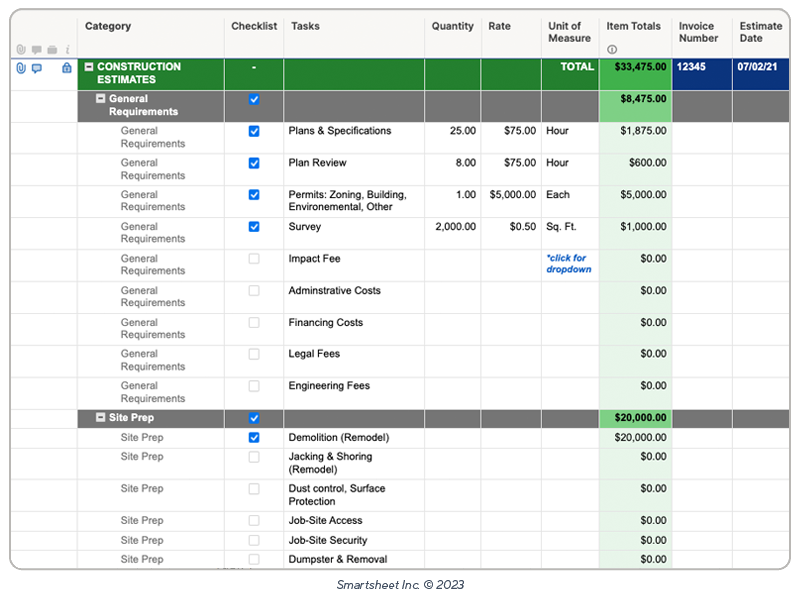
Smartsheet is built for those who prefer spreadsheets but need more power. It transforms traditional rows and columns into dynamic construction schedules, combining Excel’s familiarity with automation and Gantt views.
Project managers gain full visibility into risks, dependencies, and resource allocation, enabling smarter decision-making. Plus, its customizable templates and automation tools eliminate repetitive tasks like data entry and status updates, reducing errors and freeing up time for high-value work.
Here’s what one user had to say about Smartsheet:
I used Smartsheet for a while but found it a bit overwhelming. Ended up trying ClickUp and it’s been so much better. It’s got a lot of the same features but is way more user-friendly, and it grows with my team.
🔍 Did You Know? The Empire State Building was finished ahead of schedule and under budget in just 13.5 months, thanks to efficient planning, resource allocation, and around-the-clock work shifts. Modern skyscrapers still struggle to match that speed.
eSUB is a cloud-based construction management tool built for subcontractors managing multiple job sites. Designed for specialty trades like HVAC and masonry, it streamlines daily logs, plan uploads, and field-to-office communication.
With real-time updates and seamless integrations with accounting and estimating software, eSUB ensures teams always have the latest project data. This reduces errors, enhances efficiency, and lets subcontractors focus on building—not just paperwork.
A quick snippet from a real user:
The advantages of eSUB are that you can have more control over the working hours of each employee and you can have a better record or better control over the time spent on each project. What is not good about eSUB is that if you have different devices and make changes to a project on a different device, the changes you make do not appear, and many times the reports are duplicated, which makes you lose a lot of time because it manipulates the work hours in each project.
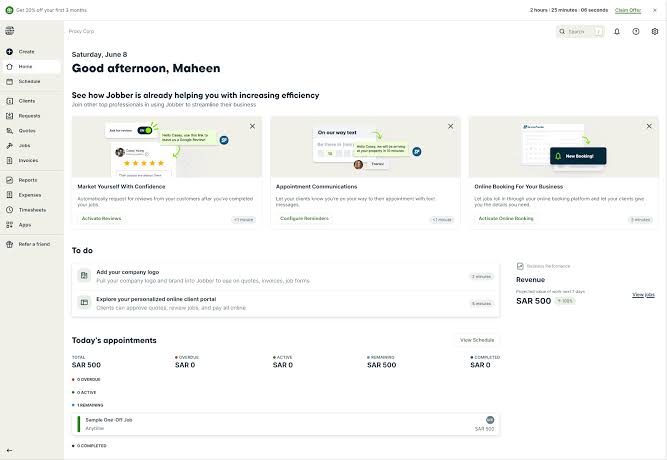
Jobber is built for solo contractors and small crews constantly on the move. Designed for service professionals like landscapers and repair specialists, it streamlines scheduling with a mobile-first approach.
Easily assign jobs from anywhere, keeping your team in sync without extra steps. Clients can check timelines through a simple portal, reducing back-and-forth calls. For those juggling multiple sites, Jobber turns a phone into a powerful scheduling hub.
Here’s what one user had to say about Jobber:
As a newer company, I was able to streamline operations and optimize my procedures quickly and easily with Jobber as the backbone of my information systems. Between integrations, quoting, invoicing and so on being so easy to use in the field and at the office, I was able to focus on other aspects to grow my business. Unfortunately, it isn’t optimized for HVAC companies that use maintenance agreements (service contracts) without some form of work around that complicated things.
📖 Also Read: How to Implement a 2-2-3 Work Schedule
Contractor Foreman is a budget-friendly choice for small to mid-sized crews looking to stay organized without overspending. It streamlines scheduling, task tracking, and resource management while keeping costs in check.
With a simple, intuitive design, teams can jump in without a steep learning curve. Used in 75+ countries, it’s a practical solution for contractors who need efficiency without the extra complexity. For crews focused on productivity and budget, Contractor Foreman keeps projects on track with ease.
Straight from a Reddit review:
I use it each day and like it a lot and you are right, the price is a lot less than what other companies charge. It also has features like submittals that we could not get unless we went with someone like Procore but that was going to be over 10k/year compared to 1000.
🤝 Friendly Reminder: Overloaded workers lead to mistakes, and underutilized teams waste money. Use resource-leveling features in your rostering software to distribute work evenly—so no crew is overbooked while another is idle. Adjust task timing to optimize efficiency without sacrificing quality.
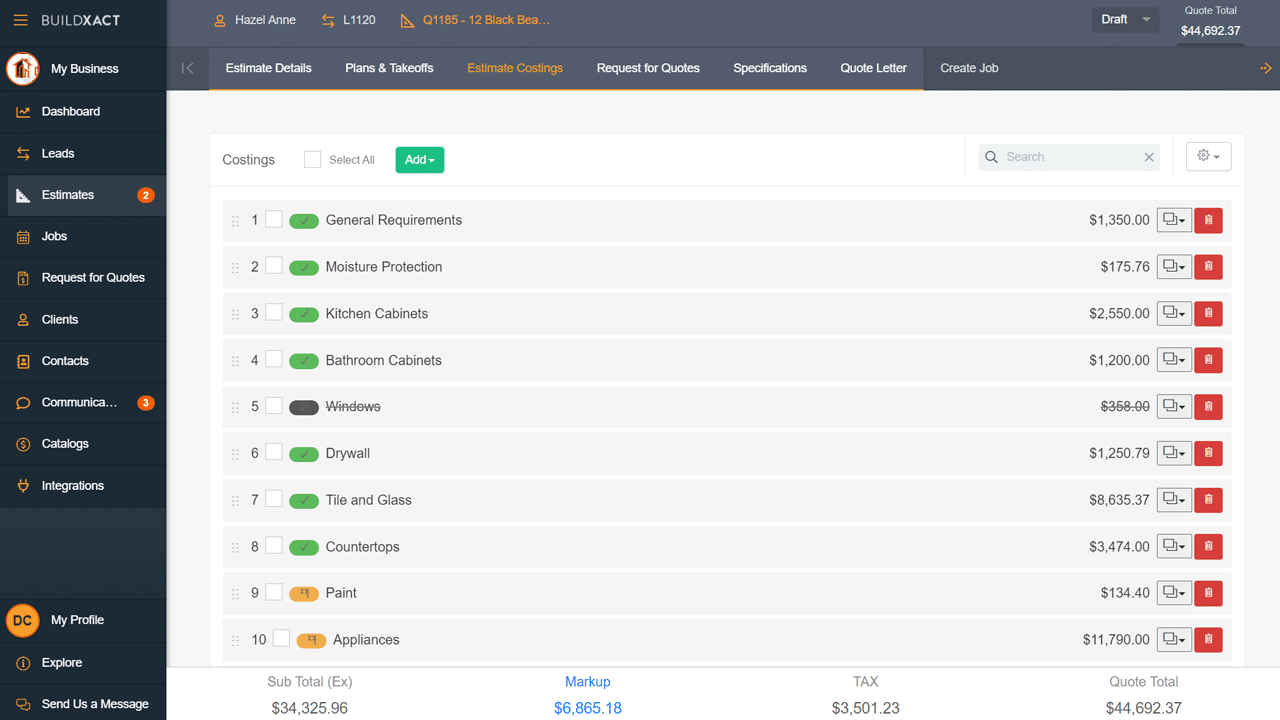
Turning estimates into schedules is often a major challenge in residential construction, and Buildxact streamlines this process. It converts takeoffs and estimates into clear, actionable timelines, helping small builders stay on track without unnecessary complexity.
The intuitive calendar view keeps field teams focused on daily priorities, while Gantt charts give managers a broader view of project progress. What sets the construction project scheduling tool apart is its ability to link material quantities with scheduled tasks, ensuring resources are available exactly when needed.
A quick snippet from a real user:
What I like best about Buildxact is how it simplifies the entire workflow for our construction projects. I like how user-friendly it is. Even if you’re not super tech-savvy, you’ll find it pretty easy to navigate. It’s nice to use it for estimating, and once a job is in progress, it is simple to manage purchase orders, variations and outgoing invoices. […] I think one thing that could be improved is the real-time syncing. […] If one person saves their work, it doesn’t automatically update for the other person and they have to refresh their page before making any edits, or they risk losing their changes.
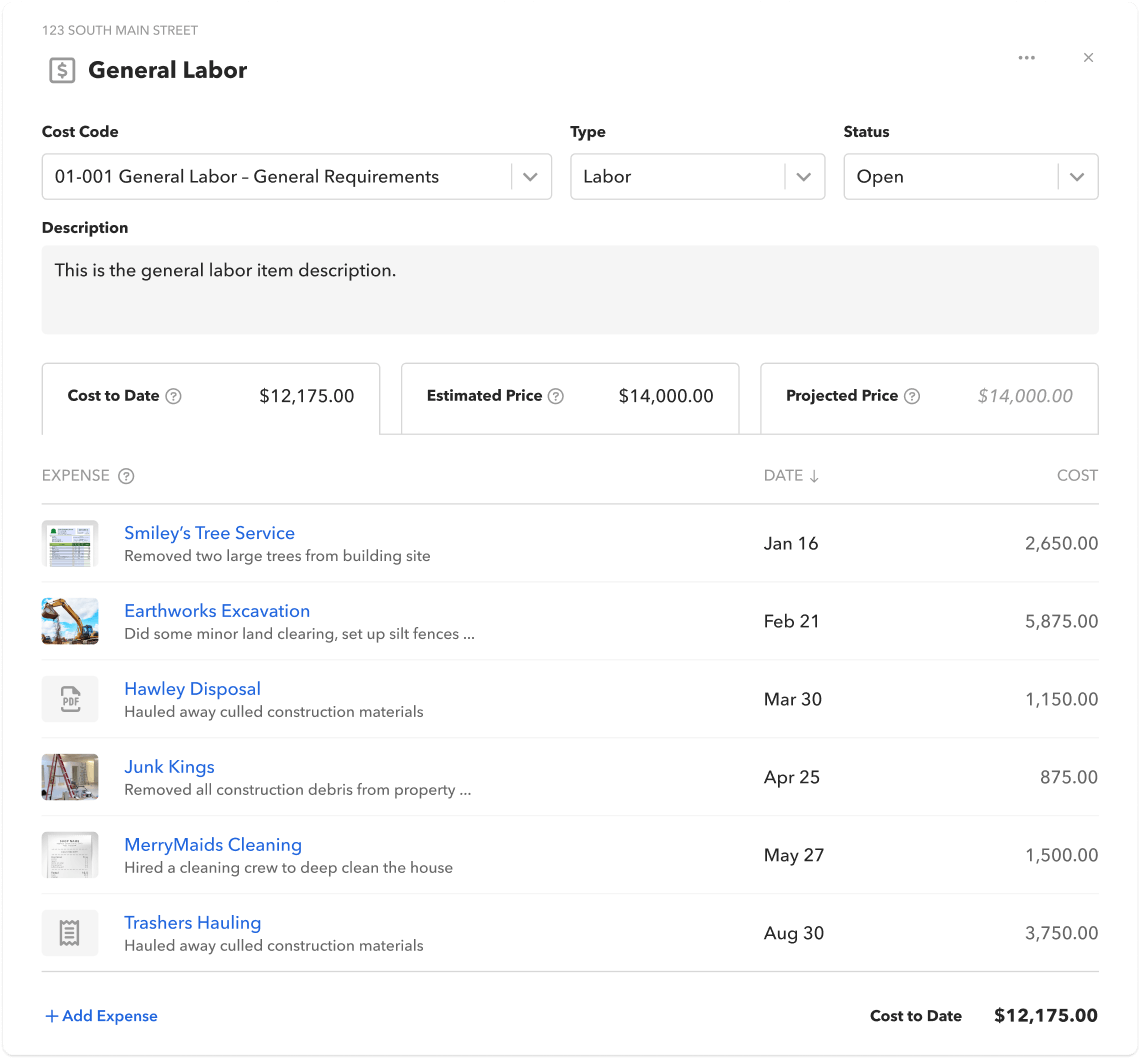
BuildBook is for builders who prioritize clear communication with clients. It keeps homeowners informed with an easy-to-follow schedule, reducing miscommunication and uncertainty. With a simple, streamlined interface, you can set tasks, share updates, and organize everything in a dedicated client portal.
Some of its key features include Gantt chart scheduling for seamless timeline management, client selection tracking, and budget tracking for real-time financial oversight.
Here’s what one user had to say about BuildBook:
The market distinctive for my business is this software and my design process. This program achieves my goal of promoting high-level visibility between me and the client while allowing me to have a project management system that is efficient and clean. […] The product feels like it’s been built so heavily around the customer experience that it’s weak on the project execution features.
💡 Pro Tip: Not all tasks need to follow each other immediately. Apply ‘lag’ time to delay dependent tasks when necessary, like allowing concrete to cure before moving forward. Conversely, use ‘lead’ time to start overlapping tasks when safe, like ordering materials while site prep is still ongoing.
Construction projects don’t slow down for scheduling mistakes. If the crew isn’t where they need to be or a task gets pushed back without notice, the entire timeline takes a hit.
ClickUp simplifies scheduling with AI-powered automation, real-time updates, and built-in time tracking.
Work schedules, shift planning, and task assignments stay in one place, so teams always know what’s next.
So, why wait? Sign up for ClickUp today! ✅

Manasi Nair
Max 24min read

Arya Dinesh
Max 22min read
Manasi Nair
Max 24min read

© 2026 ClickUp