


When IT leaders are asked about the biggest technical skill gap within their organization—many single out DevOps. And for good reason.
Moving from familiar legacy systems to modern architectures is often a big switch for many organizations. Sure, you get a lot more power and flexibility, but with that comes a ton of complexity that’s hard to navigate without the right tools.
DevOps automation tools are the lifelines that help teams reduce manual tasks, streamline CI/CD and DevOps pipelines, and keep things running smoothly.
We’ve compiled a list of the top 20 DevOps automation tools that can help you drive productivity and streamline workflows.
Top 20 DevOps Automation Tools to Streamline Your Workflow
- What Should You Look for in DevOps Automation Tools?
- The 20 Best DevOps Automation Tools
- 1. ClickUp (Best for automating task and sprint management in DevOps)
- 2. Jenkins (Best for continuous integration and delivery in DevOps)
- 3. GitLab CI/CD (Best for integrated DevSecOps in DevOps)
- 4. CircleCI (Best for customizable CI/CD with reusable configurations)
- 5. Travis CI (Best for simplified CI/CD with strong GitHub integration)
- 6. Terraform (Best for multi-cloud infrastructure automation)
- 7. Ansible (Best for agentless automation across diverse environments)
- 8. Puppet (Best for configuration management and automation at scale)
- 9. Chef (Best for comprehensive configuration management with cloud integration)
- 10. Docker (Best for containerized development with cross-platform compatibility)
- 11. Kubernetes (Best for container orchestration and scalability)
- 12. Prometheus (Best for time-series monitoring and alerting)
- 13. Grafana (Best for advanced data visualization and monitoring)
- 14. Splunk (Best for centralized data analysis and real-time monitoring)
- 15. New Relic (Best for comprehensive performance monitoring and real-time insights)
- 16. Azure DevOps (Best for versatile project management and seamless CI/CD integration)
- 17. AWS CodePipeline (Best for CI/CD within the AWS ecosystem)
- 18. GitHub Actions (Best for CI/CD with GitHub Integration)
- 19. Spacelift (Best for multi-tool infrastructure automation)
- 20. Octopus Deploy (Best for complex multi-environment deployments)

 Summarize this article for me please
What Should You Look for in DevOps Automation Tools?
When picking a DevOps automation tool, there are a few key things to remember—you don’t want to skip these!
- Compatibility with your infrastructure: The tool has to play nicely with your existing setup. It’s no good finding a tool that’s perfect on paper but is complicated to integrate with what you already have
- Features and functionality: Make sure the tool does what your team needs it to. Check out the features list—does it tick all the boxes?
- Ease of use: No one wants to deal with a tool that requires a large manual. Go for something user-friendly that won’t have your team spending a lot of time learning
- Integration with other tools: You likely have a bunch of other tools already in your workflow. Make sure this one gets along with them so you don’t end up doing extra work to make things fit
- Cost: Finally, don’t blow your budget! A tool might be the shiniest one out there, but if it costs a fortune, it might not be worth it. Find something that suits your needs without breaking the bank
Summarize this article for me pleaseThe 20 Best DevOps Automation Tools
From managing CI/CD pipelines to handling configurations and deployments, these 20 DevOps automation tools are here to make your life easier and your workflows smoother. Let’s dive in!
1. ClickUp (Best for automating task and sprint management in DevOps)
ClickUp, an all-in-one hub that supports Agile frameworks by automating task and sprint management, simplifies your development lifecycle. From Kanban to Scrum, it adapts to your workflow, helping your software team deliver faster and smarter.
Whether it’s task creation, status updates, or sending notifications, ClickUp Automations can handle it all based on the rules and triggers that you set up. This means you can automatically move tasks through different stages of your Agile workflow.

You can also set automation to change task statuses, assign tasks to team members, or update due dates automatically.
Also, with ClickUp, you can connect and automate every stage of your DevOps and CI/CD pipeline. It integrates natively with over 200 tools, including GitHub, Figma, Sentry, Slack, and more, streamlining your workflows effortlessly.
These integrations allow you to centralize all your tasks, communications, and updates in one place.

With ClickUp Dashboards and its time-tracking features, you also get a bird’s-eye view of your team’s progress. You can track deadlines, manage tasks, and monitor real-time updates to keep everyone aligned and focused.
ClickUp best features
- Automating task management: ClickUp’s customizable automation can trigger task creation, update statuses, and send notifications based on specific rules, so you can keep projects moving with minimal manual effort
- Integrating seamlessly: Connect with other DevOps tools like Google Drive, Salesforce, and open-source solutions to centralize all your tasks, communications, and updates in one place
- Offering versatile views: Choose from Map, Table, Timeline, and more to visualize your projects in the way that best suits your team’s workflow
- Facilitating collaboration: Use tools like tagging, comments, Kanban boards, and Whiteboards to keep communication open and tasks organized for smooth team interactions
- Visualizing project structure: Use ClickUp Mind Maps to break down complex projects and organize tasks intuitively
ClickUp limitations
- Slight learning curve: ClickUp has a bit of a learning curve for new users due to its extensive features
ClickUp pricing
- Free Forever
- Unlimited: $7/month per user
- Business: $12/month per user
- Enterprise: Contact for pricing
- ClickUp Brain: Add to any paid plan for $7 per member per month
ClickUp ratings and reviews
- G2: 4.7/5 (9,000+ reviews)
- Capterra: 4.6/5 (4,000+ reviews)
2. Jenkins (Best for continuous integration and delivery in DevOps)
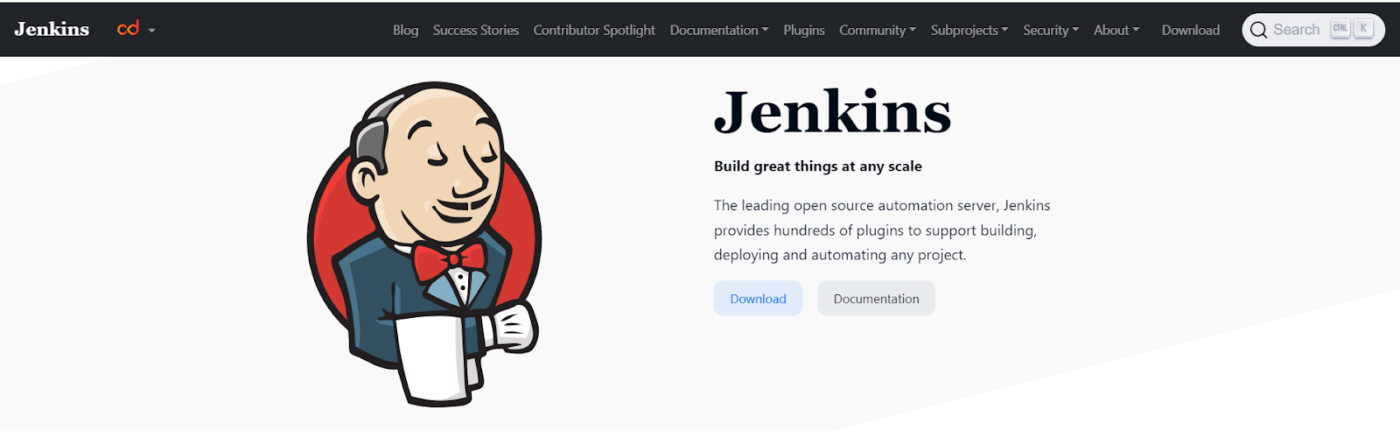
Jenkins helps developers catch code errors early on and deploy faster by automating various stages of the software development lifecycle.
Another of Jenkins’ biggest strengths is its versatility. It works across all environments—on-premise, cloud, and hybrid—giving developers the freedom to build, test, and deploy cloud-native applications if needed.
Jenkins best features
- Being open source and free: Jenkins is freely available, and its open-source nature has fostered a strong community that regularly contributes improvements and new features
- Offering a wide range of plugins: Jenkins offers an extensive plugin library, allowing developers to customize the tool to meet specific project needs and extend its functionality
- Integrating with major tools: Jenkins works seamlessly with popular tools like Git, Docker, and Kubernetes, making it adaptable to a wide variety of tech stacks
- Providing flexibility: Jenkins can be used across projects of any size and complexity, with support for multiple server integrations for continuous delivery across global teams
- Featuring an API suite: Jenkins’ APIs allow targeted data retrieval, helping with smooth server communications and enabling custom integrations
Jenkins limitations
- Unpredictable costs: Although Jenkins itself is free, the costs associated with hosting can vary greatly based on server load
- Lacking collaboration features: Jenkins doesn’t offer built-in ways for team members to easily view each other’s commits, which can complicate project tracking for larger teams
- Limited analytics: Jenkins doesn’t provide in-depth analytics on deployment cycles, limiting insights into the complete development process
Jenkins pricing
- Free
Jenkins ratings and reviews
- G2: 4.4/5 (500+ reviews)
- Capterra: 4.5/5 (550+ reviews)
3. GitLab CI/CD (Best for integrated DevSecOps in DevOps)
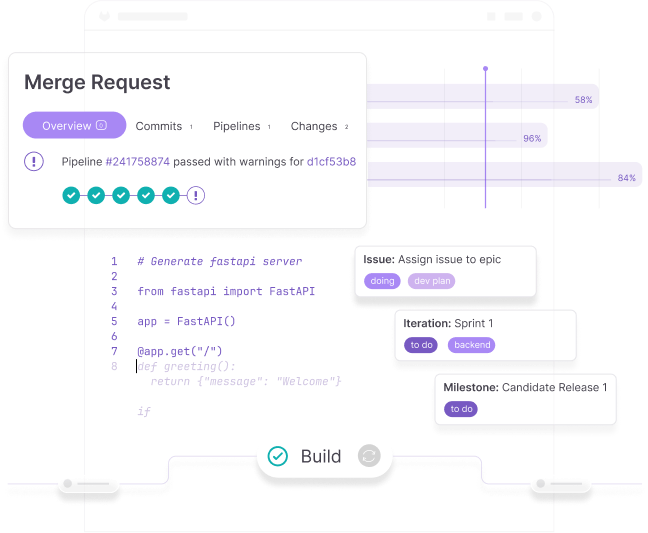
GitLab’s CI/CD capabilities make it a great choice for catching bugs early on, ensuring that your code meets all the standards needed for production. It’s fantastic for simplifying the DevSecOps process.
GitLab CI/CD best features
- Simplifying DevSecOps: GitLab CI/CD consolidates development, security, and operations tools into one platform, making it easier for teams to manage code and DevOps workflows
- Offering built-in security scans: These scans provide a comprehensive security solution, ensuring vulnerabilities are caught early in the development process
- Supporting issue tracking with markdown: This feature makes tracking issues more engaging, plus the markdown support adds a nice touch for formatting
- Allowing cloud-agnostic deployments: GitLab is flexible and can be deployed on any cloud provider
GitLab CI/CD limitations
- Challenging integration on some systems: Integrating GitLab from the command line on Windows or Mac can be a bit tricky for new users
- Complex upgrades and migrations: Moving to a new server or upgrading GitLab can be difficult, and sometimes if one function fails, others may be affected, too
- Lack of certain features in community editions: Some advanced features are only available in paid versions. This can limit options for smaller teams
GitLab CI/CD pricing
- Free
- Premium: $29 per user/month
- Ultimate: Custom pricing
GitLab CI/CD ratings and reviews
- G2: 4.5/5 (800+ reviews)
- Capterra: 4.6/5 (1,100+ reviews)
4. CircleCI (Best for customizable CI/CD with reusable configurations)
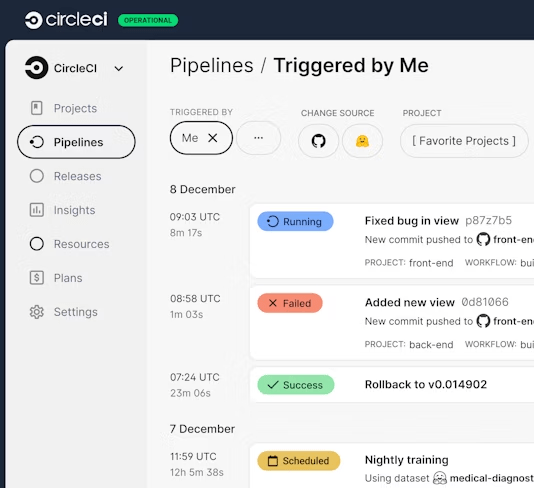
CircleCI is a leading CI/CD platform known for its flexibility and powerful features, such as its Insights Dashboard, clean environments, and reusable configurations called Orbs.
CircleCI supports multiple infrastructures, from Linux to macOS and even ARM, making it a versatile option for most DevOps teams.
CircleCI best features
- Offering the Insights Dashboard: This feature provides a comprehensive view of all CI/CD pipelines, allowing you to track status, monitor duration, and optimize resource consumption
- Running clean environments: CircleCI lets you run clean images and provision them with ease, reducing the risk of conflicts between builds
- Defining reusable configurations with Orbs: Orbs allow you to reuse configurations for jobs, executors, and commands, making setup faster and easier
- Supporting multiple environments: CircleCI works with Linux, macOS, Windows, ARM, and more, offering flexibility across different infrastructures
- Providing workflow orchestration: Workflows let you define and manage job executions, giving you control over how and when tasks are executed
CircleCI limitations
- Navigating a steep learning curve: Setting up environments and getting familiar with concepts like caching and jobs can take some time, especially for beginners
- Managing two versions of the software: CircleCI’s Cloud and Server versions, can be confusing, as each offers different capabilities and management requirements
- Facing occasional reliability issues with Docker: Some users report occasional hiccups with Docker service discovery, which can complicate builds that rely on Docker Compose
CircleCI pricing
- Free
- Performance: Starting at $15/month
- Scale: Starting at $2,000/month
CircleCI ratings and reviews
- G2: 4.4/5 (500+ reviews)
- Capterra: 4.5/5 (90+ reviews)
5. Travis CI (Best for simplified CI/CD with strong GitHub integration)
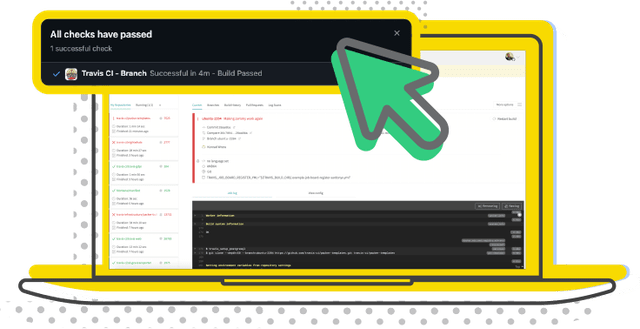
Travis CI’s ease of use and smooth GitHub integration make it a great tool for teams new to DevOps.
This CI/CD tool offers a Build Matrix feature, which allows users to run tests in parallel across multiple environments—a big time saver for teams. Like CircleCI, Travis CI also supports a range of environments, including Linux, macOS, and Windows.
Travis CI best features
- Supporting parallel builds with Build Matrix: Travis CI enables you to split tests across multiple environments, running tasks in parallel for faster results
- Providing easy GitHub integration: Designed with GitHub in mind, Travis CI makes it simple to link your repositories and trigger builds with GitHub pull requests
- Offering both cloud and self-hosted options: Travis CI supports SaaS and on-premise deployments, so teams can choose the setup that works best for them
- Ensuring isolated builds with container support: Each build runs in a virtual machine, supporting specific languages and tools, including Ruby, JavaScript, and Ubuntu
Travis CI limitations
- Occasional reliability issues: Some users report service disruptions, which can impact productivity, especially for teams with tight deadlines
- Confusing email notification settings: The process for managing notifications isn’t always straightforward, leading to unwanted emails about build statuses
- Limited analytics features: While Travis CI offers some status overviews, it lacks in-depth analytics, which may be a drawback for teams that require detailed reporting
Travis CI pricing
- Usage-Based: $13.75/month – Includes 420,000 Linux build credits per year with 80 concurrent jobs
- Unlimited Plan: Starting at $66/month – Offers unlimited build credits, up to 300 concurrent jobs, and premium VMs
- Server: $34/month – For on-premise or private cloud deployments, with premium support options available
Travis CI ratings and reviews
- G2: 4.5/5 (90+ reviews)
- Capterra: 4.1/5 (130+ reviews)
6. Terraform (Best for multi-cloud infrastructure automation)
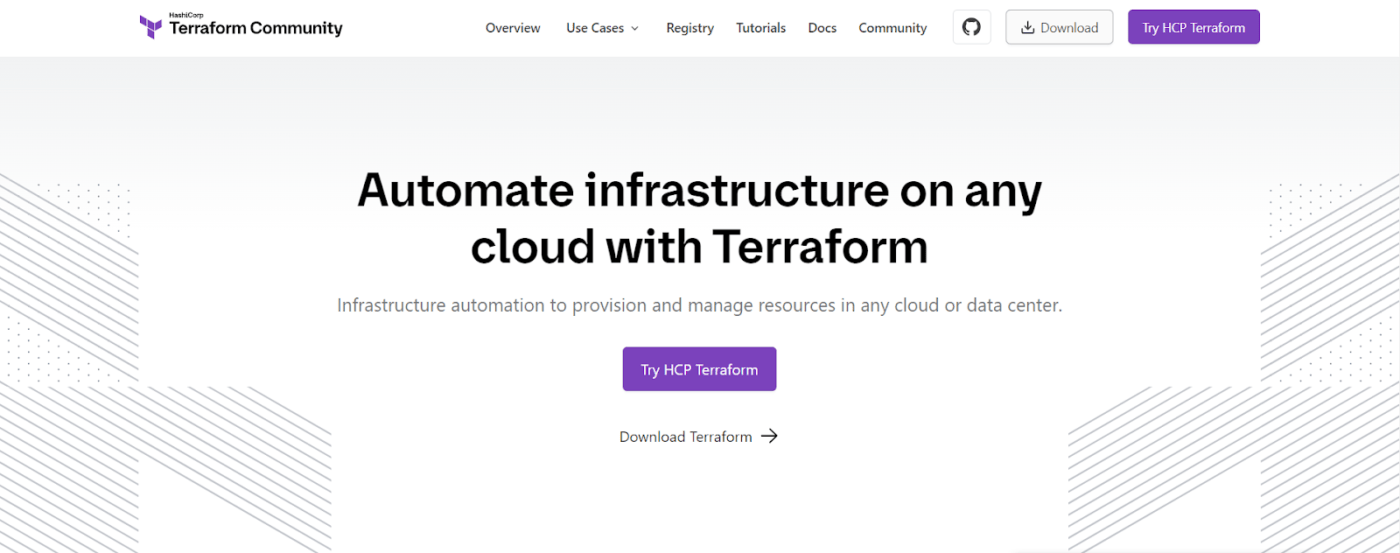
Terraform helps in automating infrastructure across any cloud or data center.
This tool helps you define and provision infrastructure through configuration files, simplifying complex setups and ensuring consistency across deployments by enabling infrastructure as code (IaC).
Terraform best features
- Supporting multi-cloud infrastructure: Terraform enables unified workflows for managing resources across multiple cloud providers, simplifying orchestration for complex setups
- Delivering infrastructure as code: With HCL, you can codify cloud APIs into declarative files, allowing for automation and reproducibility across your infrastructure
- Scaling with self-service IaC: Teams can collaborate and manage infrastructure on their own with role-based access controls and integrations with VCS, ITSM, and CI/CD systems
- Offering policy enforcement: Terraform includes Sentinel policy as code, which helps enforce security, compliance, and cost management before provisioning resources
Terraform limitations
- Challenging learning curve: For those new to IaC, understanding Terraform’s configurations and dependencies can take time, especially when working with complex infrastructures
- Dependency on third-party plugins: Using partner plugins introduces reliance on external companies, which may cause delays or compatibility issues when services update
- Complex state management: Terraform’s state file is crucial for tracking resources but can lead to challenges if it becomes out of sync with the actual infrastructure, potentially causing resource mismatches
Terraform pricing
- Free
- Standard: Starting at $0.00014 per hour per resource
- Plus: Custom pricing
- Enterprise: Custom pricing
Terraform ratings and reviews
- G2: 4.7/5 (90+ reviews)
- Capterra: 4.8/5 (40+ reviews)
7. Ansible (Best for agentless automation across diverse environments)
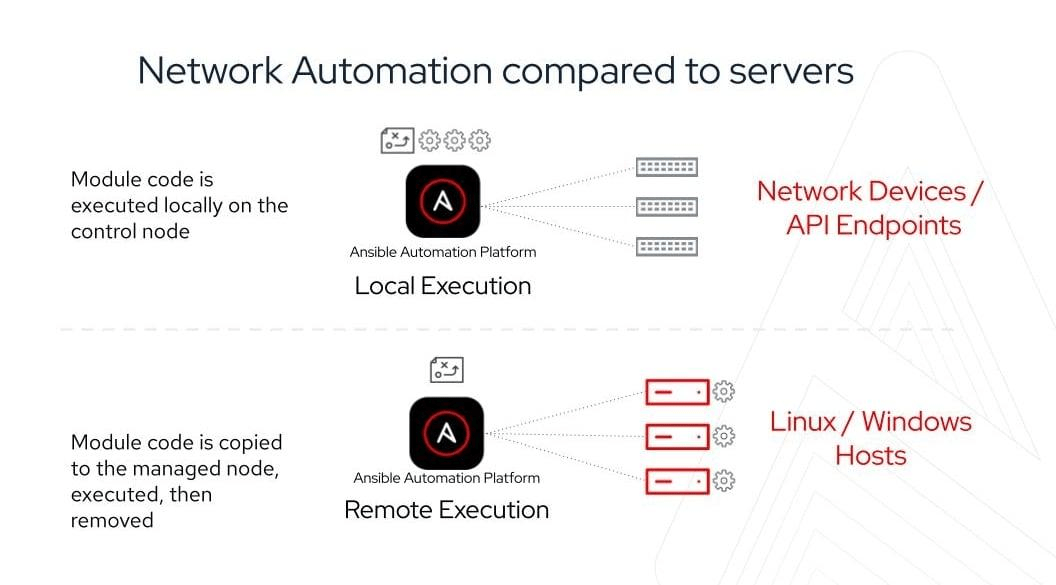
Ansible has carved out a space in automation thanks to its simple, agentless approach. Setting up is a breeze, and there is no need for extra software on managed nodes.
Moreover, Ansible helps manage complex, multi-tier environments, from cloud services to on-premises and containers.
Ansible best features
- Providing agentless architecture: Ansible manages systems without the need for agents, simplifying setup and reducing overhead, especially in secure environments
- Supporting a wide range of environments: Ansible works across Linux, Windows, network devices, cloud services, and containers, making it highly versatile for diverse IT ecosystems
- Offering a declarative approach: With playbooks that describe the desired state, Ansible simplifies configuration management and ensures consistency across deployments
- Ensuring idempotency: Ansible’s idempotent nature allows you to apply playbooks repeatedly without unintended side effects, maintaining consistent configurations
Ansible limitations
- Scalability challenges: While Ansible can scale, managing very large infrastructures with thousands of nodes can be challenging due to its reliance on SSH connections
- Lacking state tracking: Ansible doesn’t inherently track the state of managed systems, which can be a disadvantage in scenarios requiring detailed state management
- Limited parallelism: Ansible allows parallel task execution, but it may not fully utilize available resources in very large environments, impacting performance
Ansible pricing
- Custom pricing
Ansible ratings and reviews
- G2: 4.6/5 (280+ reviews)
Also Read: How to Use AI in DevOps
8. Puppet (Best for configuration management and automation at scale)
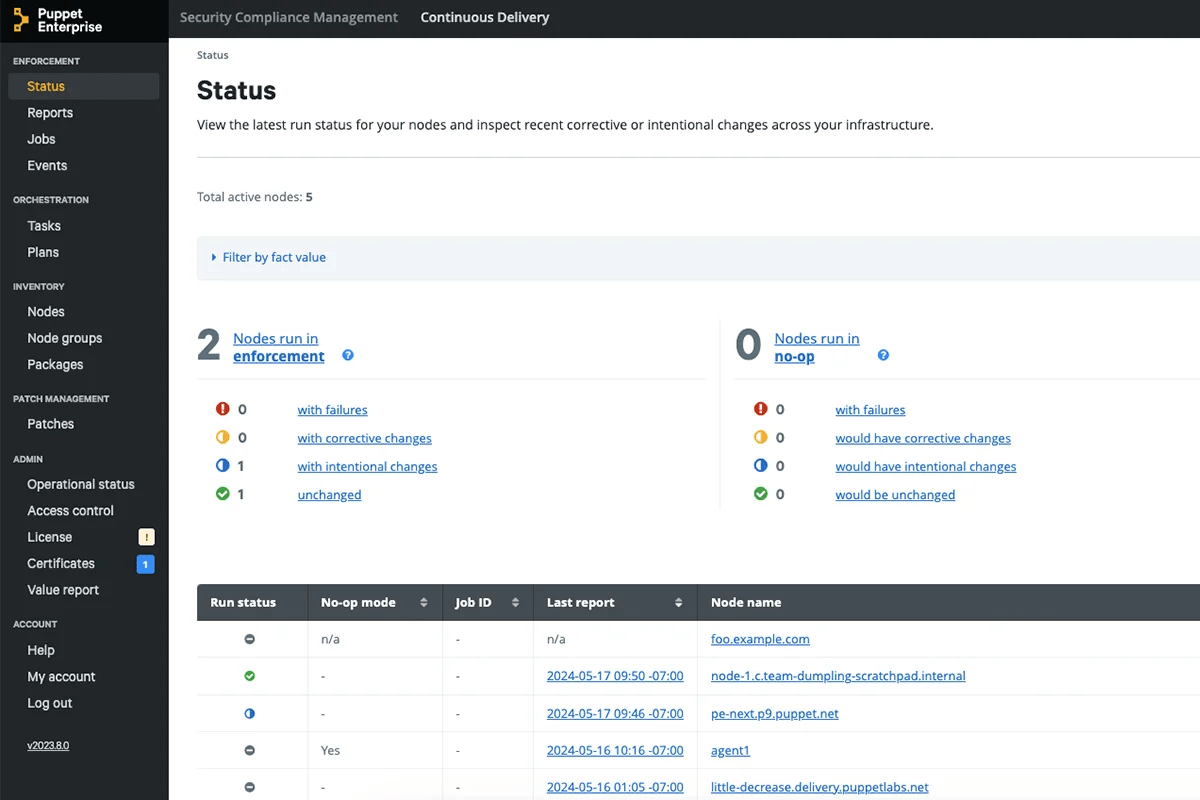
Puppet lets you manage configurations across diverse systems using code. This platform allows you to automate repetitive tasks, enforce compliance, and ensure consistency across multiple servers.
Puppet is especially useful for IT teams for configuration management, especially in environments with complex infrastructure. Overall, Puppet’s biggest selling point is its community-supported open-source version, which is ideal for those who want to get started without upfront costs.
Puppet best features
- Enabling agent-based automation: Puppet’s agent-based architecture ensures that configurations are consistently applied across multiple servers, enhancing reliability
- Supporting multi-platform environments: Puppet works across Unix, Linux, and Windows, making it adaptable for diverse IT setups
- Offering reusable modules and version control: With Puppet’s modular architecture, you can reuse configurations and manage code changes with Git, boosting efficiency and transparency
Puppet limitations
- Complex for beginners: Puppet’s Ruby-based architecture can be challenging for those new to programming or without Ruby experience
- Limited real-time capabilities: Its pull-based model can lead to delays in applying configuration changes, making it less suited for real-time updates
- Agent overhead on resources: Puppet agents consume system resources, which can impact performance, especially in large-scale environments
Puppet pricing
- Open Source: Free
- Puppet Enterprise: Custom pricing
- Puppet Enterprise Advanced: Custom pricing
Puppet ratings and reviews
- G2: 4.2/5 (40+ reviews)
- Capterra: 4.4/5 (20+ reviews)
9. Chef (Best for comprehensive configuration management with cloud integration)
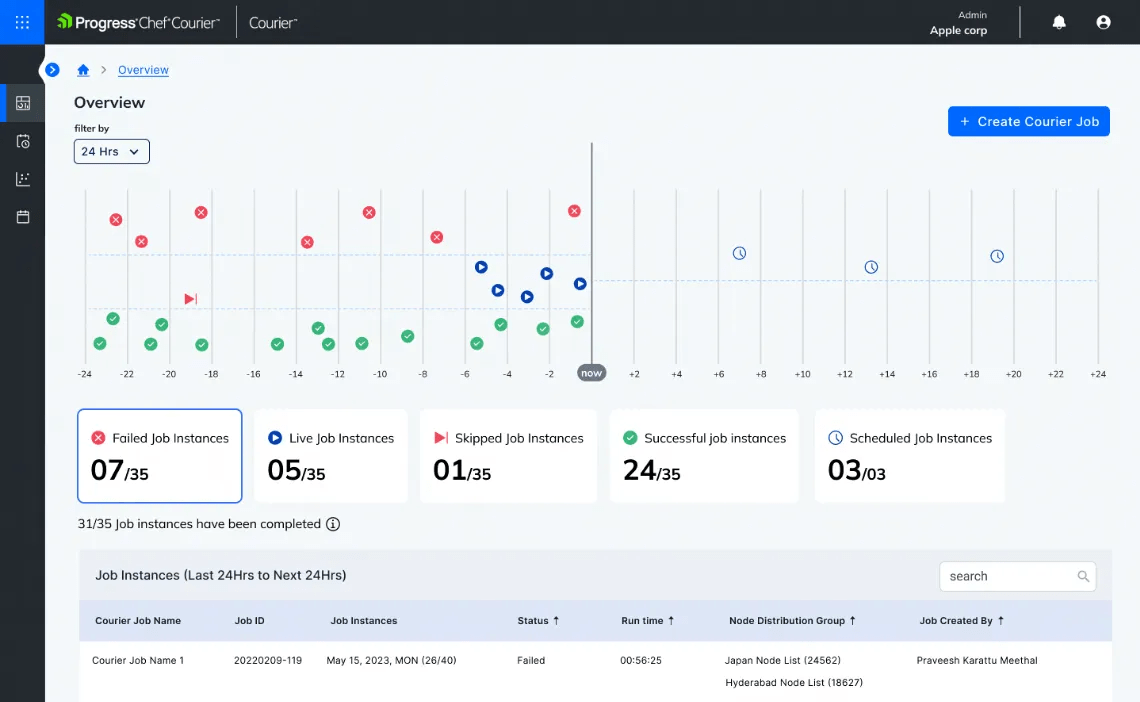
Chef.io is a DevOps tool that can help you configure, deploy, and manage your application infrastructure. It supports a range of platforms, including Windows, Solaris, and OpenStack.
Chef is integrated with major cloud providers like AWS, Google Cloud, and Azure. It also offers an open-source version for users to try out.
Chef’s flexibility makes it ideal for multi-cloud environments, and its extensive library of reusable cookbooks (which contain instructions that specify which built-in resources are to be used and in what order) makes automation a breeze.
Chef best features
- Providing reusable cookbooks: Chef offers access to over 800 pre-built cookbooks, allowing you to automate common tasks and accelerate deployments
- Supporting multi-cloud environments: Chef integrates with all major cloud providers, making it easy to manage and migrate configurations across different platforms
- Enabling role-based access control (RBAC): Chef provides centralized control over user permissions, enhancing security and compliance in multi-tenant environments
Chef limitations
- Navigating a steep learning curve: Chef’s domain-specific language can be challenging to learn, especially for those new to configuration management
- Managing large clusters: Troubleshooting complex setups with numerous nodes can become messy, particularly when managing variable sources across clusters
- Facing tool complexity: Chef’s extensive toolkit can be confusing for users, who may find it difficult to navigate the array of features
Chef pricing
- Custom pricing
Chef ratings and reviews
- G2: 4.2/5 (100+ reviews)
- Capterra: 4.4/5 (30+ reviews)
10. Docker (Best for containerized development with cross-platform compatibility)
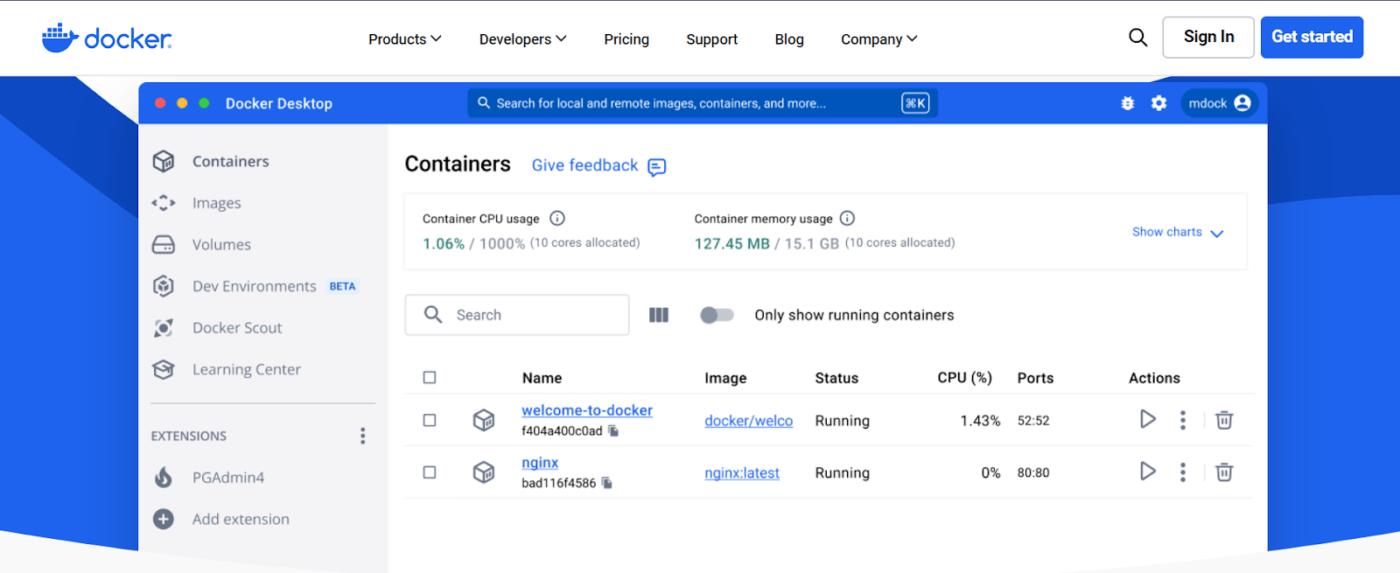
Docker is a platform that enables developers to build, share, and deploy containerized applications. This platform’s ability to create consistent environments helps teams avoid the “it does not work on my machine” problem, while its flexibility allows for scalable application deployment.
For those new to the tool, Docker simplifies setting up and managing environments through its ‘container’ concept. A Docker container is a compact, self-contained software package that includes all the essentials for running an application: the code, runtime, system tools, libraries, and configurations.
Docker best features
- Ensuring cross-platform consistency: Docker works across diverse environments, from Windows to Linux and macOS, providing a unified development experience
- Facilitating high-speed deployment: Docker containers enable fast, streamlined builds, which can be spun up in seconds without extensive configuration
- Providing flexibility and scalability: Docker supports vertical and horizontal scaling, allowing you to adjust container resources based on your project needs
Docker limitations
- Navigating a steep learning curve: Despite its user-friendly basics, mastering Docker can be challenging, especially with constant updates and evolving features
- Addressing security concerns: Docker’s shared OS model can pose security risks if not properly managed, as containers may be vulnerable to attacks on the host system
- Facing limited orchestration capabilities: Docker’s built-in orchestration tools aren’t as extensive as Kubernetes, which can complicate the management of multiple containers
Docker pricing
- Personal: Free
- Pro: $5/month
- Team: $9/month per user
- Business: $24/month per user
Docker ratings and reviews
- G2: 4.6/5 (230+ reviews)
- Capterra: 4.6/5 (520+ reviews)
11. Kubernetes (Best for container orchestration and scalability)
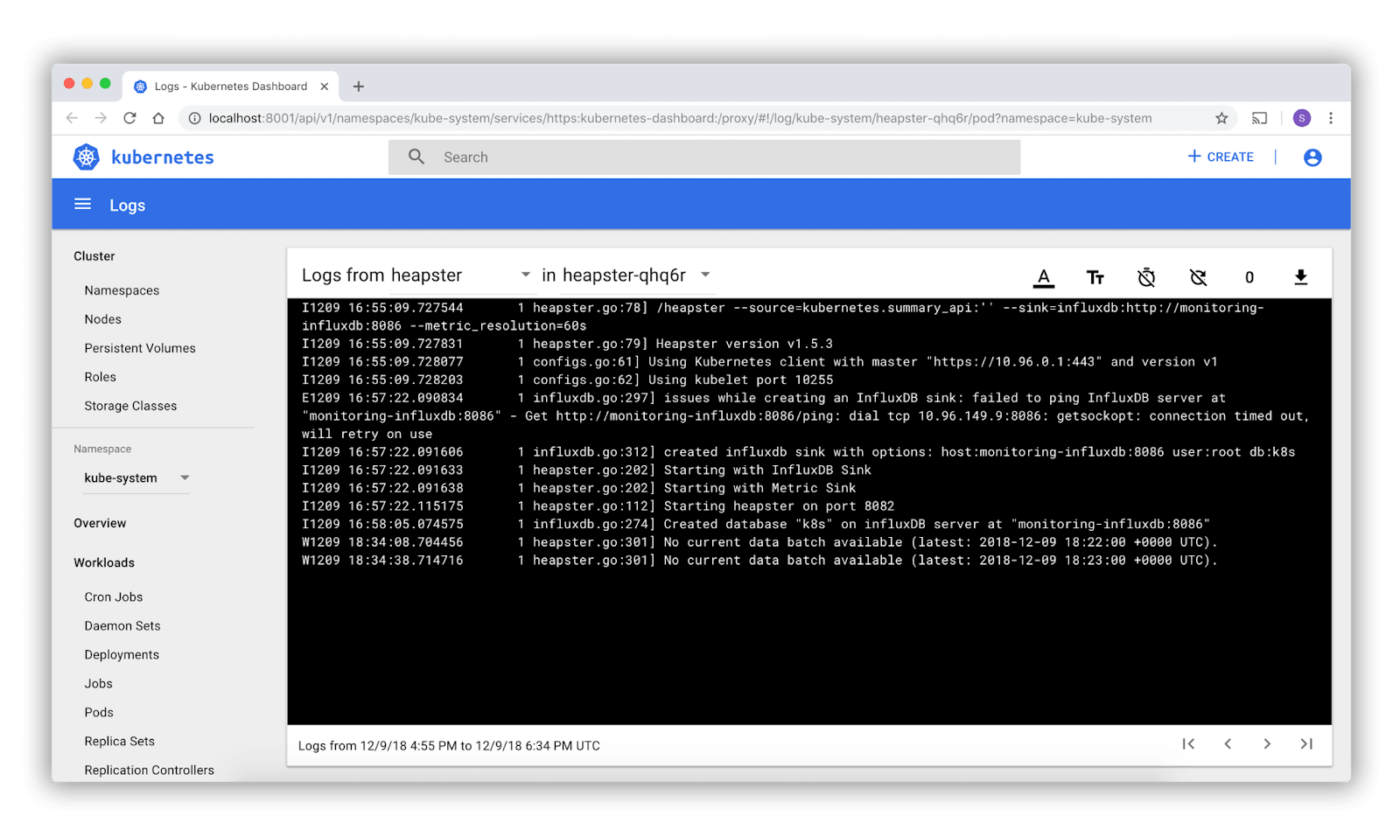
Initially developed by Google and now maintained by the Cloud Native Computing Foundation (CNCF), Kubernetes simplifies deployment and scaling. This makes it a popular tool for managing complex microservice architectures.
With self-healing, load balancing, and auto-scaling features, Kubernetes ensures applications remain resilient and scale as needed.
Kubernetes best features
- Enabling automated rollouts and rollbacks: Kubernetes allows you to update applications seamlessly while monitoring their health and rolling back changes if issues arise
- Providing service discovery and load balancing: Kubernetes assigns each Pod an IP address, enabling simple load balancing and service discovery without modifying your application
- Supporting multi-cloud deployments: Kubernetes works across cloud environments, making it adaptable for hybrid and multi-cloud architectures
Kubernetes limitations
- Facing a steep learning curve: Kubernetes can be complex to learn, requiring time and effort to understand its configuration and best practices
- Needing workflow adjustments: Integrating Kubernetes into existing environments may require changes to align with its container-centric approach
- Dealing with limited service coverage: While powerful, Kubernetes may not cover all infrastructure needs, requiring complementary tools for a complete solution
Kubernetes pricing
- Free
Kubernetes ratings and reviews
- G2: 4.6/5 (230+ reviews)
- Capterra: 4.6/5 (520+ reviews)
Also Read: 10 Best Generative AI Tools for DevOps Teams
12. Prometheus (Best for time-series monitoring and alerting)
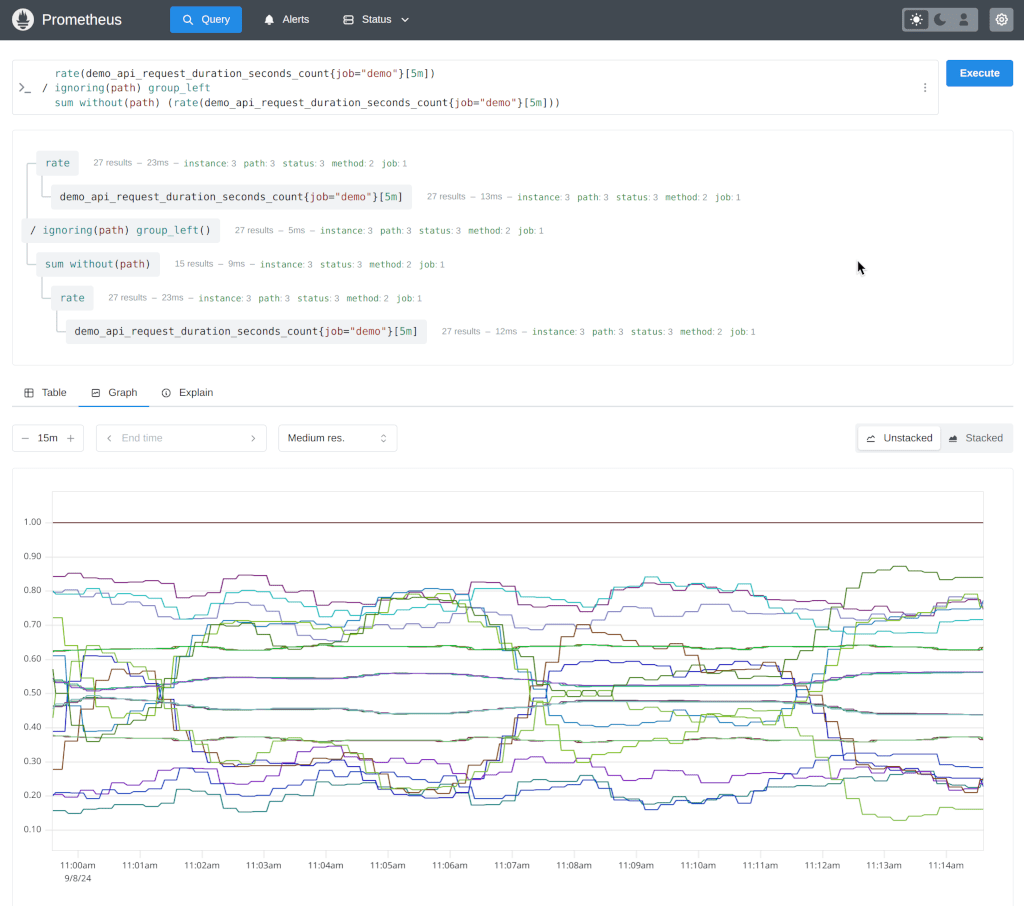
Prometheus has become popular for monitoring time-series data, particularly in environments with prevalent microservices and containerized applications. This tool offers powerful query capabilities and dimensional data modeling, allowing you to track metrics efficiently.
Prometheus also integrates seamlessly with Grafana, providing rich data visualization options and enabling real-time monitoring and alerting.
Prometheus best features
- Offering powerful queries with PromQL: Prometheus’ query language allows you to slice and dice time-series data, making it easy to generate alerts and visualize trends
- Providing efficient storage: Prometheus stores data locally in a highly efficient format, supporting functional sharding for scalability
- Integrating with many client libraries: With support for over ten languages, Prometheus makes it easy to instrument services and gather metrics from diverse environments
Prometheus limitations
- Limited as a long-term storage solution: Prometheus isn’t suited for storing data over long periods, so it’s often paired with other systems for historical analysis
- Not a complete dashboard solution: While it offers a basic expression browser, Prometheus is best used with Grafana for advanced data visualization
- Challenges with some third-party integrations: Not all systems have Prometheus plugins, so custom exporters may be needed to gather specific metrics
Prometheus pricing
- Custom pricing
Prometheus ratings and reviews
- G2: 4.4/5 (50+ reviews)
13. Grafana (Best for advanced data visualization and monitoring)
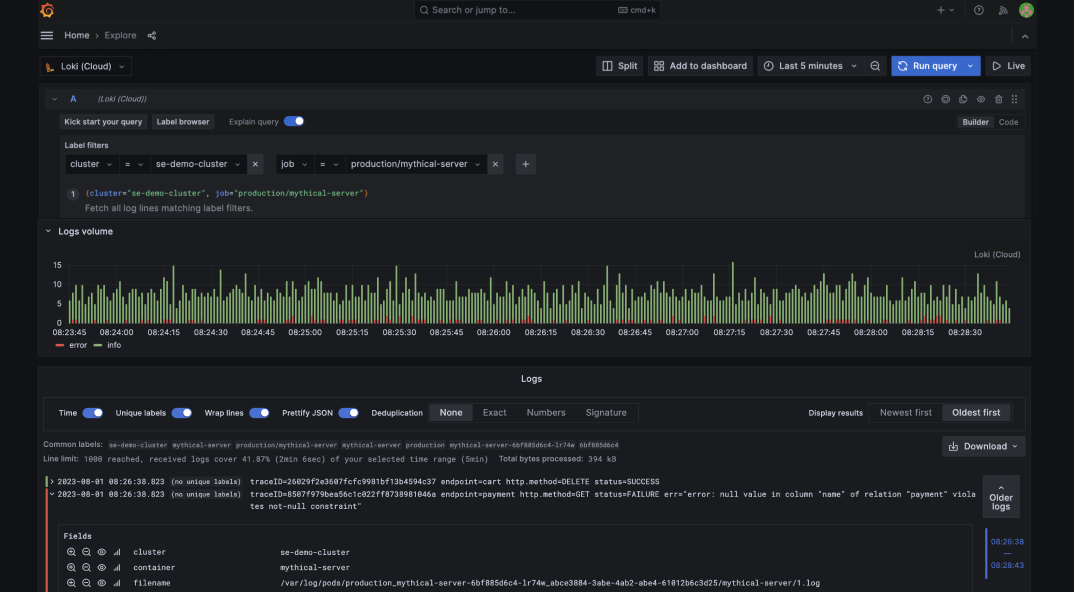
Known for its flexibility, Grafana enables you to create customizable dashboards that cater to various data presentation needs.
It provides cohesive views across systems by integrating with a wide range of data sources, including Prometheus, InfluxDB, and Elasticsearch.
Grafana best features
- Offering versatile data visualization: Grafana supports graphs, heat maps, and geospatial maps, providing comprehensive and visually appealing data representations
- Supporting multiple data sources: Grafana integrates with numerous data sources, allowing for a unified view without needing to ingest data into its backend
- Facilitating customizable dashboards: Dashboards can be tailored with template variables and dynamic elements, enhancing interactivity and utility for diverse monitoring needs
Grafana limitations
- Challenging for beginners: Grafana’s complexity requires time and skills to fully leverage its features, making it less accessible for those new to data visualization tools
- Dependency on external data sources: Grafana’s performance and reliability rely on the availability of integrated data sources, which can lead to issues if these sources experience downtimes
- Limited reporting capabilities: While Grafana excels at real-time visualization, it lacks built-in static reporting options like PDF exports, available only in premium versions
Grafana pricing
- Free
- Pro: $8/month
- Advanced and Enterprise: Custom pricing
Grafana ratings and reviews
- G2: 4.5/5 (120+ reviews)
- Capterra: 4.6/5 (60+ reviews)
14. Splunk (Best for centralized data analysis and real-time monitoring)
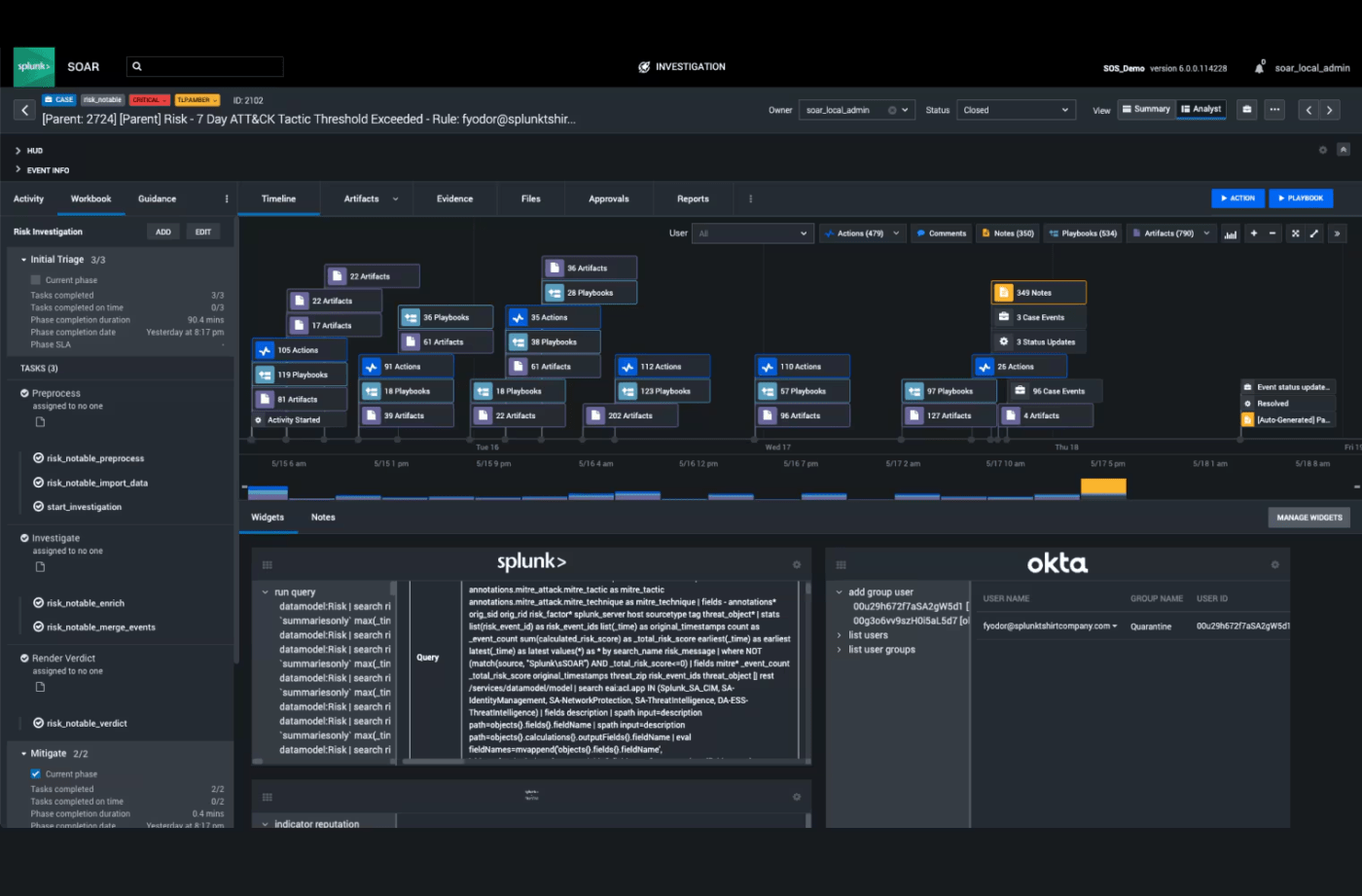
Splunk provides a centralized platform for organizations to collect, index, and analyze data from various sources, helping improve decision-making across your organization.
Its user-friendly interface makes it easy to create custom reports, visualize data, and monitor system performance in real time.
Splunk best features
- Facilitating powerful analytics: Splunk offers real-time data collection, indexing, and search, enabling you to gain valuable insights quickly and effectively
- Supporting robust integrations and plugins: Splunk connects seamlessly with numerous third-party tools, allowing you to customize the platform to meet your specific needs
- Providing scheduled reporting: With automated reporting, you can keep stakeholders informed with regular updates in formats like PDF, CSV, or JSON
Splunk limitations
- Costly for large data volumes: Splunk’s pricing can be steep for organizations handling significant data, making it less accessible for those with budget constraints
- Challenging for non-technical users: While powerful, Splunk’s search capabilities can be complex, and optimizing queries for speed may require experience
- Subject to occasional reliability issues: Some users report occasional performance issues, which can impact data accessibility during critical times
Splunk pricing
- Free
- Paid: Custom pricing
Splunk ratings and reviews
- G2: 4.4/5 (40+ reviews)
- Capterra: 4.6/5 (230+ reviews)
15. New Relic (Best for comprehensive performance monitoring and real-time insights)
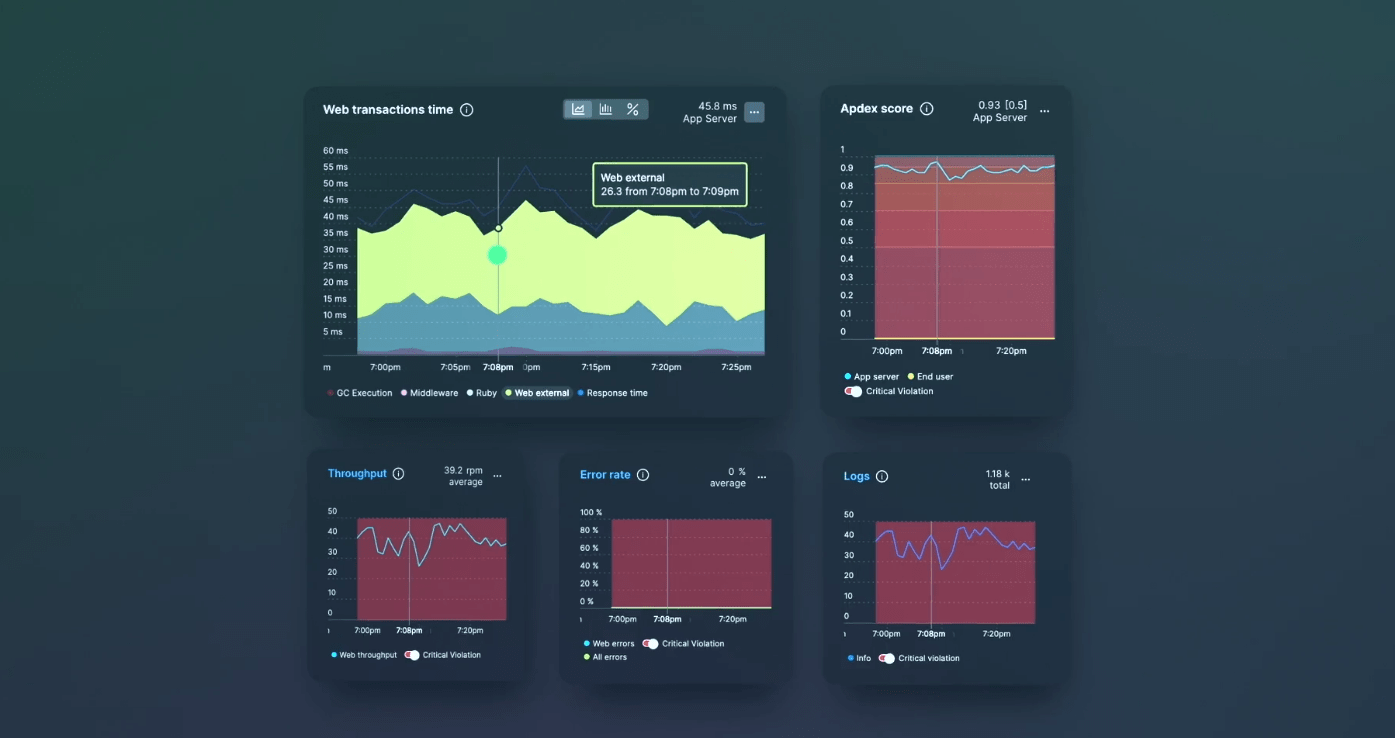
What I found most useful in New Relic was its end-to-end visibility. Monitoring and analyzing critical metrics can help organizations improve uptime and enhance customer experiences.
In addition, New Relic provides an extensive suite of performance monitoring tools, making it easy for teams to track application health, server performance, and user interactions in real time.
New Relic best features
- Providing an intuitive interface: The user-friendly design makes it easy for all users to access and understand performance data, from detailed metrics to high-level summaries
- Offering comprehensive monitoring: From server performance to user interactions, New Relic provides a full view of your application’s health, helping you stay on top of potential issues
- Enabling real-time insights: Monitor servers, databases, and other critical components in real-time, ensuring rapid response to performance issues
- Supporting end-to-end visibility: With insights across the application lifecycle, New Relic helps improve DevOps efficiency and overall application performance
New Relic limitations
- Challenging pricing for smaller companies: While feature-rich, New Relic’s pricing may be out of reach for startups and smaller businesses
- Limited integrations compared to competitors: New Relic has fewer integrations than some larger platforms, which may limit flexibility for complex environments
- Customer support concerns: Some users have experienced delays with customer support, which could impact response time during critical issues
New Relic pricing
- Custom pricing
New Relic ratings and reviews
- G2: 4.3/5 (450+ reviews)
- Capterra: 4.5/5 (180+ reviews)
16. Azure DevOps (Best for versatile project management and seamless CI/CD integration)
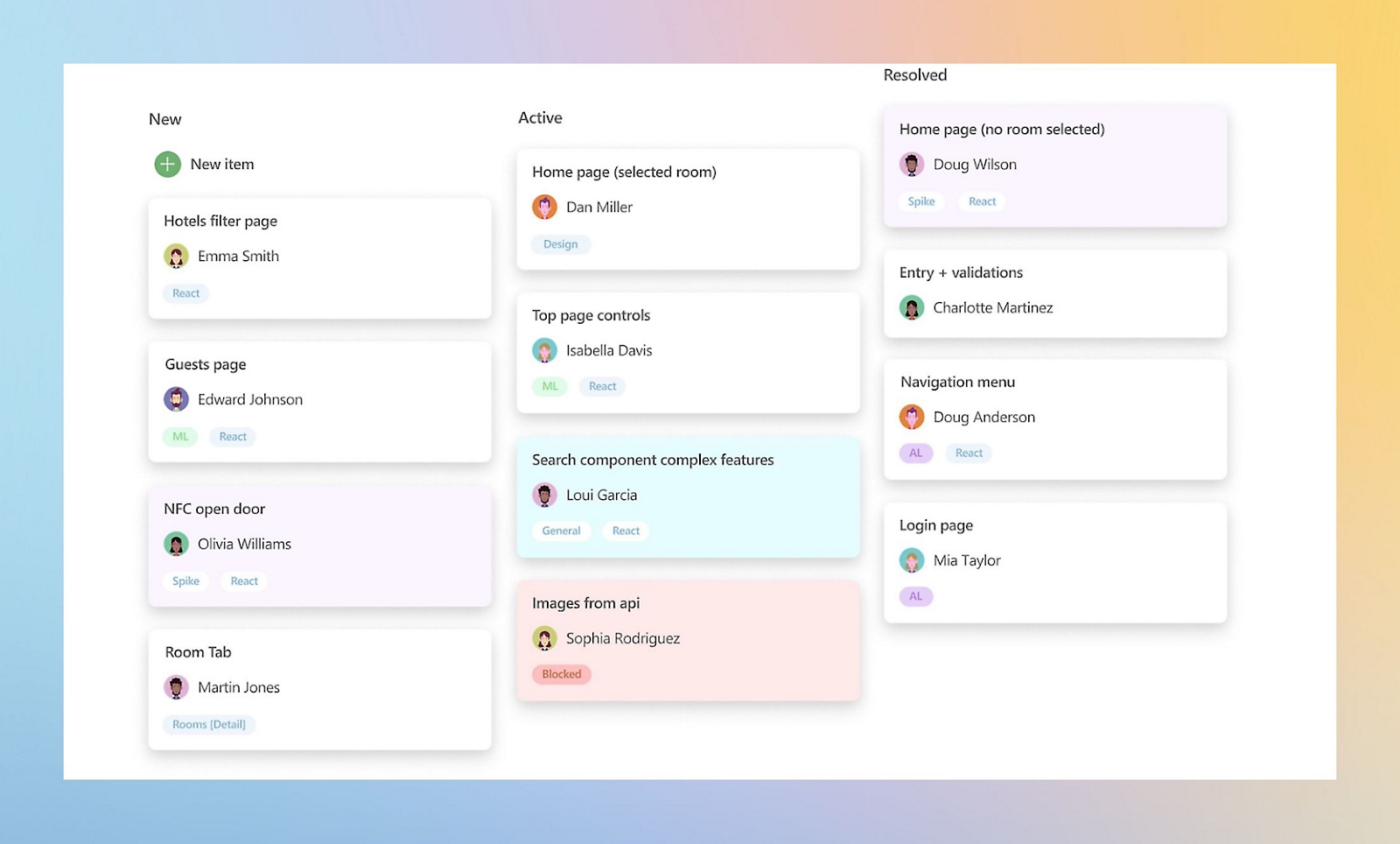
Azure DevOps covers everything from project planning and version control to continuous integration and deployment.
The platform offers both cloud-based and on-premises options, making it accessible for diverse teams and adaptable to various infrastructures.
Azure DevOps best features
- Providing comprehensive project management: Azure Boards offers agile planning, Kanban boards, and dashboards, keeping teams aligned and organized throughout the project lifecycle
- Supporting CI/CD with Azure Pipelines: Enables seamless integration, testing, and deployment across multiple environments, helping teams speed up releases with reliable automation
- Facilitating end-to-end traceability: From requirements to deployment, Azure Test Plans provide tools for managing manual and automated testing, ensuring code quality and accountability
- Promoting efficient code management: Azure Repos offers Git and Team Foundation Version Control, allowing for streamlined collaboration, version control, and code traceability
Azure DevOps limitations
- Potential for vendor lock-in: Heavy reliance on Microsoft services may limit flexibility, making it challenging to switch to non-Microsoft tools in the future
- Integration challenges with non-Microsoft products: While Azure DevOps has impressive integration capabilities, certain legacy or non-Microsoft systems may require extra configuration or third-party tools
- Cost considerations for larger teams: As the number of users and feature needs grow, subscription-based pricing can become a significant factor, especially for larger organizations
Azure DevOps pricing
- Azure Pipelines: Free
- Azure Artifacts: Additional storage starts at $2 per GiB
- GitHub Advanced Security: $49 per committer per month
- User licenses: The basic plan includes the first five users free, then $6 per user per month
Azure DevOps ratings and reviews
- G2: 4.4/5 (based on 300+ reviews)
- Capterra: 4.5/5 (based on 350+ reviews)
17. AWS CodePipeline (Best for CI/CD within the AWS ecosystem)
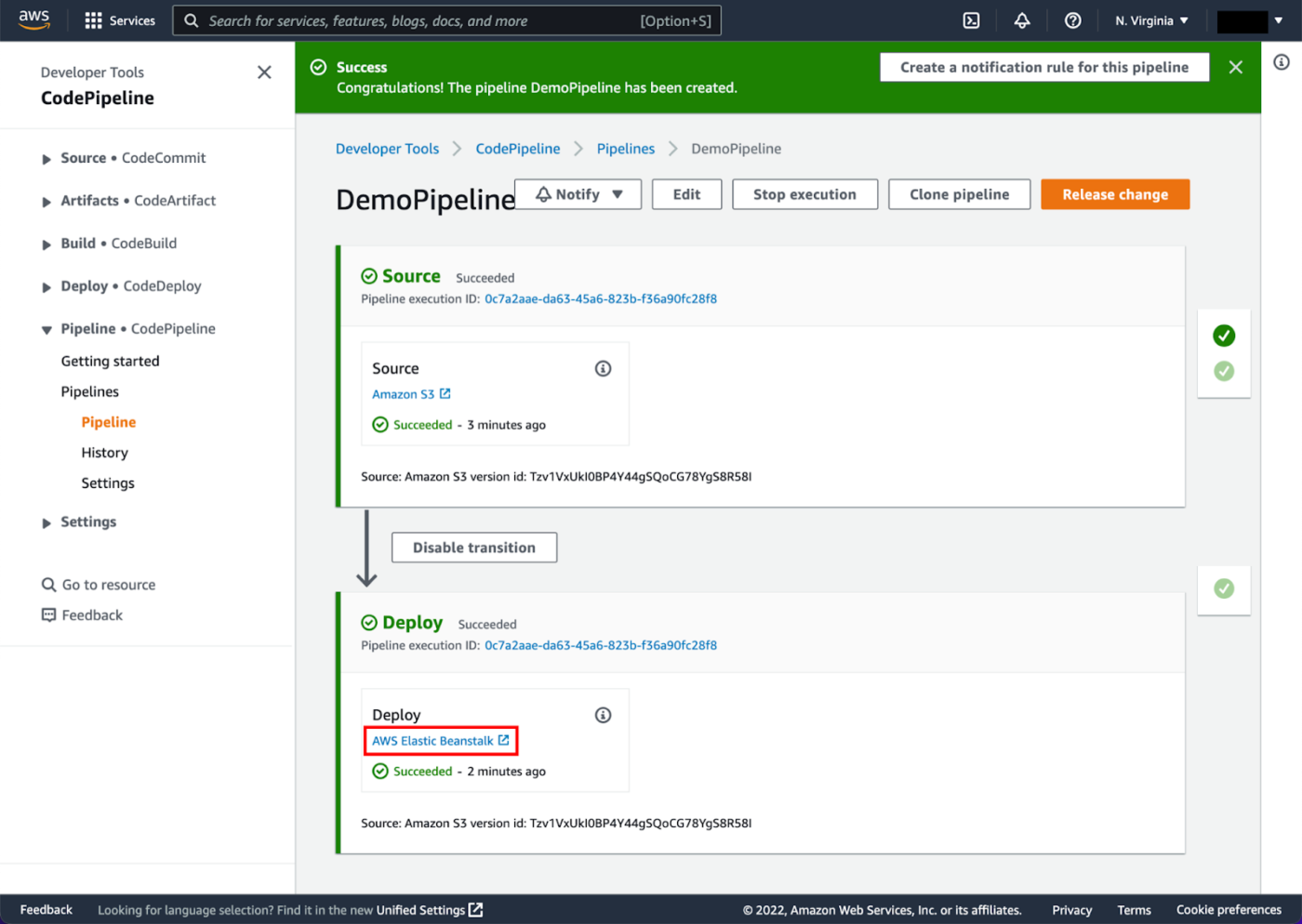
If you are already heavily invested in the AWS ecosystem, AWS CodePipeline is an attractive choice.
AWS CodePipeline supports continuous integration and delivery and automates the build, test, and deployment phases while leveraging AWS’s security and scalability.
AWS CodePipeline best features
- Smooth integration with AWS services: CodePipeline’s close ties to the AWS ecosystem reduces the risk of exposing sensitive AWS credentials and allow for smooth integration with services like S3, CodeCommit, CodeBuild, and CodeDeploy
- Pipeline as Code: Infrastructure as Code tools, such as CloudFormation or Terraform, work well with CodePipeline, allowing teams to define and version their CI/CD pipeline configuration through code
- Fully managed by AWS: CodePipeline requires no installation or maintenance of servers or build agents, as AWS manages the infrastructure. This frees up resources for your team to focus on development
- Extensive feature set: CodePipeline provides most of the features expected in a CI/CD service, including integration with popular code repositories and automated deployments
AWS CodePipeline limitations
- Limited user interface and usability: The console UI is not as intuitive as some other CI/CD solutions, which can discourage adoption or lead to difficulties in implementing best practices
- Restrictive configurations: Users need to select a source from AWS-specific options like S3, CodeCommit, or GitHub. For custom source locations, users must employ workarounds, such as configuring a dummy source and creating a CodeBuild stage to handle the custom source
- Reliance on multiple AWS services: Building a complete CI/CD pipeline often involves using multiple AWS services (like CodeCommit, CodeBuild, and CodeDeploy), adding complexity and increasing dependency on AWS
- Vendor lock-in: With CodePipeline and related services entirely hosted on AWS, teams may find it challenging to migrate to other platforms or providers, increasing reliance on AWS
Azure DevOps pricing
- Custom pricing
AWS CodePipeline ratings and reviews
G2: 4.3/5 (60+ reviews)
18. GitHub Actions (Best for CI/CD with GitHub Integration)
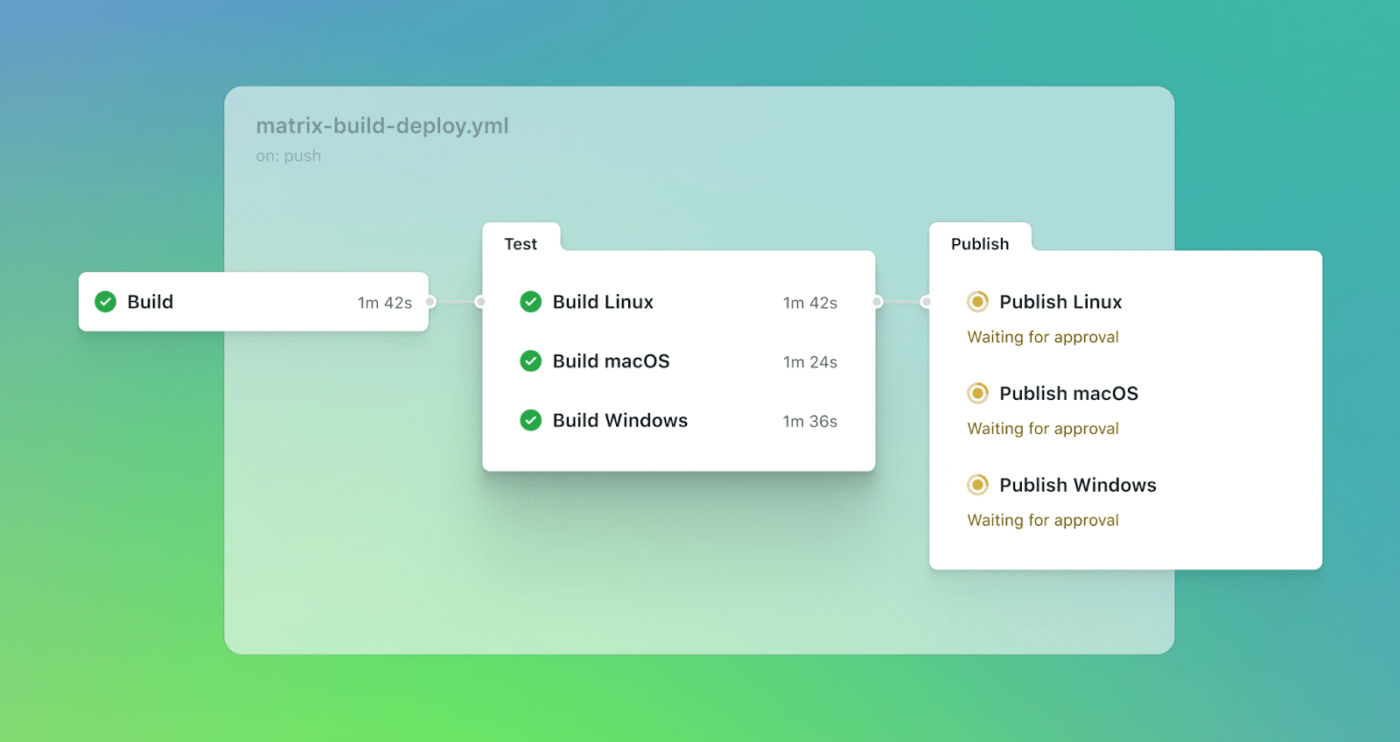
As a platform-native tool, GitHub Actions is especially convenient for teams already working in GitHub. It eliminates the need for external CI/CD platforms and offers a seamless, integrated experience.
GitHub Actions best features
- Embedded in GitHub’s ecosystem: GitHub Actions enables teams to build, test, and deploy code within their GitHub repositories, allowing for automation triggered by events in your GitHub flow or third-party tools
- Access to pre-built actions: The GitHub Marketplace offers over 10,000 ready-to-use actions, so developers can quickly implement complex workflows without having to build from scratch
- Multi-platform support: Hosted virtual machines on Ubuntu Linux, macOS, and Windows let you test across different environments, with full support for Docker containers, too
- Continuous integration templates: Pre-built CI templates make it easy to get started with workflows, while users can customize their workflows to fit their specific needs through YAML configuration files
- Free on public repositories: Developers can utilize GitHub Actions without cost on public repositories and with limitations on private ones, making it an affordable choice for open-source projects
GitHub Actions limitations
- Resource constraints: GitHub Actions enforces limits on execution time and storage, which could be restrictive for workflows requiring extensive resources
- Reliance on GitHub platform: As a GitHub-exclusive tool, any GitHub downtime directly affects CI/CD workflows, which may be a concern for critical applications
- Complexity for advanced workflows: For users with intricate CI/CD requirements, creating complex workflows can become cumbersome, with a learning curve associated with mastering YAML syntax and workflow configurations
- Limited secret management: GitHub Actions does not support granular access control for secrets, and integrations with third-party secrets management tools like HashiCorp Vault are limited
- No native metrics dashboards: GitHub Actions lacks built-in monitoring dashboards, leaving teams to rely on external tools for tracking key metrics such as lead time, deployment frequency, and change failure rate
GitHub Actions pricing
- Custom pricing
GitHub Actions ratings and reviews
- G2: 4.7/5 (2000+ reviews)
- Capterra: 4.8/5 (6,000+ reviews)
19. Spacelift (Best for multi-tool infrastructure automation)
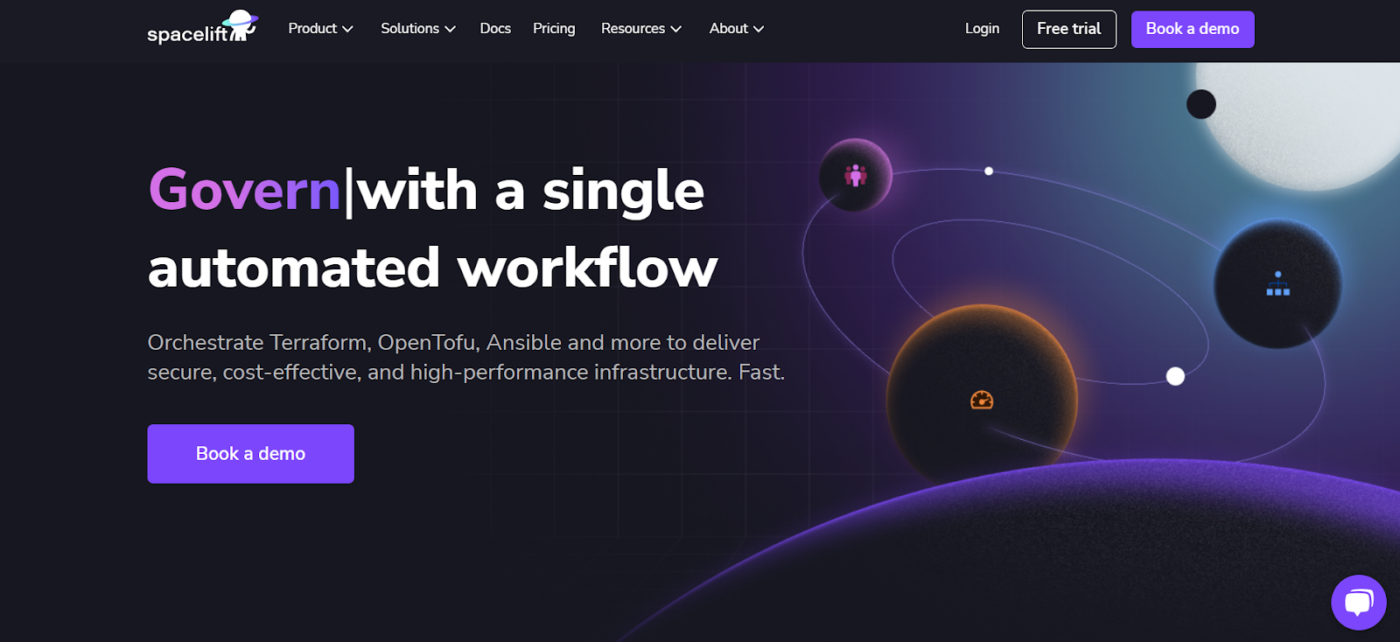
Spacelift is a platform that can easily handle everything from Terraform to Ansible and even Kubernetes. It is an all-in-one solution that caters to the demands of DevOps work.
Spacelift best features
- Multi-tool orchestration: Spacelift’s ability to manage Terraform, OpenTofu, Ansible, and more allows you to integrate various tools into a single automated workflow
- Built-in compliance: Features like secure remote runners and secrets management ensure that infrastructure is both secure and compliant without the need for additional layers
- Collaboration: With dependency management and policy as code, Spacelift promotes collaboration, giving teams shared visibility and control over infrastructure changes
- Extensive integrations: Integrates seamlessly with popular CI/CD tools, VCS providers, and cloud platforms, bringing flexibility to existing DevOps pipelines
Spacelift limitations
- Complexity in setup: Getting started with Spacelift can be a bit challenging, especially for those unfamiliar with IaC tools. Cost considerations: For smaller teams, Spacelift’s pricing may feel a bit steep, particularly as additional users or concurrency are needed
- Learning curve: It can take some time to fully master its features
Spacelift pricing
- Free
- Cloud: $250/month for up to 5 users
- Enterprise: Custom pricing
20. Octopus Deploy (Best for complex multi-environment deployments)
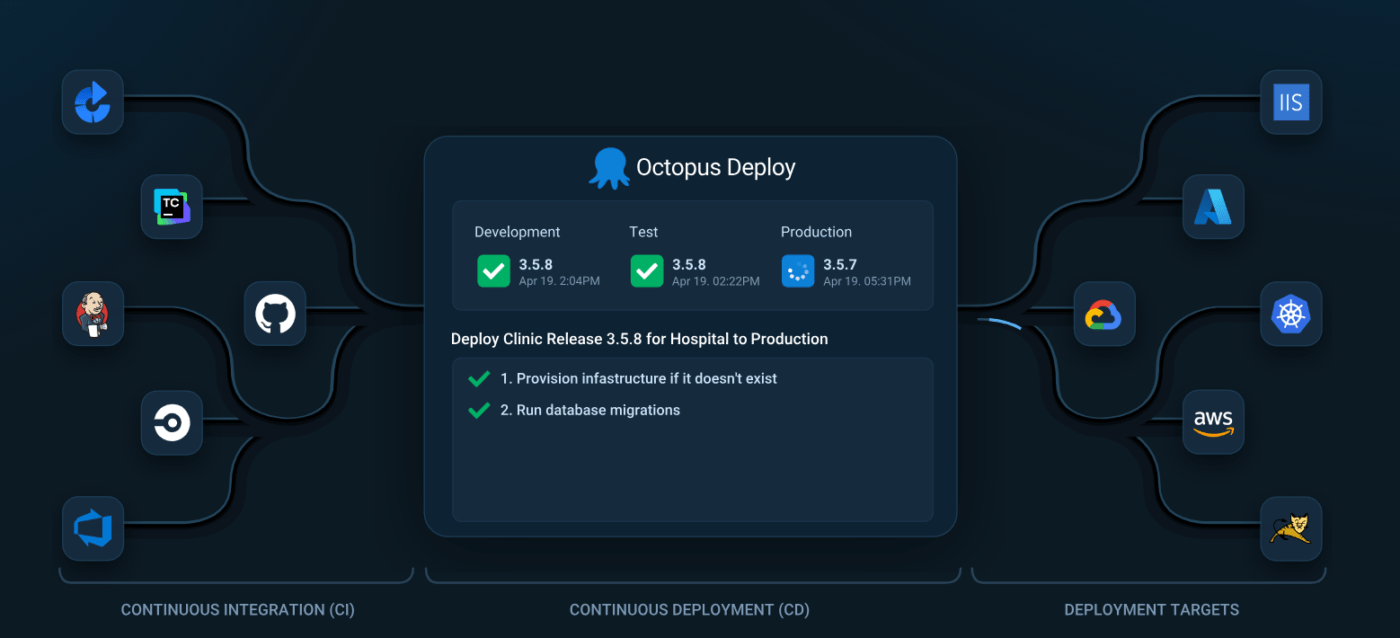
Octopus Deploy offers ease of handling complex multi-environment deployments. It is a tool designed specifically for those managing both hybrid and multi-cloud environments, where deployments can quickly become tangled.
Octopus Deploy has a great set of features, and its multi-tenancy support is particularly valuable when working with several customers or departments.
Octopus Deploy best features
- Offering multi-environment deployment: Simplifies deploying to hybrid, multi-cloud, or on-premises setups, which is essential for complex environments
- Delivering built-in rollback capabilities: Provides peace of mind by allowing easy rollbacks, ensuring that deployments are safer and less stressful
- Enabling strong governance: Offers features like full audit logging, role-based access control, and SSO, which are vital for compliance and security
- Providing easy integrations: Connects with over 500 tools, making it easy to slot into your existing CI/CD workflows
Octopus Deploy limitations
- Learning curve for advanced features: Setting up triggers and automation can be challenging, especially if you’re new to deployment automation tools
- Cost considerations for scaling: The cost can add up for large-scale deployments or enterprises with extensive requirements
- Occasional UI challenges: Debugging processes can sometimes be a bit cumbersome without running through full cycles
Octopus Deploy pricing
- Cloud (Hosted by Octopus)
- Starter: $360 USD/year
- Professional: $4,170 USD/year
- Enterprise: $23,400 USD/year
- Server (Self-Hosted)
- Starter: $360 USD/year
- Professional: $1,920 USD/year
- Enterprise: $14,400 USD/year
Octopus Deploy ratings and reviews
- G2: 4.4/5 (50+ reviews)
- Capterra: 4.8/5 (55+ reviews)
Summarize this article for me pleaseClickUp Makes DevOps Automation Effortless
Well, we have covered quite a lot of tools in this article! But it’s no surprise, given that the CI tools market is expected to skyrocket to $3.76 billion by 2030.
So, which tool should you go with?
Long answer—any of the 20 tools mentioned above. Some tools are better suited for smaller teams, while others work better if you’re part of an existing ecosystem (such as AWS CodePipeline and Azure DevOps). By weighing the pros and cons, you can choose the tool that works best for your requirements.
Short answer—choose ClickUp.
Whether you’re automating repetitive tasks, tracking sprint progress, or integrating with other tools in your CI/CD pipeline, ClickUp is versatile enough to meet all your needs.
Want your DevOps team to achieve more? Sign up for a free account on ClickUp today!


Everything you need to stay organized and get work done.

Recent Articles
7 Best Zoom Alternatives in 2026: Free Plans and Meeting Limits 
7 Best Zoom Alternatives in 2026: Free Plans and Meeting Limits
How to Create a Fillable Form in Microsoft Word (With Templates)
How to Create a Fillable Form in Microsoft Word (With Templates)
