
Traditionally, B2B transactions were characterized by manual processes, face-to-face interactions, and paper-based communications. All this changed once B2B portal software arrived on the scene.
B2B portals have changed the game forever by offering platforms where companies can transact, collaborate, and share information in real-time, irrespective of geographical barriers.
B2B portals represent a paradigm shift in how businesses interact, collaborate, and grow. This is especially true of small, fast-growing businesses.
In this guide to B2B portal software, learn how B2B portals can improve outcomes for business owners and professionals.
B2B Portal Software: A Comprehensive Guide for Business Owners & Professionals
- What is a B2B Portal?
- Understanding B2B Portals: The Backbone of Modern Business Operations
- How to Create a B2B Portal: Key Steps and Best Practices
- Example B2B Portal Solutions
- Security in B2B Portals: Ensuring Trust and Integrity
- Metrics and Analysis in B2B Portals: The Key to Informed Decision-Making
- The Future of B2B Portals: Embracing Innovation and Technology
- Harnessing the Power of B2B Portal Software with ClickUp
- Common FAQs About B2B Portal Software

 Summarize this article for me please
What is a B2B Portal?
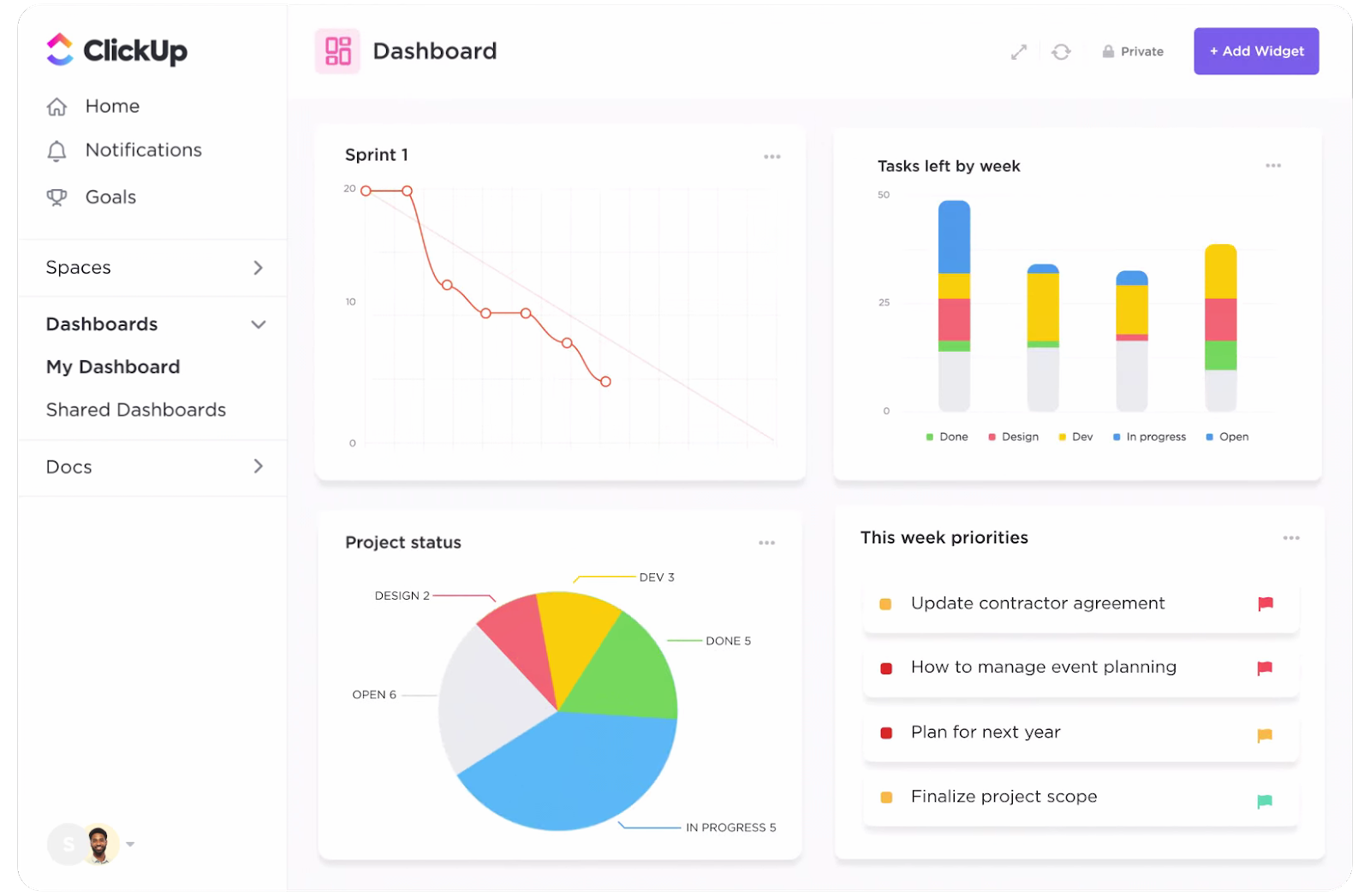
A B2B portal is a platform that enables businesses to conduct transactions and communications digitally with other businesses. Businesses can perform various functions, such as interacting with stakeholders, sharing information with teams, managing supply chains, and transacting with each other.
Unlike consumer-facing platforms, Business-to-Business (B2B) portals are designed to handle the complex nature of wholesale transactions, bulk orders, and long-term contracts.
They are tailored to meet the unique needs of business buyers, and offer customized solutions that streamline processes, enhance productivity, and foster business relationships.
B2B Vs B2C: Understanding the difference
The distinction between B2B and Business-to-Consumer (B2C) models lies in their target group and transactional processes. B2C organizations focus on selling products or services directly to the consumer, so are often characterized by shorter sales cycles and instant purchasing decisions.
In contrast, B2B companies sell products or services to other businesses. Therefore, they usually see longer sales cycles, larger order volumes, and often, a need for a more personalized approach to sales and customer service.
Understanding this difference is key to appreciating the specialized functionalities and features of B2B portals.
The relevance and benefits of B2B portals
B2B portals offer a range of advantages in various business contexts. For instance, they can provide a centralized platform for managing orders, tracking shipments, and communicating with suppliers and customers.
This centralization helps to increase efficiency and reduce operational costs. Additionally, many B2B portals offer enhanced data analytics, enabling businesses to make informed decisions based on business data, market trends, and customer behavior.
They also facilitate better supply chain management and foster stronger B2B relationships by providing a reliable and consistent communication channel.
ClickUp’s Role in B2B Operations
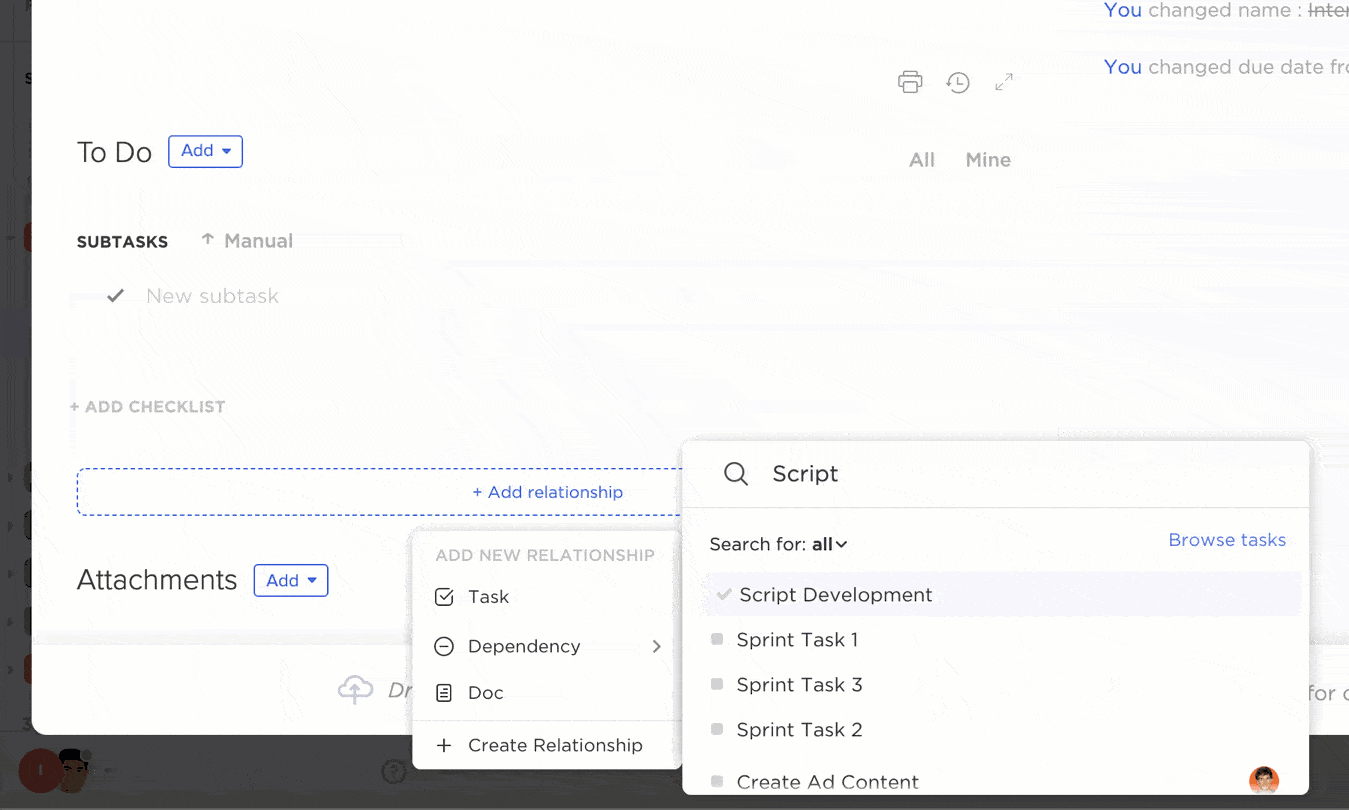
ClickUp is a stellar solution in the realm of B2B portals. It offers a unified platform that combines task management, document sharing, and project tracking.
With its customizable features, ClickUp adapts to various business models and needs, enabling companies to streamline operations, collaborate effectively, and increase overall productivity.
From managing complex projects to handling day-to-day operations, ClickUp provides the tools and flexibility that modern businesses require to thrive in a competitive market.
In the next sections, we will explore the intricacies of B2B portals, the steps to create an effective B2B website, and how ClickUp can be leveraged to maximize business efficiency and growth.
Summarize this article for me pleaseUnderstanding B2B Portals: The Backbone of Modern Business Operations
B2B portals are not just digital platforms for transactions; they are comprehensive ecosystems that revolutionize how businesses interact with each other, automate workflows, and manage their business processes.
How B2B portals function
B2B portals serve as central hubs for business interactions, providing a single platform that can streamline processes, thus replacing multiple tools and extensive manual effort.
These portals offer an integrated environment where businesses can buy and sell products, manage orders, coordinate their supply chain, and manage customer relationships.
By digitizing business processes, B2B portals effectively reduce the time and cost associated with traditional methods, offering a more efficient way to conduct business.
The role of B2B portals in sales, marketing, and customer service
B2B portals are specialized for business use, and can play a variety of roles for an organization:
- Enhancing sales processes
B2B portals offer robust tools for showcasing product catalogs, managing inventory, processing orders, collecting payments, and tracking shipments. Such digital platforms can elevate the buying experience, enabling businesses to improve customer satisfaction.
- Transforming marketing strategies
For marketing teams, B2B portals provide valuable data and analytics tools. Businesses can use this data to understand market trends and customer preferences, and craft targeted marketing strategies that yield higher returns on investments.
- Elevating customer service
B2B portals enhance customer service by facilitating direct communication between businesses. This allows for quicker resolution of inquiries and issues. Automated support systems, FAQs, and chatbots within these portals further streamline customer interactions, ensuring a high level of service and satisfaction.
Key features of B2B portals
B2B portals come equipped with a range of features designed to cater to the diverse needs of businesses. Some of these essential features include
Customer relationship management systems
B2B portals are equipped with integrated CRM systems to help manage customer relationships, track interactions and maintain extensive customer databases.
High standard of security and compliance
Keeping business data secure is a basic prerequisite for a B2B portal. Such platforms include features such as data encryption, role-based access control (RBAC), and multi-factor authentication to protect sensitive information. In addition, they follow all industry and government regulations related to compliance and data privacy.
Streamlining order management and supply chain coordination
These platforms streamline the entire order lifecycle, from order placement to delivery, and facilitate coordination among suppliers, distributors, and retailers, ensuring timely delivery of products and services.
Advanced analytics for insightful business decisions
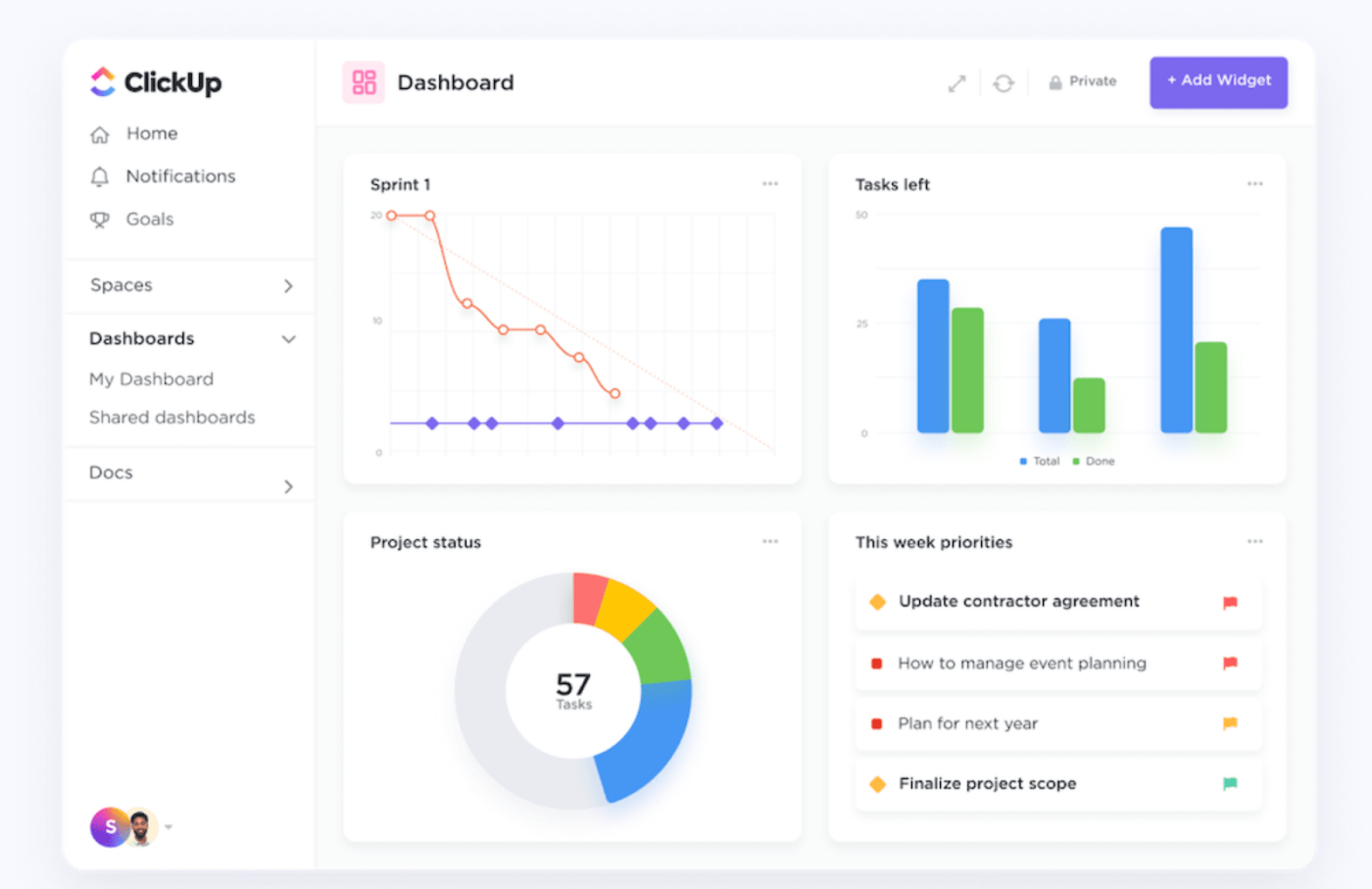
Advanced analytics and reporting tools provide insights into business performance, customer behavior, and market trends, aiding in strategic decision-making. Features such as customizable dashboards for example can provide a comprehensive view of operations.
Inventory and order management
B2B platforms enable businesses to have a real-time overview of their purchase orders, inventory stock levels, order status, price lists, contracts, etc. This helps them have more control over their production and procurement operations. Self-service options also help save time and effort on manual interventions
Comprehensive and centralized customer support
B2B portals centralize all customer communications, enabling faster and more transparent interaction. Depending on the business needs, a portal may provide support features like a searchable knowledge base, live chat, help desk with ticketing, and so on
Summarize this article for me pleaseHow to Create a B2B Portal: Key Steps and Best Practices
Creating a B2B portal is a significant undertaking that requires strategic planning, a deep understanding of your market and customer requirements, and a focus on delivering a user-friendly experience. However, building one can streamline your business functioning.
Here are the essential steps and tips for structuring an efficient B2B website or portal.
Comprehensive market research and technology selection
Creating a B2B portal begins with thorough market research to understand the industry landscape and identify target business clients.
It is crucial to select the right technology platform. Pay special attention to the scalability, security, and customization features to meet your evolving demands.
Developing offerings and establishing a brand identity
Define and refine your business offerings to ensure they meet a specific need within your target market. The work you do during market research in the first step will help you clarify your messaging.
You must also aim to establish a strong brand identity that resonates with your B2B audience.
Establishing legal and financial frameworks and effective marketing strategies
Set up the required legal and financial infrastructure and frameworks you need to ensure compliance with regulations and laws.
Then, develop and execute an effective marketing plan and utilize digital marketing tactics such as SEO, content marketing, and social media marketing to attract your clients.
Creating a user-friendly B2B website
Designing a user-friendly B2B website is essential to ensure a positive customer experience. For instance, you would want to create an intuitive navigation structure with responsive design, develop quality content, implement clear CTAs, integrate robust customer support tools, and employ strong security protocols.
Summarize this article for me pleaseExample B2B Portal Solutions
1. ClickUp
The right tool can significantly impact business efficiency and growth. Among these, ClickUp stands out for its comprehensive capabilities, adeptly catering to the intricate needs of B2B businesses.
Dashboards in ClickUp help you (and your customers) have an always-on view of everything from team task progress and workloads to resource utilization and sales. You can also visualize your information the way you like with graphs and charts.
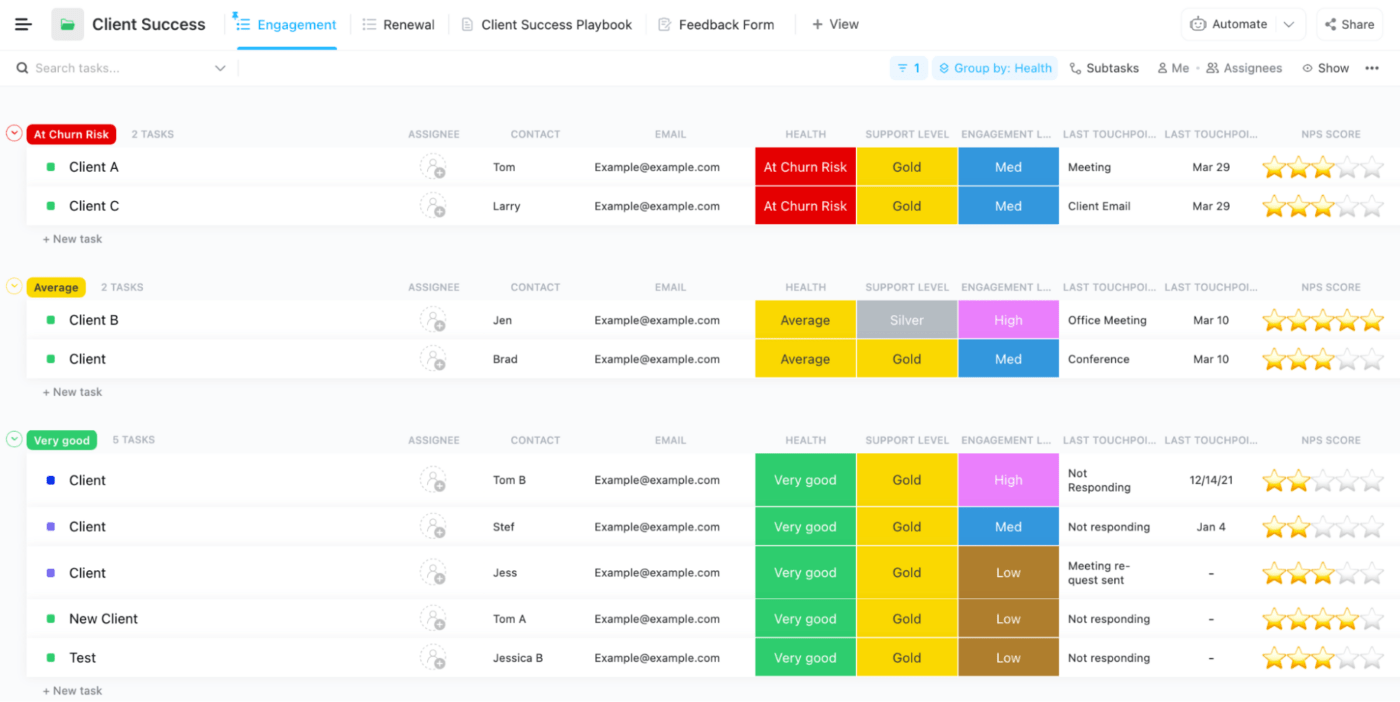
ClickUp CRM helps you manage customer accounts, streamline workflows, and manage all customer communications from one point. You can also use ClickUp forms to smoothly onboard new customers, collect feedback, generate help tickets, etc.
Streamline business processes and create custom workflows for customer support, business operations, and everything else with custom fields, ClickUp Tasks, Automation, additional ClickApps, and more. Moreover, you can even create a rich knowledge base for your portal with ClickUp Docs.
In short, ClickUp delivers an excellent experience to your employees and clients. 💯
ClickUp best features
- Streamline project management with powerful tools for task allocation, deadline tracking, and team collaboration
- Create personalized workspaces, enhancing operational oversight and productivity
- Manage resources and processes efficiently with customizable dashboards and reports
- Facilitate effective customer relationship management directly within the platform through the seamless CRM integration
- Simplify the sharing and management of key documents and files for your B2B interactions
ClickUp limitations
- The extensive range of functionalities may initially pose a challenge for new users
- Some users have reported difficulties in integrating third-party tools with ClickUp, although this is often a case-by-case scenario
ClickUp pricing
- Free Forever
- Unlimited Plan: $7/month per user
- Business Plan: $12/month per user
- Enterprise Plan: Custom pricing is available upon request
- ClickUp AI: Available at an additional $5 fee per Workspace on all paid plans
ClickUp user ratings and reviews
- G2: 4.7/5 (9,000+ reviews)
- Capterra: 4.7/5 (3,900+ reviews)
2. Shopify Plus
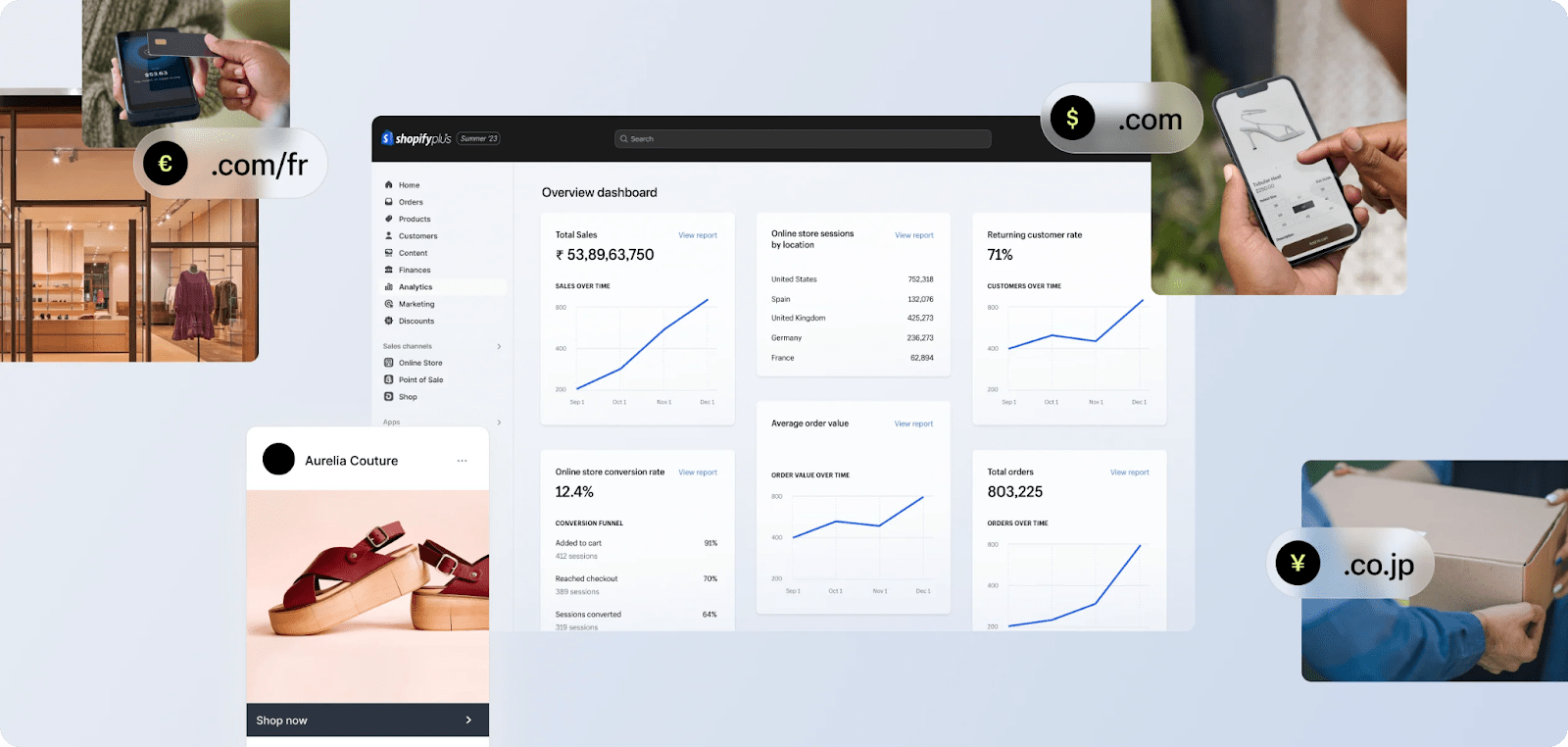
Shopify Plus offers a high-end solution for businesses aiming to expand their e-commerce operations. It’s designed for high-volume merchants and large-scale online businesses, and delivers advanced features and customization options.
With its focus on e-commerce growth, robust scalability, and a comprehensive set of integrations, you can run your storefront and the backend with a single, powerful suite of tools.
Shopify Plus’s best features
- Handle every part of your online store within Shopify
- Manage high volumes of sales and traffic without loss of information
- Choose from a wide range of integration with e-commerce apps and platforms
Shopify Plus limitations
- Shopify is primarily tailored for e-commerce and has limited project management features
- The tool may be cost-prohibitive for smaller businesses due to its premium pricing
Shopify Plus pricing
- Custom pricing
Shopify Plus Ratings and Reviews
- G2: 4.4/5 (400+ reviews)
- Capterra: 4.8/5 (90+ reviews)
3. Oracle SuiteCommerce
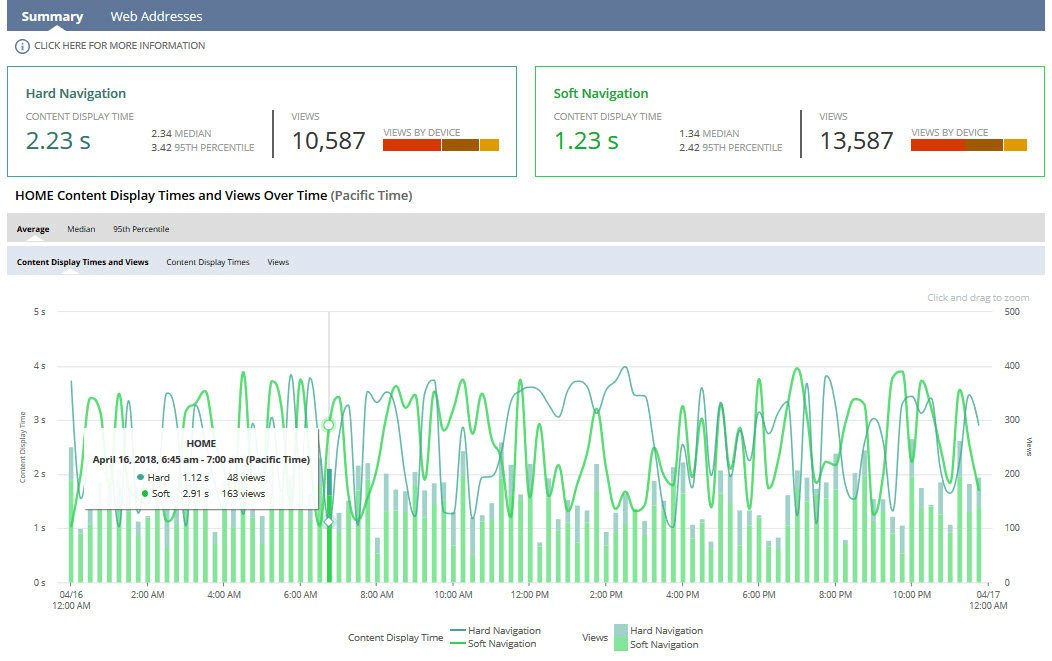
Oracle SuiteCommerce is a robust platform for enterprise-level e-commerce players and business management. It offers a complete suite of applications designed especially to cater to the complex needs of large organizations.
The enterprise-grade solutions offer high data security and customization, and the range of business applications helps streamline your e-commerce business operations.
Oracle SuiteCommerce’s best features
- Run your business end to end with a comprehensive e-commerce management suite meant for large-scale operations
- Scale your business with extensive customization options for multiple types of customers
- Integrate with other enterprise applications, such as auditing and finance tools, database management systems, and application development tools
Oracle SuiteCommerce limitations
- The platform’s complexity can be daunting for smaller businesses or those with simpler requirements
- The software demands significant resources for implementation and ongoing management.
Oracle SuiteCommerce pricing
- Pricing is variable, depending on the enterprise’s scale and specific needs
Oracle SuiteCommerce ratings and reviews
- G2: 4/5 (Based on 170+ reviews)
- Capterra: Not enough reviews
4. WooCommerce B2B
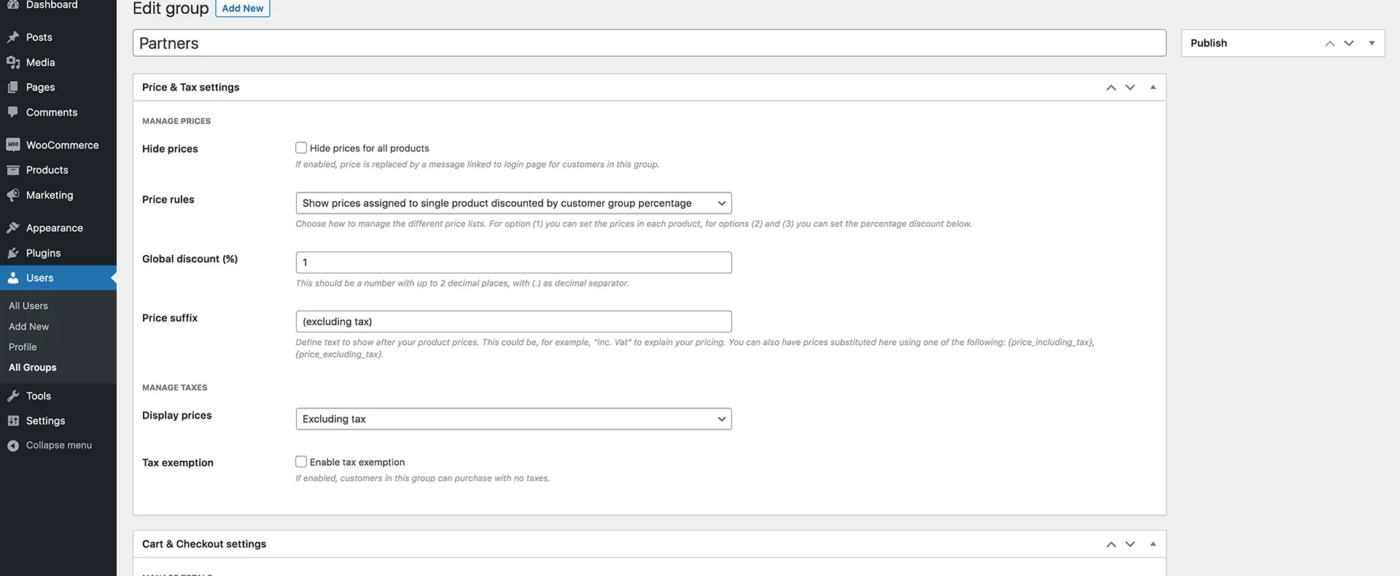
WooCommerce B2B, a powerful extension for WooCommerce on WordPress, caters to businesses looking to build a robust B2B e-commerce platform.
It leverages the familiarity and flexibility of WordPress and the workflows tried and tested for e-commerce success. While Woocommerce has fewer features than the first three on this list, it is still an excellent choice for businesses starting.
Additionally, this open-source platform allows you to build your B2B portal the way you like over time.
WooCommerce B2B best features
- Seamlessly transition into e-commerce from a regular WordPress dashboard
- Set up and manage the platform with an easy few steps
- Set up a tailored e-commerce system with a wide range of plugins and extensions
WooCommerce B2B limitations
- Because of its reliance on WordPress, it is suitable only for businesses invested in the ecosystem
- Lacks the extensive business management features found in other B2B portals.
WooCommerce B2B pricing
- Free Plugin, with various B2B features available as paid extensions
- Regular License: $99
WooCommerce B2B ratings and reviews
- G2: 4.4/5 (1100+ reviews)
- Capterra: 4.6/5 (900+ reviews)
5. Zoho Commerce
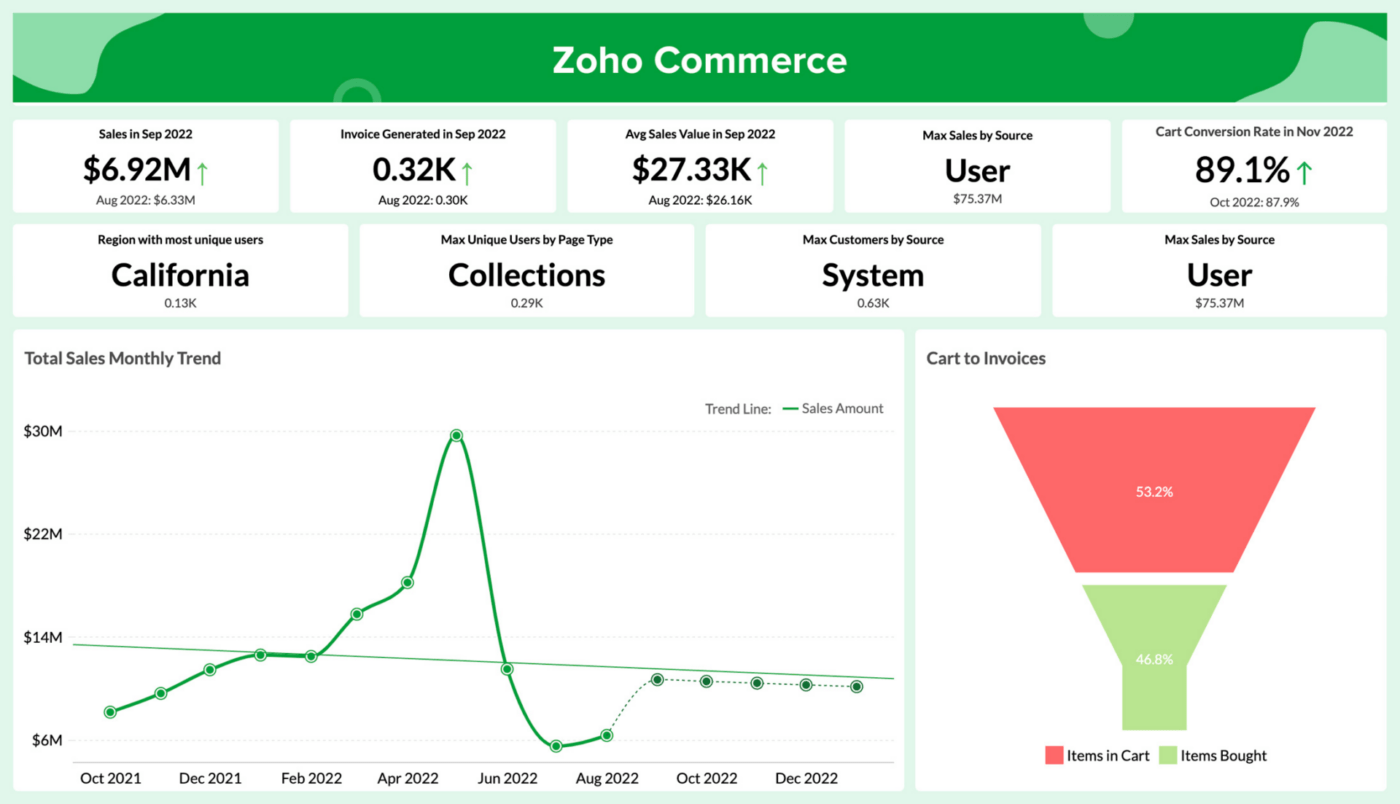
Zoho Commerce is an e-commerce platform designed to help businesses of all sizes build online stores. It’s part of the extensive Zoho suite, known for its integrated business applications.
With Zoho Commerce, you can customize your storefront to suit your brand identity, which will help you set yourself apart from your competition. In addition, with great tools for inventory and order management, you can scale your business worry-free.
Zoho Commerce’s best features
- Create professional-looking online stores with a range of templates and customization options
- Manage inventory levels, orders, and customer data through a single platform
- Get valuable insights into sales trends, customer behavior, and website performance
Zoho Commerce limitations
- While great for small to medium-sized businesses, it might not be as scalable for very large enterprises or complex e-commerce operations
- Some users might find the set of features less extensive compared to more specialized e-commerce platforms
Zoho Commerce pricing
- Starter: $20/month
- Professional: $50/month
- Premium: $150/month
Zoho Commerce ratings and reviews
- G2: 4.2/5 (Based on 70+ reviews)
- Capterra: 4.3/5 (Based on 50+ reviews)
Summarize this article for me pleaseSecurity in B2B Portals: Ensuring Trust and Integrity
Data is as valuable as currency, and when it comes to the security of B2B portals, data protection is non-negotiable. These platforms hold sensitive information that, if compromised, can have far-reaching consequences.
The critical role of information security audits
Regular information security audits help assess vulnerabilities, ensure compliance with industry standards and legal requirements, and build trust with partners and customers
Measures to ensure customer data protection and privacy
Protecting customer data in a B2B portal involves several key measures:
- Data encryption: Encrypting data both in transit and at rest to protect it from unauthorized access
- Access control: Implementing stringent access controls and authentication protocols so that only authorized personnel can access sensitive information
- Regular software updates and patch management: Keeping the software up-to-date to protect against the latest security threats
- Secure payment gateways: If the portal involves financial transactions, integrating secure and trusted payment gateways is essential
- User education and training: Regularly educating users and employees about security best practices to prevent accidental breaches or leaks
The role of ClickUp in maintaining and enhancing data security
ClickUp, as a comprehensive project management and productivity tool, places great emphasis on security. In the context of B2B operations, ClickUp contributes to data security through
- Robust encryption practices
- Regular security audits
- Compliance with industry standards
- Customizable access permissions
Summarize this article for me pleaseMetrics and Analysis in B2B Portals: The Key to Informed Decision-Making
In the realm of B2B commerce, the application of metrics and analytics tools such as Google Analytics plays a pivotal role in shaping strategies, optimizing operations, and boosting sales.
The value of analytics in B2B operations and sales
Analytics in B2B portals provides deep insights into various aspects of business operations:
- Performance tracking: Analytics help in monitoring overall performance, identifying areas of strength, and pinpointing where improvements are needed
- Customer behavior analysis: Understanding customer interactions, preferences, and trends is vital for tailoring offerings and improving customer experience
- Sales optimization: By analyzing sales data, businesses can refine their sales strategies, improve lead conversion rates, and increase revenue
Application of tools like Google Analytics in B2B portals
Google Analytics and similar tools are integral in the analytics arsenal of B2B portals for
- Traffic analysis: These tools provide an overview of portal traffic, helping understand user engagement and identify traffic sources
- Conversion tracking: They allow businesses to track conversions and therefore measure the effectiveness of their marketing efforts
- Custom Reporting: Businesses can create customized reports to focus on specific metrics relevant to their operations
Tracking and analyzing B2B metrics with ClickUp
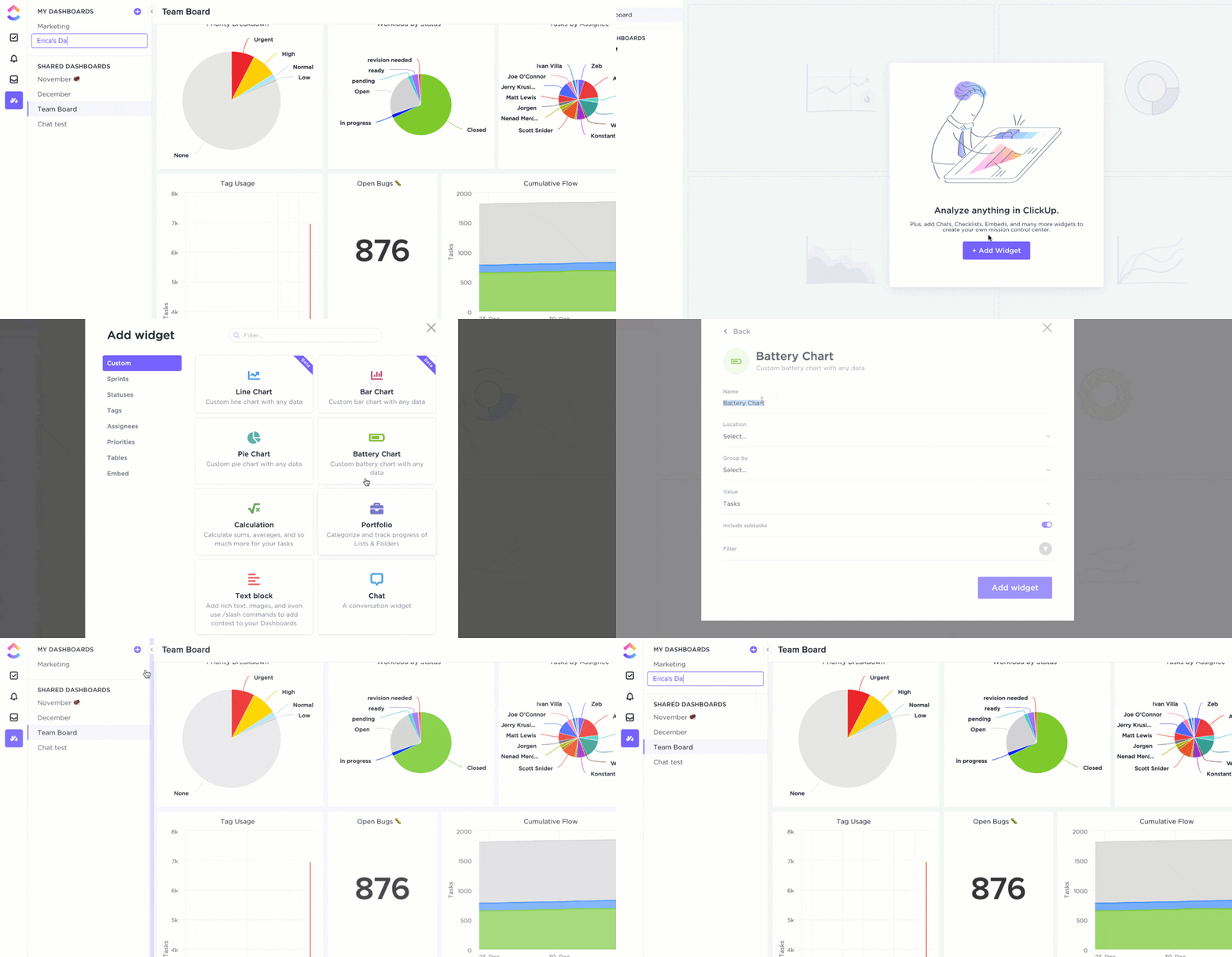
- Integrated analytics dashboard: Offering a comprehensive view of projects, tasks, and team performance through ClickUp Dashboards
- Customizable reports: Enabling businesses to create tailored reports that focus on specific KPIs
- Real-time data: Providing up-to-date information, thus allowing businesses to make timely decisions based on current trends
Summarize this article for me pleaseThe Future of B2B Portals: Embracing Innovation and Technology
The future of B2B portals, especially in the realm of B2B eCommerce, lies in their ability to offer advanced features like AI-driven insights, automated payment processing, and secure payments.
More and more online portals are turning to AI and ML to create personalized experiences such as custom recommendations, cross-sell suggestions, behavior-linked triggers, and more.
With its customizable features, ClickUp is capable of offering tailored experiences to meet the specific needs of each business
ClickUp also provides businesses the ability to use ClickUp AI to automate tasks, generate content, derive insights from data, and enhance user experience.
With the ability to automate repetitive and frequent tasks and actions, B2B businesses are giving their teams and customers the ability to focus on more important things. ClickUp’s automation can help streamline processes further.
Summarize this article for me pleaseHarnessing the Power of B2B Portal Software with ClickUp
From our comprehensive exploration of B2B portal software, it’s clear that these platforms are more than just tools—they are catalysts for business efficiency, growth, and innovation.
For business owners and professionals in B2B industries, a well-managed B2B portal can be a game-changer. It can help businesses increase direct revenues, optimize their processes, and improve customer satisfaction.
ClickUp can help you redefine business operations with its robust project management tools, customizable features, and advanced analytics.
With an emphasis on security, ClickUp ensures that your business operations are efficient and secure, thus addressing one of the key concerns in the B2B sector. This modern, all-in-one platform offers businesses the tools they need to succeed in an increasingly digital marketplace.
Take the first step towards transforming your B2B operations. Explore ClickUp today, and experience how it can take your business to new heights of efficiency and innovation.
Summarize this article for me pleaseCommon FAQs About B2B Portal Software
What is a B2B application example?
A supply chain management system used by manufacturers to order raw materials from suppliers is a great example of a B2B application
What is B2B and examples?
B2B refers to business-to-business transactions. An example of a B2B business would sell cloud storage solutions to other businesses.
How do I create a B2B website?
To create a B2B website, start with market research, choose a suitable platform, develop your offerings, focus on brand identity, and ensure legal compliance.
How do I create a B2B portal?
Follow the steps for creating a B2B website, then include features like customer login, product catalogs, and order management systems.
What is B2B business with an example?
B2B business involves transactions between businesses instead of individual customers. Example: A software company providing enterprise solutions to other companies.
How do you structure a B2B website?
Ensure intuitive navigation, responsive design, high-quality content, clear CTAs, robust customer support, and strong security protocols.
How do I start an online B2B business?
Conduct thorough market research, select a technology platform, develop your product/service, establish a brand, and plan your marketing strategy.
What are the 4 types of B2B?
The four types of B2B businesses are Producers, Resellers, Governments, and Institutions.
What is a B2B software system?
A B2B software system is a software stack that facilitates business transactions between companies, like CRM systems or supply chain management tools.
How do I create a B2B marketplace platform?
To create a B2B marketplace platform, identify your niche, choose a platform solution, focus on features that facilitate B2B transactions, and ensure robust security and analytics.


Everything you need to stay organized and get work done.