
Implementing a store standardization program involves coordinating numerous activities across various departments and locations. Managing this complexity requires a structured approach to break down the program into manageable components. This Store Standardization Program Work Breakdown Structure template is designed to help you effectively plan, organize, and execute your standardization efforts.
This specialized template enables you to:
- Segment the standardization program into clear, actionable tasks such as store audits, layout redesigns, staff training, and compliance checks
- Assign responsibilities to regional managers, store teams, and external vendors to ensure accountability
- Monitor progress in real-time, allowing for timely adjustments and resource allocation
Best of all, this template requires no coding skills or complex software—just use ClickUp to start streamlining your store standardization projects immediately.
Benefits of Using This Store Standardization WBS Template
Utilizing a work breakdown structure tailored for store standardization offers numerous advantages:
- Defines and organizes deliverables:
Break down the program into key deliverables such as standardized store layouts, uniform merchandising, and consistent customer service protocols.
- Clarifies roles and responsibilities:
Clearly outlines who is responsible for each task, from project leads to store managers and external contractors.
- Enhances communication:
Facilitates transparent communication among stakeholders, ensuring everyone is aligned on objectives and timelines.
- Improves efficiency:
Streamlines project execution by identifying dependencies and prioritizing critical tasks to meet deadlines and budget constraints.
Main Elements of the Store Standardization Program WBS Template
This template is structured to cover all essential aspects of a store standardization program, including:
- Program Initiation:
Defining scope, objectives, and key stakeholders involved in the standardization effort.
- Assessment Phase:
Conducting comprehensive audits of existing store conditions, operations, and customer experiences.
- Design and Development:
Creating standardized store layouts, merchandising plans, and operational procedures.
- Implementation:
Rolling out changes across stores, including staff training, installation of fixtures, and updating signage.
- Quality Assurance:
Performing compliance checks and gathering feedback to ensure standards are met consistently.
- Project Closure:
Final evaluations, documentation, and lessons learned to inform future standardization initiatives.
By following this structured approach, your team can effectively manage the complexities of store standardization, ensuring a cohesive brand experience across all locations.
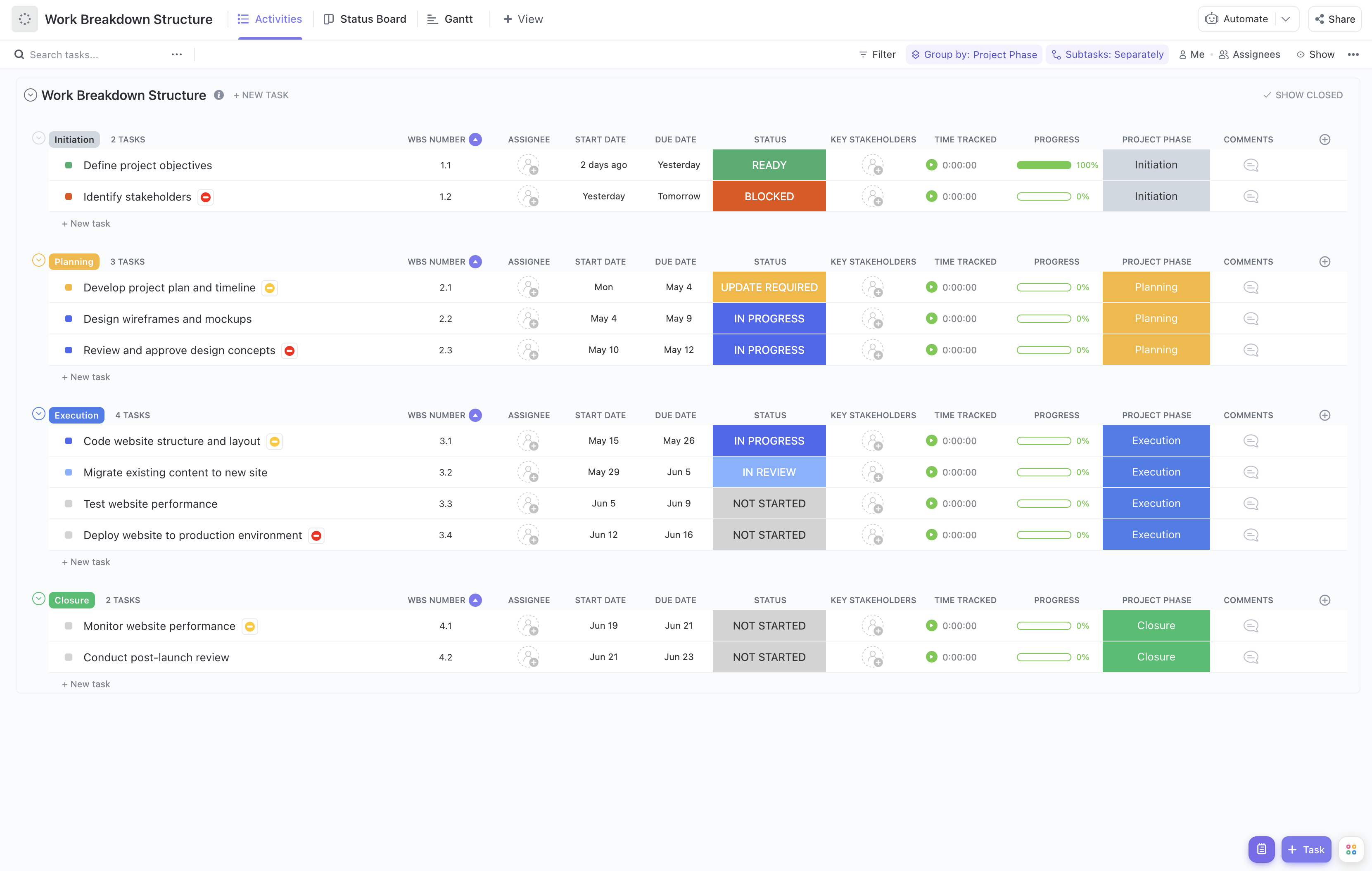


Use this template to bring clarity, structure, and efficiency to your store standardization program, ensuring every location delivers a consistent and exceptional customer experience.










