






Still downloading templates?
There’s an easier way. Try a free AI Agent in ClickUp that actually does the work for you—set up in minutes, save hours every week.
Sorry, there were no results found for “”
Sorry, there were no results found for “”
Sorry, there were no results found for “”
Have you set your sights on a career overseas? 🌎
Knowing how long a work visa lasts can save you a lot of unnecessary stress later. If you plan to work in another country (especially in the United States), or if your business plans to hire foreign nationals, knowing how long a work visa lasts helps you avoid expired documents, stalled applications, non-compliance, or missed deadlines, while reshaping your job options, relocation plans, and even long-term goals.
The thing is, the timeline is completely dependent on where you’re going, the type of visa you hold, and the nature of your qualifying employment. It could be up to one year for seasonal roles or up to three years for long-term contracts. Some are renewable. Some aren’t.
So, before you pack or post a job opening, here’s what you need to understand about timelines, renewals, and how to stay ahead of every visa expiration date without panic. While work visa rules vary globally, we’ll focus primarily on US work visas, covering what affects their duration, how renewals work, and what to expect when your current visa runs out.
Disclaimer: Please refer to official documentation from the relevant visa-issuing government entity to determine the duration of your visa. This article is not meant to be a standalone resource for any visa-related information or a substitute for legal advice on immigration policies.
Here, we have compiled a set of general best practices and secondary resources to learn how long your work visa lasts.
Not sure how long your work visa actually lasts or what happens when it expires? Here’s how to manage every stage with clarity:
Stay ahead with the right tools. Use ClickUp to manage your paperwork, timelines, and reminders. Stay organized, reduce risk, and keep your visa status secure, wherever work takes you next.
A work visa gives you legal permission to live and work in a country where you aren’t a citizen. It’s more than just a stamp. The document ties your ability to earn, stay, and move across borders to a specific job offer, employer, and immigration status.
Whether you’re relocating for a year-long contract or pursuing a permanent opportunity, a work visa serves one core purpose: to authorize employment under specific terms, within a defined timeline.
This means your eligibility often depends on:
Work visas generally fall into two categories: non-immigrant work visas, for those coming in temporarily, and immigrant work visas, for those planning to stay.
From there, it splits further depending on your profession and intent. Here are some examples of visa types:
The nature of work visas varies greatly by country. Some are limited to designated countries, others require employer sponsorship or formal labor certification. And while certain US visas lead to a green card, others simply expire once the project ends.
Understanding your visa category is the first step to knowing how long you can stay and what happens next.
Work visas don’t follow a universal timeline. While some last only a few months, others allow you to work for several years, sometimes with an option to renew. The duration depends on a mix of factors like the country’s visa policies, your job classification, and the visa type itself.
And if you’re managing applications across multiple countries, tracking expiration dates, or renewing on time, you’ll need more than just calendar reminders to stay organized.
💡 Pro Tip: Use ClickUp Reminders to stay ahead of critical deadlines, whether it’s a visa renewal, a document submission, or a follow-up with your legal team.
The length of your stay is guided by laws, employer obligations, and your employment conditions. Here’s what typically influences how long a work visa lasts:
Most visas clearly state their expiration date and require you to exit or renew before your current visa expires.
Here’s a side-by-side look at how these two broad visa types typically compare:
| Criteria | Short-term work visas | Long-term work visas |
|---|---|---|
| Duration | Up to 1–2 years | 3 to 5 years (renewable in many cases) |
| Visa types | H-2B (US), J visas (US), Tier 5 Youth Mobility (UK), TSS Visa (Australia) | EB-3 (US), Tier 2 (UK), Global Talent Visa (Canada), ENS (Australia) |
| Use cases | Seasonal work, internships, journalism, cultural exchange | Executive roles, permanent transfers, highly skilled labor |
| Common sectors | Hospitality, agriculture, media, training | Tech, healthcare, finance, STEM, corporate leadership |
| Typical requirements | Job offer, employer sponsorship, short-term labor need | Long-term contract, sponsorship, proven skill or degree |
| Extension flexibility | Often limited or fixed | May allow multiple renewals or lead to permanent residence |
Some short-term visas like cultural exchanges or training programs are strictly time-limited. Long-term options, especially those tied to immigration pathways, often offer renewals or a route to permanent residency, depending on country-specific visa services.
📖 Also Read: Stressed about visa applications and deadlines? How to Balance Productivity and Relaxation?
Different countries interpret “work visas” very differently. Here’s what to expect in some of the most popular destinations:
Tracking these durations isn’t just a paperwork task but a legal deadline. That’s where tools like ClickUp Brain come in. You can instantly search for your visa category, scan country-specific rules, or check whether a renewal requires sensitive or confidential information like prior travel history or employment gaps.
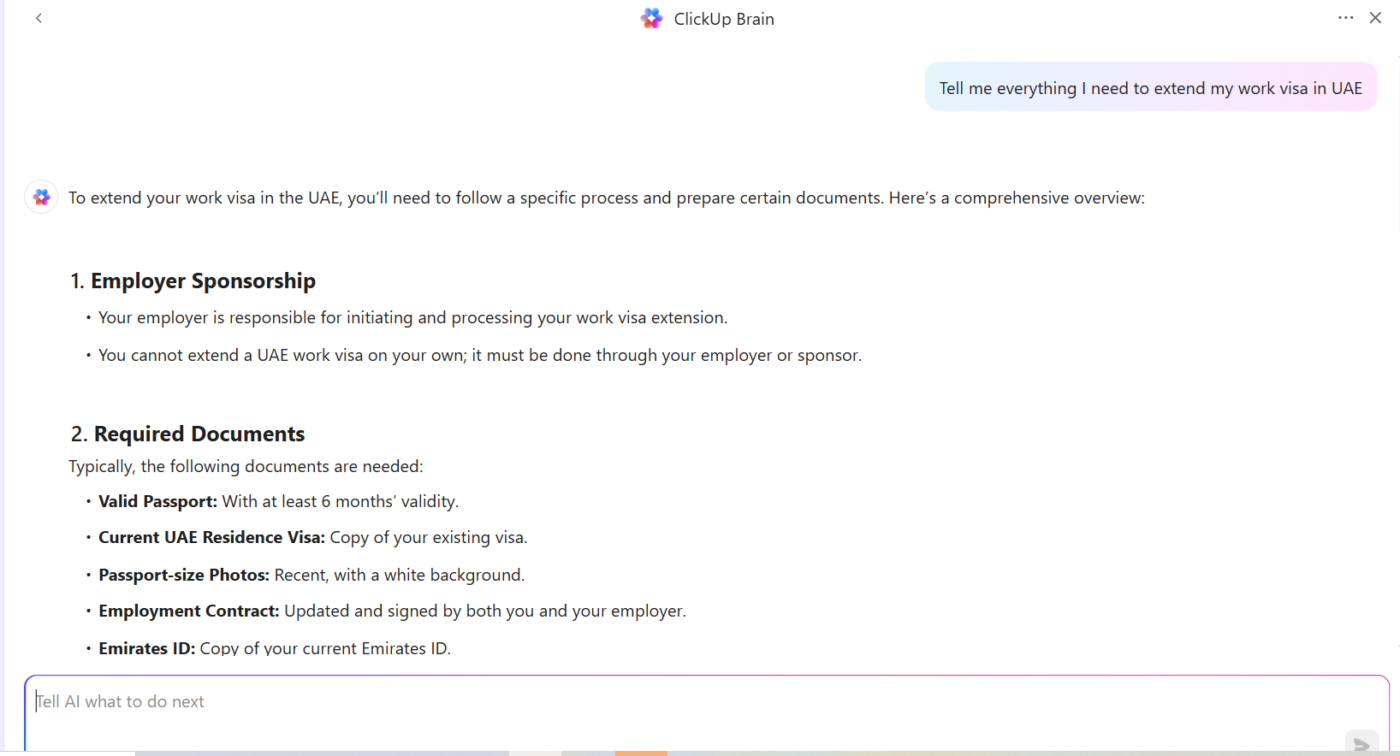
✨ Bonus: ClickUp Brain users can choose from multiple external AI models, including GPT-4o, o3-mini, o1, and Claude 3.7 Sonnet, right from ClickUp. You can choose which AI model is best for your current task.
With ClickUp Tasks, you can create custom workflows to:
Especially when managing multiple team members or applications across borders, these workflows save time, avoid last-minute scrambles, and help you stay compliant.
📖 Read More: How to Implement Quiet Vacationing Policies?
Your visa’s almost up. The job’s going great. The team wants to keep you on. But here’s the problem, your paperwork doesn’t care about any of that.
Renewing a work visa is often more stressful than getting one. Deadlines shift. Requirements stack. And if you miss a single form, you risk losing your legal status altogether.
The good news? Most countries allow extensions. The trick is knowing which ones do and starting the process before your current visa expires.
That depends. Usually, yes. But not always.
Some temporary work visas like H-2B or short-term cultural exchange programs are one-and-done. Others, especially immigrant work visas, give you room to stay longer—sometimes even opening a path to permanent residency.
You’re typically eligible to extend if:
In countries like the U.S., your case might pass through citizenship and immigration services, reviewed by an immigration officer, and could even trigger additional documentation—like an updated employment authorization document or a second labor certification.
If you’re unsure, this is when a qualified immigration attorney is worth every penny. What looks like a renewal might actually require a new visa, especially if your role, title, or salary has changed.
👀 Did You Know? In Japan, work visas are tied very closely to specific job categories. Thus means that if you switch industries, say from teaching to marketing, you can’t simply update your resume. You need to apply for a completely new visa, even if you’re staying with the same employer.
Renewal doesn’t necessarily mean repeating everything you did the first time. In most cases, it means you simply need to prove everything and show your status as a legal foreign worker of good standing in a country.
You might need to pull together:
And here’s where things go sideways: one missed deadline, and you’re suddenly rebooking flights or rushing to file an appeal.
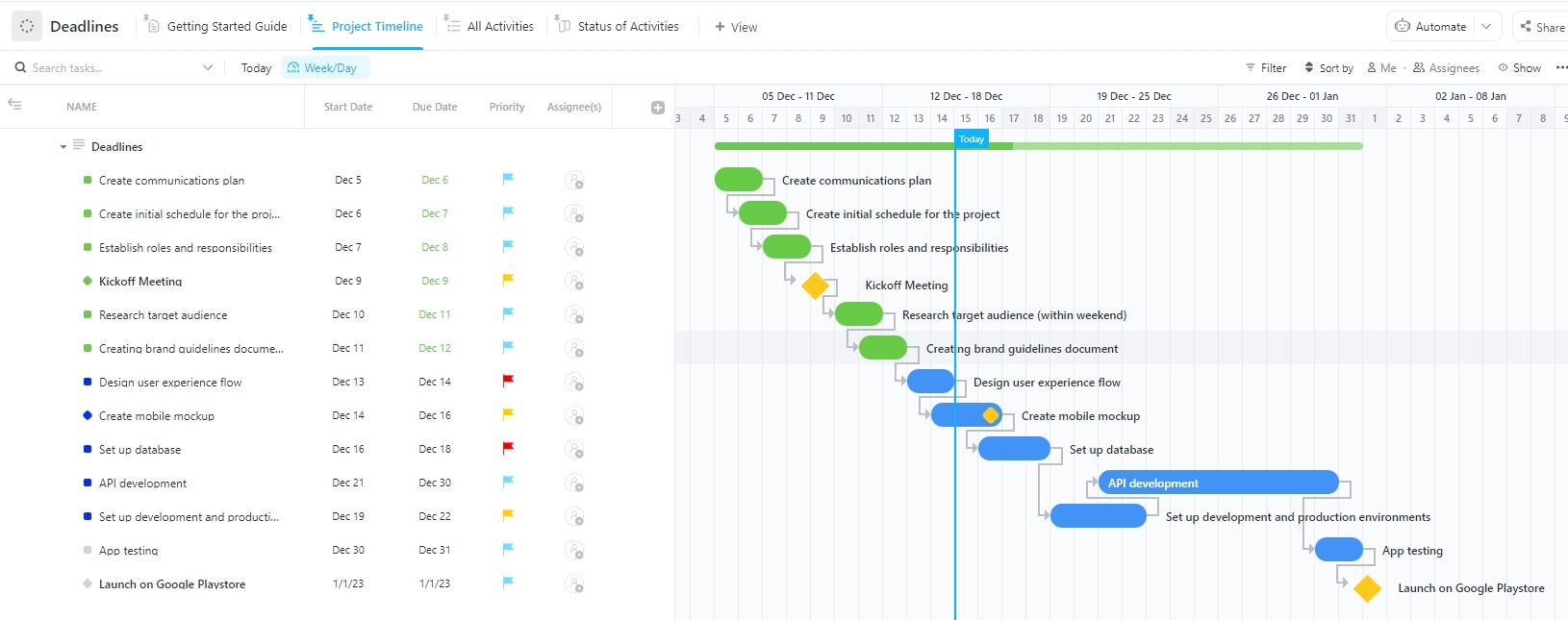
That’s why having a system in place is essential. Using the ClickUp Deadlines Template, you can structure your entire renewal timeline. From document collection to follow-ups without missing a beat. Each step gets its own task, with dependencies that keep the process moving and due dates that adjust as updates come in.
It’s built to help you:
And to make sure nothing slips, ClickUp Automations can send early alerts, reassign tasks if deadlines shift, and trigger reminders when you’re getting close to your visa expiration date. So your renewal isn’t running on luck.
⚡ Template Archive: Free Travel Itinerary Templates for Your Next Trip in Google Docs, Excel, & Word
One day, you’re working legally. Next, your visa runs out, and suddenly everything changes.
The expiration of a work visa can affect your immigration status, future job opportunities, and even your ability to re-enter the country. Whether you’re a first-time applicant or someone managing multiple visa holders across borders, it’s critical that you work within the legal limits of your visa. Here’s why:
Overstaying can trigger more than just a warning. Most countries treat it as a serious legal violation and the penalties escalate fast.
Here’s what you risk:
The longer the overstay, the harder it becomes to recover. Even short gaps can show up in background checks or raise red flags for future applications reviewed by an immigration officer.
You usually won’t get an alert from immigration telling you that your deadline is coming up. But if you miss it, the consequences aren’t light, your legal status can shift overnight.
Keep a 90-day action window. Here’s how.
You might think your visa runs until the end of your contract. It might not. The visa expiration date stamped by immigration officials, the date on your admission record, and the terms in your contract can all tell different stories.
Missing this detail is one of the most common and costly mistakes. Before you plan next steps, confirm what’s official.
You’ll need to plan backward from your expiration date and not scramble the week. That means setting internal deadlines for things like:
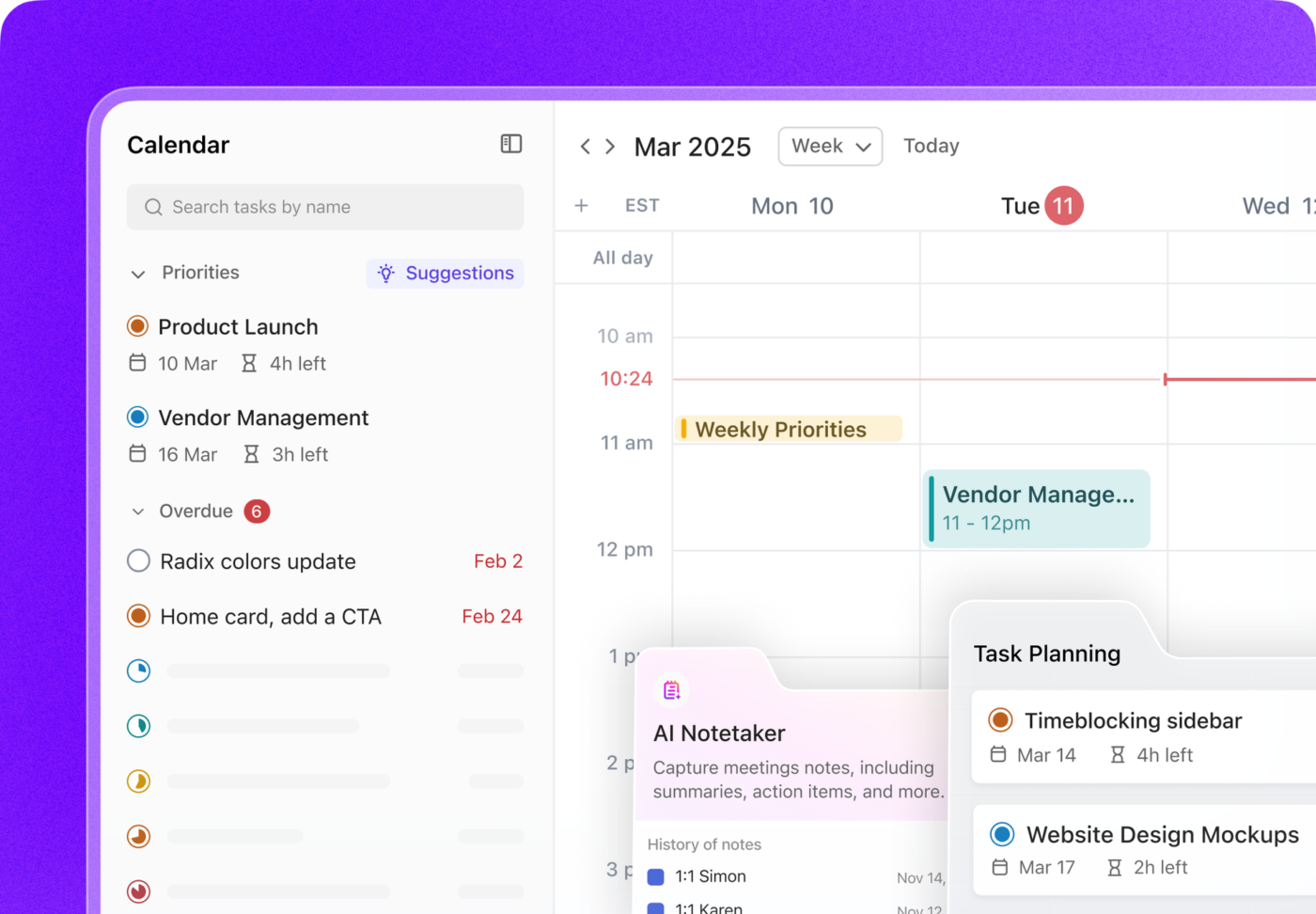
Use ClickUp Calendar to visually map your entire renewal flow, from filing dates to team handoffs. When everything’s on one timeline, you’ll spot blockers before they become problems.
Visa renewals don’t care how well you’ve performed at work. They care whether you can prove you’re still eligible.
Start collecting:
This isn’t a one-person process. You’ll likely need inputs from legal, HR, and your manager—so give everyone time to act.
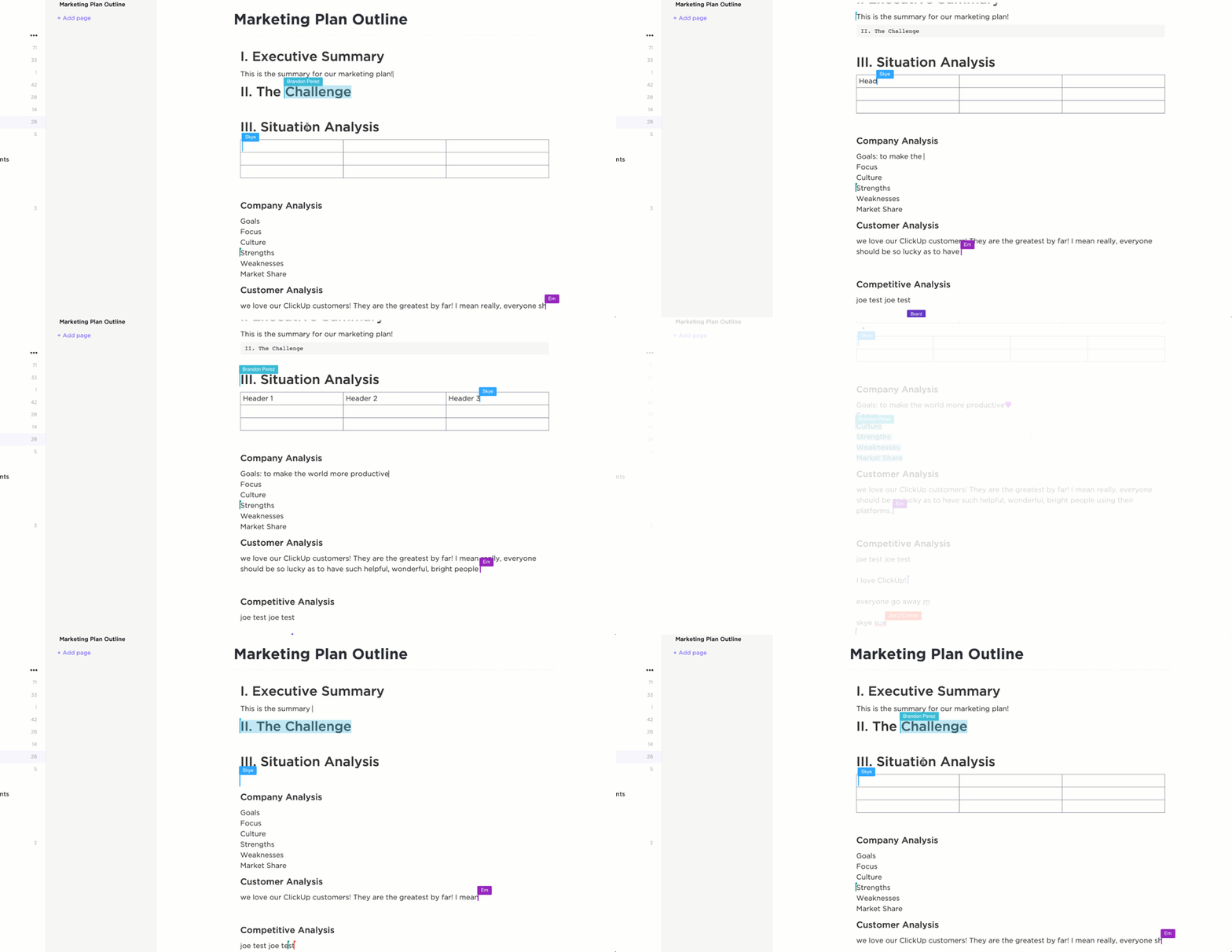
Use ClickUp Docs to store every form, letter, and approval in one place. You can tag collaborators, track edits, and link documents directly to tasks, so nothing gets lost in the shuffle or buried in someone’s inbox.
Just because you had one visa type doesn’t mean you should stick with it. Some non-immigrant work visas don’t allow extensions at all. Others may be better replaced with a new visa that offers longer-term benefits or leads to permanent residence.
This is where timing matters. Waiting too long to assess your options can force you into a rushed filing or worse, an avoidable denial.

Even with the best intentions, tasks slip. People forget. Forms get buried in inboxes.
That’s why ClickUp Reminders aren’t just helpful but also protective. Set reminders for when documents are due, when approvals should come in, and when you’re 30, 15, or even 5 days from your expiration date.
Whether it’s prompting your attorney for follow-up or nudging HR to upload a signed letter, these auto-notifications make sure everyone stays aligned and no one drops the ball.
📖 Also Read: Top 10 Digital Nomad Communities to Make Your Own
Are you wondering how long a work visa lasts in the US? It depends on your visa category, but the urgency stays the same. Track your deadlines, prep early, and don’t wait for reminders from immigration.
Whether you’re a visa holder under the visa waiver program, a foreign investor, or part of an international organization, the risk of missing a renewal window is the same. Even short-term visitors like WB temporary business visitors or GB temporary visitors need a system.
Try ClickUp today to manage every visa task, deadline, and document before the clock runs out.

© 2026 ClickUp

There’s an easier way. Try a free AI Agent in ClickUp that actually does the work for you—set up in minutes, save hours every week.