








Still downloading templates?
There’s an easier way. Try a free AI Agent in ClickUp that actually does the work for you—set up in minutes, save hours every week.
Sorry, there were no results found for “”
Sorry, there were no results found for “”
Sorry, there were no results found for “”
AI experiment tracking exists for a simple reason: ML work is inherently messy, and without a system to capture decisions, it’s almost impossible to build on what you’ve already done.
Every experiment involves dozens of moving parts—datasets, parameters, model versions, and evaluation metrics. But just as important is the why behind each change. Why did you tweak that feature? Why did this version perform better? Without a clear record, that context disappears.
And for the ~55% of teams still operating without a dedicated experiment tracking system, that loss of context shows up everywhere.
Notes in Jupyter, metrics in spreadsheets, decisions buried in Slack. With this chaotic lack of a system, you can’t reproduce results. You end up repeating failed ideas, and it becomes harder to scale wins.
This guide covers 10 free AI experiment tracking templates designed to fix that. Each one tackles specific parts of your workflow, from structuring hypotheses to tracking growth experiments, so your system stays useful as your work gets more complex.
An AI experiment tracking template is a pre-built framework that helps teams document, organize, and analyze machine learning experiments. It captures everything from model parameters to performance metrics in one structured place.
For data science teams, ML engineers, and product managers running growth experiments, it provides a systematic way to track what they’ve tested and what actually worked.
Without a centralized system, teams lose the context behind decisions. Work Sprawl takes over, with information scattered across tools, leading to repeated mistakes, lost insights, and messy handoffs that make experiments hard to track or replicate.
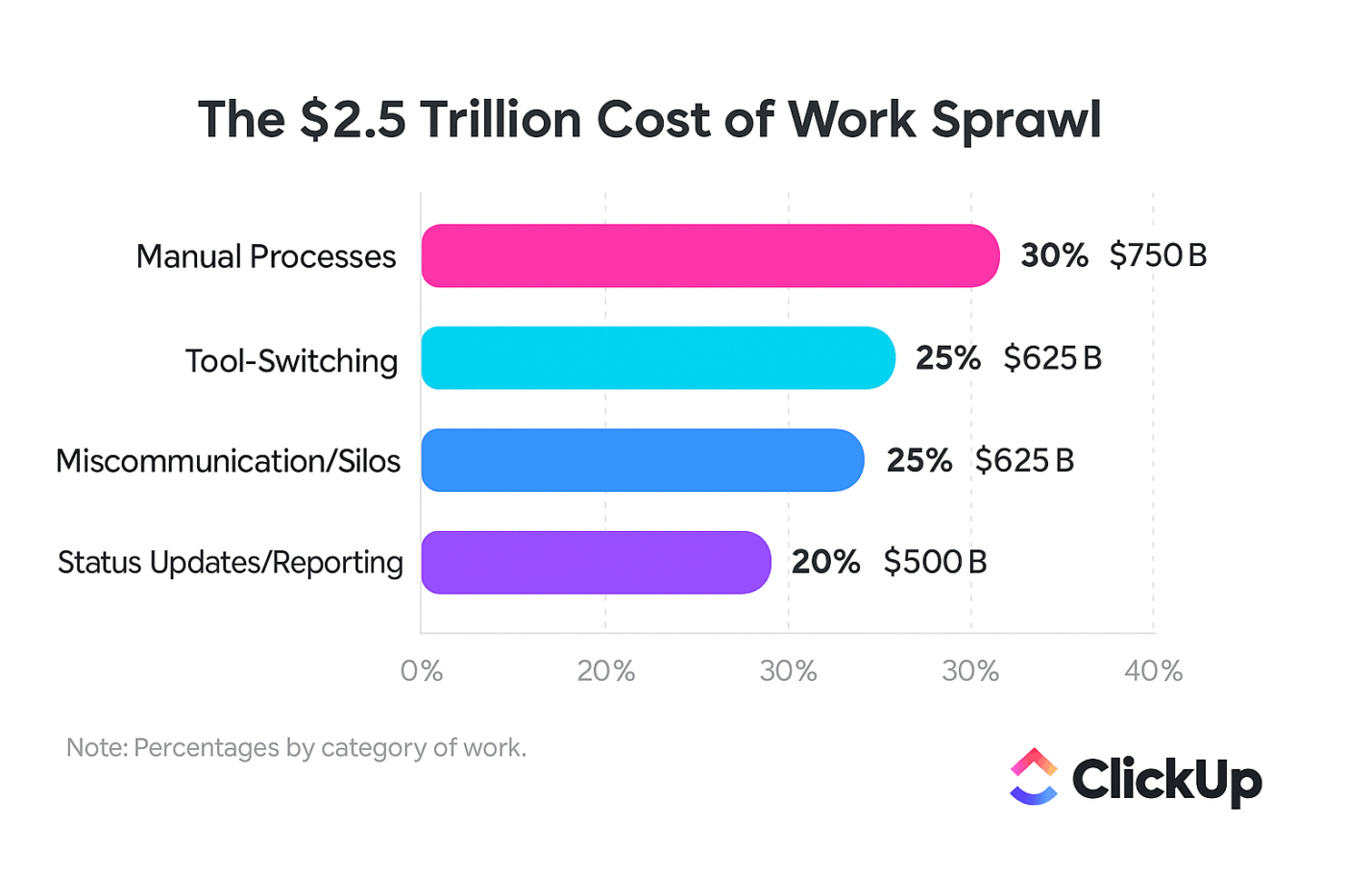
An AI experiment tracking template solves this by creating a single source of truth where every hypothesis, parameter change, and outcome live together. It eliminates the “which version was that?” confusion for good.
| Template name | Download link | Ideal for | Best features | Visual format |
| Experiment Plan and Results Template by ClickUp | Get free template | ML, product, and growth teams running structured experiments with clear hypotheses and outcomes | Structured experiment fields; centralized planning and tracking; trend visibility; collaborative documentation | List-based experiment tracker with structured fields and status workflow |
| Growth Experiments Whiteboard Template by ClickUp | Get free template | Product and growth teams brainstorming and prioritizing experiments before execution | Visual ideation space; ICE prioritization framework; drag-and-drop planning; task conversion from ideas | Interactive whiteboard with visual mapping and prioritization lanes |
| Spreadsheet Template by ClickUp | Get free template | Teams relying on spreadsheet workflows but needing collaboration and connected context | Grid-based tracking; real-time collaboration; flexible filtering and sorting; connected rows to tasks/docs | Table view (spreadsheet-style grid) with live collaboration |
| Analytics Report Template by ClickUp | Get free template | Data, product, and marketing teams presenting experiment results to stakeholders | KPI-focused reporting; built-in visualizations; trend analysis; structured reporting sections | Dashboard-style report with charts and summary sections |
| Data Analysis Findings Template by ClickUp | Get free template | Data scientists and analysts capturing exploratory insights across datasets | Centralized findings hub; anomaly and pattern tracking; structured insight capture; follow-up recommendations | List-based knowledge repository with tagged insights |
| Engineering Report Template by ClickUp | Get free template | ML engineers documenting infrastructure changes, deployments, and performance benchmarks | System-level documentation; reproducibility tracking; linked engineering context; structured reporting format | Document-style report linked to tasks and technical workflows |
| Research Report Template by ClickUp | Get free template | Research teams and ML practitioners publishing structured, reproducible findings | Academic-style structure; centralized research data; clear methodology and conclusions; long-form docs support | Multi-page document with nested Docs for detailed write-ups |
| Evaluation Report Template by ClickUp | Get free template | Teams running A/B tests or evaluations that require clear comparison and decision criteria | Structured evaluation framework; side-by-side comparisons; customizable scoring and tracking | Structured report with evaluation sections and scoring fields |
| Test Case Template by ClickUp | Get free template | ML and QA teams testing models across edge cases and input variations | Test case standardization; coverage tracking; status-based workflow; issue-to-resolution tracking | QA-style table with test cases, statuses, and result fields |
| Conversation Log Template by ClickUp | Get free template | Teams working on LLMs, chatbots, or prompt engineering workflows | Prompt-response tracking; iteration history; response quality scoring; searchable logs | Log-style table capturing prompts, outputs, and ratings |
A good experiment tracker fits naturally into your workflow. It should help you move faster, not slow you down with extra admin work. You need more than a spreadsheet with a fresh coat of paint.
Here’s what’s worth paying attention to:
With ClickUp by your side for managing and tracking experiments, you can finally stop forcing your workflow into a rigid structure.
You can tailor your metadata to your exact ML workflow with ClickUp Custom Fields, adding fields for anything from locations to AI-powered analysis. On top of that, you can build a visual pipeline that matches your experiment lifecycle using ClickUp Custom Statuses, so everyone knows what’s happening at a glance.
ClickUp Automations eliminate the need for manual updates, automatically moving experiments through stages when results are logged.
🎥 Since you’re already experimenting with AI, here’s a quick video tutorial on how to use AI to work smarter:
We’ve curated a list of templates that go beyond basic logging. They provide the structure you need to run faster, more organized experiments.
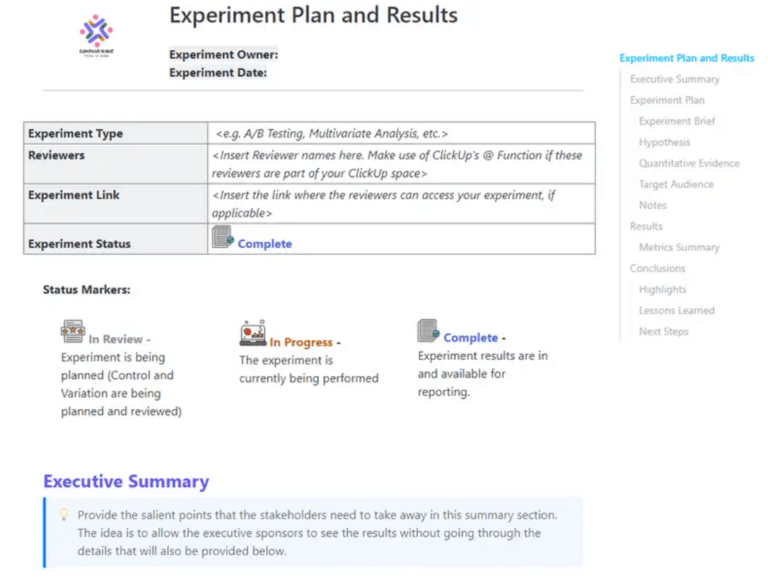
Tired of experiments that start with a vague idea and end with inconclusive results? This Experiment Plan and Results Template by ClickUp forces discipline by providing an end-to-end framework for documenting hypotheses, methodologies, and outcomes in a single, structured view. It’s perfect for ML teams running controlled experiments who need clear before-and-after documentation to prove their work’s impact.
The standout feature is its pre-built sections for hypothesis, variables, success criteria, and results analysis. Once your experiment is complete, you can also use ClickUp Brain (ClickUp’s native, context-aware AI) to summarize the findings and automatically generate next-step recommendations.
🔎 Ideal for: ML, product, and growth teams running structured experiments who need clear, end-to-end documentation from hypothesis to results.
📮 ClickUp Insight: While 35% of our survey respondents use AI for basic tasks, advanced capabilities like automation (12%) and optimization (10%) still feel out of reach for many.
Most teams feel stuck at the “AI starter level” because their apps only handle surface-level tasks. One tool generates copy, another suggests task assignments, a third summarizes notes—but none of them share context or work together.
When AI operates in isolated pockets like this, it produces outputs, but not outcomes. That’s why unified workflows matter.
ClickUp Brain changes that by tapping into your tasks, content, and process context—helping you execute advanced automation and agentic workflows effortlessly, via smart, built-in intelligence. It’s AI that understands your work, not just your prompts.
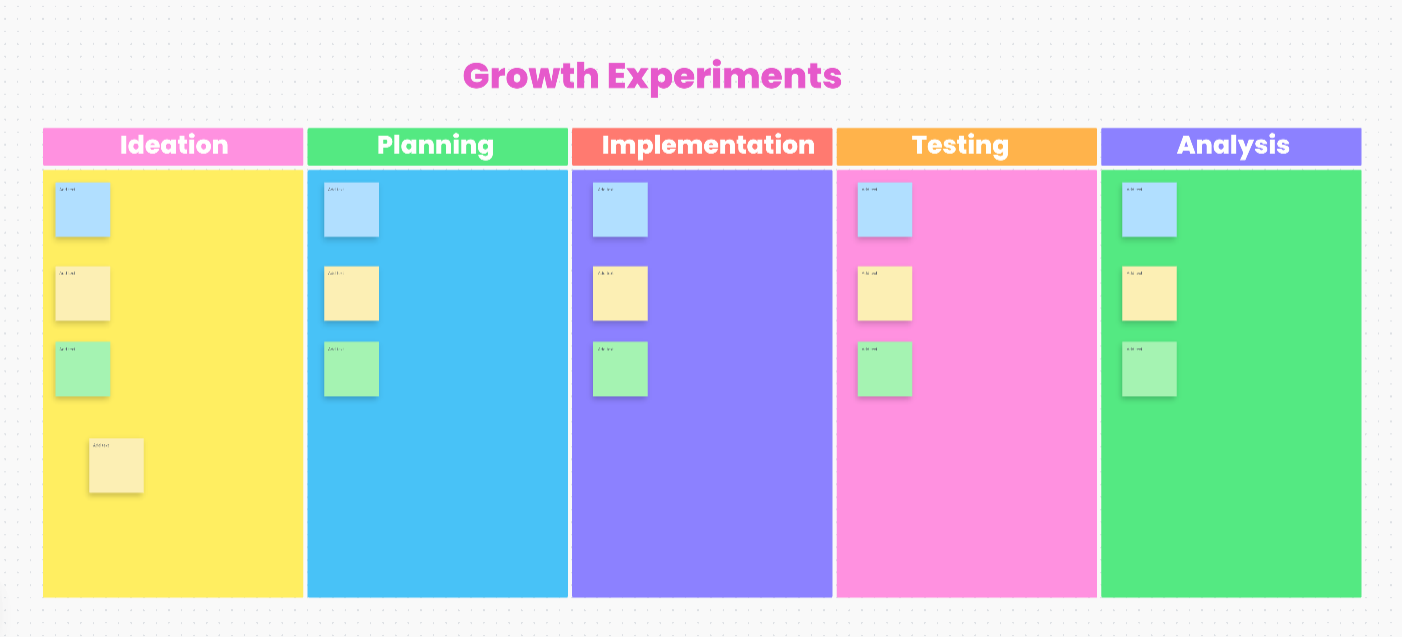
Great ideas for growth experiments often die in meeting notes or random chat threads. The Growth Experiments Whiteboard Template by ClickUp is designed to stop that from happening.
It’s a space for brainstorming, prioritizing, and mapping out growth experiment ideas before you commit a single line of code. It’s ideal for product and growth teams running rapid experimentation cycles across multiple channels.
The template’s best feature is the drag-and-drop prioritization framework with built-in ICE scoring (Impact, Confidence, Ease). This helps your team quickly align on which ideas to pursue next based on data, not just opinion.
Plus, you can turn brainstormed ideas directly into trackable ClickUp Tasks without losing initial context, thanks to ClickUp Whiteboards, which form the foundation of the template.
🔎 Ideal for: Product and growth teams that need a visual, collaborative space to brainstorm, prioritize, and track growth experiments.
📚 Also Read: How to Build an AI-Led Growth Playbook that Works
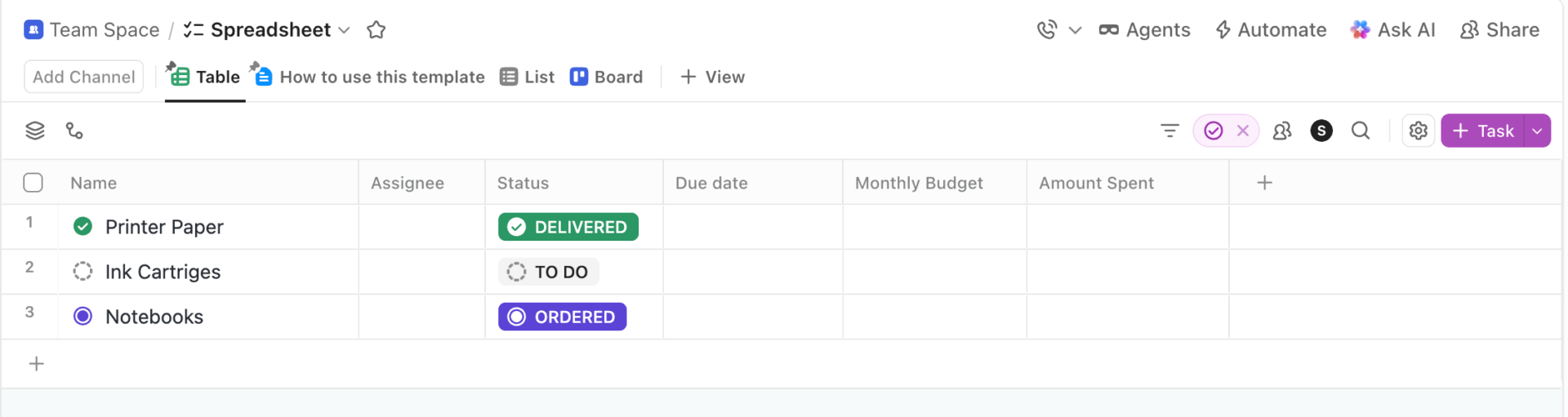
You may love your spreadsheets. Especially ones that come with Excel’s analytical power. But the problem is that traditional Excel files are terrible for collaboration and quickly become a source of version control issues.
This Spreadsheet Template by ClickUp gives you the familiar grid-based format you love, but supercharges it with modern collaboration features.
It’s built for data analysts and teams who prefer a spreadsheet workflow but are tired of the limitations of offline files. You get full formula support and conditional formatting, but with the added power of real-time, multi-user editing.
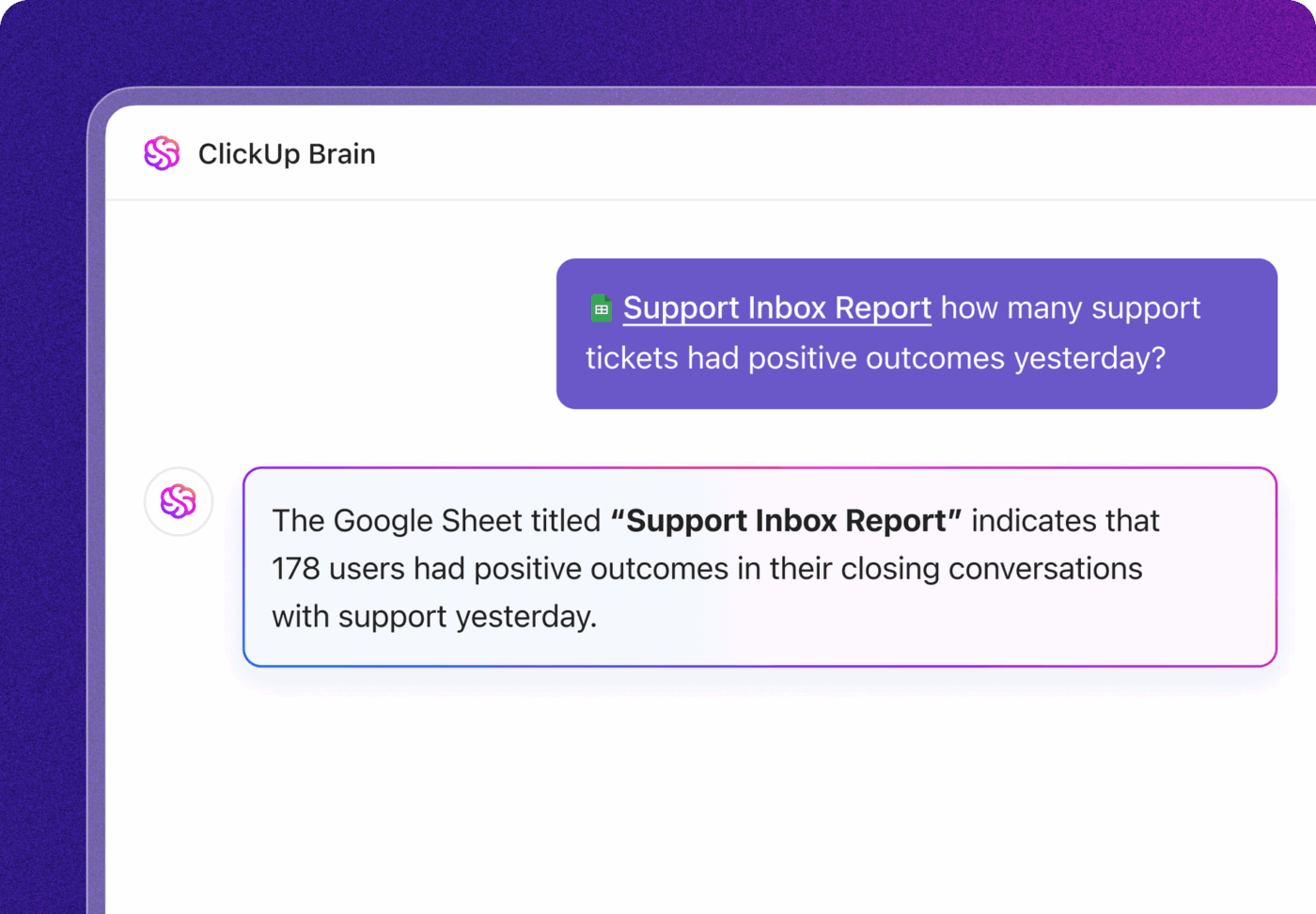
💡 Pro Tip: Get full context for every experiment by linking spreadsheet rows directly to related ClickUp Tasks or ClickUp Docs. You can also automatically surface patterns and insights by feeding the data to ClickUp Brain when you’re ready for analysis.
🔎 Ideal for: Teams that rely on spreadsheets for tracking experiments or data but need better collaboration, visibility, and connection to actual workflows.
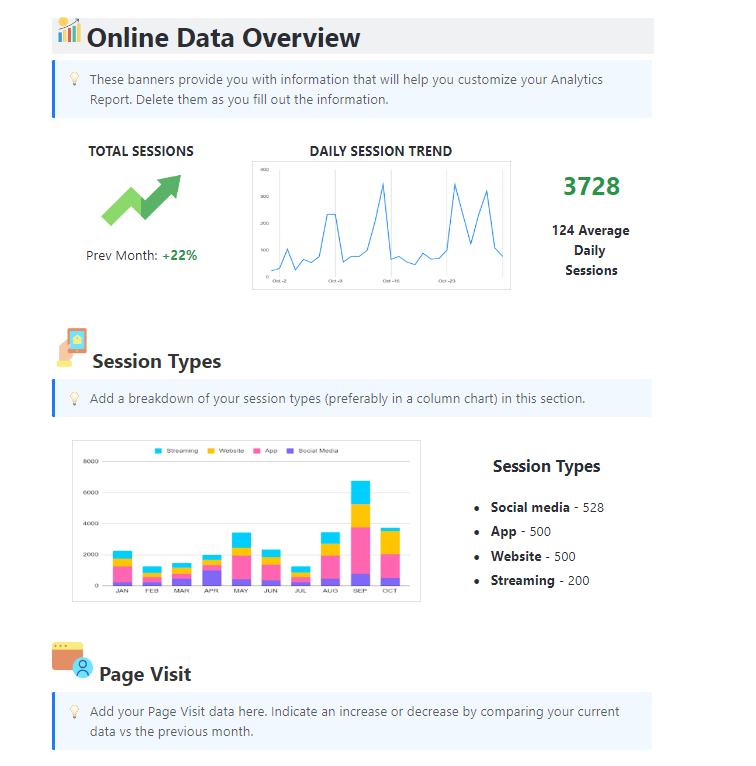
You ran a successful experiment, but now you have to explain it to leadership. Sharing a Jupyter notebook or a raw data file is a recipe for blank stares. This Analytics Report Template from ClickUp provides a structured reporting format for presenting experiment analytics to non-technical stakeholders.
It comes with pre-formatted sections for key metrics, placeholders for visualizations, and an executive summary, so you can build a compelling story around your data.
Plus, the template links to ClickUp Dashboards, which can pull live data from your experiments into structured visuals such as bar graphs, pie charts, and line charts, and even AI summary cards!
As a result, your reports stay automatically up to date, and stakeholders get a real-time view of your progress.
🔎 Ideal for: Data, product, and marketing teams that need to present experiment results and performance insights in a clear, stakeholder-friendly format.
During exploratory data analysis using AI, data scientists often find insights, anomalies, or data quality issues that don’t belong to a specific experiment but are critical for future work. Most of the time, these findings get lost in personal notebooks. The Data Analysis Findings Template by ClickUp provides a dedicated documentation framework to capture and organize those “aha!” moments.
It includes sections for data quality notes, anomaly flags, and recommended follow-up experiments, creating a searchable library of institutional knowledge.
What’s more? You can make these insights discoverable by tagging them with ClickUp Custom Fields.
Now, when someone on your team starts a new project, they can quickly search for past findings related to the dataset, and they won’t have to deal with the same issues you already solved.
🔎 Ideal for: Data scientists and analysts who want a structured, searchable way to capture exploratory insights and reuse them across future projects.
When you’re experimenting with infrastructure changes, model deployments, or pipeline optimizations, the technical details matter—a lot.
Forgetting to document a specific library version or system configuration can make it impossible to reproduce a performance gain. ClickUp’s Engineering Report Template by ClickUp is built for ML engineers who need to capture that deep technical context.
It includes dedicated sections for system specs, performance benchmarks, and technical debt notes. With this template, you can stop burying this critical information in commit messages or scattered README files. Keep all your technical context in one place by using ClickUp Tasks with relationships to link your engineering reports directly to the relevant code repositories or deployment tasks.
🔎 Ideal for: ML engineers and technical teams documenting infrastructure changes, model deployments, or performance improvements where detailed context is critical for future reference.
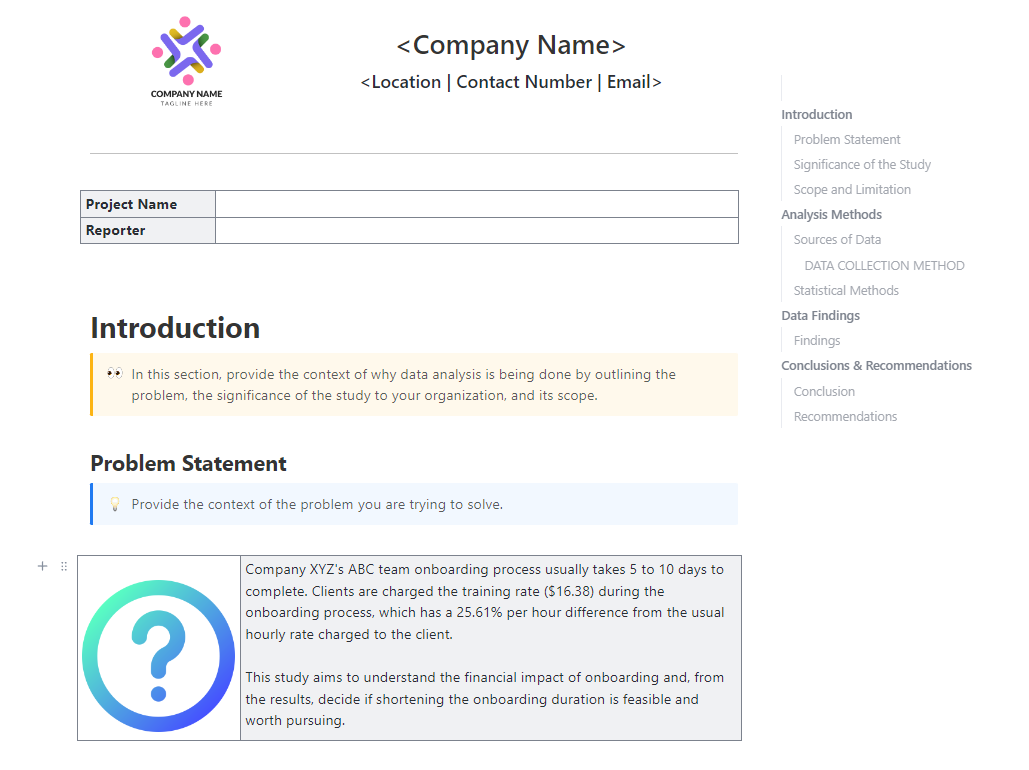
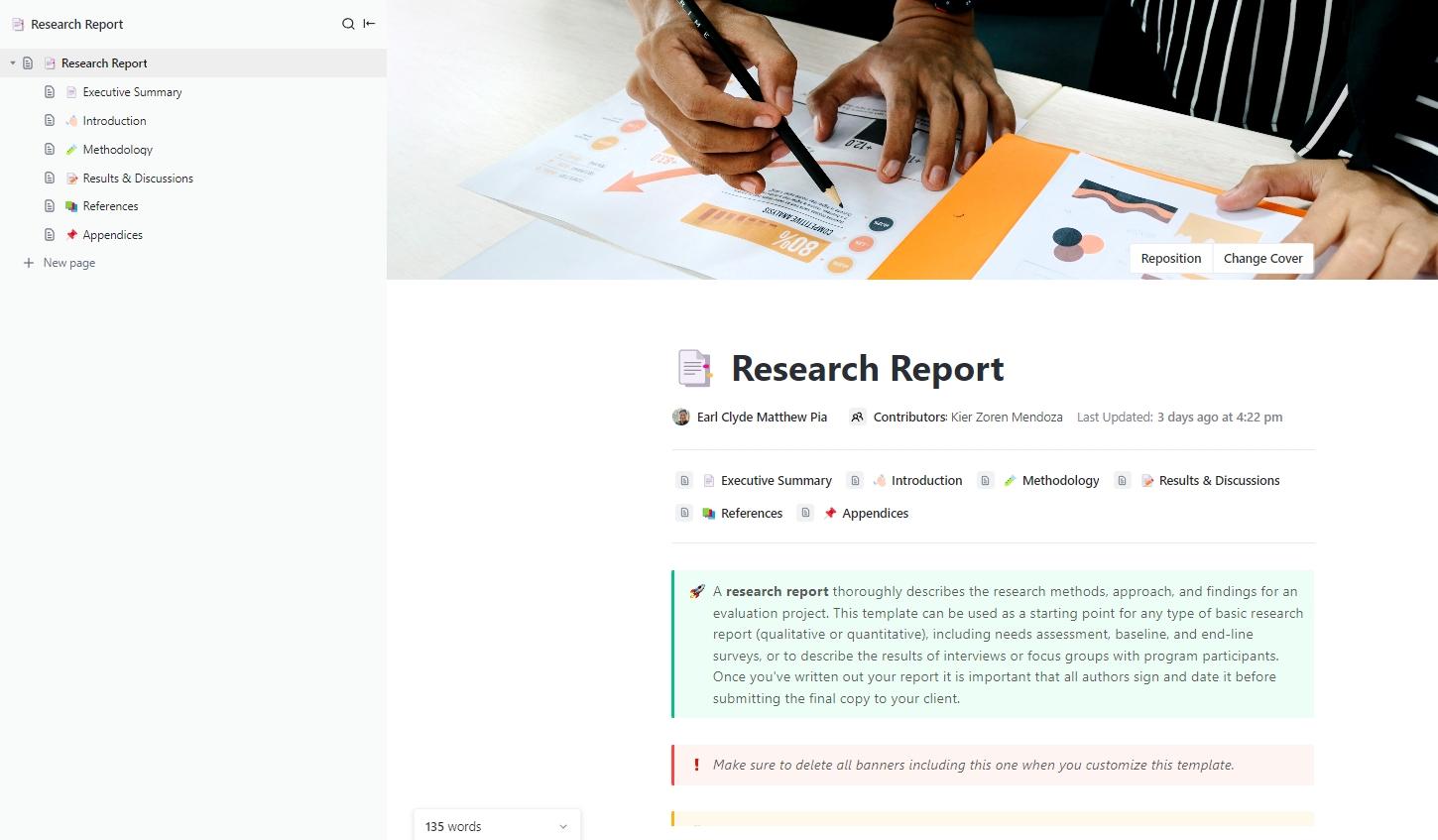
For research teams or ML practitioners who need to publish their findings, reproducibility is everything. This Research Report Template by ClickUp provides an academic-style structure for documenting research experiments with the necessary methodological rigor. It ensures your work can be understood, validated, and built upon by others.
It features sections for a literature review, a detailed methodology breakdown, and a discussion of limitations.
💡 Pro Tip: Create comprehensive write-ups for deep, complex methodologies by using ClickUp Docs and nesting them within the template. That way, you can create multi-page write-ups while keeping the main report clean and readable.
🔎 Ideal for: Research teams, analysts, and ML practitioners who need a structured, collaborative way to document and present complex research findings clearly.
📚 Also Read: Why Is Document Version Control Important? ClickUp
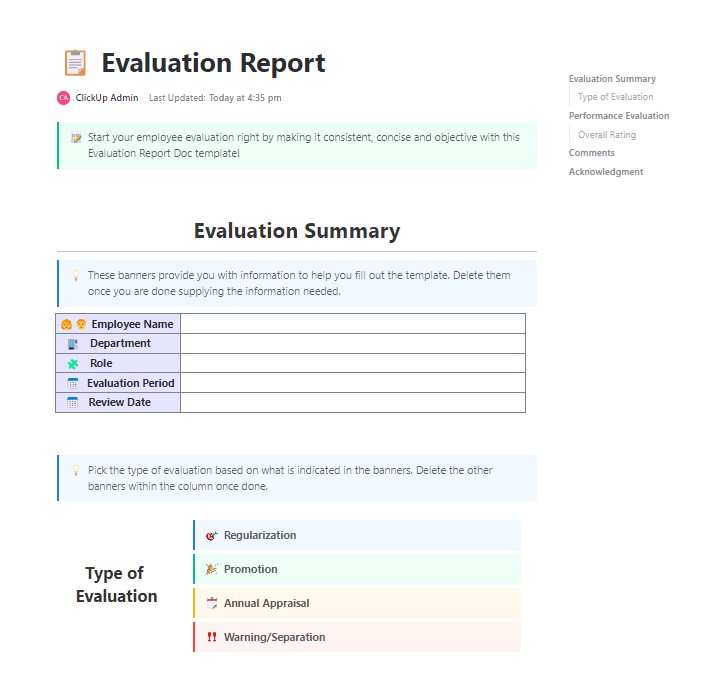
Running A/B tests or model evaluations without clear, objective criteria often leads to debates over whether an experiment was truly a “success.” This Evaluation Report Template by ClickUp removes ambiguity. You get a structured format for assessing outcomes against predefined success criteria. It’s perfect for teams that need clear pass/fail documentation.
Its built-in rubric sections let you score experiments against multiple criteria rather than a single metric. You can then automatically calculate evaluation scores based on your input metrics using Formula Fields in ClickUp.
🔎 Ideal for: Teams running experiments or evaluations who need a clear, consistent way to document results and compare outcomes.
ML models can fail in strange and unexpected ways, especially on edge cases.
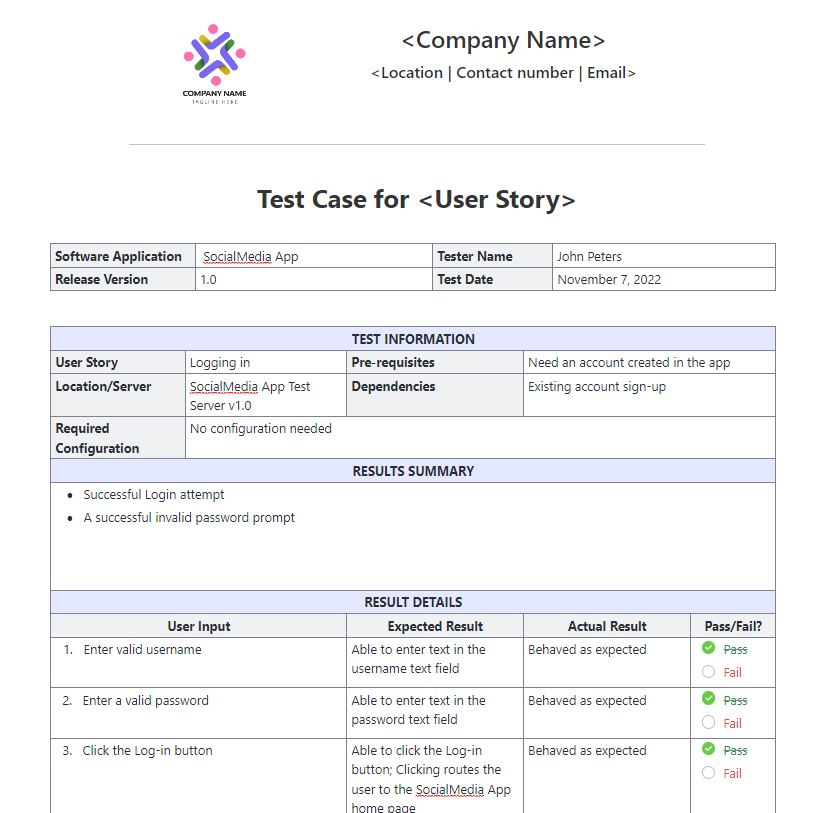
Simply tracking overall accuracy isn’t enough; you need to validate model behavior across a wide range of specific inputs. That’s what the QA-style Test Case Template by ClickUp is tailored to do.
It provides a structured format with a test case ID system, columns for expected vs. actual results, and status tracking. Use it to systematically build your test coverage and identify specific failure modes.
💡 Pro Tip: Close the loop between testing and resolution by using ClickUp Automations to automatically flag failed tests, create follow-up bug-fixing tasks, and assign them to the right engineer. Using if-then triggers and actions, Automations let you keep handoffs moving forward without manual intervention.
🎥 Check out how engineering teams are using ClickUp Automations:
🔎 Ideal for: ML and QA teams testing models across different inputs and edge cases who need a clear way to track results and act on failures quickly.
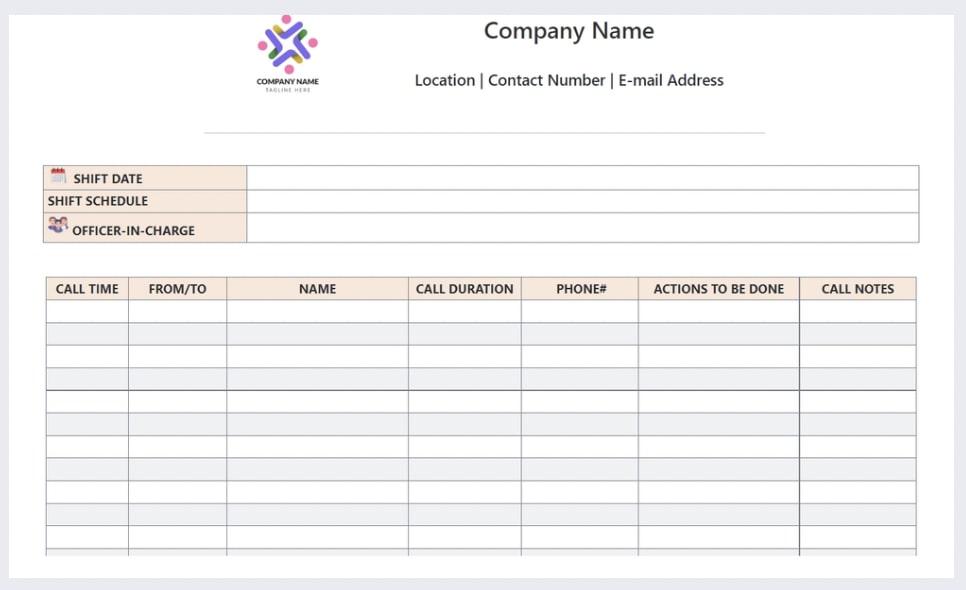
Fine-tuning conversational AI or perfecting a prompt for an LLM can feel like an art. This Conversation Log Template by ClickUp makes the process scientific by providing a structured way to track interactions and outputs. It’s designed for teams working on chatbots, virtual assistants, or any prompt engineering task.
It includes fields for the input prompt, the model’s response, a quality rating, and notes on the iteration. This log creates a detailed history of what works and what doesn’t.
🔎 Ideal for: Teams working on LLMs, chatbots, or prompt engineering projects, and who need a structured way to track prompt iterations and improve response quality over time.
Having great templates isn’t enough. If your team’s habits are inconsistent, your “single source of truth” can quickly become a single source of confusion. 😅
Adopt these best practices to ensure your experiment tracking system actually delivers value:
👀 Did You Know? Studies show that sharing both code and data boosts reproducibility to 86%, while sharing only data drops it to 33%.
You can enforce these habits directly in your workflow, using ClickUp. Enforce documentation habits automatically by using ClickUp Automations to require key ClickUp Custom Fields, like “Hypothesis,” to be filled out before an experiment’s status can be changed to “Running.”
A simple rule to ensure you never have an experiment record without the most critical piece of context.
Effective experiment tracking is your team’s best defense against repeated work and lost context.
When you standardize your documentation, you make your experiments comparable, reproducible, and most importantly, valuable. The right template should always match your team’s workflow, not the other way round.
Context sprawl across dozens of tools is what kills experiment velocity. By bringing everything into a centralized tracking system, you create an institutional memory that survives team changes and helps new members get up to speed faster.
Teams that systematize their experiment tracking compound their learnings, with each new experiment building on a documented history of what has and hasn’t worked.
Bring your experiment tracking into ClickUp’s converged AI workspace and start building on a documented history of learning. Get started for free with ClickUp today. ✨
An experiment tracking template is for documenting the process of developing and testing a model: the “what did we try” part. An ML monitoring tool is for tracking a model’s performance after it’s been deployed in a live production environment—the “how is it performing now” part.
You can add ClickUp Custom Fields to capture your team’s specific metadata, like hyperparameters or dataset versions. Then, create Custom Statuses that match your unique experiment lifecycle and use ClickUp Automations to enforce documentation rules as experiments move through your pipeline.
Yes, they work great together. Use dedicated ML tools for technical logging and then use your ClickUp template as the central collaboration and documentation layer. You can simply link to your MLflow runs or W&B dashboards from your experiment task in ClickUp to keep all technical and strategic context in one place.
Free templates are a great starting point, but enterprise teams often need more advanced governance. This includes features such as granular permissions to control who can see or edit specific experiments and audit trails to track all changes for compliance purposes, both of which are available in ClickUp.

© 2026 ClickUp

There’s an easier way. Try a free AI Agent in ClickUp that actually does the work for you—set up in minutes, save hours every week.