



Managing public grievances involves coordinating multiple activities, stakeholders, and communication channels to ensure that citizen concerns are addressed promptly and effectively. The Public Grievance Handling Work Breakdown Structure Template is designed to help government agencies and public service organizations break down the grievance management process into clear, manageable components.
This specialized template enables you to:
- Systematically organize grievance handling tasks from receipt to resolution
- Assign roles and responsibilities to grievance officers, investigators, and communication teams
- Monitor progress with real-time updates on grievance status and resolution timelines
Best of all, this template requires no technical expertise—simply use ClickUp to streamline your grievance management workflow and improve public trust through transparency and efficiency.
Benefits of a Public Grievance Handling Work Breakdown Structure Template
Implementing a work breakdown structure tailored for grievance handling offers numerous advantages for public sector teams. It provides a clear roadmap for managing grievances, ensuring accountability and timely responses. Key benefits include:
- Defines and organizes all stages of grievance processing, from acknowledgment to closure
- Clarifies roles for team members such as complaint intake officers, investigators, and communication specialists
- Enhances communication between departments and with complainants, fostering transparency
- Improves efficiency by identifying bottlenecks and enabling proactive management of grievances
Main Elements of the Public Grievance Handling Work Breakdown Structure Template
This template breaks down the grievance handling program into essential components, including:
- Grievance Intake: Logging complaints via multiple channels (online portals, call centers, in-person)
- Assessment and Categorization: Evaluating grievances for severity, type, and required action
- Assignment: Delegating cases to appropriate officers or departments for investigation
- Investigation and Resolution: Conducting inquiries, gathering evidence, and determining outcomes
- Communication: Keeping complainants informed of progress and final decisions
- Closure and Feedback: Documenting resolution, soliciting feedback, and implementing improvements
- Reporting and Analysis: Generating reports on grievance trends, resolution times, and team performance
By using this structured approach, public agencies can ensure a comprehensive and transparent grievance handling process that meets citizen expectations and regulatory requirements.
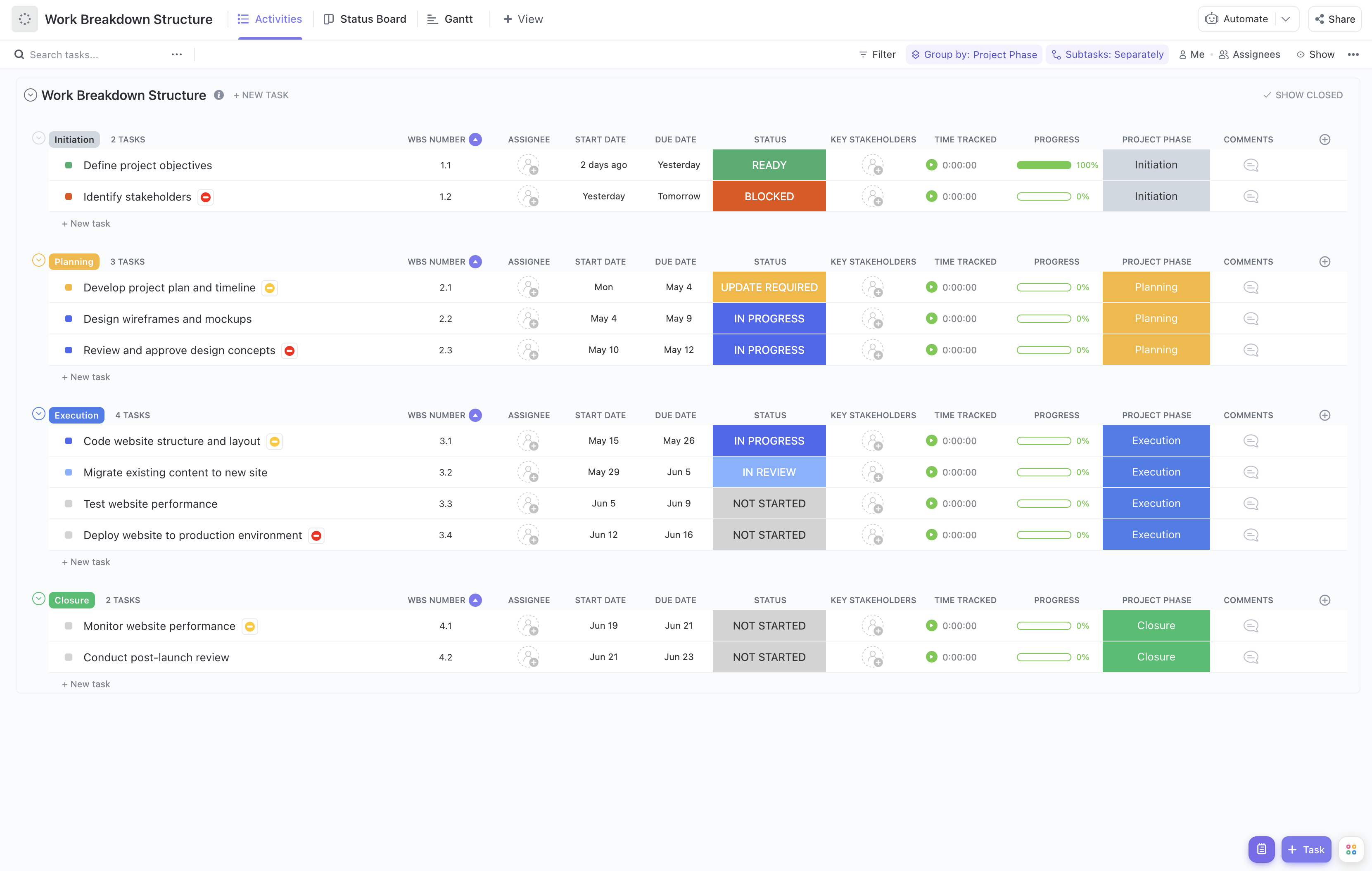
Leverage this template to align your team, track progress, and deliver timely resolutions that enhance public satisfaction and trust in government services.










