

Enforcing organizational policies requires meticulous coordination and clear task delineation to ensure compliance and mitigate risks. This Policy Enforcement Handling Work Breakdown Structure template is crafted to help compliance officers, legal teams, and operational managers systematically manage enforcement activities.
This specialized template enables you to:
- Segment enforcement initiatives into clear, actionable tasks for improved oversight
- Assign responsibilities to appropriate teams and stakeholders efficiently
- Monitor enforcement progress and compliance status with real-time updates
Best of all, no specialized technical skills are needed to implement this template—just use ClickUp to organize and track your policy enforcement workflow seamlessly.
Benefits of a Policy Enforcement Handling Work Breakdown Structure
Utilizing a work breakdown structure tailored for policy enforcement enhances your organization's ability to manage complex compliance requirements. Key benefits include:
- Clarifies enforcement objectives and deliverables, ensuring all necessary actions are identified and assigned
- Defines roles and responsibilities clearly, reducing overlaps and gaps in enforcement efforts
- Facilitates communication between compliance officers, legal counsel, and operational teams for coordinated action
- Improves efficiency by providing a structured approach to managing enforcement timelines and resources
Main Elements of the Policy Enforcement Handling Work Breakdown Structure
This template is structured to cover all critical components of policy enforcement management:
- Policy Identification and Analysis: Cataloging policies subject to enforcement, analyzing their scope and implications.
- Enforcement Planning: Developing enforcement strategies, defining criteria for compliance, and scheduling enforcement activities.
- Task Assignment: Allocating enforcement tasks to compliance officers, legal teams, and operational units with clear deadlines.
- Monitoring and Reporting: Tracking enforcement progress, documenting compliance status, and generating reports for stakeholders.
- Issue Resolution: Managing exceptions, handling disputes, and implementing corrective actions as needed.
- Review and Improvement: Assessing enforcement outcomes, gathering feedback, and refining enforcement processes for continuous improvement.
By following this structured approach, your organization can ensure consistent, transparent, and effective policy enforcement that aligns with regulatory requirements and internal standards.
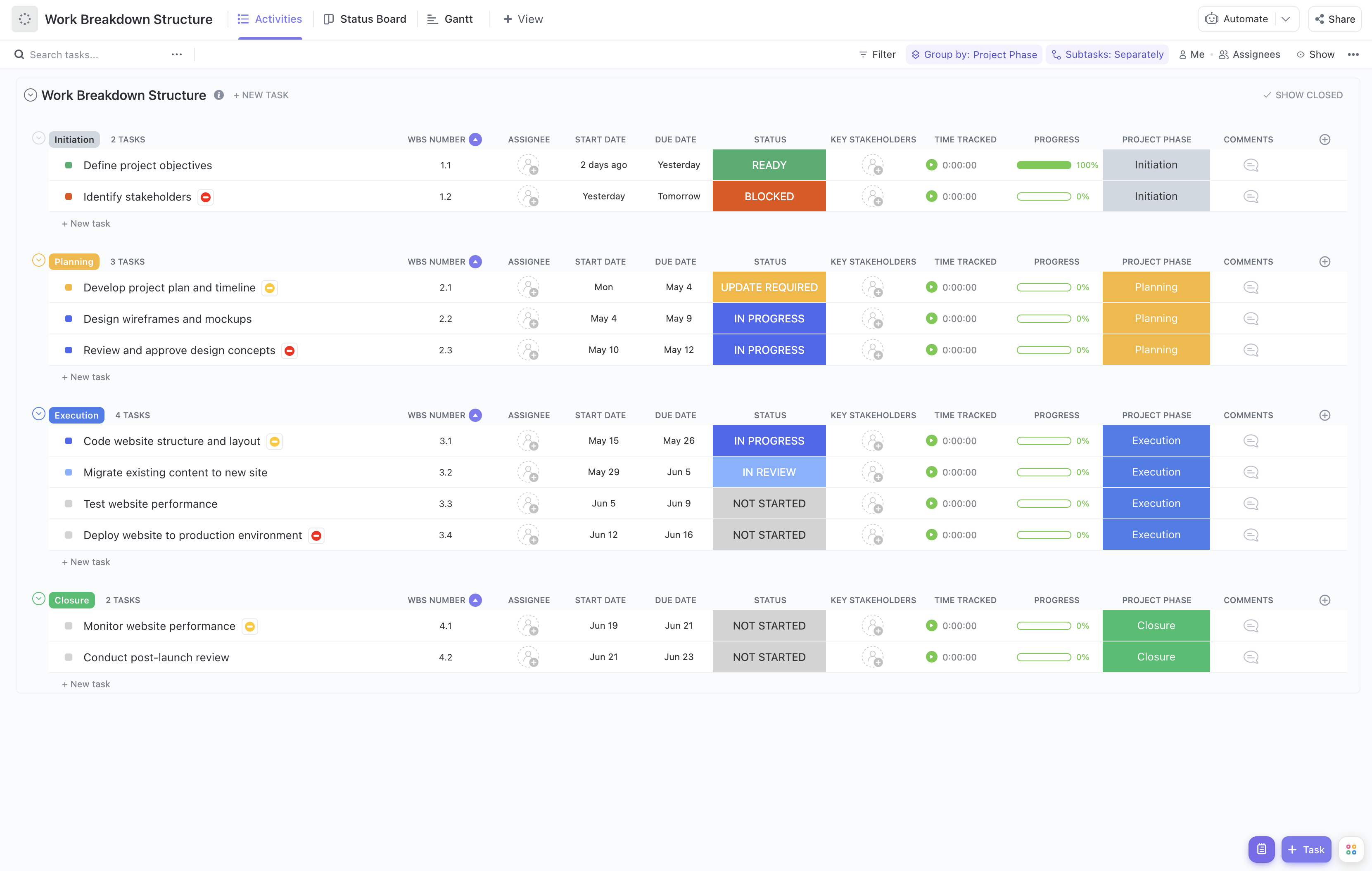


Implement this template to bring clarity and control to your policy enforcement processes, ensuring your organization remains compliant and responsive to regulatory demands.










