


Implementing and managing a Manufacturing Execution System (MES) involves coordinating numerous complex processes, from system design to deployment and ongoing operations. Breaking down these intricate tasks into manageable segments is essential for success. That's where our Manufacturing Execution System Work Breakdown Structure Template comes in!
This tailored template helps you:
- Organize MES implementation and operational tasks into clear, manageable sections for enhanced visibility and control
- Align cross-functional teams—including IT, production, quality assurance, and supply chain—to their specific responsibilities quickly and efficiently
- Track progress and key milestones in real-time, ensuring timely delivery and quality standards are met
Best of all, no specialized coding skills or complex software setups are required—just use ClickUp to get started and keep your MES projects on track.
Benefits of a Manufacturing Execution System Work Breakdown Structure Template
Using a WBS template specifically designed for MES projects empowers manufacturing managers and teams to:
- Define and organize MES project deliverables, such as system configuration, integration, testing, training, and deployment phases
- Clarify roles and responsibilities across departments, reducing confusion and enhancing accountability
- Enhance communication between stakeholders including production managers, IT specialists, and quality control teams through transparent task assignments and updates
- Improve overall project efficiency by identifying dependencies, potential bottlenecks, and resource allocation needs early
Main Elements of the Manufacturing Execution System Work Breakdown Structure Template
This template breaks down MES projects into hierarchical components, including:
- Project Initiation:
Defining project scope, objectives, and stakeholder engagement
- System Design and Configuration:
Detailing software customization, hardware setup, and interface development
- Integration and Testing:
Coordinating integration with existing enterprise systems (ERP, SCADA), and conducting functional and user acceptance testing
- Training and Documentation:
Preparing training materials, conducting sessions for end-users, and documenting processes
- Deployment and Go-Live:
Planning cutover strategies, monitoring initial operations, and addressing issues promptly
- Post-Implementation Support:
Establishing maintenance schedules, continuous improvement plans, and performance monitoring
By leveraging this structured approach, manufacturing teams can ensure that MES projects are executed efficiently, risks are mitigated, and production goals are consistently met.
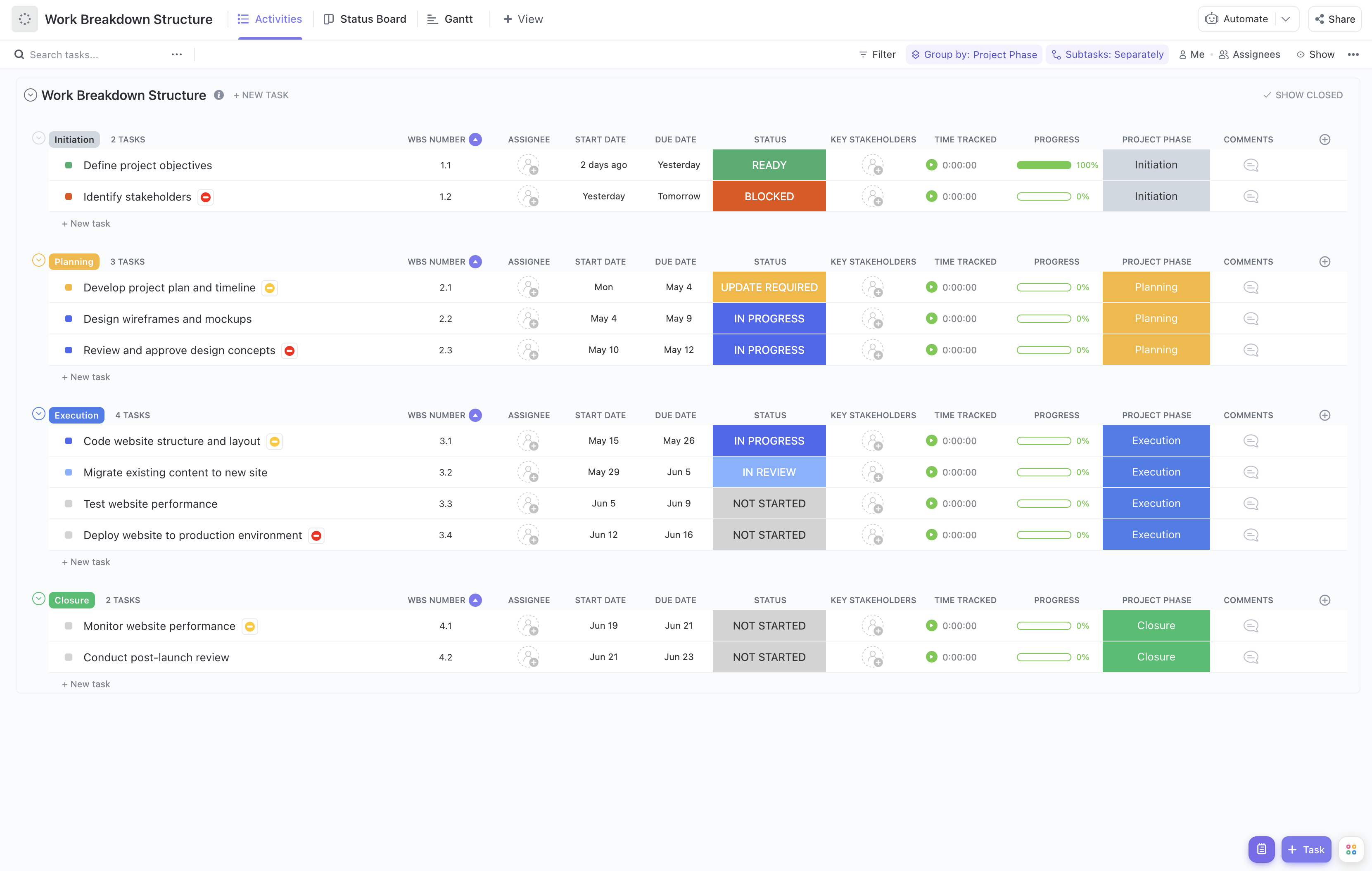
Utilize this template to gain comprehensive control over your MES projects, improve collaboration across departments, and drive manufacturing excellence with confidence.












