
Implementing a library automation program involves numerous interconnected tasks, from software selection to staff training. Managing these components effectively is crucial to a smooth transition and successful project completion. That's where our Library Automation Program Work Breakdown Structure Template comes in!
This specialized template helps you:
- Organize automation tasks into clear, manageable sections such as cataloging, circulation, and digital resources management
- Align librarians, IT staff, and vendors to their specific responsibilities quickly and efficiently
- Track progress on key milestones like software installation, data migration, and user training with real-time updates
Best of all, you don't need any coding skills or specialized software to get started—just ClickUp and your project team are ready to break down your library automation project into achievable steps!
Benefits of a Library Automation Program Work Breakdown Structure Template
A work breakdown structure (WBS) tailored for library automation projects offers a clear roadmap for success. It visually maps out all deliverables and tasks, helping you stay on schedule and within budget. Key benefits include:
- Clearly defines and organizes project deliverables such as system requirements, hardware procurement, and staff training sessions
- Provides clarity for team members on their roles, whether managing catalog integration or overseeing user support
- Enhances communication between librarians, IT professionals, and stakeholders to ensure alignment and address challenges promptly
- Improves overall project efficiency by breaking down complex automation processes into manageable tasks
Main Elements of a Library Automation Program Work Breakdown Structure Template
This template is structured to cover all critical phases of a library automation program, including:
- Project Initiation:
Define scope, identify stakeholders, and establish project objectives specific to library needs.
- System Selection and Procurement:
Evaluate automation software options, negotiate contracts, and acquire necessary hardware.
- Data Migration and Integration:
Plan and execute the transfer of catalog data, user records, and digital assets into the new system.
- System Configuration and Testing:
Customize software settings, conduct functionality testing, and resolve issues.
- Staff Training and Change Management:
Develop training materials, conduct workshops, and support staff adaptation to new workflows.
- Go-Live and Support:
Launch the automated system, monitor performance, and provide ongoing technical support.
By following this structured approach, your library automation project will benefit from improved task visibility, better team coordination, and enhanced control over project timelines and deliverables.
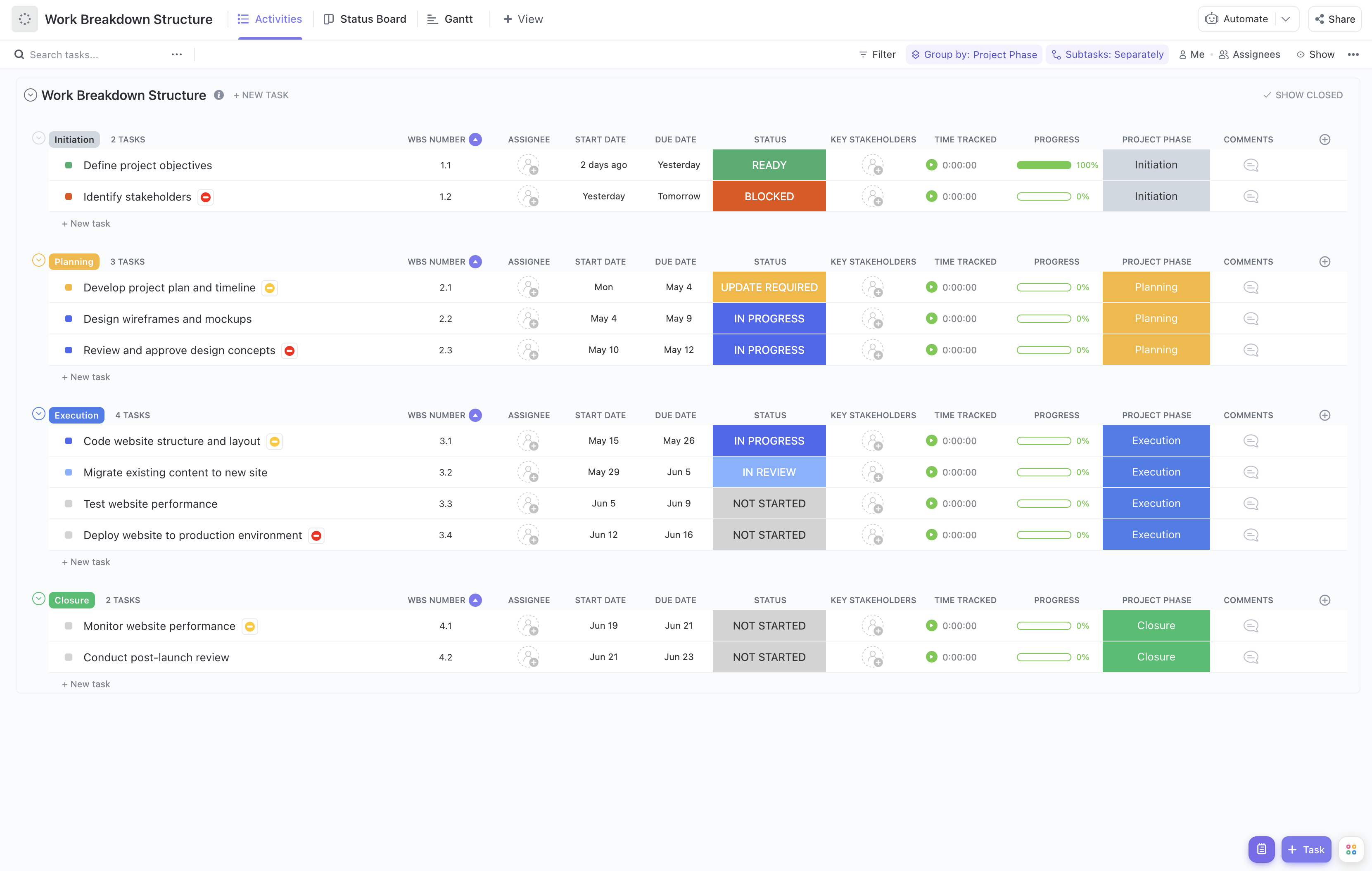


Utilize this template to keep your library automation program organized, transparent, and on track from initiation through successful completion.












