


Managing a digital asset repository involves coordinating numerous tasks such as asset ingestion, metadata tagging, storage optimization, access control, and ongoing maintenance. Breaking down these complex activities into manageable parts is essential for successful repository management. That's where the Digital Asset Repository Work Breakdown Structure Template comes in!
This specialized template helps you:
- Organize digital asset management tasks into clear, manageable sections for improved oversight
- Assign team members to specific repository functions like cataloging, quality control, and user access management efficiently
- Track progress of asset uploads, metadata enrichment, and system updates with real-time status updates
Best of all, no coding or specialized software skills are required to get started—just use ClickUp to break down your digital asset repository projects into actionable steps!
Benefits of a Digital Asset Repository Work Breakdown Structure Template
Utilizing a WBS template tailored for digital asset repositories offers numerous advantages for project managers and digital librarians alike. It provides a clear visual roadmap of repository development and maintenance tasks, helping ensure timely completion and resource allocation. Key benefits include:
- Defining and organizing repository deliverables such as asset ingestion workflows, metadata standards, and user permissions
- Clarifying roles and responsibilities among digital asset managers, metadata specialists, IT support, and stakeholders
- Enhancing communication between teams managing content acquisition, system administration, and end-user support
- Improving overall efficiency by identifying dependencies and streamlining asset lifecycle management processes
Main Elements of the Digital Asset Repository Work Breakdown Structure Template
This template is structured to cover all critical components of digital asset repository projects, including:
- Asset Acquisition:
Tasks related to sourcing, ingesting, and validating new digital assets.
- Metadata Management:
Defining metadata schemas, tagging assets, and ensuring data quality.
- Storage and Backup:
Organizing storage solutions, implementing backup protocols, and monitoring system health.
- Access and Permissions:
Setting user roles, managing access controls, and maintaining security compliance.
- Maintenance and Updates:
Scheduling regular audits, updating software, and handling asset lifecycle events.
Each section includes task breakdowns with assigned team members, deadlines, and progress tracking to keep your digital asset repository project on track and aligned with organizational goals.
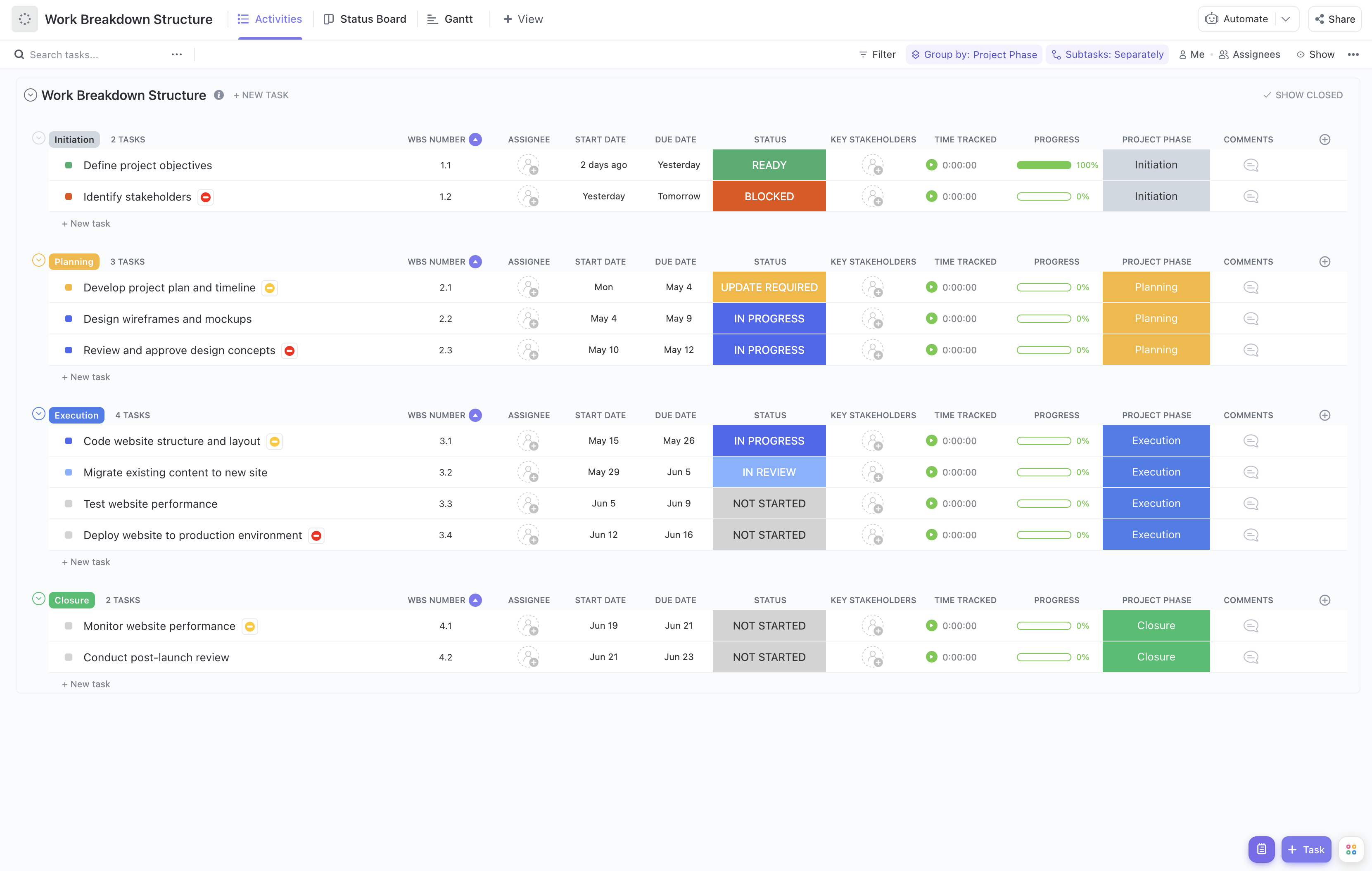
By leveraging this template, your team can ensure that every aspect of your digital asset repository is thoughtfully planned, executed, and monitored, leading to a well-organized and accessible asset library that supports your organization's needs.












