

Ensuring your organization’s resilience through a robust continuity management system requires meticulous planning and coordination. Managing the multitude of tasks involved in developing, implementing, and maintaining continuity plans can be challenging. That’s why this Continuity Management System Work Breakdown Structure Template is designed to help you streamline and organize your continuity projects effectively.
This specialized template enables you to:
- Decompose your continuity management initiatives into clear, manageable components for enhanced oversight
- Assign responsibilities to continuity team members swiftly and accurately to ensure accountability
- Track the progress of continuity planning, testing, and maintenance activities with real-time updates
Best of all, this template requires no coding skills or specialized software—just your ClickUp workspace to get started on building a resilient continuity management system.
Benefits of a Continuity Management System Work Breakdown Structure Template
Utilizing a WBS template tailored for continuity management offers significant advantages for your organization's preparedness efforts. It provides a structured visual framework that clarifies the scope and sequence of continuity activities, helping to ensure timely completion and compliance with standards such as ISO 22301. Key benefits include:
- Clearly defines and organizes continuity deliverables, such as risk assessments, business impact analyses, and recovery strategies
- Clarifies roles and responsibilities among continuity planners, IT teams, and business units
- Enhances communication and coordination between stakeholders, including management, operational teams, and external partners
- Improves efficiency in managing continuity projects by providing a transparent roadmap and progress tracking
Main Elements of a Continuity Management System Work Breakdown Structure Template
This template structures your continuity management system into key components, including:
- Project Initiation: Define scope, objectives, and assemble the continuity management team.
- Risk Assessment: Identify and evaluate potential threats and vulnerabilities impacting business operations.
- Business Impact Analysis (BIA): Analyze critical business functions and determine recovery priorities.
- Strategy Development: Formulate continuity and recovery strategies tailored to organizational needs.
- Plan Development: Document continuity plans, including response procedures and communication protocols.
- Training and Awareness: Conduct training sessions and awareness programs for staff and stakeholders.
- Testing and Exercises: Schedule and execute drills to validate plan effectiveness and identify gaps.
- Maintenance and Review: Regularly update plans based on lessons learned, organizational changes, and evolving risks.
By following this structured approach, your continuity management system becomes more manageable, transparent, and effective, ensuring your organization is prepared to respond and recover from disruptions swiftly.
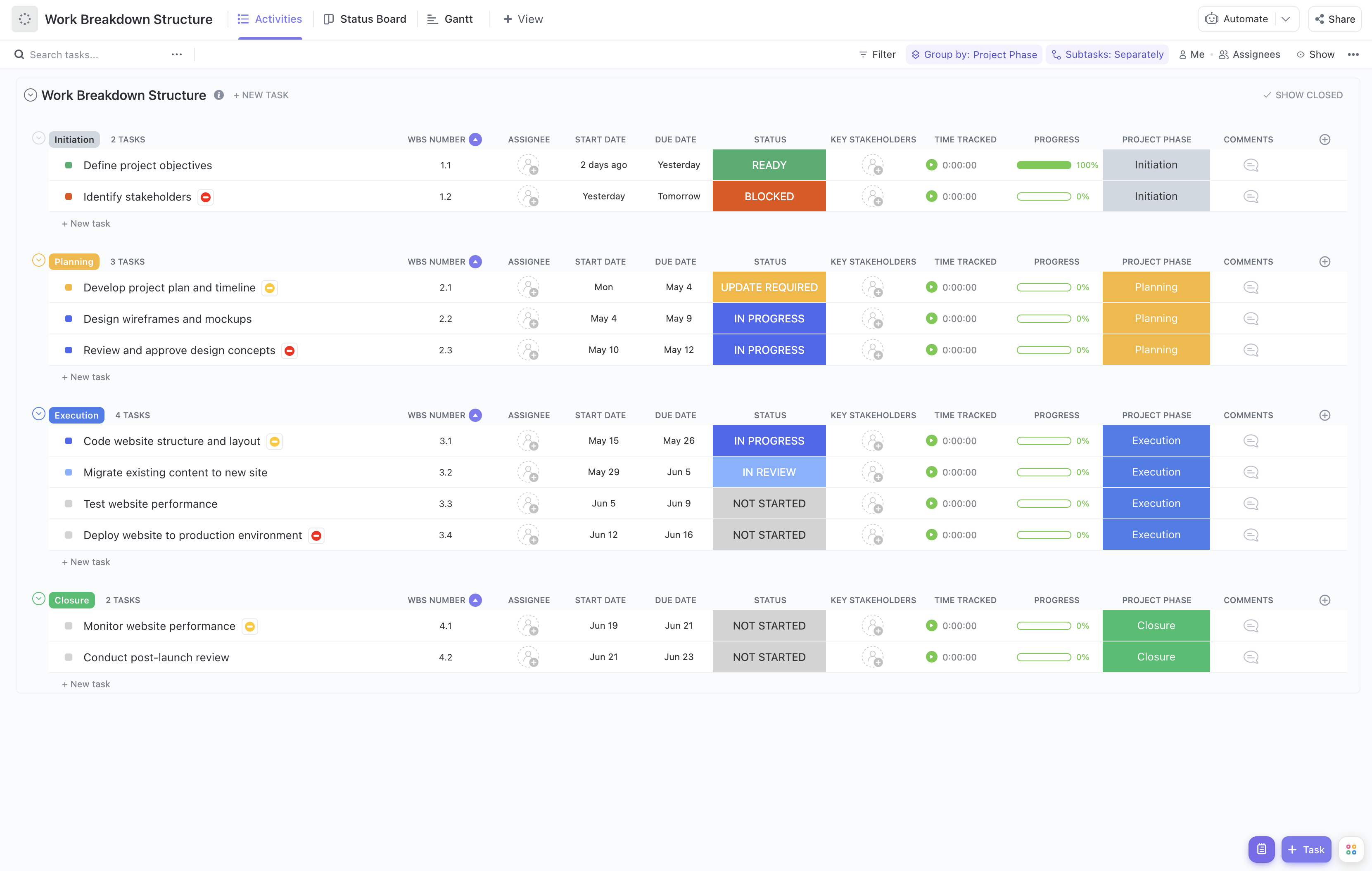


Implementing this template within ClickUp empowers your team to maintain a resilient continuity management system, ensuring your organization can withstand and recover from unexpected disruptions with confidence and agility.










