



Coordinating academic counseling programs involves juggling multiple responsibilities, from student assessments to resource allocation and stakeholder communication. Managing these complex activities effectively is crucial for delivering quality support to students. The Academic Counseling Coordination Work Breakdown Structure (WBS) Template provides a structured approach to organizing these tasks, making the coordination process transparent and manageable.
This specialized template helps you:
- Segment counseling activities into clear, actionable tasks for improved oversight
- Assign roles and responsibilities to counseling staff and support personnel efficiently
- Monitor progress of counseling initiatives and student engagement with real-time updates
Best of all, this template is user-friendly and requires no technical expertise—just your commitment to enhancing academic support through organized coordination.
Benefits of an Academic Counseling Coordination Work Breakdown Structure
Utilizing a WBS tailored for academic counseling coordination offers several advantages:
- Clarifies the scope and deliverables of counseling programs, ensuring all critical activities are accounted for
- Defines clear roles and responsibilities for counselors, advisors, and administrative staff, reducing overlap and confusion
- Enhances communication among counseling teams, faculty, and students, fostering collaboration and timely interventions
- Improves efficiency by allowing coordinators to track task completion, identify bottlenecks, and adjust plans proactively
Main Elements of the Academic Counseling Coordination Work Breakdown Structure
This template breaks down the academic counseling coordination into key components such as:
- Program Planning: Developing counseling schedules, defining objectives, and preparing resource materials.
- Student Assessment: Conducting academic evaluations, identifying student needs, and prioritizing cases.
- Individual Counseling Sessions: Scheduling appointments, documenting progress, and providing tailored guidance.
- Group Workshops and Seminars: Organizing educational sessions on study skills, career planning, and stress management.
- Stakeholder Communication: Coordinating with faculty, parents, and external agencies to support student success.
- Reporting and Evaluation: Tracking outcomes, compiling reports, and refining counseling strategies based on feedback.
By following this structured approach, academic counseling teams can ensure comprehensive coverage of all necessary tasks, leading to improved student support and program effectiveness.
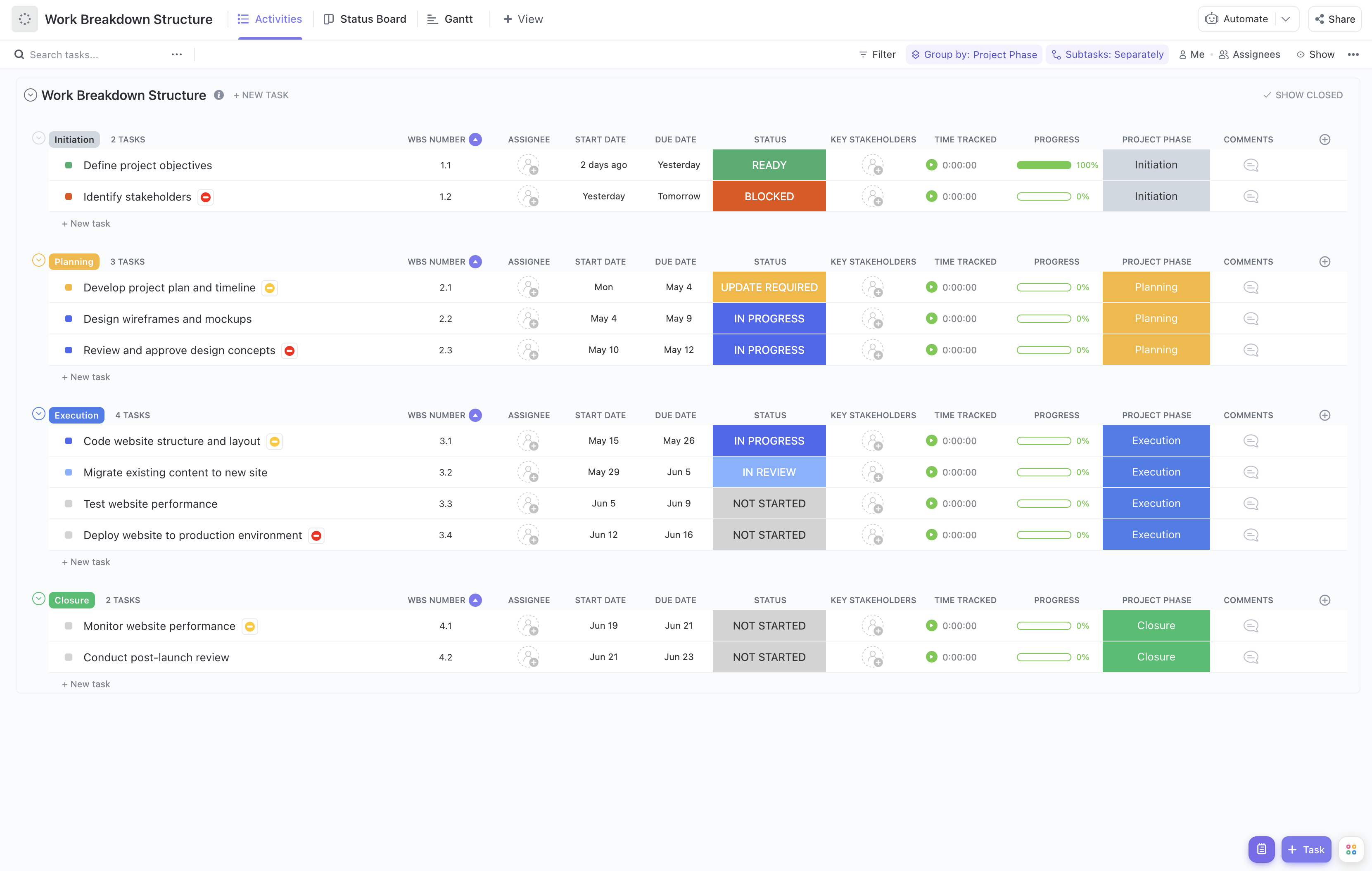
Implementing this Work Breakdown Structure in your academic counseling coordination will streamline operations, promote accountability, and enhance the overall quality of student services.










