
Managing curriculum compliance involves navigating a complex landscape of educational standards, regulatory requirements, and institutional policies. Breaking down this intricate process into clear, actionable tasks is essential to ensure that your curriculum meets all necessary criteria and passes audits with confidence. That's where our Curriculum Compliance Work Breakdown Structure Template comes in!
This specialized template helps you:
- Organize compliance tasks into structured sections such as standards alignment, documentation, review cycles, and stakeholder approvals
- Assign responsibilities to curriculum developers, academic committees, and compliance officers for streamlined collaboration
- Monitor progress with real-time updates to keep your compliance efforts on schedule and within scope
Best of all, you can get started immediately with ClickUp—no coding or special software required. This template is designed for ease of use and adaptability to your institution's unique compliance needs.
Benefits of a Curriculum Compliance Work Breakdown Structure Template
Utilizing a work breakdown structure tailored for curriculum compliance offers numerous advantages for educational institutions:
- Clarifies and organizes all compliance deliverables, from curriculum mapping to policy documentation
- Defines clear roles and responsibilities, ensuring accountability among faculty, administrators, and compliance teams
- Enhances communication between curriculum committees, accreditation bodies, and other stakeholders through transparent task tracking
- Improves efficiency by identifying dependencies and streamlining review and approval workflows
Main Elements of the Curriculum Compliance Work Breakdown Structure Template
This template is structured to guide you through the comprehensive compliance process with the following key components:
- Standards Alignment:
Tasks focused on mapping curriculum content to national or regional educational standards and accreditation criteria.
- Documentation Preparation:
Organizing all necessary documents, including syllabi, assessment plans, and policy statements.
- Review and Feedback Cycles:
Scheduling iterative reviews by academic committees and incorporating feedback effectively.
- Stakeholder Approvals:
Managing approvals from department heads, accreditation agencies, and other relevant parties.
- Compliance Reporting:
Generating reports and evidence required for audits and accreditation submissions.
By leveraging this template, education professionals can systematically approach curriculum compliance, reduce risks of non-compliance, and maintain high educational standards with confidence.
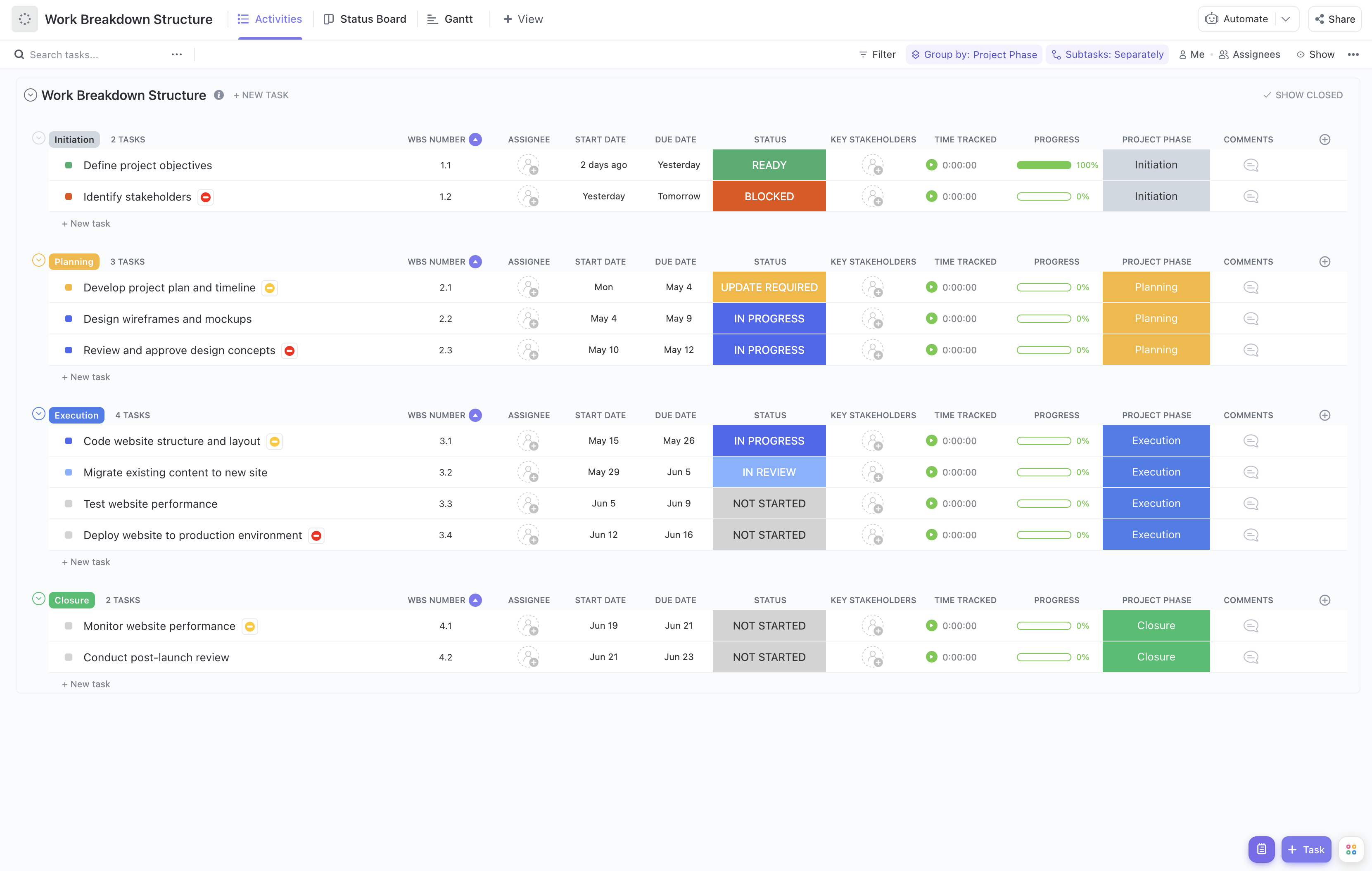


Start using this Curriculum Compliance Work Breakdown Structure Template today to bring clarity, accountability, and efficiency to your curriculum compliance projects.












