
Executing an application monitoring strategy involves coordinating multiple tasks, tools, and teams to ensure your applications run smoothly and issues are detected promptly. Managing this complexity requires a structured approach, and that's where our Application Monitoring Execution Work Breakdown Structure Template comes in!
This specialized template helps you:
- Break down the application monitoring process into clear, manageable tasks for better oversight
- Assign monitoring responsibilities to the appropriate team members swiftly and clearly
- Track the progress of monitoring setup, alerts configuration, and ongoing analysis with real-time updates
Best of all, you don't need advanced technical skills or complex software to get started—just use ClickUp to organize and execute your monitoring projects efficiently.
Benefits of an Application Monitoring Execution Work Breakdown Structure Template
Using a WBS template tailored for application monitoring execution offers significant advantages for IT teams and project managers. It provides a visual and organized breakdown of monitoring activities, ensuring nothing is overlooked and resources are optimally allocated. Key benefits include:
- Clearly defines and organizes monitoring deliverables such as metric collection, alerting rules, and dashboard creation
- Clarifies roles and responsibilities among DevOps engineers, system administrators, and developers involved in monitoring
- Enhances communication between monitoring teams and stakeholders by providing transparent task status and dependencies
- Improves efficiency by enabling proactive identification of bottlenecks and timely adjustments to the monitoring plan
Main Elements of the Application Monitoring Execution Work Breakdown Structure Template
This template is structured to cover all critical components of application monitoring execution, including:
- Monitoring Setup:
Installation and configuration of monitoring agents, integration with monitoring platforms, and establishing baseline metrics.
- Alerting Configuration:
Defining thresholds, creating alert rules, and setting up notification channels to ensure timely incident response.
- Dashboard Development:
Designing and implementing dashboards for real-time visibility into application health and performance.
- Testing and Validation:
Verifying monitoring accuracy, testing alert triggers, and refining configurations based on test results.
- Ongoing Analysis and Optimization:
Regular review of monitoring data, tuning alerts to reduce noise, and updating monitoring scope as applications evolve.
By following this structured approach, your team can systematically execute application monitoring projects, ensuring comprehensive coverage and effective incident management.
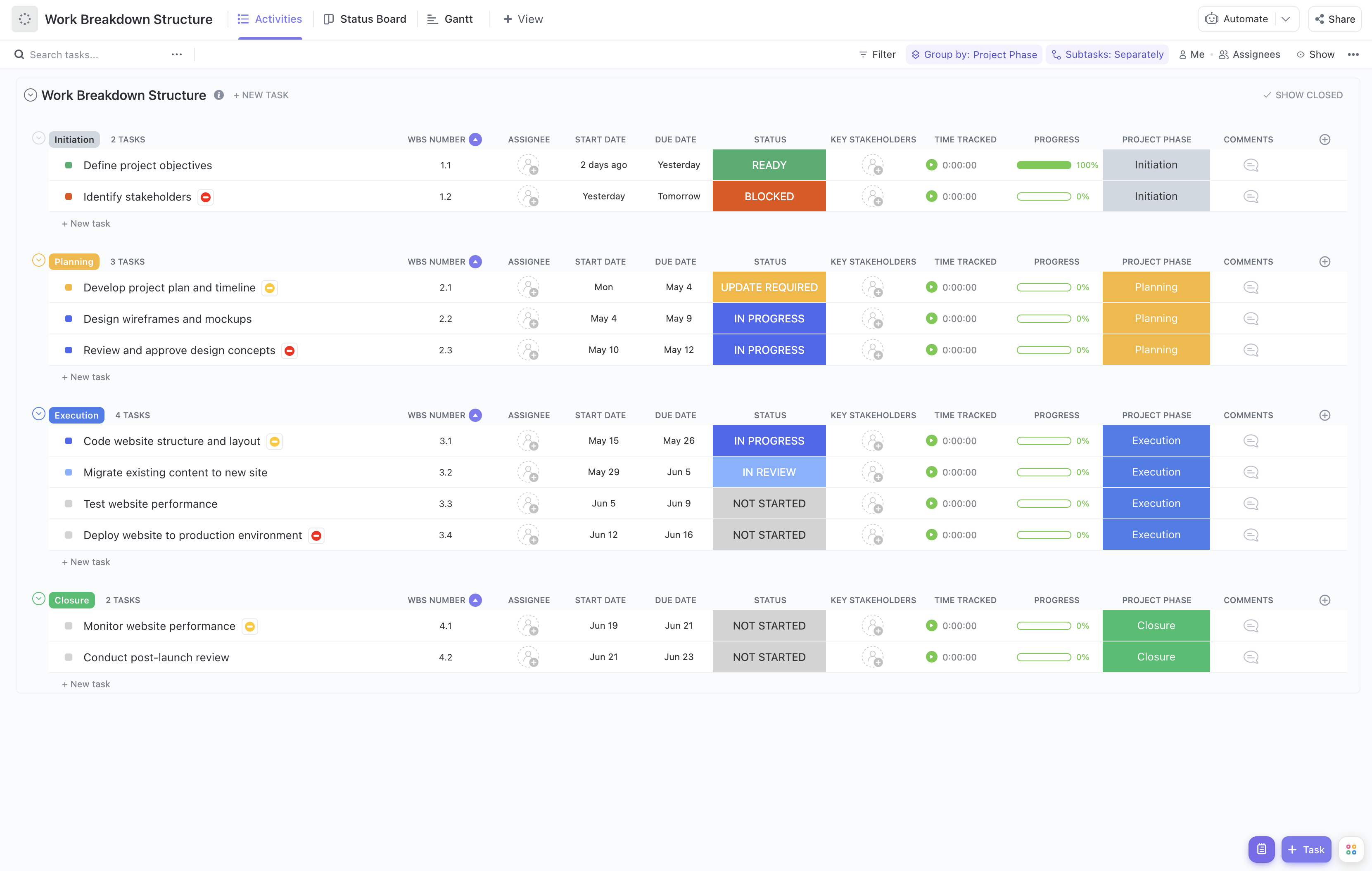


Utilize this template to streamline your application monitoring execution, improve team collaboration, and maintain high application availability and performance.












