
Sorry, there were no results found for “”
Sorry, there were no results found for “”
Sorry, there were no results found for “”
A project budget should tell your team what work is approved, what delivery is expected to cost, and what the finish will cost if the current plan holds. A single total cannot answer those questions on its own.
If you run fixed-fee or retainer work, separate the amount you charge the client from the cost of delivering the work. Then update the forecast as the team learns more. That is how you spot a problem while there are still options.
Key Takeaways
- Build the budget from defined work, estimated hours, project expenses and named assumptions.
- Track actual cost and the forecast for unfinished work, not just invoices already paid.
- Compare the forecast with the approved cost budget every week.
- Treat a scope request as a decision about work, fee and timing, and get approval before changed work begins.
On this page: Build a project budget in 7 steps · Catch overrun patterns · Discuss a budget change · Project budget FAQs
A project budget is the approved estimate of the cost to deliver a defined set of work. It records the work included, the resources assigned to it, expected expenses, timing and the assumptions behind the estimate.
Keep the client fee and delivery budget as separate numbers. For a fixed-fee project, your forecast should show whether delivery cost is using more of the fee than planned. For a retainer, track the cost of the agreed work during each billing period.
For a practical guide to the client-facing charge, see how to calculate project management fees. This article focuses on the delivery budget and how to control it.
Include enough detail that someone who did not build the estimate can understand what the budget covers and how the team will track it:
The UK Infrastructure and Projects Authority’s Cost Estimating Guidance says an estimate evolves as a project matures, stays linked to scope and schedule, and should be expressed as a range reflecting risk and uncertainty. The guidance is for major UK infrastructure projects, so this article borrows the estimating principle, not its detailed public-sector controls. See Cost Estimating Guidance, published March 17, 2021.
Start with the signed proposal, statement of work or other approved scope. List each deliverable, the acceptance criteria, review rounds, due dates and client responsibilities. Write down exclusions too. “Website copy” is not a budgetable deliverable until you know which pages, who supplies the source material and how many review rounds are included.
Record assumptions that affect cost. Examples include when the client will provide feedback, whether a freelancer is available, or whether the team can reuse prior research. Label an assumption as an assumption until someone verifies it.
Map the work into packages small enough to estimate. For each deliverable, list the steps and roles needed to complete it. Ask the people doing the work to check the breakdown. A short review now is cheaper than discovering a missing QA pass after the team has spent the budget.
A work breakdown structure, or WBS, is one way to organize project work into smaller components. The U.S. GAO Cost Estimating and Assessment Guide gives government-program estimates separate chapters on WBS (Chapter 7, pp. 56-69) and ground rules and assumptions (Chapter 8, pp. 71-79). This article borrows the organizing idea, not the guide’s federal controls or Earned Value Management.
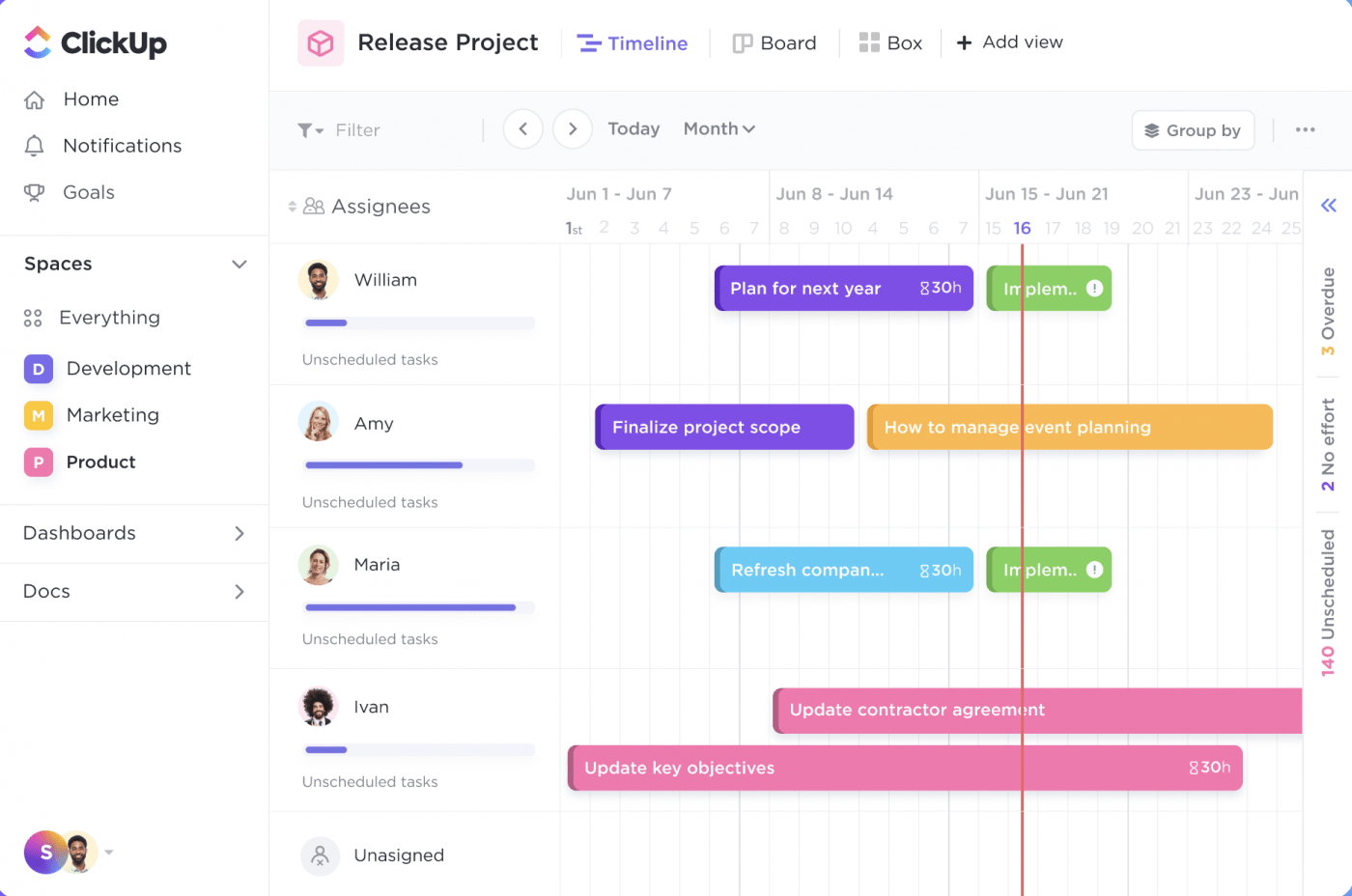
Estimate hours by role or work package, then multiply by the internal cost rate used for planning. Use your agency’s approved rate, not the rate you bill the client. Add project-specific vendor and expense costs separately so they are easy to check later.
Labor cost = planned hours x internal cost rate
When the scope is still uncertain, show a range or at least make the assumptions visible. Do not make the low estimate look certain just because a proposal needs one number. In its Preface, the GAO guide defines a cost estimate as the sum of individual cost elements built with established methods and valid data, and says updates should incorporate actual data and program changes. This is guidance for federal program estimates; here, use the traceable-estimate principle without claiming the article follows the full GAO method. See GAO-20-195G, March 2020, Preface, p. 2.
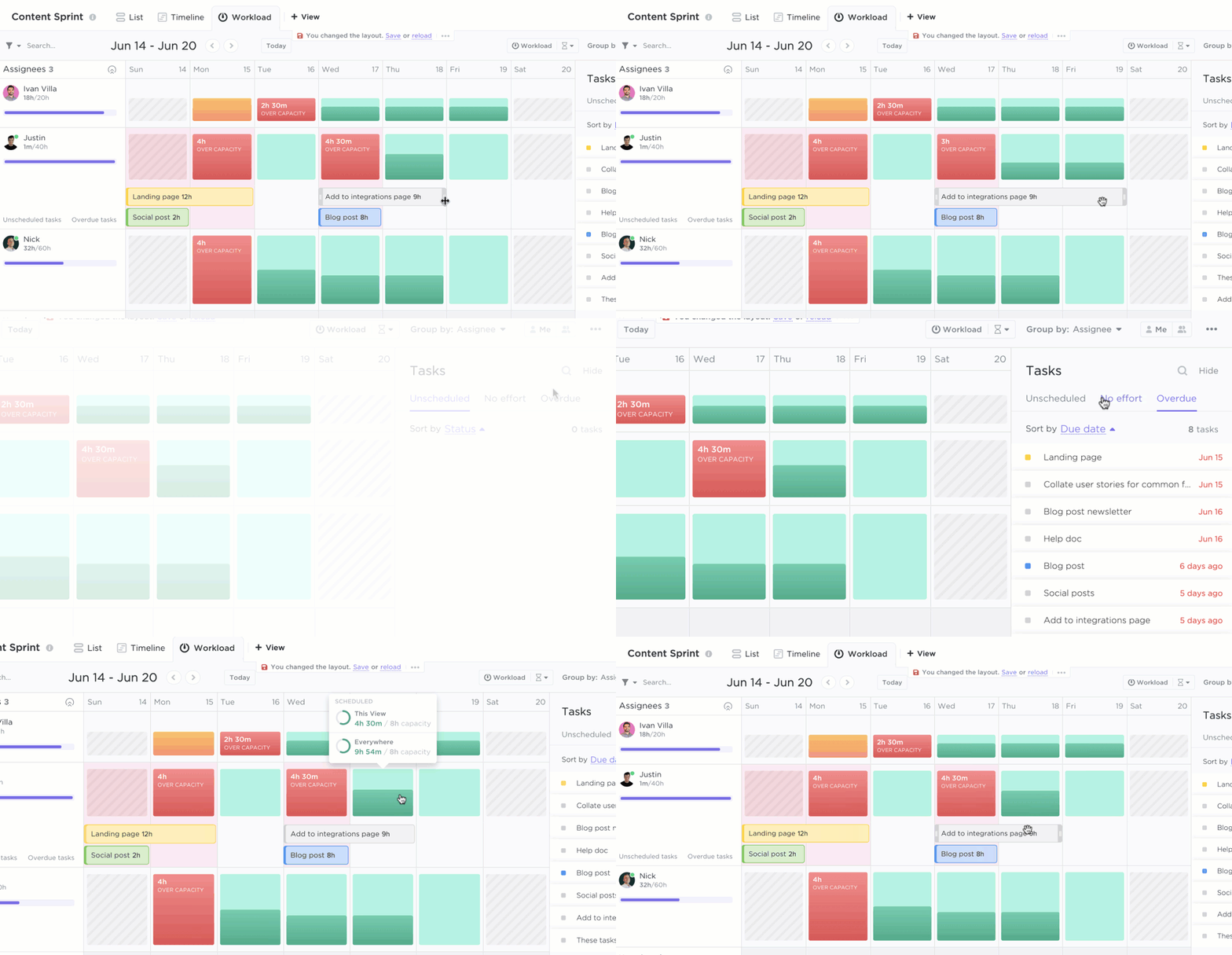
Write down the risks that could add cost, such as another review cycle, an unknown integration requirement or a vendor quote that has not been confirmed. Decide whether the estimate needs a reserve and how much, based on those risks and your agency’s policy. Keep the reserve visible as its own line. Do not hide it inside labor hours or claim that one percentage fits every project.
The numbers below are illustrative only. They are not actual agency rates, a market benchmark or a customer result. Replace them with your own cost rates, vendor quotes and contract terms.
Assume a fixed-fee project with a client fee of $24,000. The planned labor is:
| Work package | Hours | Internal cost rate | Planned labor cost |
|---|---|---|---|
| Project management | 20 | $60 per hour | $1,200 |
| Strategy | 28 | $80 per hour | $2,240 |
| Design | 36 | $70 per hour | $2,520 |
| Copy | 32 | $65 per hour | $2,080 |
| Build | 64 | $85 per hour | $5,440 |
| QA | 20 | $60 per hour | $1,200 |
| Total planned labor | $14,680 |
Add $2,200 for project-specific vendor and other costs. The base estimate is $16,880. The team identifies specific uncertainty and sets aside a separate $2,000 reserve, making the approved cost budget $18,880. Against the $24,000 fixed fee, the planned difference is $5,120 before general overhead and taxes. That difference is not net profit.
The $2,000 reserve is an illustrative planning input for this example, not a recommended percentage.
Assign each cost to a deliverable and the period when the work is expected to happen. Record who owns each estimate and who will update the actuals. Confirm that the scope, dates, assumptions and total cost plan match the client agreement and your agency’s approval process.
Once the plan is approved, keep that version as the baseline. If the plan changes, record the request and its effect instead of silently replacing the original estimate. The original baseline helps you see what changed and why.
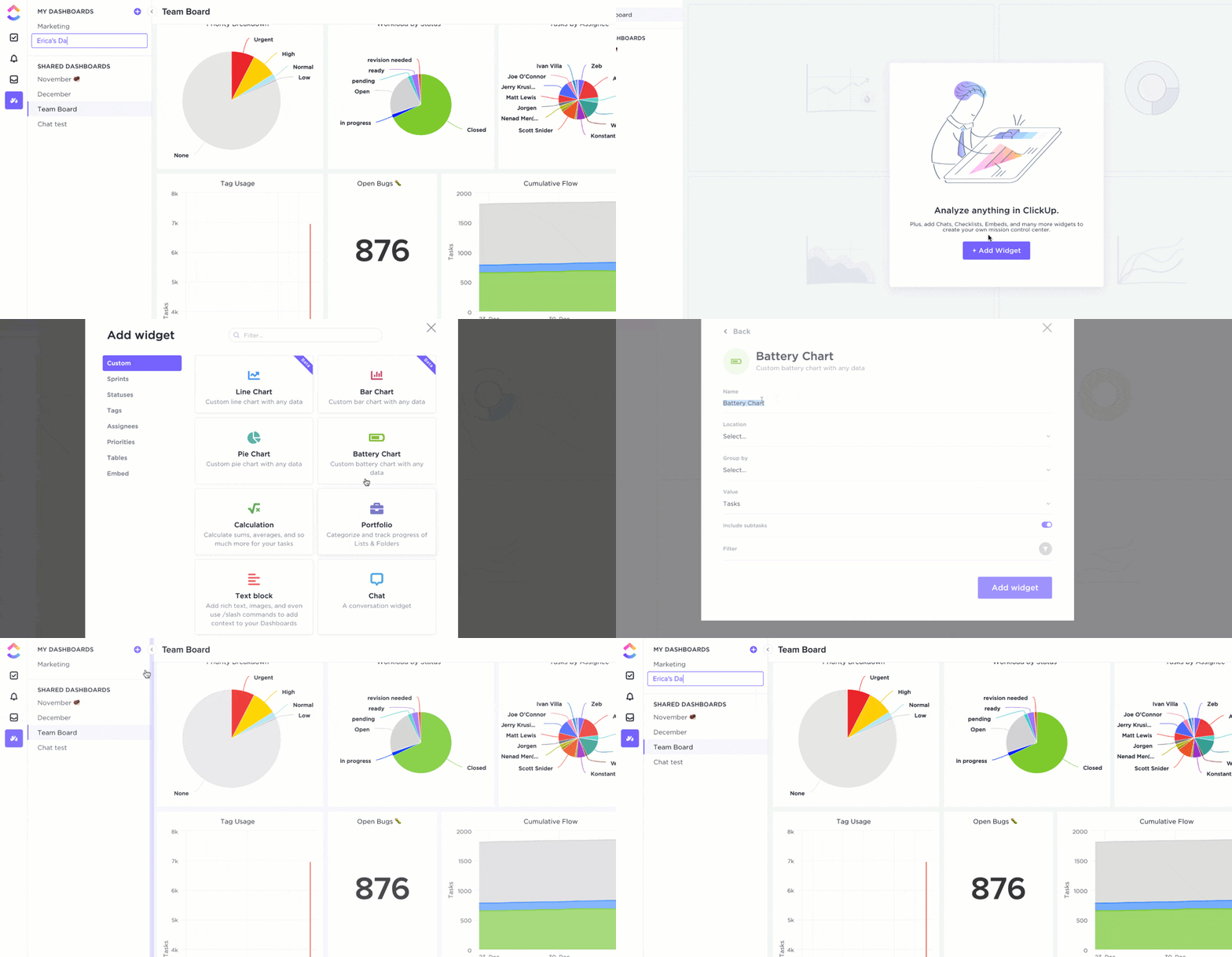
For each work package, record actual labor cost and project expenses to date. Then estimate the cost of the remaining work. Include committed vendor costs once, not once as an invoice and again as future work.
Burn is actual cost incurred to date. Compare actual cost to the amount planned for this point in the schedule. If you track burn as a share of the total budget, use actual cost to date divided by the approved cost budget. That share is not a completion score by itself.
Estimate at completion = actual cost to date + estimated cost to complete
Forecast variance = estimate at completion – approved cost budget
A positive variance means the current forecast is over the approved budget. A negative variance means the forecast is below it. Neither number explains the cause on its own, so review it with the deliverable status and schedule.
For example, at week three the team has spent $9,100 and estimates another $10,400 to finish. The forecast is $19,500. Against the illustrative $18,880 cost budget, the forecast is $620 over. The forecast gives the team a chance to check the remaining work, confirm the estimate and discuss options before the overrun is locked in.
A weekly review is a useful starting point for this workflow, not a universal standard. Review more often when costs move quickly or a large vendor commitment is due. Compare actual costs with the expected spend for this point in the schedule. Do not assume spend and work progress move at the same pace unless the project plan supports that comparison.
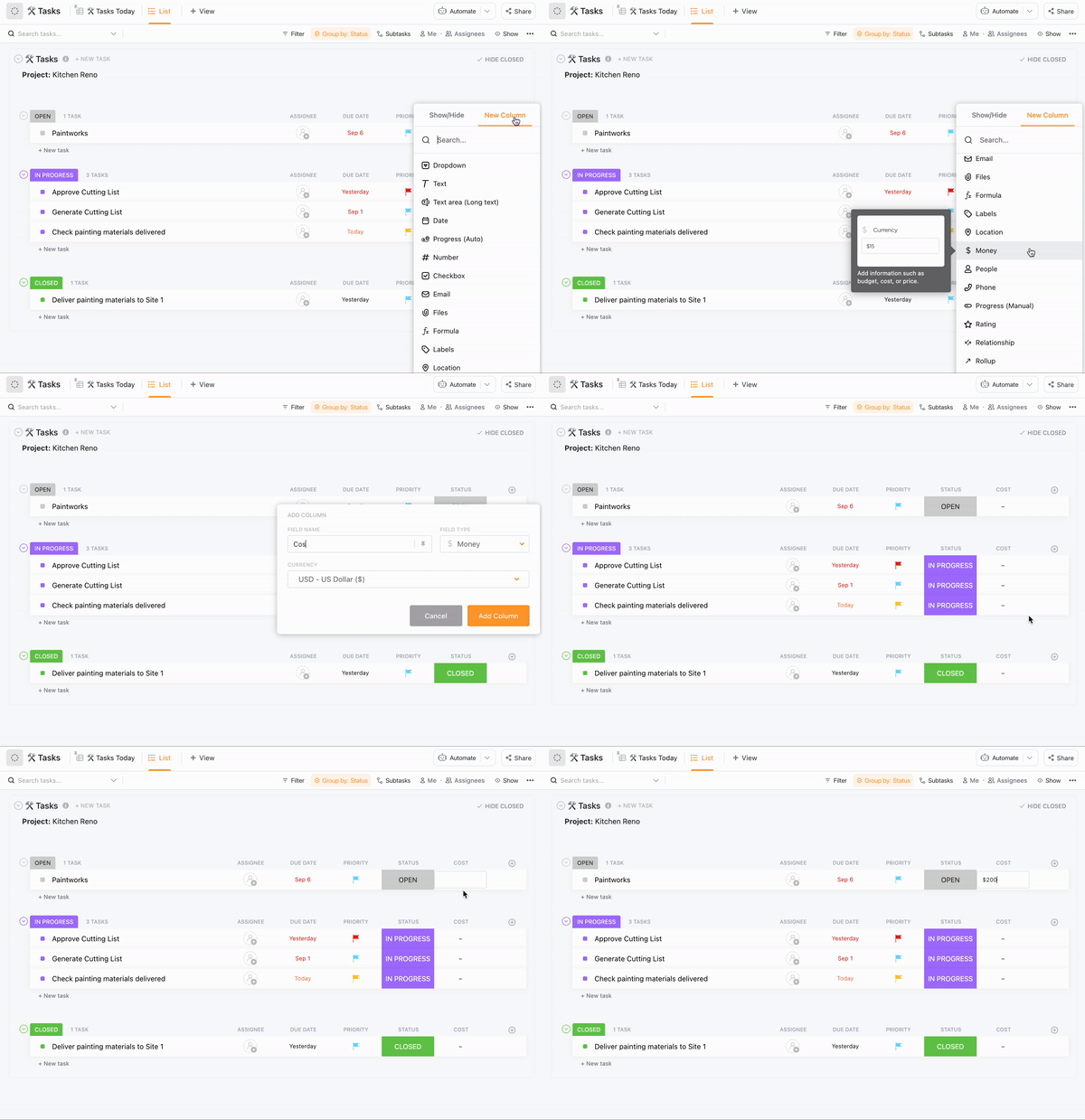
If the forecast is above the approved budget, confirm the remaining-work estimate and identify the cause. Use the checks below to decide what can be corrected within the existing scope. If the client wants different work, document its cost and timing impact and get the required approval before changing the plan.
A forecast is useful only when it can change what the team does next. Record the cause, the owner and the next review date with the number.
Do not turn an informal request into unapproved work. First, restate the requested change and check it against the agreed scope. Then estimate its impact on cost, timing and other deliverables. Give the client clear options, such as replacing an existing item, adding a fee and time, or deferring the request.
You can say: “The current scope includes the approved landing page and two review rounds. Adding a second page changes the work. We can replace another deliverable, price the extra page and update the date, or leave it for a later phase. Which option should we document?”
The client should approve the agreed change in writing before the team updates its plan and starts the added work. Check the contract and your agency’s approval rules for the exact process. Government Project Delivery’s Teal Book says change requests should be assessed for their effect on baselines before a decision to approve, reject or defer them. That is a public-sector control principle adapted here as a lightweight client change log, not legal advice or a substitute for your contract. See Chapter 22: Change control, published July 29, 2024 and last modified July 1, 2026.

Use a template only if its structure fits your scope. The linked options below are separate starting points, not a substitute for estimating the work.
Project Resource Matrix Template
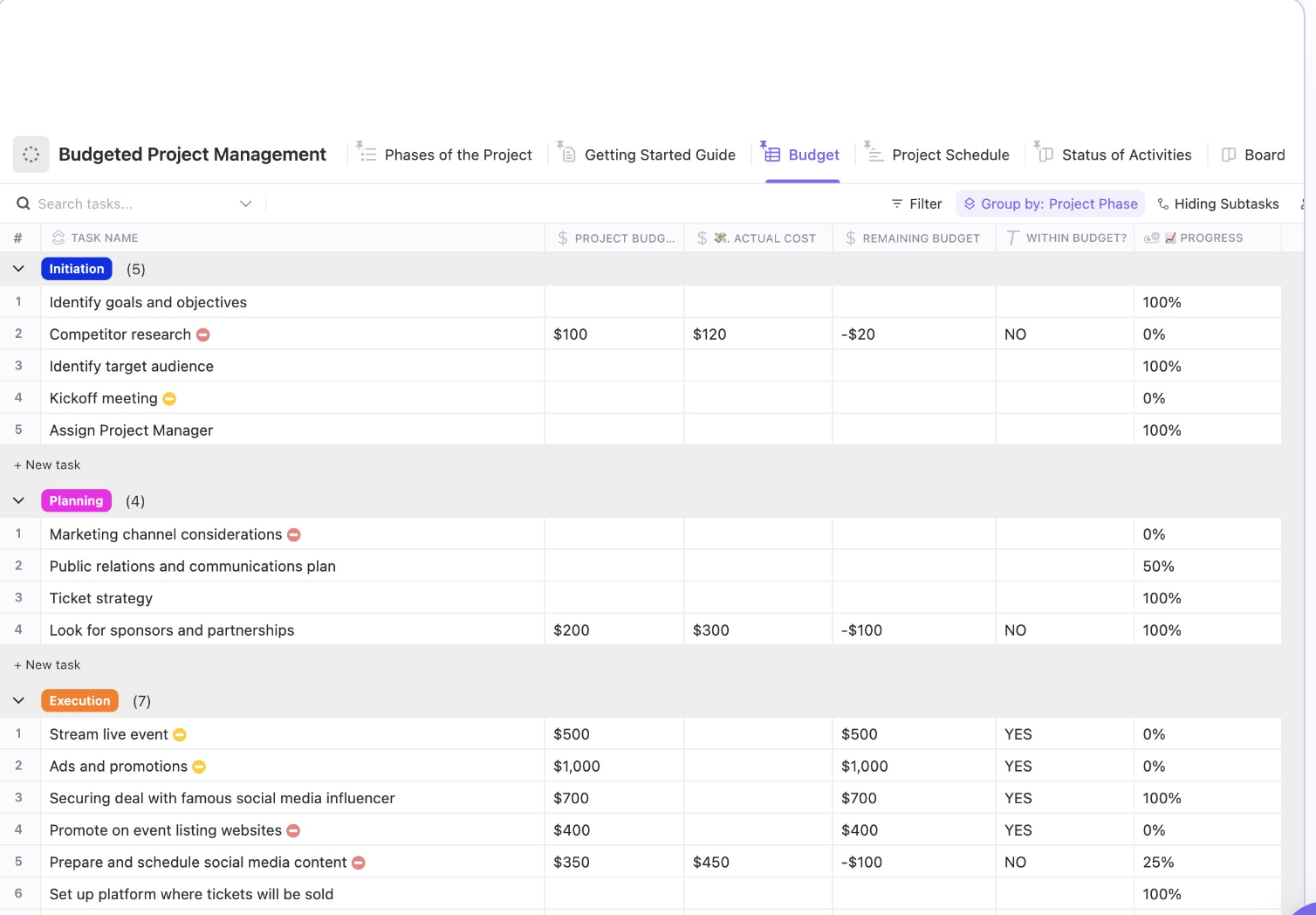
Budgeted Project Management Template
Project Request and Approval Template
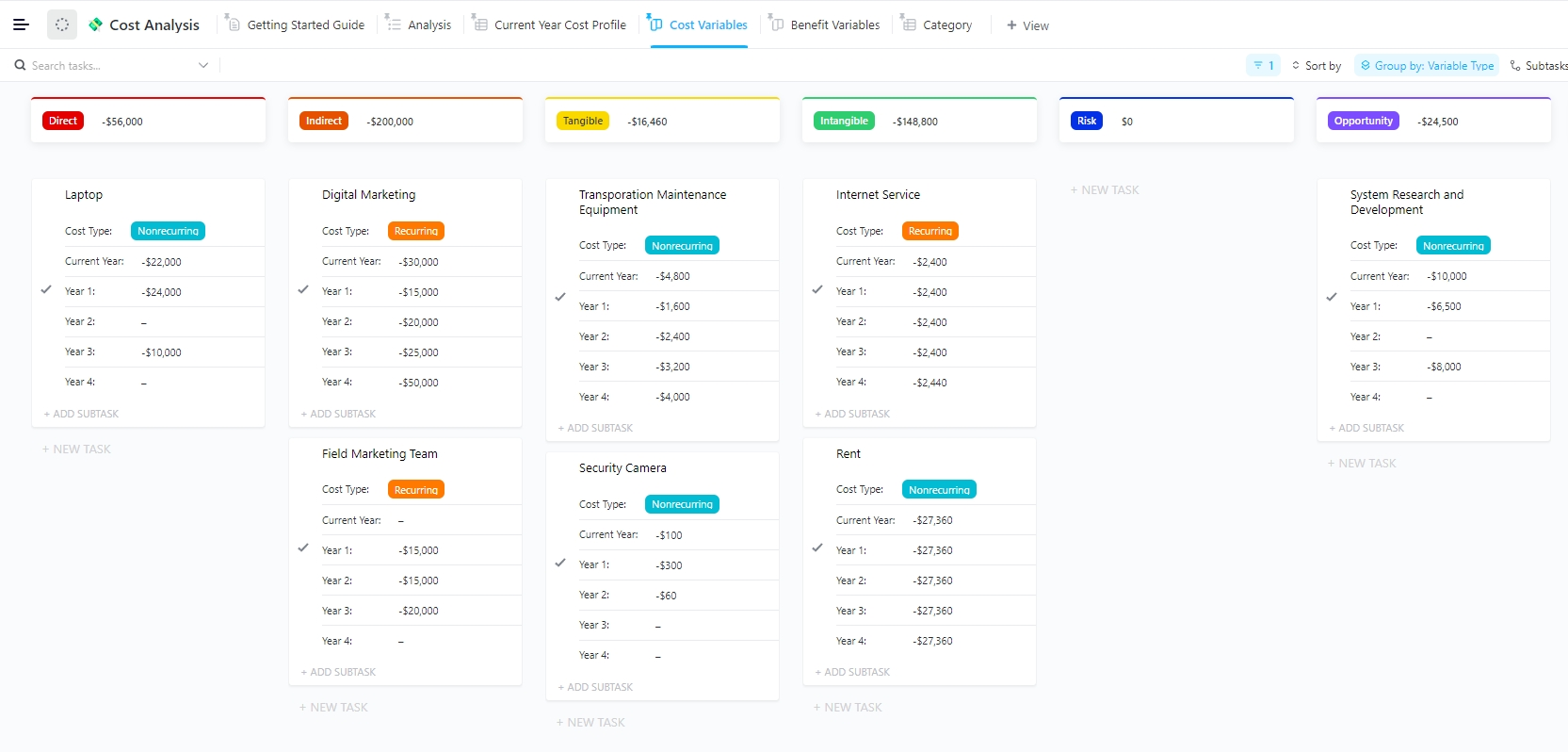
Project Cost Management Template
For more formats, see the project budget templates roundup.
Include the approved scope, work packages, planned hours, internal labor cost rates, project-specific expenses, timing, assumptions, risks, reserve, actual costs and forecast owner. Keep exclusions and approval rules visible too.
Estimate each work package, multiply planned hours by the internal cost rate, add project-specific vendor and expense costs, then document any reserve for named uncertainties. Add the line items to get the approved cost budget. Keep the client fee separate.
For an agency engagement, a weekly check is a practical starting point. Review sooner when work or costs change quickly, or before a large commitment. The right cadence depends on the schedule, spend pattern and decision needs.
Do not assume one percentage fits every project. Identify the uncertainties, decide which ones need a reserve and document how the amount was set. If you cannot explain the reserve, it is only a guess.
Confirm the remaining-work estimate and identify the cause; remember that any approved reserve is already included in the approved cost budget, so it cannot cover a forecast above that total a second time. If scope or cost needs to change, discuss options with the client and get the required approval before doing the added work.
Use the Project Budget with WBS template as a starting point for mapping work to cost estimates. Adjust the structure to match your scope, cost policy and change-approval process before using it with a client.

Praburam Srinivasan
Max 24min read

Sudarshan Somanathan
Max 18min read
Brett Helling
Max 9min read

© 2026 ClickUp