
Sorry, there were no results found for “”
Sorry, there were no results found for “”
Sorry, there were no results found for “”
Calculate the project management work before choosing a fee model. For agency and consulting work, start with PM hours, set a billable rate that covers delivery costs, then price a defined scope. A percentage can work when its contract base tracks the coordination the PM owns. This is a calculation guide, not a schedule of typical market rates.
If a quote only says “project management,” the client cannot tell what is included. Define the work first, then show how you calculated the fee.
Key Takeaways
- Estimate project management hours separately from production work.
- Use hourly pricing when effort is uncertain and a fixed fee when scope is stable.
- Use a percentage only when the contract defines a base that tracks the PM work.
- State what is included, what changes the price, and how the client approves extra work.
A project management fee should pay for the coordination and oversight named in the agreement. Write down the PM responsibilities before choosing a rate or percentage.
Depending on the engagement, the PM scope might include:
Separate this work from the agency’s production deliverables. Design, copywriting, development, media spend, vendor charges, and travel belong in the fee only when the agreement says so. Otherwise, list them separately or exclude them.
State how many review cycles, stakeholder groups, meetings, and reporting updates the fee covers. If those needs grow, the client should see the price change before the extra work starts.
Hourly, fixed-fee, and percentage pricing solve different problems. Pick the model that matches how clearly you can estimate the work and how the PM’s effort relates to the project budget.
| Model | Fee calculation | Best fit | Main risk to manage |
|---|---|---|---|
| Hourly or time and materials | Approved hours multiplied by the billable rate | Scope or duration is still changing | The total can rise without a cap or regular forecast |
| Fixed project fee | Estimated PM effort priced for a defined scope | Deliverables, approvals, and finish criteria are clear | Extra work can consume the margin if scope changes are not priced |
| Percentage of an agreed cost base | Defined project cost multiplied by the agreed percentage | PM responsibility scales with that specific cost base | The base may include spending the PM does not manage |
A percentage of the whole project budget is not automatically a fair PM fee. A large media, vendor, or production budget may not create more PM hours. If you use a percentage, define the base, exclusions, and treatment of client-approved changes in the contract.
A retainer is a recurring arrangement, often for a fixed fee. Set the monthly scope or hours, response expectations, and what happens when demand exceeds the reserved capacity. If the client needs a flexible queue, an hourly rate with a monthly cap may be easier to forecast.
Upwork’s Project Managers on Upwork Cost page displayed “$19 to $45” per hour under “Median hourly rates (USD)” in a text capture retrieved November 5, 2026. The page says the figure represents typical hourly ranges from certain historical contracts worldwide and that client prices depend on negotiation. It does not show a publication or update date, contract period, sample size, selection criteria, or calculation method for the headline. Treat it as one marketplace snapshot, not a standard rate or an agency-specific benchmark.
A separate experience-tier table has its own footnote. It describes rates charged by freelancers on Upwork in North America with more than 1,000 hours and a 90% success rate. Those details qualify that table only, not the headline range.
Other published sources give different, narrowly scoped examples. Sakas and Company recommends adding 25% to 30% to the project budget for agency project management before quoting (published May 25, 2015). ONES lists 10% to 20% of project cost for marketing and creative work and hourly rates from $50 to $250 (October 21, 2026); its percentage example is a fixed fee or retainer. These are source-specific figures, not a universal or recommended rate.
Element Three’s 10% to 20% outsourced-service markup covers vendor vetting, organization, and management, not a general project management fee (accessed November 5, 2026). Highspire’s 2% to 8% construction-management consulting range is adjacent construction evidence, not an agency or consulting benchmark (August 14, 2025). These sources do not establish one typical fixed fee. Use the calculation steps below to build a quote from your own scope, costs, and billable capacity.
Build the quote from the PM work, then put the calculation and scope terms where the client can review them.
client rate = fully loaded cost per billable hour / (1 - target margin). Margin is the share of the client fee left after the included delivery cost, not a markup on cost.For broader project-cost planning, see the project budget guide.


Use a small agency engagement as an illustration. The inputs below are assumptions, not a market quote.
Assume the PM’s fully loaded delivery cost is $60 per billable hour and the target gross margin is 25%. The client rate is $60 / (1 - 0.25) = $80 per hour.
| PM work in scope | Estimated hours |
|---|---|
| Kickoff and scope confirmation | 2 |
| Schedule and responsibility plan | 3 |
| Approval and dependency coordination | 3 |
| Status and budget updates | 2 |
| Closeout and handoff | 2 |
| Total estimated PM time | 12 |
The project fee is 12 hours x $80 = $960. If the scope could reasonably take 10 to 14 hours, the same rate produces a planning range of $800 to $1,120. That range comes from this hypothetical estimate. It is not an industry benchmark.
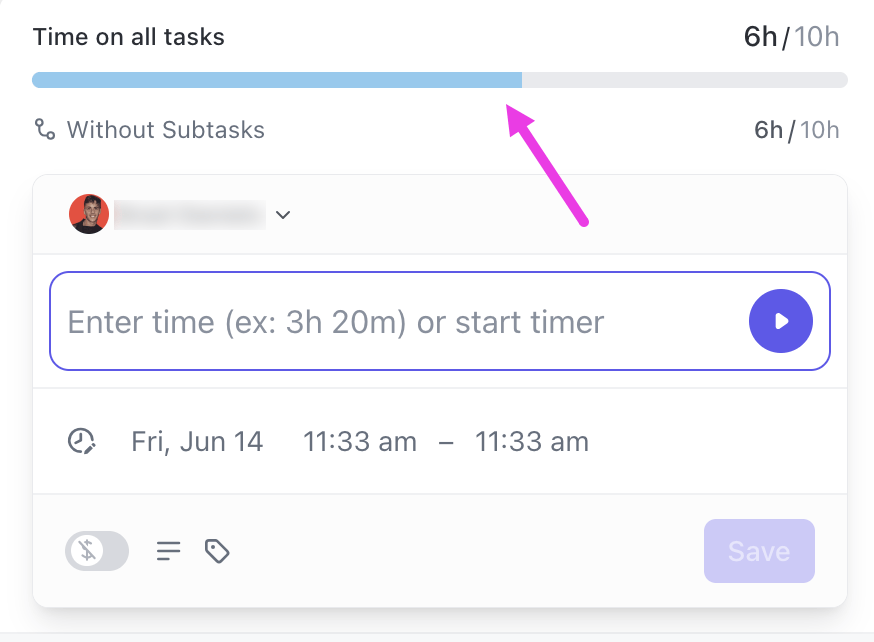
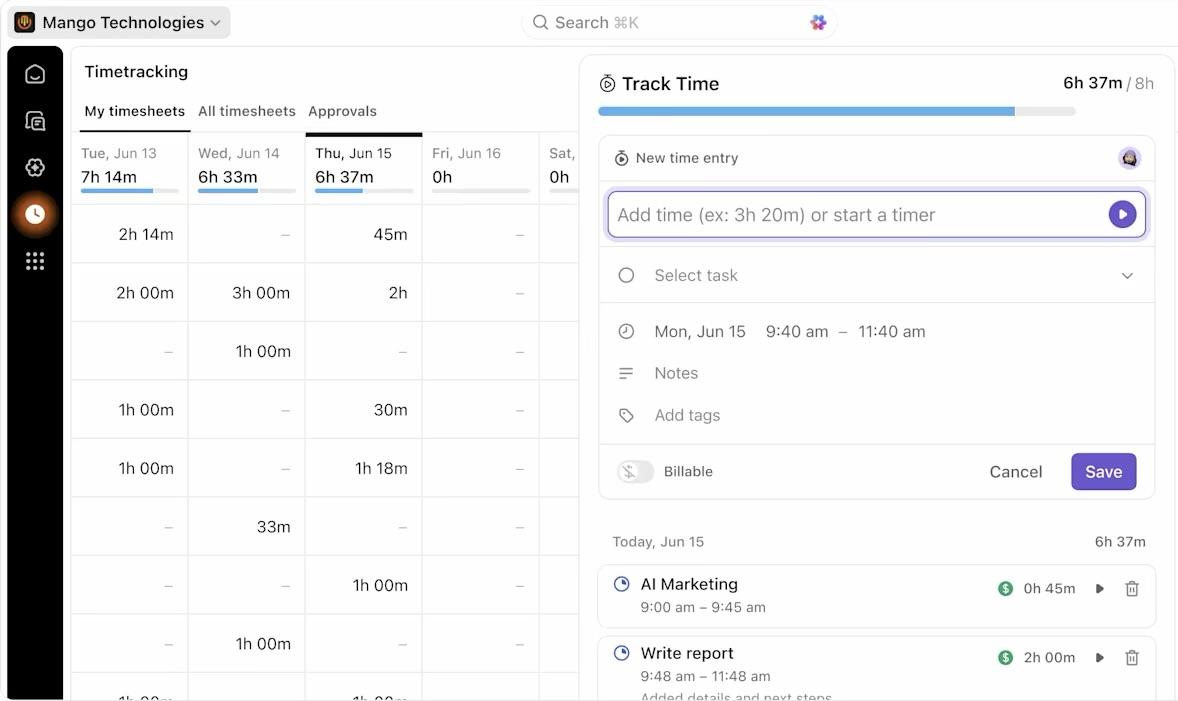
For a fixed-fee quote, confirm that the hours cover the agreed approval cycles and reporting cadence. For hourly billing, show how often you will report actuals and when you will ask the client to approve more time.

The inputs below are hypothetical. They show the math, not a market rate or recommendation.
Assume a $20,000 project budget. The agreement applies a 10% PM fee to a defined $12,000 base of labor and vendor work the PM coordinates. It excludes $8,000 of media spending outside the PM’s scope.
$12,000 x 10% = $1,200
The hours example above produced a $960 fee, so the percentage method is $240 higher for these assumptions. That difference is a prompt to check whether the fee base tracks the PM work. If pass-through costs change the percentage without changing the coordination effort, narrow the base or use another fee model.
Show the client what the fee covers and how the price changes when scope expands.
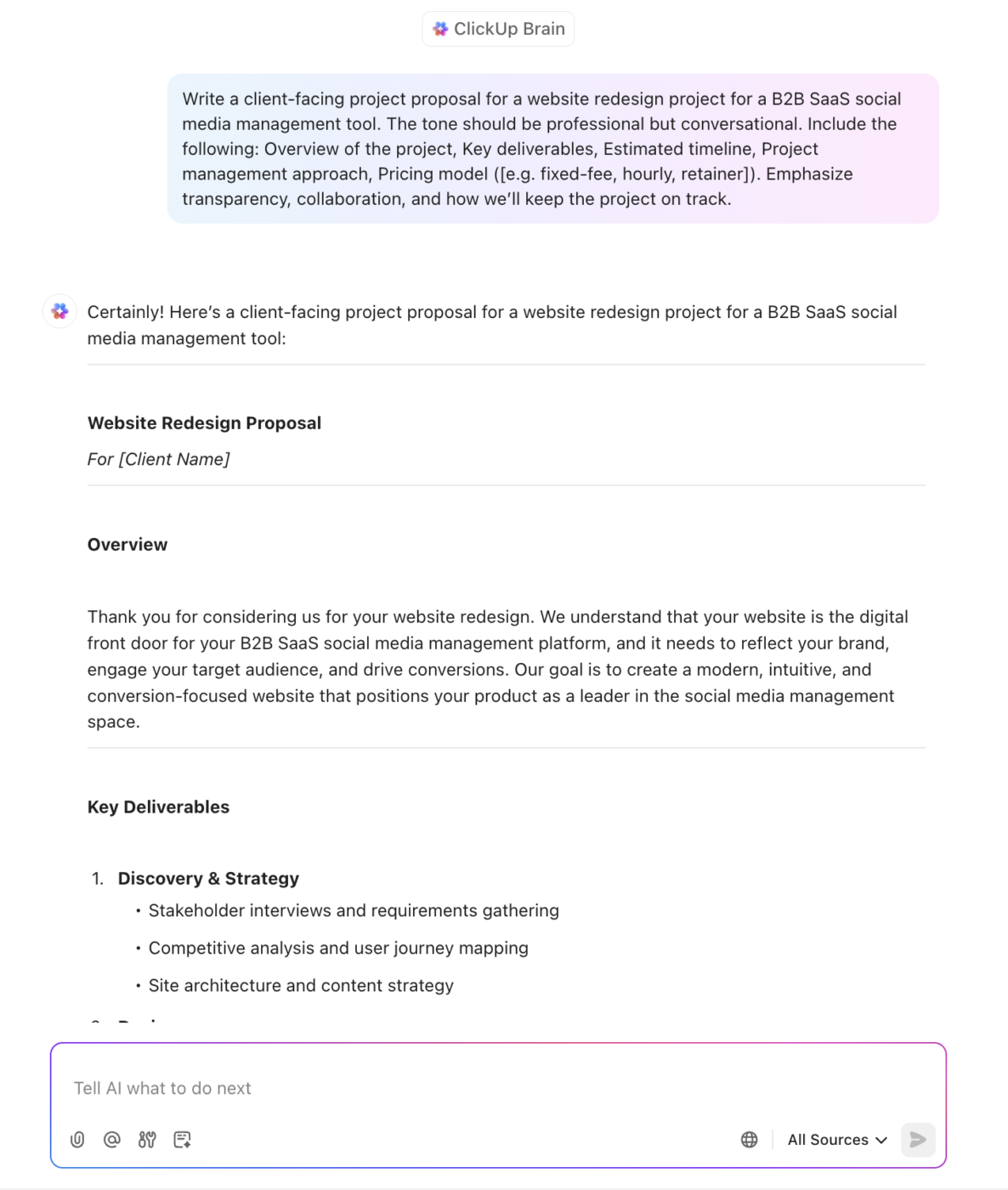
A short proposal can say:
Project management fee: $960 for an estimated 12 hours. This includes the kickoff, schedule and responsibility plan, approval coordination, two status and budget updates, and closeout. Production work and additional review cycles are outside this scope. I will estimate added work and get approval before starting it.
Use this wording only if those services match the engagement. Replace the hours, price, included work, and excluded work with the values in your actual estimate.
If you manage client projects at an agency, the agency project management guide covers broader scoping and delivery practices.
When the scope grows but the fee stays fixed, the PM absorbs the extra work. Set a simple change process before kickoff.
These terms help both sides see whether the fee still matches the work. They also give the PM a clear point to pause and price a scope change instead of absorbing it silently.
There is no single percentage that fits every project management service. A percentage only helps when its fee base and management responsibilities match your work. For client-service PM, estimate the management hours and rate first. Use a percentage when the contract defines a base that reasonably tracks the PM responsibility.
Multiply the agreed fee base by the agreed percentage. Before calculating, decide whether the base includes labor, vendor spending, media, reimbursable costs, or only a defined portion of the budget. Then compare the result with an hours-based estimate so you can explain what the percentage pays for.
Use hourly pricing when the scope or duration is uncertain and the client needs flexibility. Use a fixed fee when deliverables, approvals, and the end point are clear. If uncertainty remains, an hourly estimate with a cap or review point can help the client manage costs.
It can be. A separate line item makes the PM work visible when the proposal also includes production or other services. Name the included responsibilities and avoid charging separately for work already included in another fee.
Put the fee math beside the scope and change rule. That gives the client a clear basis for approval and a way to price new work.
Use a budget proposal template to lay out the budget and its assumptions.

Praburam Srinivasan
Max 24min read

Sudarshan Somanathan
Max 18min read
Brett Helling
Max 9min read

© 2026 ClickUp