Marketing Strategies for Restaurants: How to Increase Customer Loyalty

Sorry, there were no results found for “”
Central Perk in Friends wasn’t known for world-class coffee or five-star service.
People loved it because it felt like their place. That loyalty kept the gang coming back day after day, and that’s exactly what every restaurant wants—customers who choose you again and again, not just for the food but for the connection.
Loyalty like that doesn’t grow overnight. It comes from creating experiences that stick, showing customers you know them, and finding ways to keep the relationship alive long after the first visit.
In this blog post, we’ll look at the best marketing strategies for restaurants to build that kind of bond and turn casual diners into regulars. 🧑🏼🍳
And as a bonus, we’ll see how ClickUp, the everything app for work, helps!
Struggling to get more diners through the door?
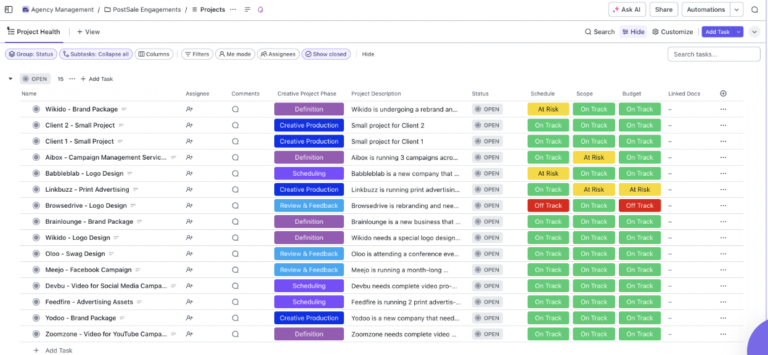
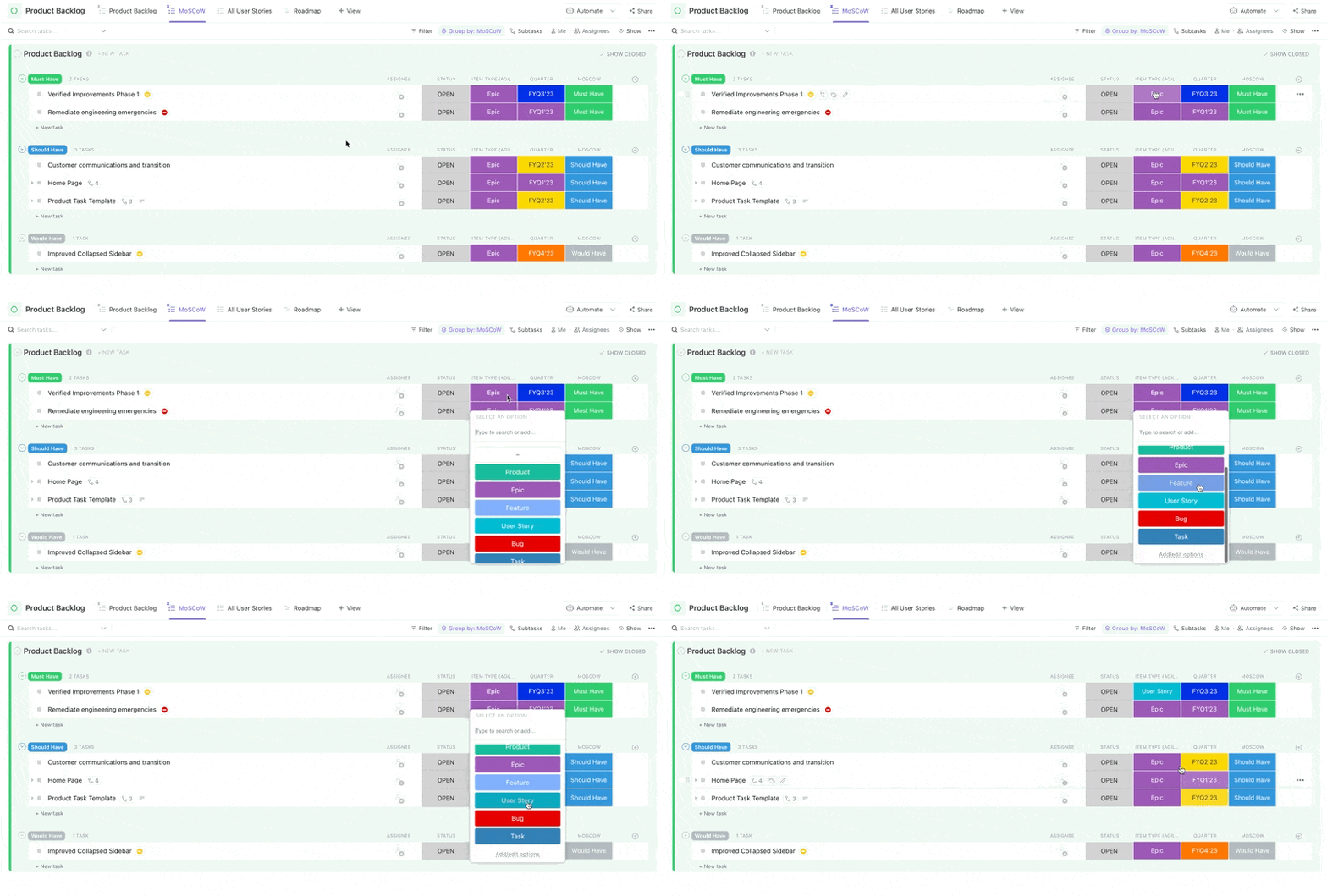
ClickUp’s Local Restaurant Marketing Plan makes organizing campaigns, scheduling social posts, and running local promotions simple. Track what works, refine your strategy, and turn marketing efforts into steady customer growth.
Restaurants live and die on attention.
A packed dining room today doesn’t guarantee the same crowd tomorrow in the incredibly competitive culinary industry. Marketing keeps your establishment visible, builds a distinct brand identity, and transforms one-time diners into a loyal customer base.
Ultimately, this ongoing relationship with customers is what drives consistent revenue.
🧠 Fun Fact: Restaurants have long used the power of scarcity to boost sales. Limited-time offers, like McDonald’s seasonal McRib, create urgency, making people rush in before the item disappears.
These marketing strategies for restaurants help your business stand out and grow. 📈
Your food photos might look beautiful, but they blend with every other restaurant’s content on social media. Storytelling content differs because it shows the people and passion behind your dishes.
When your audience sees your prep cook perfecting their knife skills or your pastry chef decorating a birthday cake at 6 a.m., they connect with the person behind their meal.
These authentic moments create something powerful that price-focused competitors can’t replicate. Stories build emotional bridges that turn casual diners into devoted advocates who recommend you to friends without hesitation.
📌 Example: A local pizzeria’s simple 30-second clips showing dough being spun to perfection, set to upbeat music with captions like ‘Fresh dough, fresh vibes!’ consistently generate thousands of views and drive noticeable foot traffic during lunch hours.
Even better, customers now specifically request to watch the dough-tossing process in person. This turns what was once hidden kitchen work into dinner entertainment that competitors can’t copy.
⚡️ Template Archive: Try the ClickUp Social Media Content Calendar Template to plan your shoots, lock in posting times, and track which stories spark the most engagement. With everything mapped out, you can keep your content flowing smoothly while giving each team member their moment in the spotlight.
Unlike social media’s unreliable algorithms, email is a direct line to your customers—like a weekly coffee chat with your most loyal patrons.
This intimate communication channel is an essential element of your marketing strategy. It allows you to share exclusive stories, seasonal insights, and special access that make subscribers feel like insiders.
Treat your email list as a community, not a sales funnel. Make subscribers feel like insiders by consistently sharing value through exclusive stories, chef tips, and behind-the-scenes content. This builds a genuine connection that translates into more visits.
📌 Example: A farm-to-table restaurant can transform its email marketing calendar by focusing on education rather than promotion. Their monthly newsletters highlight seasonal ingredients and feature interviews with local farmers, complete with simple recipes customers can recreate at home.
This approach has created an engaged community where subscribers regularly reply with cooking questions and menu suggestions. The restaurant now uses these conversations to guide its seasonal menu development, creating dishes that it knows its audience wants.
⚡️ Template Archive: Set up the ClickUp Email Marketing Template to segment your audience, schedule sends on high-traffic days, and track performance against reservation data.
Community partnerships connect you with people who already trust your partner organization. This trust transfer is valuable because it increases the likelihood that potential customers will try your restaurant.
Consider how a yoga studio’s post-workout crowd naturally craves healthy smoothies, or how bookstore browsers appreciate having a cozy coffee spot nearby. These natural alignments create win-win scenarios that benefit everyone involved while building community connections.
📌 Example: A breakfast cafe noticed that the nearby yoga studio’s classes ended right when they opened each morning.
The cafe owner approached the yoga instructor with a specific proposal: post-class smoothie discounts for yoga students in exchange for promoting the cafe’s healthy catering options for studio workshops.
This partnership has generated dozens of new regular customers who now extend their wellness routines from the yoga mat to the breakfast table. Additionally, they co-host monthly ‘Mindful Eating’ workshops that sell out consistently, positioning both businesses as wellness leaders in their neighborhood.
💡 Pro Tip: Turn community partnerships into clear, trackable wins with ClickUp Goals. Set a goal like ‘New Customers from Local Partners’ and connect it to tasks such as creating co-branded materials, scheduling seasonal campaigns, and monitoring discount code usage.
Professional food photographs might look flawless, but can feel sterile and disconnected from the actual dining experience. In contrast, genuine customer photos capture the excitement and authentic joy of discovering a great meal.
People trust these real moments far more than polished branded content, which makes user-generated content your most credible marketing asset.
Give people compelling reasons to share their experiences and meaningful recognition when they do. When executed thoughtfully, these campaigns create community excitement and attract new customers who want to join the fun.
📌 Example: A burger joint created the #BurgerFaceChallenge, encouraging customers to capture their genuine reactions to the first bite of their signature burger.
Winners receive a month of free meals, which motivates high-quality participation. The campaign has generated hundreds of authentic posts showing people’s surprise and delight at the burger’s size and flavor.
The restaurant features winning submissions daily on its social channels, creating a cycle in which participants feel celebrated and their friends want to experience the same excitement.
🔍 Did You Know? The concept of a modern restaurant began in Paris in the 18th Century, where establishments started offering a menu of dishes to be consumed on the premises. This shift from inns and taverns marked the birth of the restaurant industry.
Instead of creating complex loyalty programs that feel like homework, focus on simple appreciation. While confusing points and tiers frustrate customers, genuine recognition builds an emotional connection.
The real magic is in the personal touches—remembering preferences and celebrating special occasions. This makes customers feel truly valued, creating lasting loyalty that competitors can’t easily replicate.
📌 Example: A coffee shop kept its loyalty program simple: buy nine coffees, get the 10th free. However, they elevated the experience by offering bonus punches for trying new menu items, which increased average orders while introducing customers to different products.
What truly sets them apart is their personal attention—they remember regular customers’ names and usual orders and even ask about family members mentioned in previous conversations.
⚡️ Template Archive: Build a loyalty system that actually excites people with the ClickUp CRM Template for Restaurant Owners. Map out food perks, experience upgrades, and convenience benefits in one place, then track which rewards keep guests coming back.
When someone searches ‘restaurants near me,’ they’re at the perfect moment in the customer journey—hungry, ready to spend money, and looking for immediate solutions.
Local search engine optimization (SEO) ensures you appear in these high-intent searches when potential customers are actively making dining decisions.
To dominate these searches, provide the comprehensive, helpful information that Google rewards. Over time, this consistent effort builds digital authority that leaves competitors behind.
📌 Example: A Thai restaurant owner decided to personally respond to every Google review, whether positive or constructive criticism. They post fresh photos of weekly specials and diligently update holiday hours and special events. These consistent efforts moved them from page three to the top three results for ‘Thai food [city name].’
Surprisingly, they discovered that thoughtful responses to negative reviews often converted unhappy customers into loyal advocates. This is because they appreciated the owner’s genuine commitment to improvement and customer satisfaction.
💡 Pro Tip: Use ClickUp Recurring Tasks to automate your local SEO routines. Set them to repeat every week for Google Business profile updates, photo uploads, and review responses, and add monthly cycles for monitoring search rankings.
With these tasks on autopilot, your restaurant’s Google ads will always remain visible and competitive.

While limited-time offers are powerful, avoid manufactured urgency, which can feel manipulative and damage trust. Instead, run authentic seasonal promotions, connecting special offers to real seasons and cultural moments.
When done well, these promotions generate media attention, social media buzz, and customer excitement that extends far beyond the promotional period itself.
📌 Example: Every October, a steakhouse launches its ‘Harvest Season Specials’ featuring dishes made with locally sourced fall vegetables like butternut squash, Brussels sprouts, and root vegetables. They promote these items as ‘available only until November 30th,’ creating genuine urgency tied to actual harvest seasons.
The menu descriptions educate customers about specific local farms and seasonal growing practices, justifying premium pricing while building community connections.
They also partner with featured farms for Instagram takeovers, showing harvest activities and creating content reinforcing the seasonal connection.
🚀 ClickUp Advantage: Let ClickUp Calendar schedule your seasonal menu tasks automatically. Set your launch date, and it will block prep, ingredient orders, and marketing deadlines so your limited-time dishes hit the table right on time.
For a summer berry menu, the AI can auto-schedule menu finalization, berry sourcing, and social posts, keeping your team on track without manual planning.
Local food enthusiasts with small but engaged followings can drive significant business because their audiences know them personally and live nearby.
The key is to identify micro-influencers who genuinely align with your brand values and have authentic relationships with their local community.
📌 Example: A sushi restaurant began inviting local food bloggers for exclusive omakase experiences, asking only for honest online reviews in return.
Three carefully chosen bloggers shared detailed posts about their evening, highlighting the chef’s technique, ingredient sourcing, and overall atmosphere. The authentic enthusiasm in their content generated hundreds of new social media followers and a noticeable increase in reservations the following month.
⚡️ Template Archive: Manage your influencer partnerships with the ClickUp Campaign Tracking Template by logging every collaboration, assigning deadlines, and tracking performance data side-by-side.
Regular dinner service generates predictable revenue, but special events create premium-priced experiences that customers can’t replicate at home or elsewhere.
These occasions position your restaurant as a cultural destination.
Successful restaurant events leverage your existing space, equipment, and expertise to deliver exceptional value that justifies higher pricing. Additionally, they provide excellent social media content and create deeper connections with customers who experience your restaurant in new, engaging ways.
📌 Example: An Italian restaurant launched monthly ‘Pasta Making 101’ classes where participants learn traditional techniques before enjoying a three-course meal featuring their handmade pasta. These sessions consistently sell out at premium pricing and frequently lead to future dinner reservations.
Many participants book private pasta-making parties for birthdays and anniversaries, creating an additional revenue stream requiring minimal overhead. The restaurant photographs each class for ongoing social media content and has developed a waiting list of over 200 people eager to participate in future sessions.
⚡️ Template Archive: Run your special dinners and tasting events with the ClickUp Event Planning Template. Use List View to map every stage of prep—menu design, vendor coordination, staff assignments—while Calendar view keeps timelines tight from concept to event night.
Personal recommendations drive more restaurant visits than any traditional marketing channel, yet most establishments rely on hope rather than systems to generate these valuable endorsements.
A strategic referral program empowers satisfied customers to become your best promoters. The result is a win for everyone: the referrer feels valued, the new guest receives a trusted recommendation, and you gain another loyal patron.
📌 Example: A Mexican restaurant created a straightforward referral program offering existing customers substantial restaurant credits for each successful referral, while new customers receive welcome discounts on their first visit.
They track referrals through a simple app that lets customers send digital gift cards directly to friends, making the sharing process effortless and trackable.
Through this program, they generate dozens of new customers monthly and discovered that referred customers demonstrate significantly higher lifetime value than those acquired through other marketing channels.
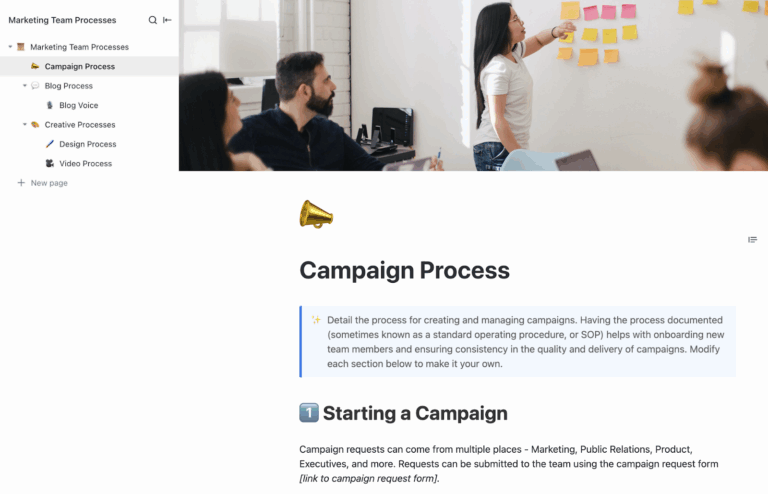
💡 Pro Tip: Document and refine your marketing playbook in ClickUp Docs. You can store reward details, templates, and updates in one doc so your team always works from the same playbook. Link it to tasks for easy execution and quick adjustments based on customer feedback.

Running marketing for a restaurant feels a lot like running the kitchen. Ideas come fast, timing matters, and the whole thing falls apart if one step gets missed.
The creative side is fun, but the operational side can feel endless.
ClickUp for Marketing Teams gives restaurant marketers a way to stay organized, capture ideas quickly, and move campaigns forward without wasting time. Here’s how the enterprise marketing software keeps marketing strategies for restaurants on track. 🍴
Every big promotion starts with the same question: What worked last year? Did the Valentine’s prix fixe menu sell out because of the Instagram ads, or did the email campaign bring diners in?
Hunting through old emails and files to piece it together takes hours.

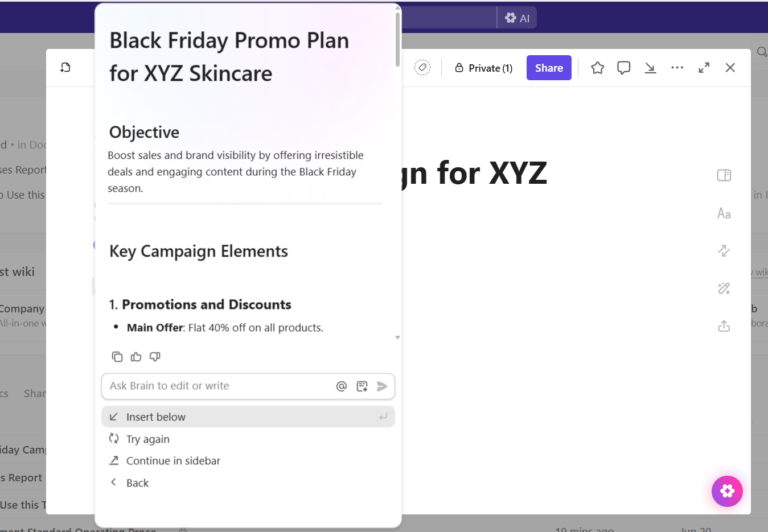
ClickUp Brain makes that process effortless. Since it connects across your workspace, you can simply ask for what you need and have it appear in seconds.
📌 Try this prompt: Pull the copy we used for last year’s Valentine’s Day email campaign, along with the customer feedback we logged and the final flyer design.
Instead of spending an afternoon chasing old documents, you start from proven material and refine it. Your team can get creative immediately because the context is already in place.
🧠 Fun Fact: From the 1930s to the 1950s, restaurants commonly used matchbooks as advertising. These colorful matchbooks featured the restaurant’s name and logo, serving as both a functional item and a marketing tool.
Some of the best marketing sparks happen outside a desk. A chef might pitch a seasonal appetizer while prepping for dinner service. A manager might suggest a trivia night special while cashing out. If those ideas don’t get captured immediately, they vanish in the rush.

ClickUp Brain MAX solves that. It works as a desktop companion where you can quickly speak and save ideas as real tasks.
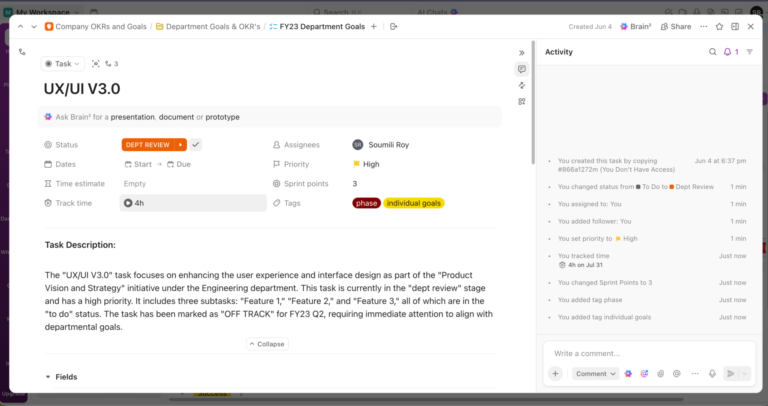
You could say, ‘Create a task to promote Margarita Monday, assign it to design and social, and set it for next Thursday.’ Brain MAX turns your dictation into text instructions that create a task instantly with a due date and clear owners.
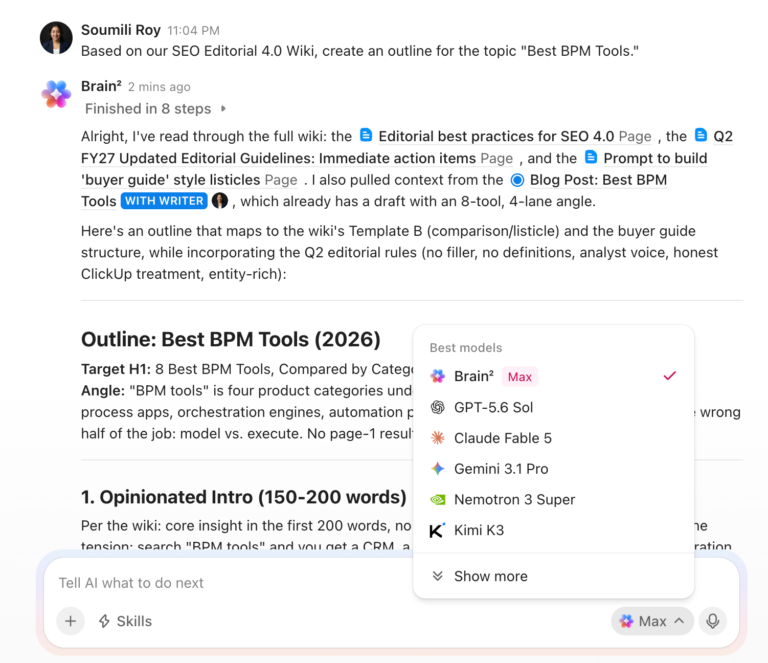
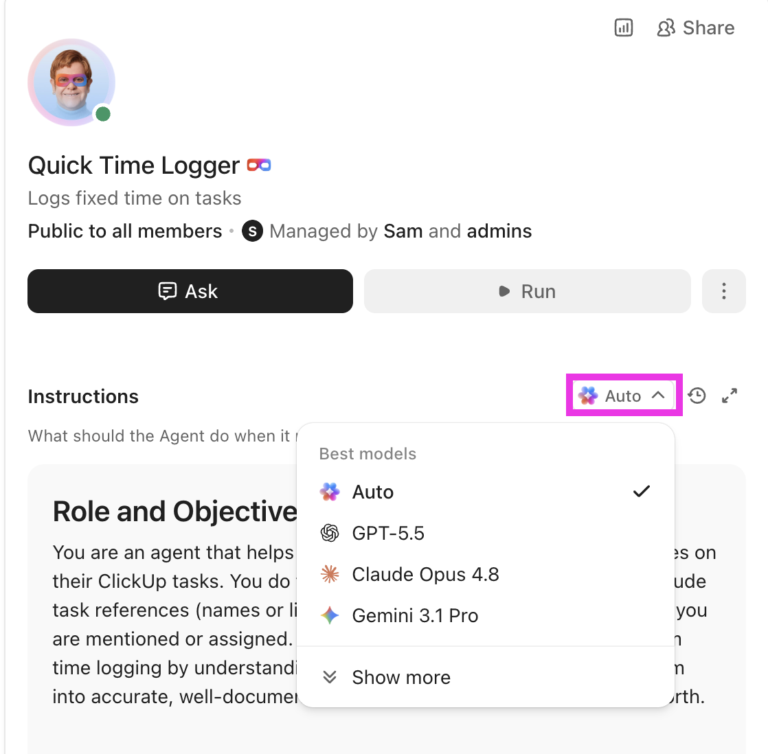
Brain MAX also gives you control over which AI model to use for different jobs.
For playful copywriting, you might switch to ChatGPT. For building a marketing calendar, Gemini can give you structure. Claude works best to tighten the tone of your website updates. You’re not locked into one AI assistant; you choose the right one for the job.

This helps the team:
📖 Also Read: Free Restaurant Business Plan Templates
Restaurant campaigns often get stuck at the handoff stage. A July 4th BBQ promo flyer might be ready, but the campaign stalls if no one knows it is waiting for approval. Managers spend more time chasing updates than planning the next promotion.

ClickUp Automations keep things moving. You can set rules so the system handles those handoffs for you. For example:
The campaign flows from one stage to the next without someone having to push it forward constantly.
📮 ClickUp Insight: According to our survey, nearly 88% of leaders still rely on manual check-ins, dashboards, or meetings to get updates.
The cost? Lost time, context-switching, and often, outdated information. The more energy you spend chasing updates, the less you have for acting on them.
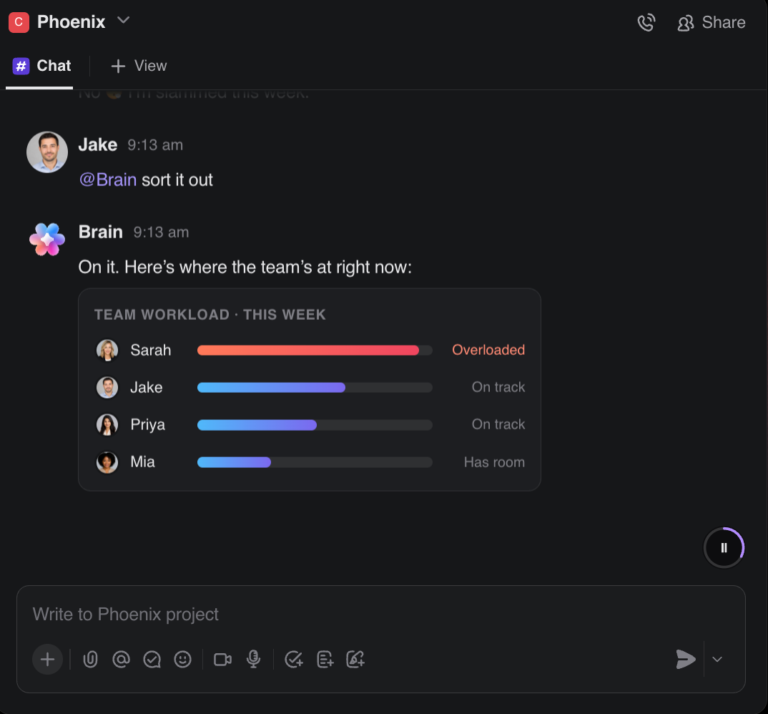
ClickUp’s Autopilot Agents, available in Lists and Chats, surface status changes and critical discussion threads instantly. Here’s to never having to ask your team to send “quick updates”. 👀
💫 Real Results: Pigment improved team communication efficiency by 20% with ClickUp—keeping teams better connected and aligned.
Every marketing team has heard it: ‘We should promote the new burger.’
The idea is fine, but without details, it’s unusable. What’s the budget? Which channel? When should it go live? Clarifying those points turns into endless back-and-forth.

You can set up a simple Form in ClickUp for staff to submit their requests. They fill in the basics—campaign type, budget, dates, and assets needed. The Form automatically creates a task in your workspace, complete with deadlines and owners.
Ready to fill your restaurant with happy guests? Unlock the secrets to high-impact campaigns with The Campaign Execution Playbook. This essential guide breaks down every step of restaurant marketing, from building buzz for special events to using AI for digital marketing.

Discover actionable growth marketing strategies, expert tips, and ready-to-use templates designed to help your team fill seats, boost revenue, and create memorable dining experiences.
Restaurant marketing rarely happens one campaign at a time. A fall catering push might overlap with happy hour promos and a Halloween event. Without a clear view, it’s easy to overload the team or miss deadlines.

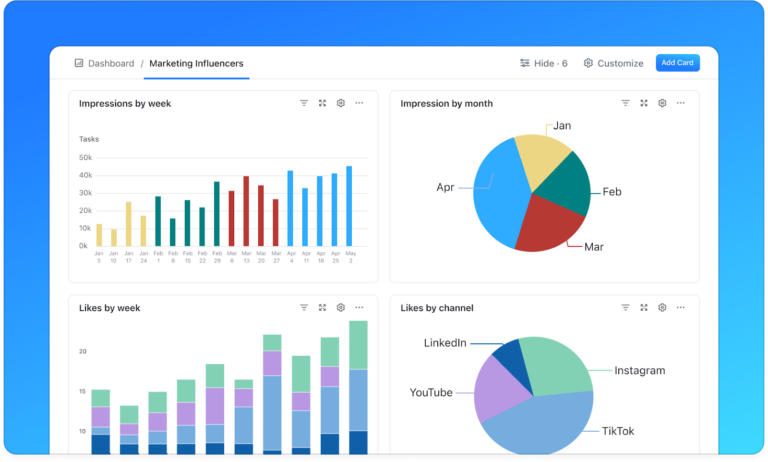
ClickUp Dashboards bring all of it into a single snapshot. You can see:
For example, you might notice that your designer is overloaded since you’ve requested Labor Day and brunch marketing materials simultaneously. That visibility lets you adjust priorities before deadlines are missed.
🔍 Did You Know? In 1997, Pizza Hut cast Mikhail Gorbachev in an ad where Russians argued about his legacy—freedom vs. chaos—before agreeing on one thing: ‘Because of him, we have Pizza Hut.’ Gorbachev never speaks, but his silent cameo turned a pizza commercial into global political theater, making it one of the most unforgettable restaurant ads ever.
Building a campaign marketing plan from scratch can take longer than the actual campaign. You have to create tasks for email, social, events, and print before the creative work even begins.
ClickUp’s Local Restaurant Marketing Plan Template saves that effort. It comes pre-loaded with workflows for common campaigns like holiday promos, loyalty pushes, or event nights.
The marketing campaign template gives you five different views—Key Results, Timeline, Getting Started Guide, Objectives, and Progress Board—to help you gain insights and streamline marketing efforts.
Hear it from our marketing team on using ClickUp:
Our approach to integrated marketing goes beyond just aligning campaigns with the overarching strategy. It’s about unifying all of our marketing functions, assets, and processes into a single source of truth that seamlessly integrates with the rest of our systems. ClickUp makes all of this easy to execute and and share across our teams.
🧠 Fun Fact: In the late 1800s and early 1900s, restaurants experimented with novelty architecture—structures shaped like shells, animals, and even giant food items—to grab motorists’ attention. One famous example is the Brown Derby restaurant in Hollywood, built to look like a derby hat. It was ‘eatertainment’ before the term existed.
Running restaurant marketing can feel like a nonstop rush. You have specials to promote, social posts to schedule, menus to update, and events to push out, all at the same time. One missed step and the whole campaign falls behind.
ClickUp keeps everything moving seamlessly.
ClickUp Brain and Brain MAX instantly turn off-the-cuff ideas into polished copy and clear tasks. Forms ensure creative requests land exactly where they need to, avoiding confusion or delays.
Automations push tasks forward automatically, and Dashboards clearly show which promotions are winning attention and which need a boost.
Get your marketing running as smoothly as your kitchen. Sign up for ClickUp today! ✅
A. The best marketing strategies for restaurants include optimizing for local searches (local SEO), engaging customers on social media, running email marketing campaigns, creating loyalty programs, offering seasonal or limited-time menu promotions, and building partnerships with local businesses to attract loyal customers and strengthen community ties.
A. Small restaurants can attract new customers by offering special promotions or limited-time deals, encouraging referrals and word-of-mouth marketing, partnering with nearby businesses for co-promotions, maintaining accurate online listings and reviews, and sharing authentic, engaging content on social media that highlights their unique offerings.
A. Effective digital marketing tactics for restaurants include keeping Google My Business updated, running targeted social media ads, sending newsletters and personalized emails, collaborating with local influencers, promoting reservations on online booking platforms, and sharing behind-the-scenes or storytelling content to create a connection with customers.
A. Restaurants use social media to showcase their menu items, share behind-the-scenes moments, highlight special events or offers, run contests or giveaways, engage with followers through comments and messages, and build a community of loyal customers who support and advocate for their brand.
A. Tools that help manage restaurant marketing campaigns include ClickUp for planning and tracking tasks, social media scheduling tools like Buffer or Later, email marketing platforms like Mailchimp or Klaviyo, and CRM systems for managing loyalty programs and customer relationships.
© 2025 ClickUp