Zoology Research Knowledge Hub
Build a Comprehensive Knowledge Base for Zoology Research
Create a centralized, searchable repository for species data, field observations, research protocols, and ecological insights—ensuring your team accesses the latest findings effortlessly.
 25,000+ reviews from
Trusted by the best
ClickUp vs Traditional Research Tools
Why ClickUp Excels for Zoology Research Knowledge Management
Develop a unified platform that grows with your research needs.
Using Traditional Methods
- Data scattered across spreadsheets and notes, causing inconsistencies
- Manual updates lead to outdated research insights
- Limited integration between fieldwork and analysis
- Restricted access complicates collaboration among researchers
- Time-consuming processes delay knowledge sharing
Using ClickUp
- Integrates research documentation, tasks, and discussions in one place
- Automatically converts knowledge gaps into actionable assignments
- Links observations to experiments, publications, and field data
- Granular permissions for team members, collaborators, and public sharing
- AI-powered assistance accelerates data synthesis and reporting
Building Your Zoology Knowledge Base
How to establish a zoology research knowledge base with ClickUp
Follow these 6 steps to organize, maintain, and expand your research insights effectively.
1. Define your research scope and stakeholders
- Identify research goals and target audiences (field researchers, data analysts, conservationists)
- Outline key species, habitats, and ecological processes to document
- Assign responsibility for content accuracy and updates
2. Design a clear, navigable knowledge base structure
- Create sections for taxonomy, behavior studies, environmental data, and methodology
- Develop a consistent taxonomy for species and research categories
- Include changelogs for revisions and updates
3. Standardize documentation templates for consistency
- Use uniform formats for species profiles, observation logs, and experimental protocols
- Cover essential details like habitat, specimen data, and research outcomes
- Document anomalies and rare occurrences to enrich data quality
4. Incorporate practical guides and troubleshooting tips
- Provide step-by-step protocols for fieldwork and lab analysis
- Include troubleshooting for equipment, data collection, and sample handling
- Centralize best practices for data validation and quality control
5. Link updates to research phases and publications
- Connect knowledge base entries to ongoing studies, reports, and peer-reviewed articles
- Treat documentation as a living resource synchronized with project milestones
- Ensure traceability of data provenance and version history
6. Manage access and sustain knowledge integrity
- Set permissions for internal teams, academic partners, and public access
- Maintain records of data sources, ethics approvals, and field permits
- Schedule regular reviews and updates to prevent information decay
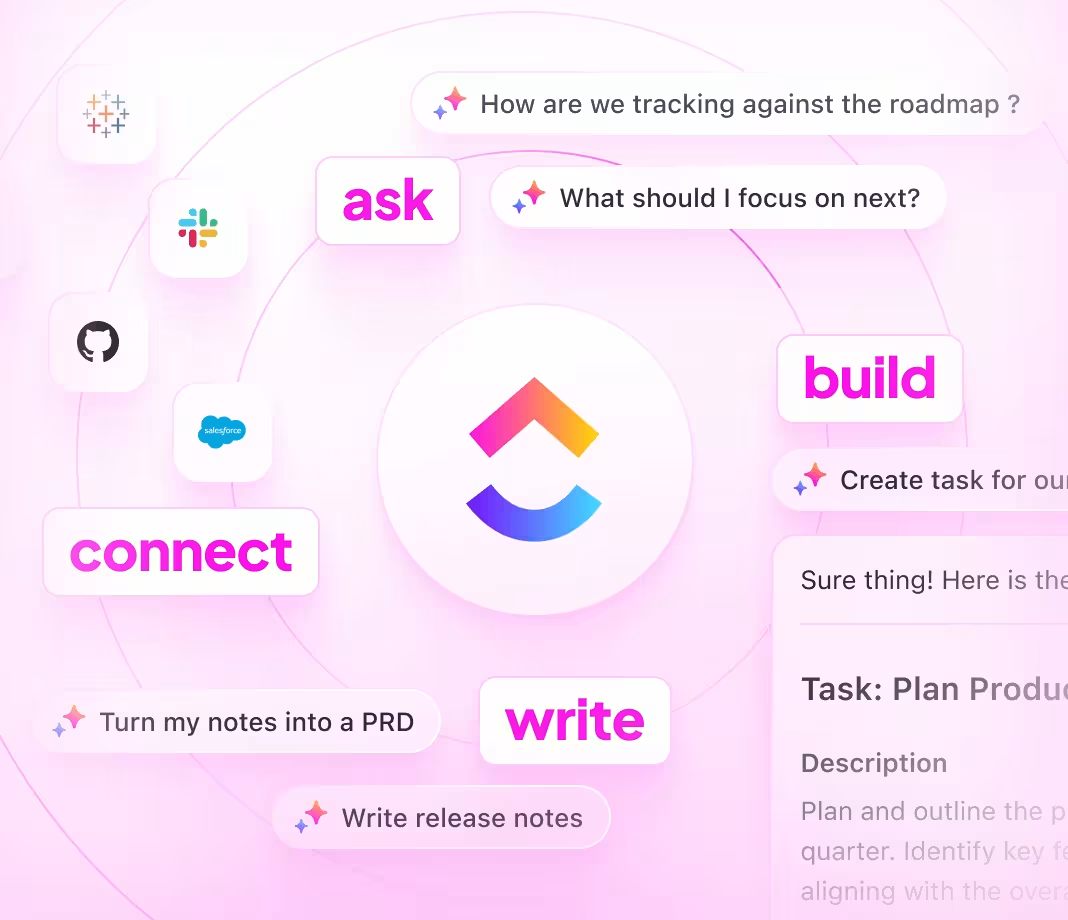
Empowering Zoology Research Teams
How ClickUp facilitates building a zoology research knowledge base
Ensure your research documentation is organized, accountable, and evolves alongside your discoveries.
Organize
Structured zoological records with ClickUp Docs
- Species profiles, Field notes, Experimental data, Research protocols
- Table of contents with nested pages for seamless navigation
- Standardized templates for repeatable documentation
Why it matters: Researchers access accurate data swiftly, reducing redundancies and errors.

Assign
Clear ownership and workflow tracking
- Identify knowledge gaps and assign follow-up tasks
- Set responsible researchers, deadlines, and review cycles
- Monitor progress with the same tools used for fieldwork management
Why it matters: Accountability ensures knowledge base accuracy and fosters continuous improvement.

Integrate
Connect documentation to research milestones
- Link notes and data to ongoing studies, publications, and field campaigns
- Incorporate feedback from peer reviews and collaborator inputs
- Use ClickUp Brain and Brain Max to surface insights and patterns
Why it matters: Keeps the knowledge base aligned with the dynamic nature of zoological research.

Zoology Research Knowledge Base FAQs
Your questions about ClickUp for zoology research answered


SOC 2
CERTIFIED

ISO 27001
CERTIFIED

GDPR
COMPLIANT

HIPAA
COMPLIANT