Knowledge Base for Wildlife Biology
Build a Comprehensive Knowledge Base for Wildlife Biology
Create a centralized, searchable hub for species data, habitat research, field notes, migration patterns, and conservation efforts—ensuring every biologist has access to the most current insights.
 25,000+ reviews from
Trusted by the best
ClickUp vs Traditional Methods
Why ClickUp Elevates Wildlife Biology Knowledge Management
Consolidate research and fieldwork into one dynamic platform.
Conventional Tools
- Data scattered across spreadsheets, notebooks, and emails, causing information gaps
- Updates depend on manual input and memory recall
- Research notes disconnected from ongoing projects and fieldwork
- Permission restrictions lead to duplicated records for different teams
- Entirely manual processes slow knowledge sharing and collaboration
Harnessing ClickUp
- Integrate wildlife data, field observations, and project tasks in one space
- Turn knowledge gaps into actionable tasks with ClickUp Brain
- Link research documents directly to ongoing studies and conservation initiatives
- Manage access for researchers, partners, and public outreach
- AI-powered tools streamline data summarization, report generation, and troubleshooting
Building Your Knowledge Base
How to Develop a Wildlife Biology Knowledge Base with ClickUp
Follow this 6-step approach to organize, update, and expand your wildlife research repository.
1. Identify your research scope and user groups
- Determine key species, ecosystems, and data needs
- Define who will access and contribute: field biologists, researchers, conservationists
- Assign responsibility to maintain data accuracy and completeness
2. Establish a clear, navigable knowledge base structure
- Create a single hub with intuitive navigation for species profiles, habitats, behaviors, and conservation status
- Include sections for field notes, data analyses, and reference materials
- Organize updates and new findings chronologically and by topic
3. Standardize data entry and documentation formats
- Use consistent templates for species observations, ecological surveys, and behavioral studies
- Document methodologies, GPS coordinates, and environmental conditions uniformly
- Incorporate error reporting and data validation processes to improve reliability
4. Integrate practical guides and troubleshooting resources
- Develop how-to guides for field equipment use, sample collection, and data analysis
- Include troubleshooting steps for common field challenges and data inconsistencies
- Centralize protocols for tagging, tracking, and monitoring wildlife
5. Link knowledge updates to research projects and expeditions
- Connect documentation changes to field trips, lab analyses, and conservation actions
- Treat knowledge updates as integral to project workflows, not afterthoughts
- Ensure your knowledge base reflects the latest ecological findings and field results
6. Control access and perform regular reviews
- Set permissions for internal teams, external collaborators, and public education
- Maintain logs for data revisions, species status changes, and research notes
- Collect feedback from users to continuously refine and expand the knowledge base
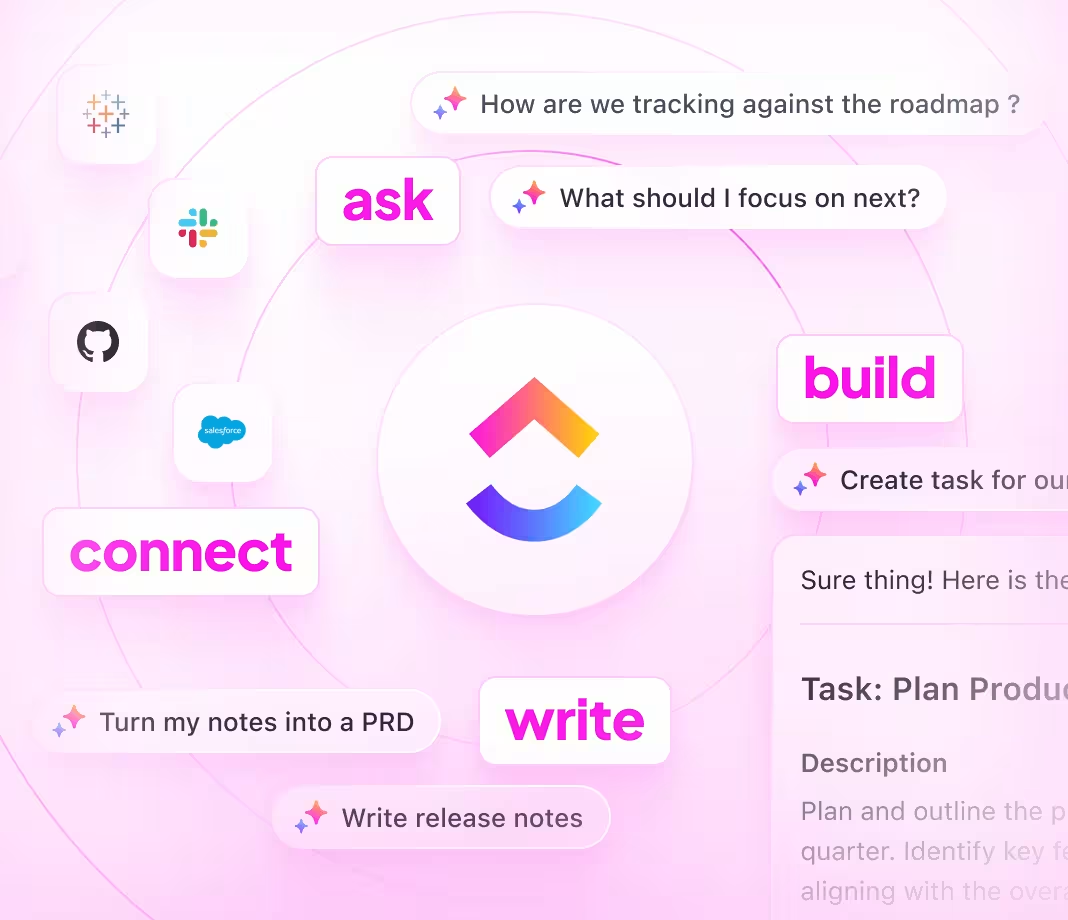
How ClickUp Supports Your Research
Unlock the Power of ClickUp for Wildlife Biology Knowledge
Keep your wildlife biology knowledge base organized, current, and connected to every project milestone.
Organize
Structured Wildlife Knowledge with ClickUp Docs
- Species profiles, Habitat data, Behavioral studies, Conservation actions
- Table of contents and nested pages for easy navigation
- Standardized templates for consistent data recording
Why it matters: Researchers find critical information quickly, reducing redundant fieldwork.

Manage
Trackable Knowledge Ownership and Updates
- Identify gaps and assign tasks with ClickUp Brain
- Set owners, deadlines, and review cycles for data accuracy
- Monitor progress like research project management
Why it matters: Accountability ensures your knowledge base reflects the latest discoveries.

Connect
Documentation Synced to Fieldwork and Research
- Link notes and data to expeditions, lab results, and conservation initiatives
- Connect observations to environmental events and species status updates
- Attach feedback and support requests directly to documentation
Why it matters: Your knowledge evolves in step with ongoing wildlife research.

ClickUp for Wildlife Biology Knowledge
Common Questions About Building a Wildlife Knowledge Base




SOC 2
CERTIFIED

ISO 27001
CERTIFIED

GDPR
COMPLIANT

HIPAA
COMPLIANT