ClickUp UI Components Knowledge Base
Streamline Your User Interface Components Knowledge Base
Create a centralized, searchable repository for component specs, design tokens, usage guidelines, and troubleshooting—so your design and development teams always access the latest authoritative source.
 25,000+ reviews from
Trusted by the best
ClickUp vs Traditional Methods
Why ClickUp Transforms Your UI Components Knowledge Management
Build a unified hub that evolves with your design system.
Traditional approaches
- Component details scattered across multiple tools, causing version conflicts
- Manual updates lead to outdated or inconsistent specs
- Limited collaboration between design and development teams
- Access restrictions cause duplicated content for different roles
- Time-intensive maintenance and knowledge sharing processes
Using ClickUp for UI components
- Integrate design specs, tasks, and feedback in one workspace
- Convert documentation gaps into actionable tasks with Brain Max
- Link components to development sprints and release cycles
- Granular permissions for designers, developers, and stakeholders
- AI-driven assistance accelerates documentation, updates, and troubleshooting
Building Your UI Components Knowledge Base
How to establish a scalable knowledge base for UI components
Follow this 6-step process to keep your component library organized, accessible, and current.
1. Identify your users and define knowledge base objectives
- Determine who accesses the components (designers, developers, QA)
- Outline workflows from component creation to implementation
- Assign ownership for maintaining component documentation
2. Design a clear structure for your UI component library
- Create a centralized hub with intuitive navigation
- Include sections for design guidelines, code snippets, accessibility, and changelogs
- Ensure easy discovery of component variants and states
3. Standardize component documentation templates
- Use consistent formats covering purpose, anatomy, props, usage, and examples
- Document interaction states, responsiveness, and accessibility considerations
- Include common issues and troubleshooting tips to reduce repeated queries
4. Incorporate practical guides and implementation notes
- Develop how-to content for integrating components across platforms
- Add troubleshooting workflows for common UI bugs and inconsistencies
- Centralize design tokens, style references, and version histories
5. Link documentation updates to product releases and sprints
- Connect knowledge base changes to development cycles and design reviews
- Treat documentation as an integral part of component delivery
- Maintain accuracy as design systems evolve
6. Manage access controls and regularly review content
- Set permissions for internal teams, external partners, and public contributors
- Keep changelogs, deprecation notes, and migration paths up to date
- Collect feedback and schedule periodic audits to prevent content drift
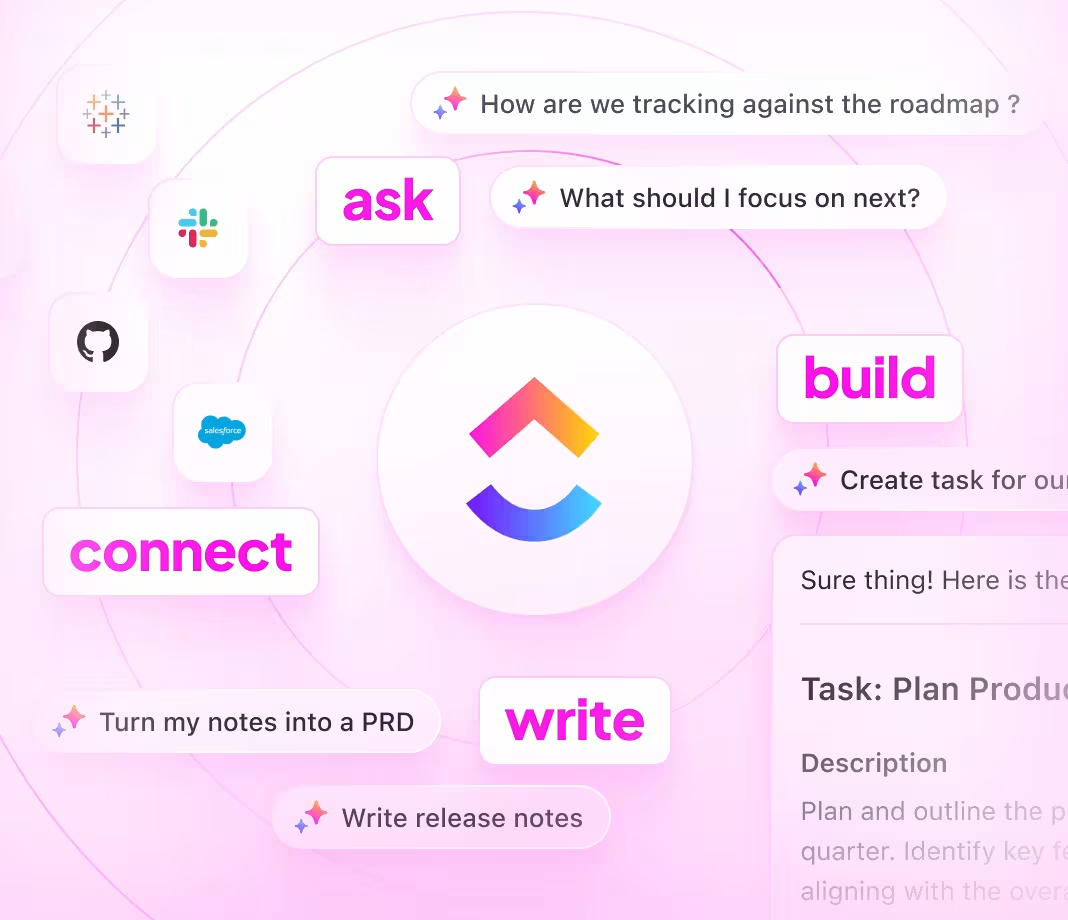
Harness ClickUp’s capabilities
Unlock the power of ClickUp for your UI components knowledge base
Keep component documentation organized, assigned, and synchronized with every design iteration and release.
Organize
Structured UI component documentation with ClickUp Docs
- Component specs, design guidelines, code snippets, accessibility notes
- Table of contents with nested subpages for easy navigation
- Uniform documentation templates for each component
Why it matters: Teams find component details quickly, reducing delays and miscommunication.

Manage
Accountable documentation ownership with ClickUp
- Transform documentation gaps into actionable tasks with Brain Max
- Assign owners, set deadlines, and schedule regular reviews
- Track documentation updates alongside product and design tasks
Why it matters: The knowledge base remains accurate because responsibility is clear and ongoing.

Connect
Link documentation to releases and design sprints
- Associate docs with release notes, sprint tasks, and design reviews
- Track bugs, UI regressions, and feedback within documentation context
- Ensure your knowledge base evolves alongside your design system
Why it matters: Documentation reflects real-time changes, eliminating outdated information.

ClickUp for UI Components Knowledge Base
Frequently Asked Questions


SOC 2
CERTIFIED

ISO 27001
CERTIFIED

GDPR
COMPLIANT

HIPAA
COMPLIANT