Construct a Robust Knowledge Base for System Architecture Diagrams
Create a centralized, searchable repository for diagrams, design principles, component interactions, and version histories—ensuring architects and engineers access the definitive source.
 25,000+ reviews from
Why ClickUp Excels for System Architecture Diagram Knowledge Bases
Unify your architecture insights in one scalable platform.
Traditional tools limitations
- Architecture diagrams scattered across multiple platforms
- Manual version control leading to outdated visuals
- Collaboration bottlenecks between teams
- Access restrictions causing duplicated or siloed content
- Time-consuming manual updates and reviews
Advantages with ClickUp
- Integrated Docs, tasks, and comments keep diagrams and discussions connected
- Assign actionable tasks from diagram gaps
- Link architecture docs directly to projects and releases
- Granular permissions for internal, partner, and public access
- AI-powered assistance accelerates diagram updates and contextual documentation
Step-by-step to build a knowledge base for system architecture diagrams
Follow this 6-step framework to organize, maintain, and scale your architecture documentation.
1. Identify stakeholders and documentation objectives
- Define who uses the diagrams (engineers, architects, product teams)
- Clarify what architectural decisions and systems need documenting
- Assign owners for ongoing accuracy and updates
2. Develop a logical structure for your knowledge base
- Create a central hub with intuitive navigation for components, systems, and layers
- Include sections like overview, data flow, integrations, and infrastructure
- Maintain an accessible version history and change log
3. Standardize diagram documentation templates
- Use consistent formats for system diagrams and component descriptions
- Document purpose, interactions, dependencies, and constraints
- Incorporate annotations for edge cases and performance considerations
4. Integrate practical guides and troubleshooting notes
- Provide walkthroughs for architecture scenarios and deployment
- Document common pitfalls and mitigation strategies
- Centralize incident analysis and lessons learned
5. Synchronize documentation with development cycles
- Connect updates to sprint releases, architectural reviews, and change requests
- Treat documentation as an integral part of system evolution
- Ensure diagrams reflect current architecture accurately
6. Manage permissions and maintain knowledge quality
- Set access levels for internal teams, external partners, and stakeholders
- Regularly review and update diagrams and related documentation
- Collect feedback to continuously improve clarity and completeness
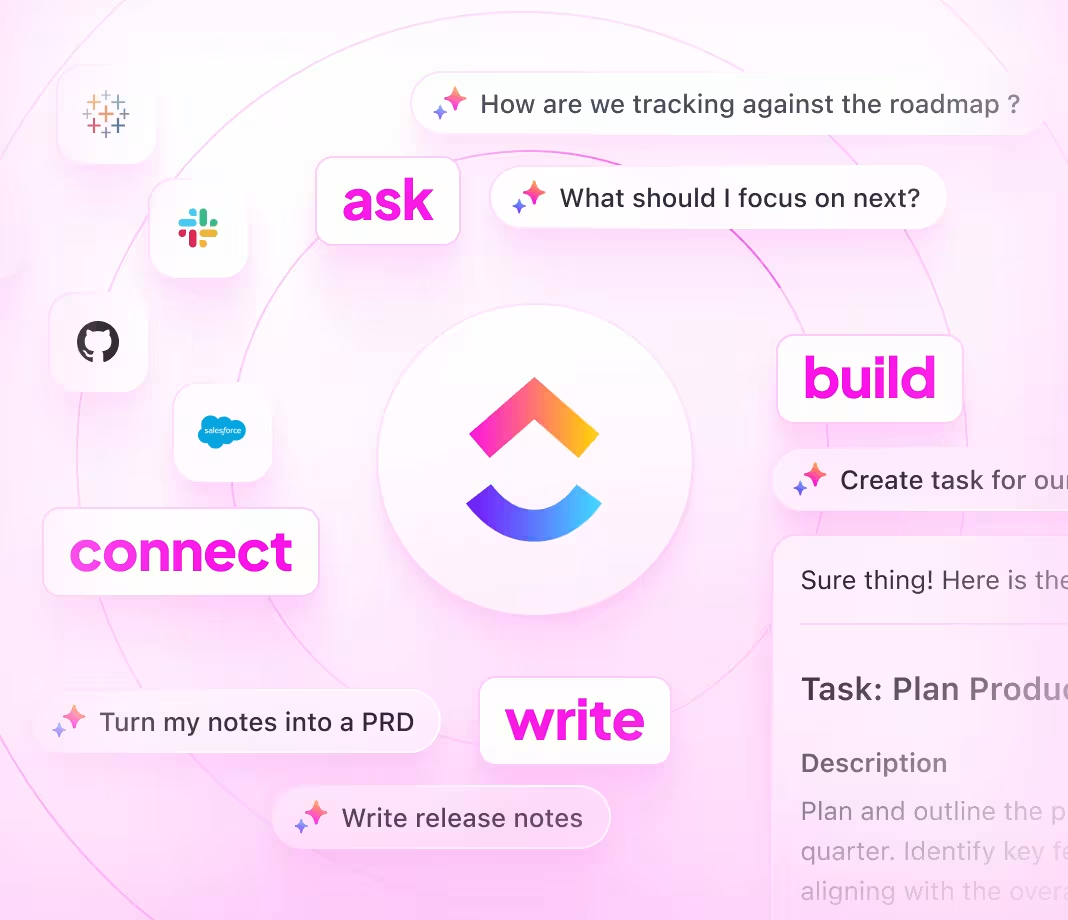
Unlock the power of ClickUp for your system architecture knowledge base
Leverage ClickUp 4.0, ClickUp Brain, and Brain Max to keep your architecture diagrams connected, current, and collaborative.
Structured system architecture documentation with ClickUp Docs
- Centralized sections: Overview, Components, Data Flows, Integrations, Infrastructure
- Intuitive navigation with table of contents and nested pages
- Consistent diagram annotation templates
Why it matters: Teams locate critical system insights quickly, enabling informed decisions without delays.

Transparent ownership and progress tracking
- Identify and assign owners for each diagram and document
- Schedule review cycles with reminders and due dates
- Track documentation tasks alongside architecture projects
Why it matters: Accountability ensures your knowledge base evolves with your system, preventing outdated or missing information.

Integration with development and operations workflows
- Link architecture updates to development sprints, releases, and incidents
- Synchronize diagrams with infrastructure changes and deployments
- Aggregate feedback from support and engineering teams
Why it matters: Your documentation stays current and reflects real-world system changes continuously.

Common Questions Answered






