Build a Robust Knowledge Base for Security Tooling Documentation
Create a centralized, searchable repository for security processes, tool configurations, incident response guides, and compliance standards—ensuring your security team accesses accurate, up-to-date information every time.
 25,000+ reviews from
Why ClickUp Transforms Security Tooling Documentation Management
Unify knowledge and action in one scalable platform tailored for security teams.
Traditional Documentation Tools
- Security knowledge scattered across siloed platforms leading to outdated info
- Manual updates prone to error and delays
- Documentation often disconnected from real-time security operations
- Complex permission setups causing redundant copies
- Entirely manual workflows slow documentation upkeep
Using ClickUp for Security Documentation
- Integrate knowledge with security workflows (Docs, tasks, comments in one place)
- Automatically create and assign tasks to close documentation gaps
- Link documentation to live security incidents, tool updates, and audits
- Granular permissions for internal teams, partners, and compliance officers
- AI-powered assistance with drafting, summarization, and troubleshooting
How to Build a Knowledge Base for Security Tooling Documentation
Follow this 6-step framework to maintain accurate, accessible security documentation.
1. Identify your security audience and documentation objectives
- Define key users: analysts, engineers, auditors
- Outline critical documentation: tool configs, incident playbooks, compliance policies
- Assign dedicated owners for ongoing accuracy
2. Design a clear, navigable knowledge base structure
- Organize by tool, process, incident type, and compliance requirements
- Include sections for onboarding, troubleshooting, and escalation paths
- Ensure easy access to audit trails and change logs
3. Standardize security tooling documentation templates
- Use uniform formats for tool configurations, incident reports, and response guides
- Document access controls, alerting rules, and escalation procedures
- Include examples and common error scenarios to reduce repeated queries
4. Incorporate practical guides and incident response workflows
- Develop step-by-step remediation guides
- Embed troubleshooting protocols for alerts and false positives
- Centralize communication templates and escalation contacts
5. Keep documentation current by linking to security operations
- Connect docs to live incident tickets, audits, and compliance reviews
- Treat documentation as an integral part of security workflows, not an afterthought
- Automate update notifications with ClickUp Brain and Brain Max
6. Control access and continuously improve your knowledge base
- Set role-based permissions for internal teams, vendors, and auditors
- Maintain detailed changelogs and deprecation schedules
- Use feedback loops and periodic reviews to ensure relevancy
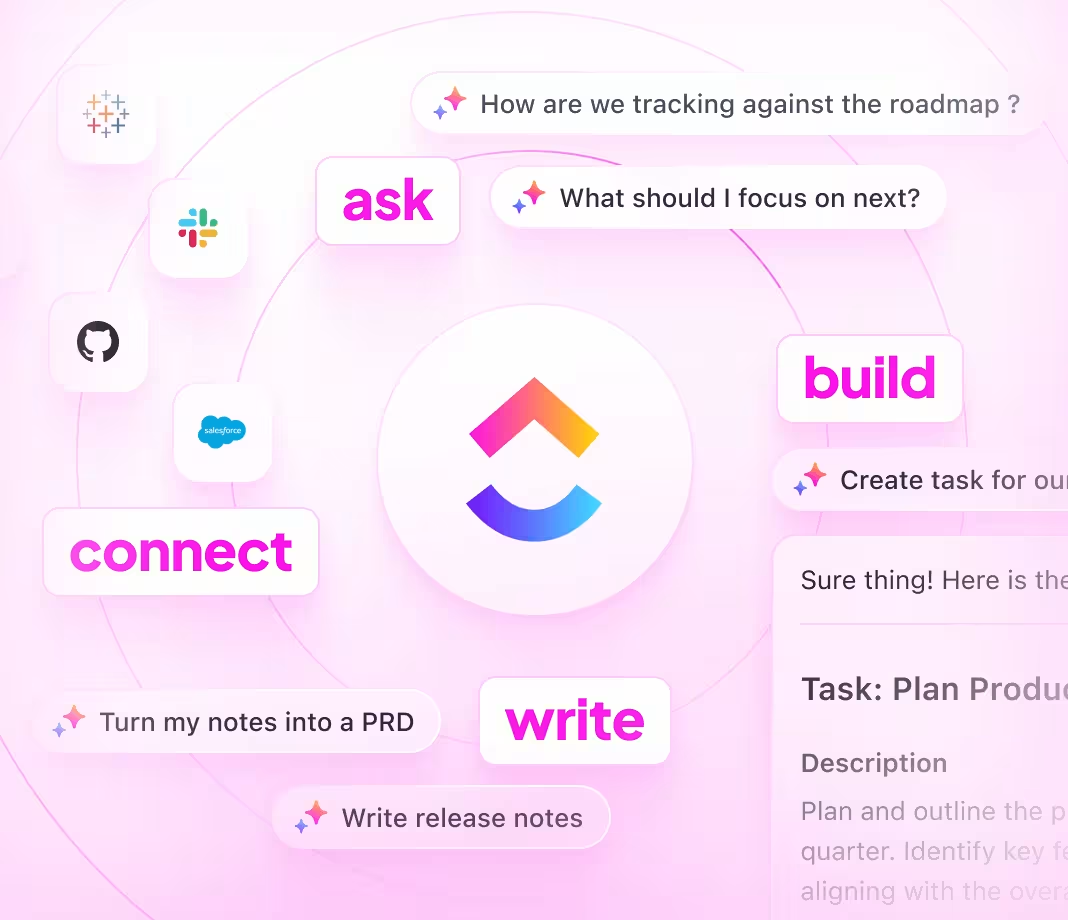
Unlock Efficient Security Documentation with ClickUp
Maintain structured, accountable, and dynamic security documentation that evolves with your environment.
Consistent Security Documentation Using ClickUp Docs
- Centralize content: tool setups, incident playbooks, compliance guidelines
- Use nested pages and tables of contents for intuitive navigation
- Apply uniform templates for all security assets
Why it matters: Teams access critical info quickly, reducing response times and errors.

Transparent Ownership and Tracking
- Convert documentation gaps into actionable tasks
- Assign clear owners, deadlines, and review cycles
- Monitor progress alongside security operations
Why it matters: Documentation accuracy improves through accountability and ongoing maintenance.

Link Documentation Directly to Security Workflows
- Connect docs to incidents, tool upgrades, and compliance audits
- Tie feedback and support issues to relevant documentation
- Keep all security knowledge synchronized with operational changes
Why it matters: Documentation remains relevant and supports rapid, informed decision-making.

Answers to Your Top Questions




