Security Architecture Standards Knowledge Base
Build a Centralized Knowledge Base for Security Architecture Standards
Create a unified, searchable repository for policies, protocols, compliance frameworks, and incident responses—ensuring your security team accesses the most current standards effortlessly.
 25,000+ reviews from
Trusted by the best
ClickUp vs Traditional Security Tools
Why ClickUp Stands Out for Security Architecture Knowledge Management
Unify standards and execution in one scalable platform.
Using Traditional Security Tools
- Security standards isolated from implementation workflows, leading to outdated protocols
- Manual update processes prone to oversight
- Disconnected documentation from real-time security events
- Fragmented access controls causing duplication and confusion
- Lengthy creation and update cycles due to manual efforts
Leveraging ClickUp for Security Standards
- Integrates security documentation with tasks and team discussions
- Converts documentation gaps into actionable assignments
- Links standards to live security incidents and architecture updates
- Granular permission controls for internal and external stakeholders
- AI-powered assistance accelerates drafting, summarization, and troubleshooting
Methodology to Build Your Knowledge Base
How to Create a Knowledge Base for Security Architecture Standards
Follow these 6 strategic steps to keep standards comprehensive, accessible, and current.
1. Identify stakeholders and define security documentation objectives
- Determine who uses the standards (architects, auditors, engineers)
- Outline requirements from compliance to operational guidelines
- Assign document ownership for accountability
2. Design a clear and logical knowledge base structure
- Develop centralized hubs with intuitive navigation for policies, controls, and frameworks
- Include sections for incident response, risk management, and compliance mandates
- Maintain a changelog for updates and deprecations
3. Standardize document templates for consistency
- Establish uniform formats covering scope, controls, implementation details, and references
- Ensure consistent language and terminology across documents
- Address exception handling and audit considerations
4. Incorporate practical guides and remediation workflows
- Provide step-by-step implementation instructions
- Include troubleshooting and incident escalation protocols
- Centralize best practices for continuous improvement
5. Link documentation to security operations and change management
- Associate standards with change requests, incident tickets, and audit reports
- Treat documentation updates as integral to security lifecycle management
- Keep content synchronized with evolving threat landscapes
6. Enforce access controls and perform regular reviews
- Set role-based permissions for internal teams, partners, and auditors
- Schedule periodic audits and feedback collection
- Continuously refine content to prevent knowledge decay
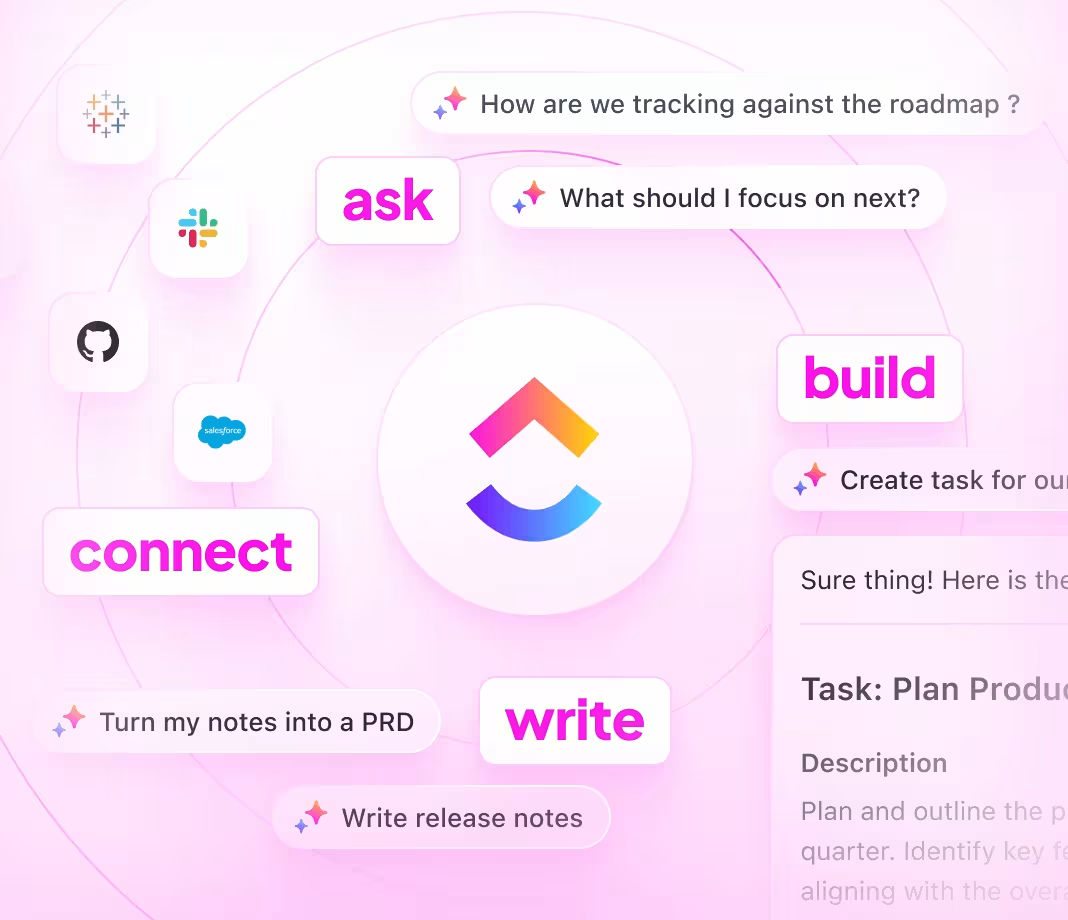
Harnessing ClickUp’s Capabilities
How ClickUp Empowers Your Security Architecture Knowledge Base
Maintain structured, assigned, and up-to-date security standards integrated with your workflows.
Organize
Structured Security Documentation Using ClickUp Docs
- Categorize by policies, controls, risk assessments, and incident procedures
- Utilize tables of contents and nested subpages for easy navigation
- Apply standardized templates for uniformity
Why it matters: Teams locate critical security information quickly and reliably.

Assign
Trackable Ownership and Accountability
- Convert documentation gaps into tasks with clear owners and deadlines
- Schedule recurring reviews and updates
- Manage documentation efforts like any security project
Why it matters: Ensures security standards remain current and responsibilities are transparent.

Integrate
Connected Documentation Linked to Security Operations
- Associate documents with change requests, incident reports, and audit findings
- Tie feedback and remediation tasks directly to relevant standards
- Make documentation a living part of security workflows
Why it matters: Documentation evolves with your security environment, reducing risk.

ClickUp Knowledge Base for Security Architecture
Common Questions About Building Security Standards Knowledge Bases


SOC 2
CERTIFIED

ISO 27001
CERTIFIED

GDPR
COMPLIANT

HIPAA
COMPLIANT