ClickUp Security Alert Triage Knowledge Base
Build a Robust Knowledge Base for Security Alert Triage
Centralize your alert protocols, incident responses, investigation workflows, and escalation paths in one searchable hub—so your security team can act swiftly and accurately every time.
 25,000+ reviews from
Trusted by the best
ClickUp vs Traditional Security Tools
How ClickUp Elevates Security Alert Triage Knowledge Management
Create a unified resource that adapts as your security landscape evolves.
Traditional Security Tools
- Alert documentation scattered across multiple platforms, causing delays
- Manual updates increase risk of outdated triage procedures
- Poor integration with incident response workflows
- Rigid permission models leading to duplicated knowledge bases
- Time-intensive manual maintenance hinders rapid response
Using ClickUp for Security Alert Triage
- Combines knowledge and triage execution in one platform (Docs + tasks + real-time comments)
- Automates assignment of investigation tasks from knowledge gaps
- Links alerts directly to documentation, incidents, and remediation steps
- Granular access controls for internal teams, partners, and compliance audits
- AI-driven drafting, summarization, and troubleshooting accelerate workflows
Building Your Security Alert Triage Knowledge Base
Step-by-step guide to creating your security alert triage knowledge base
Follow this 6-step approach to keep alerts well-documented, actionable, and continuously refined.
1. Define your security teams and triage objectives
- Identify roles involved in alert investigation and escalation
- Outline types of alerts and critical response SLAs
- Assign ownership to maintain consistency and accountability
2. Design a clear knowledge base layout for alert triage
- Develop a centralized hub with intuitive navigation (Alerts, Investigation, Escalation, Remediation)
- Segment content by alert types, severity levels, and response procedures
- Ensure quick access to playbooks and checklists
3. Standardize alert documentation templates
- Use uniform pages for alert descriptions, indicators, and triage steps
- Document detection methods, investigation protocols, and common false positives
- Include escalation criteria and communication templates
4. Incorporate real-world incident guides and troubleshooting tips
- Provide detailed workflows for frequent alert scenarios
- Embed decision trees for response prioritization
- Centralize post-incident reviews and lessons learned
5. Keep the knowledge base current by linking to live alerts and incidents
- Connect documentation updates with ongoing incident tickets and threat intel
- Treat knowledge updates as part of your incident response lifecycle
- Maintain accuracy as threats and tools evolve
6. Secure your knowledge base and foster continuous improvement
- Apply role-based permissions for sensitive information
- Regularly review and update playbooks based on feedback and new threats
- Utilize ClickUp Brain AI for summarizing incident reports and generating insights
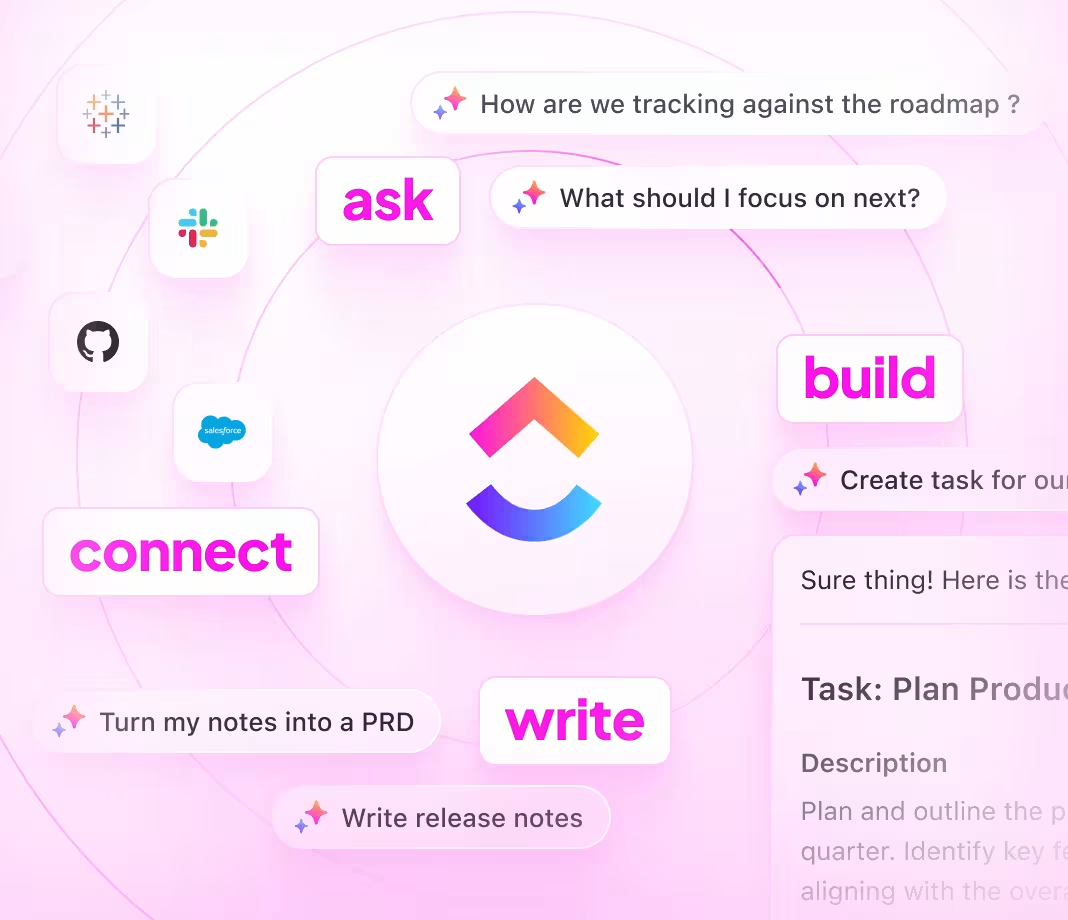
Harness ClickUp’s Advanced Capabilities
Unlock the power of ClickUp for security alert triage knowledge
Stay organized, accountable, and aligned with evolving security demands.
Organize
Structured Security Alert Documentation with ClickUp Docs
- Categorize alerts by type, severity, and source
- Utilize nested Docs and tables of contents for seamless navigation
- Maintain consistent alert page formats including detection, analysis, and response
Why it matters: Your team finds critical info fast, reducing mean time to triage (MTTT).

Manage
Accountable Documentation Ownership and Tracking
- Convert knowledge gaps into assigned tasks with deadlines
- Designate owners and set periodic review cycles
- Track progress alongside incident response and security projects
Why it matters: Accountability ensures your security knowledge base is always reliable.

Connect
Documentation Synced with Alerts and Incident Management
- Link documentation to live alerts, investigations, and remediation tickets
- Integrate bug tracking, threat intelligence, and post-incident analyses
- Tie user feedback and security operations center (SOC) notes directly to knowledge base
Why it matters: Documentation evolves with your security environment, supporting effective triage.

ClickUp Security Alert Triage Knowledge Base
Frequently Asked Questions


SOC 2
CERTIFIED

ISO 27001
CERTIFIED

GDPR
COMPLIANT

HIPAA
COMPLIANT