ClickUp Search Engine Algorithms Knowledge Hub
Build a Dynamic Knowledge Base for Search Engine Algorithms
Create a centralized, searchable resource for algorithm updates, ranking factors, indexing methods, and troubleshooting—empowering your team with the latest insights.
 25,000+ reviews from
Trusted by the best
ClickUp vs Traditional Tools
Why ClickUp Transforms Building a Knowledge Base for Search Engine Algorithms
Develop one adaptable hub tailored to your SEO and algorithm research needs.
With traditional tools
- Algorithm knowledge scattered across platforms, causing inconsistencies
- Manual updates prone to delays and errors
- Disconnected from SEO workflows and project tasks
- Rigid permissions leading to redundant content copies
- Time-intensive maintenance and collaboration challenges
With ClickUp
- Integrates knowledge with execution using Docs, tasks, and comments
- Convert gaps in algorithm understanding into actionable tasks
- Link documentation directly to SEO projects and update cycles
- Granular access controls for team members, partners, and stakeholders
- AI-powered assistance accelerates content creation, summarization, and troubleshooting
Steps to build your knowledge base
How to create a knowledge base for search engine algorithms?
Follow this 6-step approach to maintain organized, searchable, and current algorithm documentation.
1. Define your SEO team’s needs and knowledge goals
- Identify users, from analysts to content strategists
- Outline key algorithm components and update tracking
- Assign responsibility for ongoing content accuracy
2. Design a clear, navigable knowledge base structure
- Centralize content covering ranking factors, indexing, penalties, and updates
- Include sections for algorithm versions, testing results, and FAQs
- Ensure changelogs and update histories are easily accessible
3. Standardize documentation pages for consistency
- Use uniform templates covering algorithm purpose, signals, impact, and mitigation
- Document case studies, examples, and common issues
- Address troubleshooting and edge scenarios to minimize repeated queries
4. Incorporate practical guides and diagnostic procedures
- Develop step-by-step guides for ranking analysis and issue resolution
- Add troubleshooting workflows for indexing errors and ranking drops
- Centralize monitoring and alerting protocols
5. Keep your knowledge base updated with algorithm release data
- Link documentation updates to release notes, SEO audits, and incident reviews
- Treat knowledge base maintenance as integral to update rollouts
- Ensure real-time accuracy as algorithms evolve
6. Manage permissions and sustain your knowledge base long-term
- Set access levels for internal teams, external partners, and public stakeholders
- Maintain version control, deprecation notices, and migration plans
- Gather feedback and conduct regular reviews to prevent content decay
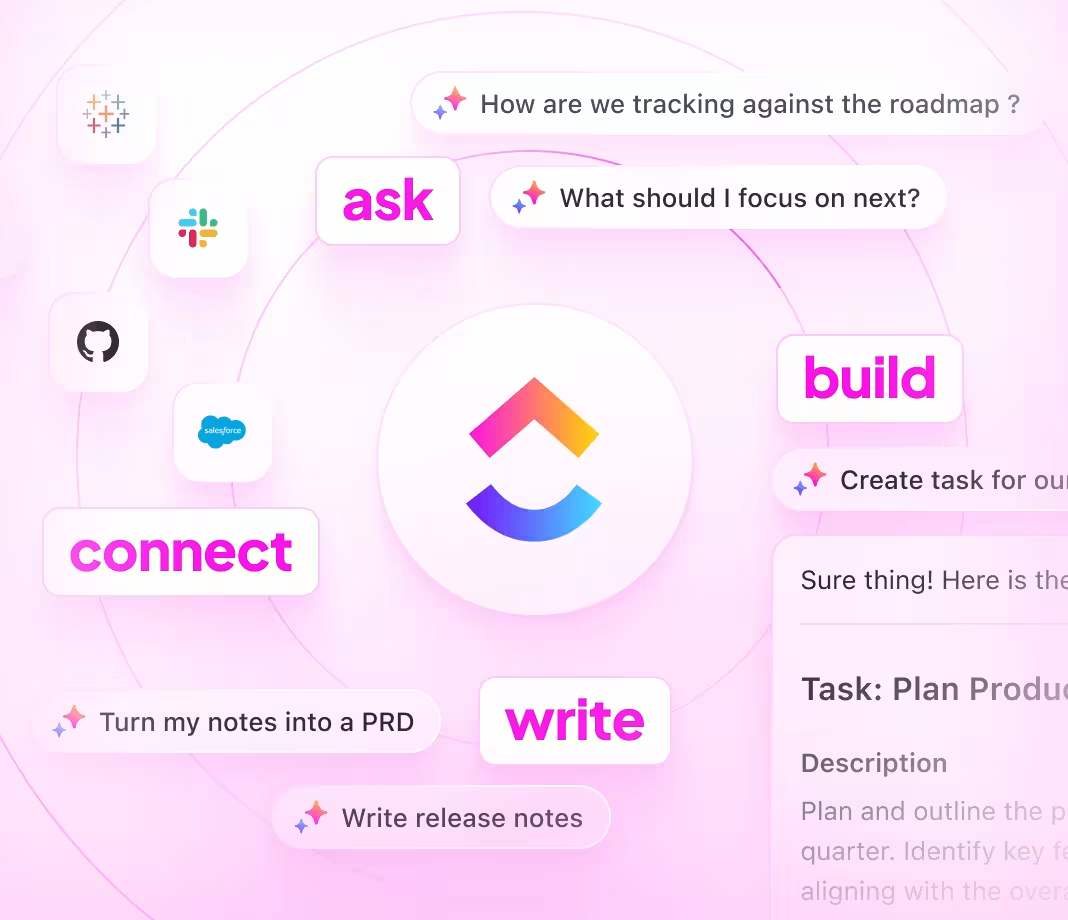
Role of ClickUp Knowledge Base
Unlock the Power of ClickUp for Search Engine Algorithm Knowledge
Maintain well-structured, accountable, and synchronized algorithm insights aligned with every search engine update.
Organize
Structured Algorithm Documentation with ClickUp Docs
- Cover ranking factors, indexing mechanisms, update histories, and penalty guidelines
- Use nested tables of contents and subpages for intuitive navigation
- Apply consistent page templates for various algorithm components
Why it matters: SEO teams find critical information swiftly, reducing guesswork and improving strategy alignment.

Assign
Trackable Ownership of Algorithm Knowledge
- Convert documentation gaps into actionable tasks
- Assign owners, set deadlines, and schedule review cycles
- Monitor updates as rigorously as SEO campaigns
Why it matters: Ensures your knowledge base evolves reliably with clear accountability.

Connect
Documentation Synced with Algorithm Releases
- Link content updates directly to algorithm rollouts and SEO impact assessments
- Integrate bug reports, indexing issues, and incident analyses
- Tie user feedback and support tickets into documentation improvements
Why it matters: Keeps your knowledge base aligned with the fast-changing search landscape.

ClickUp for Search Engine Algorithm Knowledge
Common Questions


SOC 2
CERTIFIED

ISO 27001
CERTIFIED

GDPR
COMPLIANT

HIPAA
COMPLIANT